

Bregentved, Naestved Travel Guide
Free Guide: Historic estate parkland where baroque geometry, sweeping lawns and quiet woodland come together on the edge of Haslev’s rolling countryside.


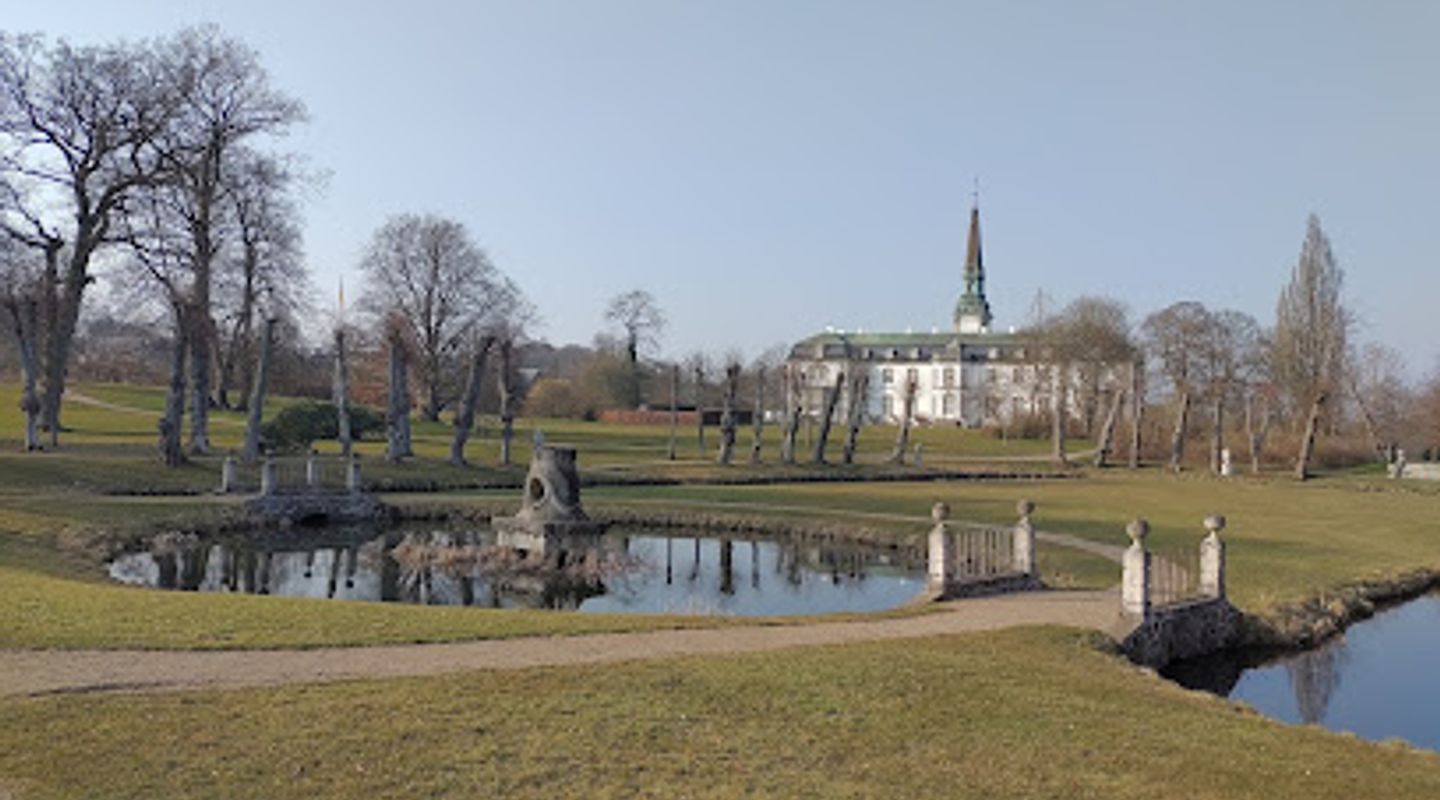
A brief summary of Bregentved
Historic estate parkland where baroque geometry, sweeping lawns and quiet woodland come together on the edge of Haslev’s rolling countryside.
Bregentved Manor Park is a historic country estate landscape on the outskirts of Haslev, south of Copenhagen. Laid out as a grand baroque garden in the 18th century and later softened into sweeping lawns and woodland, its 35 hectares mix tree-lined avenues, water features and open vistas. This is the quiet, aristocratic side of Zealand: a place for unhurried walks, seasonal blooms and long views across gently rolling countryside, with the manor’s roofs and farm buildings glimpsed through the trees.
On-site amenities
 Trash bins
 Information boards
 Seating areas
Opening hours
- MonClosed
- TueClosed
- Wed9 am–6 pm
- ThuClosed
- FriClosed
- Sat9 am–6 pm
- Sun9 am–6 pm
Opening hours as listed on the venue’s Google Business Profile. Hours can change for services and special events, so check with the venue before you go.
- Address
- Koldinghus Alle 1, 4690 Haslev
- Phone
- Website
Getting there
Regional train and local taxi from Copenhagen
Car from Copenhagen via South Zealand motorways
Bus and short walk from Haslev area
Discover more about Bregentved
Baroque Visions in the Danish Countryside
Bregentved Manor Park unfolds around one of Zealand’s great landed estates, a wide green world shaped in the mid‑18th century when baroque garden design was at its height. Formal ideas of symmetry and control still guide the layout: long axes cut through the grounds, tree‑lined avenues frame sightlines, and open lawns are held in place by clipped edges and ordered plantings. Yet the experience feels generous rather than rigid, with gentle transitions between the more sculpted heart of the park and the looser woodland margins.From the moment you step through the entrance, there is a sense of space that is rare this close to major towns. The estate’s agricultural fields extend beyond the ornamental park, and distant farm roofs and hedgerows remind you that this is still a working landscape. The manor buildings themselves remain largely private, but their silhouettes, towers and outbuildings appear like stage sets at the end of vistas, giving the park a strong sense of place and history without turning it into a museum piece.
Historic Avenues, Water and Woodland
One of the park’s defining pleasures is its rhythm of contrasts. Long, straight avenues pull you forward between ranks of mature trees, then release you suddenly into open glades where the sky feels vast and the breeze moves unimpeded across the grass. Here and there, water mirrors the clouds, with ponds and narrow channels catching light and drawing birds. Reflections of branches and foliage make the water feel like a second, inverted garden lying just below the surface.Further from the core, paths dip into quieter woodland, where the geometry of baroque design gives way to softer, more natural forms. Underfoot, the ground shifts from gravel to soil and leaf litter, especially in the shoulder seasons. In spring and early summer, fresh greens dominate, while autumn brings deep gold and russet tones that seem to echo the estate’s brick and tile. The variety makes repeat visits rewarding; the park feels like a familiar story told in new colours each time.
Flora, Fauna and Seasonal Atmosphere
Bregentved’s 35‑hectare park supports an appealing mix of old specimen trees, younger plantings and open grassland that together create a rich habitat for local wildlife. Songbirds use hedges and copses as corridors, and you may see squirrels darting along trunks or deer grazing at the fringes in quieter hours. The planting is not botanical‑garden precise, but it has the maturity of a long‑tended estate, where generations have replaced and re‑aligned tree rows while respecting the original plan.Seasonality is central to the experience. Early in the year, bare branches reveal the skeleton of the baroque layout, making the park an excellent place to study structure and light. In summer, dense foliage turns avenues into leafy tunnels, and shaded benches become precious on warm afternoons. Winter visits can feel almost meditative, with frost on grass, low sun stretching shadows along the main axes and the manor buildings standing out crisply against the pale sky.
Walking, Contemplation and Country Air
For visitors, Bregentved Manor Park is primarily a place to walk, breathe and slow down. Paths are generally gentle and broad, making it easy to stitch together anything from a brief leg‑stretch to a longer loop that explores both formal and wilder corners. There are plenty of informal spots to pause: low walls, the edge of lawns, and occasional benches where you can sit and look back along the tree lines or across the water.The park’s atmosphere suits quiet conversation, solo reflection or family strolls more than noisy activity. Children can run safely on the grass where permitted, while adults trace the alignments of avenues or study the details of trunks and bark. Photographers and sketchers will find compositions almost everywhere, from grand, vanishing‑point perspectives to close‑up textures of lichen, leaves and ripples. Even on busier days, the scale of the grounds usually allows you to find your own pocket of calm.
Estate Heritage and Subtle Details
Though the focus here is on landscape rather than interior tours, the wider estate story is never far away. Bregentved has long been associated with Danish nobility, and the care given to avenues, bridges and boundary walls reflects that continuity of ownership. Subtle details reward attention: the way an old gate aligns with a distant tree line, the craftsmanship of stone edging around water, or the careful choice of species in replanting that preserves historic character while responding to modern climate needs.Even without elaborate interpretation, the park communicates a great deal about how power, taste and agriculture shaped Zealand’s countryside. It shows how a manor could act as both a working farm hub and a stage for landscape art, and how those two roles can still coexist today. A visit here offers not only fresh air and scenery, but also a quiet glimpse into the layered story of Danish estate culture, written in trees, paths and long, measured views.
Evendo Review Centre
 Google
Guest reviews
Best time to go
Quietest: Jan, Feb & Dec · before 8am or at 8pm
Busy times are Evendo estimates for a typical year, to help you plan. Actual crowds vary with events, school holidays and the weather.
Explore Bregentved on the map
A handpicked selection of must-see spots near Bregentved, mapped for you.
Get your free copy of our complete guide to Bregentved, delivered straight to you.
Everything on this page, from opening hours and how to get there to Eve’s tips and the best time to go, in one PDF you can read offline, print or share.
Already have an account? Sign in
Your Bregentved guide is ready.
We'll send it to · Not you? Sign out

Getting your guide ready…
We are putting together a fresh copy of the Bregentved guide. This can take up to a minute.
This can take a few moments. If your browser asks, choose Allow so the download can start. You'll find the guide in your Downloads folder.
Nothing happened? Download it again
Sorry, the guide is taking longer than usual. Please try again in a minute, or get it by email instead.
Other nearby places you may find interesting
The closest places of the same kind, if this one is not quite what you had in mind.
-
-
-
-
-


Swipe for more places
More to explore near Bregentved

 Best experiences near Bregentved
 Best hotels near Bregentved
 Best landmarks near Bregentved
 Best attractions near Bregentved
 Best shops near Bregentved
 Best restaurants near Bregentved
 Best bars near Bregentved
Do you manage this location?
Take control to get all the benefits, like improved information, better appearance, and stronger visibility across AI-powered discovery.
Explore more
Explore more of Naestved
Discover Næstved: A charming Danish city with rich history, vibrant arts, stunning nature, and delectable cuisine, perfect for a memorable and diverse vacation.
Explore Naestved
Explore more of Denmark
Discover Denmark: A perfect blend of history, modern design, and the cozy concept of hygge. Explore vibrant cities, serene landscapes, and world-class cuisine.
Explore Denmark
