Vandkunsten Springvand, North Zealand Travel Guide
A modest 1910 granite fountain in a cobbled Old Town square, Vandkunsten Springvand quietly recalls Copenhagen’s centuries-old ties to water and the former fish market here.
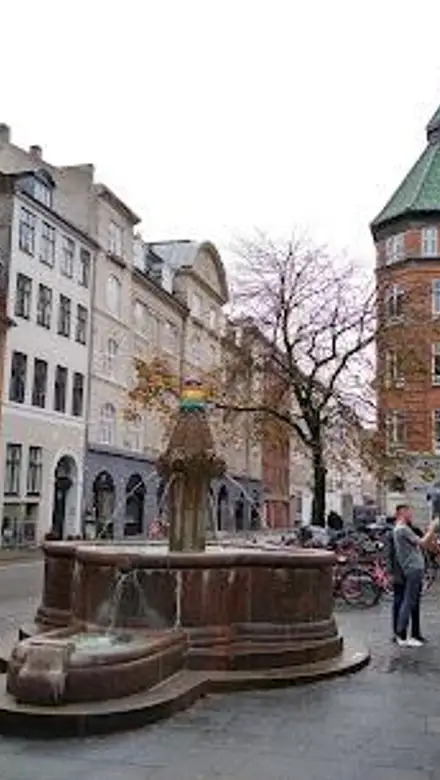
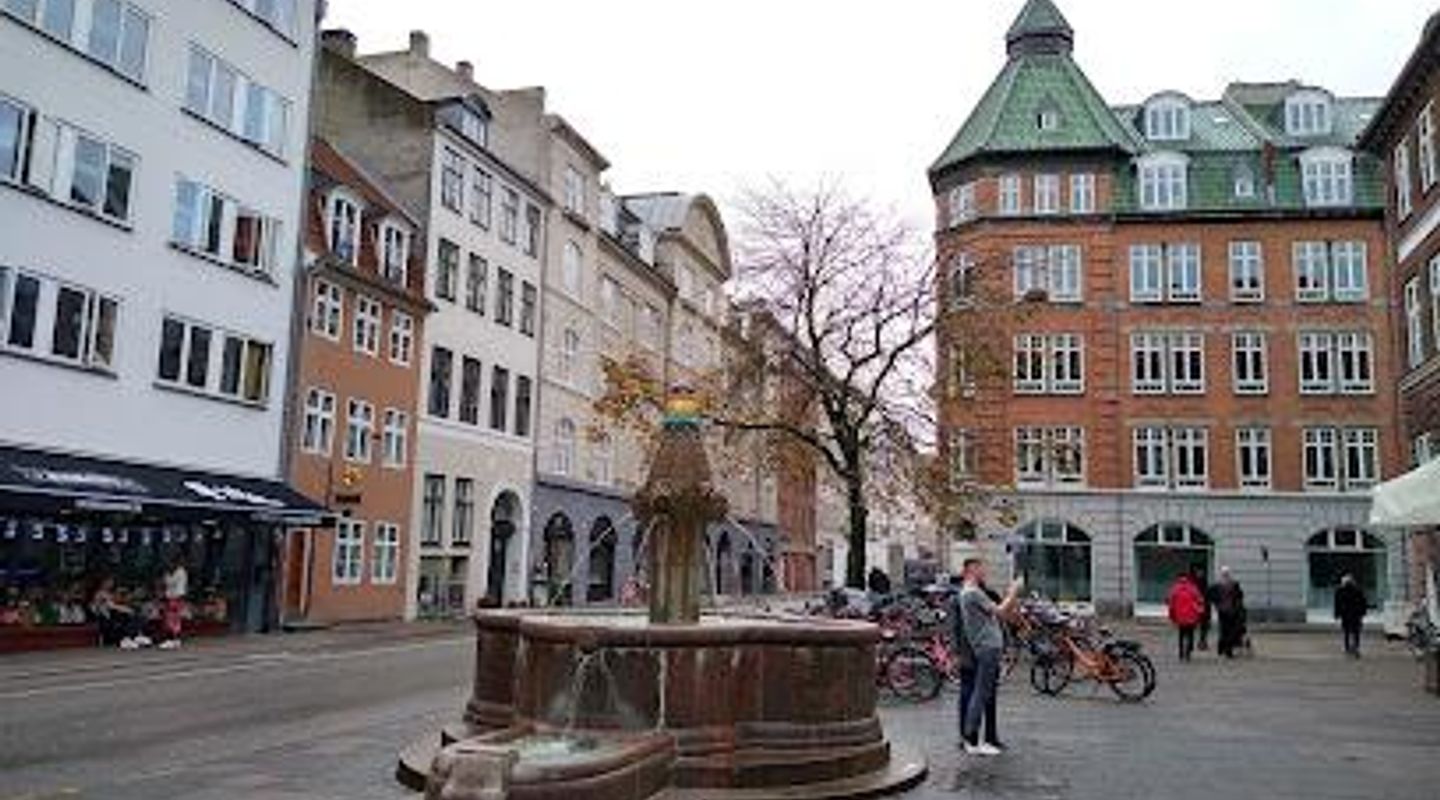
Set on the intimate Vandkunsten square in Copenhagen’s Old Town, Vandkunsten Springvand is a 1910 granite fountain that quietly recalls the area’s centuries-old role in the city’s water supply and as a bustling fish market. Its cylindrical base is patterned with fish scales, with water spurting from four bronze fish heads, while surrounding facades of historic merchants’ houses and former breweries frame a calm, cobbled pocket of the inner city that invites a brief pause, a photo, or a contemplative sit-down between nearby sights.
A brief summary to Vandkunsten Springvand
- Vandkunsten 8, Copenhagen, Indre By, 1467, DK
- Duration: 0.25 to 0.75 hours
- Free
-
 Outdoor
- Mobile reception: 5 out of 5

Know before you go
Hi, I'm Eve. Here are a few practical things to know before exploring Vandkunsten Springvand.
- Come in the early morning or late afternoon for softer light on the granite and surrounding facades, which makes photographs of the fish heads and dome more atmospheric.
- Take a moment to explore the facades around the square; look for the old embedded street sign on the red-brick corner building and the castle-inspired architecture at the far end.
- Combine a quick stop at the fountain with a short stroll through the nearby narrow lanes of Indre By to appreciate how compact and walkable this part of Copenhagen is.
Do you manage this location?
Take control to get all the benefits, like improved information, better appearance, and stronger visibility across AI-powered discovery. Learn more about listing your business on Evendo
Activate your presenceOther nearby places you may find interesting
The closest places of the same kind, if this one is not quite what you had in mind.
Explore Vandkunsten Springvand on the Map
A handpicked selection of must-see spots near Vandkunsten Springvand, mapped for you.
Getting There
-
Walking from Copenhagen City Hall Square (Rådhuspladsen)
From City Hall Square, reaching Vandkunsten Springvand on foot takes about 8–12 minutes through flat, paved city streets that are suitable for most visitors with moderate mobility. You will pass through busy central areas with traffic lights and frequent pedestrians, but there are wide sidewalks and step-free crossings. As this is a compact part of the inner city, walking is often the quickest and most flexible option, and there is no cost.
-
Public transport via Copenhagen Central Station
If you arrive by regional or intercity train to Copenhagen Central Station, you can either walk roughly 15–20 minutes through the historic centre or take a short city bus ride for the first stretch and then walk the final few minutes. A standard city bus or local train ticket within the central zones typically costs the equivalent of about 20–30 DKK and is valid across buses, metro and local trains for a limited time period. Services run frequently during the day and early evening, but late-night departures are less frequent, so check the timetable if returning late.
-
Cycling within central Copenhagen
Within central Copenhagen, renting a bicycle is a popular way to reach Vandkunsten Springvand, with a ride of about 5–10 minutes from many inner districts such as Nørreport or Christianshavn. Expect dedicated bike lanes along main streets and some slower, shared cobbled sections near the Old Town. City bike rentals and short-term schemes typically range from around 40–100 DKK per hour depending on the provider and type of bike. Be aware that cycling is busiest during rush hours, and always dismount if pedestrian areas feel too crowded around the square.
For the on-the-go comforts that matter to you
-
 Restrooms
-
 Drink Options
-
 Drinking Water
-
 Food Options
-
 Seating Areas
-
 Trash Bins
-
 Information Boards
Discover more about Vandkunsten Springvand
A modest fountain in a storied Old Town square
Vandkunsten Springvand stands at the heart of one of Copenhagen’s smaller historic squares, a compact cobbled space tucked into the maze of streets in the Old Town. Here, the city feels close and human-scaled: narrow facades, crooked rooflines and brick gables cluster tightly around the fountain, which forms the square’s natural focal point. Despite its central location, the mood is surprisingly unhurried; the water’s soft splash competes only with footsteps on stone and the occasional bicycle.The fountain itself dates from 1910 and anchors a place whose name, Vandkunsten – literally “the water feature” – stretches back many centuries. Its present form is the result of a conscious decision to celebrate this watery heritage in sculptural form, turning a practical space into a small urban artwork.From medieval water mill to fish market memories
Long before the fountain arrived, this spot played a crucial part in Copenhagen’s growth. In the late Middle Ages, a water mill and pumping system here drove fresh water through hollowed wooden pipes toward the royal castle on Slotsholmen, a technical feat for its time. Later, after the mill fell silent and the pond was drained, the open space gradually evolved into a market square.From the late 17th century, Vandkunsten became known as a fish market, supplying the city with the day’s catch. The current fountain quietly nods to this chapter: its decorations are not random ornament, but deliberate references to the flapping bustle of crates, barrels and fishmongers that once crowded the square.Granite, bronze and the architect’s artistic touch
The present fountain was designed by architect Johannes Magdahl Nielsen and inaugurated in 1910, commissioned as a piece of civic art rather than a purely functional water source. At its centre rises a granite stele, its lower, cylindrical section clad in a pattern reminiscent of fish scales. Four bronze fish heads project from the sides, their mouths sending arcs of water into the shallow basin below.Above, the shaft tapers toward a polished hemisphere in deep red granite that catches the light on bright days and beads with droplets in the rain. Subtle gilded details provide a quiet sparkle up close, rewarding those who step nearer to inspect the craftsmanship rather than simply passing by.Historic facades framing an intimate urban room
Much of Vandkunsten’s charm lies in the buildings that frame it. Several houses around the square are protected historic properties, some originally built as breweries before being converted into residences. One corner building echoes the profile of the famous Kronborg Castle, giving the square an unexpectedly grand backdrop in miniature.On another corner, a red-brick building from 1910 carries one of Copenhagen’s oldest preserved street-name signs, frozen in older spelling and set directly into the brickwork. Together, these facades turn the fountain into the centrepiece of a small urban room, where centuries of changing uses – from waterworks to market stalls to quiet meeting point – are layered around a single patch of paving stones.A brief, atmospheric pause between city highlights
Today, Vandkunsten Springvand is less a headline attraction and more a characterful pause on a wander through the inner city. Benches and steps around the square invite you to sit with a coffee, listen to the water and watch cyclists and pedestrians thread through the space. It is a handy landmark for orienting yourself among nearby streets, yet compact enough that you can take in its details in just a few minutes.The fountain is freely accessible at all hours, and the surrounding streets offer sheltering arcades, cafes and small shops. Whether you linger to study the fish heads and stonework or simply cross the square on your way elsewhere, the fountain offers a brief encounter with the quieter, more intimate side of Copenhagen’s historic core.Subtle symbolism in the heart of Copenhagen
There is a quiet symbolism in the way Vandkunsten Springvand gathers together water, stone and history on such a small footprint. It recalls the practical ingenuity that once piped water to a royal castle, the lively trade that fed a growing city, and the 20th‑century belief in civic art as part of everyday life. Standing here, it is easy to sense how modest details – a carved scale, a bronze fish, a polished granite dome – can encapsulate a city’s long relationship with water in a single, unassuming corner of town.












Your all‑in‑one travel companion app
Explore expert travel guides, compare and book tours, experiences, hotels, and more—all from the palm of your hand. Download now for seamless trip planning wherever your wanderlust takes you.


Explore More of North Zealand
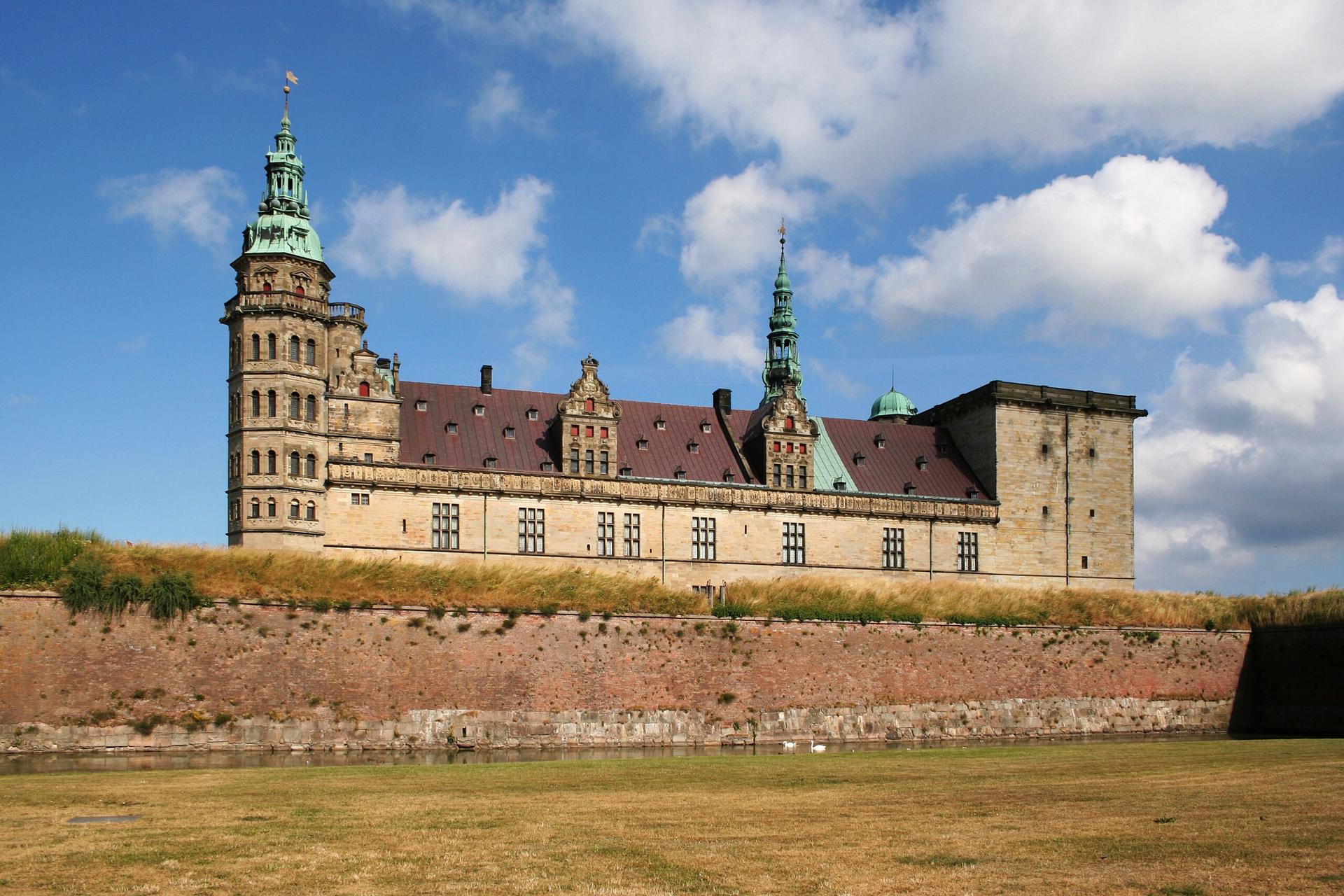
Looking beyond Vandkunsten Springvand? Discover North Zealand for broader travel guides, local hot-spots, and regional highlights.
Explore North Zealand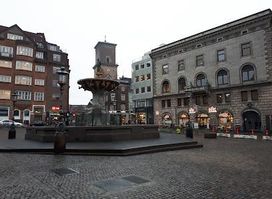
Copenhagen’s oldest square, where cobbles, Neoclassical facades and the Renaissance Caritas Well quietly trace eight centuries of urban life in the city’s historic core.
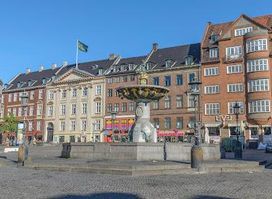
Cobbled, compact and quietly dramatic, Nytorv blends royal-era markets, grim judicial history and Neoclassical authority at the pedestrian heart of old Copenhagen.