Odense Cathedral – St. Canute’s Church: A Gothic Landmark at the Heart of Odense
Gothic grandeur, royal tombs, and centuries of Danish history await inside Odense Cathedral, the city’s soaring medieval landmark in the heart of Funen.
Odense Cathedral, locally known as St. Canute’s Church, is the city’s grandest ecclesiastical monument. Dating back to the 11th century, this stunning Gothic cathedral is a highlight for architecture lovers and history enthusiasts alike. Visitors marvel at its soaring nave, remarkable medieval crypt, and the tomb of King Canute IV, Denmark’s only officially recognized saint. The peaceful interior, marked by luminous whitewashed walls and elaborate altarpieces, creates a serene contrast to Odense’s lively streets outside.
A brief summary to University Press of Southern Denmark
- V23-25, Fioniavej 34, DIAS-bygningen, 1. sal, Odense M, Odense M, 5230, DK
- +4565501740
- Visit website
- Monday 8 am-3 pm
- Tuesday 8 am-3 pm
- Wednesday 8 am-3 pm
- Thursday 8 am-3 pm
- Friday 8 am-1 pm
Local tips
- The crypt, containing the tomb of St. Canute, is a highlight often missed by quick visitors—descend to experience this atmospheric chamber.
- Time your visit to coincide with a lunchtime or evening organ concert for an unforgettable acoustic experience in the cathedral’s soaring space.
- Photography is allowed, but please respect ongoing services and maintain silence when exploring.
- Combine your visit with the Hans Christian Andersen Museum, just a short stroll away in the old town.
- In colder months, dress warmly—the unheated nave can feel chilly, especially during longer visits.

Getting There
-
Walking
From the city center’s main pedestrian squares, Odense Cathedral is just a short and enjoyable walk away. As you move towards the old town quarter, the cathedral’s brick spire becomes visible above the rooftops, guiding your way. The area is largely flat and accessible, passing through lively plazas and the historic heart of the city. Expect a walk of about 5–10 minutes.
-
Public Transport
Buses from the central station and main city routes stop nearby, with clear signs pointing towards the cathedral in the heart of town. Single journey fares are typically 24–28 DKK. From most stops in Odense C, it’s a brief onward stroll across well-marked crosswalks.
-
Taxi
Taxis from major hotels, the central station, or main attractions to the cathedral typically cost 60–90 DKK for the short city-center journey, depending on traffic and day. Taxis can drop you in the open plaza adjacent to the cathedral. Although the area is pedestrian-friendly, taxis can approach close by for those requiring step-free access.
-
Driving/Parking
Municipal parking lots are available within several minutes’ walk of the cathedral, but spaces are limited during peak times. Parking rates average 14–24 DKK per hour. There are no special tolls or restricted access for this city-center location.
Discover more about University Press of Southern Denmark
Iconic landmarks you can’t miss

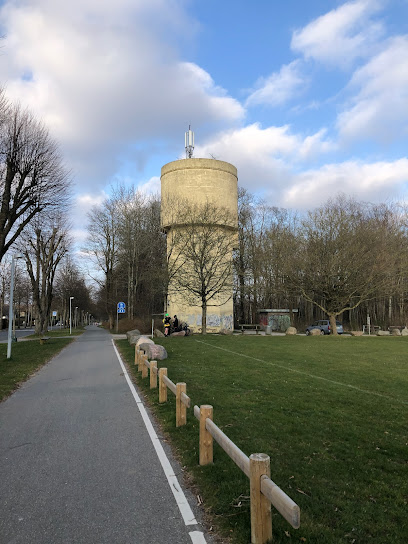
Det gamle vandtårn
3.6 km
A striking red-brick monument to Odense's industrial heritage and early 20th-century urban modernization.
Papirbåden | H.C. Andersen
3.7 km
A delicate paper boat turned gleaming sculpture, Papirbåden floats on Odense’s Fairytale Garden lake, quietly celebrating H.C. Andersen’s “Steadfast Tin Soldier.”

Oceania
3.9 km
A bold, reclining bronze goddess that provokes, delights, and defines Odense's artistic identity.

visit
4.0 km
Experience Odense's premier cocktail bar, Visit, where classic and innovative drinks meet in a cozy, inviting atmosphere.

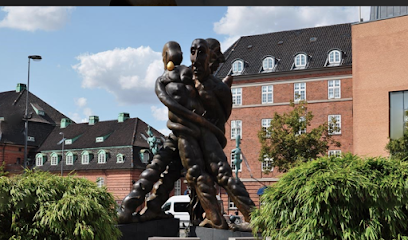
Skyggen, rejseskammeraten og improvisatoren
4.4 km
A towering, threefold portrait of Hans Christian Andersen that greets you outside Odense Station with colour, symbolism and quietly dramatic storytelling.
Odense St.
4.4 km
Central rail and bus hub of Funen, Odense Station links Denmark’s mainlines with the city’s historic heart, light rail and cultural sights in one integrated complex.

Fredens Kirke
5.4 km
Explore Denmark's rich maritime heritage in an award-winning museum set within a historic dry dock in Helsingør.

Kirsebærtræer, Ny Kongevej
5.4 km
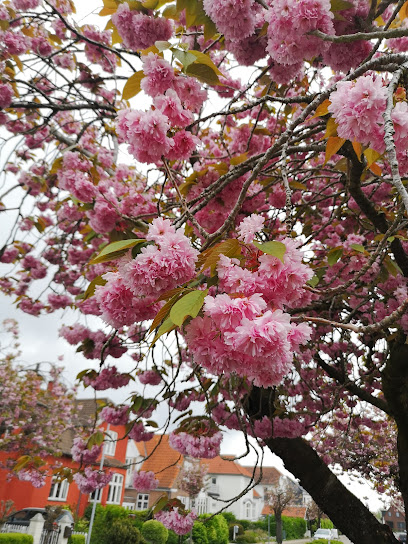
Odense's longest cherry blossom avenue, where community passion transforms a neighborhood street into springtime magic.
Richard Møller Nielsens Plads
5.6 km
Copenhagen’s Jægersborggade is a vibrant hub for coffee lovers, foodies, and creatives, blending artisan shops, eco-eats, and street art in Nørrebro’s heart.

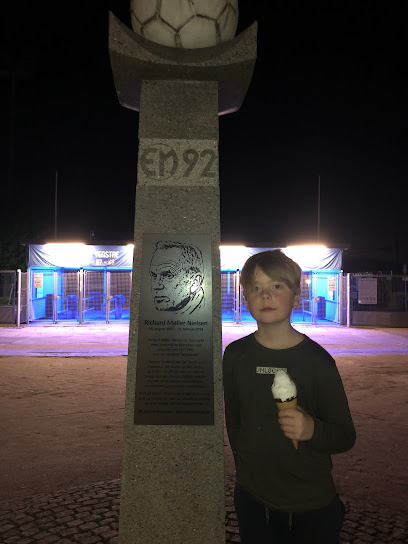
EM-statue-1992 (Richard Møller Nielsen)
5.7 km
Small in size but huge in symbolism, this Odense statue honours the local coach who led Denmark to its unforgettable Euro 1992 triumph.
Bolbro vartegn
5.7 km
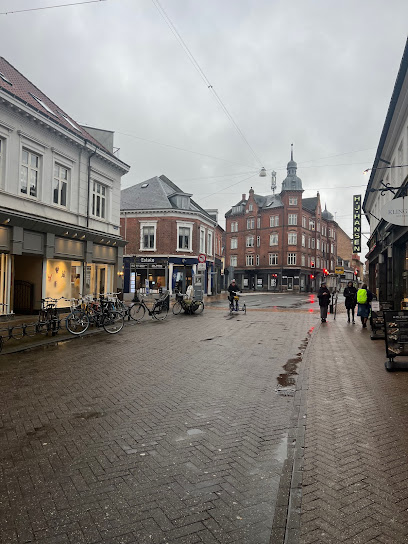
A bold neighbourhood landmark celebrating Bolbro's vibrant community identity in western Odense.
TheDoorOdense
6.8 km
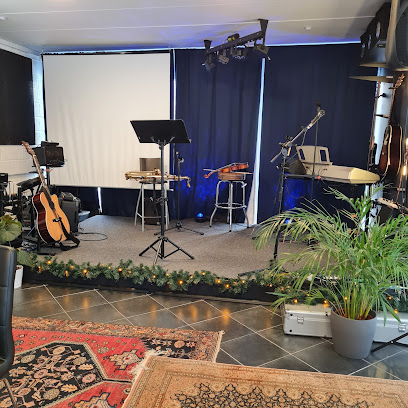
Experience innovative architecture and 600 years of seafaring history at the award-winning M/S Maritime Museum, nestled below Helsingør’s iconic waterfront.
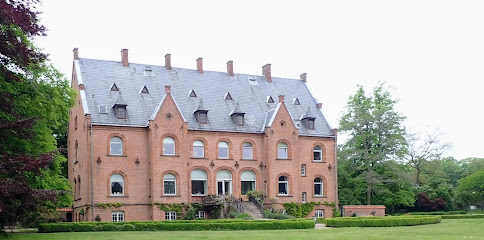
Sanderumgaard v/Erik Vind
7.0 km
Discover Sanderumgaard, Funen’s enchanting Romantic-era landscape park: a blend of historic estate, poetic gardens, and serene lakes just beyond Odense.
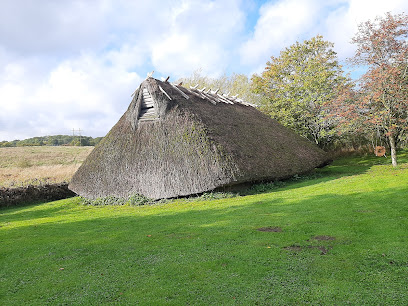
Jernalderlandsbyen Odins Odense
8.9 km
Discover Danish and international art at Bredgade Kunsthandel, an elegant gallery in central Copenhagen’s historic Frederiksstaden near top cultural landmarks.
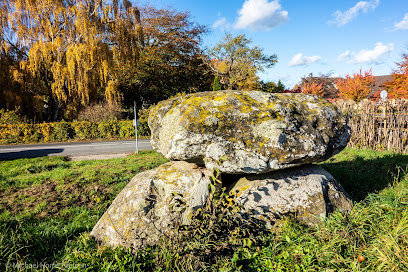
Rolfshøj
9.5 km
A quiet Neolithic long barrow in the fields near Ferritslev Fyn, where a simple stone chamber and grassy mound bring Funen’s prehistoric past close at hand.
Unmissable attractions to see

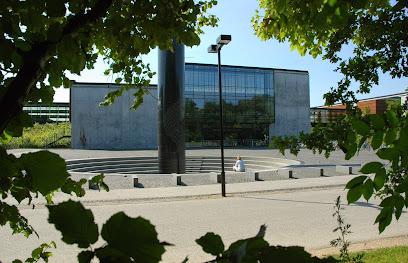
University Library of Southern Denmark
0.2 km
Light-filled academic heart of SDU Odense, offering calm study zones, extensive collections and 24/7 access for students in a modern Scandinavian campus setting.
Go monkey odense
1.3 km
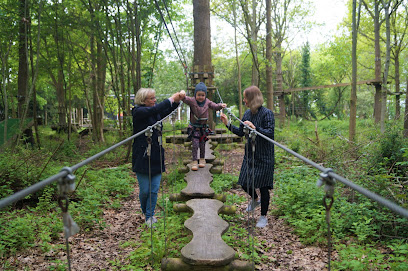
Tree‑top ziplines, bouncing net universes and nerve‑testing free‑falls bring forest‑style adventure to the edge of urban Odense at GoMonkey’s outdoor climbing park.
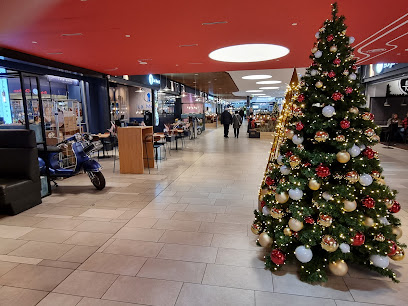
Rosengårdcentret
1.8 km
Funen’s largest shopping centre, blending over 150 stores, 25 eateries and a cinema into a bright, weather-proof hub for everyday errands and relaxed days out.
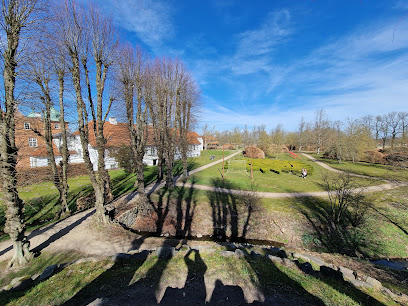
Hollufgård slotspark
1.8 km
Historic manor grounds turned sculpture-filled green escape on Odense’s edge, blending woodland trails, meadows and contemporary art in a free, year‑round park.
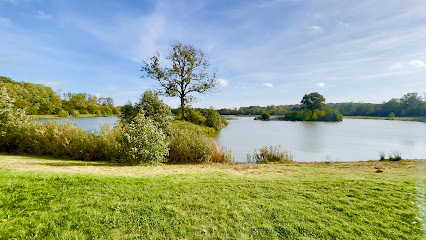
Glisholm Sø
1.8 km
Odense's largest lake where climate resilience meets natural beauty and community recreation.
Sneglehøjen
1.9 km
Serene woodland trails through Odense's natural heart, perfect for peaceful forest walks and nature immersion.
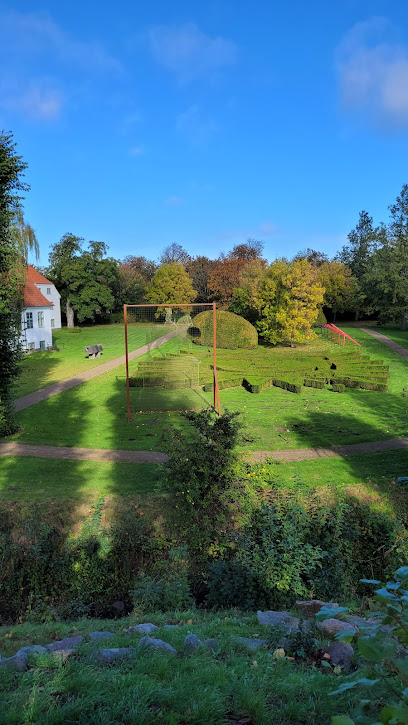
Bunkermuseum Of Odense
2.2 km
Step into a fully preserved Cold War command bunker beneath Odense and explore an atmospheric maze of control rooms, exhibits and civil defence history.
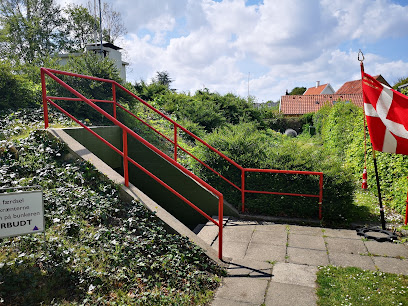
The Funen Village
2.5 km
Step into a living Funen countryside village of thatched farms, mills, orchards and heritage animals, where 18th- and 19th-century rural Denmark comes vividly to life.
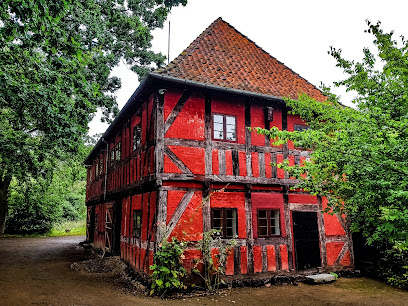
Brickworks
2.6 km
A small creative brick studio in southern Odense where Danish design spirit meets hands-on LEGO-style imagination in a low-key, family-friendly setting.
Parsonage
2.7 km
Experience authentic 18th-century Danish village life through restored buildings, costumed interpreters, and hands-on traditional crafts.

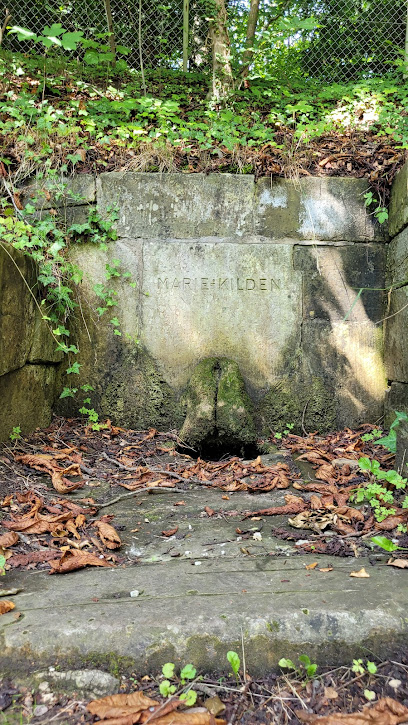
Marie-Kilden
3.0 km
A small historic spring hidden in Odense’s riverside green belt, Marie-Kilden offers a quiet glimpse of parish history and folklore amid trees, paths and gentle birdsong.
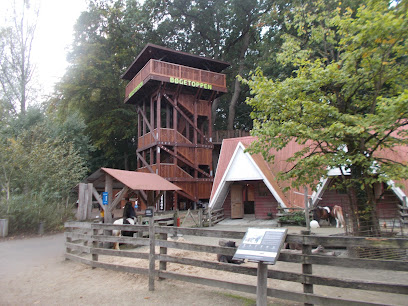
Bøgetoppen i Odense Zoo
3.4 km
A gentle treetop adventure above Odense Zoo, Bøgetoppen lets you wander through the beech canopy, combining forest views, local nature stories and family-friendly fun.
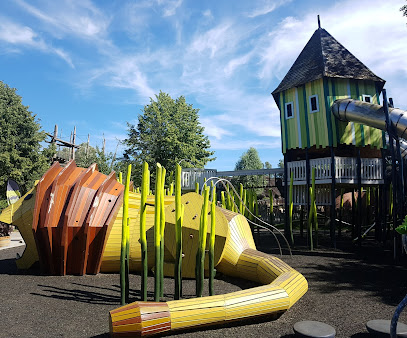
Odense Zoo
3.4 km
Leafy riverside zoo in Odense where manatees, penguins and savannah wildlife meet treetop walks, play areas and hands-on encounters in a certified green attraction.
Cultural-botanical Garden
3.5 km
A tranquil 10-hectare botanical sanctuary housing 13,000 plant species and Denmark's finest birch and fern collections.
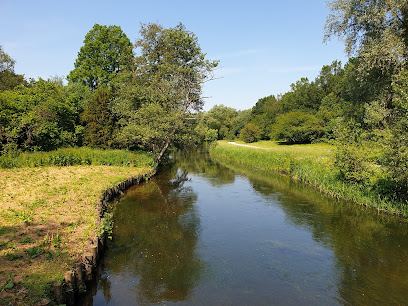
Munke Mose Park
3.5 km
Lakes, lawns and fairytales along Odense River, Munke Mose Park is the city’s easygoing green refuge for picnics, play and riverside wandering.

Essential places to dine

Restaurant Knudsens Gaard
2.4 km
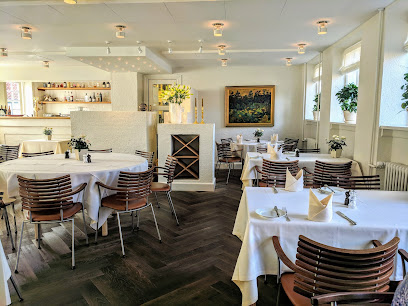
Refined Danish cuisine in a half-timbered hotel farmhouse, where seasonal Funen produce meets candlelit country-house ambience on Odense’s tranquil south side.
Sortebro Kro
2.6 km
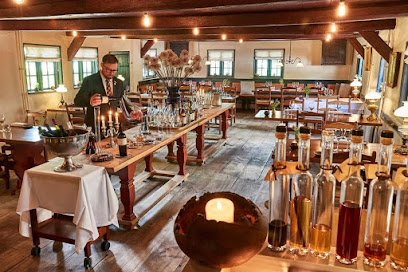
Thatched-roof country inn on Odense’s historic edge, blending classic Danish kro charm with refined, seasonal fine dining and warmly polished hospitality.
Restaurant Carlslund
2.9 km
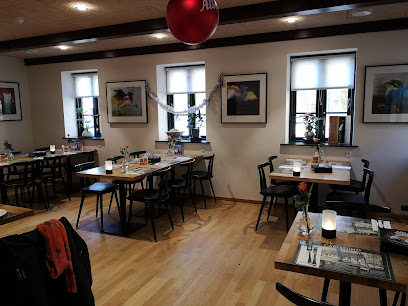
Historic forest inn serving legendary Danish æggekage and traditional Funen cuisine in a charming woodland setting.
Vår
3.1 km
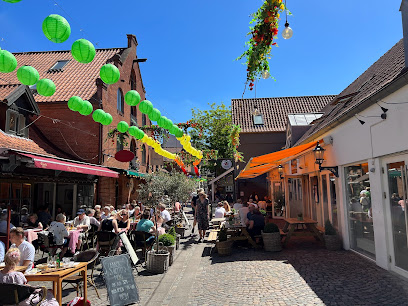
Intimate, light-filled fine dining in Odense, where a Michelin-recognized chef crafts calm, seasonal tasting menus rooted in local Funen produce and thoughtful wine.
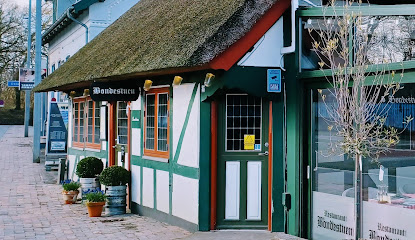
Restaurant Bondestuen
3.6 km
Historic half-timbered traktørsted in Odense C serving hearty traditional Danish dishes in a cosy, rustic setting with the feel of a local countryside inn.
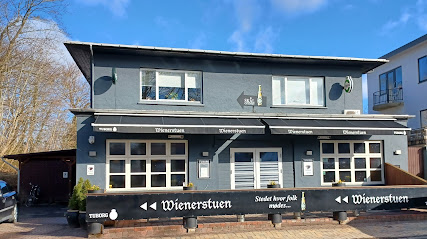
Restaurant Wienerstuen
3.6 km
Unpretentious Danish comfort food in a cosy Odense C neighborhood restaurant, serving hearty classics and generous portions from late morning into the evening.
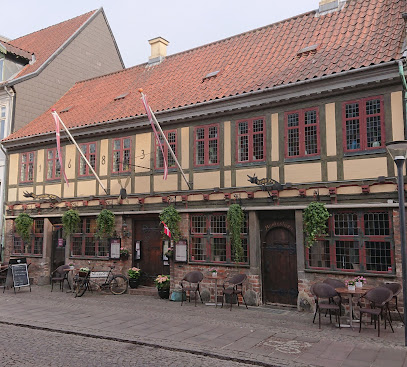
Den Gamle Kro A/S
3.9 km
Historic timbered inn in central Odense serving elevated Danish classics in candlelit rooms and a charming courtyard, ideal for both intimate meals and celebrations.
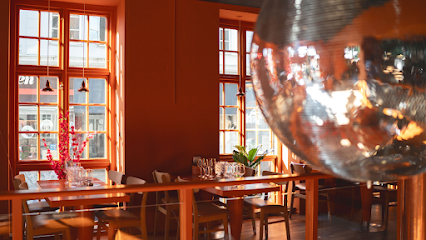
Rivalen restaurant & bar
3.9 km
Contemporary Danish dining with innovative flair in Odense's vibrant city center.
Restaurant Bacchus
3.9 km
Authentic French fine dining in an intimate Odense setting, where classical technique meets refined hospitality.
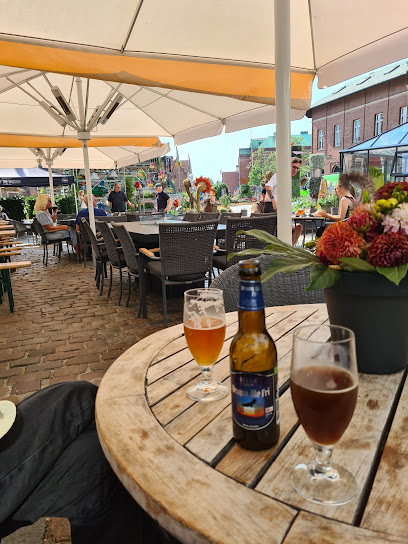
Den Lille Smalle
3.9 km
Cozy Odense café beloved for exceptional smoothie bowls, quality coffee, and genuine Danish hygge.

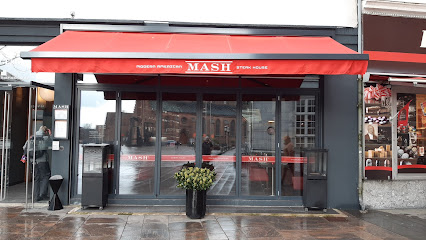
MASH - Restaurant Odense
3.9 km
Modern American steakhouse vibes in a historic Odense brewery yard, serving premium cuts, bold wines and cocktails in a low‑lit, cosmopolitan setting.
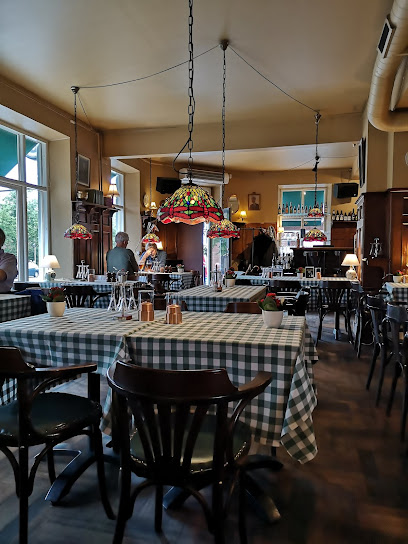
Druen & Bønnen
3.9 km
Cosy Danish–French bistro and café in the heart of Odense, serving comforting classics, plant‑friendly dishes and relaxed all‑day meals on lively Vestergade.

Grønttorvet
3.9 km
Centuries-old Danish inn on Odense’s Sortebrødre Torv, serving hearty traditional dishes with a generous dose of hygge in the city’s atmospheric old town.
A Hereford Beefstouw - Odense
3.9 km
For nearly 50 years Odense’s quintessential Danish steakhouse, now closed but still shaping the character and culinary memory of Vestergade 13.

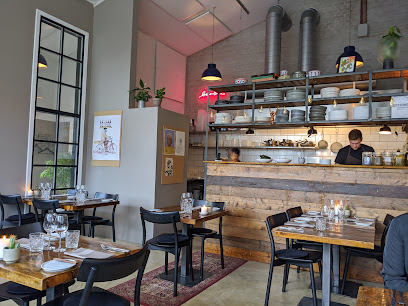
Restaurant Aro
3.9 km
Michelin-starred Nordic cuisine where flawless technique meets creative vision in intimate Odense.
Markets, malls and hidden boutiques

GenbrugsHallerne
1.4 km
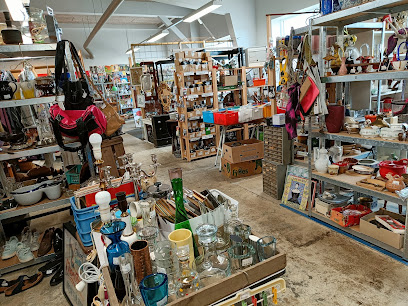
A vast indoor thrift hall in Odense where hundreds of private stalls turn second-hand shopping into an urban treasure hunt of everyday finds and quirky curios.
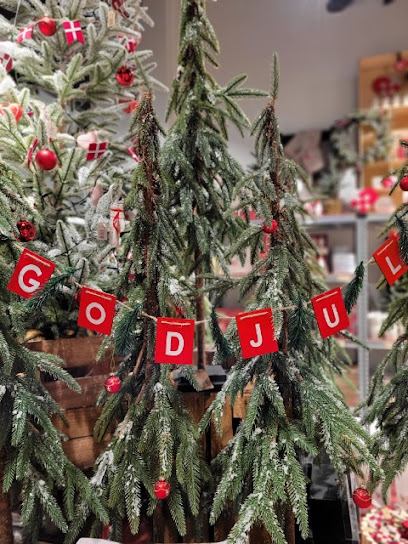
Det Gamle Apotek POP UP - Rosengårdcentret
1.7 km
A cosy Det Gamle Apotek pop-up in Rosengårdcentret, filling Odense’s biggest mall with Danish Christmas charm, nostalgic décor and atmospheric Scandinavian hygge.
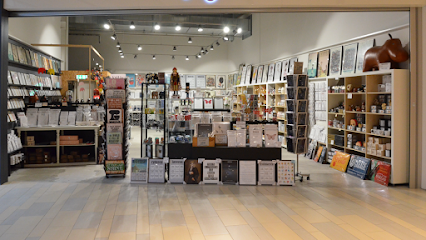
StiLia ApS
3.5 km
Curated Scandinavian gifts and homeware where design meets everyday living.
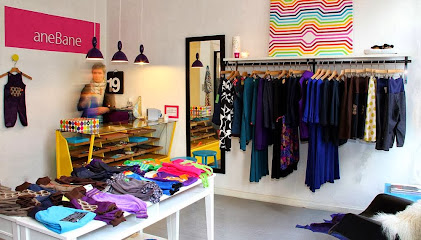
aneBane
3.5 km
A cosy women’s boutique and sewing studio in a quiet Odense street, blending curated Scandinavian style with personal, small-scale craftsmanship.
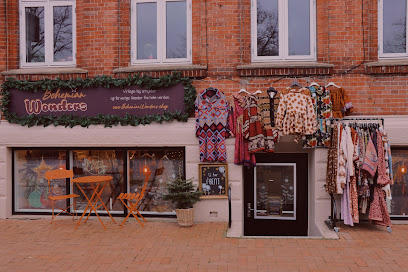
Bohemian Wonders
3.8 km
A color-soaked vintage and boho showroom in Odense, where one-of-a-kind finds and small-batch designs turn slow fashion into a tactile, story-filled experience.
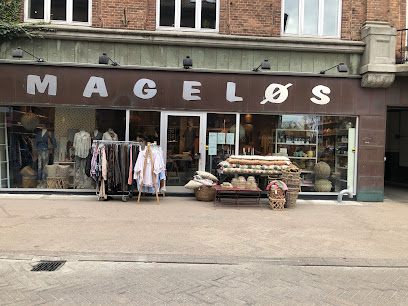
All About Kids
3.8 km
A welcoming children’s universe in central Odense, combining Scandinavian-style toys and décor with a calming baby lounge and practical stroller rentals.
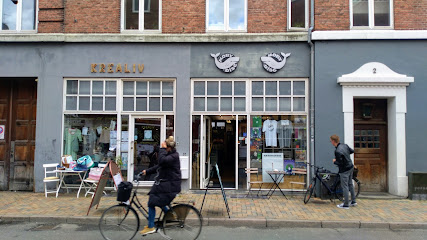
Moby Disc
3.8 km
Odense’s long-standing record shop, where forty thousand-plus vinyl and CD titles, cozy aisles and music-savvy staff keep the spirit of crate-digging alive.
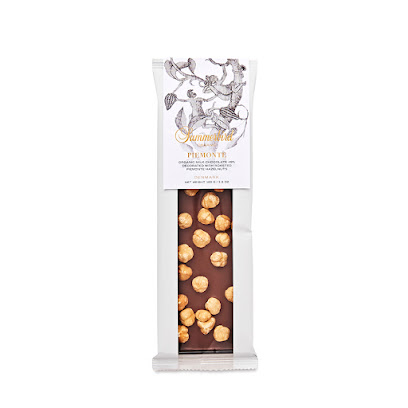
Summerbird
3.8 km
Refined Danish chocolaterie and gift shop in central Odense, showcasing elegant marzipan, pralines, and design-led treats perfect for thoughtful, gourmet gifting.
Reden Op Shop
3.9 km
Small, stylish second-hand boutique in central Odense where quality women’s fashion, community spirit and social impact come together on one friendly shop floor.
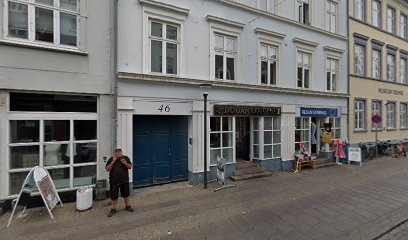
Dr. Adams
3.9 km
Curated Scandinavian fashion boutique celebrating independent style since 1994.
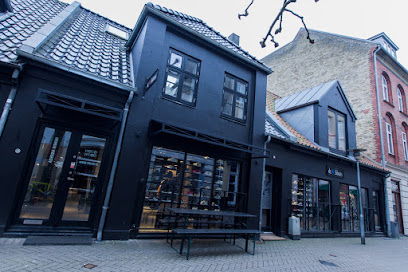
Boutique India v/ shahzad ali
3.9 km
A colourful little Odense shop where Indian textiles, clothing and homewares bring the patterns, textures and warmth of the subcontinent to historic Overgade.
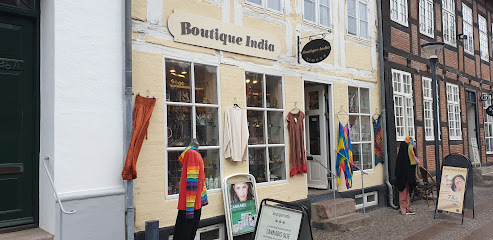
Magasin Odense
3.9 km
Odense’s classic multi-level department store, blending Danish style, fashion, beauty, homewares and cosy café stops under one roof on lively Vestergade.
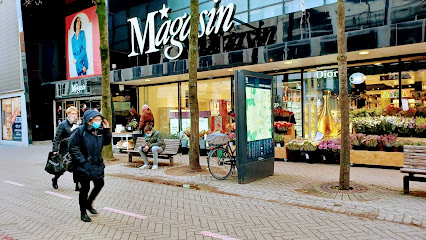
Aunt Green ApS
3.9 km
A long-loved, family-run yarn universe on Odense’s main pedestrian street, where colour, fibre and Scandinavian knitting traditions come together in one cosy shop.
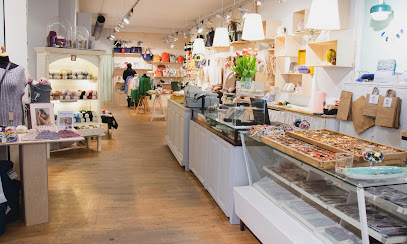
Red Cross Op Shop
3.9 km
Sustainable secondhand shopping supporting humanitarian aid in central Odense.
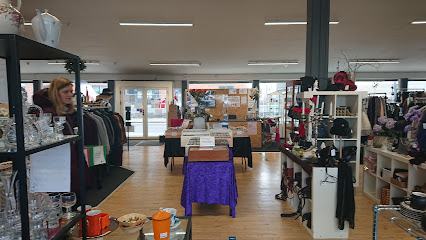
SEPHORA MAGASIN ODENSE
3.9 km
A sleek, centrally located beauty hub inside Magasin, where international makeup, skincare and fragrance meet Odense’s city-center shopping life.

Essential bars & hidden hideouts

Hjallese Puben
2.4 km
Vibrant neighborhood bar where Odense locals gather for music, drinks, and authentic Danish pub atmosphere.

Den Lille Kro Odense
3.2 km
A classic Odense brown bar with history in its walls, cold beer on tap and a warmly worn, neighborhood atmosphere that feels instantly familiar.
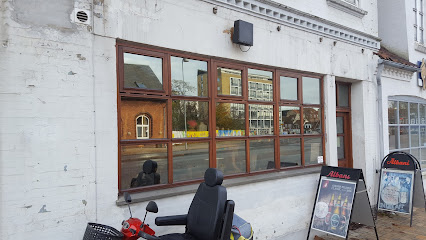
Carlsens Kvarter
3.4 km
Characterful Odense beer bar pairing old-school pub coziness with one of the city’s most impressive selections of Danish and international brews.
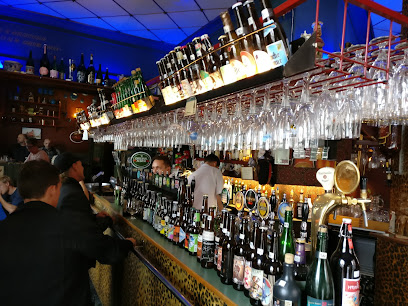
Den Standhaftige Tinsoldat Af Odense
3.8 km
A small, steadfast neighborhood beer bar in Odense C where inexpensive drinks, local regulars, and a laid-back dive-bar atmosphere tell their own quiet story.
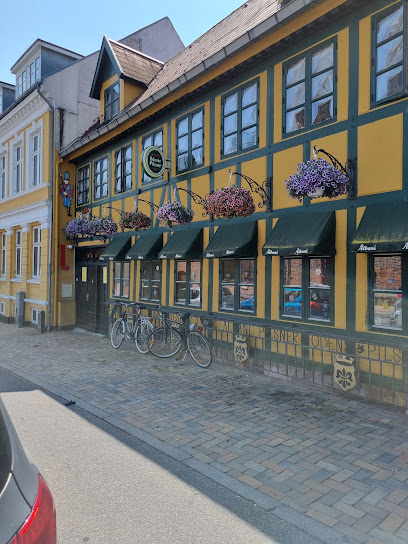
Den Brølende And
3.8 km
Odense’s roaring dance basement where karaoke Thursdays, sing-along party hits and shared buckets of cocktails fuel carefree, late-night dancing on tables.
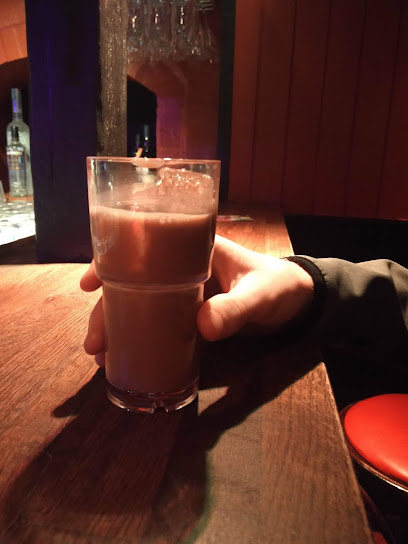
City Club
3.8 km
Odense's casual sports bar where pool, darts, and community spirit meet affordable drinks and good times.
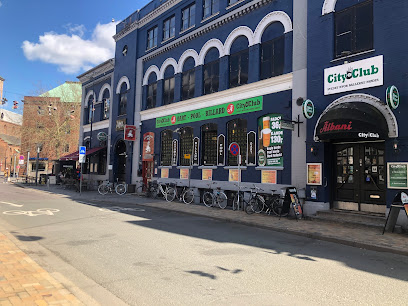
The Flower and the Bee
3.8 km
Experience Odense's vibrant nightlife at The Flower and the Bee, a premier weekend dance bar offering quality cocktails and dynamic music in a lively atmosphere.

Rabalder Bar Odense
3.8 km
A small, homely Odense bar styled like grandma’s living room, serving easygoing drinks and sing‑along hits in the heart of the city’s weekend nightlife.
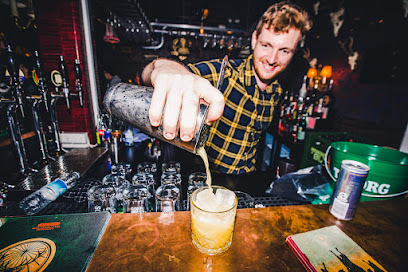
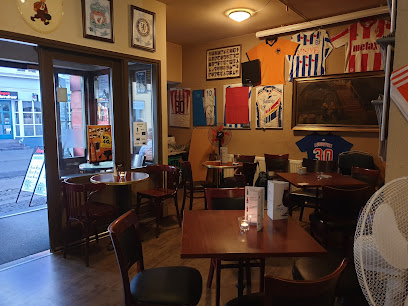
Kick Off - Sportspub
3.8 km
Buzzing Odense sports pub with wall-to-wall screens, cold beer and classic bar games, perfect for catching the big match in relaxed, local surroundings.
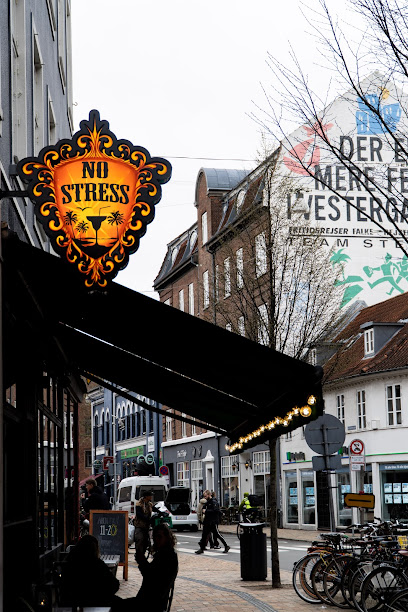
No Stress Odense
3.9 km
Laid‑back cocktail den in central Odense, blending dessert‑inspired drinks, old‑school beats and retro gaming in a cozy living‑room atmosphere.
Champagniet
3.9 km
Intimate champagne bar in Odense’s old town, pairing carefully curated bubbles with cosy hygge vibes and small plates made for slow, sparkling evenings.
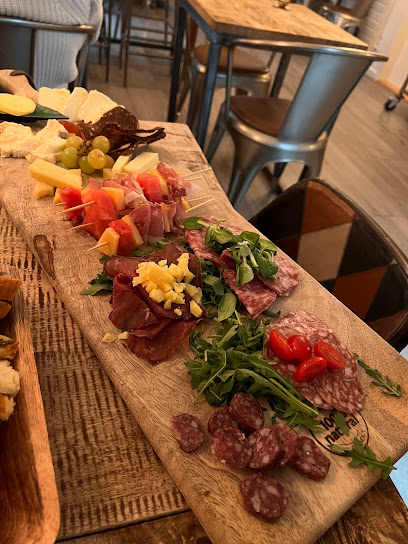
Lalou Vinbar
3.9 km
Intimate Odense wine bar pairing timeless European recipes with a curated list of continental wines in a warm, candlelit setting on Klaregade.

Den Røde Bar
3.9 km
A cozy, crimson-toned bar inside Teater Momentum, serving relaxed drinks, local Arnbitter cocktails and cultural vibes in the heart of Odense’s creative scene.

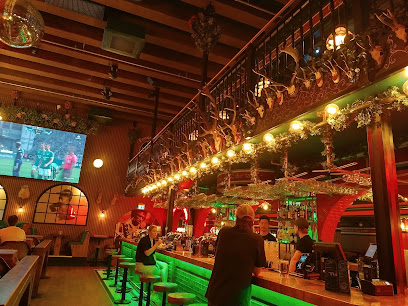
Proud Mary Odense
3.9 km
Big, boisterous and central, Proud Mary Pub Odense turns a former arcade into a vast English-style party pub with sports screens, cocktails and dancing till late.
Lørups Vinstue
3.9 km
Old‑school Odense pub with red‑checked tablecloths, cheap beers and sing‑along classics, where students, locals and night owls start – and often finish – a night out.
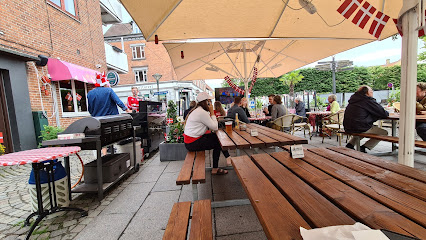
Nightclubs & after hour spots

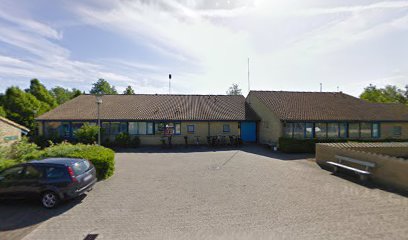
Dance Odense, Funen Square Dance Club
1.6 km
Community-driven square dancing in a cozy Odense neighborhood hall, where callers, patterns and shared rhythm turn an ordinary evening into a friendly social event.
BUTCHERS Odense
3.8 km
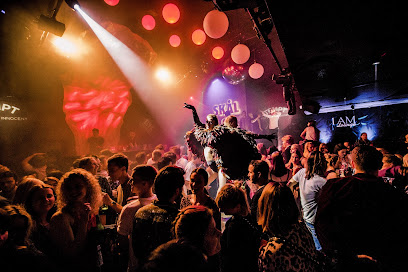
High-energy nightclub on Odense’s Overgade, mixing pounding bass, lights and late-night drinks in a central old-town setting steps from major sights.
Dansebar Odense
4.0 km
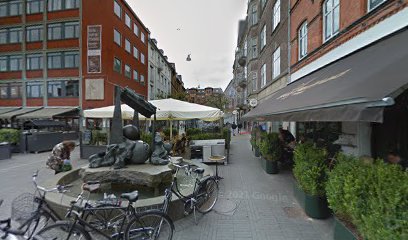
Lively central Odense nightclub with mainstream hits, colorful lights and a sociable dance floor vibe from late evening into the early hours.
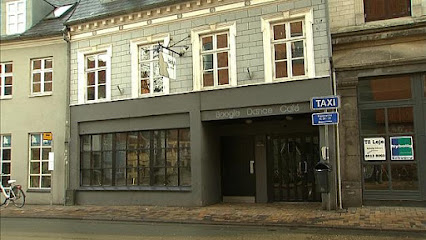
Boogie Dance Café
4.0 km
Odense's oldest disco where retro charm meets genuine community dancing.
The slaughterhouse Nightclub & Eventhus
4.6 km
Experience industrial-cool nights, live music, and eclectic parties at The Slaughterhouse Nightclub & Eventhus, Odense’s dynamic hub for nightlife and contemporary culture.
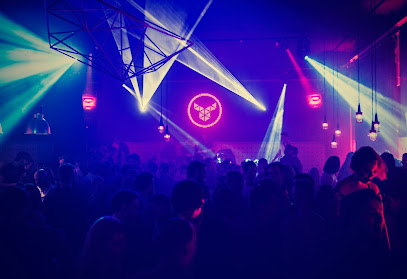
Muzirkus
23.1 km
Nyborg's independent music sanctuary where local bands rehearse, collaborate, and perform since 1974.
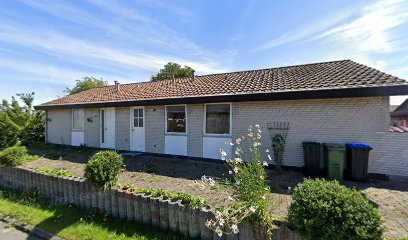
KJ's bodel
23.9 km
Laid‑back local nightspot on Nyborg’s main square, mixing simple drinks, sociable bar chatter and a compact dance floor in an unpretentious setting.
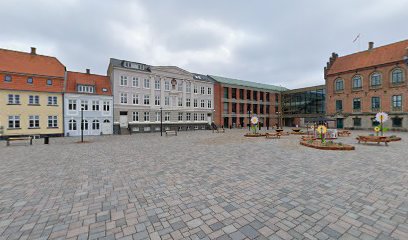
Crazy Daisy Svendborg
36.3 km
Compact, high-energy weekend nightclub in central Svendborg, serving mainstream beats, drinks and a sociable dance floor until the early hours.
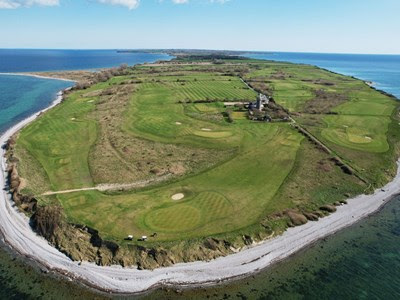
Ærø Golf Klub
46.5 km
Distinctive links course on Ærø’s northwest cape, blending historic lighthouse views, Nordic coastlines, and a classic Danish golfing challenge.
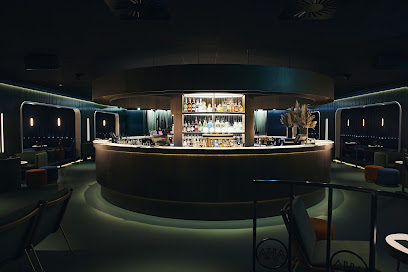
AHA Livestage
47.4 km
Intimate live music and cocktail-driven nightlife in the heart of Fredericia, where high-quality sound and curated events turn selected evenings into standout parties.
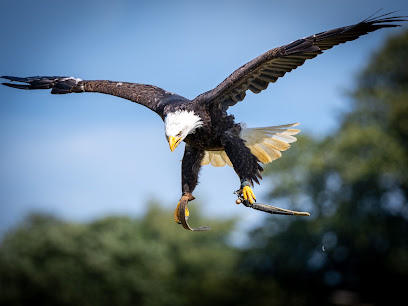
Falkecenter Samsø ApS
50.3 km
Witness awe-inspiring live falconry shows and get up close with eagles, owls, and hawks at Samsø’s premier raptor center, blending living heritage with wilderness spectacle.
Vinkapellet Samsø
51.2 km
Experience the finest organic and natural wines at Vinkapellet Samsø, a cozy haven for wine enthusiasts in the heart of Brundby.
Kasket karl
51.3 km
Discover authentic Danish hospitality and local color at Kasket Karl, Rudkøbing’s beloved bodega on Langeland—a lively gathering spot offering drinks, history, and community.
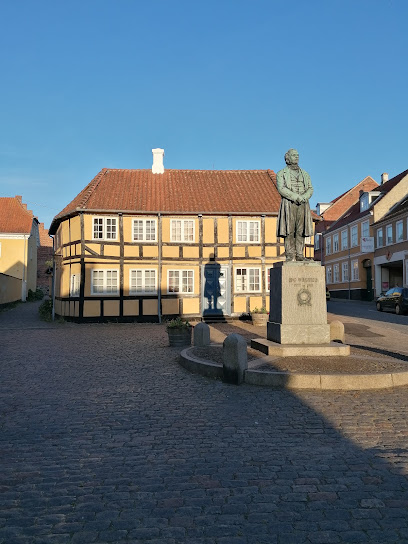
Langelands Jazzklub
52.0 km
Experience the vibrant local jazz scene at Langelands Jazzklub in Rudkøbing, where live music and island hospitality meet in one of Denmark’s most charming settings.
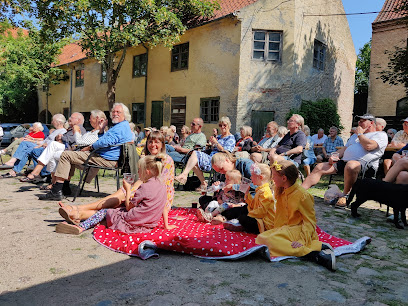
Samsø Island Distillery
52.7 km
Experience authentic Danish craftsmanship at Samsø Island Distillery, where local botanicals and sustainable practices fuse to create distinctive gin and aquavit on scenic Samsø.