Rold Forest
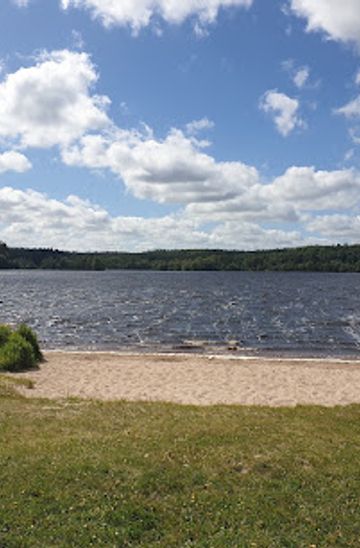
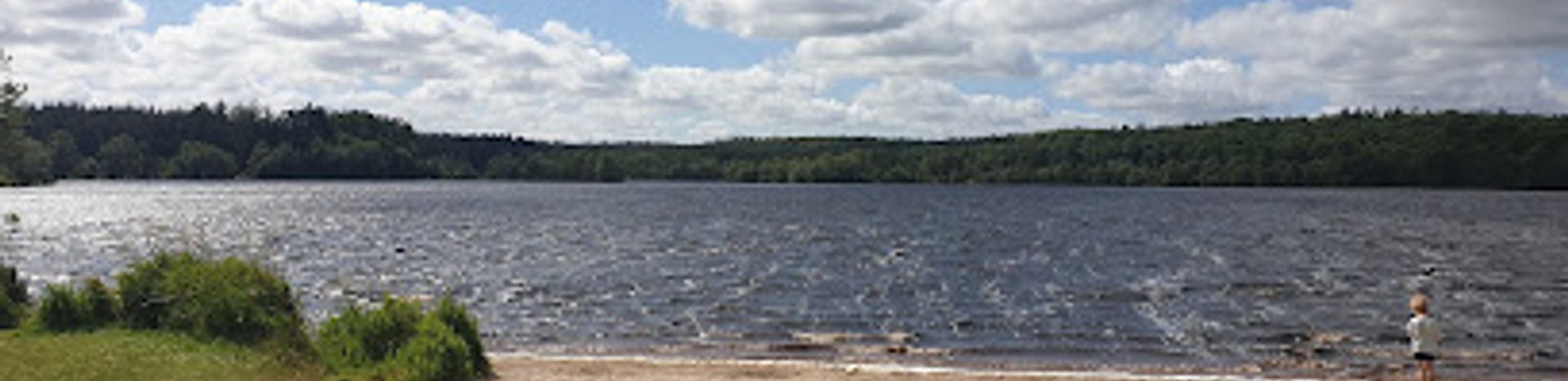
Denmark's largest forest: 8,000 hectares of coniferous woodland, heather hills, ancient monuments, and pristine lakes.
Denmark's largest connected forest spanning 8,000 hectares across Himmerland in North Jutland, Rold Forest is a sprawling woodland of coniferous and beech trees interspersed with heather-covered hills, pristine lakes, and ancient cultural landmarks. The forest encompasses multiple distinct areas including Rebild National Park, historic limestone mines, an arboretum, and numerous hiking trails, making it a premier destination for nature lovers and outdoor enthusiasts seeking immersive woodland experiences.
A brief summary to Rold Forest
- Vælderskoven, Skørping, 9520, DK
- Duration: 2 to 8 hours
- Free
-
 Outdoor
- Mobile reception: 3 out of 5

Know before you go
Hi, I'm Eve. Here are a few practical things to know before exploring Rold Forest.
- Visit in late summer (August–September) when heather blooms across Rebild Bakker, transforming the hills into a purple landscape, or in June when cotton grass creates white-puffed patterns across Dragmosen bog.
- Download detailed hiking maps before arrival, as many trail maps are only available in Danish. Popular routes include Rebild Bakker Rute and Den Gastronomiske kvalitetssti.
- Combine your forest visit with Thingbæk Kalkminer (limestone mines) for underground art exhibitions and bat habitat viewing, or explore Jyske Skovhave arboretum for diverse Northern Hemisphere tree species.
- Respect protected orchids and all wildflowers—picking any orchid is forbidden in Denmark. Stay on marked trails to preserve the delicate forest ecosystem and rare plant communities.
- Visit Stabelpladsen activity area for accessible facilities including restrooms, campfire sites, and an off-leash dog park, making it ideal for families and those with mobility considerations.
Do you manage this location?
Take control to get all the benefits, like improved information, better appearance, and stronger visibility across AI-powered discovery. Learn more
Activate your presenceOther nearby places you may find interesting
Getting There
-
Car from Aalborg
Drive south from Aalborg toward Rebild and Skørping via Route 16, approximately 50–60 kilometres. Journey time is 50–70 minutes depending on traffic and final destination within the forest. Ample parking is available at Stabelpladsen (near Arden), RebildPorten visitor center, and multiple trailheads throughout the forest. No entrance fee required.
-
Bus from Aalborg
Regional buses operate from Aalborg to Skørping and surrounding towns (Arden, Rebild) with journey times of 60–90 minutes depending on route and stops. Service frequency varies seasonally; check local timetables in advance. Buses provide access to forest edges and nearby villages, though hiking into the forest interior requires walking from bus stops. No entrance fee.
-
Cycling from Skørping
Skørping town is adjacent to the forest's southern boundary. Cycling routes connect the town to multiple forest trailheads and activity areas within 5–15 kilometres. Well-maintained forest roads and marked cycling trails accommodate various skill levels. Journey times from town center to main forest areas range from 15–40 minutes depending on destination. No entrance fee.
-
Walking from RebildPorten
RebildPorten visitor center (Hulvejen, near Rold) serves as a primary access point. Multiple marked hiking trails radiate from this location into the forest, ranging from easy 2–3 kilometre loops to longer 8–12 kilometre routes. Walking times vary from 45 minutes to 3+ hours depending on trail selection and pace. No entrance fee.
For the on-the-go comforts that matter to you
-
 Restrooms
-
 Drink Options
-
 Food Options
-
 Seating Areas
-
 Picnic Areas
-
 Trash Bins
-
 Information Boards
-
 Visitor Center
Discover more about Rold Forest
A Vast Woodland Tapestry Across Northern Jutland
Rold Forest stretches across 8,000 hectares of Himmerland, making it Denmark's largest connected forest. The woodland comprises several distinct areas—Hesselholt Skov, Nørreskov, Nørlund Skov, and Rold Vesterskov—unified under the name Rold Skov. Named after the village of Rold in its southern reaches, the forest is administered by three large private estates that own 75 percent of the land, while the Danish Nature Agency manages the remaining 25 percent. The forest's hilly terrain, shaped by glacial activity, creates a dramatic landscape of valleys and elevated ridges that rise above the surrounding plains.Flora, Fauna, and Ecological Significance
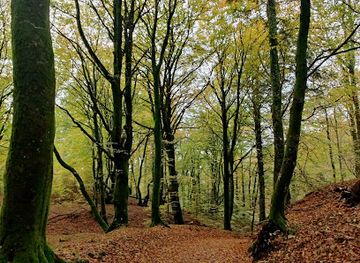
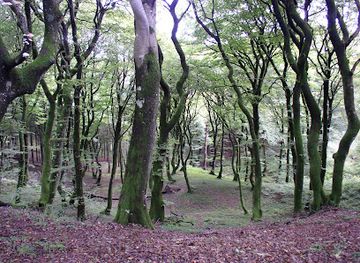
The forest's sandy and gravelly moraine soil, combined with heavy rainfall, creates ideal conditions for dense coniferous stands, particularly spruce. Though a severe 1981 storm significantly thinned the old spruce population, the forest remains dominated by conifers. Efforts have been made to preserve pockets of old-growth beech forest, with the largest stands found in protected areas like Kyø Skov, now designated as untouched forest where fallen trees remain undisturbed, allowing natural regeneration. The forest floor hosts rare plant species including the protected lady's-slipper orchid, blue anemone, red helleborine, pennywort, and smell fox. Wildlife thrives throughout the year: foxes, badgers, red deer, bats, and numerous bird species inhabit the woodland. The forest is designated as a Natura 2000 site and a Ramsar wetland of international importance, reflecting its ecological value.Springs, Lakes, and Waterways
The limestone-rich geology creates countless springs where clear groundwater emerges from chalk deposits, feeding a network of streams and lakes throughout the forest. Major water features include Madum Lake, Store Økssø, Mossø, and the restored Gravlev Lake. The Lindenborg Å stream meanders through old-growth forest of ash, alder, and willow, creating scenic waterways. Dragmosen, one of Denmark's most accessible raised bogs, transforms dramatically with the seasons—in June, cotton grass creates a white-puffed landscape, while September brings flowering heather in shades of purple.Ancient Heritage and Underground Mysteries
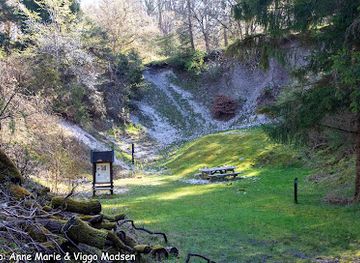
Rold Forest preserves layers of human history spanning millennia. Bronze Age and Stone Age burial mounds dot the landscape, with particularly impressive examples like Stenstuen and Svinehøjene located north of Rebild in Bjergeskoven. Sunken lanes—ancient roads eroded into ditches by centuries of use—crisscross the forest, with Hulvejen being the most renowned, leading to the RebildPorten tourist office. The forest harbors folklore of robbers who once used sinkholes as hideouts, setting tripwires across forest roads to alert them of passing travelers. The abandoned limestone mines of Thingbæk, now hosting underground art exhibitions, serve as crucial hibernation sites for five bat species during winter months and are administered by Rebildcentret.Recreation and Marked Trails
Extensive networks of marked hiking and mountain bike trails traverse the forest, with popular routes including Rebild Bakker Rute and Den Gastronomiske kvalitetssti. The Jyske Skovhave (Jylland Forest Garden), an open arboretum established in 1886, displays diverse tree and shrub species from the Northern Hemisphere. Activity areas like Stabelpladsen offer campfire sites, playgrounds, and off-leash dog parks. Rebild National Park, occupying the northern forest sections, features heather-covered hills with spectacular viewpoints—Sønderkol rises 102 metres above sea level, offering panoramic views of Lindenborg Ådal and the surrounding landscape.Living Cultural Traditions
The forest's cultural heritage remains active and accessible. Historical charcoal-making traditions continue through one remaining charcoal burner guild, which hosts annual public demonstrations and participation events. Rebildcentret operates museums and conservation programs throughout the area. The forest transitions through dramatic seasonal changes: spring brings blooming vegetation, summer transforms the heather into purple carpets across open hillsides, autumn paints the landscape in reds and browns, and winter occasionally blankets the terrain in snow.Explore the best of what Rold Forest has to offer













More about North Jutland
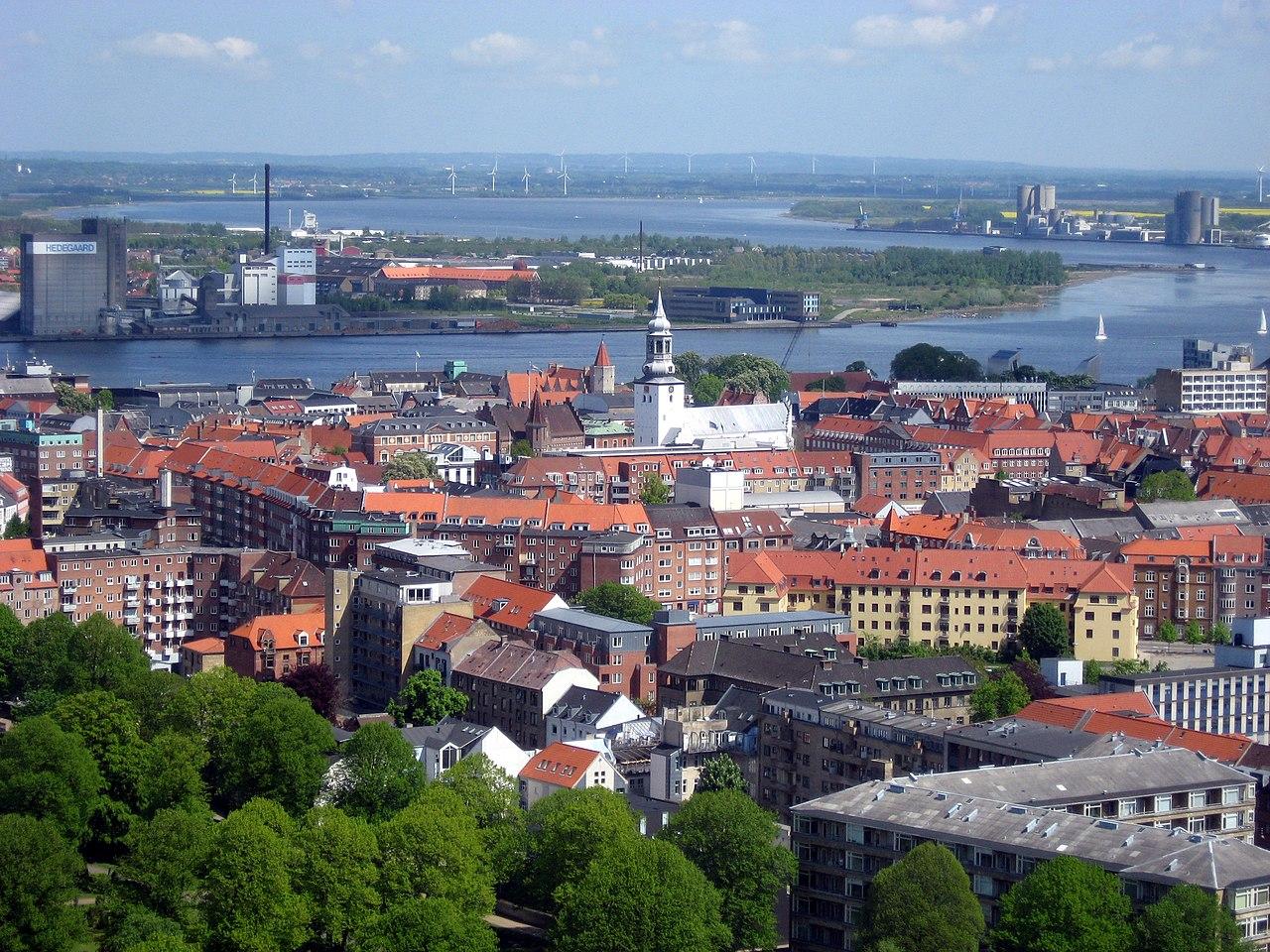
Discover North Jutland: Denmark's northernmost region, renowned for its stunning coastlines, rich Viking history, vibrant culture, and outdoor adventures.
Tell me more about North Jutland
A small, magical pocket of Rold Skov where centuries‑old, twisted beech “troll trees” turn an ordinary forest walk into a quietly enchanting woodland adventure.
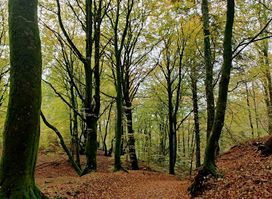
Denmark’s largest contiguous forest: a rolling mosaic of springs, hills, rare orchids and historic tracks, inviting year‑round walking, cycling and quiet nature immersion.