Koldkrigsmuseet REGAN Vest Travel Guide
Free Guide: Once Denmark’s deepest state secret, this fully preserved Cold War government bunker now reveals life, fear and contingency planning 60 metres beneath a Jutland hill.


A brief summary of Koldkrigsmuseet REGAN Vest
Once Denmark’s deepest state secret, this fully preserved Cold War government bunker now reveals life, fear and contingency planning 60 metres beneath a Jutland hill.
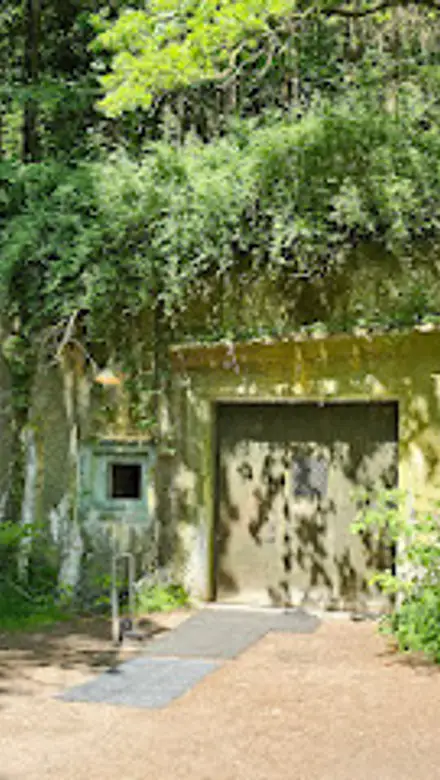
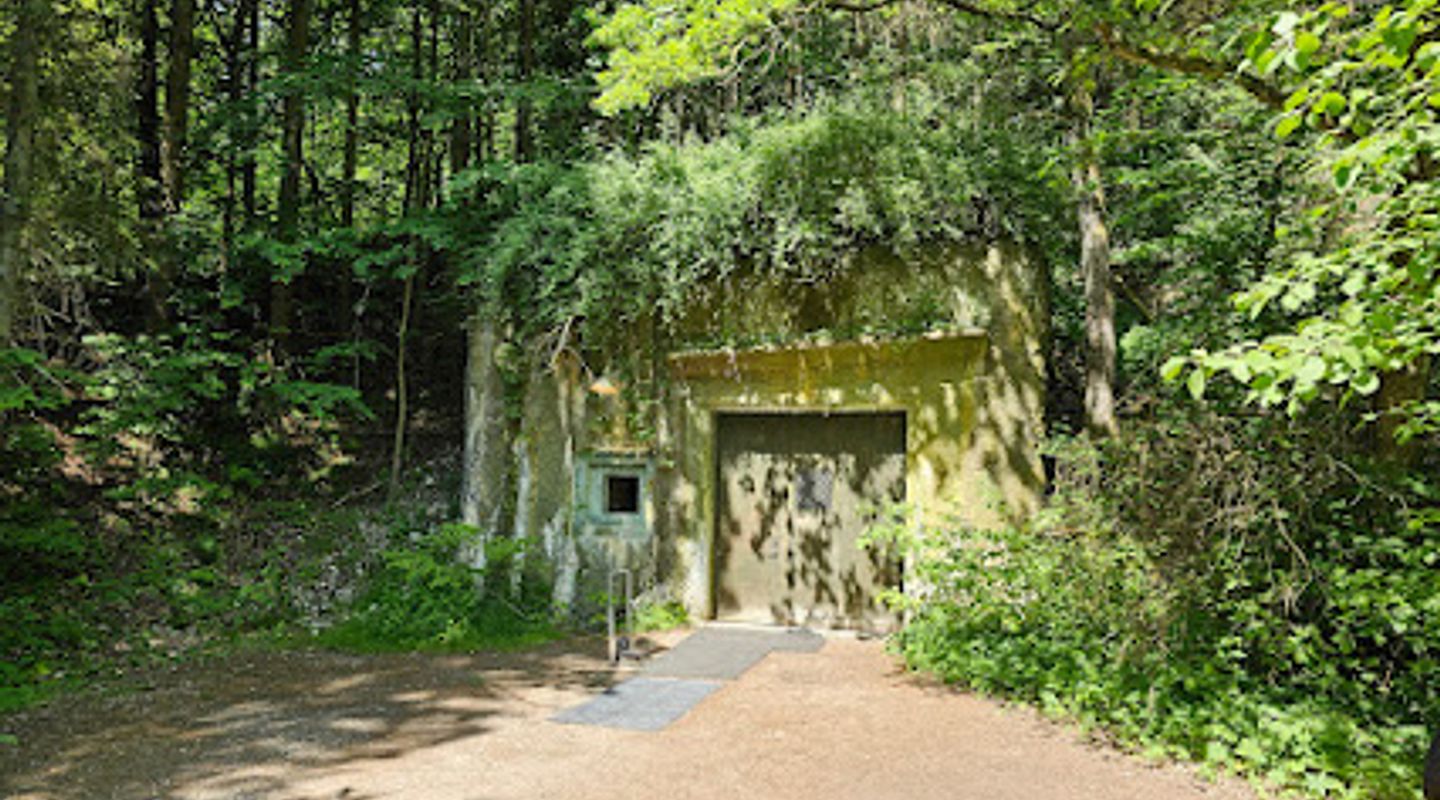
Hidden 60 metres beneath a chalk hill in the forests near Skørping, Koldkrigsmuseet REGAN Vest is Denmark’s once top-secret government bunker from the Cold War era. Built in the 1960s to shelter the royal family, government and key officials in case of nuclear war, it now stands almost untouched, with original interiors, control rooms and dormitories preserved. Above ground, a 1980s-style engineer’s house and a modern exhibition building with café bring the period’s everyday life and global tensions into sharp focus.
On-site amenities
 Restrooms
 Drink options
 Drinking water
 Food options
 Seating areas
 Trash bins
 Information boards
 Visitor centre
Opening hours
- Every day9:30 am–8 pm
Opening hours as listed on the venue’s Google Business Profile. Hours can change for services and special events, so check with the venue before you go.
- Address
- Røde Møllevej 26, 9520 Skørping
- Phone
- Website
Getting there
Regional train and local taxi from Aalborg
Car from Aalborg via motorway
Cycle from Skørping through Rold Skov
Discover more about Koldkrigsmuseet REGAN Vest
A secret bunker beneath the Danish countryside
Deep under a chalk hill in the Rold Skov area lies REGAN Vest, an underground complex purpose-built in the 1960s to keep Denmark’s government functioning during a nuclear crisis. Conceived at the height of Cold War tensions, the bunker was designed to accommodate around 350 people, including ministers, senior civil servants and the monarch, in a self-contained world sealed off from the surface. Its very existence remained classified for decades, while life went on quietly in the farmland and forest above.Today the site has been transformed into Koldkrigsmuseet REGAN Vest, opening the once-secret installation to visitors on guided tours. Passing through secure corridors and heavy blast doors, you are invited into the mindset of an age defined by the fear of sudden attack. The geography of northern Jutland, with stable chalk formations and relative remoteness, made this an ideal location for such a hidden stronghold.
Inside Denmark’s Cold War nerve centre
The bunker covers some 5,500 square metres, laid out like an underground village with its own technical systems, command facilities and living quarters. As you move through the complex, rooms appear much as they were prepared: the government situation room with its maps and communications equipment, the regent’s modest private room, offices, dormitories, canteen and recreation areas. The interiors, furnishings and fittings are largely original, offering an unusually complete snapshot of Cold War design and technology.Infrastructure was critical to survival. Power generators, air filtration units, water supplies and medical facilities were built to keep the occupants alive and working for extended periods. Narrow corridors, low ceilings and a constant awareness of what might have triggered the bunker’s use create an atmosphere that is both matter-of-fact and unsettling. Guided interpretation helps explain how decisions would have been made and how information flowed in an emergency.
The engineer’s house and an ordinary 1980s home
At ground level, a yellow brick villa once served as the residence of the chief engineer responsible for the bunker’s technical operations. Outwardly it looked like a typical family home in rural Denmark, helping to disguise the true purpose of the site. Today the house has been furnished as a domestic interior from around 1980, down to period television programmes, magazines and games.This recreated home introduces the social side of Cold War history. Visitors can explore the rooms, noticing details that evoke everyday routines: kitchen fittings, children’s belongings, living-room decor. The contrast between this familiar environment and the concealed entrance to a nuclear-proof bunker highlights how global political tensions intersected with ordinary family life.
Exhibitions, café and perspectives on the Cold War
A contemporary welcome and exhibition building completes the museum ensemble. Here you find a permanent exhibition that sets REGAN Vest within a wider narrative of international politics, nuclear strategy, Danish civil defence planning and the technological challenges of building an underground shelter of this scale. Objects, multimedia installations and archival material explore both the military dimension and the psychological impact of living under the threat of nuclear conflict.The building also houses a café offering light meals, hot and cold drinks and space to pause after the intensity of the bunker visit. A museum shop focuses on books, prints and historically themed souvenirs. The surrounding forest paths and chalk landscape provide a calm natural frame to a story otherwise dominated by concrete, steel and contingency planning.
A carefully managed journey into a fragile space
Access to the underground complex is strictly controlled and only possible on pre-booked guided tours, reflecting ongoing safety requirements and the need to protect the preserved interiors. Visitor numbers per day are limited to avoid overloading the narrow corridors and to maintain stable conditions for the original fittings. This structured access has the side effect of making each visit feel more like an organised operation than a casual drop-in.Because the bunker lies 60 metres below ground, conditions inside differ markedly from the surface. Temperatures remain cool year-round, and the lack of natural light adds to the sense of stepping outside ordinary time. Moving between the forested surroundings, the period villa and the hidden bunker invites reflection on preparedness, political responsibility and how societies imagine worst-case scenarios. REGAN Vest stands today as a rare, almost intact physical document of those considerations.
Evendo Review Centre
 Google
Guest reviews
Best time to go
Quietest: Jan, Nov & Dec · before 7am or from 9pm
Busy times are Evendo estimates for a typical year, to help you plan. Actual crowds vary with events, school holidays and the weather.
Explore Koldkrigsmuseet REGAN Vest on the map
A handpicked selection of must-see spots near Koldkrigsmuseet REGAN Vest, mapped for you.
Get your free copy of our complete guide to Koldkrigsmuseet REGAN Vest, delivered straight to you.
Everything on this page, from opening hours and how to get there to Eve’s tips and the best time to go, in one PDF you can read offline, print or share.
Already have an account? Sign in
Your Koldkrigsmuseet REGAN Vest guide is ready.
We'll send it to · Not you? Sign out

Getting your guide ready…
We are putting together a fresh copy of the Koldkrigsmuseet REGAN Vest guide. This can take up to a minute.
This can take a few moments. If your browser asks, choose Allow so the download can start. You'll find the guide in your Downloads folder.
Nothing happened? Download it again
Sorry, the guide is taking longer than usual. Please try again in a minute, or get it by email instead.
Other nearby places you may find interesting
The closest places of the same kind, if this one is not quite what you had in mind.
-
Museum Rebild Where Danish emigration stories meet transatlantic friendship in historic northern Jutland hills.
-
Thingbæk Chalk Mines / Rebild Center An atmospheric limestone mine turned sculpture museum, paired with geology and Cold War exhibits in the Rebild hills, where art, stone, and history meet underground.
-
Rebild National Park Denmark's historic heathland where glacial hills meet Danish-American heritage and Europe's finest certified hiking trails.
-
Skovtårnet Modest in height but rich in views, Skovtårnet lifts you above Rold Skov’s twisted pines for wide horizons over Rebild’s hills and valleys in every season.
-
Røverknolden Artistic forest playground where imagination meets adventure in Denmark's largest woodland.
Swipe for more places
More to explore near Koldkrigsmuseet REGAN Vest
-
 Best experiences near Koldkrigsmuseet REGAN Vest
-
 Best hotels near Koldkrigsmuseet REGAN Vest
-
 Best landmarks near Koldkrigsmuseet REGAN Vest
-
 Best attractions near Koldkrigsmuseet REGAN Vest
-
 Best shops near Koldkrigsmuseet REGAN Vest
-
 Best restaurants near Koldkrigsmuseet REGAN Vest
-
 Best bars near Koldkrigsmuseet REGAN Vest







Do you manage this location?
Take control to get all the benefits, like improved information, better appearance, and stronger visibility across AI-powered discovery.
Explore more

Explore more of Rold Skov
Explore Rold Skov, Denmark's largest forest, teeming with ancient trees, diverse wildlife, and a wealth of outdoor activities for nature lovers and history enthusiasts alike.
Explore Rold Skov
Explore more of Denmark
Discover Denmark: A perfect blend of history, modern design, and the cozy concept of hygge. Explore vibrant cities, serene landscapes, and world-class cuisine.
Explore Denmark