

St. Catherine's Priory, Ribe
A beautifully preserved Dominican priory in Ribe, where brick cloisters, a serene church and a quiet garden reveal nearly eight centuries of Danish monastic history.
St. Catherine's Priory in Ribe is one of Scandinavia’s best‑preserved medieval monastic complexes, a serene enclave tucked into Denmark’s oldest town. Founded in 1228 as a Dominican friary and later transformed into a parish church, it combines Romanesque and Gothic architecture around a peaceful cloister garden. Step through its brick arcades to find a cool, whitewashed church interior with historic furnishings, quiet corners for contemplation, and a palpable sense of centuries of prayer and daily monastic life.
A brief summary to St. Catherine's Priory, Ribe
- Sct Catharinæ Pl. 4, Ribe, 6760, DK
- +4575420534
- Visit website
- Duration: 0.5 to 1.5 hours
- Free
-
 Mixed
Mixed
- Mobile reception: 4 out of 5
Local tips
- Plan at least an hour so you can explore both the church interior and the cloister garden without rushing; the atmosphere rewards a slow pace.
- Bring a camera or phone with a good low‑light setting; the interplay of brick, arches and soft natural light makes for striking interior photos.
- If services or concerts are taking place, be discreet and avoid walking near the altar area; use the cloister as a quieter viewing point.
- Combine your visit with nearby Ribe Cathedral for a fuller picture of the town’s religious history and contrasting church architecture.
- Wear soft‑soled shoes to move quietly on the stone floors and enjoy the hushed ambience without distracting echoes.

For the on-the-go comforts that matter to you
- Restrooms
- Seating Areas
- Information Boards
- Sheltered Areas
Getting There
-
Train and walk from Esbjerg
From Esbjerg, regional trains to Ribe run frequently during the day, with a journey time of about 30–35 minutes. A standard adult ticket typically costs around 70–110 DKK one way in standard class. From Ribe Station, the walk through the historic center to St. Catherine’s Priory takes about 10–15 minutes on mostly flat, cobbled streets that are manageable for most visitors but can be uneven for wheelchairs and strollers, especially in wet weather.
-
Train from Copenhagen via Kolding
From Copenhagen, take an intercity or regional train toward Jutland, changing in Kolding for the line to Ribe. Total travel time is usually around 3.5–4.5 hours, depending on connections, with standard one‑way fares commonly in the 350–550 DKK range if bought close to departure. Seats are generally comfortable, and there is luggage space on board. From Ribe Station, allow about 10–15 minutes on foot along paved and cobbled streets to reach the priory.
-
Car from Esbjerg and wider Jutland
Driving from Esbjerg to Ribe typically takes about 25–30 minutes along main roads. Visitors approaching from other Jutland towns can expect 1–2 hours by car, depending on distance and traffic. Public parking areas are located around Ribe’s historic center; charges are usually modest, and some zones offer limited free parking, but spaces can be scarce in peak holiday periods. The streets close to the priory are narrow and often one‑way, so it is easier to park once on the edge of the old town and walk 5–15 minutes to the site.
St. Catherine's Priory, Ribe location weather suitability
-
 Any Weather
-
 Rain / Wet Weather
-
 Cold Weather
-
 Mild Temperatures
-
 Clear Skies
Discover more about St. Catherine's Priory, Ribe
A medieval friary in Denmark’s oldest town
St. Catherine's Priory sits just off the cobbled streets of Ribe, Denmark’s oldest town, yet feels slightly removed from the bustle. Established in 1228 as a Dominican friary, it quickly became an important religious and intellectual center on the windswept west coast of Jutland. Monks in white habits once moved silently between church, refectory and dormitory, following the strict rhythm of prayer and study that defined Dominican life. The priory’s buildings form one of the most complete surviving monastic complexes in Scandinavia. Enclosed ranges gather around a central courtyard, giving a clear sense of how a medieval friary was organized. Even if you are not a specialist in church history, the layout makes it easy to imagine the community that once lived here: a place where preaching friars prepared sermons, copied texts and offered pastoral care to the surrounding town.Architecture of brick, light and quiet
Architecturally, St. Catherine’s blends sturdy Romanesque roots with later Gothic refinements. The exterior is built mainly of red brick, a hallmark of North Sea Gothic, punctuated by stepped gables and simple decorative details. Inside, the church opens into a cool, whitewashed space with pointed arches and vaulted ceilings that catch and soften the North Sea light. Look for carved wooden furnishings dating from the late 16th and 17th centuries, when the church was reshaped after the Reformation. A richly detailed pulpit, painted altarpiece and organ case all contribute to an atmosphere that is both austere and quietly ornate. The clear glass and modest stained-glass windows create a gentle play of light rather than the blaze of color found in grand cathedrals, matching the building’s monastic origins.From friary to parish heart
The Protestant Reformation reached Ribe in the 16th century, and the priory’s Dominican community was dissolved in 1536. Instead of being demolished, the church became a parish church serving the people of Ribe, ensuring the complex remained in continuous use. Over time, ancillary buildings were adapted, but the essential monastic framework endured. This layered history is visible in the details. Medieval masonry sits alongside post‑Reformation woodwork; subtle renovations from later centuries coexist with original cloister walls. The result is a building that tells a long story in brick and timber, from Catholic friary to Lutheran parish, mirroring Denmark’s broader religious transformation while preserving a strong sense of place.The cloister garden and everyday stillness
One of the priory’s most evocative spaces is the cloister courtyard. Arcaded walkways frame a sheltered garden where grass, shrubs and seasonal flowers soften the red brick. In monastic times, this would have been a controlled, inward‑looking world, designed for contemplation and short walks between offices. Today it offers travelers a tranquil pause within minutes of Ribe’s main square. As you move under the cloister arches, listen for the subtle sounds that define the priory: the creak of a wooden door, footsteps on old stone, a distant bell. Benches and low walls invite you to sit, absorb the geometry of vaults and roofs, and notice how the sunlight shifts across the inner façades. Even brief visits can feel restorative, especially when combined with a wander through the adjoining streets of half‑timbered houses.Experiencing Ribe’s sacred ensemble
St. Catherine’s Priory forms part of a small cluster of historic churches in Ribe, complementing the larger cathedral nearby. Where the cathedral dominates the skyline, the priory offers intimacy and enclosure. It is particularly appealing for travelers interested in medieval architecture, religious history or quiet photographic subjects: cloister arcades, brick patterns, carved details, and glimpses of Ribe’s rooftops beyond. Though modest in scale compared with Europe’s great abbeys, the priory’s completeness makes it special. You can trace, in a short circuit, the spaces that structured monastic life, then slip back out into the town’s cafes and shops. In doing so, you experience a gentle contrast between sacred and everyday worlds that has defined Ribe for nearly eight centuries.Iconic landmarks you can’t miss

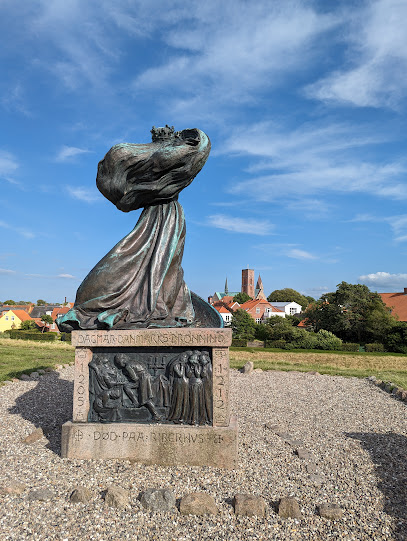
Queen Dagmar of Bohemia
0.7 km
A contemplative statue on Ribe’s former castle hill, honouring the gentle 13th‑century Queen Dagmar where her life and legend became entwined with Denmark’s history.
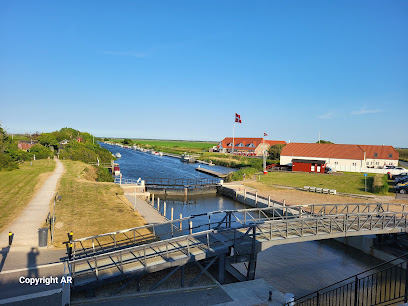
Kammerslusen Ribe
5.7 km
Discover Copenhagen's Black Diamond: A fusion of modern architecture and cultural heritage on the waterfront.
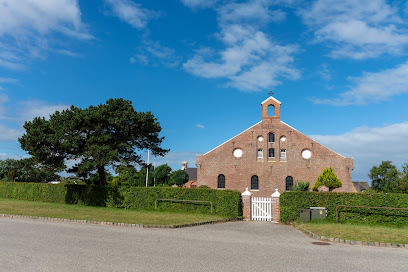
Sønderho Church
19.1 km
An 18th‑century island church filled with Denmark’s largest flotilla of votive ships, anchoring Sønderho’s seafaring history in a tranquil Wadden Sea village.
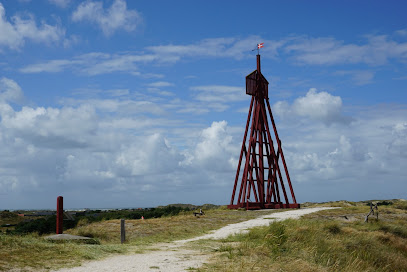
Æ Kåver
19.1 km
Reborn wooden seamark on Fanø’s southern edge, Æ Kåver recalls 17th‑century seafaring in a wild Wadden Sea landscape of wind, sand and wide horizons.
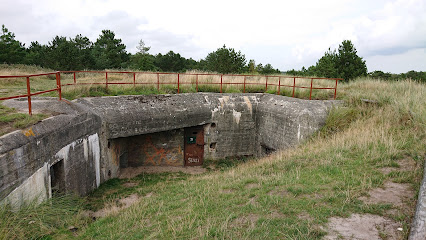
Bunker
24.6 km
A concrete relic of World War II occupation, standing silent in Denmark's westernmost forest.
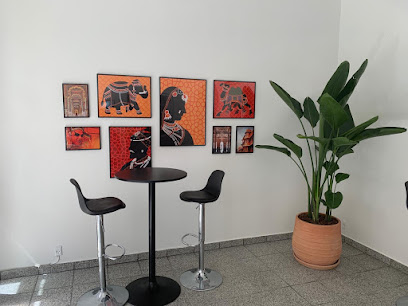
Namaste Esbjerg
25.0 km
Marselisborg Strand is Aarhus’ vibrant urban beach, blending sandy coastline, tranquil bay views, and easy access to city highlights and lush forest parks.
Esbjerg Art Museum
25.0 km
Historic bridge control tower reimagined as a creative hub with city views, art events, and cozy cultural experiences in the heart of Copenhagen’s harbor.
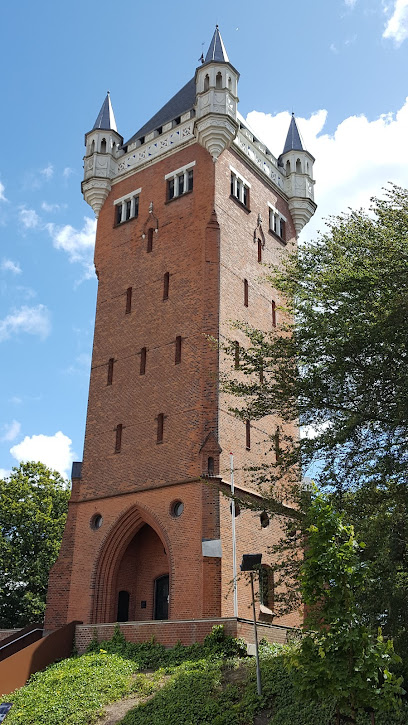
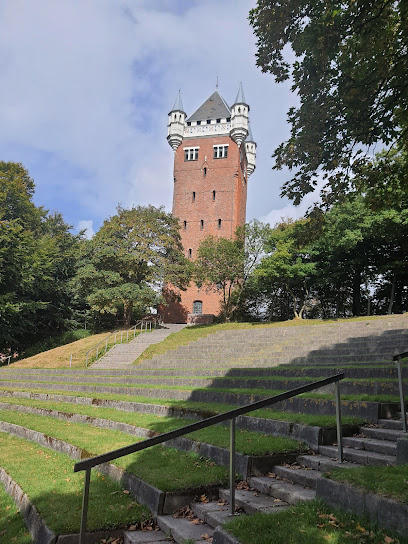
Esbjerg Water Tower
25.1 km
Historic red-brick water tower on a Bronze Age mound overlooking Esbjerg’s harbour, blending medieval-inspired architecture with the story of a young, ambitious port city.
Dronning Louise
25.1 km
Urban beachfront serenity meets Danish royal heritage at Marselisborg Strand, Aarhus’ favorite local escape for swimming, sunbathing, and seaside strolls year-round.
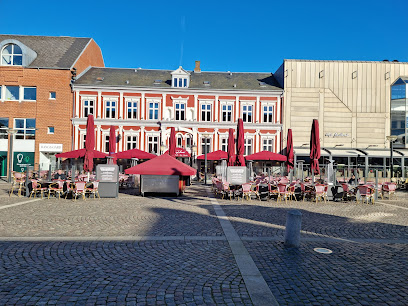
Christian IX statue, Esbjerg
25.1 km
Historic equestrian monument and central meeting point on Esbjerg’s main square, celebrating the king who founded Denmark’s youngest major North Sea port.
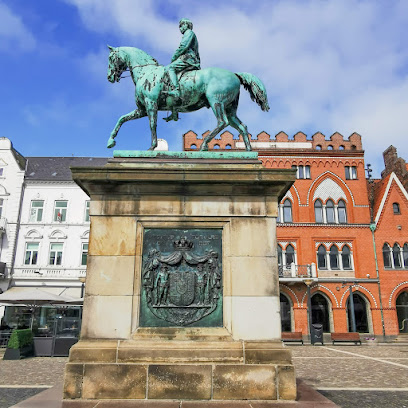
Vadehavskysten
25.2 km
An iconic copper bridge tower turned cultural gem, offering harbor panoramas, intimate events, and a taste of Copenhagen’s creative spirit on Knippelsbro.
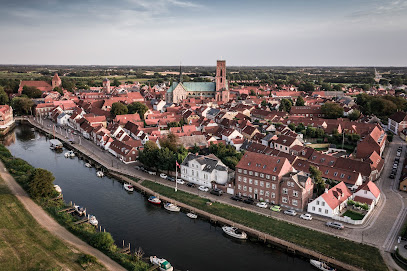
Landgangen
25.2 km
Step inside a piece of Copenhagen’s iconic bridge architecture, now transformed into a creative hub for art, music, café culture, and panoramic city views.
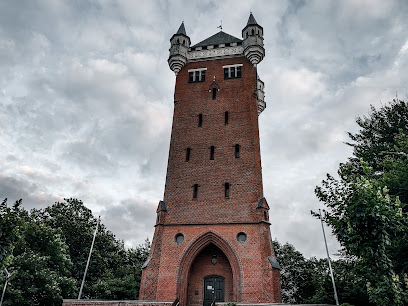
Gangbroen over Toldbodvej, Esbjerg Havn
25.2 km
A converted harbor tower blending industrial heritage with contemporary art, panoramic views, and creative events on Copenhagen’s iconic Knippels Bridge.
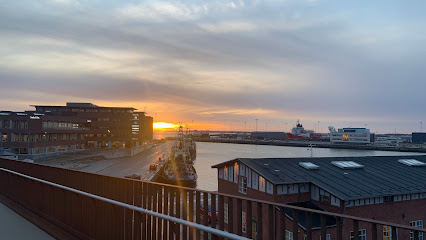
Denmark
25.2 km
Marselisborg Strand is Aarhus’s urban beach escape, offering sandy shores, a classic pier, family-friendly facilities, and beautiful views right at the city’s edge.
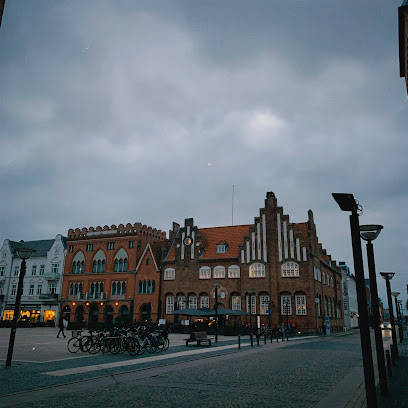
Esbjerg Museum
25.3 km
Iconic harbor-view cultural tower on Knippelsbro, blending Copenhagen’s bridge heritage with art, events, and sweeping views across Indre By and Christianshavn.
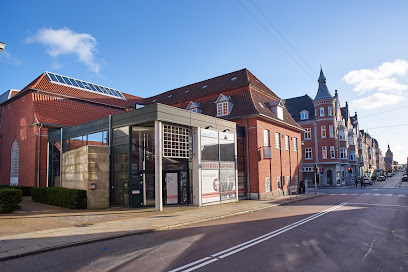
Unmissable attractions to see

Faldne fra Sønderjyske Krige, Ribe
0.0 km
Step into Viking-era life at Vikingborg near Ribe, where interactive exhibits, reconstructed buildings, and live reenactments reveal Denmark’s ancient Norse heritage.
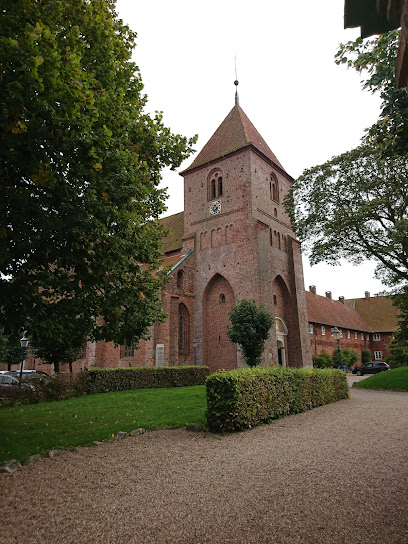
Ribe Kloster
0.0 km
A serene former convent tucked into Ribe’s cobbled centre, where brick Gothic walls, quiet courtyards and layered history evoke centuries of monastic life.
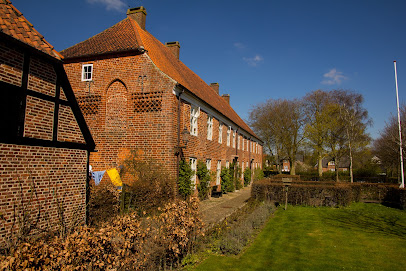
Buste af Jacob A. Riis
0.1 km
A modest bronze bust in Ribe’s old town honouring Jacob A. Riis, the local boy whose New York photographs and journalism helped change urban social history.
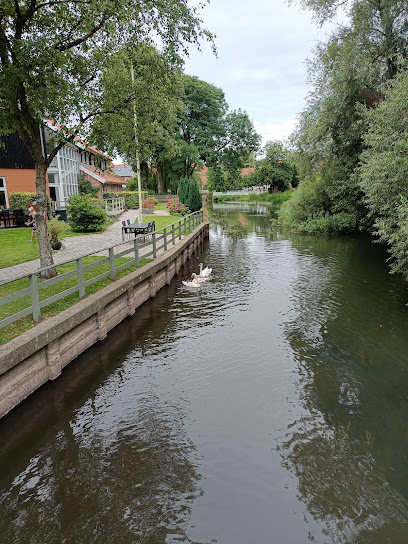
Wooden bridges
0.1 km
Simple timber footbridges over Ribe’s quiet river, offering gentle views, soft light and a tranquil pause just beyond the medieval streets.
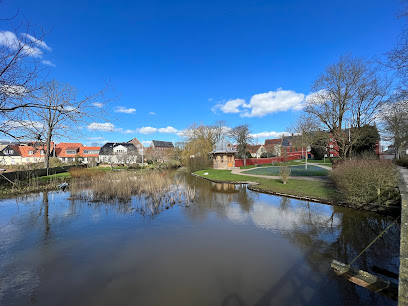
P Dovns Slippe
0.2 km
Explore the Wadden Sea's unique ecosystem and cultural heritage at Vadehavscentret near Ribe, Denmark.
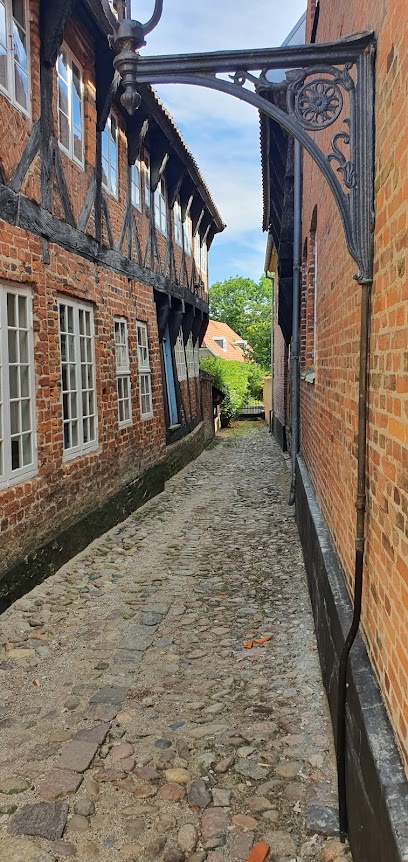
Det Gamle Rådhus Ribe
0.2 km
Compact in size but rich in stories, Ribe’s Old Town Hall reveals centuries of justice, ceremony and civic life within an atmospheric medieval shell.
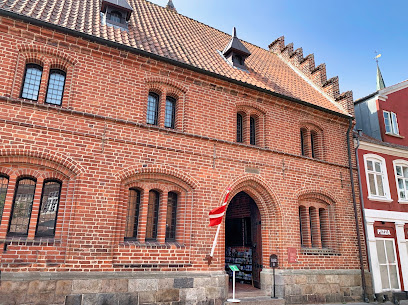
Hex! Museum of Witch Hunt
0.2 km
Explore the chilling history of witch hunts in 16th–17th century Denmark through immersive audio and artifacts in historic Ribe.
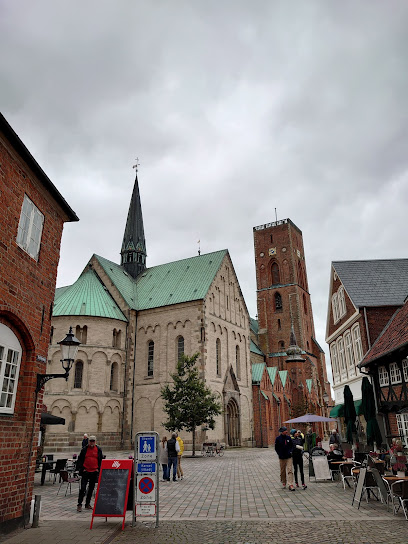
Jacob A. Riis Museum
0.2 km
The childhood home of a Danish-American reformer who documented poverty and changed a nation.
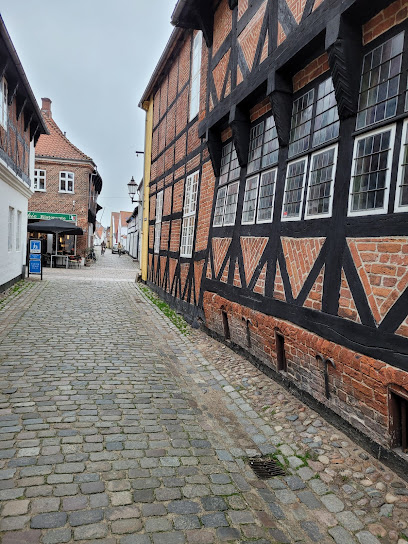
Den Gamle Arrest, Ribe
0.2 km
Stay the night in Ribe’s old town prison, a 16th‑century listed house on the cathedral square where chaplains, schoolgirls and inmates once shared the same walls.
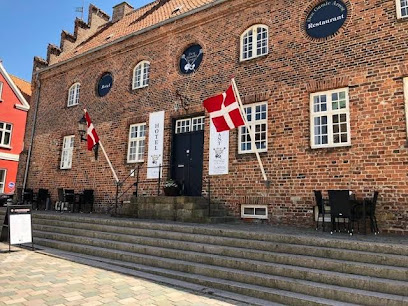
Taarnborg
0.2 km
A contemplative Renaissance townhouse in Ribe’s cobbled centre, where historic clergy once lived and today’s cultural life unfolds in quietly atmospheric rooms.
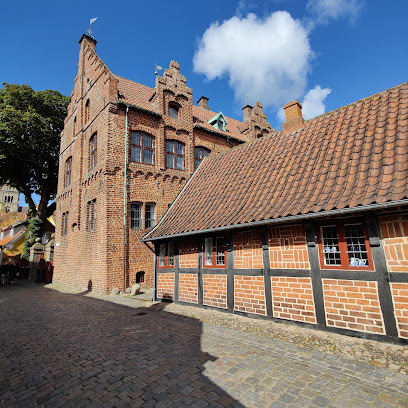
Museet Ribes Vikinger
0.2 km
Dive into 1,000 years of Ribe’s past, from bustling Viking marketplace to medieval port city, in an intimate museum packed with original finds and stories.
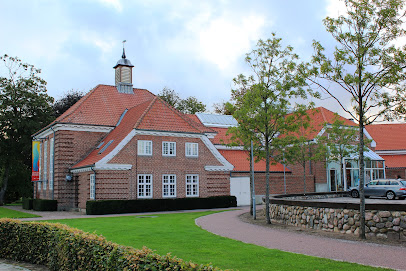
Museum For Vikingtid Og Middelalder
0.2 km
Step into a thousand years of Ribe’s past, from bustling Viking marketplace to medieval trading town, in an engaging riverside museum of artefacts and stories.
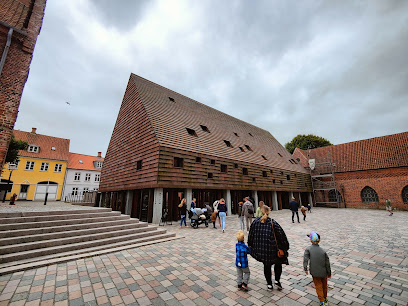
Kannikegaarden
0.3 km
Award-winning parish hall and archaeological showcase where contemporary Nordic architecture hovers above Ribe’s oldest brick ruins beside the cathedral.
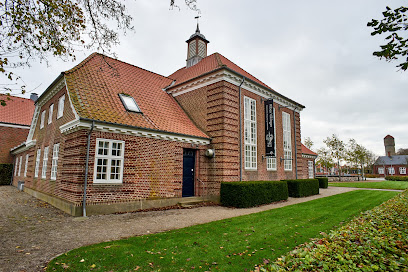
Ribe Kunstmuseum
0.3 km
Elegant 19th-century villa turned art museum, showcasing Danish masterpieces and a romantic garden with tranquil views towards Ribe Cathedral and the stream.
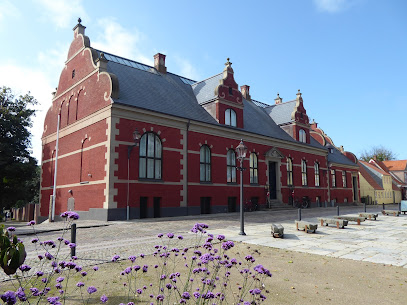
Ribe Cathedral
0.3 km
Explore Denmark's rich glass and ceramic heritage at Holmegaard Værk, featuring live demonstrations and interactive workshops.
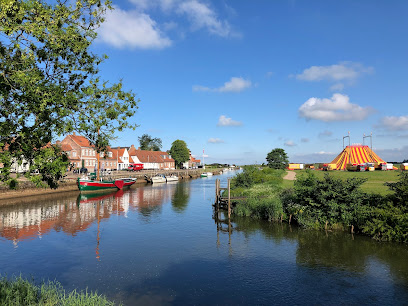
Essential places to dine

Restaurant Jacob A. Riis
0.2 km
Square-side steakhouse and brasserie in Ribe’s historic heart, named after reformer Jacob A. Riis and serving generous, familiar dishes from morning through evening.
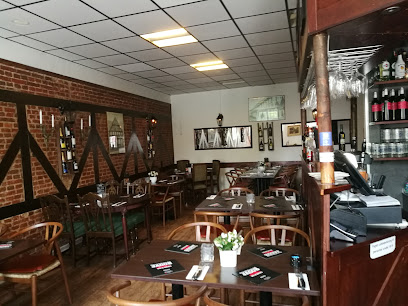
Pizza Express
0.2 km
Casual pizzeria on Ribe's main square serving traditional Italian pizzas in a relaxed, family-friendly setting.
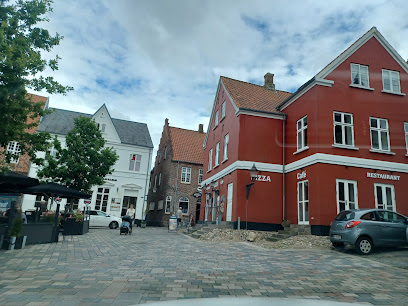
Hotel Dagmar
0.2 km
Denmark's oldest hotel since 1581, blending Renaissance charm with modern hospitality on Ribe's historic square.
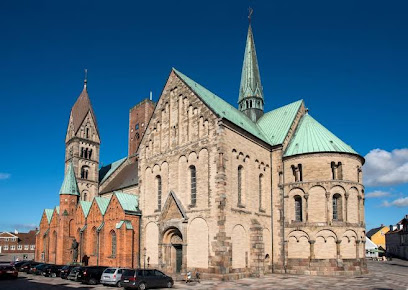
Quedensgård Cafe Og Krambod
0.2 km
Historic café and krambod in a crooked old merchant’s house in Ribe, blending Danish comfort food, a leafy courtyard and shelves of characterful curios.
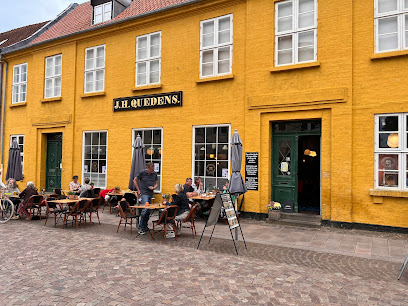
Terpager & Co
0.2 km
Historic 16th‑century café, wine bar and deli in Ribe’s old town, blending Nordic hygge, plant‑forward cooking and small‑producer wines in a cozy courtyard setting.
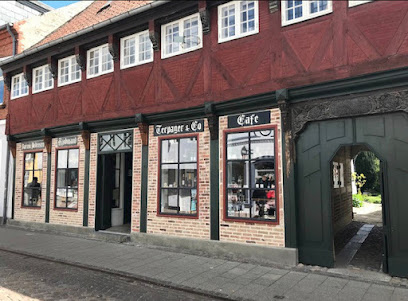
Restaurant Vægterkælderen
0.2 km
Hearty steaks and classic Danish flavours served in a candlelit 16th‑century cellar beneath historic Hotel Dagmar on Ribe’s storybook main square.
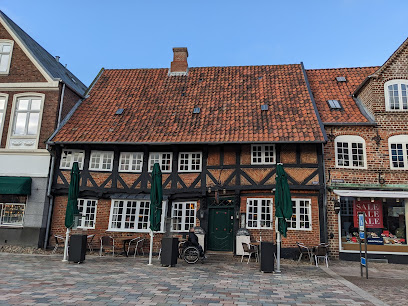
Pinocchio
0.2 km
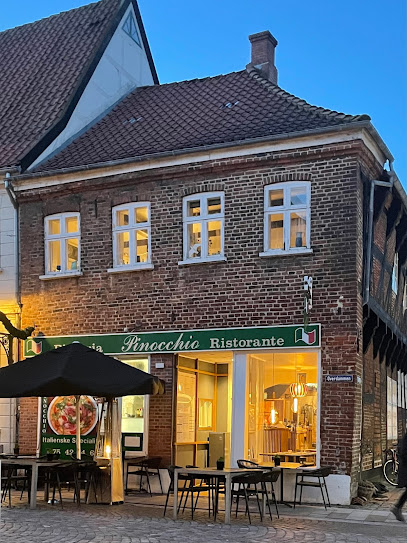
Casual Italian pizzas and pastas served all day in a cosy, family-friendly restaurant right in the historic heart of Ribe’s medieval old town.
Kolvig - by Skovmose
0.2 km
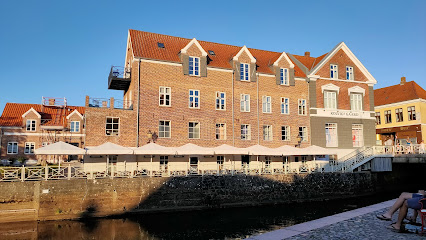
Historic riverside dining in Denmark's oldest city, where Nordic cuisine meets industrial heritage.
Weis Stue
0.2 km
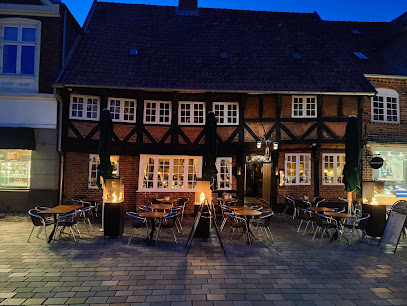
Centuries-old timber inn and restaurant on Ribe’s main square, serving classic Danish dishes and simple rooms in a wonderfully crooked historic house.
Huset Ribe
0.2 km
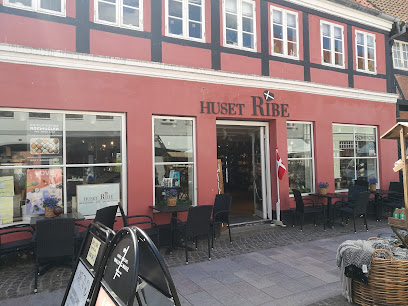
Casual café-brasserie and gourmet deli on a cobbled street in Ribe’s old town, perfect for light meals, good coffee and local delicacies in a relaxed setting.
Peking House Restaurant
0.2 km
Authentic Chinese buffet in historic Ribe's pedestrian heart—diverse flavors, fresh ingredients, family-friendly.
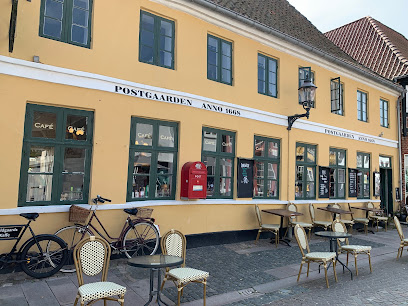
Postgaarden
0.3 km
Historic 16th‑century café and bed & breakfast in the heart of Ribe, blending crooked beams, cozy courtyard corners and simple rooms full of old-town character.
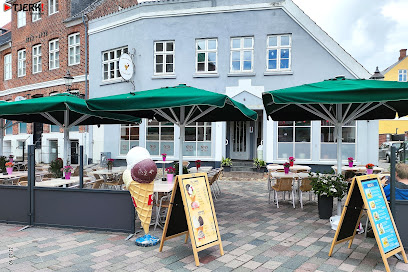
BØFFEN Restaurant
0.3 km
Homemade burgers and ice cream on Ribe's historic square—casual comfort food at unbeatable prices.
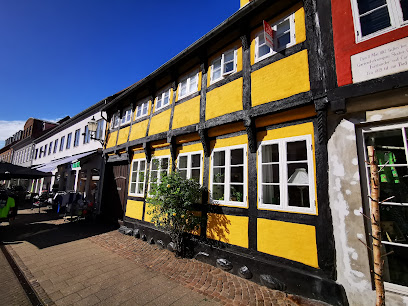
Saltgades Pølsevogn
0.3 km
Ribe's beloved hot dog stand serving grilled perfection for over 25 years.
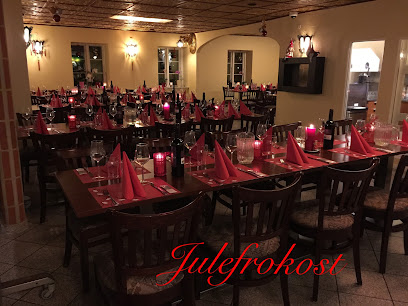
Mr.Fish Sushi Ribe
0.3 km
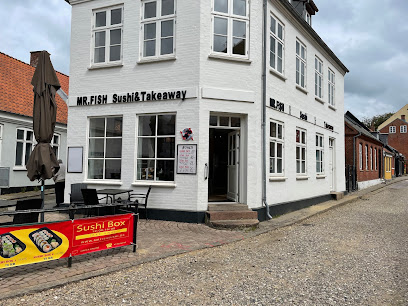
Modern sushi and casual all‑you‑can‑eat style dining in the heart of Ribe’s cobbled Old Town, offering classic, fusion and vegan rolls for eat‑in or takeaway.
Markets, malls and hidden boutiques

Ribes Embroidery And Yarn (M Svendsen)
0.1 km
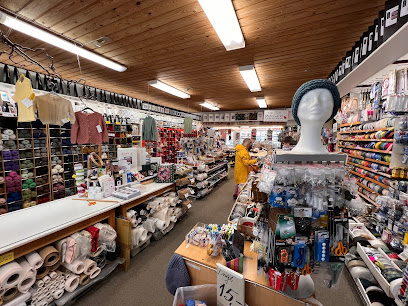
A cozy, floor‑to‑ceiling yarn and embroidery cave in Ribe’s historic center, where more than fifty years of color, fiber and patterns invite you to start a new project.
Habengood
0.2 km
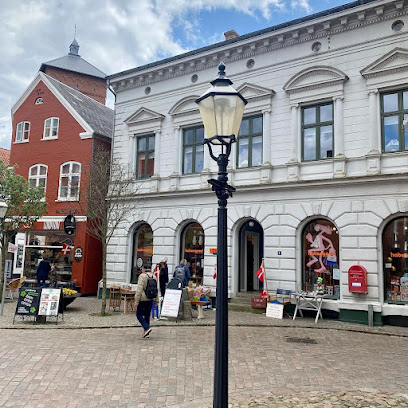
Ribe's intimate vintage and vinyl destination where personal service meets curated second-hand treasures.
Janne K Ribe
0.2 km
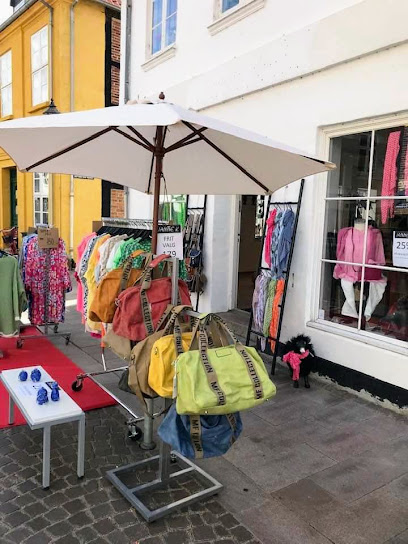
Bright, comfortable women’s fashion in inclusive sizes, tucked into a historic townhouse on Ribe’s cobbled main street.
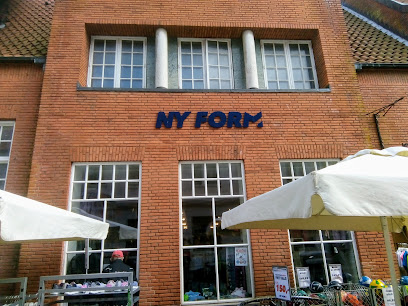
NEW FORM Ribe
0.2 km
Sporty, pet-friendly clothing store in Ribe’s historic center, stocking practical outdoor and casual wear for the whole family near the Wadden Sea coast.
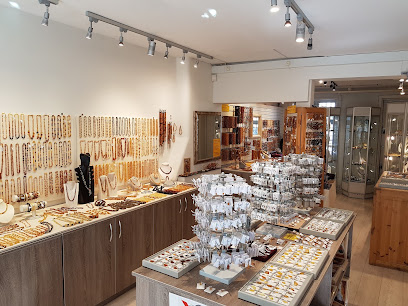
Den Lille Ravbutik
0.2 km
A cosy amber specialty shop in Ribe’s medieval heart, where warm golden stones, Scandinavian design and coastal heritage come together in wearable souvenirs.
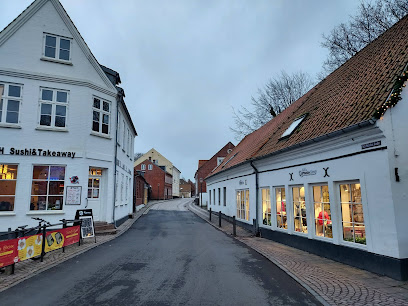
CHANGE Lingerie
0.2 km
Scandinavian fit-focused lingerie and loungewear in a cosy boutique on Ribe’s historic Mellemdammen, blending everyday comfort with a touch of indulgent elegance.
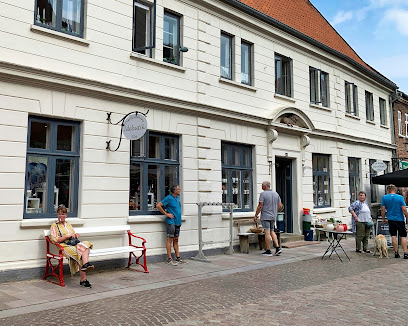
Overdammens Idebutik
0.2 km
A cosy Ribe gift shop where Scandinavian homewares, seasonal decorations and thoughtful souvenirs are tucked into a warm, cobbled-street setting.
Det Gamle Apothek
0.2 km
A historic former pharmacy in the heart of Ribe, now a cosy Nordic shop filled with atmospheric décor, seasonal treasures and a touch of old-town magic.
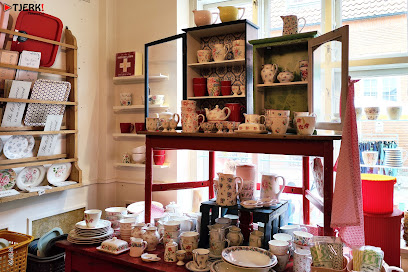
Imerco
0.2 km
Denmark's premier homeware destination offering Scandinavian design, kitchen essentials, and exclusive collections in historic Ribe.
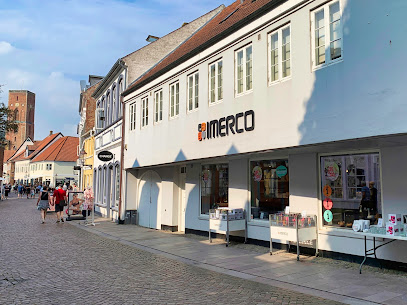
Tøjeksperten
0.2 km
Contemporary menswear in Ribe's historic pedestrian district, backed by Denmark's most generous return policy.
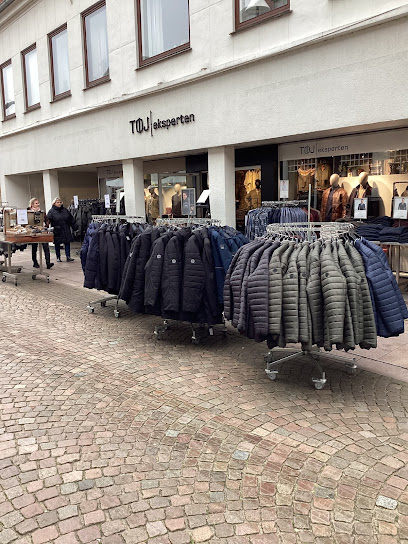
Biti v/Tina Haugsted Larsen
0.2 km
Long-established Ribe corner boutique mixing Scandinavian-inspired women’s fashion, gifts and souvenirs in the atmospheric setting of the town’s central square.
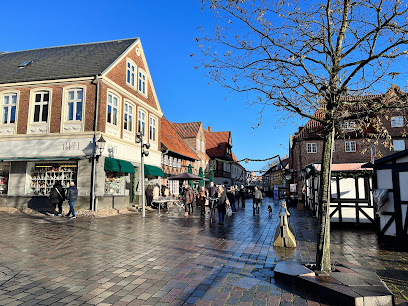
Maude Retro & Vintage
0.2 km
Colorful, craft-filled treasure trove in Ribe’s old town, where retro charm, handmade ceramics, knitwear and quirky art meet on a cozy cobbled-street corner.
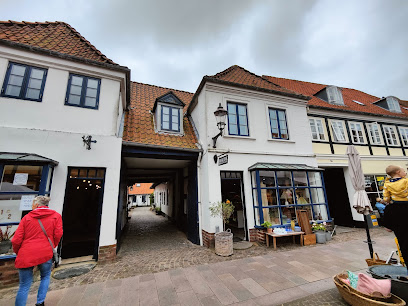
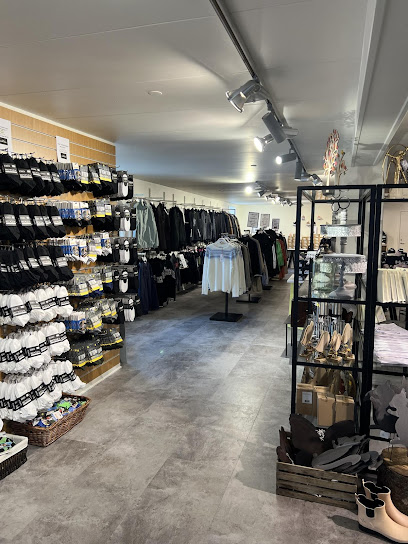
Tip Top I/S
0.3 km
A small, local clothing shop on Ribe’s historic Nederdammen, offering practical Scandinavian-style fashion in the heart of Denmark’s oldest town.
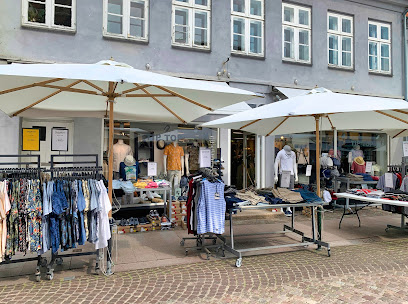
Mega Outlet
0.3 km
Discounted designer fashion in the heart of Denmark's oldest city.
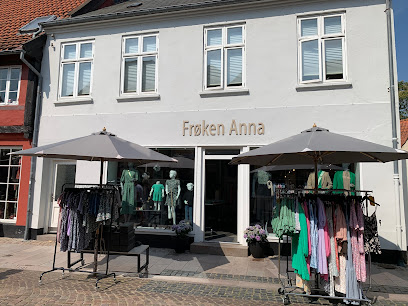
Frøken Anna
0.3 km
Cozy Ribe boutique blending Scandinavian everyday style, curated women’s fashion and relaxed small-town atmosphere in the cobbled heart of Denmark’s oldest town.
Essential bars & hidden hideouts

Strygejernet
0.1 km
Intimate corner pub in Ribe’s old town, pairing rustic coziness, smoke-free comfort and friendly bar life with simple drinks, games and unhurried evenings.
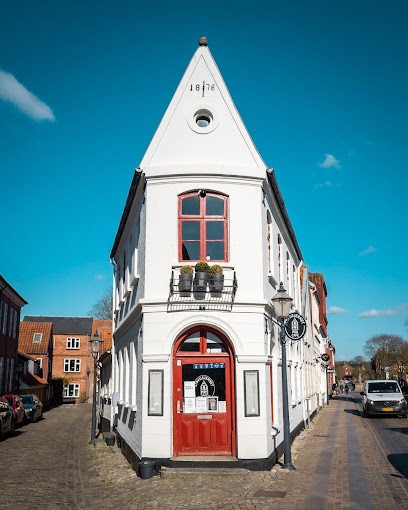
Stenbohus
0.2 km
Cosy, timeworn bar in the heart of Ribe, blending historic surroundings with easygoing drinks, local character and relaxed late‑night atmosphere.
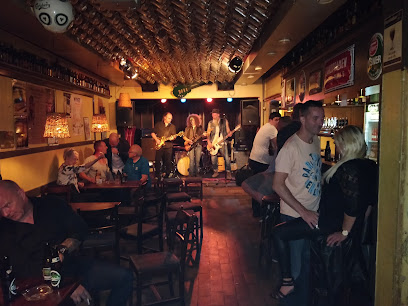
Termansens
0.3 km
Intimate jazz and live music in a centuries-old townhouse, where Ribe’s historic charm meets cozy, small-scale culture house vibes after dark.
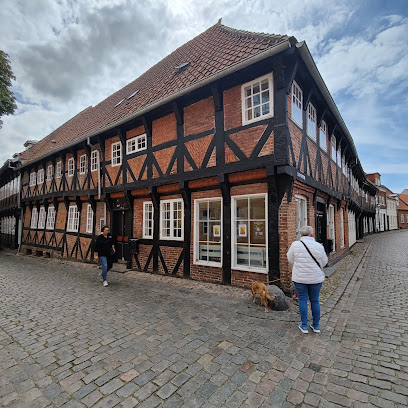
Klubben 1811
0.3 km
Casual, spacious bar in Ribe’s old town, mixing sports, pool and cold beer in a bright, easygoing setting just steps from the city’s medieval streets.
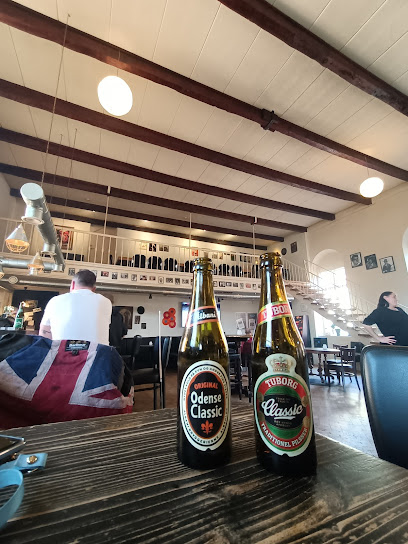
Café Valdemar
0.3 km
A compact late‑night bar and disco in the heart of historic Ribe, blending casual drinks, chart‑driven beats and a friendly weekend crowd on Sct Nicolaj Gade.
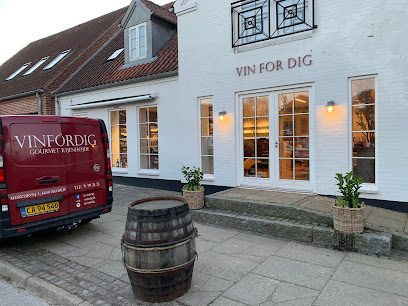
Vin For Dig Ribe
0.4 km
Cosy neighbourhood wine shop and intimate vinbar in Ribe, pairing curated bottles with generous takeaway tapas and relaxed Danish hygge.
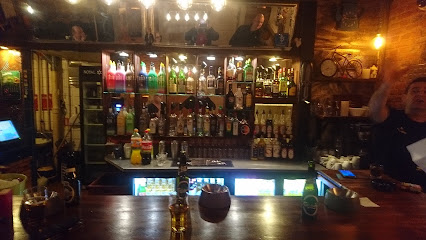
Grosmann's
7.9 km
Small-town Danish hygge in a tiny cocktail bar on Kirkegade, where classic drinks, warm lighting and everyday village life meet in laid-back South Jutland style.
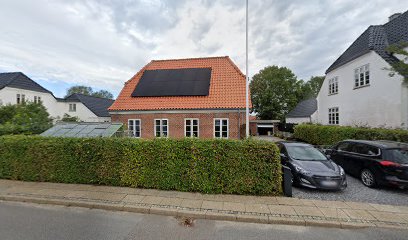
Mødestedet
18.8 km
Cozy wine bar on Skærbæk’s main street, where locals and visitors share unhurried glasses of wine, simple snacks and relaxed conversation from day to evening.
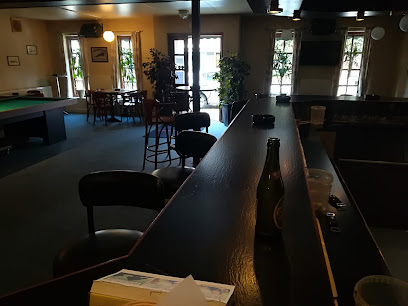
Bodega Pubs v/ Kim
18.9 km
Cozy local bodega in Skærbæk serving cold beer, simple drinks, and laid-back Danish bar culture in a friendly, down-to-earth neighborhood setting.
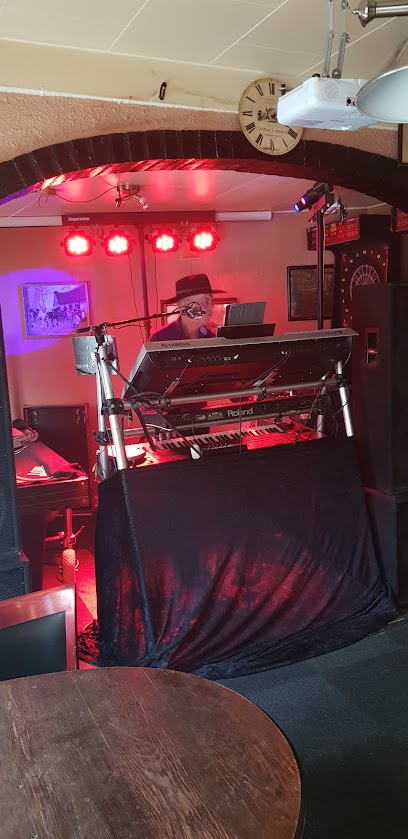
Dowdi Pub Bar
24.9 km
Old-school brown pub in central Esbjerg with inexpensive beers, wood‑panelled charm and a relaxed, local crowd from daytime regulars to late‑night lingerers.
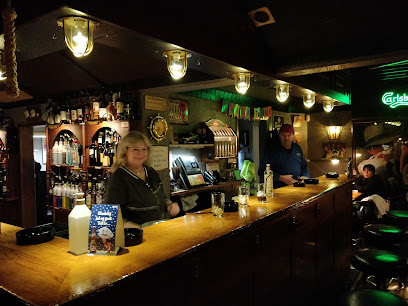
Pappi's pub
25.0 km
Unpretentious, drinks-first bar on Kongensgade offering a simple Danish pub vibe, easy prices and a central stop-off point in the heart of Esbjerg.
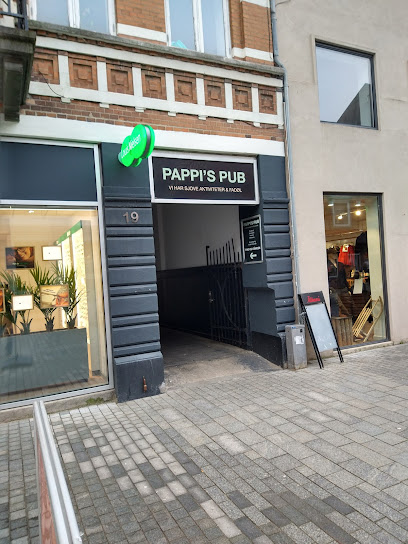
Bjælkehytten - En Vestjysk BierBar
25.0 km
Timber-clad, late-opening beer hut on Esbjerg’s Skolegade, serving easygoing brews and shots in a cosy, West Jutland party atmosphere at the heart of nightlife.
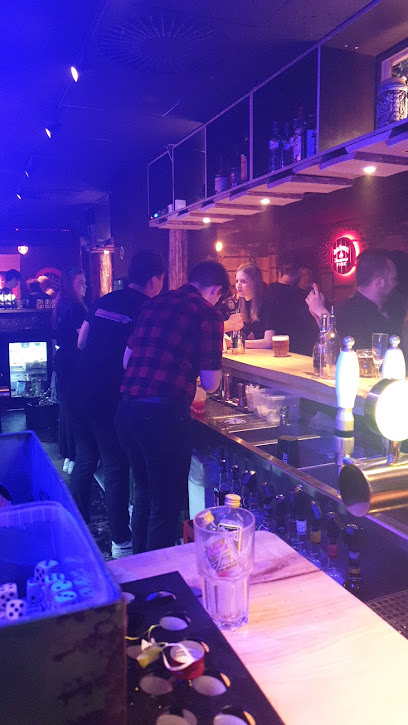
Rustik - Bar & Natklub
25.0 km
High‑energy bar and nightclub on Esbjerg’s Skolegade, mixing industrial style, cocktails and a tightly packed dance floor late into the night.
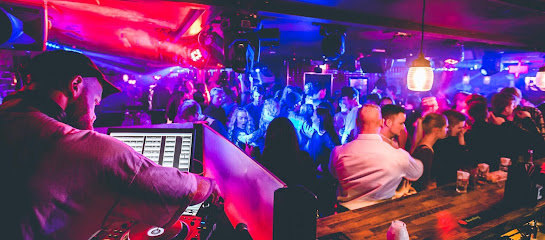
SoHo - Bar & Cocktails
25.0 km
Adults-focused cocktail bar tucked inside Esbjerg Street Food’s old theatre hall, pairing crafted drinks, modern design and a lively, central city atmosphere.
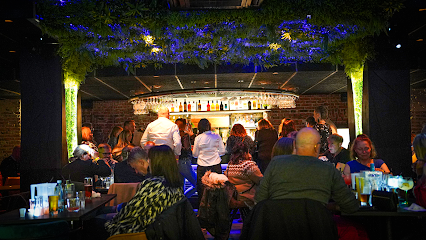
King George
25.0 km
Esbjerg's beloved beer hall where Danish tradition, lively atmosphere, and authentic hospitality converge on Skolegade.
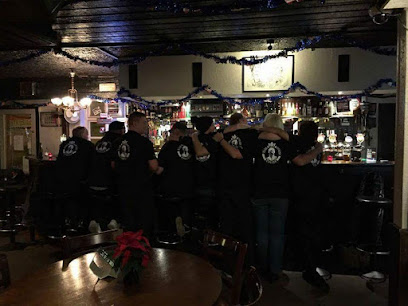
For the vibe & atmosphere seeker
- Tranquil
- Scenic
- Unique
- Casual
- Romantic
- Zen
For the design and aesthetic lover
- Vintage Styles
- Rustic Designs
For the architecture buff
- Historic
- Landmarks
- Sacred Sites
- Heritage Neighborhoods
For the view chaser and sunset hunter
- Iconic Views
For the social media creator & influencer
- Photo Spots
- Architectural Shots
- Instagrammable
- Reel-Friendly
For the eco-conscious traveler
- Low Impact
- Public-Transport Accessible
- Locally Managed
For the kind of experience you’re after
- Cultural Heritage
- Photowalk
- Mindfulness
- Meditation Spot
- Day Trip
For how adventurous you want the journey to be
- Easy Access
Location Audience
- Family Friendly
- Senior Friendly
- Child Friendly
- Teen Friendly
- Solo Friendly
- Couple Friendly
- Solo Female Friendly
- Vegetarian Friendly
- Vegan Friendly


