Stormflodssøjlen – Ribe Flood Column
A tall oak pole on Ribe’s harbourfront, Stormflodssøjlen turns centuries of devastating storm surges into visible rings of memory, linking Denmark’s oldest town to its restless sea.
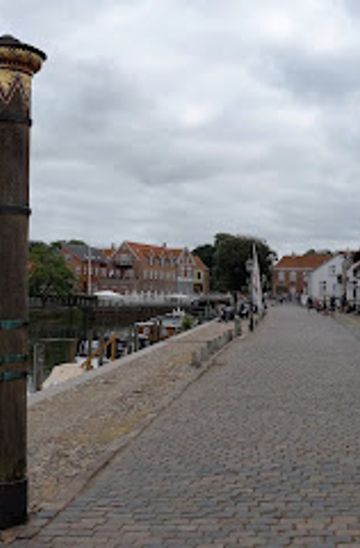
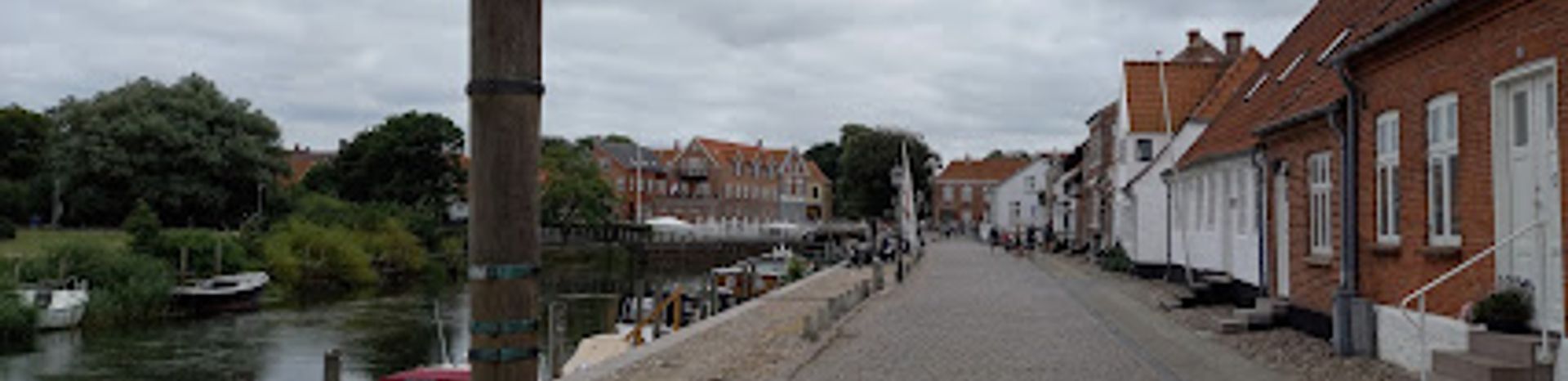
Stormflodssøjlen, the Flood Column on Ribe’s old harbourfront, is a striking oak pole crowned with a gilded “hat” and encircled by bronze rings that mark historic storm-surge water levels. Erected in 1922, it stands over the river as a vivid reminder of how often the sea has flooded Denmark’s oldest town, from the devastating 17th‑century surges to more recent events, and of the dikes and sluices now protecting the low-lying marshlands.
A brief summary to Stormflodssøjlen
- Skibbroen 25, Ribe, 6760, DK
- Duration: 0.25 to 0.75 hours
- Free
-
 Outdoor
- Mobile reception: 4 out of 5

Know before you go
Hi, I'm Eve. Here are a few practical things to know before exploring Stormflodssøjlen.
- Take a moment to walk right up to the column and read the years on each bronze ring; looking back at the nearby houses helps you visualise how high the water once reached.
- Combine a stop here with a stroll along the riverside meadows; in high water the low-lying fields often flood, giving a small, safe hint of the conditions the column commemorates.
- Visit around sunrise or late afternoon for softer light that highlights the wood grain and gilded top, making it easier to photograph without harsh reflections on the metal bands.
Do you manage this location?
Take control to get all the benefits, like improved information, better appearance, and stronger visibility across AI-powered discovery. Learn more
Activate your presenceOther nearby places you may find interesting
Getting There
-
Train and short walk from Esbjerg
From Esbjerg, regional trains run to Ribe Station roughly twice per hour during the day, with a journey time of about 30–35 minutes. A standard adult single ticket typically costs around 60–80 DKK depending on fare type and time of purchase. From Ribe Station it is an easy 10–15 minute walk on level, paved streets through the historic centre to the harbourfront where the Flood Column stands. Trains operate year-round, but late evening services are less frequent, so check return times in advance.
-
Bus from surrounding Wadden Sea villages
Several local buses connect nearby villages in the Wadden Sea area with Ribe, with typical travel times between 20 and 50 minutes depending on distance and route. Fares are usually in the range of 25–50 DKK for an adult single ticket bought on board or via local transport apps. Services can be less frequent outside weekday daylight hours and on weekends, so planning around the timetable is important. Most routes stop close to the historic centre, from where you can walk on flat cobblestones to Skibbroen and the column.
-
Car from the wider Jutland region
If you are driving from elsewhere in Jutland, allow about 1–1.5 hours from cities such as Kolding or the Danish–German border area, and 30–40 minutes from Esbjerg, depending on traffic. There is no entrance fee for the Flood Column itself, but you may need to pay for public parking in or near Ribe’s old town, usually around 10–20 DKK per hour in central zones with maximum stays that vary by car park. Old-town streets are narrow and some areas are restricted, so it is often simplest to leave your car in a signed car park and continue on foot on the short, level walk to the riverfront.
For the on-the-go comforts that matter to you
-
 Restrooms
-
 Drink Options
-
 Drinking Water
-
 Food Options
-
 Seating Areas
-
 Trash Bins
-
 Information Boards
Discover more about Stormflodssøjlen
A wooden sentinel on Ribe’s riverfront
Stormflodssøjlen stands on Skibbroen, Ribe’s historic harbour quay, where the town meets the low marshland stretching towards the Wadden Sea. At first glance it looks almost decorative: a tall, dark oak pole, elegantly carved and topped with a gilded cap that could pass for a Venetian mooring post. Step closer, though, and it reveals itself as a serious piece of storytelling in wood and metal.Erected in November 1922, the column was conceived as a permanent monument to the town’s long and often brutal struggle with the sea. Ribe grew rich as a trading port, but its position on flat tidal marshes made it acutely vulnerable to storm surges funnelling up from the North Sea. The column’s very presence at the water’s edge hints at that precarious balance between opportunity and danger.Bronze rings that measure disaster
What makes the Flood Column so compelling are the bands of bronze that encircle the timber at varying heights. Each ring carries a year, recording a particular storm surge when seawater poured across the embankments and into Ribe’s streets and farms. They climb the pole like a grim ladder of history, turning abstract dates into something you can literally look up to.The uppermost ring, more than six metres above normal water level, marks the catastrophic flood of 1634, sometimes called the “second great drowning” of the Wadden Sea coast. Thousands of people and huge numbers of livestock died across the region, and even Ribe Cathedral was inundated. Lower rings chart later surges into the 19th and 20th centuries, showing how frequently the town has lived with the threat of the sea.From vulnerable marsh town to engineered safety
For centuries, Ribe’s defence against these floods was little more than raised ground and hurried evacuations when storms were forecast. Only in the early 20th century was a continuous dike system finally built across the marshes, a major earthwork stretching for kilometres along the coast to shield the town. The Flood Column, raised a decade after the main dike was completed, became a kind of public ledger of what the new defences were meant to prevent.Today, additional protections such as storm sluices regulate water levels where the river meets the sea. Modern engineering has dramatically reduced the risk of catastrophic inundation, yet the column remains deliberately unsoftened: its highest rings reach above nearby building lines, allowing you to picture streets turned into canals and ground floors filled with seawater.A quiet lesson in climate and memory
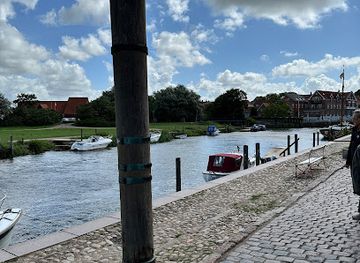
Spending time here is less about ticking off a major sight and more about absorbing a subtle, powerful message. The setting on Skibbroen is atmospheric: barges and small boats on the river, views across to the damp meadows of Hovedengen, and the outline of the cathedral tower behind you. In this calm scene, the column prompts you to imagine storm-dark skies, howling winds and surging tides that once transformed this view into a disaster zone.As discussions about rising sea levels and climate change intensify worldwide, Stormflodssøjlen has taken on a fresh relevance. It offers a tangible record of past extremes and an implicit reminder that coastal communities like Ribe have always had to adapt. Without a single panel of didactic text, it invites reflection on long-term environmental change, risk, and resilience.Fitting the column into a day in Ribe
Because it stands in the open air on the harbourfront, the Flood Column is always accessible and free to visit. It makes an easy pause on a stroll between the medieval town centre and the riverside paths leading out towards the marshes. Many visitors stop briefly to read the years on the bronze bands, compare their height with nearby doorways and quay walls, and perhaps take photos that frame the column against the cathedral or open sky.Even a short visit can add depth to your understanding of Ribe. After exploring timber‑framed houses, Viking history and church art, Stormflodssøjlen tells a different story: how wind, tide and human engineering have shaped life here. It is a modest monument, but one that powerfully anchors Denmark’s oldest town in its watery landscape.Explore the best of what Stormflodssøjlen has to offer













More about The North Sea Islands
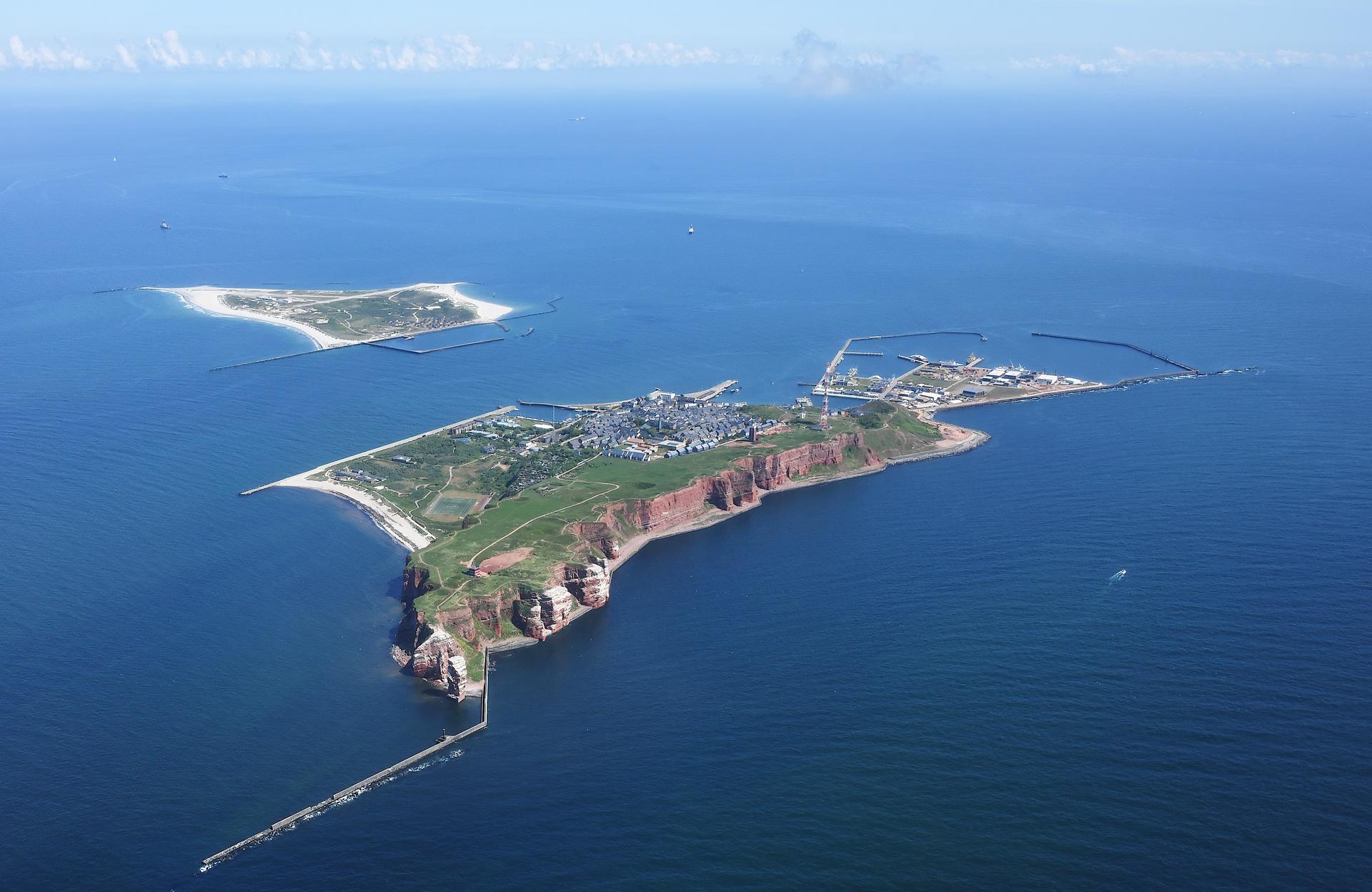
Discover the North Sea Islands of Denmark: idyllic sandy beaches, vibrant local culture, and unique natural landscapes await you on Fanø, Rømø, and Mandø.
Tell me more about The North Sea Islands
Dive into 1,000 years of Ribe’s past, from bustling Viking marketplace to medieval port city, in an intimate museum packed with original finds and stories.
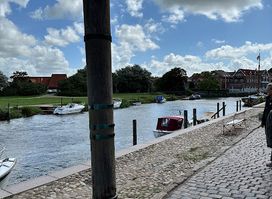
A slender wooden column on Ribe’s harbour that turns tranquil waterfront views into a powerful, six-metre-high lesson in storm surges, memory and resilience.