Wadden Sea National Park, Romo Travel Guide
Walk on the seabed, witness the Black Sun, and experience Earth's most vital tidal ecosystem.
Denmark's largest national park stretches across 500 kilometers of intertidal flats, mudflats, and pristine beaches along the North Sea coast. This UNESCO World Heritage Site is one of the world's most important tidal ecosystems, hosting millions of migratory birds, seals, and dynamic landscapes shaped by massive tidal movements. Experience the remarkable 'Black Sun' phenomenon, walk on exposed seabeds at low tide, and explore vast dunes and salt marshes that change with every tide.
A brief summary to Wadden Sea National Park
- DK
- Click to display
- Click to display
- Duration: 2 to 8 hours
- Free
-
 Outdoor
- Mobile reception: 4 out of 5

Know before you go
Hi, I'm Eve. Here are a few practical things to know before exploring Wadden Sea National Park.
- Always check tidal timetables before exploring—the sea can rise rapidly and unpredictably. Plan activities around low tide for mudflat walks and beach exploration.
- Visit during autumn or spring migration seasons (March–May and August–October) to witness the greatest concentration of migratory birds and the spectacular Black Sun phenomenon.
- Wear waterproof clothing and sturdy footwear suitable for mud and sand. Bring binoculars for bird watching and a camera for capturing the ever-changing landscape.
- Book guided wadlopen (mudflat walking) tours with certified providers displaying the National Park Logo—they provide essential safety knowledge and ecological insights.
- Visit the Wadden Sea Center to learn about the park's ecology, tides, and wildlife before exploring. The museum offers interactive exhibits and is particularly valuable for understanding the region's significance.
Do you manage this location?
Take control to get all the benefits, like improved information, better appearance, and stronger visibility across AI-powered discovery. Learn more about listing your business on Evendo
Activate your presenceOther nearby places you may find interesting
The closest places of the same kind, if this one is not quite what you had in mind.

Explore Wadden Sea National Park on the Map
A handpicked selection of must-see spots near Wadden Sea National Park, mapped for you.
Getting There
-
Ferry from Esbjerg
Take a direct bus to Esbjerg from Copenhagen or other Danish cities (approximately 4–5 hours from Copenhagen). From Esbjerg harbour, ferries depart regularly to Fanø island (12 minutes) and other Wadden Sea islands. Ferry services operate year-round with increased frequency during peak seasons. Costs range from approximately 50–80 DKK per person for island ferries.
-
Car via Rømø Causeway
Drive to Rømø island via the Rømø Causeway, a raised road connecting the mainland near Skærbæk. The causeway remains passable at all tides and connects directly to Rømø's beaches and parking areas. Driving time from Esbjerg is approximately 45 minutes. Parking is available at multiple locations on Rømø, with some areas offering free parking and others charging 50–100 DKK per day.
-
Train to Tønder, then local transport
Take regional trains to Tønder station (approximately 3.5 hours from Copenhagen). From Tønder, hire a local taxi or rent a car to reach the park's visitor centers and main attractions. Taxis typically charge 150–300 DKK for journeys to nearby park entrances. Local bus services also connect Tønder to nearby villages with park access.
-
Guided tour operators
Book organized tours from Esbjerg or nearby towns that include transport, guided wadlopen (mudflat walks), boat trips, and Black Sun viewing. Tour operators certified with the National Park Logo provide expert guidance and ensure safe navigation of tidal areas. Costs typically range from 300–600 DKK per person depending on tour duration and activities.
For the on-the-go comforts that matter to you
-
 Visitor Center
-
 Information Boards
-
 Restrooms
-
 Food Options
-
 Drink Options
-
 Seating Areas
-
 Picnic Areas
-
 Trash Bins
Discover more about Wadden Sea National Park
A Living Tidal Masterpiece
The Wadden Sea National Park is the largest national park in Denmark and covers the Danish portion of the Wadden Sea, the world's largest unbroken system of intertidal sand and mud flats. Stretching across 500 kilometers and spanning three countries—Denmark, Germany, and the Netherlands—this vast ecosystem is shaped by the relentless rhythm of tides that move approximately one billion cubic meters of water back and forth twice daily. The park encompasses shallow sea areas, tidal channels, dry sands, the Wadden itself, and the distinctive Wadden Sea islands of Fanø, Mandø, and Rømø, each with their own character and charm.Designated as a UNESCO World Heritage Site in 2015 (with the German and Dutch portions recognized earlier in 2009), the Wadden Sea is classified as uniquely important and of universal significance to humanity. The park's boundaries include all habitat types and ecological processes necessary to maintain this dynamic natural system, from the Netherlands through Germany to Denmark.A Global Crossroads for Migratory Birds
The Wadden Sea functions as the essential stopover for the East Atlantic and African-Eurasian migratory flyways, making it irreplaceable for global biodiversity. Between 10 and 12 million migratory birds pass through the park annually, with up to 6.1 million birds present simultaneously during peak periods. The shallow, nutrient-rich waters provide abundant food sources and minimal disturbance, creating ideal conditions for species to rest, molt, and refuel during their epic journeys between Arctic breeding grounds and African wintering areas. During the breeding season from April to July, countless bird nests dot the marshes and islands, transforming the landscape into a sanctuary of avian life.The Mesmerizing Black Sun Phenomenon
One of nature's most extraordinary spectacles occurs in the Wadden Sea when hundreds of thousands of starlings gather in the reed forests of the marshes to spend the night. As dusk falls, these massive flocks perform a synchronized aerial dance across the evening sky, creating a living shadow that moves and shifts like a single organism—a phenomenon locals call the 'Black Sun.' This breathtaking display typically occurs in autumn and spring, drawing visitors from across Europe to witness this natural wonder. The sight is both humbling and awe-inspiring, a reminder of the park's vital role in supporting wildlife on a continental scale.Landscapes Sculpted by Ice and Tide
The Wadden Sea's distinctive landscapes tell the story of geological time. The Danish Wadden Sea islands evolved from sandbanks continuously washed up by the sea along the southwest Jutland coast, eventually becoming vegetated dune and marsh islands. Visitors can admire dunes reaching up to 20 meters in height on the seaward sides of these islands, while the mainland coast reveals evidence of glacial periods through moraines, active cliffs, and shorelines rich with ancient boulders and pebbles—a rare geological feature in the Wadden Sea region.The park's most dynamic landscape is Skallingen peninsula, where the beach recedes by several meters annually and dunes may disappear during storms, creating an ever-changing wilderness that triggers a profound sense of humility in the face of nature's creative power. The estuary of Varde Å represents another fascinating feature—the only river in the region where water flows unimpeded into the Wadden Sea without a dike or sluice, creating a nearly natural estuarine environment. At Havsand on Rømø, a new dune ridge is actively developing, demonstrating the park's continuous transformation.Rich Biodiversity and Marine Life
Beyond birds, the Wadden Sea supports extraordinary biodiversity. The park is home to Denmark's largest population of common seals, which can be observed in their natural habitat. The warm, shallow waters serve as the natural breeding ground for many important fish species, including mullet that congregate in great numbers during summer months. Salt marshes—one of the park's most valuable natural habitats—provide food and shelter for hundreds of wildlife species and inspired Golden Age painters in the seventeenth century with their haunting beauty. Visitors can experience the unique opportunity to pick fresh oysters directly from the mudflats, connecting directly with the park's marine resources.Year-Round Natural Wonders
The Wadden Sea National Park offers world-class nature experiences throughout all seasons. The tides create the area's characteristic profile, with twice-daily transformations that expose vast mudflats and seabeds, enabling the unique activity of wadlopen—walking on the seabed accompanied by expert guides. The park's wide sandy beaches are among the world's largest, offering endless vistas and opportunities for contemplation. In autumn, the 'Black Sun' phenomenon draws crowds, while spring brings the return of migratory birds and nesting season. Mandø, one of the few natural areas in Denmark where true darkness falls at night, offers exceptional stargazing opportunities as a designated Dark Sky location. The park's beaches and dunes provide perfect settings for sunset watching, while the marshes and salt meadows reveal their secrets to patient observers throughout the year.More to explore near Wadden Sea National Park













Your all‑in‑one travel companion app
Explore expert travel guides, compare and book tours, experiences, hotels, and more—all from the palm of your hand. Download now for seamless trip planning wherever your wanderlust takes you.


Explore More of Romo
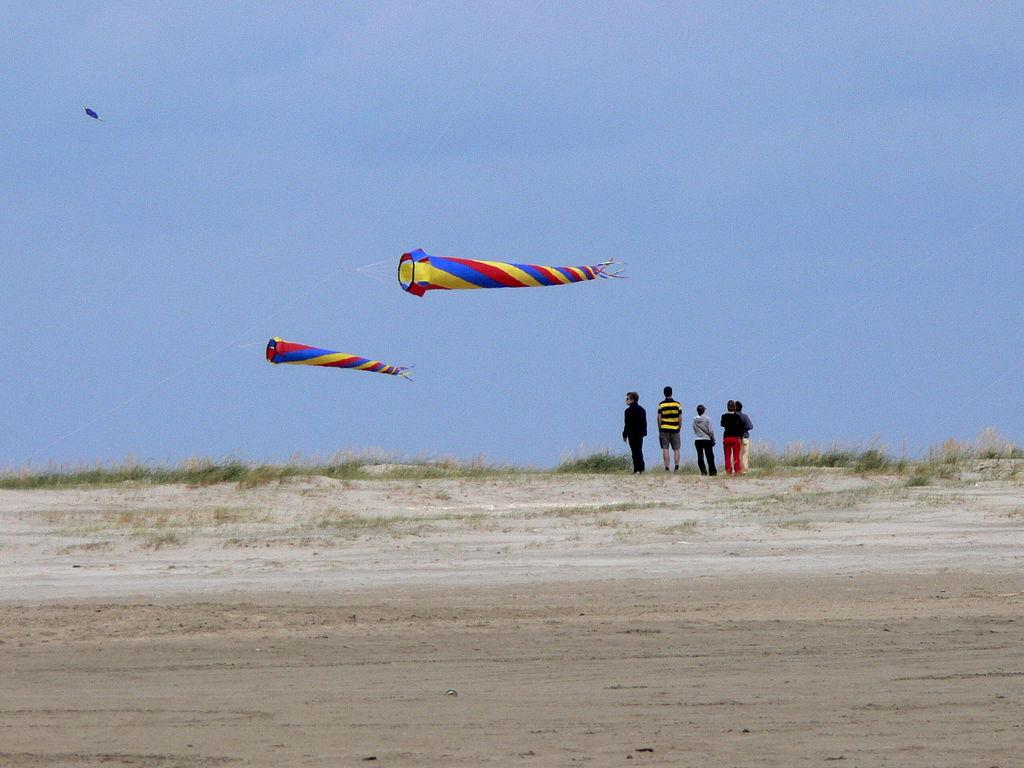
Looking beyond Wadden Sea National Park? Discover Romo for broader travel guides, local hot-spots, and regional highlights.
Explore Romo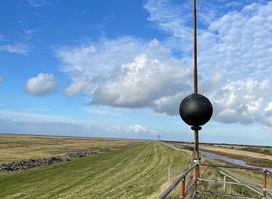
Vast dunes and heathland at Rømø’s wild northern tip, where military training grounds and protected nature meet under the wide Wadden Sea sky.

A historic Danish Baroque castle in Tønder, seamlessly blending royal heritage, elegant gardens, and modern-day royal presence near the Danish-German border.