
Nationalmuseets Kommandørgård, Romo Travel Guide
Step inside an 18th‑century sea captain’s farm on Rømø, where Dutch tiles, whaling history and wide Wadden Sea views bring Denmark’s maritime past to life.
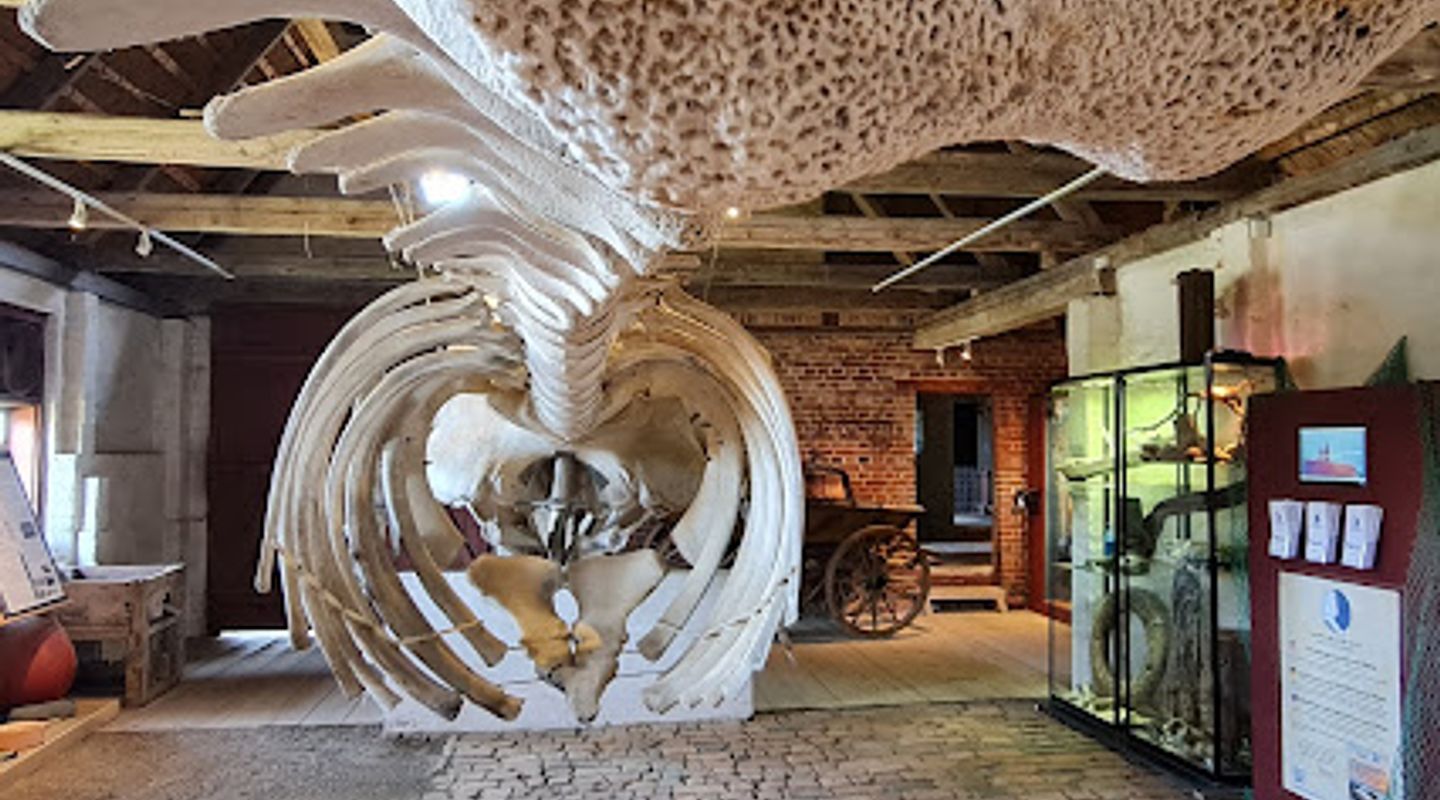
Set on the windswept island of Rømø overlooking the Wadden Sea, Nationalmuseets Kommandørgård is a beautifully preserved 18th‑century sea captain’s farmstead. Once home to a wealthy whaling family, the house is now part of the National Museum of Denmark and showcases richly painted interiors, rooms lined with Dutch tiles, original furnishings and outbuildings. In the barn, a dramatic sperm whale skeleton evokes the island’s whaling era, while a cosy café and open grounds make this an evocative half‑day stop.
A brief summary to Nationalmuseets Kommandørgård
- Juvrevej 60, Rømø, 6792, DK
- Click to display
- Click to display
- Duration: 1 to 3 hours
- Mid ranged
-
 Mixed
Mixed
- Mobile reception: 4 out of 5
- Tuesday 10 am-4 pm
- Wednesday 10 am-4 pm
- Thursday 10 am-4 pm
- Friday 10 am-4 pm
- Saturday 10 am-4 pm
- Sunday 10 am-4 pm

Know before you go
Hi, I'm Eve. Here are a few practical things to know before exploring Nationalmuseets Kommandørgård.
- Check seasonal opening; the museum typically operates from spring to early autumn and may be closed on Mondays even in high season.
- Bring a light jacket, as the exposed Wadden Sea setting can feel cool and breezy even on sunny days.
- Allow time for the whale skeleton in the barn; it is a highlight that helps make sense of Rømø’s whaling history.
- Surfaces are uneven and there are steps between rooms, so sturdy shoes are useful and access can be challenging for some visitors.
- Plan a café stop to enjoy homemade cake and sea views, or bring a picnic to eat at the outdoor seating near the house.
Do you manage this location?
Take control to get all the benefits, like improved information, better appearance, and stronger visibility across AI-powered discovery. Learn more about listing your business on Evendo
Activate your presenceOther nearby places you may find interesting
The closest places of the same kind, if this one is not quite what you had in mind.

Explore Nationalmuseets Kommandørgård on the Map
A handpicked selection of must-see spots near Nationalmuseets Kommandørgård, mapped for you.
Getting There
-
Car from mainland Jutland
From the Skærbæk area on the Jutland mainland, driving to Rømø via the causeway typically takes 20–30 minutes, depending on traffic. Once on the island, continue north towards Toftum; the museum lies along Juvrevej in open countryside with clear roadside signage. There is free parking on site, but spaces can fill on busy summer days, so allow extra time to park and walk in.
-
Bus from Skærbæk or Tønder region
Regional buses connect Skærbæk with Rømø several times a day, with a journey time of around 40–60 minutes depending on route and stops. Services usually continue along the island’s main road with a stop within walking distance of Juvrevej. A single adult ticket typically costs about 25–40 DKK. Outside peak season, departures are less frequent, so checking current timetables in advance is important.
-
Taxi from Rømø ferry harbour (Havneby)
If you arrive by ferry to Havneby from Sylt, local taxis can take you directly to Nationalmuseets Kommandørgård in about 10–15 minutes. Fares usually range between 130 and 200 DKK depending on time of day and exact pickup point. Taxis should be booked ahead during busy holiday periods, and it is worth confirming whether card payment is accepted when you reserve.
-
Cycling on Rømø
Rømø is relatively flat and has a network of quiet roads and bike paths, making cycling a pleasant way to reach the museum from villages such as Lakolk or Havneby in roughly 20–45 minutes. Expect some wind exposure on open stretches near the Wadden Sea. Surfaces are paved but can include occasional gravel; lights and reflective gear are advisable in low‑light conditions.
For the on-the-go comforts that matter to you
-
 Restrooms
-
 Drink Options
-
 Food Options
-
 Seating Areas
-
 Trash Bins
-
 Information Boards
Discover more about Nationalmuseets Kommandørgård
Whaling wealth on a windswept Wadden Sea island
Nationalmuseets Kommandørgård, also known as The Sea Captain’s House, stands on Rømø facing the wide, tidal flats of the Wadden Sea. The setting is open and rural: low farm buildings, grazing sheep and the constant sense of sea air even when the water has pulled far out across the mudflats. The house tells the story of the commanders – captains who sailed north to the Arctic in pursuit of whales and trade, bringing prosperity back to this remote island.Although this particular farm was not originally owned by a commander, it was later given the title because it so closely resembles the grand households of Rømø’s maritime elite. Its low, timbered profile and red‑tiled roof conceal an interior that feels unexpectedly opulent for an 18th‑century farm in such a windswept corner of Denmark.Inside an 18th‑century captain’s world
Step through the heavy doorway and you enter a sequence of snug, low‑ceilinged rooms that have been carefully furnished to evoke life here in the 1700s. Walls are lined with oak panelling and detailed joinery, and many rooms retain finely painted decorative borders and doors. Light falls softly through small windows onto polished wooden chests, sturdy tables and box beds built into the walls.One of the most striking features is the extensive use of Dutch tiles. Entire walls shimmer with blue‑and‑white scenes of ships, biblical stories and everyday life, a reminder of how closely connected Rømø once was to ports in the Netherlands. Imported wallpapers and well‑crafted furniture add to the sense of a household that invested its whaling profits in comfort and display, even in this far‑flung corner of Jutland.A whale skeleton in the barn
Beyond the main living quarters, the farm buildings form a sheltered yard. Here, the practical routines of agricultural life met the global world of shipping and whaling. In the barn you encounter one of the site’s most memorable exhibits: the large skeleton of a sperm whale that stranded on Rømø in the 1990s. Suspended and reassembled, it fills the space with pale bones and a sense of the immense creatures that once drew captains north.Standing beneath the skeleton, it is easy to imagine the dangers and rewards of the voyages that paid for this farm. The display links the quiet fields around you with stormy Arctic seas, and underlines how deeply Rømø’s history is tied to marine resources and long‑distance trade.Sea views, open grounds and a cosy café
Outside, the farm enjoys far‑reaching views over meadows and out towards the Wadden Sea. On clear days you can trace the subtle line where land turns to tidal flat and then to shining water. The grounds around the house offer space for children to play and for adults to wander between buildings, lingering over architectural details and old construction techniques.Close to the farmhouse a small café serves simple lunches, coffee, tea, ice creams and homemade cakes. It is an atmospheric place to pause between exploring rooms, particularly on breezy days when the contrast between the snug interior and the exposed landscape feels strongest. Benches and seating areas allow you to sit outside with a packed lunch and enjoy the coastal light.Practicalities, access and seasonal rhythm
The museum is run as part of the National Museum of Denmark and generally opens seasonally from spring into autumn, with closures in winter and on some weekdays. Adult tickets are moderately priced, while children and young people enter free, making it an accessible cultural stop for families.Surfaces in the yard can be uneven, and thresholds and steps mean that access for visitors with reduced mobility can require extra time and care. The atmosphere, however, is unhurried: there is enough to see for a focused one‑hour visit, but many travellers choose to linger longer, combining the historic interiors, the whale skeleton and a café break into a relaxed half‑day around Rømø’s maritime past.More to explore near Nationalmuseets Kommandørgård













Your all‑in‑one travel companion app
Explore expert travel guides, compare and book tours, experiences, hotels, and more—all from the palm of your hand. Download now for seamless trip planning wherever your wanderlust takes you.


Explore More of Romo
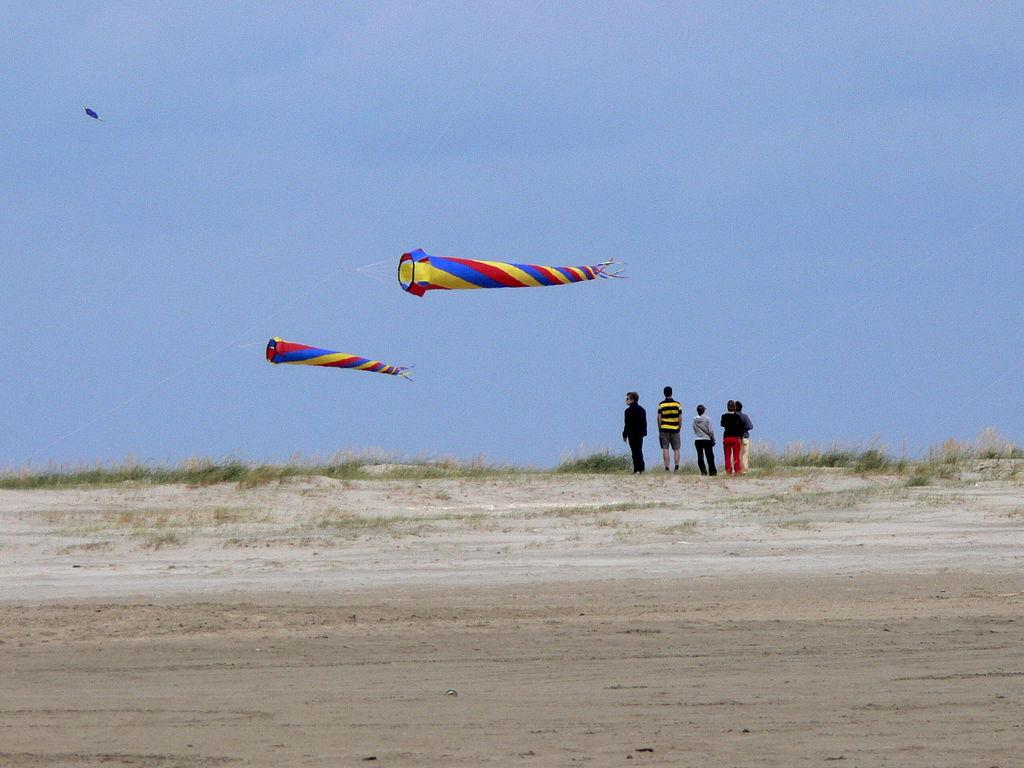
Looking beyond Nationalmuseets Kommandørgård? Discover Romo for broader travel guides, local hot-spots, and regional highlights.
Explore Romo
A windswept Wadden Sea marsh at Rømø’s southern tip, Stormengene blends wild birdlife, open horizons and subtle conservation in one compact coastal reserve.
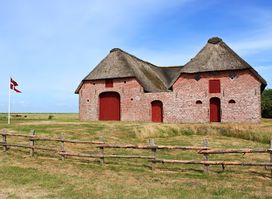
An opulent 18th-century whaler's home showcasing Arctic maritime wealth, Dutch tiles, and a sperm whale skeleton.
