Bunker und Bunkertour Römö, Romo Travel Guide
Guided wartime exploration beneath the pines of Rømø, where hidden Second World War bunkers and radar relics meet tranquil dunes, heather and coastal forest.
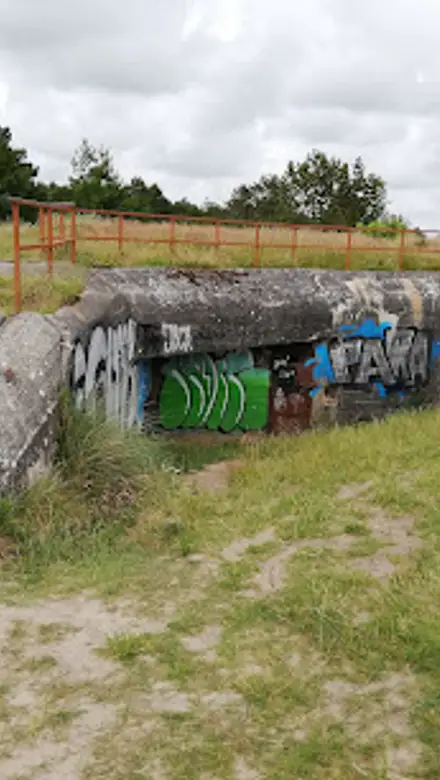
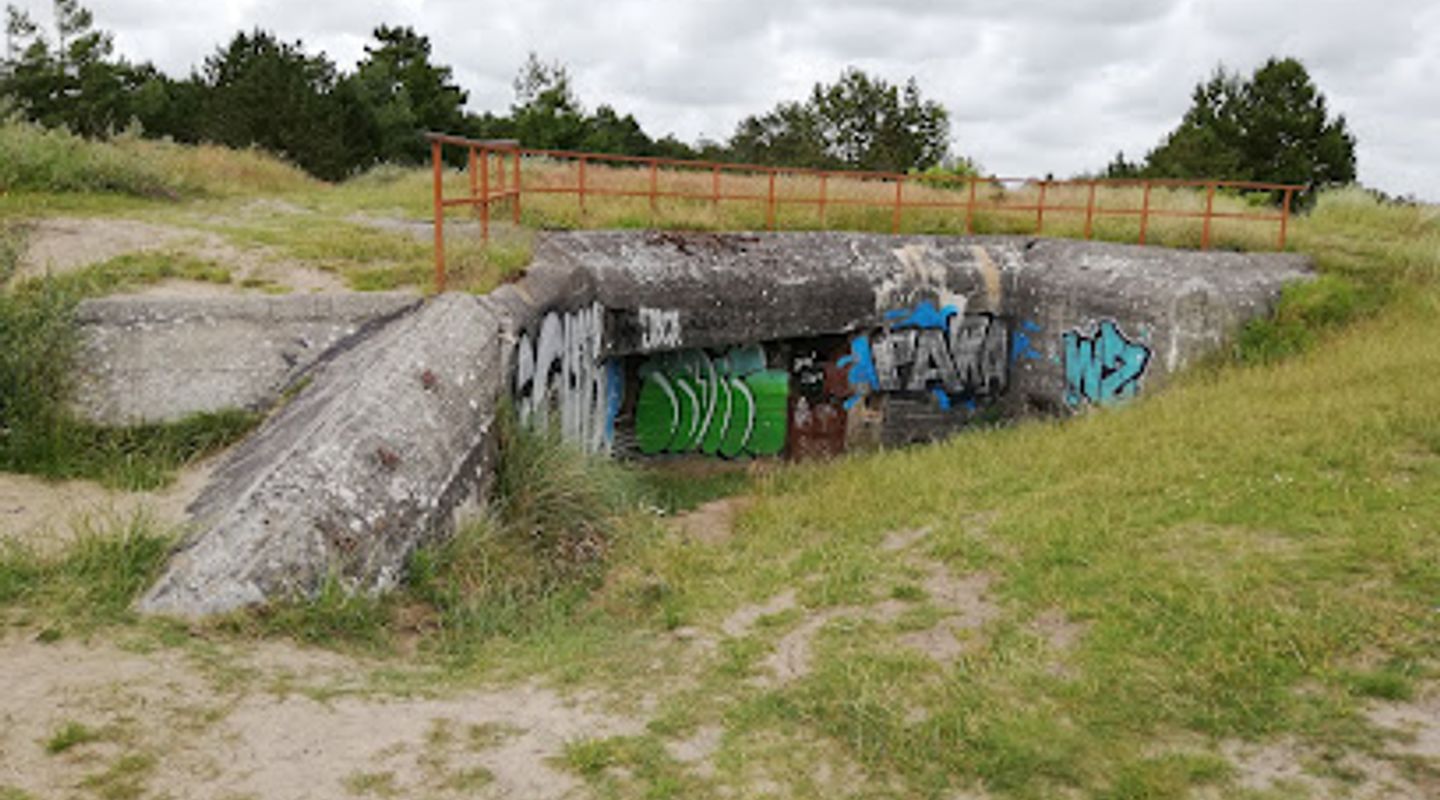
Hidden in the pines of Tvismark Plantation on the island of Rømø, the Bunker Tour led by Naturcenter Tønnisgård opens up the secret world of the German Second World War radar position "Robbe Nord". Between dunes, heath and forest floor you follow former trenches to about 15 concrete bunkers, some still sealed, others opened with a guide’s key and lamp. It is an atmospheric blend of nature walk, military history and hands‑on exploration, with the chance to crawl through a narrow emergency shaft into the underground.
A brief summary to Bunker und Bunkertour Römö
- Blåbærvej 32, Rømø, 6792, DK
- Click to display
- Click to display
- Duration: 2 to 3 hours
- Mid ranged
-
 Outdoor
- Mobile reception: 4 out of 5

Know before you go
Hi, I'm Eve. Here are a few practical things to know before exploring Bunker und Bunkertour Römö.
- Wear sturdy, closed shoes and clothes that can get sandy or dusty, especially if you plan to crawl through the narrow emergency shaft of one bunker.
- Bring a light jacket or sweater; bunker interiors stay cool and slightly damp even on warm summer days in the plantation.
- If travelling with young children, ask Naturcenter Tønnisgård specifically for the family‑oriented bunker expedition, which is tailored to shorter attention spans.
- Book your tour in advance during the main season from April to October, as group sizes are limited and some departures are language‑specific.
- Consider combining the bunker tour with a Wadden Sea walk or a visit to the nearby Kommandørgården farm museum for a full day of Rømø history.
Do you manage this location?
Take control to get all the benefits, like improved information, better appearance, and stronger visibility across AI-powered discovery. Learn more about listing your business on Evendo
Activate your presenceOther nearby places you may find interesting
The closest places of the same kind, if this one is not quite what you had in mind.

Explore Bunker und Bunkertour Römö on the Map
A handpicked selection of must-see spots near Bunker und Bunkertour Römö, mapped for you.
Getting There
-
Car from Rømø causeway
From the mainland side of the Rømø causeway, driving across to the island and on to Naturcenter Tønnisgård typically takes about 20–30 minutes depending on traffic. The route uses paved regional roads across flat terrain, and standard cars are sufficient; no 4x4 is needed. Parking at or near the centre is generally free, but spaces can be busy in peak summer, so allow extra time before your booked tour.
-
Car from Lakolk area
If you are staying near Lakolk beach or camping areas, the drive to Naturcenter Tønnisgård is usually 10–15 minutes along local roads through low‑density holiday housing and fields. Roads are sealed and well signposted. Expect light congestion on sunny days when beach traffic is high. Parking at the centre is included, so you only need to budget for fuel costs.
-
Public bus on Rømø
Regional buses connect Rømø with the mainland town of Skærbæk and stop at points within reach of Blåbærvej. Travel from Skærbæk bus station to Rømø typically takes 30–45 minutes, with standard single tickets usually in the range of 30–60 DKK per adult depending on zone combinations. Services run less frequently in the evening and outside the summer season, so it is important to check the current timetable and allow walking time from the nearest stop to the nature centre.
-
Bicycle on the island
Rømø is relatively flat and fitted with a network of quiet roads and cycle paths, making it suitable for reaching Naturcenter Tønnisgård by bike from most accommodation areas in 20–40 minutes. The main challenges are strong coastal winds and occasional stretches without much shade. There is no charge to use the roads, and many holiday homes or campsites include bicycle rental; expect typical rental prices of about 80–150 DKK per day for a standard adult bike.
For the on-the-go comforts that matter to you
-
 Restrooms
-
 Drinking Water
-
 Food Options
-
 Seating Areas
-
 Trash Bins
-
 Information Boards
-
 Visitor Center
Discover more about Bunker und Bunkertour Römö
Concrete relics beneath the Rømø forest floor
In the middle of Rømø, between the causeway and the wide beaches, Tvismark Plantation hides a surprising chapter of European history. Among the pines, heather and shifting dunes lie the remains of the German radar position "Robbe Nord", part of the Atlantic Wall in the final years of the Second World War. Here concrete bunkers for radar, searchlights and anti‑aircraft guns were poured straight into the coastal landscape, then later partly buried in sand when demolition proved too complex.Today around 15 of the original roughly 50 island bunkers are concentrated in this 1.5 km² plantation, scattered between forest tracks and low rises. From ground level many appear as moss‑covered humps, ventilation pipes or angular concrete mouths peeking out of the heather. The Bunker Tour uses these remnants as an open‑air classroom, connecting the quiet of the modern forest with the tension of a militarised coastline in the 1940s.Following the traces of "Robbe Nord"
The guided tour starts at Naturcenter Tønnisgård, the local nature centre that specialises in Rømø’s landscapes and wildlife as well as its wartime history. After an introduction with historic photographs and maps, the group continues into Tvismark Plantation where old communication trenches and hidden paths link the positions. Underfoot you may feel the soft cushion of needles and sand, while above the trees occasionally open to reveal low dunes and glimpses towards the Wadden Sea.Along the way the guide explains why Rømø became strategically important, how radar technology developed, and what daily life for the roughly 1400 soldiers on the island might have looked like. The massive command bunker – sometimes nicknamed the "mammoth bunker" – and several smaller structures illustrate different functions, from fire control to crew shelters. The mix of factual explanation and tangible structures helps to make an abstract frontline map suddenly very concrete.Inside the bunkers: keys, torches and narrow passages
One of the distinctive aspects of this tour is access to the interior of selected bunkers, which are normally kept locked for safety and conservation. With a key and torches, heavy steel doors swing open to reveal cool, echoing rooms, thick walls and rusting fixtures. You can examine ventilation shafts, embrasures, cable openings and insulators that once carried the hum of radar equipment.For those who wish, there is usually the chance to crawl through a tight emergency escape shaft, emerging sandy‑kneed and with a strong sense of how constrained these concrete shelters felt when fully manned. Families with younger children can opt for a specially adapted "bunker expedition" version, where the focus lies more on discovery and imagination than on technical detail. In every case, solid footwear and clothes that can get dusty are a sensible choice.Nature, war memory and the modern Wadden Sea landscape
What makes the Bunker Tour particularly striking is the contrast between wartime purpose and today’s tranquil scenery. Larks, shorebirds and the scent of resin now dominate an area once defined by radar beams and anti‑aircraft guns. The guides often weave in broader stories about the Wadden Sea National Park, migratory birds and coastal formation, showing how the same geography that attracted military planners now supports protected ecosystems.The plantation itself offers a varied micro‑landscape: shaded forest tracks, open heath with dwarf shrubs, and sandy clearings where wind and sun quickly dry the ground. Many visitors combine the tour with time on Rømø’s beaches or visits to other historic sites such as the Kommandørgården farm or the cannon hill near Havneby, creating a day that moves between culture, history and nature.Planning your visit with Naturcenter Tønnisgård
The Bunker Tour is organised by Naturcenter Tønnisgård, located at Blåbærvej 32 on Rømø, which also runs guided mudflat walks, shrimp trips, oyster tours and creative workshops. Bunker tours typically run from spring to autumn, with a reduced programme in the off‑season, and places are limited, so advance booking is advisable. There are variants aimed at adults and families, with commentary available in several languages on selected dates.Allow around two to three hours for the experience, including the indoor introduction and the walk through the plantation. The terrain is mostly flat but can be sandy and root‑strewn, and bunker interiors involve steps or low passages, so not every element is suitable for all mobility levels. Even so, the core of the tour remains a relatively gentle forest walk, making this a compelling way to explore a lesser‑known side of Rømø while gaining insight into both the Atlantic Wall and the contemporary Wadden Sea landscape.More to explore near Bunker und Bunkertour Römö













Your all‑in‑one travel companion app
Explore expert travel guides, compare and book tours, experiences, hotels, and more—all from the palm of your hand. Download now for seamless trip planning wherever your wanderlust takes you.


Explore More of Romo
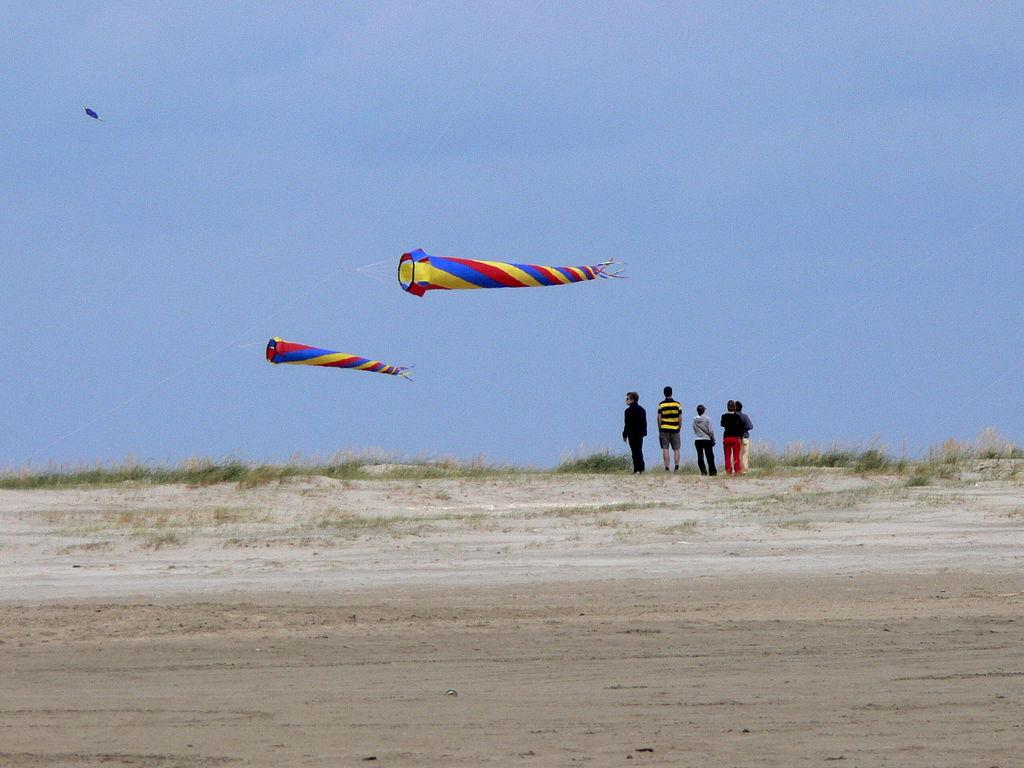
Looking beyond Bunker und Bunkertour Römö? Discover Romo for broader travel guides, local hot-spots, and regional highlights.
Explore Romo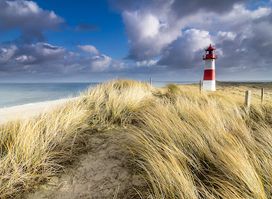
Discover the breathtaking Leuchtturm List-Ost on Sylt, a captivating lighthouse surrounded by hiking trails and stunning North Sea views.
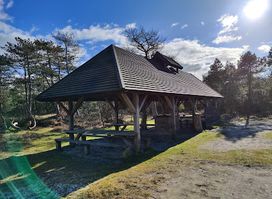
A rustic campfire circle amid Rømø’s dunes and heather, where woodsmoke, wide skies and simple outdoor cooking create an authentic taste of Danish hygge.