Famous Rømø Beach Travel Guide
Free Guide: An immense North Sea strand where you can drive on the sand, chase the wind with kites and sails, and wander for kilometres between dunes, sky and sea.


A brief summary of Famous Rømø Beach
An immense North Sea strand where you can drive on the sand, chase the wind with kites and sails, and wander for kilometres between dunes, sky and sea.
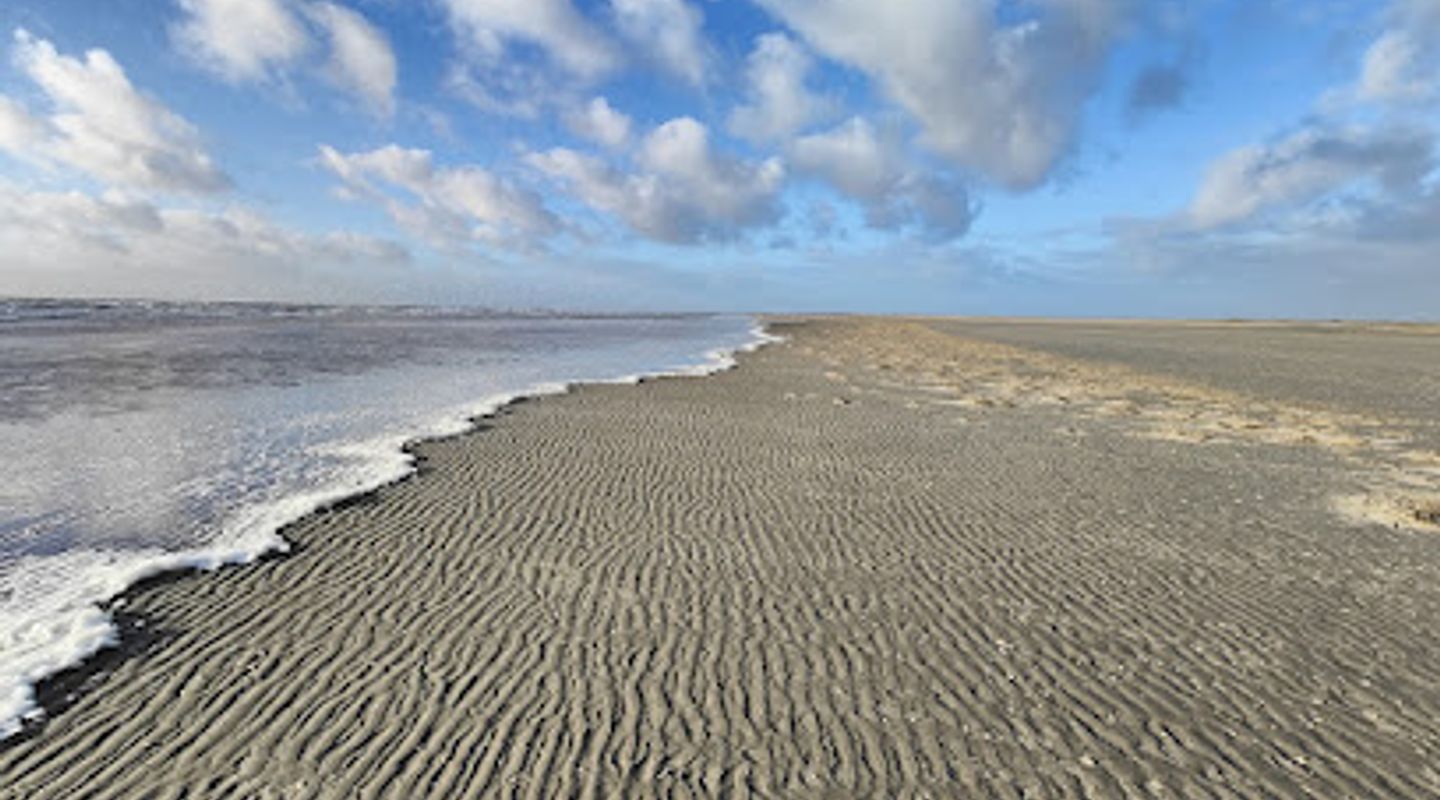
Famous Rømø Beach on Denmark’s North Sea island of Rømø is an immense sweep of pale, compact sand stretching for around 10km and up to 2km in width. Part of the Wadden Sea coast, it offers the rare experience of driving directly onto the hard sand, alongside vast areas kept vehicle‑free. Winds and open horizons make it a hotspot for kite flying, blokarting and wind sports, while gentler shallows, dune backdrops and big skies create space for families, riders on horseback and quiet walks in almost endless coastal light.
On-site amenities
 Restrooms
 Drink options
 Drinking water
 Food options
 Seating areas
 Sheltered areas
 Trash bins
 Information boards
Opening hours
- Every dayOpen 24 hours
Opening hours as listed on the venue’s Google Business Profile. Hours can change for services and special events, so check with the venue before you go.
- Address
- 6792 Rømø
Getting there
Car from mainland Jutland
Regional bus from South Jutland towns
Cycling via the Rømø causeway
Discover more about Famous Rømø Beach
Where the Wadden Sea Meets a Giant Sweep of Sand
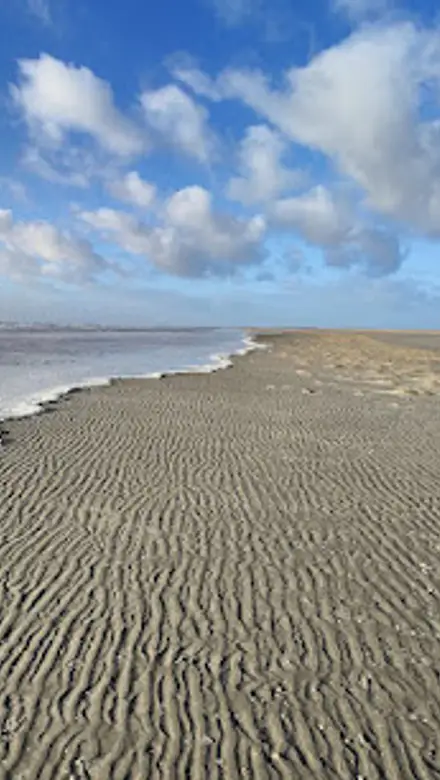
Famous Rømø Beach unfurls along the island’s entire west coast, forming one of the widest sandy beaches in Denmark and in Europe. Here the North Sea, the Wadden Sea and a powerful tide have built a shore up to 2km across, with even the narrowest section still several hundred metres wide. The sand is fine, pale and firmly compacted, shaped by constant winds into low ripples near the water and taller dunes further inland.This is a living edge of the Wadden Sea National Park, a UNESCO‑listed tidal landscape where sandbanks, channels and mudflats are rearranged with every tide. From the beach you sense this dynamic world in the long, shallow shoreline, the huge tidal range and the flocks of waders and gulls that patrol the water’s edge. On clear days the horizon feels almost limitless, with only distant kite sails and the silhouettes of riders breaking the line between sea and sky.
Driving on the Sand and Playing With the Wind
One of the most striking experiences at Rømø Beach is the chance to drive directly onto the sand. The hard, compact surface in designated areas functions almost like a natural car park, allowing cars, campervans and kitelugy trailers to roll close to the waterline. Away from these zones, large expanses remain open only to walkers, riders and beachgoers, so you can easily leave the vehicles behind and step into a quieter seascape.Steady westerlies make the beach a natural arena for kites and sails. On breezy days the sky fills with colour from stunt kites, power kites and kite‑sailing rigs. Certain stretches, especially near Lakolk and Sønderstrand, are hubs for windsurfing, kite surfing, beach sailing and blokarts skimming across the sand. Even if you never leave the ground, just watching the choreography of wind sports against such a vast backdrop is part of the appeal.
Dunes, Heath and Nature on the Edge of the Sea
Behind the open sand, dune ridges rise to shelter a more subtle landscape of dune heath, grasses and low shrubs. These rolling dunes protect the island’s interior and provide a textured contrast to the beach, with sandy paths winding up to viewpoints over both the North Sea and the Wadden Sea side of Rømø. In summer the heath adds muted greens and purples, while in winter the colours shift to silver and bronze.The wider island is an important stopover for migratory birds, and even from the beach you may spot skeins of geese, knots of sandpipers or hunting birds of prey further inland. Low‑tide channels can become temporary lagoons, especially at places like Havsand Lå, creating warmer, shallower pools that feel a world away from the surf outside. It is a reminder that this broad beach is not just a playground but also a delicate coastal ecosystem.
Seasons of Light, Air and Coastal Weather
Rømø Beach changes personality with the seasons and the sky. In high summer, long days and milder water temperatures turn the shore into a classic holiday setting, with swimmers in the shallows, sandcastle architects, and families spreading out across the enormous width of sand. Sunsets can linger over the North Sea, washing the dunes and wet sand in bands of gold and pink.Spring and autumn bring sharper winds and more dramatic cloudscapes, ideal for wind sports and long, invigorating walks. At these times the beach often feels wilder and more spacious, with shifting bands of light racing across the flat sand. Winter can be stark but atmospheric: low sun angles, rolling grey seas and almost empty horizons suit those who enjoy big, bracing air and quiet contemplation rather than sunbathing.
Experiences From Horses to Kites
Beyond simply lying on the sand, Rømø Beach lends itself to a wide mix of experiences. Horseback riders can canter along the firm strand, leaving only temporary prints where the tide will soon erase them. Families can set up day bases far from any neighbour, with room for ball games, kite flying and shallow paddling without feeling crowded. Photographers are drawn to the interplay of wide‑angle perspectives, minimal horizons and changing skies.On certain weekends, the beach becomes the stage for large kite gatherings, when the sky fills with dragons, whales and geometric shapes riding the onshore breeze. Yet even on event days, the immense size of the beach means you can step a little further along the sand and find your own quieter patch, where the soundtrack returns to wind, waves and distant calls of seabirds.
Evendo Review Centre
 Google
Guest reviews
Best time to go
Quietest: Jan, Feb & Mar · before 7am
Busy times are Evendo estimates for a typical year, to help you plan. Actual crowds vary with events, school holidays and the weather.
Explore Famous Rømø Beach on the map
A handpicked selection of must-see spots near Famous Rømø Beach, mapped for you.
Get your free copy of our complete guide to Famous Rømø Beach, delivered straight to you.
Everything on this page, from opening hours and how to get there to Eve’s tips and the best time to go, in one PDF you can read offline, print or share.
Already have an account? Sign in
Your Famous Rømø Beach guide is ready.
We'll send it to · Not you? Sign out

Getting your guide ready…
We are putting together a fresh copy of the Famous Rømø Beach guide. This can take up to a minute.
This can take a few moments. If your browser asks, choose Allow so the download can start. You'll find the guide in your Downloads folder.
Nothing happened? Download it again
Sorry, the guide is taking longer than usual. Please try again in a minute, or get it by email instead.
Other nearby places you may find interesting
The closest places of the same kind, if this one is not quite what you had in mind.
-
-
-
-
-


Swipe for more places
More to explore near Famous Rømø Beach

 Best experiences near Famous Rømø Beach
 Best hotels near Famous Rømø Beach
 Best landmarks near Famous Rømø Beach
 Best attractions near Famous Rømø Beach
 Best shops near Famous Rømø Beach
 Best restaurants near Famous Rømø Beach
 Best bars near Famous Rømø Beach
Do you manage this location?
Take control to get all the benefits, like improved information, better appearance, and stronger visibility across AI-powered discovery.
Explore more

Explore more of Rømø
Discover Rømø: Denmark's serene island with expansive beaches, rich Viking history, and thrilling windsurfing adventures in the heart of the Wadden Sea National Park.
Explore Rømø
Explore more of Denmark
Discover Denmark: A perfect blend of history, modern design, and the cozy concept of hygge. Explore vibrant cities, serene landscapes, and world-class cuisine.
Explore Denmark