Nyboder Mindestuer, Sankt Pauls Gade 24
Step into one of Copenhagen’s original Nyboder houses, where compact rooms, naval memorabilia and yellow façades reveal centuries of everyday life for Danish sailors’ families.
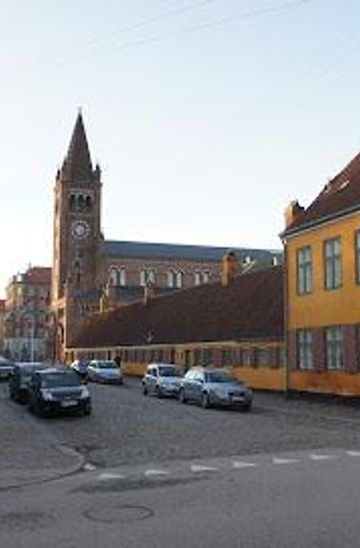
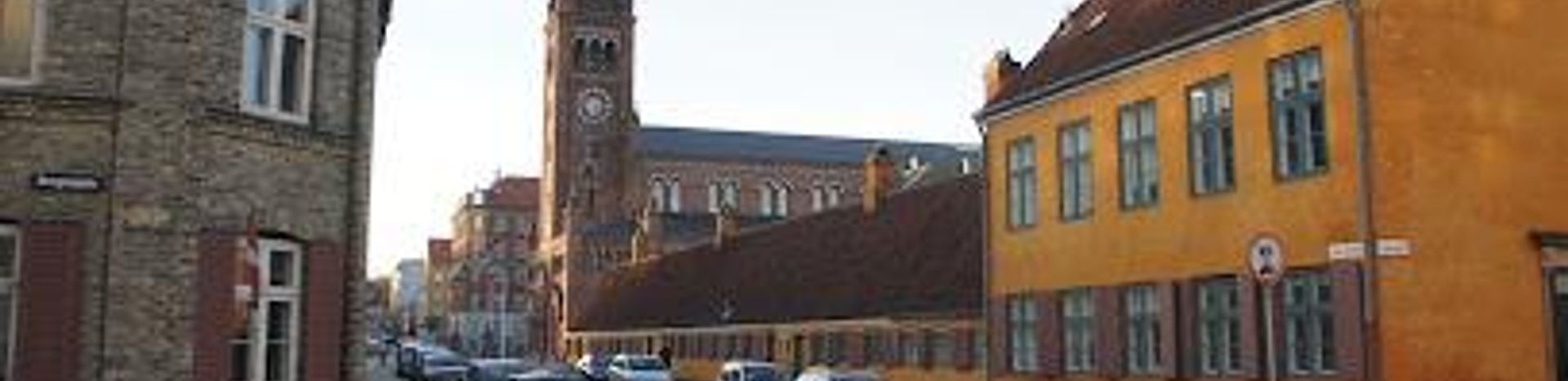
Set within one of Copenhagen’s iconic yellow Nyboder houses, Nyboder Mindestuer at Sankt Pauls Gade 24 is a small but evocative museum dedicated to the lives of Danish naval families. Rooms furnished across different centuries show how sailors, workers and their families lived, cooked and slept in these modest yet privileged barracks, part of a unique 17th‑century neighborhood still tied to Denmark’s armed forces today.
A brief summary to Nyboder
- Sankt Pauls Gade 24, København K, København K, 1313, DK
- Click to display
- Duration: 0.5 to 1.5 hours
- Budget
-
 Indoor
- Mobile reception: 5 out of 5
- Sunday 11 am-2 pm

Know before you go
Hi, I'm Eve. Here are a few practical things to know before exploring Nyboder.
- Plan your visit for a Sunday between late morning and early afternoon, as the museum typically opens only for a short window once a week.
- Bring cash or a card suitable for small payments; the entrance fee is modest but not included in most city passes.
- Combine the museum with an unhurried stroll through the surrounding Nyboder streets to appreciate the full scale of the yellow terraces.
- Ceilings and staircases are low and narrow; taller visitors should watch their heads and those with limited mobility may find access challenging.
Do you manage this location?
Take control to get all the benefits, like improved information, better appearance, and stronger visibility across AI-powered discovery. Learn more
Activate your presenceOther nearby places you may find interesting

Getting There
-
Metro and walking from central Copenhagen
From Nørreport Station, take the M1 or M2 metro one stop to Kongens Nytorv, then walk through the inner city towards Nyboder; the walk from the station to Sankt Pauls Gade takes about 10–15 minutes on mostly flat pavements suitable for most visitors. A single metro ride within the central zones typically costs around 20–25 DKK with standard tickets or contactless payment.
-
City bus to the Nyboder quarter
Several inner-city bus lines run along Øster Voldgade and Store Kongensgade near Nyboder; the ride from Nørreport or the City Hall area usually takes 10–20 minutes depending on traffic, followed by a 5–10 minute walk through residential streets to the museum. Standard bus fares within the central zones are about 20–25 DKK and tickets are interchangeable with metro and train services.
-
Bicycle from the city centre
Copenhagen’s extensive cycle lanes make reaching Nyboder by bike straightforward; from the City Hall area the ride is typically 10–15 minutes on separated bike lanes most of the way. Public bike-share schemes and hotel rentals usually cost from around 75–150 DKK per day, and bicycles can be parked on nearby streets where stands are available, respecting local parking signs.
For the on-the-go comforts that matter to you
-
 Restrooms
-
 Information Boards
Discover more about Nyboder
Life inside the yellow naval barracks
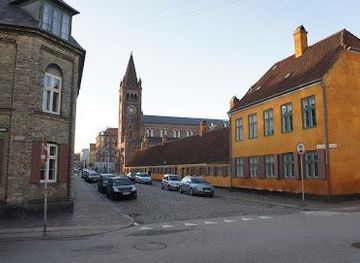
Nyboder Mindestuer occupies one of the earliest surviving houses in Nyboder, the historic residential quarter built in the 17th century to house sailors of the Royal Danish Navy and their families. Step through the door at Sankt Pauls Gade 24 and you leave modern Copenhagen behind, entering compact rooms that once formed part of a larger military housing experiment.The terraced house is part of a long row of characteristic "Nyboder yellow" buildings, their simple rhythm and repeated gables forming a distinctive streetscape. Inside, the museum preserves that same modest scale: narrow staircases, low ceilings, and multi-purpose rooms that had to accommodate cooking, sleeping and family life for those tied to long years of naval service.Rooms frozen in different centuries
The heart of the museum lies in its carefully reconstructed interiors. Different rooms are arranged to represent various periods, typically spanning the 17th to 19th centuries, showing how living standards and household objects evolved as Denmark’s navy and society changed.You might see a sparsely furnished early room with simple wooden furniture and a small stove, contrasted with later interiors featuring more textiles, decorative objects and improved kitchen arrangements. Everyday items – children’s toys, uniforms, household tools and religious prints – help to tell stories of families who balanced the hardships of duty with ordinary domestic routines.A privileged yet demanding community
Nyboder was always more than just housing. The naval authorities created an entire micro-society here, with its own schools, hospital and policing. In exchange, men were bound to long terms of military service, sometimes up to two decades, anchoring families to a strict but relatively secure environment.The museum highlights this tension between privilege and obligation. Exhibits and information panels explain how families navigated cramped conditions, irregular pay, and the constant risk of war at sea, while still forming tight-knit networks and traditions that gave Nyboder its strong sense of identity.Architecture shaped by the Danish navy
Architecturally, the house reflects the functional thinking of royal builders working for the navy. The long terraces were laid out in orderly rows, with simple façades and repeated doorways that made it easy to add or adapt apartments as the population grew.Nyboder Mindestuer preserves details such as timber beams, small-paned windows and shared circulation spaces that reveal how multiple households fitted into a single block. These features are part of the reason Nyboder is considered one of Copenhagen’s most distinctive historic quarters, an early example of purpose-built workers’ housing on a large urban scale.A quiet corner of a living neighborhood
Although the museum is open only limited hours, usually on Sundays, the surrounding streets remain very much alive. Nyboder is still inhabited, with many dwellings reserved for defence personnel, and the yellow rows form a calm pocket between busier city districts.Visiting Nyboder Mindestuer is therefore as much about the atmosphere outside as the exhibits within: cobbled lanes, long sightlines of terraced houses, and the nearby presence of St. Paul’s Church and other 19th-century buildings. Together they offer a compact, rewarding glimpse into how military, urban and family history intersected in this unusual Copenhagen neighborhood.Explore the best of what Nyboder has to offer















More about North Zealand
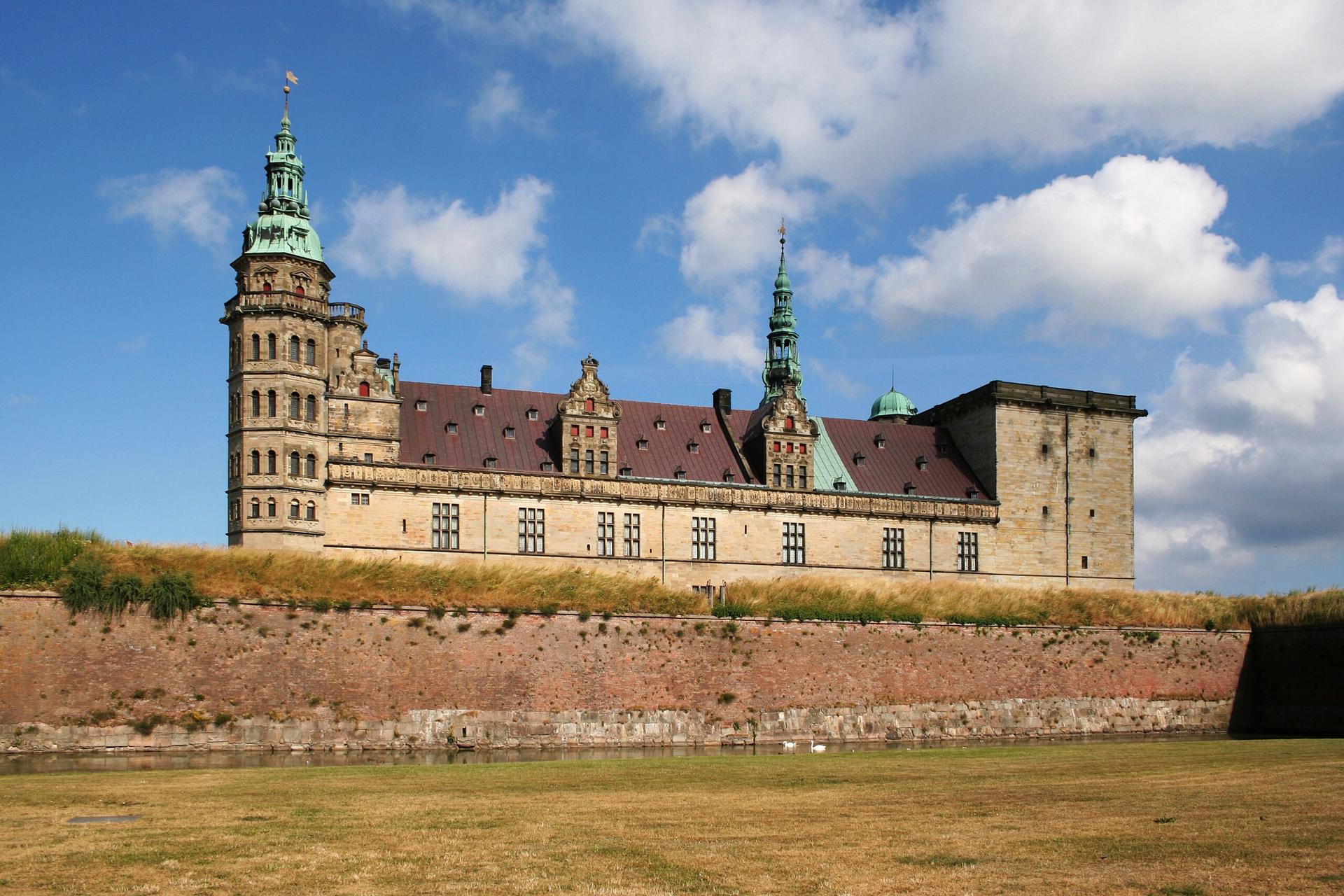
Explore North Zealand, Denmark's enchanting region of castles, beaches, and royal estates, perfect for history buffs, nature enthusiasts, and seaside lovers.
Tell me more about North Zealand
A small but beautifully composed waterfront garden weaving royal vistas, sculpture, and harbor views into a calm green oasis in central Copenhagen.

Historic yellow naval barracks turned living neighborhood, where Nyboder’s compact row houses and the Nyboder Memorial Rooms reveal 400 years of Copenhagen seafaring life.