
Ofelia Plads
A vast harbourfront square where Copenhagen’s modern architecture, open water and ever-changing cultural events come together on a single urban stage.
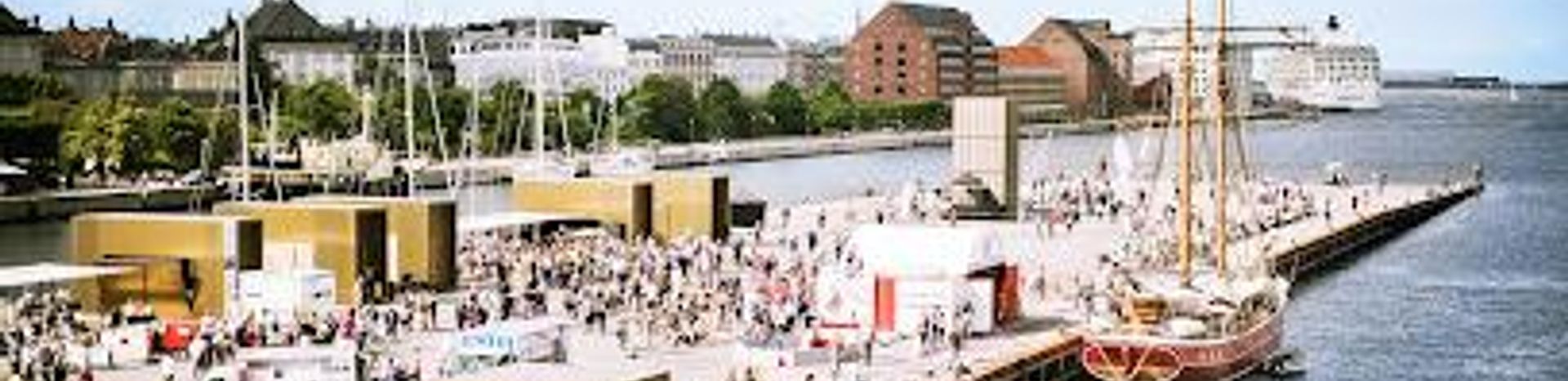
Ofelia Plads is a broad, modern waterfront square on Kvæsthusbroen in central Copenhagen, stretching out into the harbour between Nyhavn and Amalienborg. Built atop a former pier, this 13,000-square-metre cultural space pairs crisp urban design and wide-open skies with constant activity: concerts, theatre, art installations, sports screenings, canal tours and casual hangouts on the tiered “kissing stairs” that cascade towards the water. With golden pavilions for drinks and snacks, sweeping views to the Opera House and harbour traffic gliding past, it is one of the city’s most atmospheric spots to linger, day or night.
A brief summary to Ofelia Plads
- Kvæsthusbroen, Copenhagen, Indre By, 1250, DK
- Click to display
- Click to display
- Duration: 0.5 to 3 hours
- Free
-
 Outdoor
- Mobile reception: 5 out of 5
- Monday 6 am-10:30 pm
- Tuesday 6 am-10:30 pm
- Wednesday 6 am-10:30 pm
- Thursday 6 am-10:30 pm
- Friday 6 am-10:30 pm
- Saturday 6 am-10:30 pm
- Sunday 6 am-10:30 pm

Know before you go
Hi, I'm Eve. Here are a few practical things to know before exploring Ofelia Plads.
- Bring an extra layer, even in summer; the open harbourfront can feel noticeably cooler and windier than nearby streets.
- Aim for golden hour or sunset to enjoy the best light on the Opera House and skyline from the kissing stairs at the pier’s edge.
- Check local cultural listings before your visit, as large-scale concerts, screenings and art installations are frequently programmed here.
- Pick up drinks or snacks from the golden harbourfront pavilions in summer and make the steps your informal outdoor lounge.
Do you manage this location?
Take control to get all the benefits, like improved information, better appearance, and stronger visibility across AI-powered discovery. Learn more
Activate your presence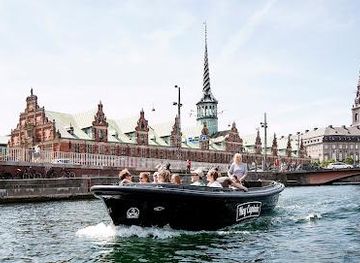
Getting There
-
Metro
From central Copenhagen, take the M3 or M4 metro line to Marmorkirken Station, then walk about 10–15 minutes through the Frederiksstaden quarter to reach Ofelia Plads. Trains run every few minutes throughout the day, and a standard single zone ticket typically costs around 20–25 DKK. The route is step-free at station level, but the final walk across cobbled and paved streets may be uneven for some visitors.
-
Bus
Several city bus routes stop near Amalienborg and Nyhavn, a 5–10 minute walk from Ofelia Plads. Depending on your starting point, the journey usually takes 10–25 minutes, with buses running every 10–20 minutes during the day and less frequently in the evening. A single ride on the city buses normally costs around 20–25 DKK when bought as a standard ticket or via a travel card.
-
Harbour bus (boat)
The yellow harbour buses connect different points along Copenhagen’s inner harbour, including a stop close to Ofelia Plads. From other central piers, travel times range from about 10 to 30 minutes, depending on the route and intermediate stops. Regular public transport tickets and travel cards are valid on the harbour buses, with single fares typically around 20–25 DKK. Services can be less frequent in the late evening and in poor weather.
-
Bicycle
Copenhagen’s extensive cycle lanes make it straightforward to reach Ofelia Plads by bike from most central neighbourhoods in about 5–20 minutes. You can use your own bicycle or rent one from city bike schemes or rental shops, where prices commonly range from roughly 100 to 200 DKK per day. The final approach is flat and fully paved, though the harbourfront can be busy with pedestrians in peak summer hours.
For the on-the-go comforts that matter to you
-
 Restrooms
-
 Drink Options
-
 Drinking Water
-
 Food Options
-
 Seating Areas
-
 Sheltered Areas
-
 Trash Bins
-
 Information Boards
Discover more about Ofelia Plads
Harbourfront stage in the heart of Copenhagen
Ofelia Plads occupies the Kvæsthusbroen pier, projecting like a finger into Copenhagen’s inner harbour between Nyhavn’s colourful facades and the royal residence at Amalienborg. Once a working quay, it has been reimagined as a vast, open plane of smooth stone, with almost no visual clutter to interrupt the drama of water, sky and architecture. To one side rises the dark, angular Royal Danish Playhouse; across the water the Opera House faces you like a modern temple.The square’s sheer scale is part of its appeal. With around 13,000 square metres of space, it feels airy even on busy days. The surface is subtly sloped and stepped, inviting you to wander, sit or lie back. You are always aware of the harbour, whether in the slap of waves against the pier, the distant hum of boats or the cries of gulls circling overhead.From temporary beach to permanent cultural hub
Before Ofelia Plads opened in its current form in 2016, the pier hosted a temporary experiment known as Ofelia Beach. For three years it functioned as an urban test lab, with free concerts, big-screen football and ballet performances staged against the water. The concept proved so successful that the site was fully redeveloped as a permanent cultural square, designed to host events year-round.Today the programme is wonderfully varied. Large sports tournaments are shown on outdoor screens, jazz and classical concerts fill the open air, and contemporary art installations periodically transform the minimalist surface. In June, the traditional Sankt Hans midsummer celebration brings a crackling bonfire, speeches and music, with flames reflected in the harbour below. At other times, light and sound works linked to winter festivals animate the pier after dark, turning the space into an outdoor gallery of shifting colour.Design details and the famous “kissing stairs”
Despite its size, much of Ofelia Plads’ character lies in small, well-considered details. The most distinctive are the broad terraces that descend from the main level down towards the water. Known locally as the “kissing stairs”, they work as giant steps, seats and loungers all at once. On sunny days people sprawl here with books and coffee; on cooler evenings couples tuck into sheltered corners to watch the city lights blink on.Elegant golden pavilions punctuate the square, housing seasonal bars, cafés and ticket booths for canal cruises. Their warm metallic tones play off the blue-grey of stone and sea, and after sunset they glow like lanterns. Clever lighting integrated into the paving helps maintain an intimate atmosphere without spoiling the night-time views across the harbour.Harbour life, canal tours and changing seasons
Life on the water is part of the experience here. From the edge of the pier, canal-tour boats slip in and out, taking passengers on classic loops through Copenhagen’s waterways. Harbour buses glide past, linking different neighbourhoods, while kayakers and small leisure craft weave between larger ships. The water is close enough to feel present, yet the pier’s broad edge and level surface keep you comfortably separated.The mood of Ofelia Plads shifts markedly with the seasons. In summer, the square becomes an outdoor living room, with people sunbathing on the steps, watching street performances or gathering for evening events in light that lingers late. In winter, the same open space feels almost Nordic in its austerity: crisp air, long views and the comforting glow of the playhouse and pavilions. On windy days the harbour can be bracing, but the elemental meeting of weather and city is part of its charm.A flexible pause point between icons
One of the quiet strengths of Ofelia Plads is how it connects several of Copenhagen’s headline sights while offering a calm pause between them. Nyhavn, Amalienborg, the Opera House and Paper Island all lie within easy reach, yet the square itself remains surprisingly uncluttered. You can sit on the edge and watch royal guard shifts on distant courtyards, commuter ferries crossing the channel and cyclists streaming over new harbour bridges.Whether you drop by for a few minutes between museum visits or linger for hours with a takeaway coffee, the experience is the same: a sense of the city opening up around you. Ofelia Plads is less a single attraction than a flexible urban living space, where culture, everyday life and the sea meet on equal terms.Explore the best of what Ofelia Plads has to offer













More about North Zealand
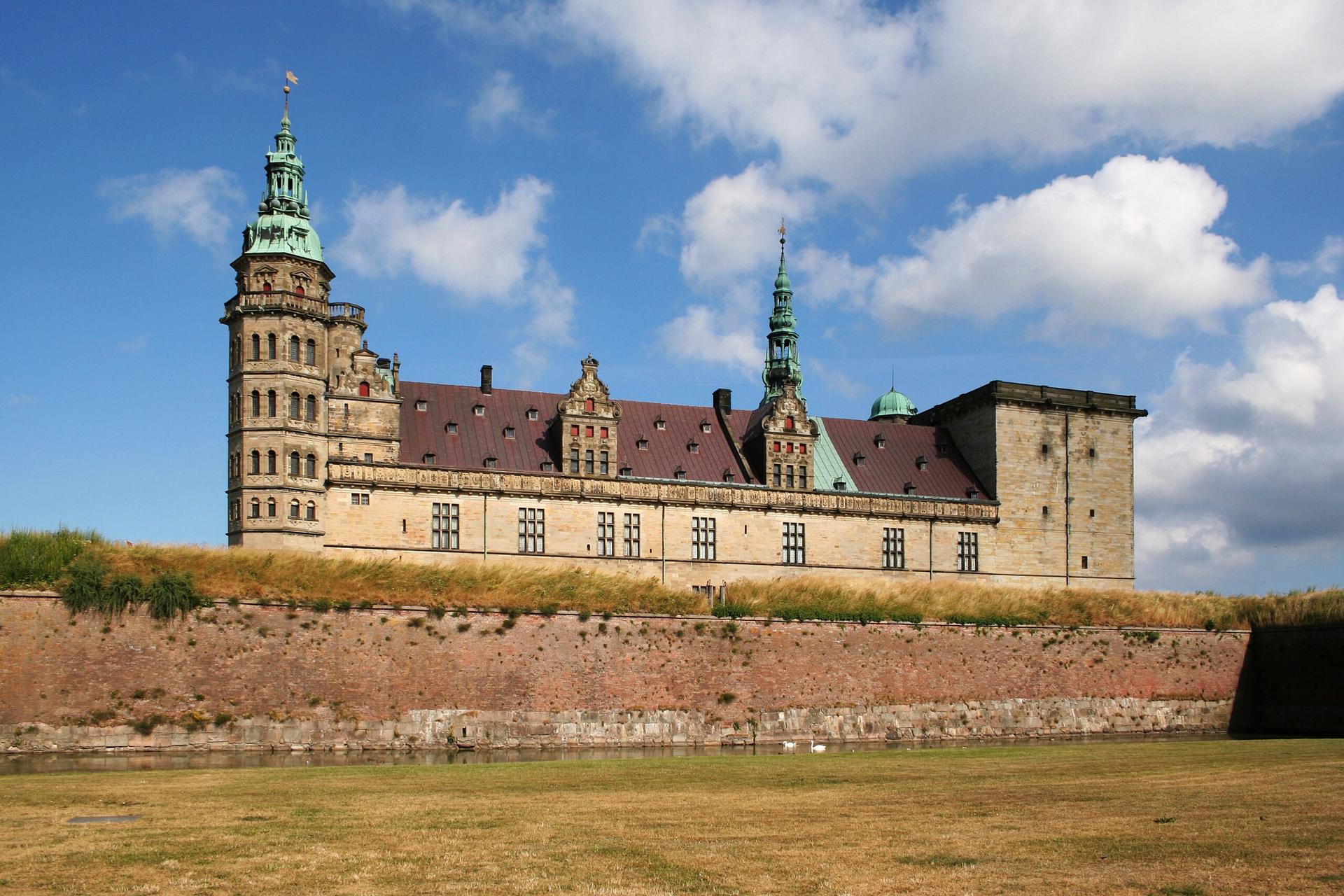
Explore North Zealand, Denmark's enchanting region of castles, beaches, and royal estates, perfect for history buffs, nature enthusiasts, and seaside lovers.
Tell me more about North Zealand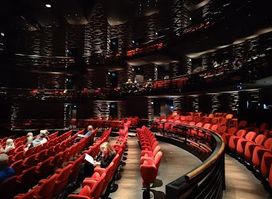
Contemporary Danish drama in a hovering waterfront landmark, where sharp Scandinavian architecture meets a broad wooden pier and sweeping views of Copenhagen’s inner harbour.
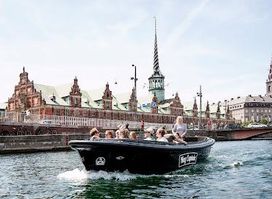
Experience the heart of Hillerød at Fisketorvet, where shopping, dining, and culture converge in a historic market square.
