
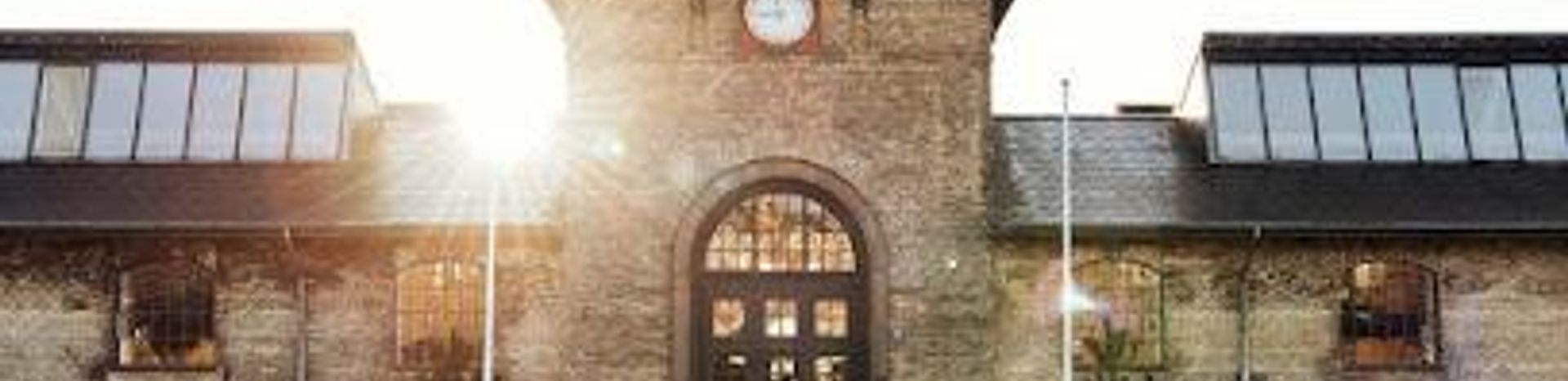
Øksnehallen
A vast red-brick former cattle hall turned modern exhibition giant, Øksnehallen anchors Copenhagen’s Meatpacking District with industrial character and ever-changing events.
Once a bustling cattle hall in Copenhagen’s old meatpacking district, Øksnehallen is today a vast 5,000–5,500 m² exhibition and event venue at Halmtorvet 11 in Vesterbro. The red-brick industrial shell and soaring steel columns have been carefully preserved, creating an atmospheric backdrop for everything from art shows and design fairs to food festivals and conferences. Its central location near the main station makes it an easy and characterful stop on any Copenhagen itinerary, especially when a major event is on.
A brief summary to Øksnehallen
- Halmtorvet 11, Copenhagen, København V, 1700, DK
- Click to display
- Click to display
- Duration: 1 to 4 hours
- Mid ranged
-
 Indoor
- Mobile reception: 5 out of 5
- Monday 9 am-4 pm
- Tuesday 9 am-4 pm
- Wednesday 9 am-4 pm
- Thursday 9 am-4 pm

Know before you go
Hi, I'm Eve. Here are a few practical things to know before exploring Øksnehallen.
- Check the event calendar before you go; Øksnehallen only opens when exhibitions, fairs or conferences are scheduled, and hours and admission prices vary by event.
- Plan extra time to explore Halmtorvet and the surrounding Meatpacking District, where restaurants, bars and galleries make it easy to turn a visit into a full outing.
- Wear comfortable shoes: the hall’s 5,000-plus square metres and hard floors can be tiring during large fairs or all-day conferences.
- If you prefer quieter conditions, aim for morning slots on weekdays when events are less likely to be crowded and the industrial architecture is easier to appreciate.
- Bring a light layer; temperatures can feel cool in the vast hall outside peak-season events, especially when doors are frequently opened.
Do you manage this location?
Take control to get all the benefits, like improved information, better appearance, and stronger visibility across AI-powered discovery. Learn more
Activate your presenceOther nearby places you may find interesting
Getting There
-
Train and short walk from Copenhagen Central Station
From anywhere in the Greater Copenhagen area, take an S-train or regional train to Copenhagen Central Station, a major hub with frequent services throughout the day. From the station, it is roughly a 5–10 minute walk on mostly flat, paved city streets to Øksnehallen at Halmtorvet 11. All city zones connect here, and a single ticket within the central zones typically costs around 20–30 DKK. This option is step-free from train to street, though some routes include cobblestones near the venue.
-
Metro and transfer to Central Station
Arrive by M3 Cityringen or another metro line to a central interchange such as København H or nearby metro stops, then follow signs into the main rail terminal. From there, walk 5–10 minutes to Øksnehallen. Metro trains run every few minutes during the day, and a standard single ticket in the inner zones costs about 20–30 DKK. Elevators and escalators make this option generally accessible, but allow extra time at peak hours when platforms and concourses are busy.
-
City bus to Vesterbro and Halmtorvet
Several city bus routes serve the Vesterbro area around Halmtorvet, with stops within a 5-minute walk of Øksnehallen. Travel time from central locations such as Rådhuspladsen is typically 10–20 minutes depending on traffic. Buses use the same zone-based tickets as trains and metro, so expect to pay around 20–30 DKK for a single ride within central Copenhagen. Low-floor buses make boarding relatively easy, though they can be crowded during rush hour and after major events at the hall.
-
Bicycle or taxi within central Copenhagen
From central neighbourhoods such as Indre By or Islands Brygge, cycling to Øksnehallen typically takes 5–15 minutes along bike-friendly streets, with racks available near Halmtorvet. Taxis from the inner city or harbourfront usually take 5–15 minutes depending on traffic and cost in the range of 80–160 DKK. After large fairs or evening events, demand for taxis can spike, so consider pre-booking or allowing extra time to find a car.
For the on-the-go comforts that matter to you
-
 Restrooms
-
 Seating Areas
-
 Sheltered Areas
-
 Trash Bins
-
 Information Boards
-
 Visitor Center
-
 Drink Options
-
 Food Options
Discover more about Øksnehallen
From Cattle Hall to Cultural Powerhouse
Øksnehallen began life in the early 1900s as a functional cattle hall serving Copenhagen’s meat market, part of the wider Kødbyen (Meatpacking District) just behind the central station. Built in robust brick with large, open interiors, it was designed to handle hundreds of animals at a time, with easy movement and ventilation more important than ornament. Over time, as livestock trading moved elsewhere and the city’s priorities shifted, the hall’s agricultural role faded and the building stood at a crossroads between demolition and reinvention.In the 1990s, Øksnehallen was transformed as Copenhagen invested in new cultural infrastructure. Rather than erasing its industrial past, planners chose to preserve the original shell, repurposing the raw, spacious hall as a contemporary exhibition and conference venue. Today it stands as a textbook example of adaptive reuse: a place where the city’s working-class history quietly frames a thoroughly modern programme of events.Architecture of Space, Light and Steel
Step inside Øksnehallen and the first impression is scale. The hall stretches out as a single, uninterrupted space of around 5,000–5,500 square metres, supported by rhythmic rows of cast-iron and steel columns. Overhead, generous skylights and tall windows pour daylight into the building, softening its industrial bones and making even large crowds feel surprisingly at ease.The walls tell their own story: exposed brick, visible steel structures and minimal decorative flourishes create a deliberate contrast between old and new. Technical infrastructure for lighting, sound and temporary structures is discreetly integrated, allowing the hall to be dressed dramatically for fashion shows, staged as a neutral white cube for art fairs, or laid out in grids for trade exhibitions. Despite its size, the plan is flexible, with movable partitions and draping used to carve the volume into smaller zones when needed.Events, Exhibitions and Ever-Changing Experiences
What defines a visit to Øksnehallen is less a fixed exhibition and more whatever happens to be on when you pass through. Over the years the hall has hosted international photography shows, design weeks, craft fairs, travel expos, food festivals, flea markets and corporate conferences. On some days, the space might be humming with families browsing stalls; on others, it turns into a sleek, dimly lit arena for product launches or award ceremonies.This constant turnover keeps the atmosphere fresh. It also means that no two visits are alike: the same brick-and-steel frame can feel contemplative during a quiet art show, or buzzing and loud during a major fair. Checking the programme in advance is essential if you are keen on particular themes such as contemporary art, gastronomy or design; otherwise, stumbling on an event here can be a pleasant surprise in the middle of a day exploring Vesterbro.In the Heart of Vesterbro’s Meatpacking District
Øksnehallen stands on Halmtorvet, at the edge of the old meatpacking quarter, where former warehouses and cold stores have slowly filled with bars, restaurants, galleries and creative studios. The hall’s broad forecourt opens onto a lively urban square, with cobblestones, café terraces and seasonal outdoor seating. It is easy to combine a visit here with a wander through Kødbyen’s side streets, where neon signs and tiled facades hint at a working past now sharing space with nightlife and dining.Being only a short walk from Copenhagen Central Station, Øksnehallen sits at a natural junction between the historic city centre and the more residential quarters of Vesterbro. In practice, that means you can drop in between trains, combine an exhibition with a meal nearby, or simply enjoy the play between robust industrial architecture and the softer street life outside.Practical Visit: What to Expect Inside
On event days, access is usually through a main entrance on the long side of the building, where temporary signage indicates the current show or fair. Inside, you will find a large, open floor often subdivided by stands, stages or installations, with temporary catering points set up for many larger gatherings. Basic amenities such as restrooms and seating clusters are available within the wider complex, and cloakroom services may be offered for bigger conferences and evening events.Because Øksnehallen is an event-driven venue, opening hours and admission fees vary. Some exhibitions are ticketed with controlled entry times, while others, especially smaller fairs or local showcases, may be free or low-cost. It is common for events to run over a weekend or a few days, so the hall may be closed between set-ups. The surroundings remain accessible, so even if the doors are shut, the building’s exterior and its urban setting are still worth a look.Atmosphere Across the Seasons
In cooler months, Øksnehallen’s enclosed volume offers a sheltered alternative to outdoor sightseeing, with bright overhead light and a steady indoor climate that suits slow browsing. In summer, large doors and openings can give the hall a breezier feel, and the square outside fills with people lingering before or after events. Concert-style set-ups can make the interior feel energetic and noisy, while quieter exhibitions emphasize its almost cathedral-like calm.Whether you come to see a specific fair or simply to experience the scale and character of Copenhagen’s industrial heritage, Øksnehallen adds a distinct layer to the city’s cultural landscape: not a museum with a fixed collection, but a generous, flexible container for ideas, commerce and creativity.Explore the best of what Øksnehallen has to offer













More about North Zealand
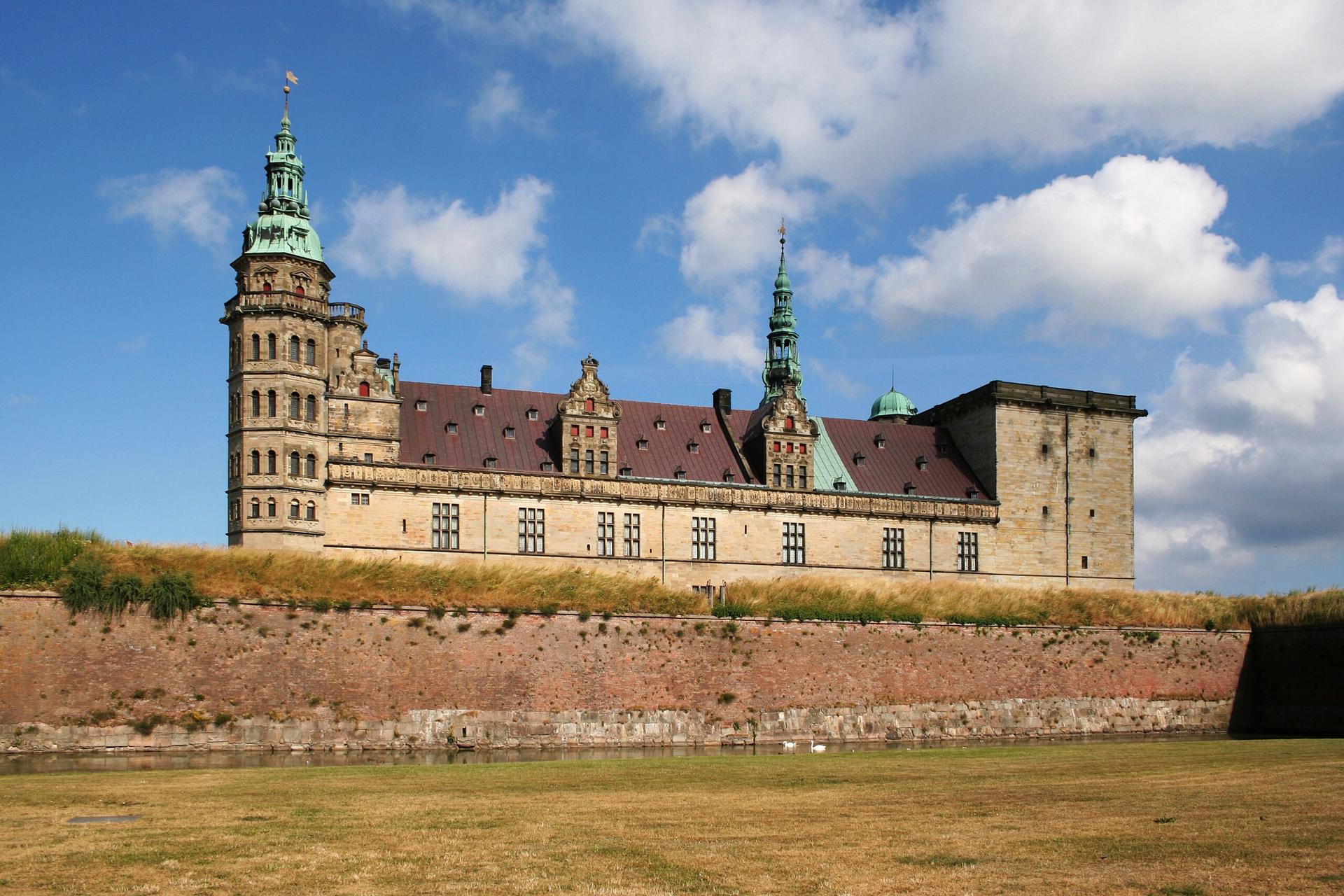
Explore North Zealand, Denmark's enchanting region of castles, beaches, and royal estates, perfect for history buffs, nature enthusiasts, and seaside lovers.
Tell me more about North Zealand
Stændertorvet is Roskilde’s historic central square, bustling with markets, events, and iconic views of the UNESCO-listed cathedral at the city’s vibrant core.
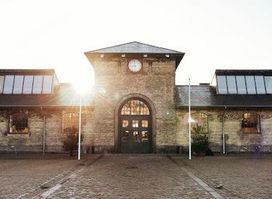
A vast former cattle hall turned industrial-chic exhibition venue, Øksnehallen anchors Vesterbro’s cultural scene with big-scale fairs, art shows and conferences.
