

Lur Blowers (Lurblæserne), Copenhagen
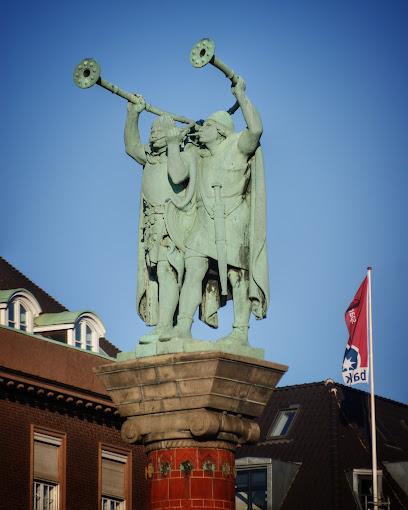
Bronze Age horns meet early 20th‑century grandeur in this 20‑metre column, where two silent lur players keep watch over Copenhagen’s bustling City Hall Square.
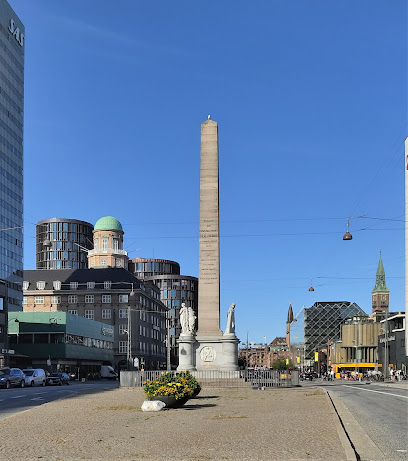
Towering above Copenhagen’s City Hall Square, the Lur Blowers monument is a 20m‑tall bronze sculpture of two Viking-style figures raising ancient lur horns to the sky. Gifted by the Carlsberg foundations in the early 1900s to mark brewer J.C. Jacobsen’s centenary, the pair stand on a red-brick column with an integrated bench, becoming one of Rådhuspladsen’s most recognisable silhouettes and a classic meeting point beside the bustling heart of the city.
A brief summary to Lur Blowers
- Rådhuspladsen 57, Copenhagen, Indre By, 1550, DK
- Duration: 0.25 to 1 hours
- Free
-
 Outdoor
- Mobile reception: 5 out of 5
Local tips
- Bring a zoom lens or use your phone’s telephoto mode if you want close-up shots of the lur players’ faces and the horn details high above the square.
- Combine your stop here with a visit to the National Museum of Denmark, where original Bronze Age lurs are displayed, to connect the monument with real artefacts.
- Visit around golden hour for softer light on the bronze figures and to avoid the harsh midday contrast against the sky.
- Use the circular bench at the base as a short rest spot while planning your next move around City Hall Square and Tivoli Gardens.
- In wet or windy weather, take extra care when standing to photograph in the open square, as conditions can feel more exposed around the monument.

For the on-the-go comforts that matter to you
- Restrooms
- Drink Options
- Drinking Water
- Food Options
- Seating Areas
- Trash Bins
- Information Boards
- Visitor Center
Getting There
-
Metro
Take the M3 or M4 metro line to Rådhuspladsen Station, which lies directly beneath City Hall Square. From central areas like Kongens Nytorv or Nørrebro, the ride typically takes 3–8 minutes and trains run every few minutes throughout the day. A single zone 2 ticket costs roughly 20–25 DKK and covers buses, metro and local trains within the city centre.
-
Bus
Several city bus routes stop at Rådhuspladsen, making the Lur Blowers easy to reach from neighbourhoods such as Vesterbro, Nørrebro and Østerbro in about 10–25 minutes depending on traffic. Standard city bus fares are included in a regular zone ticket of about 20–25 DKK. Buses can be busy at rush hour, but they offer step-free boarding and frequent departures.
-
Walking
From Copenhagen Central Station the walk to City Hall Square takes around 5–10 minutes at a relaxed pace along broad pavements. The route is flat and suitable for most mobility levels, though the area can be crowded, particularly in summer and during events on the square.
-
Bicycle
Hiring a city bicycle is a typical Copenhagen way to reach the Lur Blowers, with rides from districts like Nørrebro or Østerbro taking around 10–20 minutes. Expect dense bike traffic near Rådhuspladsen and limited dedicated parking spots immediately beside the monument; lock and leave your bike in marked stands around the square.
Lur Blowers location weather suitability
-
 Any Weather
-
 Clear Skies
-
 Mild Temperatures
-
 Cold Weather
Discover more about Lur Blowers
Bronze horns over Copenhagen’s civic stage
The Lur Blowers (Lurblæserne) rise dramatically at the edge of City Hall Square, their dark bronze figures outlined against Copenhagen’s often windswept sky. Two caped, helmeted men stand shoulder to shoulder, each holding a long curved lur – a Bronze Age horn – angled upwards as if ready to sound a ceremonial call across the square. Perched high on a tall brick column, they watch over the constant choreography of buses, bicycles and pedestrians below. From ground level the figures seem small, but look up and you notice how tightly they are composed, almost merging into a single powerful form. The column itself is built in warm red brick and terracotta that echoes the neighbouring City Hall, visually tying the monument into the architecture around Rådhuspladsen. A circular bench wrapped around its base offers a natural place to pause, rest or simply look out across one of Copenhagen’s busiest urban spaces.From brewery patron to city landmark
The monument owes its existence to the Carlsberg and New Carlsberg Foundations, which donated it to the city to commemorate the 100th birthday of Carlsberg founder J.C. Jacobsen in 1911. Architect Anton Rosen designed the column, while sculptor Siegfried Wagner created the bronze group, completed and inaugurated a few years later. Their collaboration produced something that feels both celebratory and civic – a victory column without a battle, honouring industry, culture and the city itself. Inscribed on the shaft are Jacobsen’s name and the dates that anchor the work in its commemorative purpose. Yet for most passersby today, the monument is less about a specific brewer and more about Copenhagen’s early 20th‑century confidence. It belongs to the same era that gave the city its grand City Hall, elaborate fountains and decorative façades, when public art and architecture were enlisted to project modern identity.Echoes of Bronze Age music
The lurs clutched by the figures are not fantasy instruments but enlarged versions of real Bronze Age horns unearthed in Danish bogs. The original lurs, often found in carefully buried pairs, date back around three thousand years and are thought to have been used in rituals, processions or to signal in warfare. Their distinctive S‑shaped curves and flared bells are faithfully translated here, giving the sculpture a direct line back to prehistoric Scandinavia. The decision to depict two players rather than one reflects that archaeological detail: lurs were tuned in pairs, intended to sound together. Here, the sculptor places the men so close their shoulders almost touch, amplifying the sense of unity and shared purpose. Though you cannot hear them, it is easy to imagine a deep, resonant note rolling down the length of the square each time you glance up.Part of City Hall Square’s living backdrop
Standing just beside Copenhagen City Hall and near the Dragon Fountain and Hans Christian Andersen statue, the Lur Blowers form part of a dense cluster of monuments that frame Rådhuspladsen. Buses slide past, cyclists weave by, and crowds gather for concerts, demonstrations and celebrations, all under the silent gaze of the horn players. By day they are a popular reference point in a tangle of streets and transit lines; by night they become a dark silhouette against the illuminated façades. Despite their height and heroic style, there is something approachable about the monument. The low brick plinth is close enough to touch, and the bench invites you to sit and watch the city’s theatre unfold. For photographers, the figures offer a striking vertical accent in views across the square, often captured alongside the City Hall tower or the neon of nearby buildings.Quiet details amid the urban rush
Spend a few minutes at the foot of the column and smaller details reveal themselves. The texture of the brickwork, the weathering of the bronze, the careful way each lur curves outwards before turning skyward – all reward a slower look. You may spot locals using the bench as a casual rendezvous point or office workers taking a brief break between buses. In a square dominated by grand architecture and large crowds, the Lur Blowers provide a vertical punctuation mark, a reminder of Denmark’s deep historical layers. From Bronze Age instruments to industrial‑age philanthropy and today’s lively public gatherings, this single column captures several chapters of the country’s story in one compact but memorable piece of cityscape.Iconic landmarks you can’t miss

Lur Blowers
0.0 km
Bronze Age horns meet early 20th‑century grandeur in this 20‑metre column, where two silent lur players keep watch over Copenhagen’s bustling City Hall Square.
H. C. Andersens Blvd.
0.1 km
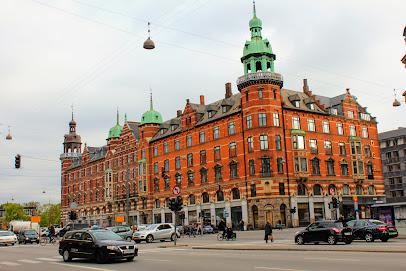
A broad, bustling boulevard where Hans Christian Andersen’s legacy meets City Hall Square, Tivoli’s lights, and the everyday pulse of central Copenhagen.
Copenhagen Visitor Service
0.4 km
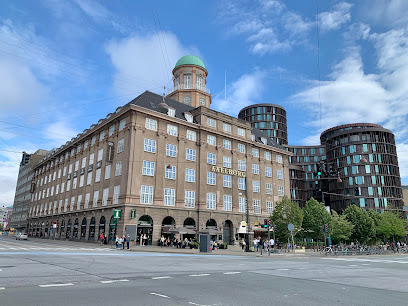
Central, modern orientation center offering expert advice, resources, and insider tips for exploring Copenhagen’s sights, culture, and neighborhoods.
Jorcks Passage
0.4 km
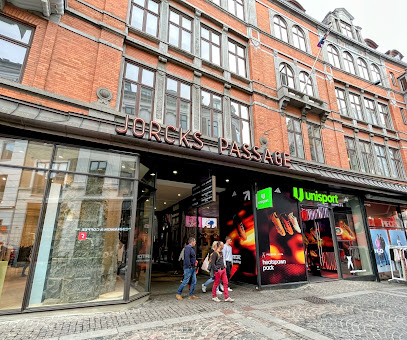
Historic 1890s covered arcade where telephone wires once connected a nation, now a charming shopping passage in Copenhagen's heart.
Frihedsstøtten
0.5 km
Statuesque tribute to Danish freedom: Frihedsstøtten stands as a majestic milestone marking the abolition of serfdom at the vibrant gateway to Copenhagen's Vesterbro.
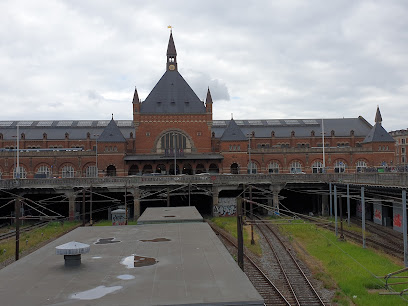
Copenhagen Central Station
0.5 km
Historic brick-and-timber rail hub at the heart of Copenhagen, combining grand architecture, everyday convenience and instant access to the city’s main sights.
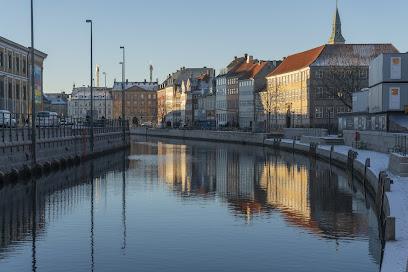
Gammel Strand
0.5 km
Ledreborg Park blends magnificent Baroque landscaping, palace views and serene Danish woodland for a captivating escape near Roskilde, ideal for history and nature lovers.
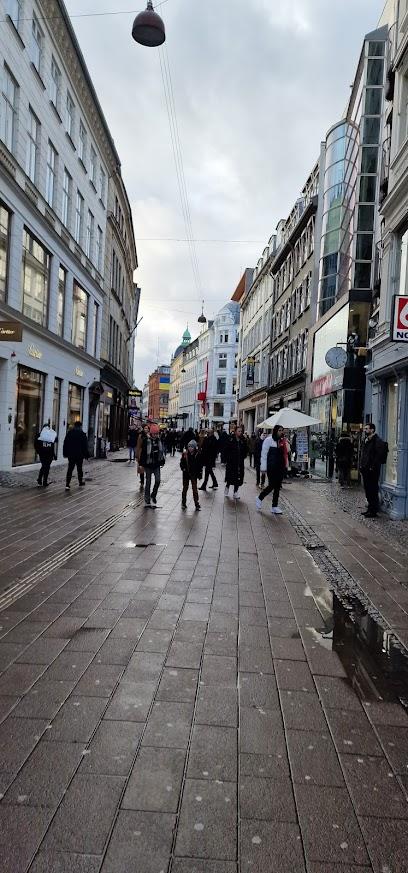
Strøget
0.5 km
Europe's pioneering pedestrian street where luxury shopping meets vibrant street culture and Danish heritage.
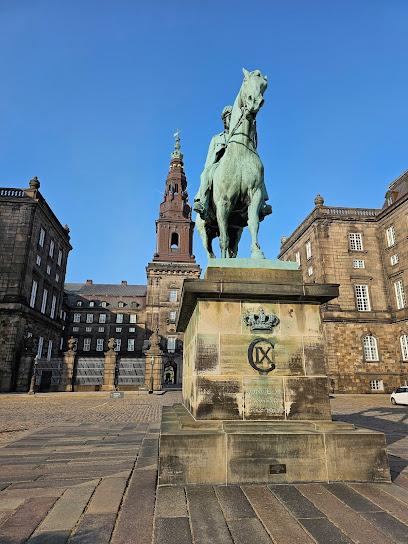
Equestrian statue of Christian IX
0.5 km
A quiet yet powerful royal monument in Christiansborg’s riding ground, uniting a pivotal Danish king with the groundbreaking sculptor who cast him in bronze.
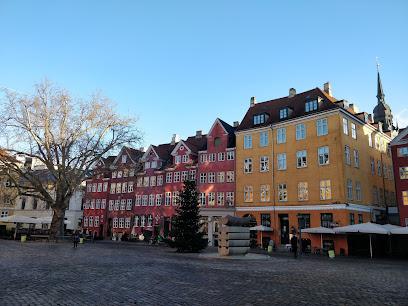
Gråbrødretorv
0.6 km
Medieval square in Copenhagen's Latin Quarter where historic architecture, local cafés, and bohemian charm converge.
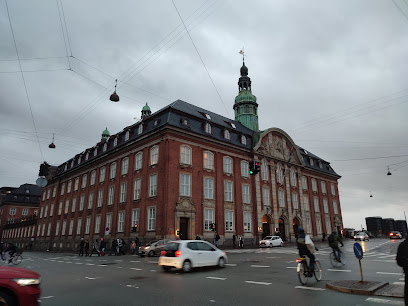
Copenhagen Central Post Building
0.6 km
A majestic neo-Baroque landmark intertwining Denmark’s postal history with Vesterbro’s vibrant urban fabric, located beside Copenhagen’s bustling central railway station.
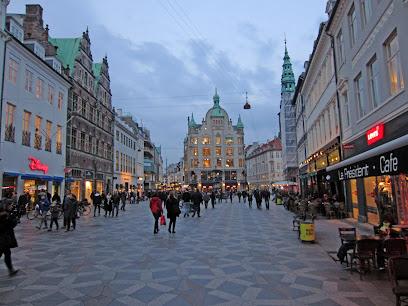
Amagertorv
0.6 km
Aarhus’s University Park blends Danish modernist architecture, lush gardens, and student life into one of the city’s most tranquil and historically significant green spaces.
The Stable Boy's House
0.6 km
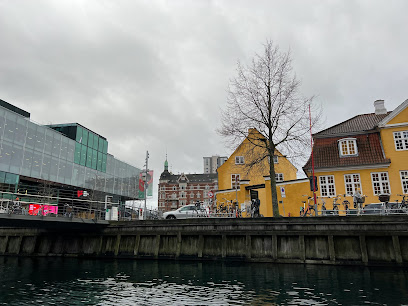
A modest former service house on Frederiksholms Kanal, quietly recalling the working lives behind Copenhagen’s royal stables and the grandeur of nearby Christiansborg.
Christiansborg Palace
0.6 km
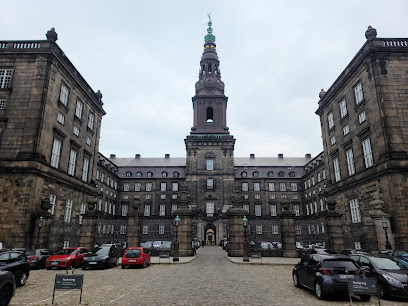
Explore the majestic Christiansborg Palace in Copenhagen, a blend of history, culture, and stunning architecture that captivates all who visit.
Højbro
0.6 km
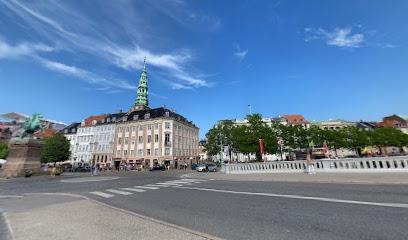
A historic iron arch bridging Copenhagen’s lively city centre and stately Slotsholmen, with hidden folklore sculptures stirring beneath its calm canal waters.
Unmissable attractions to see

Hans Christian Andersen Experience
0.0 km
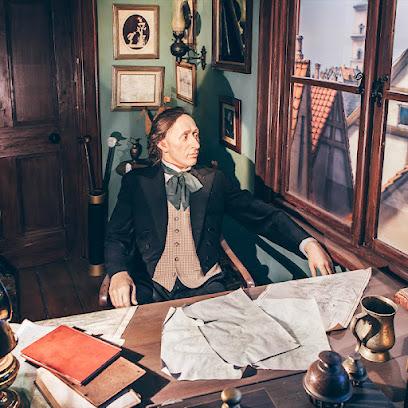
Step off bustling City Hall Square into a multisensory world where Hans Christian Andersen’s life and fairy tales unfold through atmospheric sets, light, sound and scent.
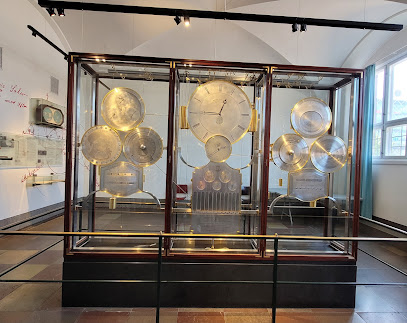
Jens Olsen's World Clock
0.1 km
Descend beneath Søndermarken Park to discover Copenhagen’s historic water cisterns, now transformed into a mesmerizing underground art museum unlike any other in Denmark.
Rainbow Square
0.1 km
A small city-centre plaza with a powerful rainbow dedication, Rainbow Square turns everyday pavement beside Copenhagen City Hall into a quiet landmark for LGBTQ+ equality.
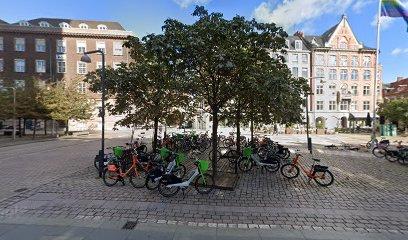
City Hall Square
0.1 km
Copenhagen’s grand urban living room: a historic civic square framed by City Hall, whimsical fountains, and the gateway to the pedestrian heart of the city.
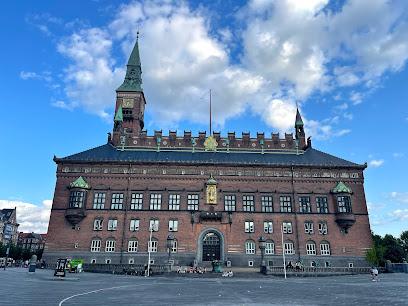
Copenhagen City Hall
0.1 km
Explore Denmark's Viking heritage along the scenic Skjoldungestien trail.
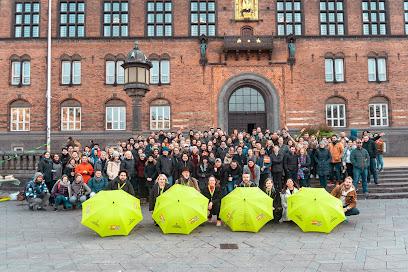
Copenhagen Free Walking Tours
0.1 km
Discover masterpieces from the Danish Golden Age and European classics to contemporary art in Denmark’s largest art museum, set by Copenhagen’s serene city park.
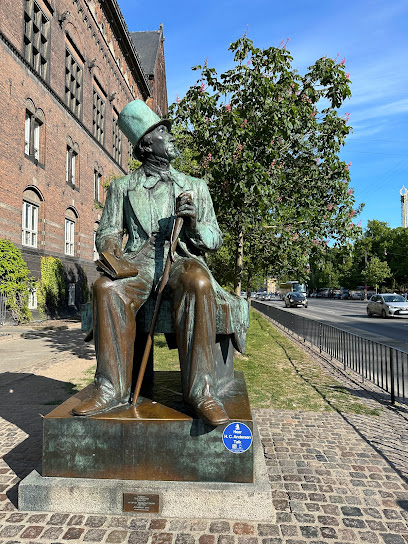
Statue of Andersen
0.1 km
A larger-than-life Hans Christian Andersen sits in bronze on Copenhagen’s City Hall Square, book in hand, gazing toward Tivoli Gardens in the city’s vibrant heart.
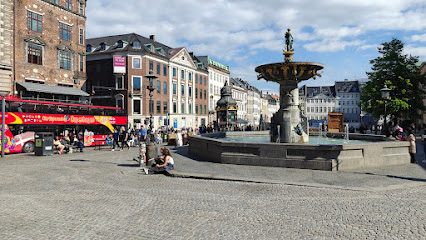
Weirdwalks Byvandring
0.2 km
Stroll the storied harbor promenade, discover Copenhagen’s iconic Little Mermaid, lush parks, and maritime sculptures along the scenic Langelinie waterfront.
Museum of Copenhagen
0.2 km
Explore a thousand years of Copenhagen's history through artifacts, interactive exhibits, and the stories of its people.
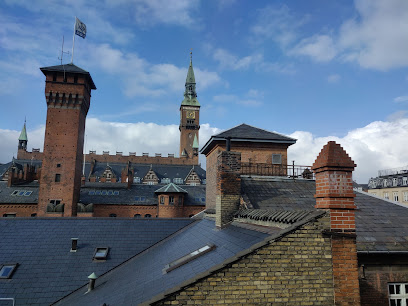
Vandkunsten Springvand
0.3 km
Experience Copenhagen’s blend of urban cool and waterside relaxation at Islands Brygge, where harbor views, bathing, and local life come together in a thriving central district.
Nytorv
0.3 km
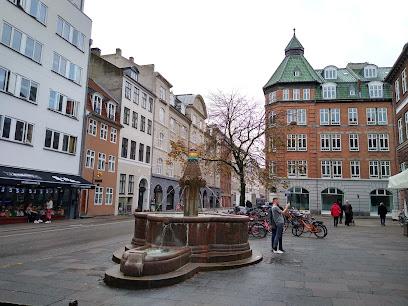
Cobbled, compact and quietly dramatic, Nytorv blends royal-era markets, grim judicial history and Neoclassical authority at the pedestrian heart of old Copenhagen.
Nytorv 2
0.3 km
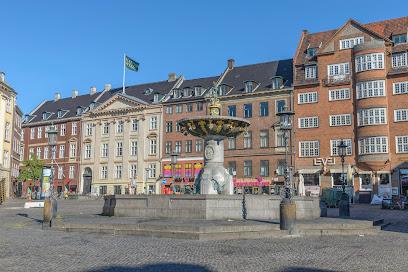
An everyday address on Copenhagen’s historic Nytorv, placing you between grand courthouse columns, cobbled markets of old and the pulse of the Strøget pedestrian zone.
Gammeltorv
0.3 km
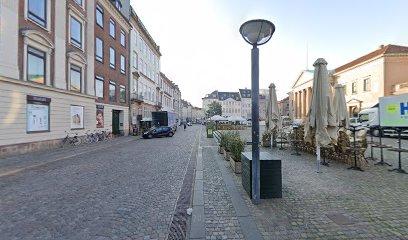
Copenhagen’s oldest square, where cobbles, Neoclassical facades and the Renaissance Caritas Well quietly trace eight centuries of urban life in the city’s historic core.
Tivoli Gardens
0.3 km
Explore enchanting Rosenborg Castle in Copenhagen, home to Denmark’s Crown Jewels, opulent royal halls, lush gardens, and centuries of riveting royal history.
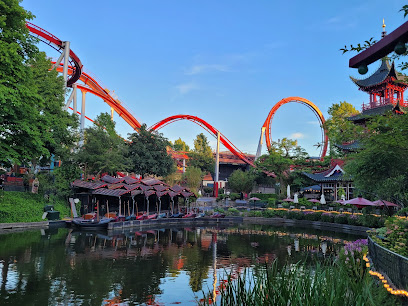
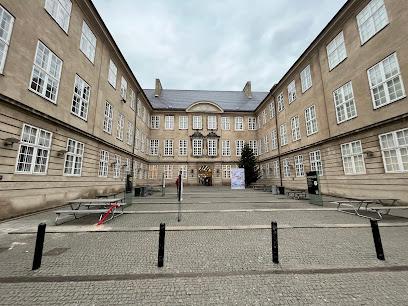
National Museum of Denmark
0.3 km
Denmark’s past comes alive in a grand city palace, where Vikings, royal salons and playful children’s galleries tell 14,000 years of stories under one roof.
Essential places to dine

Hard Rock Cafe Copenhagen
0.1 km
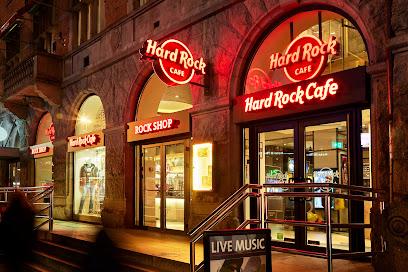
Rock legends, legendary burgers, and unforgettable American dining in Copenhagen's vibrant heart.
Husmanns Vinstue
0.2 km
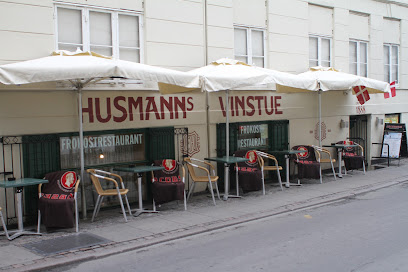
Classic smørrebrød, candles and aquavit in a historic Copenhagen cellar devoted entirely to the long, unhurried Danish lunch.
Restaurant Puk
0.2 km
Historic Danish restaurant in Indre By, Copenhagen, serving classic smørrebrød and comfort dishes in a centuries-old setting with authentic local atmosphere.
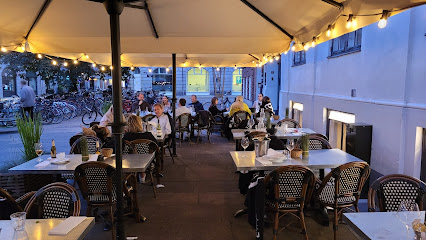
Spisestedet FEED
0.3 km
Discover exquisite flavors and an inviting atmosphere at Spisestedet FEED in the heart of København.
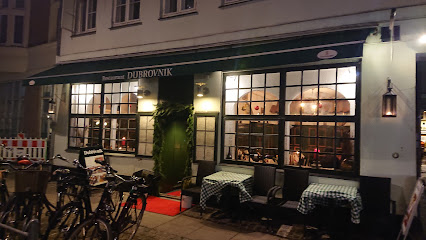
Dubrovnik Restaurant
0.3 km
Cosy Croatian tavern in Copenhagen’s inner city, serving generous grills and rustic Adriatic comfort food in a warm, wood‑panelled dining room.
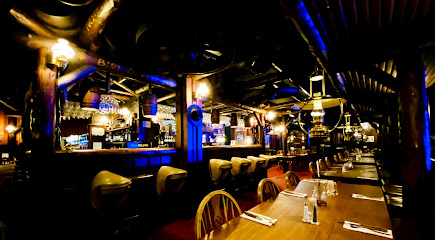
Rio Bravo
0.3 km
Western‑themed Copenhagen stalwart serving hearty Danish classics and steaks late into the night in a nostalgic saloon setting off City Hall Square.
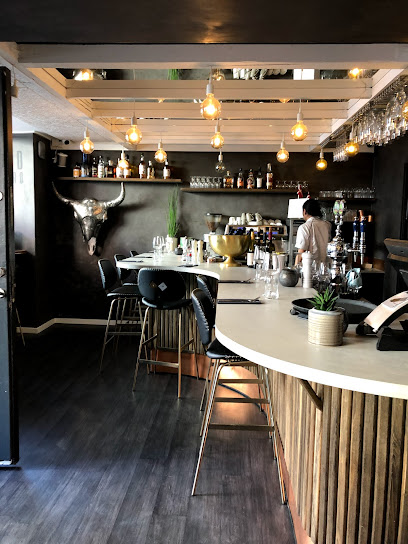
ferment, ramen izakaya
0.3 km
Intimate basement izakaya where fermentation, organic ingredients, and Nordic sensibility transform ramen and bao into deeply satisfying art.
Krebsegaarden
0.3 km
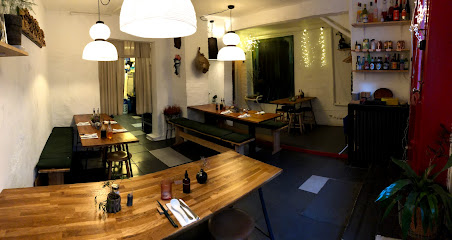
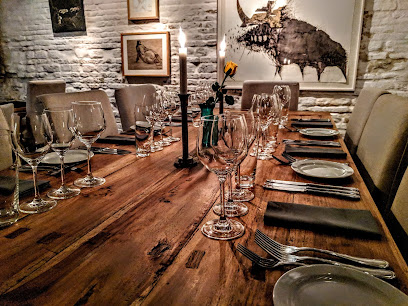
An intimate art-filled townhouse in central Copenhagen where creative tasting menus, warm storytelling service and an epic cheese course turn dinner into an evening-long occasion.
Restaurant Kronborg
0.3 km
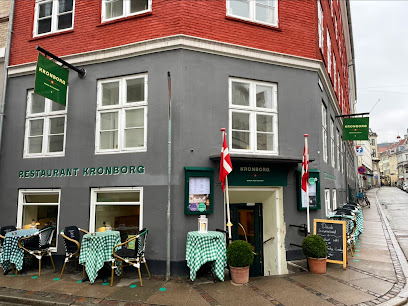
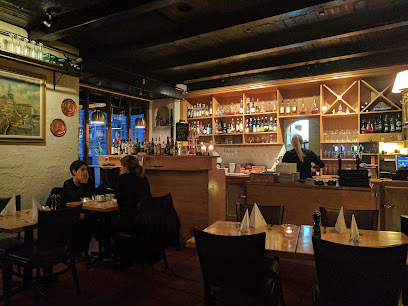
Warm, candlelit hygge in Copenhagen’s old town, where classic Danish smørrebrød, hearty lunches and aquavit bring traditional flavors to a cosy side-street dining room.
Restaurant Karla
0.4 km
Century-old Danish restaurant serving beloved classics and authentic smørrebrød in the heart of Copenhagen, steps from major museums and city attractions.
Vækst
0.4 km
Greenhouse-style Nordic dining in Copenhagen’s Latin Quarter, where seasonal vegetable-focused menus meet warm, softly lit interiors wrapped in lush foliage.
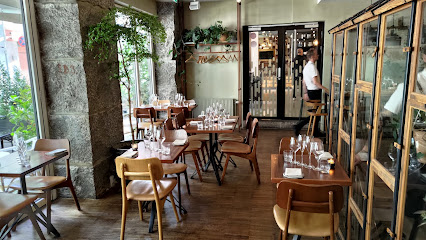
La Baracca Tivoli - Food Hall
0.4 km
Handmade Italian pasta and wine in the heart of Tivoli Food Hall, offering relaxed, counter-service dining steps from Copenhagen Central Station.
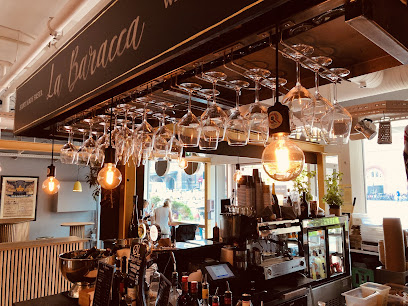
Københavner Cafeen
0.4 km
Traditional Danish comfort food and smørrebrød served in a cozy, low-lit cellar restaurant on a historic Copenhagen side street steeped in hygge.
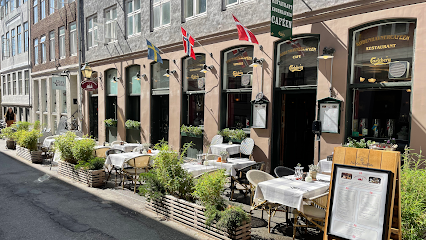
Restaurant 1733
0.4 km
Traditional Danish smørrebrød and hearty classics served in a cosy 18th‑century townhouse on Nybrogade, with canal views and warm, informal hospitality.
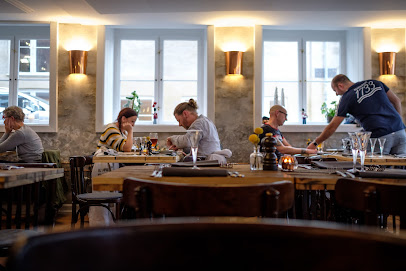
Marv & Ben
0.5 km
Inventive New Nordic tasting menus and Danish culinary artistry await in an atmospheric 18th-century townhouse in Copenhagen’s historic Indre By.
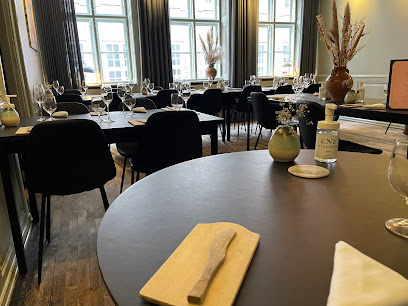
Markets, malls and hidden boutiques

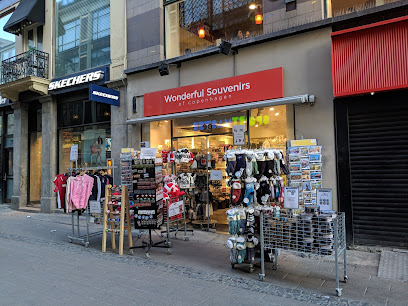
Wonderful Souvenirs
0.1 km
Compact, colourful and central, Wonderful Souvenirs on Frederiksberggade is a one-stop Strøget shop for easy Copenhagen-themed gifts and keepsakes.
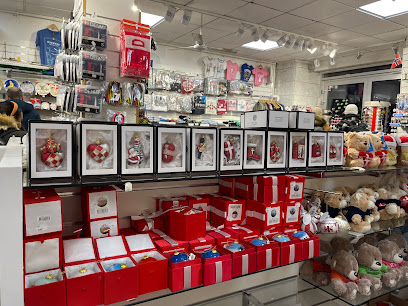
Danish Souvenirs
0.1 km
Central Copenhagen’s one‑stop Strøget shop for Little Mermaid trinkets, Viking keepsakes and easy last‑minute gifts before you say farvel to Denmark.
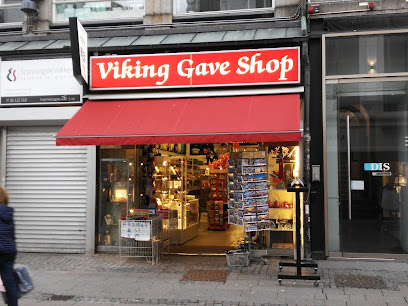
Viking Souvenirs
0.1 km
Lively Strøget souvenir shop packed with Viking‑themed gifts, Danish icons and suitcase‑friendly mementos, ideal for quick last‑minute presents in central Copenhagen.
Souvenir Shop
0.2 km
Compact, convenient and central, this Frederiksberggade souvenir shop on Strøget is a quick one‑stop for classic Copenhagen gifts and mementos.
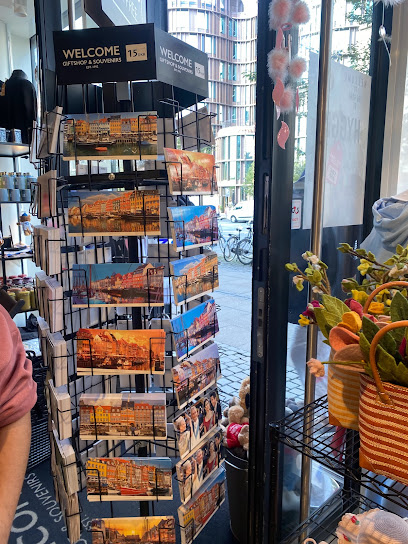
Carmen Copenhagen
0.2 km
Compact vintage treasure trove in Copenhagen’s Latin Quarter, where characterful clothes, curated racks, and cozy atmosphere turn slow browsing into a small adventure.
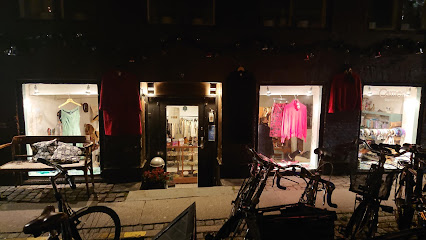
Wasteland
0.3 km
A high-energy vintage hub in Copenhagen’s Latin Quarter, packed with curated 80s, 90s and Y2K streetwear, denim and accessories in a distinctly urban setting.
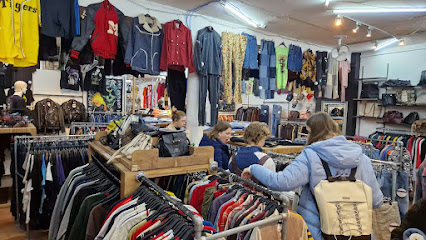
København K
0.3 km
Hidden in a Latin Quarter courtyard, København K is a long-standing Copenhagen vintage shop packed with curated second-hand fashion, denim and quirky homeware finds.
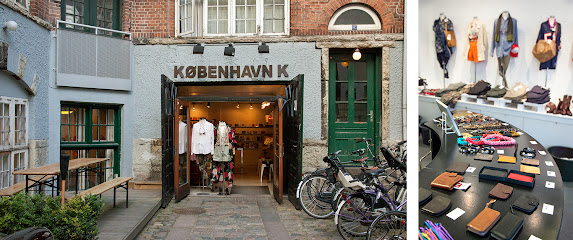
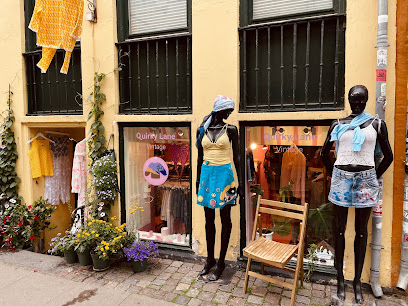
Quirky Lane
0.3 km
Copenhagen's eclectic pink-walled vintage boutique where sustainable fashion meets curated character.
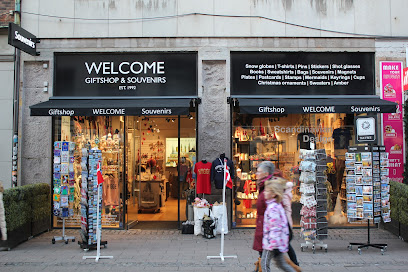
Welcome Giftshop & Souvenirs
0.3 km
Central Copenhagen’s hygge-filled stop for Scandinavian design and classic Danish souvenirs, perfectly placed on Nygade just off Strøget’s busy pedestrian flow.
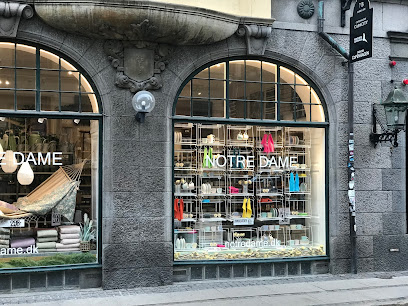
Notre Dame
0.3 km
A cozy Copenhagen interiors institution packed with colorful Nordic homeware, thoughtful design and giftable treasures opposite the Church of Our Lady.
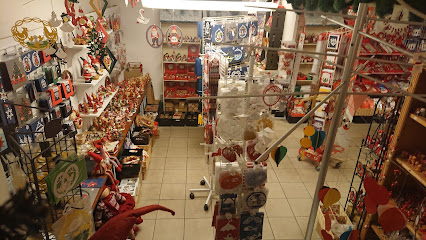
Danish Art & Christmas Shop
0.3 km
A cosy, year‑round Christmas haven in a historic Copenhagen townhouse, filled with Danish‑designed ornaments, paper art and festive hygge moments.
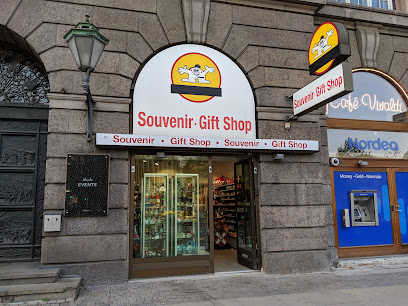
Souvenir Gift Shop
0.4 km
Compact, central and colourful, this Vesterbrogade gift shop is a quick and easy stop for Copenhagen-themed souvenirs between Tivoli, Vesterbro and the Central Station.
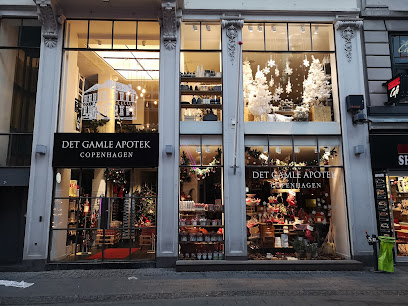
Det Gamle Apotek Copenhagen
0.4 km
Step off bustling Vimmelskaftet into a nostalgic world of Danish Christmas sparkle, romantic décor and gift-worthy treasures at Det Gamle Apotek Copenhagen.
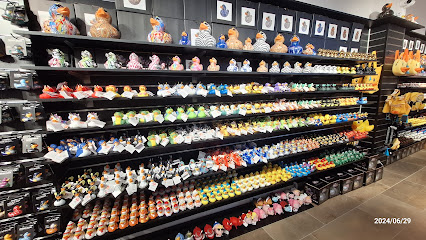
Duck Haven
0.4 km
A tiny, colourful shop in Copenhagen’s old town where hundreds of themed rubber ducks turn souvenir hunting into a playful, photo‑worthy detour.
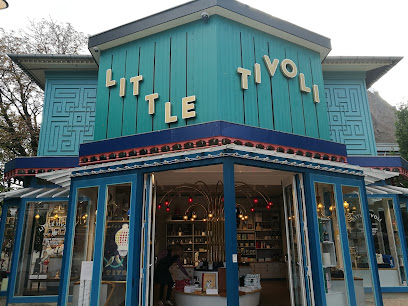
Tivoli Gift Shop
0.4 km
A compact slice of Tivoli Gardens magic just outside the park gates, perfect for picking up Copenhagen souvenirs before or after your visit.
Essential bars & hidden hideouts

Taphouse
0.1 km
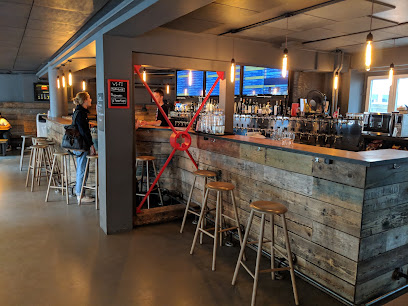
Copenhagen’s modern beer hall, pouring 61 ever‑changing craft taps in a relaxed, Scandinavian setting just steps from the historic city center.
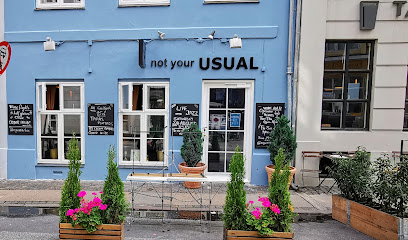
not your USUAL wine bar
0.1 km
Discover wines from the world's forgotten regions in Copenhagen's most unconventional wine bar.
Centralhjørnet
0.1 km
One of Copenhagen’s oldest gay bars, Centralhjørnet is a cosy, festive corner pub where historic LGBTQ+ heritage meets camp décor and easy-going charm.
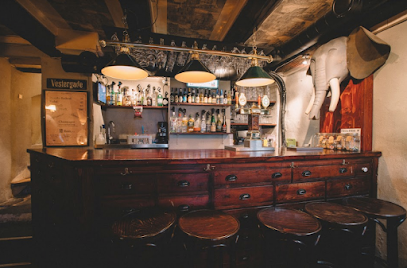
Musen & Elefanten
0.2 km
Smoky, old-school Copenhagen bar and cigar hideaway where classic drinks, worn wood and late-night conversations create a timeless, slightly secret atmosphere.
Southern Cross Pub
0.2 km
Two-floor Copenhagen sports pub pouring affordable pints, wall-to-wall live games, and late-night energy in the heart of the inner city.
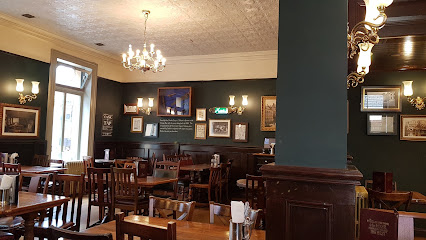
The Scottish Pub
0.2 km
Lively Scottish‑style pub on Copenhagen’s main square, pouring pints and whisky late into the night with music, sports on TV and an easygoing, social crowd.
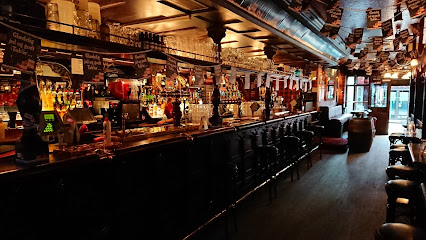
Proud Mary Pub
0.2 km
Loud, lively and central, Proud Mary Pub brings a British-style pub atmosphere, hearty bar food and big beer nights to Copenhagen’s Vesterbrogade.
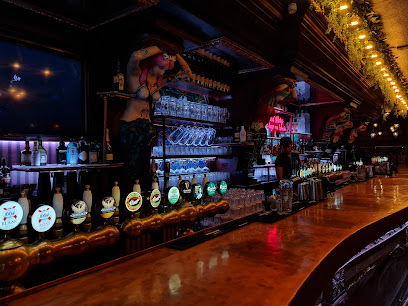
The Rooftop Bar
0.2 km
Compact rooftop oasis atop Hotel Danmark, pairing 360-degree Copenhagen views with cocktails, bubbles and golden-hour sunsets above the city’s historic heart.
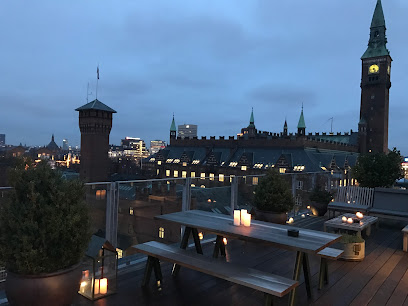
Floss Bar
0.2 km
Copenhagen's legendary dive bar: punk rock heritage, cheap beer, and authentic character until 2 AM.
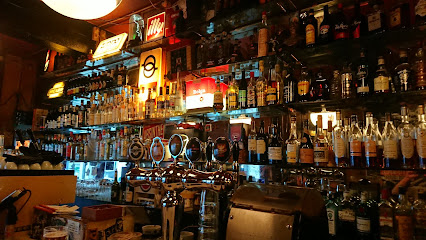
The Storm Inn Copenhagen
0.3 km
Experience the warmth of The Storm Inn in Copenhagen, a cozy pub offering a wide selection of drinks in a welcoming atmosphere.
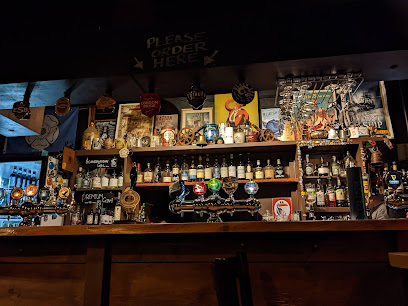
The Shamrock Inn
0.3 km
Experience the lively atmosphere of The Shamrock Inn, Copenhagen's premier Irish pub with live music and sports entertainment.
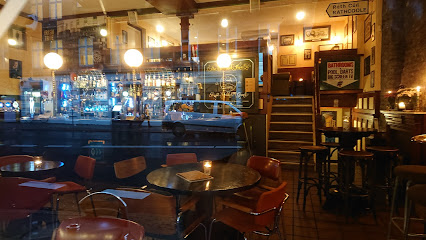
Zefside
0.3 km
Underground cocktail bar by night, pulsing nightclub by dawn—Copenhagen's shape-shifting social hub.
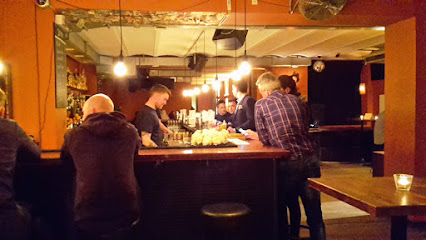
Bar7
0.3 km
Colorful multi-room cocktail lounge in Copenhagen’s old town, mixing bold interiors, inventive drinks and a 21+ late-night crowd over lounge beats and weekend energy.
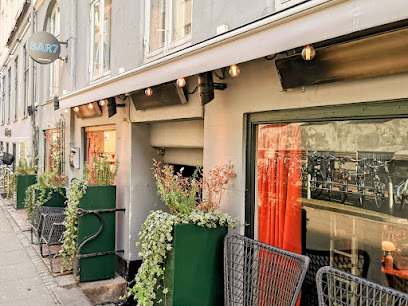
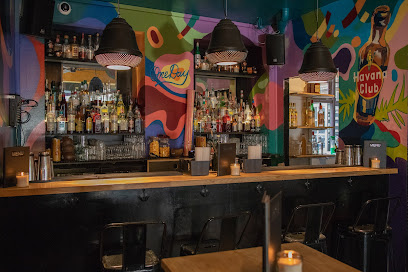
Aloë Cocktail Bar
0.3 km
Award-winning Cuban cocktails and street art vibes in Copenhagen's vibrant Inner City.
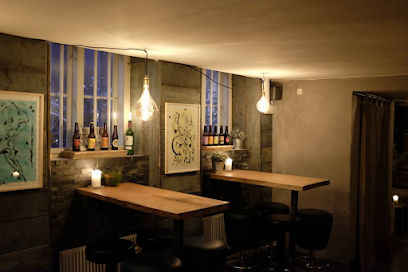
Godt Øl
0.4 km
Cosy basement craft beer bar in Copenhagen’s old town, pouring 12 rotating taps in a low-key, conversation-friendly setting from mid-afternoon until late night.
Nightclubs & after hour spots

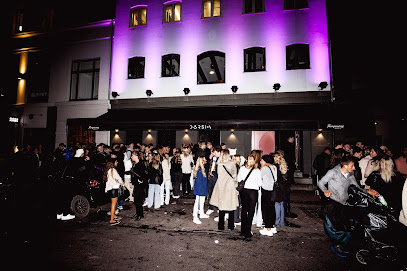
Dorsia
0.2 km
Central Copenhagen nightclub with late‑night DJs, cocktails and an image‑conscious crowd packed into a dark, modern interior off busy Kattesundet.
Club Mambo
0.2 km
Experience the energetic nightlife of Copenhagen at Club Mambo, a vibrant night club offering salsa dancing, cocktails, and delicious dining.
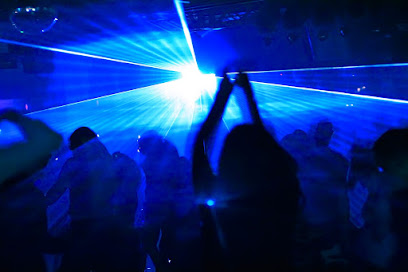
G*A*Y Copenhagen Nightclub
0.2 km
Experience the heart of LGBTQ+ nightlife at G*A*Y Copenhagen Nightclub, where vibrant energy and inclusive atmosphere await every visitor.
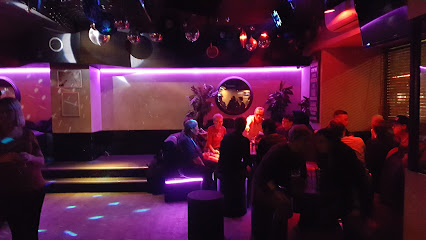
Module
0.2 km
Discover the ultimate nightlife experience at Module Night Club in Copenhagen, where world-class DJs and an electrifying atmosphere await.
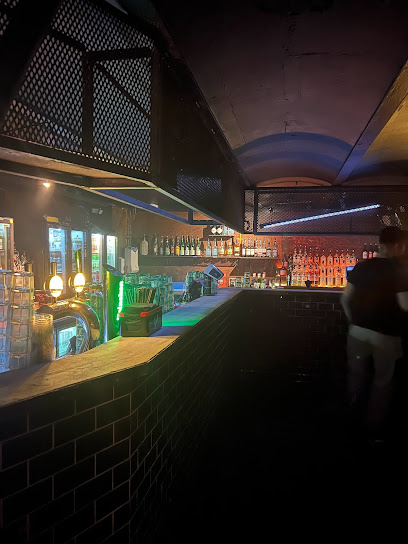
Miami Bar
0.3 km
Discover Copenhagen's nightlife at Miami Bar, where cocktails and dancing create unforgettable nights in a vibrant atmosphere.
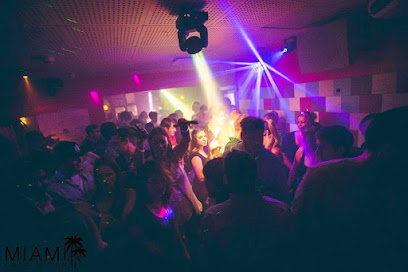
Cosy Bar
0.3 km
Discover the lively atmosphere of Cosy Bar, a top gay nightclub in Copenhagen offering fantastic music, vibrant crowds, and unforgettable nights.
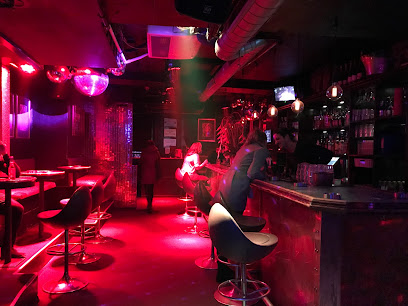
Mirror
0.3 km
Dive into the heart of Copenhagen's nightlife at Mirror, where the rhythm never stops and unforgettable memories are made.
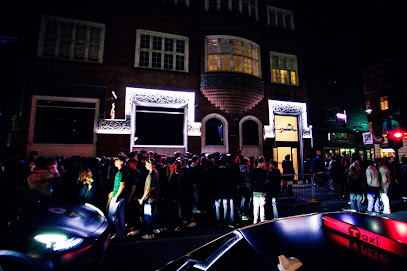
Rumors
0.3 km
Discover the heart of Copenhagen's nightlife at Rumors, where energetic vibes and unforgettable nights await you.
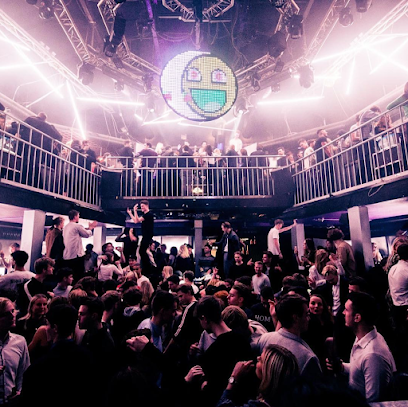
La Terraza
0.3 km
Compact nightclub on Studiestræde in Copenhagen’s old town, offering loud beats, straightforward drinks and an unpretentious late-night dance floor.
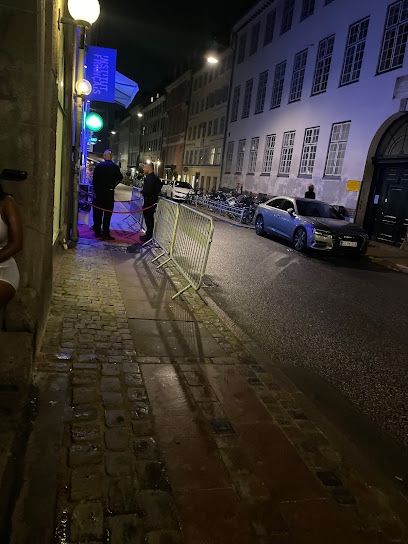
Hive
0.3 km
Copenhagen's premier high-end nightclub with cutting-edge design, VIP service, and immersive themed experiences.
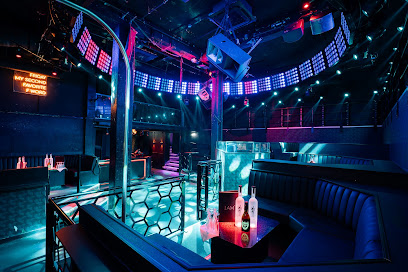
Chateau Motel
0.3 km
Discover the lively nightlife of Copenhagen at Chateau Motel, a top destination for cocktails and dancing in a vibrant atmosphere.
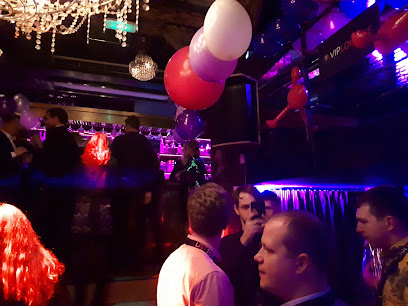
Never Mind
0.4 km
Experience the vibrant nightlife of Copenhagen at Never Mind, where electrifying music meets an eclectic crowd for unforgettable nights.
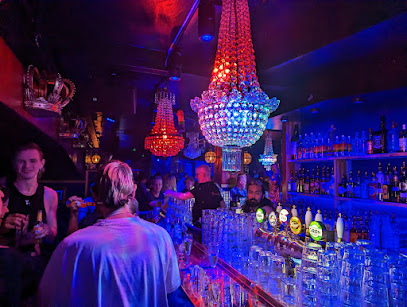
Den Anden Side
0.4 km
Discover the electrifying nightlife of Copenhagen at Den Anden Side, a techno haven for party lovers and night owls.
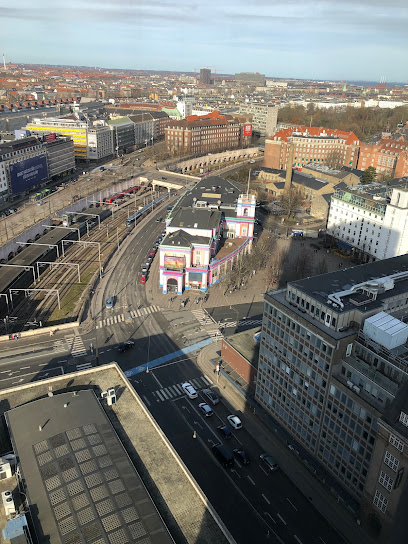
Arch
0.6 km
Discover the vibrant nightlife of Copenhagen at Arch, a premier night club offering electrifying music and an unforgettable atmosphere.
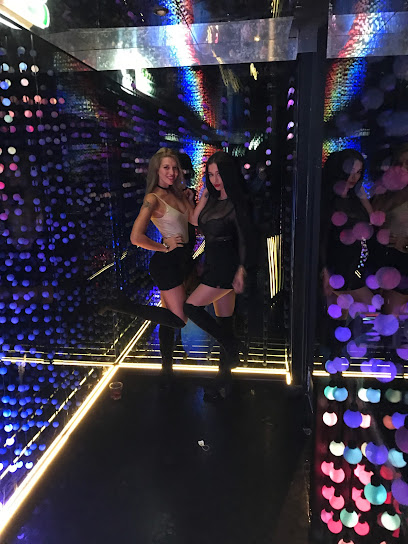
Mirage
0.6 km
Dive into the electrifying nightlife at Mirage, Copenhagen's premier night club for an unforgettable evening of music, dancing, and entertainment.
For the vibe & atmosphere seeker
- Scenic
- Lively
- Unique
- Casual
For the design and aesthetic lover
- Vintage Styles
- Modern Designs
For the architecture buff
- Historic
- Landmarks
- Viewpoints
- Heritage Neighborhoods
For the view chaser and sunset hunter
- Iconic Views
- Skyline
- Sunset Spots
For the social media creator & influencer
- Instagrammable
- Photo Spots
- Selfie Spots
- Architectural Shots
- Reel-Friendly
For the eco-conscious traveler
- Public-Transport Accessible
- Low Impact
For the kind of experience you’re after
- Cultural Heritage
- Photowalk
- Adventure Photo Shoot
- Day Trip
- Roadtrip Stop
For how adventurous you want the journey to be
- Easy Access
Location Audience
- Family Friendly
- Senior Friendly
- Child Friendly
- Teen Friendly
- Solo Friendly
- Couple Friendly
- Solo Female Friendly
- LGBT Friendly
- Business Friendly


