

Abbey Mill Travel Guide
Free Guide: Historic monastery mill turned lakeside retreat, where Denmark’s longest wooden barn, lake views and forest trails meet along the Gudenå River at Mossø.


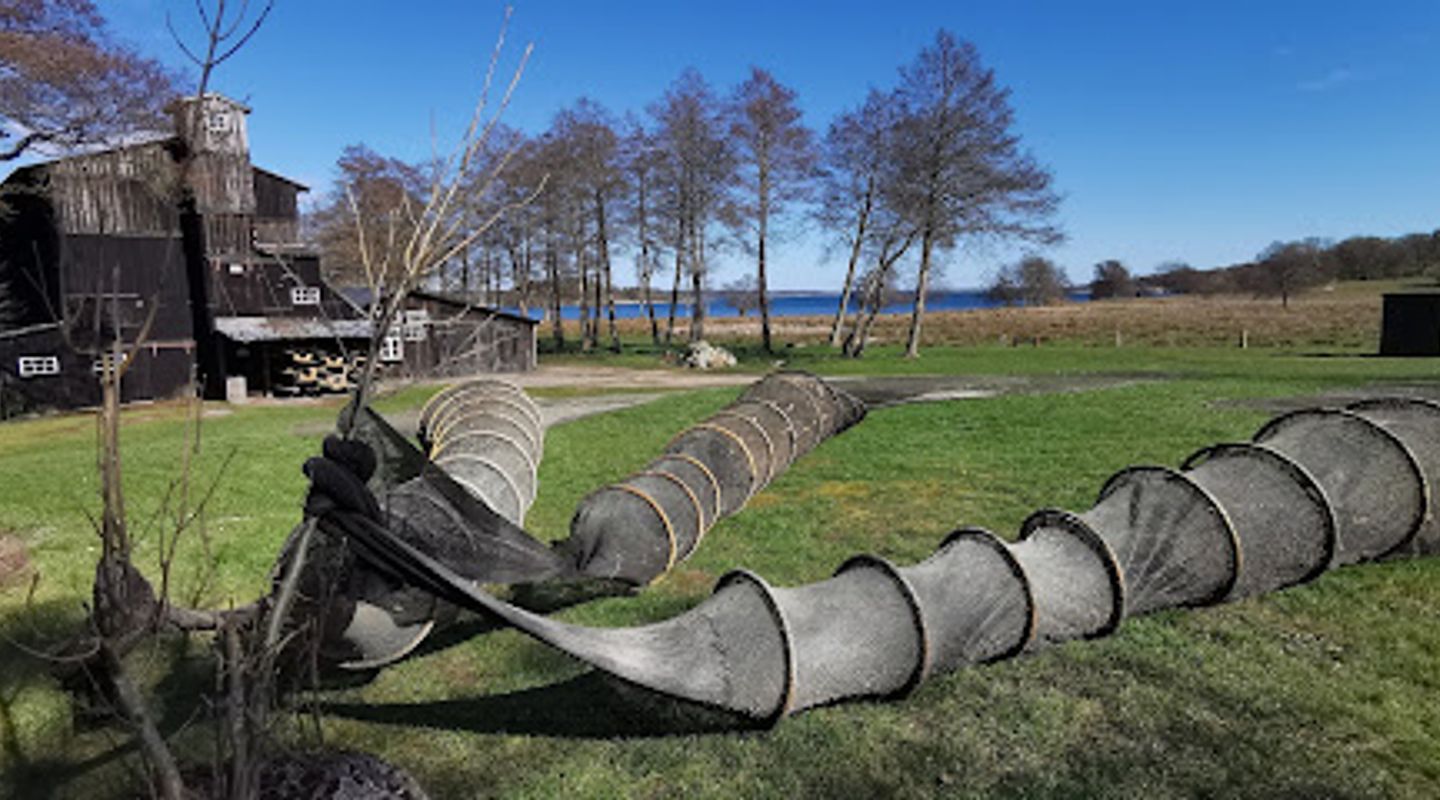
A brief summary of Abbey Mill
Historic monastery mill turned lakeside retreat, where Denmark’s longest wooden barn, lake views and forest trails meet along the Gudenå River at Mossø.
Set on the shores of Lake Mossø by the Gudenå River, Abbey Mill (Klostermølle) is a former Benedictine monastery turned 19th‑century paper mill, now a peaceful nature and heritage site. Wander through Denmark’s longest wooden drying barn, climb the bird tower for sweeping lake views, and follow forest and canal paths that link cultural history with some of East Jutland’s most beautiful landscapes.
On-site amenities
 Restrooms
 Seating areas
 Sheltered areas
 Picnic areas
 Trash bins
 Information boards
Opening hours
- Every dayOpen 24 hours
Opening hours as listed on the venue’s Google Business Profile. Hours can change for services and special events, so check with the venue before you go.
- Address
- Klostermøllevej 48, 8660 Skanderborg
- Phone
- Website
Getting there
Car from Skanderborg
Car or taxi from Ry
Regional bus plus short walk
Cycling from nearby towns
Discover more about Abbey Mill
Water, Woods and Wide Horizons at Klostermølle
Abbey Mill, known locally as Klostermølle, sits where the Gudenå River widens into Lake Mossø, surrounded by low hills, reed beds and mixed woodland. It feels at once intimate and expansive: the low buildings hug the shore while the views stretch across Denmark’s largest lake. The gentle sound of water slipping through the mill canal and the rustle of reeds set a slow, unhurried pace from the moment you arrive.Trails fan out along the old mill race, across meadows and into the forest, giving you easy ways to explore this corner of Mid Jutland on foot. Canoes glide past on the river, birds circle over the wetlands, and in the distance you can pick out the rise of Sukkertoppen, one of the area’s most beloved viewpoints.
From Medieval Monks to Industrial Paper Mill
In the Middle Ages this was the site of a Benedictine monastery connected to nearby Voer Abbey, chosen for its water, fertile land and relative seclusion. Very little of the monastery survives above ground, but the layout of the site still reflects its monastic past: a cluster of buildings by the water, open land beyond, and the ever‑present sound of the river.After the Reformation the religious community disappeared and the water power became an economic asset. In the late 19th century the site was transformed into a paper and cardboard factory. For a century, timber and rags were pulped here, pressed into sheets and dried in the long wooden barn that still dominates the complex. Production only ceased in the 1970s after a major fire, and the state later stepped in to preserve the buildings for recreation and cultural history.
Denmark’s Longest Wooden Drying Barn
The most striking structure at Abbey Mill is the former drying shed, a 100‑metre‑long timber building that is considered Denmark’s longest wooden house. Inside, you can still see the rails, hatches and hanging frames where sheets of cardboard once dried in the draft. Walking its full length gives a strong sense of the scale of the old factory, even though the machinery has gone.At the northern end a bird observation tower has been integrated into the building. Climb the stairs and you emerge above the reed beds of Klosterkær with a broad view over Lake Mossø. In clear weather you can trace the curve of the shoreline, watch grebes and ducks on the water, and see canoes tracing the old transport routes that once carried goods to and from the mill.
Paths, Picnic Spots and Canoe Crossroads
Outside, grassy banks and simple picnic tables invite you to linger. A 1.3‑kilometre canal path follows the mill race, ideal for a short stroll with constant views of moving water. The wide shore of Mossø is only a few steps away, where you can sit close to the lake, skim stones or simply watch the light change across the surface.This is also an important node for canoeing on the Gudenå. Rental trips from both north and south often use Abbey Mill as a change‑over or pick‑up point, so on summer days you may see a steady procession of boats being carried around the dam or launched toward Ry and Silkeborg. The combination of gentle activity on the water and the quiet of the surrounding woods gives the place a calm but never deserted feel.
Gateway to Sukkertoppen and the Hills Around Mossø
For those who want a short but rewarding climb, paths from the mill lead up to Sukkertoppen, a steep hill whose summit stands more than a hundred metres above sea level. The ascent is brief but brisk, and from the top you look back over Mossø, Salten Langsø and the patchwork of forests and fields that define this part of Jutland. It makes Abbey Mill an excellent starting point for half‑day walks that combine lake shore, woodland and open viewpoints.Interpretive boards around the buildings explain the site’s layered history in both Danish and other languages, making it easy to understand how monastery, mill and modern nature destination connect. Whether you come for a picnic, a paddle, a walk or simply an hour of lakeside quiet, Abbey Mill offers a rare blend of cultural depth and everyday, accessible landscape.
Evendo Review Centre
 Google
Guest reviews
Best time to go
Quietest: Jan, Feb & Mar · before 7am or from 9pm
Busy times are Evendo estimates for a typical year, to help you plan. Actual crowds vary with events, school holidays and the weather.
Explore Abbey Mill on the map
A handpicked selection of must-see spots near Abbey Mill, mapped for you.
Get your free copy of our complete guide to Abbey Mill, delivered straight to you.
Everything on this page, from opening hours and how to get there to Eve’s tips and the best time to go, in one PDF you can read offline, print or share.
Already have an account? Sign in
Your Abbey Mill guide is ready.
We'll send it to · Not you? Sign out

Getting your guide ready…
We are putting together a fresh copy of the Abbey Mill guide. This can take up to a minute.
This can take a few moments. If your browser asks, choose Allow so the download can start. You'll find the guide in your Downloads folder.
Nothing happened? Download it again
Sorry, the guide is taking longer than usual. Please try again in a minute, or get it by email instead.
Other nearby places you may find interesting
The closest places of the same kind, if this one is not quite what you had in mind.
-
Tidselkorridoren A winding botanical art corridor celebrating Samsø's wildflowers and native plants.
-
Vesborg Fyr Historic lighthouse on Samsø’s southwestern tip, blending medieval ramparts, sweeping sea views and classic Danish coastal atmosphere in one compact headland.
-
Falkecenter Samsø ApS High‑speed falcons, soaring eagles and silent owls in a one‑hour open‑air show that brings the ancient art of falconry to life on the island of Samsø.
-
Ballebjerg Samsø’s highest hill, crowned by a 1920 watchtower and wrapped in wide Kattegat horizons, offering simple, far-reaching views over fields, sea and islands.
-
Samsø Labyrinten Lose yourself in the world’s largest labyrinth, where quiz questions guide you through 5.5 km of leafy paths, hidden goals, play areas and tranquil island nature.
Swipe for more places
More to explore near Abbey Mill

 Best experiences near Abbey Mill
 Best hotels near Abbey Mill
 Best landmarks near Abbey Mill
 Best attractions near Abbey Mill
 Best shops near Abbey Mill
 Best restaurants near Abbey Mill
 Best bars near Abbey Mill
Do you manage this location?
Take control to get all the benefits, like improved information, better appearance, and stronger visibility across AI-powered discovery.
Explore more
Explore more of Samsø
Samsø: Explore Denmark's eco-friendly island, rich in natural beauty, culinary delights, and cultural heritage.
Explore Samsø
Explore more of Denmark
Discover Denmark: A perfect blend of history, modern design, and the cozy concept of hygge. Explore vibrant cities, serene landscapes, and world-class cuisine.
Explore Denmark
