
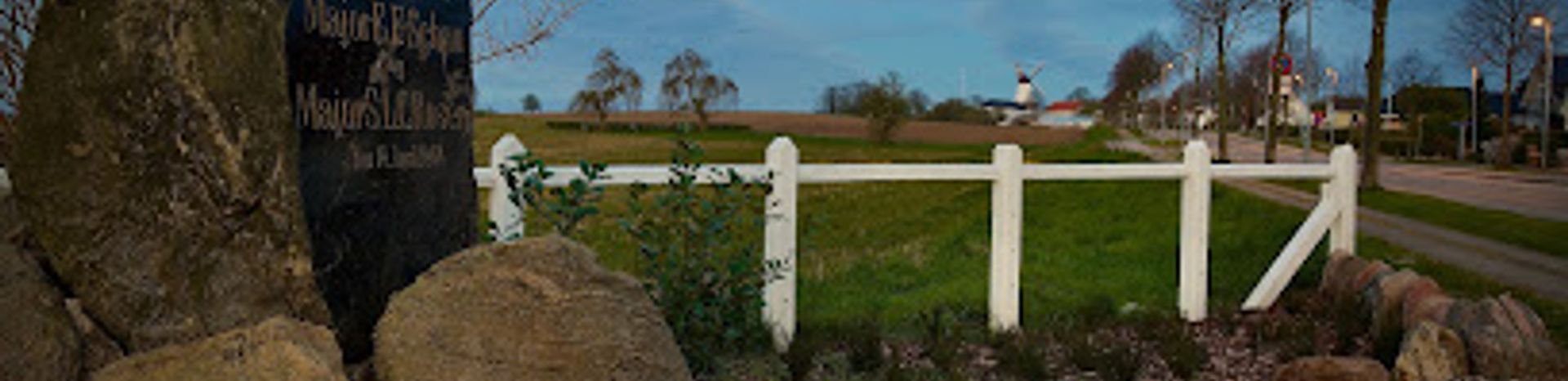
Memorial Stone for du Plat, Schau and Rosen
A modest stone on a Sønderborg side street commemorating three resistance fighters, offering a brief but powerful pause for reflection on Denmark’s wartime past.
Set quietly along Dybbølgade in Sønderborg, the Memorial Stone for du Plat, Schau and Rosen is a small but poignant marker of Denmark’s wartime past. This modest stone in a pocket of greenery commemorates three resistance fighters executed in the final phase of the Second World War. Surrounded by residential streets and everyday life, it offers a brief yet powerful moment of reflection on courage, loss, and the local cost of occupation in Southern Jutland.
A brief summary to Memorial Stone for du Plat, Schau and Rosen
- Dybbølgade 74, Sønderborg, 6400, DK
- Duration: 0.25 to 0.5 hours
- Free
-
 Outdoor
- Mobile reception: 5 out of 5
- Monday 12 am-12 am
- Tuesday 12 am-12 am
- Wednesday 12 am-12 am
- Thursday 12 am-12 am
- Friday 12 am-12 am
- Saturday 12 am-12 am
- Sunday 12 am-12 am
Local tips
- Combine a short stop at the memorial with a visit to Dybbøl Banke or Sønderborg Castle to place the story of du Plat, Schau and Rosen in the wider context of local conflicts.
- Visit in daylight so the inscription is easy to read and you can fully appreciate the contrast between the quiet stone and the everyday life around it.
- Bring a small notebook if you like to reflect in writing; this is a contemplative spot where many visitors spend a few quiet minutes in thought.

For the on-the-go comforts that matter to you
- Seating Areas
- Trash Bins
- Information Boards
Getting There
-
Local bus from central Sønderborg
From central Sønderborg, use the local city buses that serve Dybbølgade and the surrounding residential area; journeys typically take 5–15 minutes depending on the route and traffic. A single adult ticket within the town area usually costs about 20–30 DKK and can be purchased on board or via local transport apps. Buses run more frequently on weekdays than in the late evening or on Sundays, so check current timetables in advance.
-
Walking from Sønderborg town centre
From the central shopping streets or the harbourfront, reaching Dybbølgade on foot generally takes around 15–30 minutes, depending on your starting point and pace. The route follows paved urban pavements with gentle gradients, suitable for most visitors including those with strollers, though some older kerbs and occasional uneven surfaces may be present. This option is free and allows you to link the memorial with other historical points around town on a relaxed urban stroll.
-
Taxi within Sønderborg
A taxi ride from central Sønderborg to Dybbølgade usually takes 5–10 minutes in normal traffic. Fares within the town area commonly fall in the range of 80–150 DKK, depending on time of day, distance and waiting time. Taxis provide a convenient option if you have limited mobility, are travelling in a small group, or wish to visit the memorial as a brief stop between other sights.
Memorial Stone for du Plat, Schau and Rosen location weather suitability
-
 Any Weather
-
 Mild Temperatures
-
 Cold Weather
-
 Hot Weather
Discover more about Memorial Stone for du Plat, Schau and Rosen
A quiet corner of Sønderborg with a heavy story
Tucked beside the everyday rhythm of Dybbølgade, this unobtrusive memorial stone marks a decisive and tragic moment in Sønderborg’s history. The stone stands in a small landscaped setting – part verge, part pocket park – where the traffic hum never quite drowns out a sense of solemnity. There are no grand gates or sweeping lawns, just a simple monument and a few touches of planting that set it apart from the surrounding houses. The memorial commemorates du Plat, Schau and Rosen, three members of the Danish resistance who were executed here during the German occupation in the final years of the Second World War. Their names are inscribed in stone at the very place where their lives ended, anchoring national history in a precise, local point on the map.Resistance and remembrance in Southern Jutland
Southern Jutland has long been a frontier region, shaped by shifting borders and conflicts, from the 1864 war at nearby Dybbøl Banke to the turmoil of the 20th century. This memorial belongs to that broader landscape of remembrance, but it focuses tightly on the clandestine struggle of ordinary citizens who chose to resist occupation. The stone hints at covert meetings, coded messages and underground networks that once threaded discreetly through these quiet streets. Unlike larger museums and battlefields in the area, this site tells its story through absence as much as presence. There are no uniforms, weapons or reconstructed trenches here – only names and dates. Standing in front of the monument, you trace the carved letters and imagine the moment when a small group of men, now reduced to three surnames, faced a firing squad for acts they believed might change their country’s future.A brief stop with room for reflection
Visiting the memorial is usually a short experience. Many people pause here on a walk around Sønderborg or on the way to larger historical sites like Dybbøl Banke, using the stone as a quiet counterpoint to more elaborate exhibitions. The location is fully open-air and unfenced, so you can approach at any time, step onto the paved or gravelled edge, and stand within arm’s reach of the inscription. The setting is informal rather than park-like: a few trees or shrubs, a strip of grass, perhaps a nearby bench or low wall to sit on while you gather your thoughts. The openness makes the site accessible, but it also underlines how exposed the men themselves were when they met their fate here. In a matter of minutes, the visit typically shifts from simple curiosity to a more personal contemplation of risk, sacrifice and moral choices under pressure.Reading the stone and the surroundings
Take a moment to look carefully at the stone’s design. Danish memorials of this period often favour rough-hewn blocks with crisp lettering, avoiding overt heroics in favour of restrained dignity. The stone’s surface and typography mirror that tradition. Any plaque or inscription present usually provides just enough information to identify the men and the occasion, leaving the deeper story to be explored later at local museums or history centres in Sønderborg. Around you, the ordinary townscape – pavements, bicycles, gardens and apartment blocks – creates a striking contrast with the drama once played out here. That contrast is part of the memorial’s power: it reminds you that history is not confined to castles and museums, but also lives on in residential streets, backyards and the small urban spaces you might otherwise walk past without a second glance.Linking a single site to a larger narrative
Although modest in scale, the Memorial Stone for du Plat, Schau and Rosen fits into a wider network of remembrance across Sønderborg and the island of Als. Nearby, larger institutions explore the region’s military history and shifting borders in depth, while other small plaques and stones dot the town, each anchored to specific individuals and events. Taken together, they form a patchwork narrative of resistance, occupation and national identity. Even if you only spend a short time here, the stone can serve as a starting point. After your visit, you may find yourself noticing other, similar markers around the town, each quietly expanding your understanding of how global conflicts leave their mark on a single street. In that sense, this unassuming memorial is less an endpoint than a doorway into Sønderborg’s layered and sometimes painful past.Iconic landmarks you can’t miss

Mindesten for Røde Kors
0.9 km
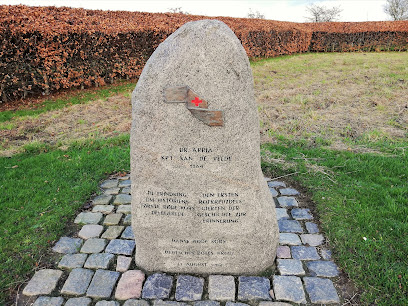
A quiet memorial to the world's first Red Cross observers amid Denmark's most historic battlefield.
King's Redoubt
1.1 km
A preserved 1864 military fortress symbolizing Danish resilience and regional heritage.

Tysk skanse X
1.1 km
Stille jordvolde på Dybbøl Banke, hvor en tysk skanse fortæller om tiden efter 1864 og fæstningsringen, der engang omklamrede Sønderborg.
Iskonditoriet
1.2 km
Byparkens Legeplads in Roskilde fuses creative play equipment and green park scenery for a free, family-friendly experience in the heart of the historic Danish city.
Windmill
1.3 km
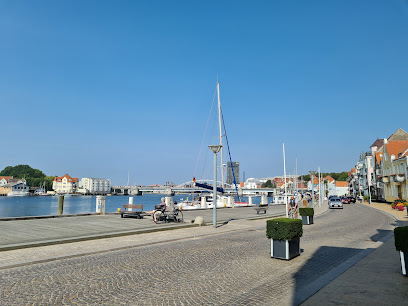
Denmark's iconic windmill and national symbol of resilience, rebuilt after war and transformed into a living museum of history.
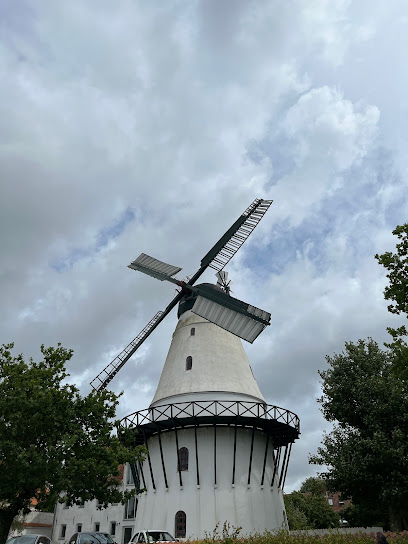
Papirgalleriet v/Gitte Kristjansen
1.4 km
A vibrant family-friendly playground in central Roskilde, Byparkens Legeplads offers open-air fun, creativity, and relaxation in the heart of the city’s beloved Byparken.
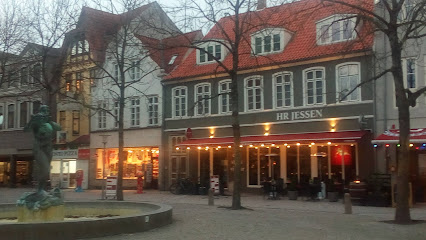
Genforeningsmærke på Dybbøl Skanse II
1.4 km
Memorial marker honoring Danish reunification and the 1864 battle's fallen defenders on a historic fortification site.
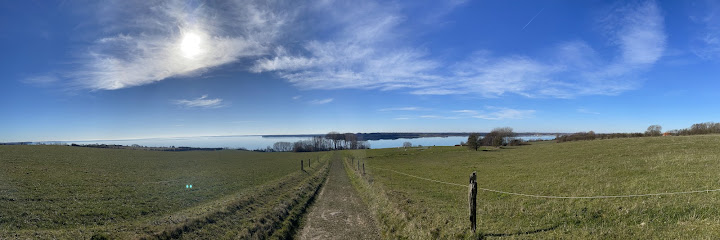
Memory stone
1.4 km
A modest monument on Sønderborg’s town-hall square, the Memory Stone offers a quiet pause for reflection amid the everyday bustle of this historic border town.
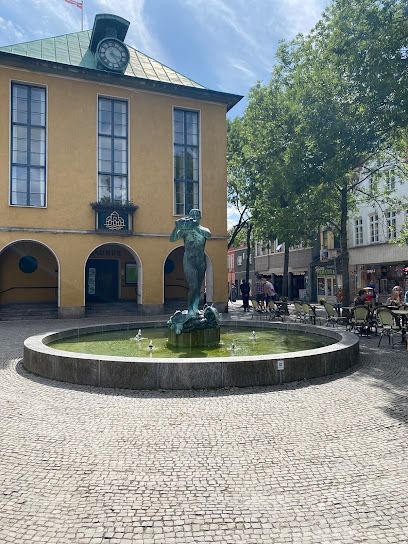
Sønderborg Kommunale Kommandocentral
1.8 km
Hidden beneath Kongevej lies Sønderborg’s former Cold War nerve center, an underground command bunker built to keep the city running in times of crisis.
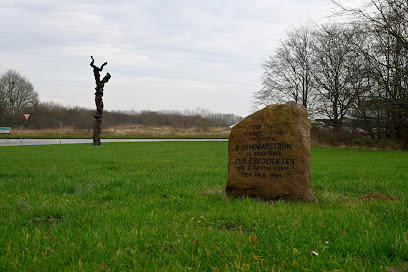
Mindesten for korporal Hammerström og konstabel Frederiksen
2.2 km
A modest stone on Sønderborg’s former shooting range honouring two fallen wartime servicemen, inviting a brief but powerful pause for remembrance and reflection.
Gedenkstein für hingerichtete Widerstandskämpfer
2.7 km
Discreet harborfront memorial in Sønderborg honoring eleven young German sailors executed for mutiny in 1945, inviting quiet reflection on conscience and war.
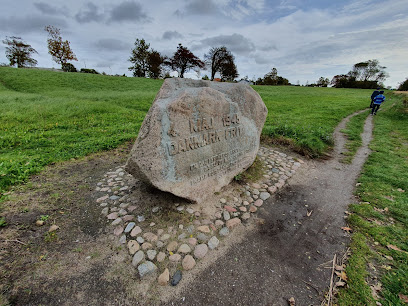
Befrielsessten i Vester Sottrup
5.9 km
A quiet stone marking Denmark's liberation and Vester Sottrup's wartime legacy.
Foundation country Schäferhaus
29.5 km
Explore the serene beauty of Foundation country Schaeferhaus, a nature preserve in Flensburg, perfect for relaxation, education, and wildlife observation.
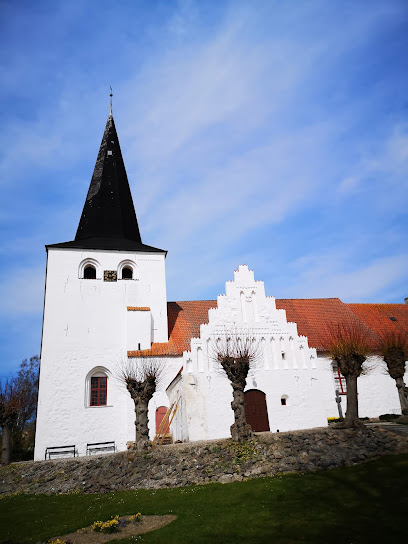
Bregninge Kirke
34.7 km
Medieval island church on a gentle Ærø hillside, where whitewashed stone, quiet fields and seafaring stories meet in a calm, contemplative setting.
Forladt skorsten
35.5 km
A haunting brick ruin marking Ærø's vanished industrial era, standing silent on the island's edge.
Unmissable attractions to see

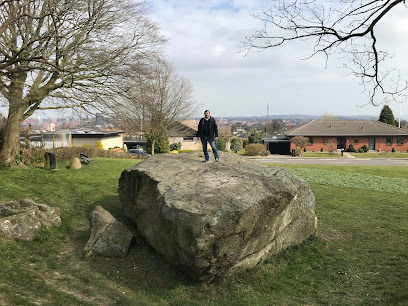
Dybbølstenen
0.5 km
A solitary Ice Age boulder resting in the fields near Dybbøl Banke, Dybbølstenen quietly links deep geological time with South Jutland’s historic landscape.
Dybbøl Mill
0.7 km
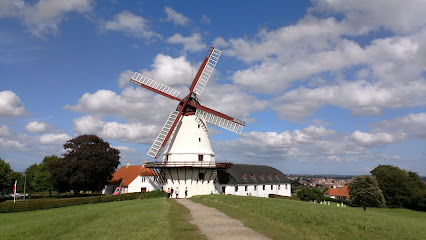
Historic Dybbøl Mill: a powerful symbol atop Sønderborg’s battlefield landscape, blending dramatic heritage, immersive exhibitions, and unforgettable views over southern Denmark.
Mindesten for løjtnant A.P.Dorscheus
0.9 km
A modest roadside memorial stone in Sønderborg, honouring a fallen 19th‑century officer and quietly anchoring the turbulent history of the Schleswig wars in the everyday landscape.
Historiecenter Dybbøl Banke
0.9 km
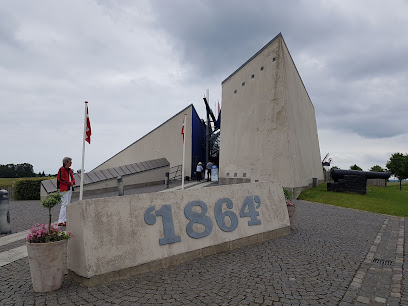
Step onto the ridge where Denmark’s fate was decided in 1864, with immersive battle films, reconstructed trenches and a living soldiers’ camp on historic Dybbøl Banke.
Mindesten for Løjtnant Rothenborg Muus
0.9 km
Mølleparken in Sønderborg offers green open spaces, shaded paths, and playgrounds—the perfect urban escape for families, picnickers, and those seeking serenity.
Dybbøl Strand
0.9 km
A peaceful Danish strand where sandy shores meet centuries of history and heritage.
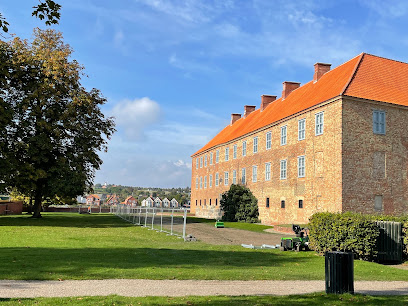
Sønderborg Castle
1.1 km
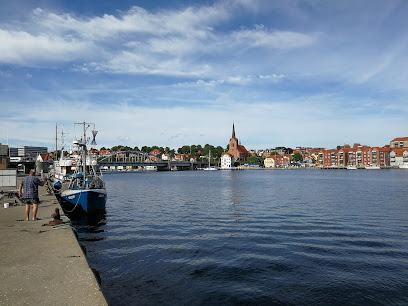
Centuries of royal drama, borderland wars and Southern Jutland stories unfold inside this waterfront fortress‑turned‑museum on the Alssund.
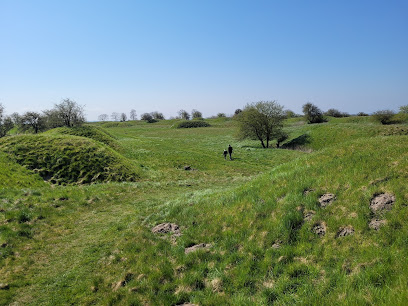
Genforeningstavle på Dybbøl tysk skanse X
1.1 km
A modest reunification plaque on Dybbøl’s former German Redoubt X, linking the 1864 battlefield to the peaceful border changes of 1920 in a quiet, open landscape.
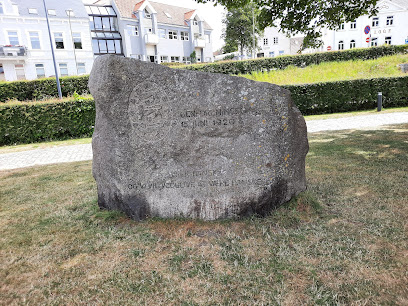
Genforeningssten i Sønderborg
1.2 km
A monumental tribute to Denmark's 1920 reunification, nestled near historic Sønderborg Castle.
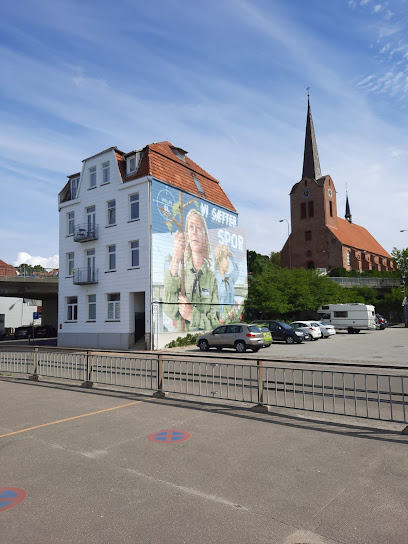
Vægmalerierne på Nørre Havnegade
1.2 km
Colorful gable murals on Sønderborg’s harborfront, where evolving large-scale artworks turn an everyday building into a vivid portrait of local life and heritage.
Visselulles Have
1.2 km
Small in size but rich in stories, Visselulles Have is a tranquil memorial garden that honours Sønderborg’s legendary female dockworker in her old neighbourhood.
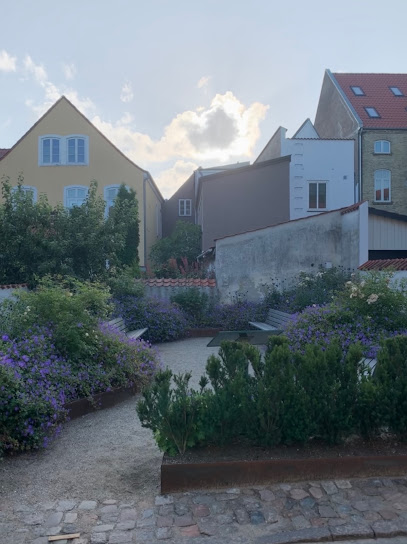
Fællesgravene på Toppen af Dybbøl Banke
1.2 km
A modest field of shared graves crowns Dybbøl Banke, where simple stones, open sky and rolling hills commemorate the fallen of Denmark’s fateful 1864 battlefield.
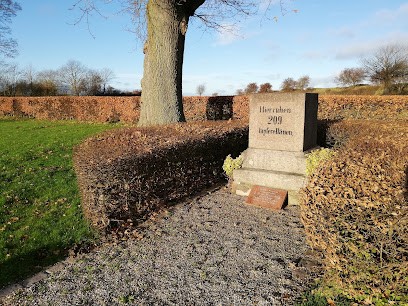
Hønekilden
1.2 km
A tiny harbor-side spring where pure water, royal engineering and whispering legends blur into a tranquil urban nook of art and history.
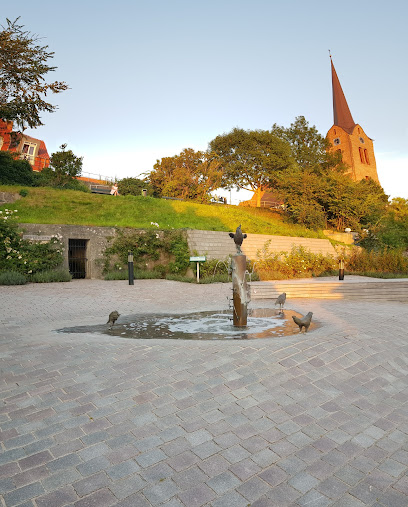
Spanske trappe
1.2 km
A once-grey stairway turned into a colourful nature mural, the Spanske Trappe is Sønderborg’s playful urban shortcut and small-scale landmark between two city streets.
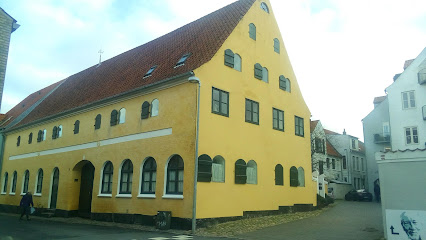
Historiske Vandringer – På sporet af 1. verdenskrig
1.3 km
A quiet harbour walk in Sønderborg that traces the invisible footprints of World War I through barracks, memorials and everyday streets in a former borderland town.
Essential places to dine

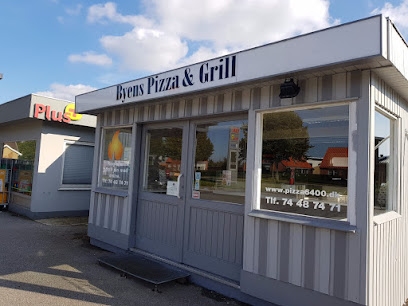
Byens Pizza & Grill Dybbøl - Sønderborg
0.3 km
Experience the best pizza, barbecue, and burgers in Sønderborg at Byens Pizza & Grill Dybbøl – where flavor meets comfort!
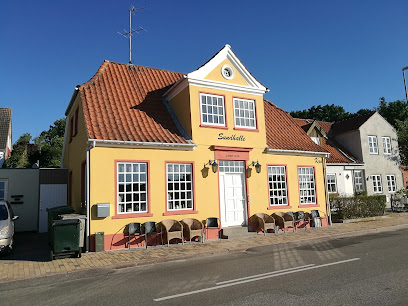
Restaurant Sundhalle V/Eva Iversen
0.9 km
Relaxed harborfront restaurant in Sønderborg serving hearty Danish comfort food and pub classics in a cozy, down-to-earth bar atmosphere by the water.
Restaurant Alsik
1.2 km
Contemporary waterfront restaurant in the Alsik Hotel, blending South Jutland ingredients with classic European flavours in a stylish, relaxed setting.
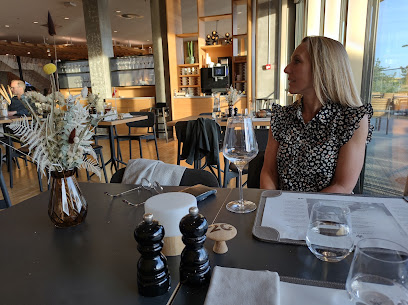
Syttende
1.2 km
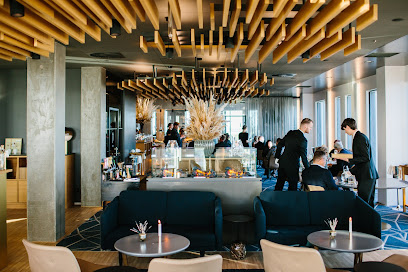
Michelin-starred sky dining on the 17th floor of Alsik, where New Nordic cuisine meets sweeping waterfront views over Sønderborg and Alssund.
Promenaden - Is med udsigt
1.2 km
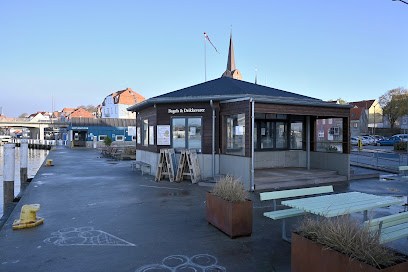
Casual harbourfront ice cream and hot dogs with wide-open views towards Sønderborg Castle, outdoor seating only and a playful, family-friendly seaside atmosphere.
Bistro Grand Mère
1.2 km
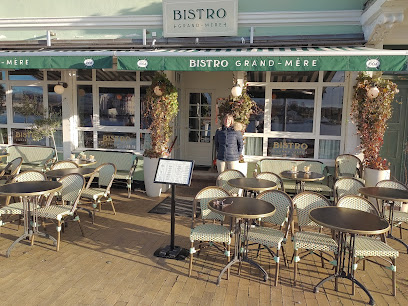
Harborfront French bistro in Sønderborg, blending classic Gallic comfort dishes, thoughtful wines and a cozy green-paneled setting with views of the lively marina.
Torve-Hallen
1.2 km
Eclectic waterfront restaurant in Sønderborg pairing Italian-inspired comfort food, creative interiors and harbour views from morning coffee to late-night dinners.
Restaurant Colosseum
1.2 km
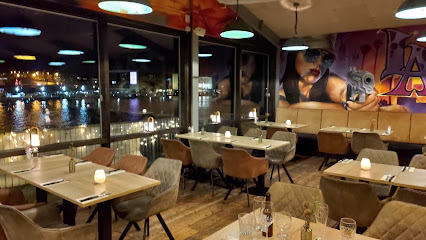
Harbourfront Danish comfort food in a cosy, family-friendly setting with views over Sønderborg’s waterfront and a welcoming slice of Southern Jutland hygge.
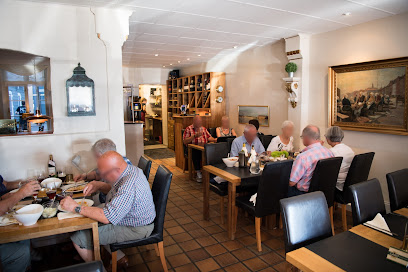
Grey Ghost ApS
1.2 km
Candlelit Danish brasserie in Sønderborg’s old town, blending hygge, seasonal cooking and carefully chosen wines in a warm, intimate setting.
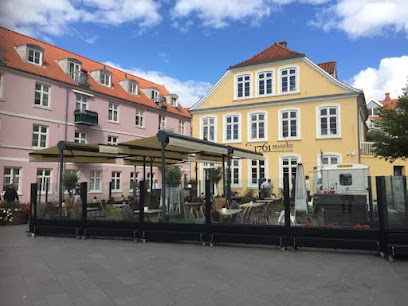
Karikatur Restaurant og Bar i Sønderborg
1.2 km
Modern Nordic plates and inventive cocktails come together in a clean-lined, harbor-close restaurant that anchors Sønderborg’s contemporary dining scene.
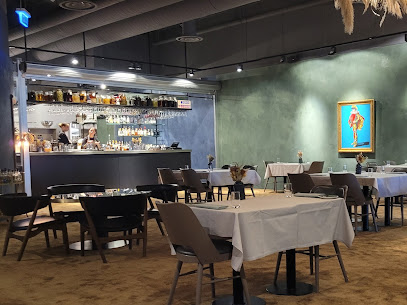
Curry Leaves
1.2 km
Authentic Indian flavors and attentive service in the heart of Sønderborg
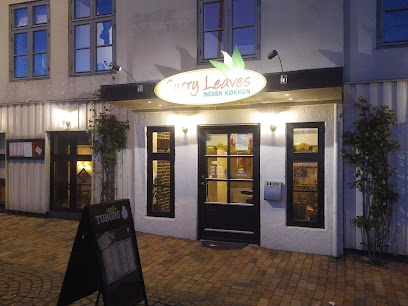
Biehl
1.3 km
Honest Danish comfort food in the heart of Sønderborg's main street.
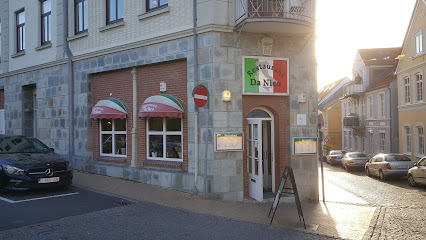
Restaurant Da Nico
1.3 km
Authentic Italian brick-oven pizza and homemade pasta in the heart of Sønderborg.
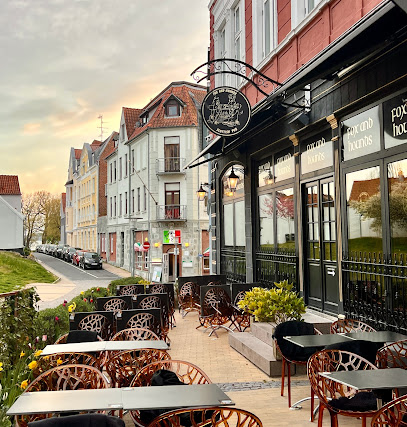
Fox And Hounds
1.3 km
Scottish-style gastropub in central Sønderborg, pairing hearty ribs, burgers and steaks with an expansive beer and whisky selection in a warm, wood-paneled setting.
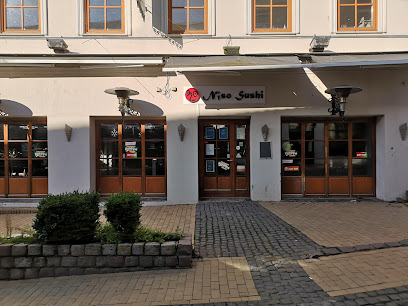
Niso Sushi ApS
1.3 km
Lively running-sushi and Vietnamese restaurant in the heart of Sønderborg, serving endless plates of sushi and Asian bites in a relaxed, central setting.
Markets, malls and hidden boutiques

Mr Klausen Herre-og Drengetøj
1.4 km
Classic Danish mens- and boyswear on Sønderborg’s Perlegade, blending everyday essentials, occasion outfits and local Ringridning traditions in one friendly shop.
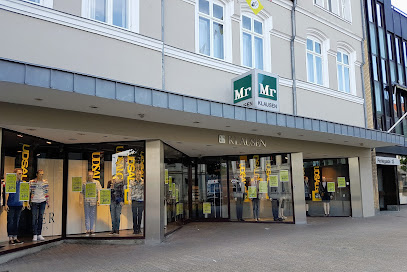
Twizt Fashion
1.4 km
Compact Danish fashion and lingerie boutique on Sønderborg’s main pedestrian street, combining everyday practicality with relaxed, personal service.
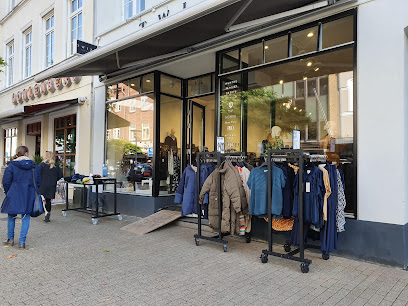
Jim P.
1.5 km
Curated fashion for discerning shoppers seeking distinctive style beyond the mainstream.
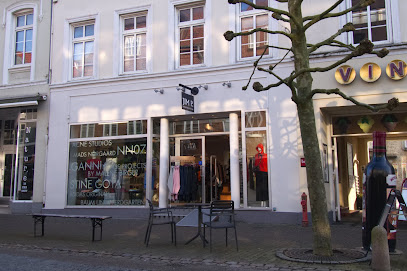
Viller
1.5 km
Independent women’s fashion boutique on Sønderborg’s main pedestrian street, blending Scandinavian style, curated brands and personal, one-to-one service.
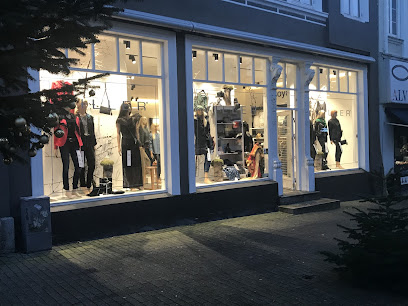
Kop & Kande
1.5 km
Welcoming Danish homeware and gift shop on Sønderborg’s main street, stocked with practical kitchen essentials, stylish tableware and thoughtful presents.
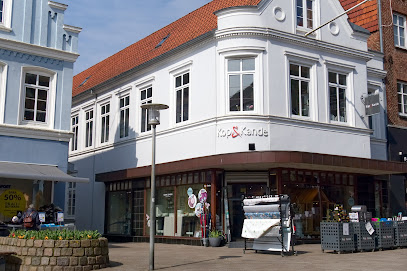
Tøjeksperten
1.5 km
Denmark's largest menswear chain brings premium brands and accessible style to central Sønderborg.
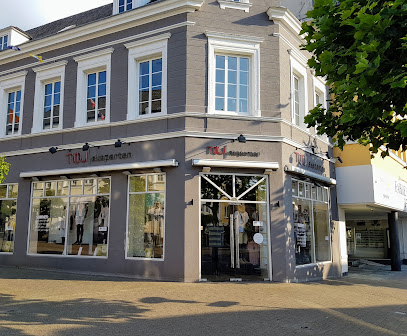
Juhl Bolighus A / S
1.5 km
A vast Danish design furniture house in Sønderborg’s historic center, blending showroom and museum to showcase timeless craftsmanship and iconic interiors.
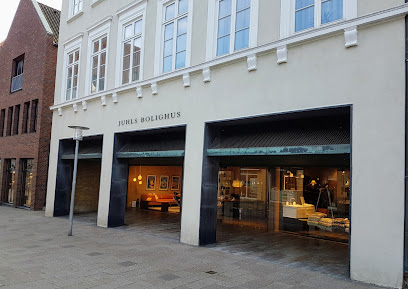
Gundtoft Sønderborg
1.5 km
Classic women's fashion since 1957, nestled on Sønderborg's charming pedestrian street.
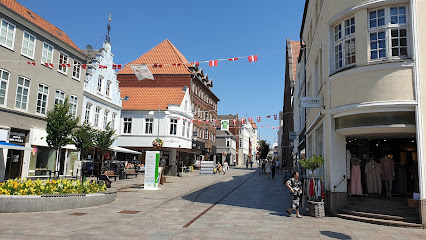
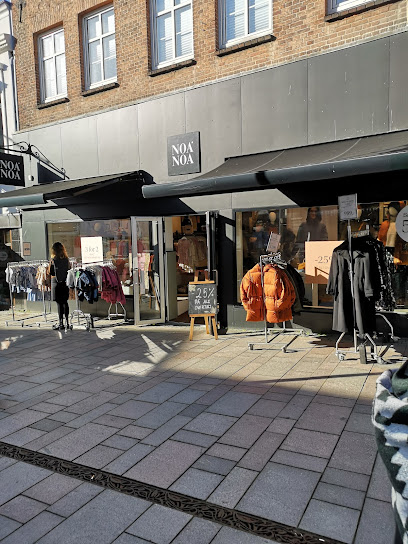
Noa Noa
1.5 km
A small Danish fashion boutique on Sønderborg’s main street, showcasing Noa Noa’s feminine, bohemian-inspired style in a calm, easy-to-browse setting.
Masai
1.5 km
Danish fashion boutique celebrating bold colors, unique prints, and Scandinavian design excellence.
JACK & JONES
1.5 km
Straightforward Scandinavian menswear in the heart of Borgen Shopping, ideal for denim, casual basics and smart-casual outfits under one convenient indoor roof.

Zizzi - Sønderborg
1.5 km
Modern plus-size fashion for women in the heart of Sønderborg’s Borgen Shopping centre, combining Scandinavian style, generous sizing and friendly fit-focused advice.

Borgen
1.5 km
Sønderborg's complete shopping experience: 40 stores, dining, cinema, and culture under one roof.
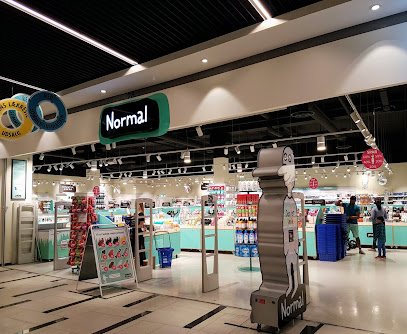
Normal
1.6 km
Bright, budget‑friendly beauty and everyday essentials in the heart of Borgen Shopping, perfect for quick top‑ups and casual browsing between Sønderborg sights.
ONLY
1.6 km
Scandinavian high-street style, denim-focused collections and easy everyday fashion inside Borgen Shopping in the heart of Sønderborg.

Essential bars & hidden hideouts

Caféen
0.9 km
Lively, low‑priced bar inside Sønderborg’s Alsion complex, where students and locals meet for music, dancing and late‑night drinks by the harbour.
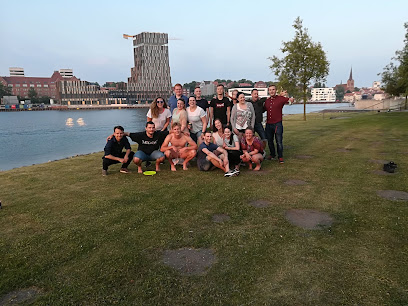
Freia Bar & Lounge
1.1 km
Harbourfront hotel bar with Nordic myth touches, crafted drinks and hygge-rich lounge seating overlooking Sønderborg’s Alssund and skyline.
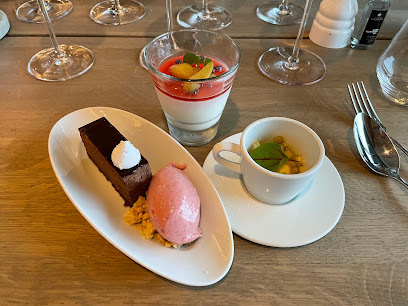
Visselulles Vinbar
1.2 km
Intimate waterfront wine bar showcasing world-class vintages and French-inspired ambiance in historic Sønderborg.
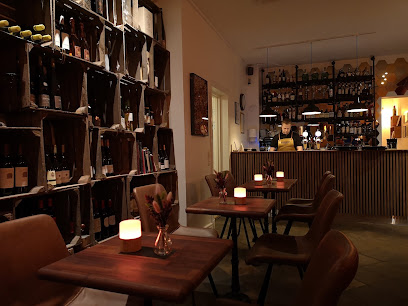
New Orleans Jazz I Sønderborg
1.2 km
Intimate, association-run jazz club in central Sønderborg, serving up New Orleans–inspired live music, close-up performances and a friendly, community atmosphere.
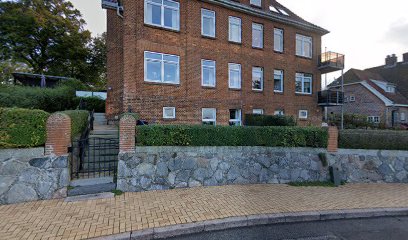
Nebula.dk ApS
1.3 km
Atmospheric shisha lounge and cocktail bar in Sønderborg’s historic center, offering intimate lighting, cozy seating and slow-paced evenings for adults.
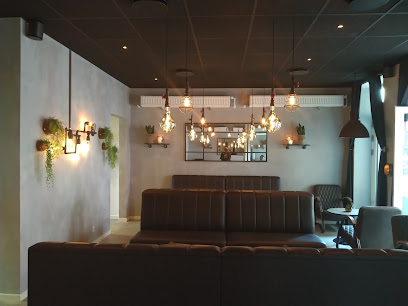
Rabalder Bar - Sønderborg
1.3 km
Tiny in size but big on volume, Rabalder Bar Sønderborg packs sing‑along hits, simple drinks and late‑night energy into one compact old‑town party den.
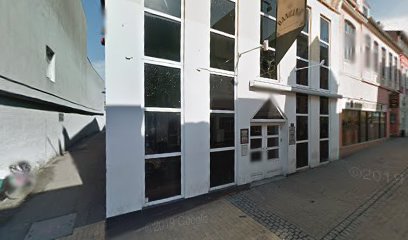
Penny Lane Sønderborg
1.3 km
Lively late‑night bar in central Sønderborg serving cocktails, beer and loud tunes from evening warm‑up to near‑club energy on weekend nights.
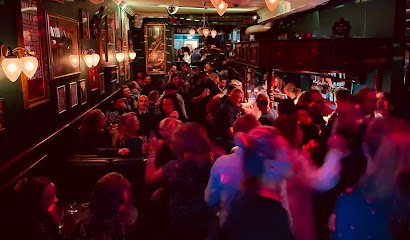
Old Danish Pub
1.4 km
Classic hygge-filled pub near Sønderborg’s main square, with affordable drinks, games, sports on screen and lively karaoke evenings on two cosy floors.
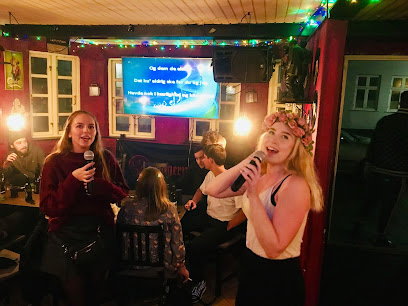
SKAAL Sønderborg
1.4 km
Modern craft beer bar and kitchen on Sønderborg’s main square, pouring rotating Danish brews and serving hearty comfort food in a stylish, urban setting.
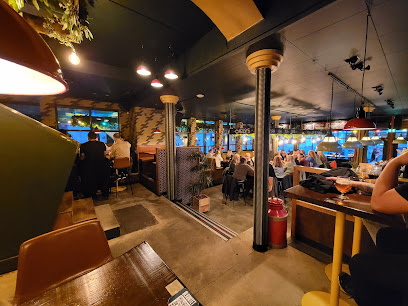
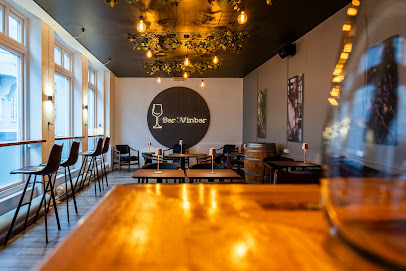
Bar' Vinbar
1.4 km
Central Sønderborg’s relaxed corner wine bar, pouring around 50 wines by the glass plus cocktails, coffee and light bites in a warm, informal atmosphere.
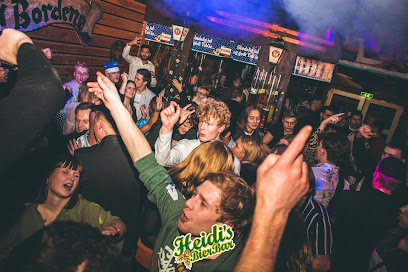
Heidi's Bier Bar Sønderborg
1.4 km
Loud alpine-themed beer hall and late-night party bar bringing après-ski energy, big steins and sing-along hits to Sønderborg’s central Rådhustorvet.
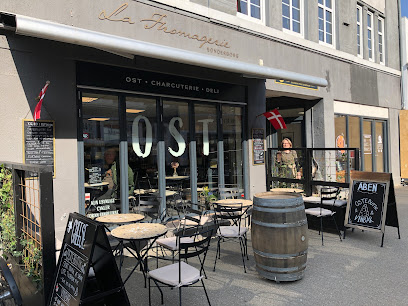
Den Lille Vinbar
1.5 km
Cosy fromagerie-style wine bar on Perlegade, pairing carefully selected bottles with generous cheese tapas in an intimate, continental-feeling corner of Sønderborg.
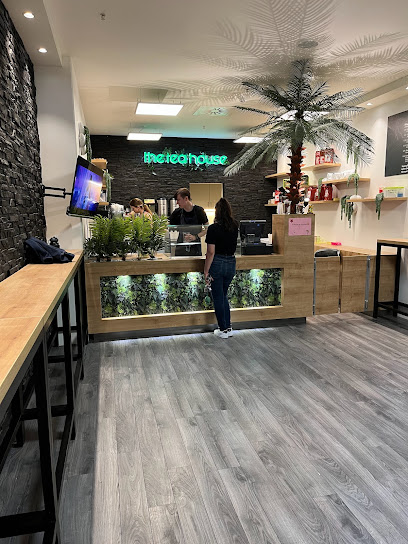
the tea house
1.5 km
South Jutland's premier bubble tea destination with customizable flavors and signature boba varieties.
Restaurant Viking - Pool and billiards Sønderborg
1.8 km
Authentic Danish neighborhood pub where locals gather for affordable drinks, billiards, and genuine community atmosphere.
Værtshus Chr. Iv
1.8 km
Classic brown beer hall on Sønderborg’s main street, serving simple drinks, local atmosphere and everyday Danish hygge from late morning into the evening.
Nightclubs & after hour spots

Kaizen ApS
1.3 km
Compact disco-style nightclub in central Sønderborg, pulsing with late-night beats, colourful lights and a straightforward bar for an unpretentious night out.
Dance All Over
6.0 km
Sønderborg’s sociable dance hub, where fitness, swing and party-ready moves come together in energetic, community-driven classes across the city.
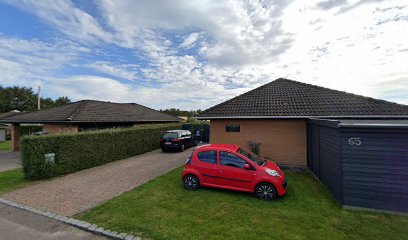
Ærø Whiskey Destilleri
41.2 km
Experience the artisanal charm of Ærø Whisky Distillery in Ærøskøbing, where local ingredients and traditional methods create unique island whiskies.

Ærø Jazzfestival
41.3 km
Experience the soul of Danish jazz at Ærø Jazzfestival, where international rhythms meet island heritage in the historic harbor of Ærøskøbing each summer.
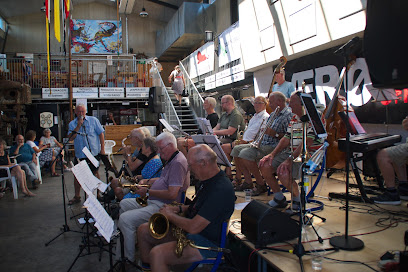
Ela-Ela Schleswig
43.6 km
Discover the electrifying nightlife of Schleswig at Ela-Ela, where music and dancing come alive in an unforgettable disco experience.

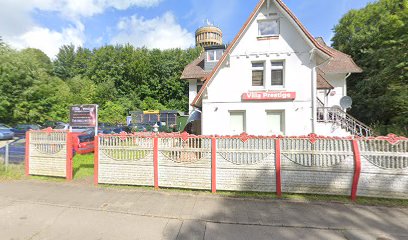
VILLA PRESTIGE Schleswig
44.6 km
Discover the vibrant nightlife at VILLA PRESTIGE Schleswig, a lively night club perfect for dancing and socializing until dawn.
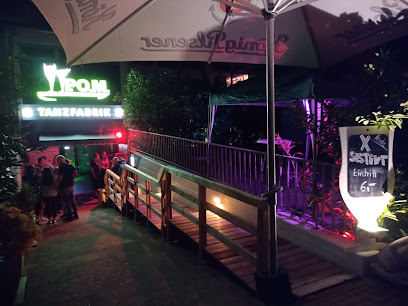
TANZ-FABRIK / Tanzlokal
45.5 km
Discover the vibrant nightlife of Schleswig at TANZ-FABRIK, where music and dance create unforgettable memories every Saturday night.
Ommel
46.2 km
A small, sociable island nightspot near Marstal where locals and travelers share quiet drinks, simple music and the easygoing charm of Ærø after dark.
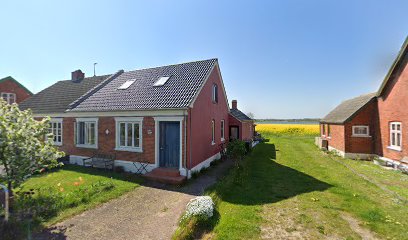
Discothek Vineta
49.8 km
Discover the lively nightlife of Busdorf at Discothek Vineta, where vibrant music and dancing await in a welcoming atmosphere.
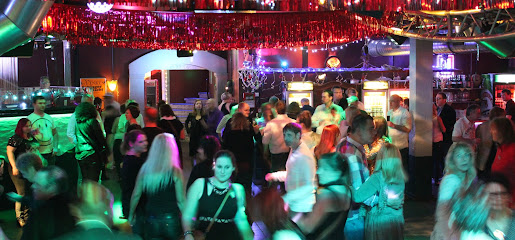
Crazy Daisy Svendborg
56.5 km
Compact, high-energy weekend nightclub in central Svendborg, serving mainstream beats, drinks and a sociable dance floor until the early hours.
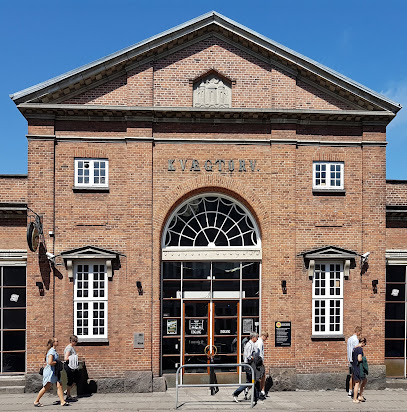
Al Capone
57.4 km
Tønder’s sole nightclub, Al Capone blends a rustic 1920s‑inspired mood, late‑night beats and strong drinks into an intimate speakeasy‑style party den.
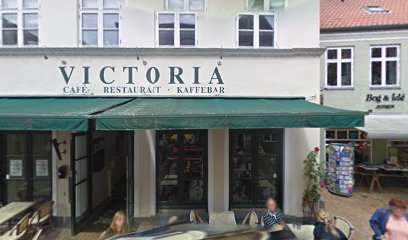
P2 Champagne & Cocktail Tønder
57.5 km
Intimate champagne and cocktail lounge bringing late-night sparkle and city-style glamour to the historic heart of Tønder.
Kasket karl
60.5 km
Discover authentic Danish hospitality and local color at Kasket Karl, Rudkøbing’s beloved bodega on Langeland—a lively gathering spot offering drinks, history, and community.
Langelands Jazzklub
61.3 km
Experience the vibrant local jazz scene at Langelands Jazzklub in Rudkøbing, where live music and island hospitality meet in one of Denmark’s most charming settings.
Carlsens Kvarter
66.5 km
Atmospheric pub in Odense C, offering unmatched hygge, an impressive selection of craft beers, and a welcoming local vibe in a characterful historic setting.
For the vibe & atmosphere seeker
- Tranquil
- Scenic
- Unique
- Casual
For the architecture buff
- Landmarks
For the social media creator & influencer
- Photo Spots
For the eco-conscious traveler
- Low Impact
- Public-Transport Accessible
For the kind of experience you’re after
- Mindfulness
- Cultural Heritage
- Photowalk
- Day Trip
For how adventurous you want the journey to be
- Easy Access
Location Audience
- Family Friendly
- Senior Friendly
- Child Friendly
- Teen Friendly
- Solo Friendly
- Couple Friendly
- Solo Female Friendly
- Vegetarian Friendly
- Vegan Friendly
- Business Friendly


