
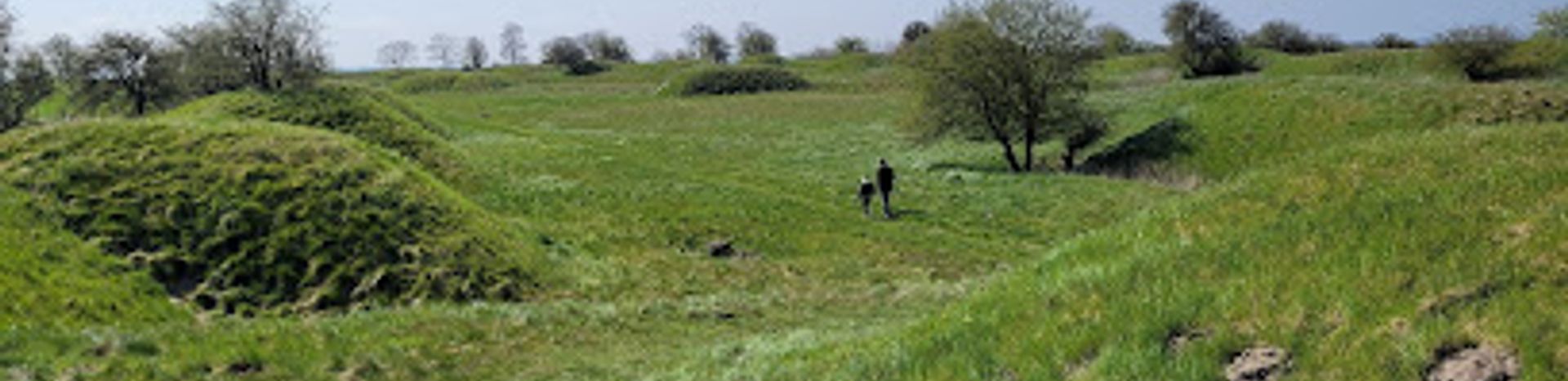
Genforeningstavlen at Dybbøl German Redoubt X
A modest reunification plaque on Dybbøl’s former German Redoubt X, linking the 1864 battlefield to the peaceful border changes of 1920 in a quiet, open landscape.
Set on Dybbøl Banke above Sønderborg, the Genforeningstavle at the former German Redoubt X is a modest yet moving memorial marking the 1920 reunification of Southern Jutland with Denmark. Standing among grassy embankments and traces of fortifications from the 1864 war, the plaque connects the trauma of battlefield defeat with the later democratic border settlement. It is a contemplative stop for visitors exploring the Dybbøl battlefield, History Centre and Dybbøl Mill, offering quiet reflection on shifting frontiers, identity and the lasting legacy of the Danish–German borderland.
A brief summary to Genforeningstavle på Dybbøl tysk skanse X
- Dybbøl Banke 26, Sønderborg, 6400, DK
- Duration: 0.5 to 1 hours
- Free
-
 Outdoor
- Mobile reception: 4 out of 5
- Monday 12 am-12 am
- Tuesday 12 am-12 am
- Wednesday 12 am-12 am
- Thursday 12 am-12 am
- Friday 12 am-12 am
- Saturday 12 am-12 am
- Sunday 12 am-12 am
Local tips
- Combine the plaque with a loop past Dybbøl Mill and the History Centre so the brief inscription is framed by fuller context on the 1864 war and 1920 reunification.
- Wear sturdy shoes, as access typically involves short stretches on grass, earth paths and gentle slopes rather than paved walkways.
- Visit in the early morning or late afternoon for softer light on the surrounding fields, which makes the modest memorial more atmospheric in photos.

For the on-the-go comforts that matter to you
- Restrooms
- Seating Areas
- Trash Bins
- Information Boards
Getting There
-
Local bus from Sønderborg
From central Sønderborg, use a local bus line serving Dybbøl Banke and Dybbøl Mølle; the ride typically takes about 10–20 minutes depending on stops. Expect standard city bus fares in the region of 20–30 DKK for a single adult ticket, with services running more frequently on weekdays than in the late evening or on weekends. From the nearest stop, allow extra time to walk along paths over the ridge to reach the plaque at the former Redoubt X.
-
Taxi from Sønderborg town
Taxis from Sønderborg’s town centre or railway station reach the Dybbøl Banke area in roughly 10–15 minutes, depending on traffic and pick‑up point. A one‑way fare is commonly in the range of 120–200 DKK, varying with time of day and exact drop‑off. Taxis can usually bring you close to Dybbøl Banke 26, from where you continue on foot over short grassy stretches to the memorial.
-
Cycling in the Dybbøl area
For an active option, rent a bicycle in Sønderborg and follow signposted routes towards Dybbøl Banke; the journey generally takes 20–35 minutes at a leisurely pace, with moderate hills on the approach to the ridge. You pay only the rental fee, which for standard bikes is often 100–200 DKK per day, and there is no entrance charge for the open landscape. Be prepared for wind on exposed sections and note that final access to the plaque is along short unpaved paths where you may prefer to walk your bike.
Genforeningstavle på Dybbøl tysk skanse X location weather suitability
-
 Clear Skies
-
 Mild Temperatures
-
 Cold Weather
-
 Hot Weather
Discover more about Genforeningstavle på Dybbøl tysk skanse X
From battlefield defeat to borderland reunification
The Genforeningstavle at Dybbøl’s former German Redoubt X is a small memorial with a big story behind it. Dybbøl Banke was once a key defensive position, where Danish and German troops clashed during the 1864 war that reshaped Denmark’s borders and self‑image. After Denmark’s defeat, the area became part of Prussia and later the German Empire, and the earthworks were re‑engineered into a line of German fortifications. Half a century later, after the First World War, the people of Schleswig voted on which state they wished to belong to. In 1920 Northern Schleswig chose Denmark, and the border was peacefully redrawn. The Genforeningstavle is one of many modest markers placed across the landscape to commemorate this turning point, when Dybbøl and Sønderborg once again became part of Denmark.Traces of German Redoubt X in the Dybbøl landscape
Today, the exact outlines of German Redoubt X are softened by grass and brush, but the land still bears the geometry of war. Low banks, shallow ditches and subtle rises hint at former ramparts and gun positions. The Genforeningstavle stands here as a quiet counterpoint to those military lines, replacing canons and barracks with inscriptions and dates. Around you, the wider Dybbøl Banke landscape spreads out towards Als Sound and the fields of Southern Jutland. The open views help explain why this ridge mattered militarily, yet the atmosphere now is calm rather than tense. Standing at the plaque, you are at once on a former German strongpoint, a Danish national symbol and a shared European memory site.A quiet companion to Dybbøl’s larger memorials
Most visitors come to Dybbøl for the History Centre, reconstructed redoubts and the iconic white mill, but the Genforeningstavle offers a different, more intimate kind of encounter. There are no live demonstrations or staged bombardments here, only a simple stone or metal panel and the surrounding grass. Because of its small scale, the site invites a slower pace. You can linger over the wording of the inscription, think about the families divided and reunited by the border, and consider how a battlefield later became a symbol of peaceful self‑determination. In contrast to grand monuments, this plaque feels almost like a private reminder tucked into the landscape.Understanding a layered border history
The Genforeningstavle gains meaning when seen as one layer in a much thicker palimpsest of history. Beneath your feet lie traces of prehistoric burial mounds in nearby forests, medieval village life, early modern estates and the 19th‑century redoubts of the 1864 war. Over that came German military engineering, and finally the commemorative culture of the 1920 reunification. Reading the plaque after exploring the Dybbøl fortifications, you sense how the same ridge has carried very different messages over time: from military glory and defeat to reconciliation and coexistence. The memorial does not try to tell the whole story, but it anchors those abstract themes in a specific spot you can visit, see and remember.Visiting as part of a Dybbøl Banke walk
In practical terms, the Genforeningstavle functions best as a waypoint on a broader walk around Dybbøl Banke. Paths and quiet lanes connect it with the History Centre, Dybbøl Mill and other stones and markers that dot the battlefield. The terrain here is gently undulating rather than strenuous, making it accessible for most visitors who are comfortable walking on grass and unpaved surfaces. Because it is outdoors and always open, the plaque rewards repeat visits in different seasons. On a clear spring day, larks sing above the fields; in autumn, low cloud and wind lend the site a more sombre tone. At any time of year, the Genforeningstavle on Dybbøl’s German Redoubt X offers a compact, thought‑provoking pause in the larger story of Denmark’s southern border.Iconic landmarks you can’t miss

King's Redoubt
0.0 km
A preserved 1864 military fortress symbolizing Danish resilience and regional heritage.

Tysk skanse X
0.1 km
Stille jordvolde på Dybbøl Banke, hvor en tysk skanse fortæller om tiden efter 1864 og fæstningsringen, der engang omklamrede Sønderborg.
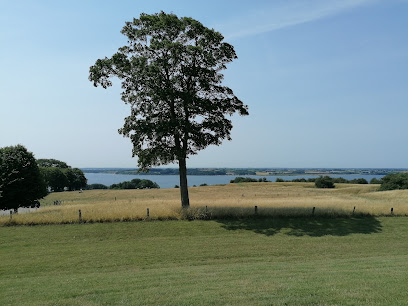
Mindesten for Røde Kors
0.3 km
A quiet memorial to the world's first Red Cross observers amid Denmark's most historic battlefield.
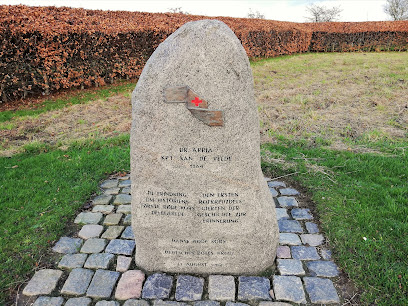
Genforeningsmærke på Dybbøl Skanse II
0.8 km
Memorial marker honoring Danish reunification and the 1864 battle's fallen defenders on a historic fortification site.
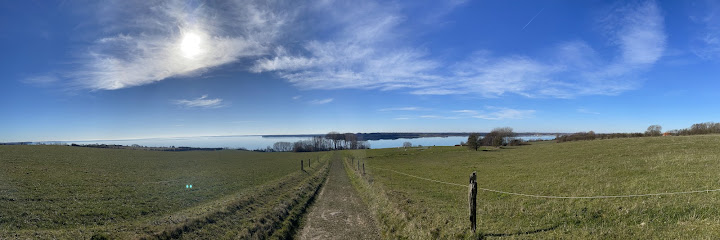
Iskonditoriet
2.3 km
Byparkens Legeplads in Roskilde fuses creative play equipment and green park scenery for a free, family-friendly experience in the heart of the historic Danish city.
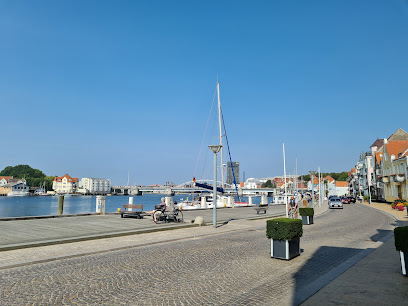
Windmill
2.4 km
Denmark's iconic windmill and national symbol of resilience, rebuilt after war and transformed into a living museum of history.
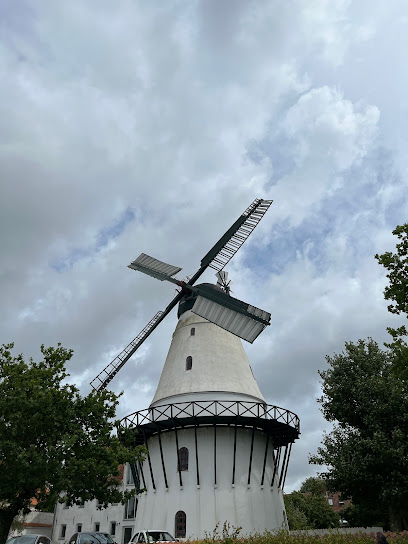
Papirgalleriet v/Gitte Kristjansen
2.5 km
A vibrant family-friendly playground in central Roskilde, Byparkens Legeplads offers open-air fun, creativity, and relaxation in the heart of the city’s beloved Byparken.
Memory stone
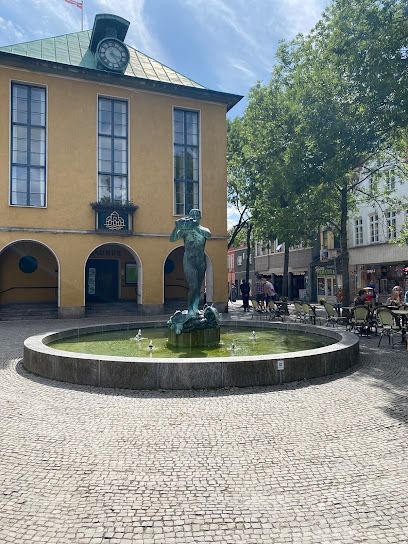
2.5 km
A modest monument on Sønderborg’s town-hall square, the Memory Stone offers a quiet pause for reflection amid the everyday bustle of this historic border town.
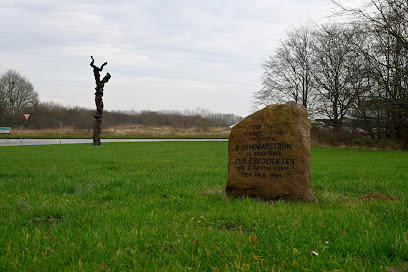
Mindesten for korporal Hammerström og konstabel Frederiksen
2.8 km
A modest stone on Sønderborg’s former shooting range honouring two fallen wartime servicemen, inviting a brief but powerful pause for remembrance and reflection.
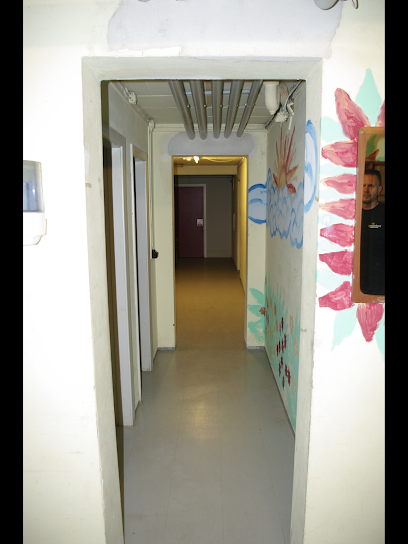
Sønderborg Kommunale Kommandocentral
2.9 km
Hidden beneath Kongevej lies Sønderborg’s former Cold War nerve center, an underground command bunker built to keep the city running in times of crisis.
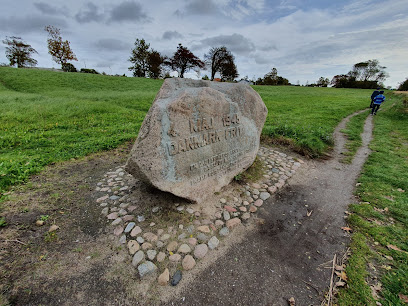
Gedenkstein für hingerichtete Widerstandskämpfer
3.7 km
Discreet harborfront memorial in Sønderborg honoring eleven young German sailors executed for mutiny in 1945, inviting quiet reflection on conscience and war.
Befrielsessten i Vester Sottrup
5.2 km
A quiet stone marking Denmark's liberation and Vester Sottrup's wartime legacy.
Foundation country Schäferhaus
28.6 km
Explore the serene beauty of Foundation country Schaeferhaus, a nature preserve in Flensburg, perfect for relaxation, education, and wildlife observation.
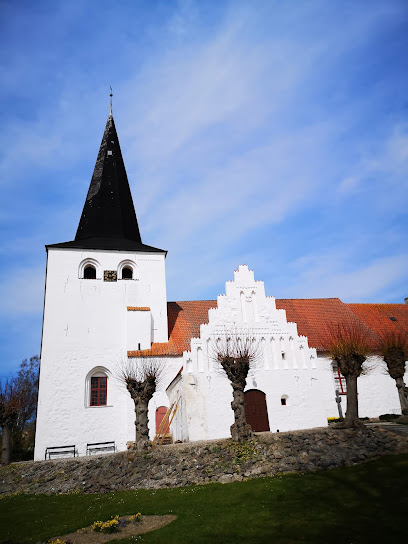
Bregninge Kirke
35.8 km
Medieval island church on a gentle Ærø hillside, where whitewashed stone, quiet fields and seafaring stories meet in a calm, contemplative setting.
Forladt skorsten
36.6 km
A haunting brick ruin marking Ærø's vanished industrial era, standing silent on the island's edge.
Unmissable attractions to see

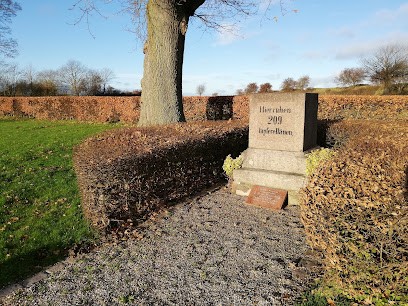
Fællesgravene på Toppen af Dybbøl Banke
0.2 km
A modest field of shared graves crowns Dybbøl Banke, where simple stones, open sky and rolling hills commemorate the fallen of Denmark’s fateful 1864 battlefield.
Historiecenter Dybbøl Banke
0.3 km
Step onto the ridge where Denmark’s fate was decided in 1864, with immersive battle films, reconstructed trenches and a living soldiers’ camp on historic Dybbøl Banke.
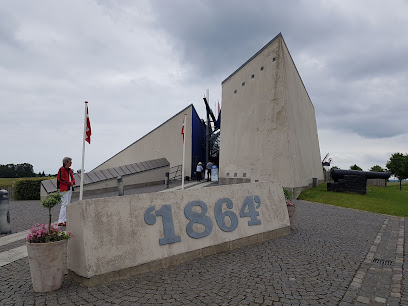
Dybbøl Mill
0.5 km
Historic Dybbøl Mill: a powerful symbol atop Sønderborg’s battlefield landscape, blending dramatic heritage, immersive exhibitions, and unforgettable views over southern Denmark.
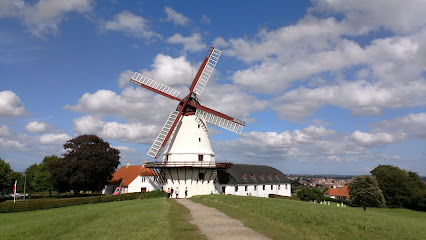
Dybbølstenen
0.7 km
A solitary Ice Age boulder resting in the fields near Dybbøl Banke, Dybbølstenen quietly links deep geological time with South Jutland’s historic landscape.
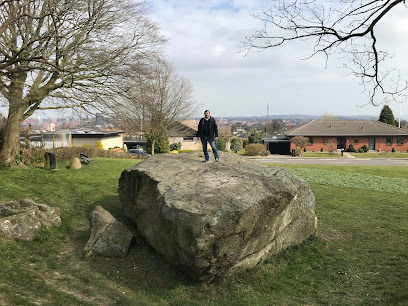
Mindesten for Løjtnant Rothenborg Muus
0.7 km
Mølleparken in Sønderborg offers green open spaces, shaded paths, and playgrounds—the perfect urban escape for families, picnickers, and those seeking serenity.
Memorial Stone for du Plat, Schau and Rosen
1.1 km
A modest stone on a Sønderborg side street commemorating three resistance fighters, offering a brief but powerful pause for reflection on Denmark’s wartime past.
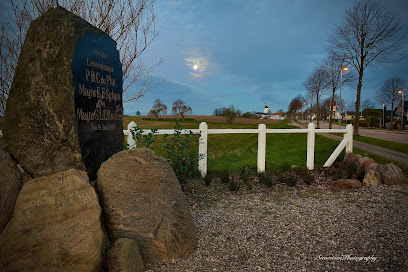
Mindesten for løjtnant A.P.Dorscheus
1.1 km
A modest roadside memorial stone in Sønderborg, honouring a fallen 19th‑century officer and quietly anchoring the turbulent history of the Schleswig wars in the everyday landscape.
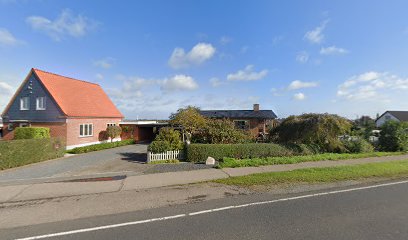
Dybbøl Strand
2.0 km
A peaceful Danish strand where sandy shores meet centuries of history and heritage.
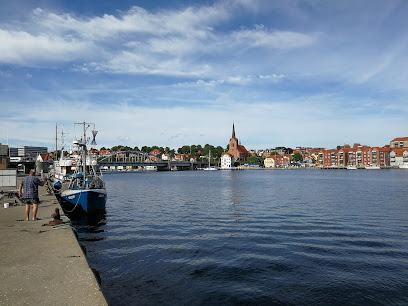
Sønderborg Castle
2.2 km
Centuries of royal drama, borderland wars and Southern Jutland stories unfold inside this waterfront fortress‑turned‑museum on the Alssund.
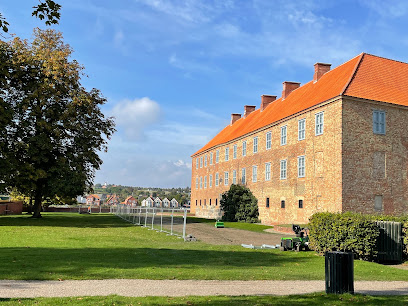
Genforeningssten i Sønderborg
2.3 km
A monumental tribute to Denmark's 1920 reunification, nestled near historic Sønderborg Castle.
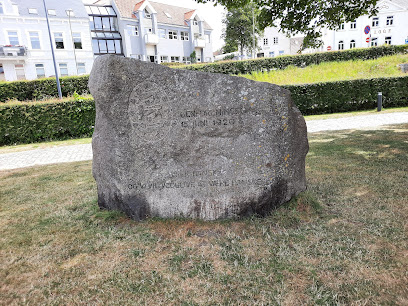
Vægmalerierne på Nørre Havnegade
2.3 km
Colorful gable murals on Sønderborg’s harborfront, where evolving large-scale artworks turn an everyday building into a vivid portrait of local life and heritage.
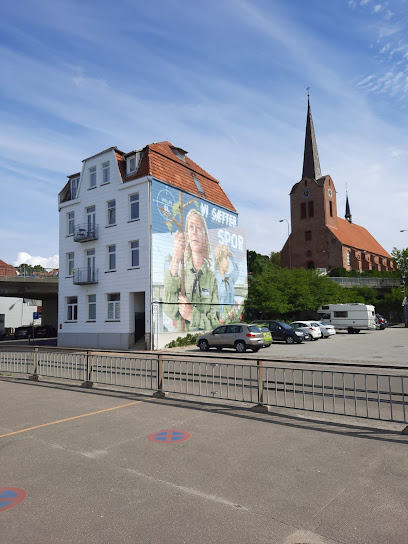
Visselulles Have
2.3 km
Small in size but rich in stories, Visselulles Have is a tranquil memorial garden that honours Sønderborg’s legendary female dockworker in her old neighbourhood.
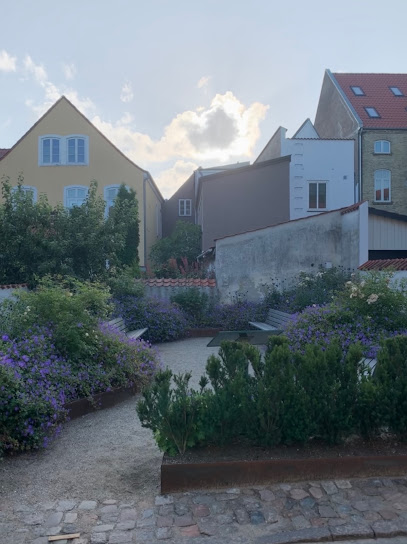
Hønekilden
2.3 km
A tiny harbor-side spring where pure water, royal engineering and whispering legends blur into a tranquil urban nook of art and history.
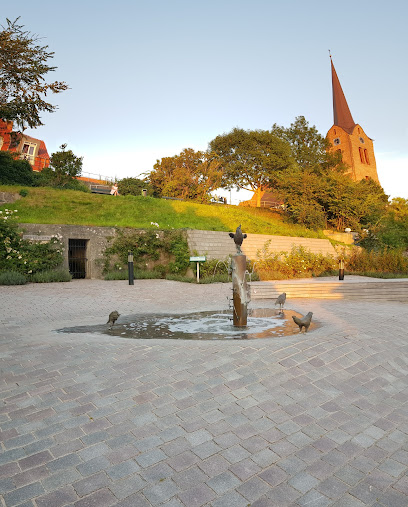
Historiske Vandringer – På sporet af 1. verdenskrig
2.3 km
A quiet harbour walk in Sønderborg that traces the invisible footprints of World War I through barracks, memorials and everyday streets in a former borderland town.
Sønderborg Beach
2.3 km
Pristine Danish beach with family-friendly waters, stunning sunsets, and a diving pier—perfect for seaside relaxation and photography.
Essential places to dine

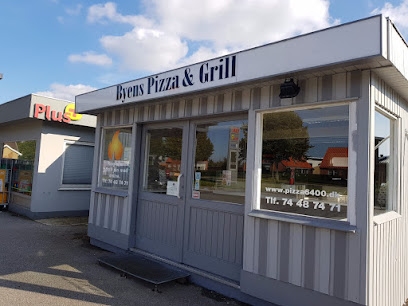
Byens Pizza & Grill Dybbøl - Sønderborg
1.4 km
Experience the best pizza, barbecue, and burgers in Sønderborg at Byens Pizza & Grill Dybbøl – where flavor meets comfort!
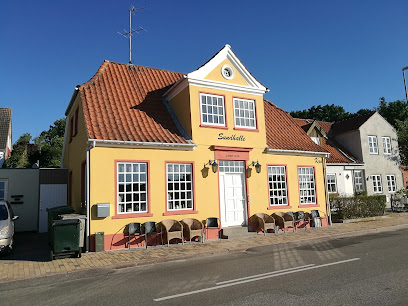
Restaurant Sundhalle V/Eva Iversen
2.0 km
Relaxed harborfront restaurant in Sønderborg serving hearty Danish comfort food and pub classics in a cozy, down-to-earth bar atmosphere by the water.
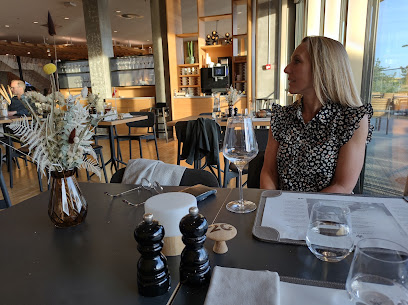
Restaurant Alsik
2.2 km
Contemporary waterfront restaurant in the Alsik Hotel, blending South Jutland ingredients with classic European flavours in a stylish, relaxed setting.
Syttende
2.2 km
Michelin-starred sky dining on the 17th floor of Alsik, where New Nordic cuisine meets sweeping waterfront views over Sønderborg and Alssund.
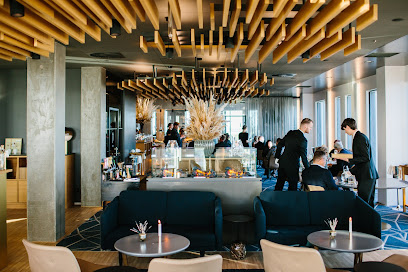
Torve-Hallen
2.3 km
Eclectic waterfront restaurant in Sønderborg pairing Italian-inspired comfort food, creative interiors and harbour views from morning coffee to late-night dinners.
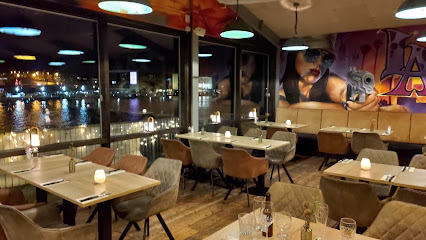
Promenaden - Is med udsigt
2.3 km
Casual harbourfront ice cream and hot dogs with wide-open views towards Sønderborg Castle, outdoor seating only and a playful, family-friendly seaside atmosphere.
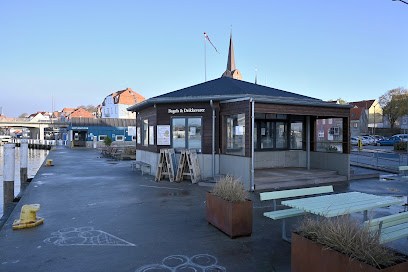
Grey Ghost ApS
2.3 km
Candlelit Danish brasserie in Sønderborg’s old town, blending hygge, seasonal cooking and carefully chosen wines in a warm, intimate setting.
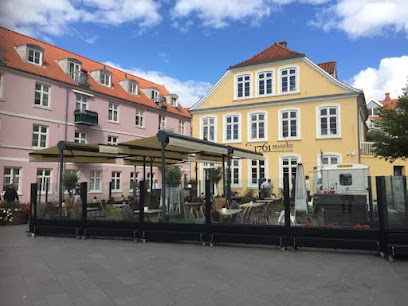
Karikatur Restaurant og Bar i Sønderborg
2.3 km
Modern Nordic plates and inventive cocktails come together in a clean-lined, harbor-close restaurant that anchors Sønderborg’s contemporary dining scene.
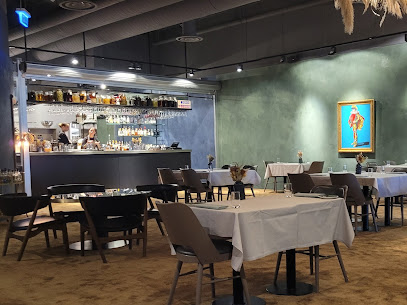
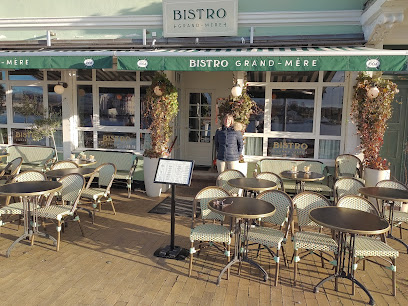
Bistro Grand Mère
2.3 km
Harborfront French bistro in Sønderborg, blending classic Gallic comfort dishes, thoughtful wines and a cozy green-paneled setting with views of the lively marina.
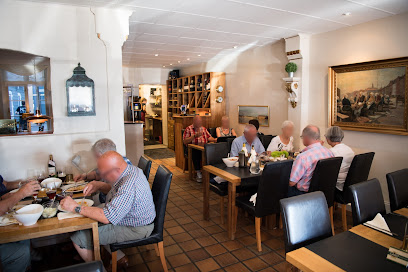
Restaurant Colosseum
2.3 km
Harbourfront Danish comfort food in a cosy, family-friendly setting with views over Sønderborg’s waterfront and a welcoming slice of Southern Jutland hygge.
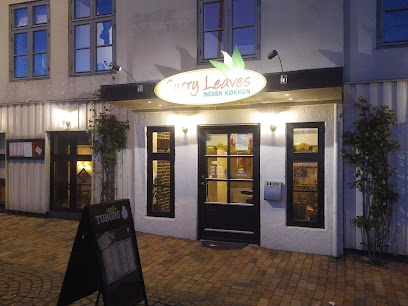
Curry Leaves
2.3 km
Authentic Indian flavors and attentive service in the heart of Sønderborg
Biehl
2.4 km
Honest Danish comfort food in the heart of Sønderborg's main street.
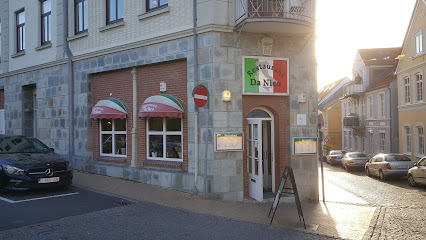
Restaurant Da Nico
2.4 km
Authentic Italian brick-oven pizza and homemade pasta in the heart of Sønderborg.
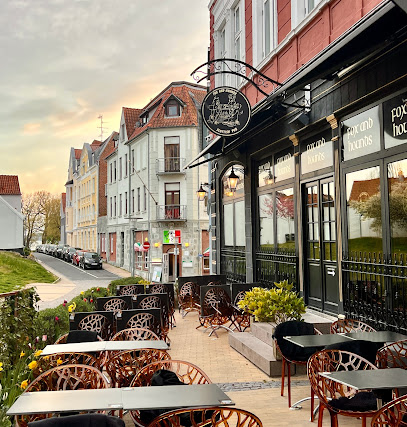
Fox And Hounds
2.4 km
Scottish-style gastropub in central Sønderborg, pairing hearty ribs, burgers and steaks with an expansive beer and whisky selection in a warm, wood-paneled setting.
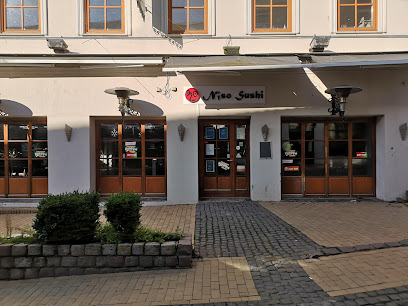
Niso Sushi ApS
2.4 km
Lively running-sushi and Vietnamese restaurant in the heart of Sønderborg, serving endless plates of sushi and Asian bites in a relaxed, central setting.
Markets, malls and hidden boutiques

Mr Klausen Herre-og Drengetøj
2.5 km
Classic Danish mens- and boyswear on Sønderborg’s Perlegade, blending everyday essentials, occasion outfits and local Ringridning traditions in one friendly shop.
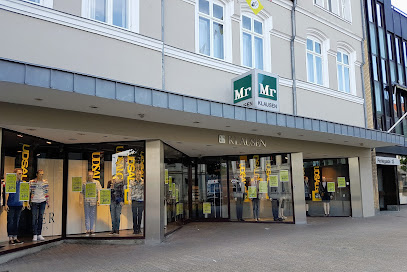
Twizt Fashion
2.6 km
Compact Danish fashion and lingerie boutique on Sønderborg’s main pedestrian street, combining everyday practicality with relaxed, personal service.
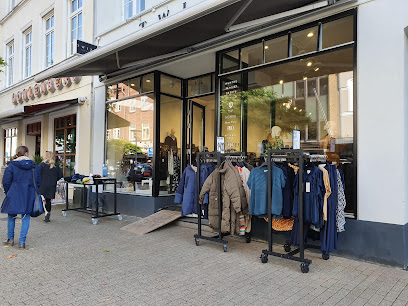
Jim P.
2.6 km
Curated fashion for discerning shoppers seeking distinctive style beyond the mainstream.
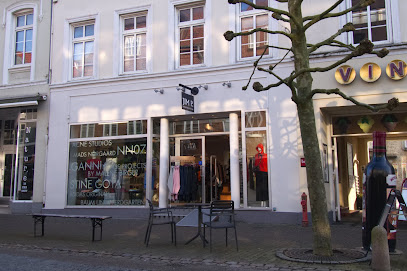
Viller
2.6 km
Independent women’s fashion boutique on Sønderborg’s main pedestrian street, blending Scandinavian style, curated brands and personal, one-to-one service.
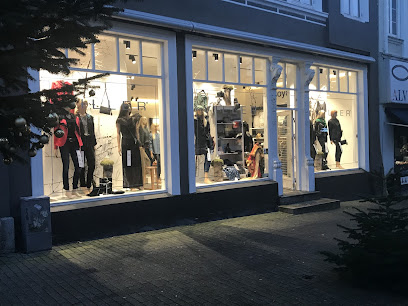
Kop & Kande
2.6 km
Welcoming Danish homeware and gift shop on Sønderborg’s main street, stocked with practical kitchen essentials, stylish tableware and thoughtful presents.
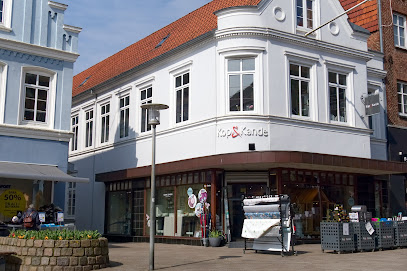
Tøjeksperten
2.6 km
Denmark's largest menswear chain brings premium brands and accessible style to central Sønderborg.
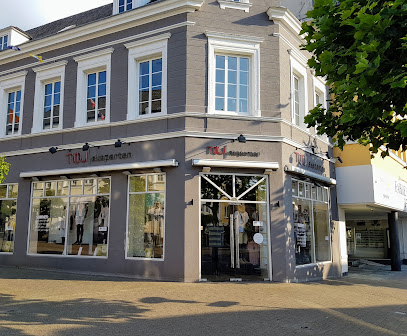
Juhl Bolighus A / S
2.6 km
A vast Danish design furniture house in Sønderborg’s historic center, blending showroom and museum to showcase timeless craftsmanship and iconic interiors.
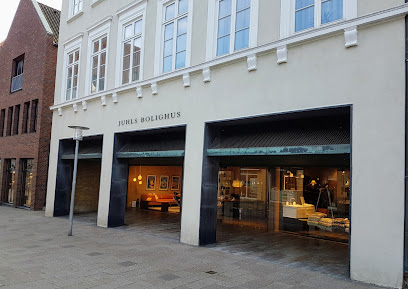
Gundtoft Sønderborg
2.6 km
Classic women's fashion since 1957, nestled on Sønderborg's charming pedestrian street.
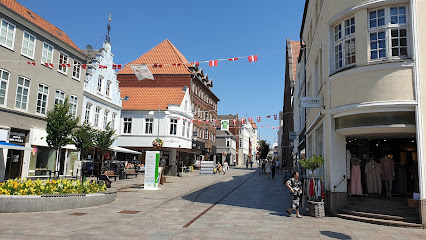
Noa Noa
2.6 km
A small Danish fashion boutique on Sønderborg’s main street, showcasing Noa Noa’s feminine, bohemian-inspired style in a calm, easy-to-browse setting.
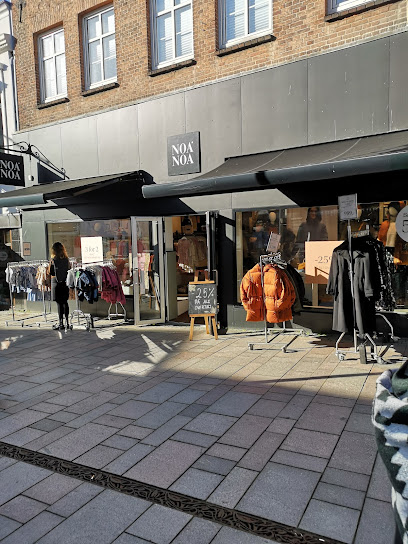
Masai
2.6 km
Danish fashion boutique celebrating bold colors, unique prints, and Scandinavian design excellence.
JACK & JONES
2.6 km
Straightforward Scandinavian menswear in the heart of Borgen Shopping, ideal for denim, casual basics and smart-casual outfits under one convenient indoor roof.

Zizzi - Sønderborg
2.6 km
Modern plus-size fashion for women in the heart of Sønderborg’s Borgen Shopping centre, combining Scandinavian style, generous sizing and friendly fit-focused advice.

Borgen
2.7 km
Sønderborg's complete shopping experience: 40 stores, dining, cinema, and culture under one roof.
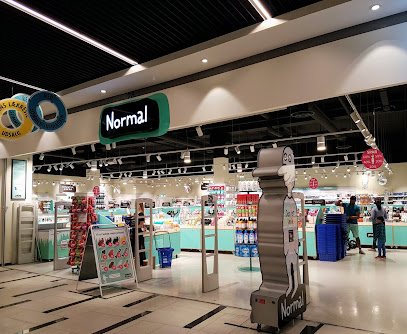
Normal
2.7 km
Bright, budget‑friendly beauty and everyday essentials in the heart of Borgen Shopping, perfect for quick top‑ups and casual browsing between Sønderborg sights.
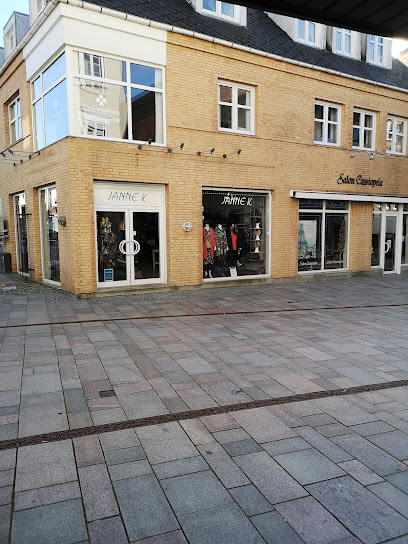
Janne K Sønderborg
2.7 km
Colorful Danish womenswear with Italian-made fabrics in the heart of Sønderborg’s main shopping street on the island of Als.
Essential bars & hidden hideouts

Caféen
1.9 km
Lively, low‑priced bar inside Sønderborg’s Alsion complex, where students and locals meet for music, dancing and late‑night drinks by the harbour.
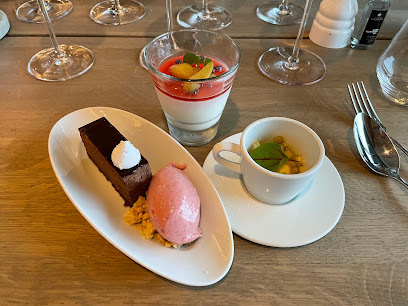
Freia Bar & Lounge
2.2 km
Harbourfront hotel bar with Nordic myth touches, crafted drinks and hygge-rich lounge seating overlooking Sønderborg’s Alssund and skyline.
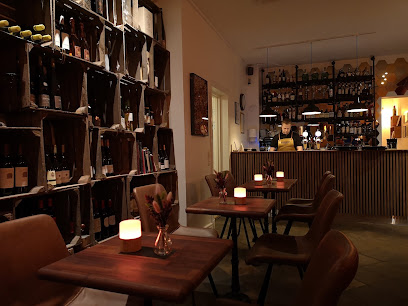
Visselulles Vinbar
2.3 km
Intimate waterfront wine bar showcasing world-class vintages and French-inspired ambiance in historic Sønderborg.
New Orleans Jazz I Sønderborg
2.3 km
Intimate, association-run jazz club in central Sønderborg, serving up New Orleans–inspired live music, close-up performances and a friendly, community atmosphere.
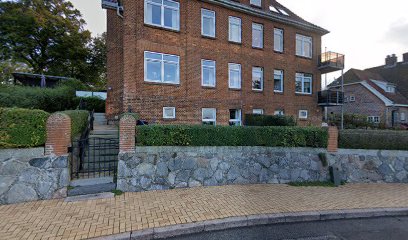
Nebula.dk ApS
2.4 km
Atmospheric shisha lounge and cocktail bar in Sønderborg’s historic center, offering intimate lighting, cozy seating and slow-paced evenings for adults.
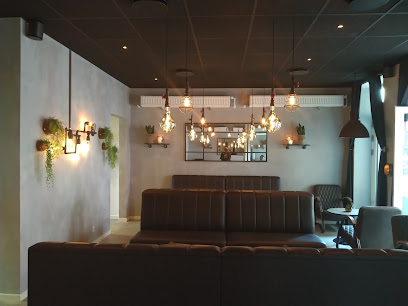
Rabalder Bar - Sønderborg
2.4 km
Tiny in size but big on volume, Rabalder Bar Sønderborg packs sing‑along hits, simple drinks and late‑night energy into one compact old‑town party den.
Penny Lane Sønderborg
2.4 km
Lively late‑night bar in central Sønderborg serving cocktails, beer and loud tunes from evening warm‑up to near‑club energy on weekend nights.
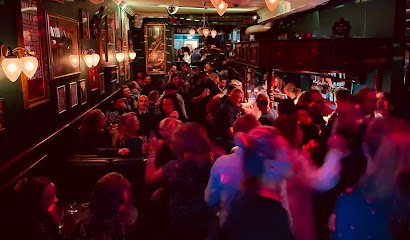
Old Danish Pub
2.5 km
Classic hygge-filled pub near Sønderborg’s main square, with affordable drinks, games, sports on screen and lively karaoke evenings on two cosy floors.
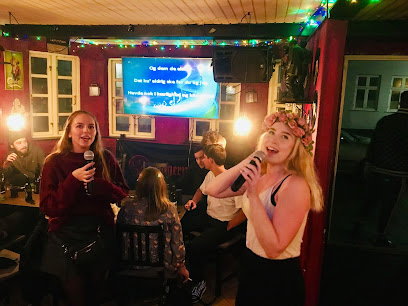
SKAAL Sønderborg
2.5 km
Modern craft beer bar and kitchen on Sønderborg’s main square, pouring rotating Danish brews and serving hearty comfort food in a stylish, urban setting.
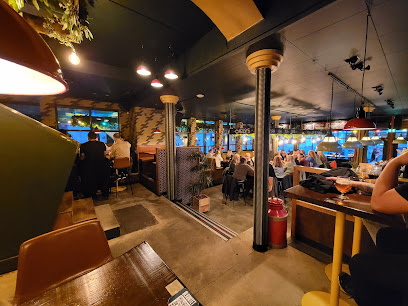
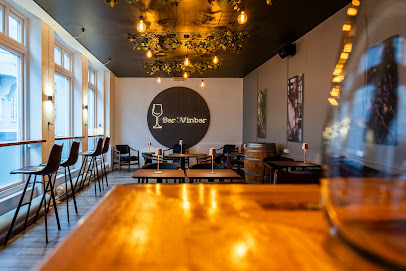
Bar' Vinbar
2.5 km
Central Sønderborg’s relaxed corner wine bar, pouring around 50 wines by the glass plus cocktails, coffee and light bites in a warm, informal atmosphere.
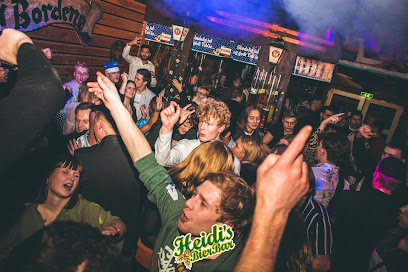
Heidi's Bier Bar Sønderborg
2.5 km
Loud alpine-themed beer hall and late-night party bar bringing après-ski energy, big steins and sing-along hits to Sønderborg’s central Rådhustorvet.
Den Lille Vinbar
2.6 km
Cosy fromagerie-style wine bar on Perlegade, pairing carefully selected bottles with generous cheese tapas in an intimate, continental-feeling corner of Sønderborg.
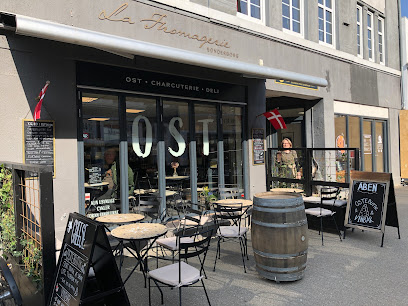
the tea house
2.6 km
South Jutland's premier bubble tea destination with customizable flavors and signature boba varieties.
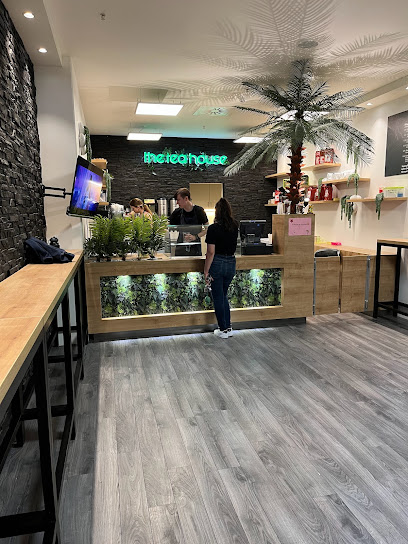
Restaurant Viking - Pool and billiards Sønderborg
2.9 km
Authentic Danish neighborhood pub where locals gather for affordable drinks, billiards, and genuine community atmosphere.
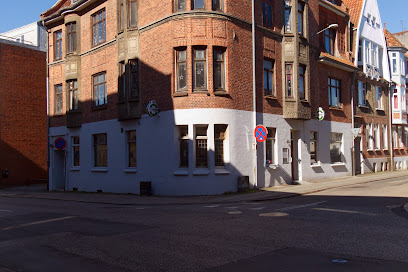
Værtshus Chr. Iv
2.9 km
Classic brown beer hall on Sønderborg’s main street, serving simple drinks, local atmosphere and everyday Danish hygge from late morning into the evening.
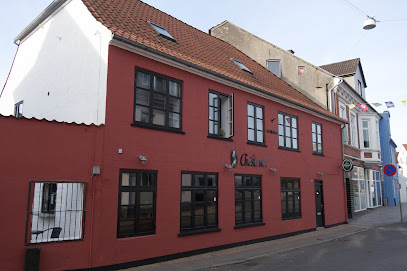
Nightclubs & after hour spots

Kaizen ApS
2.4 km
Compact disco-style nightclub in central Sønderborg, pulsing with late-night beats, colourful lights and a straightforward bar for an unpretentious night out.
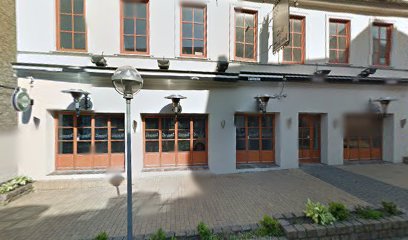
Dance All Over
5.4 km
Sønderborg’s sociable dance hub, where fitness, swing and party-ready moves come together in energetic, community-driven classes across the city.
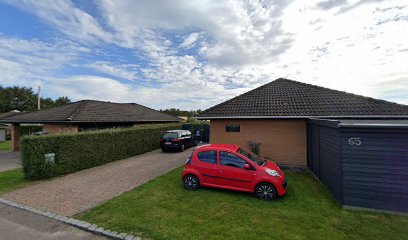
Ærø Whiskey Destilleri
42.3 km
Experience the artisanal charm of Ærø Whisky Distillery in Ærøskøbing, where local ingredients and traditional methods create unique island whiskies.

Ærø Jazzfestival
42.4 km
Experience the soul of Danish jazz at Ærø Jazzfestival, where international rhythms meet island heritage in the historic harbor of Ærøskøbing each summer.
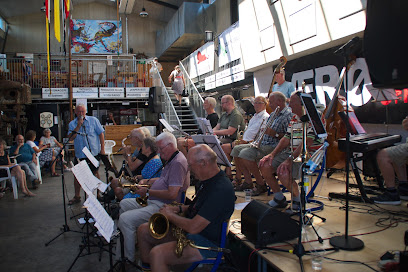
Ela-Ela Schleswig
43.2 km
Discover the electrifying nightlife of Schleswig at Ela-Ela, where music and dancing come alive in an unforgettable disco experience.
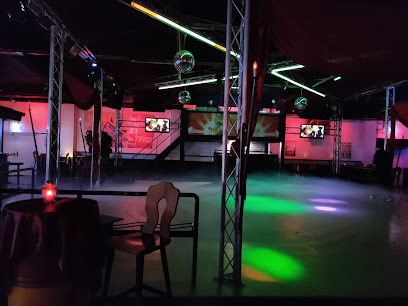
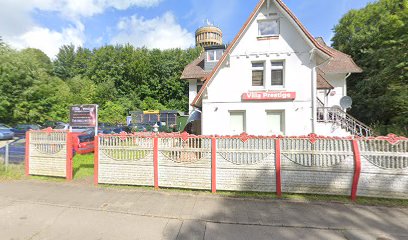
VILLA PRESTIGE Schleswig
44.2 km
Discover the vibrant nightlife at VILLA PRESTIGE Schleswig, a lively night club perfect for dancing and socializing until dawn.
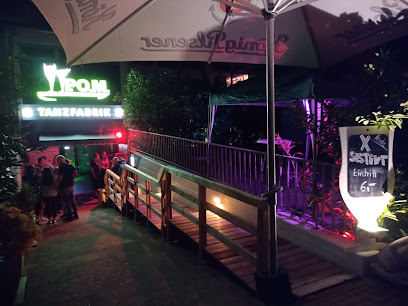
TANZ-FABRIK / Tanzlokal
45.1 km
Discover the vibrant nightlife of Schleswig at TANZ-FABRIK, where music and dance create unforgettable memories every Saturday night.
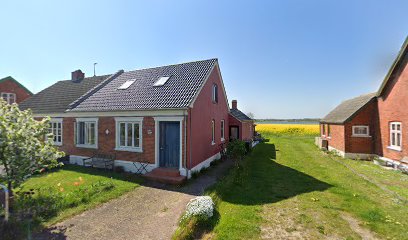
Ommel
47.3 km
A small, sociable island nightspot near Marstal where locals and travelers share quiet drinks, simple music and the easygoing charm of Ærø after dark.
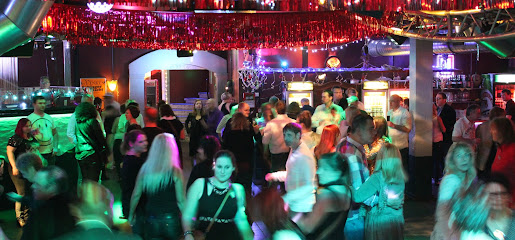
Discothek Vineta
49.4 km
Discover the lively nightlife of Busdorf at Discothek Vineta, where vibrant music and dancing await in a welcoming atmosphere.
Al Capone
56.3 km
Tønder’s sole nightclub, Al Capone blends a rustic 1920s‑inspired mood, late‑night beats and strong drinks into an intimate speakeasy‑style party den.
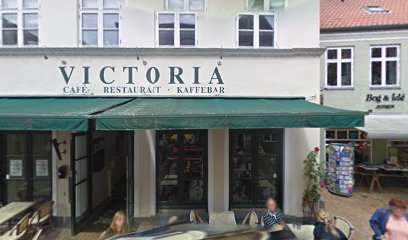
P2 Champagne & Cocktail Tønder
56.4 km
Intimate champagne and cocktail lounge bringing late-night sparkle and city-style glamour to the historic heart of Tønder.
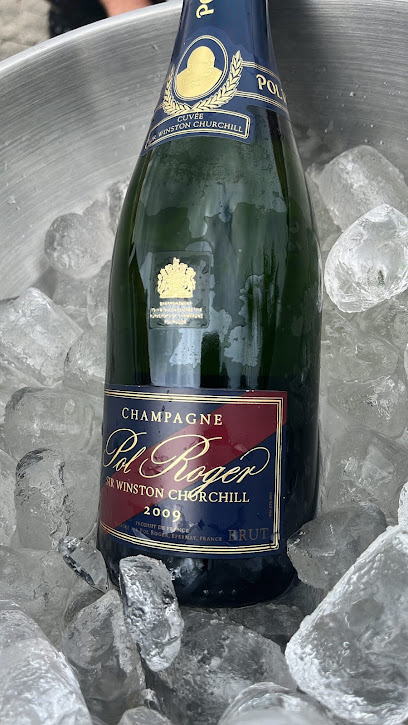
Crazy Daisy Svendborg
57.6 km
Compact, high-energy weekend nightclub in central Svendborg, serving mainstream beats, drinks and a sociable dance floor until the early hours.
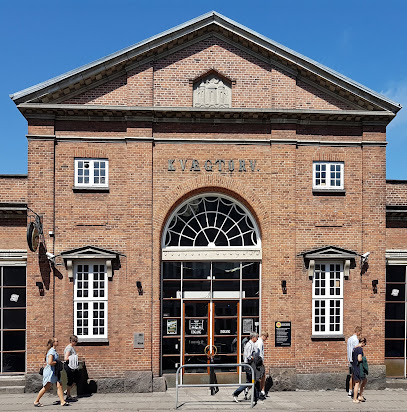
Kasket karl
61.6 km
Discover authentic Danish hospitality and local color at Kasket Karl, Rudkøbing’s beloved bodega on Langeland—a lively gathering spot offering drinks, history, and community.
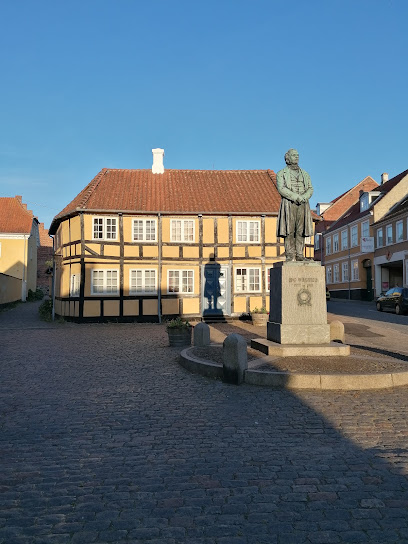
Langelands Jazzklub
62.4 km
Experience the vibrant local jazz scene at Langelands Jazzklub in Rudkøbing, where live music and island hospitality meet in one of Denmark’s most charming settings.
Cheyenne-Club
66.6 km
Experience the vibrant nightlife at Cheyenne-Club in Rendsburg, the ultimate disco club and restaurant for an unforgettable evening.

For the vibe & atmosphere seeker
- Tranquil
- Scenic
- Unique
For the architecture buff
- Historic
- Parks & Gardens
- Landmarks
For the view chaser and sunset hunter
- Iconic Views
- Panoramas
- Sunset Spots
For the social media creator & influencer
- Photo Spots
- Architectural Shots
- Reel-Friendly
For the eco-conscious traveler
- Low Impact
- Public-Transport Accessible
- Leave-No-Trace Critical
- Locally Managed
For the kind of experience you’re after
- Cultural Heritage
- Photowalk
- Day Trip
- Roadtrip Stop
- Mindfulness
For how adventurous you want the journey to be
- Easy Access
Location Audience
- Family Friendly
- Senior Friendly
- Teen Friendly
- Solo Friendly
- Couple Friendly


