

Fællesgravene på Toppen af Dybbøl Banke, Sønderborg Travel Guide
Free Guide: A modest field of shared graves crowns Dybbøl Banke, where simple stones, open sky and rolling hills commemorate the fallen of Denmark’s fateful 1864 battlefield.


A brief summary of Fællesgravene på Toppen af Dybbøl Banke
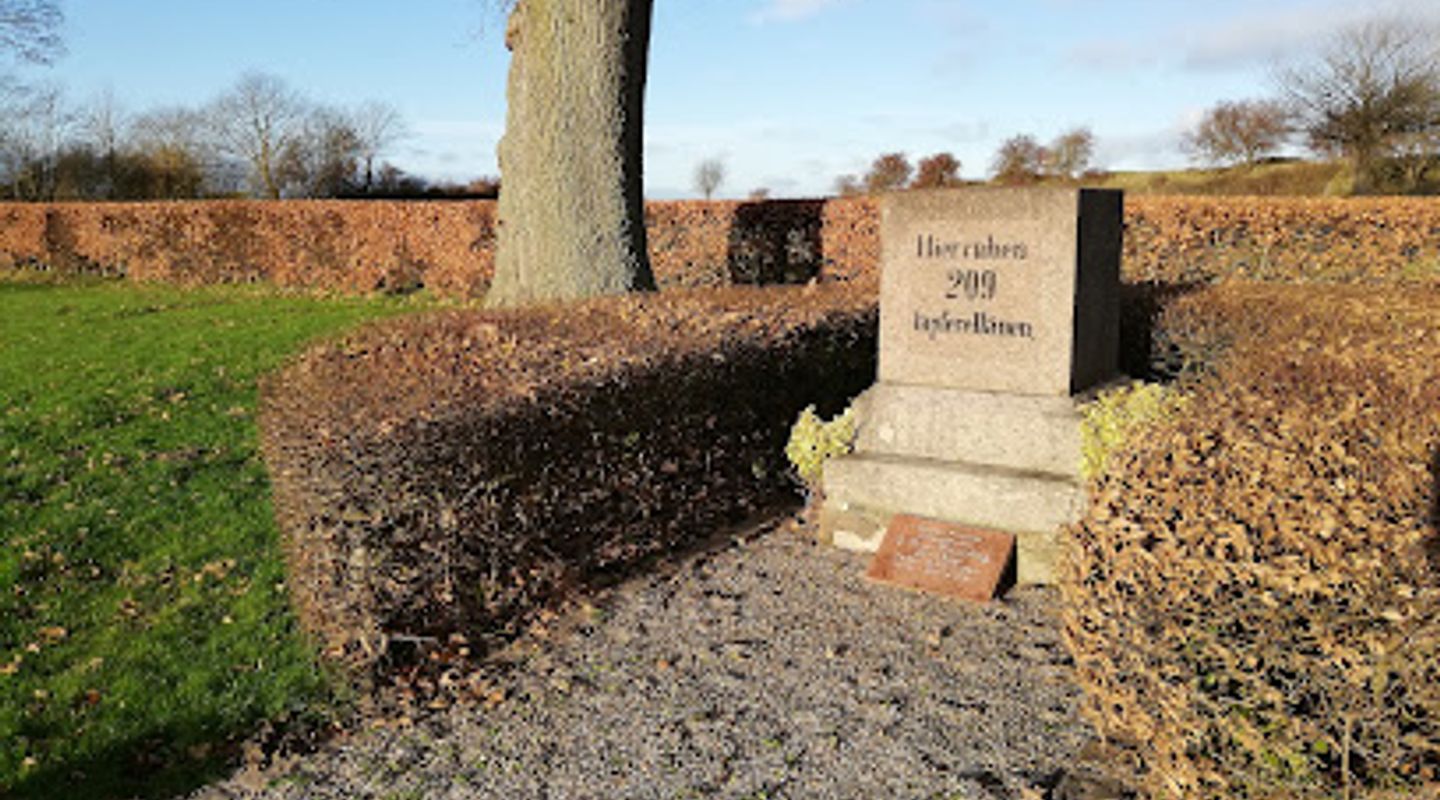
A modest field of shared graves crowns Dybbøl Banke, where simple stones, open sky and rolling hills commemorate the fallen of Denmark’s fateful 1864 battlefield.
At the crest of Dybbøl Banke, the common graves form one of the most solemn points on Denmark’s most famous battlefield. Here, beneath simple stone markers and low mounds, fallen Danish and Prussian soldiers from the 1864 war lie side by side, buried close to where they fought. Surrounded by open fields, hedgerows and distant views towards Sønderborg and Als, the site combines quiet countryside with the heavy symbolism of national defeat, reconciliation and remembrance.
On-site amenities
 Restrooms
 Drinking water
 Trash bins
 Information boards
 Seating areas
Opening hours
- Every dayOpen 24 hours
Opening hours as listed on the venue’s Google Business Profile. Hours can change for services and special events, so check with the venue before you go.
- Address
- Dybbøl Banke 25, 6400 Sønderborg
- Website
Getting there
Local bus from Sønderborg
Bicycle from Sønderborg town
Taxi or rideshare within Sønderborg area
Discover more about Fællesgravene på Toppen af Dybbøl Banke
Silent graves on Denmark’s famous battlefield
On the highest part of Dybbøl Banke, where artillery once thundered across the hills, the common graves form a stark, low-key memorial in the grass. Modest stone markers and simple inscriptions hint at the scale of loss during the assault of 18 April 1864, when Danish positions on these heights were overrun after weeks of bombardment. Many of the dead were buried quickly near where they fell, and over time these hurried burials became formalised as shared graves.Standing here today, it is the absence of spectacle that is most striking. There are no grand arches or triumphal statues, just carefully tended turf and stones that sit almost flush with the ground. The simplicity reflects a shift from glorifying victory to mourning human cost, regardless of flag.
War, defeat and the story of two nations
The common graves cannot be separated from the broader landscape of Dybbøl Banke. These rolling morainic hills were chosen by Danish engineers in 1861–62 as a defensive line of ten redoubts stretching from Vemmingbund to Als Sund. When Prussian and Austrian forces attacked in 1864, the heights became the scene of intense bombardment and close combat that reshaped the map of Denmark.After the defeat, large parts of Schleswig came under Prussian control, and Dybbøl turned into a potent national symbol. The graves at the top of the bank commemorate not only individual soldiers but also a turning point that reduced Denmark’s territory and helped forge modern identities on both sides of the border. That layered meaning hangs in the still air around the mounds.
A landscape restored to 1864
The surrounding area has been carefully managed to echo its wartime appearance. Hedgerows, open fields and grazing land have been re-established, while intrusive buildings have been removed to preserve the visual connection between the redoubts, the mill and the ridge line. From the graves you can look out across a landscape that, in outline, resembles what soldiers saw more than 150 years ago.Cows and sheep now move where troops once assembled, a deliberate reminder of how thoroughly the land has shifted from front line to pastoral calm. Paths thread gently between memorial stones and earthworks, inviting unhurried wandering and reflection rather than dramatic re-enactment.
Moments of reflection among stones and sky
Visiting the common graves is a quiet, contemplative experience. The wind is often present on this exposed ridge, carrying the rustle of grass and distant traffic from Sønderborg far below. In spring and summer, wildflowers appear around the stones, softening the geometry of the plots and attracting butterflies and birds.There is no formal ceremony to observe and no fixed route to follow. Instead, you move at your own pace between markers, reading names where they are known and noting the anonymous numbers where they are not. The open sky above and the long views in every direction lend a sense of scale to what might otherwise feel like a small, tucked-away corner of the battlefield.
Connecting with the wider Dybbøl story
Although the graves themselves are modest, they sit within a dense cluster of historic features: nearby redoubts, scattered memorial stones, the iconic Dybbøl Mill and the History Centre that interprets the 1864 war. Together they create a coherent outdoor narrative, but the common graves form one of its most intimate chapters.For many visitors this is the place where dates and diagrams give way to a more personal connection. The knowledge that soldiers from opposing sides share the same earth encourages thoughts of reconciliation and the passage of time. Leaving the site, you rejoin paths that continue across the plateau, carrying the story of Dybbøl Banke into the wider landscape.
Evendo Review Centre
 Google
Guest reviews
Best time to go
Quietest: Jan, Feb & Mar · before 7am or from 8pm
Busy times are Evendo estimates for a typical year, to help you plan. Actual crowds vary with events, school holidays and the weather.
Explore Fællesgravene på Toppen af Dybbøl Banke on the map
A handpicked selection of must-see spots near Fællesgravene på Toppen af Dybbøl Banke, mapped for you.
Get your free copy of our complete guide to Fællesgravene på Toppen af Dybbøl Banke, delivered straight to you.
Everything on this page, from opening hours and how to get there to Eve’s tips and the best time to go, in one PDF you can read offline, print or share.
Already have an account? Sign in
Your Fællesgravene på Toppen af Dybbøl Banke guide is ready.
We'll send it to · Not you? Sign out

Getting your guide ready…
We are putting together a fresh copy of the Fællesgravene på Toppen af Dybbøl Banke guide. This can take up to a minute.
This can take a few moments. If your browser asks, choose Allow so the download can start. You'll find the guide in your Downloads folder.
Nothing happened? Download it again
Sorry, the guide is taking longer than usual. Please try again in a minute, or get it by email instead.
Other nearby places you may find interesting
The closest places of the same kind, if this one is not quite what you had in mind.
-
Sønderborg Castle Centuries of royal drama, borderland wars and Southern Jutland stories unfold inside this waterfront fortress‑turned‑museum on the Alssund.
-
Støvlen A 12‑metre‑high boot‑shaped picnic house and lookout tower born from a giant scout camp, blending quirky design, open countryside views and cosy shelter.
-
Deutsches Museum Nordschleswig Modern, interactive museum in Sønderborg exploring the history, culture and identity of the German minority in Northern Schleswig.
-
Hønekilden A tiny harbor-side spring where pure water, royal engineering and whispering legends blur into a tranquil urban nook of art and history.
-
Sandbjerg Manor An 18th‑century Rococo manor turned scholarly retreat, framed by lake, fjord and parkland on the edge of Sønderborg in South Jutland.
Swipe for more places
More to explore near Fællesgravene på Toppen af Dybbøl Banke
-
 Best experiences near Fællesgravene på Toppen af Dybbøl Banke
-
 Best hotels near Fællesgravene på Toppen af Dybbøl Banke
-
 Best landmarks near Fællesgravene på Toppen af Dybbøl Banke
-
 Best attractions near Fællesgravene på Toppen af Dybbøl Banke
-
 Best shops near Fællesgravene på Toppen af Dybbøl Banke
-
 Best restaurants near Fællesgravene på Toppen af Dybbøl Banke
-
 Best bars near Fællesgravene på Toppen af Dybbøl Banke







Do you manage this location?
Take control to get all the benefits, like improved information, better appearance, and stronger visibility across AI-powered discovery.
Explore more

Explore more of Sønderborg
Discover Sønderborg, Denmark's coastal gem, where history meets nature amidst stunning landscapes and vibrant cultural experiences.
Explore Sønderborg
Explore more of Denmark
Discover Denmark: A perfect blend of history, modern design, and the cozy concept of hygge. Explore vibrant cities, serene landscapes, and world-class cuisine.
Explore Denmark
