
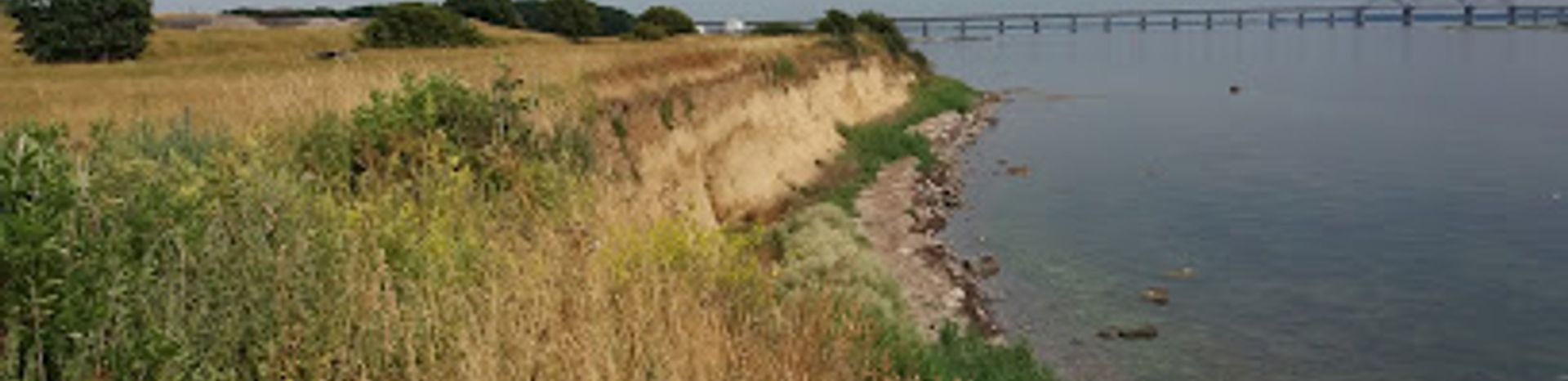
Masnedø Fort
Coastal fortress turned cultural island, where grassy ramparts, war-time tunnels and bridge-framed seascapes tell a century of Danish history in the wind.
Masnedø Fort is a low-lying coastal fortress on the tiny island of Masnedø near Vordingborg. Built between 1912 and 1915 to guard the vital link between Zealand and Lolland-Falster, it once housed hundreds of soldiers and later played a role in the dramatic German airborne invasion of 1940. Today its grass-covered ramparts, gun emplacements, tunnels and lakeside setting form an atmospheric, freely accessible historic site with wide views toward Storstrømmen and the surrounding bridges.
A brief summary to Masnedø Fort
- Masnedø, Vordingborg, 4760, DK
- Visit website
- Duration: 1 to 3 hours
- Free
-
 Outdoor
- Mobile reception: 4 out of 5
- Monday 12 am-12 am
- Tuesday 12 am-12 am
- Wednesday 12 am-12 am
- Thursday 12 am-12 am
- Friday 12 am-12 am
- Saturday 12 am-12 am
- Sunday 12 am-12 am
Local tips
- The outdoor fort grounds are freely accessible all year, but interior rooms usually open only during the summer art exhibition or special events.
- Much of the site is exposed and can be windy; pack a warm layer or rain jacket, even in summer, and wear sturdy shoes for uneven paths and steps.
- Bring a small flashlight if you plan to explore darker tunnels or casemates when they are open to the public, as lighting can be limited.
- Combine your visit with time on Masnedø’s shoreline or nearby bridge viewpoints for wide panoramas of Storstrømmen and the surrounding islands.
- Check local listings in advance if you hope to catch concerts, theatre or the annual Summer Exhibition, as dates and opening hours vary each year.

For the on-the-go comforts that matter to you
- Restrooms
- Trash Bins
- Information Boards
- Seating Areas
- Sheltered Areas
Getting There
-
Train and taxi from Vordingborg
From major Danish cities such as Copenhagen, frequent regional trains run to Vordingborg Station, with journeys from Copenhagen typically taking about 1 hour. At Vordingborg, taxis wait outside the station and can bring you to Masnedø Fort in roughly 10–15 minutes, depending on traffic. Taxi fares on this short trip are usually in the range of DKK 90–150, varying with time of day and vehicle size. This option is convenient year-round and avoids any need to navigate local industrial roads yourself.
-
Regional bus and short walk
Several regional buses connect Vordingborg with stops near the approach to Masnedø and the bridge area, with typical travel times of 10–20 minutes from the town centre. A standard single ticket on local buses generally costs around DKK 25–35. Services are less frequent in the evenings and on weekends, so it is wise to check current timetables in advance. From the nearest stop you should expect a walk on paved or gravel surfaces across flat terrain to reach the fort, which may feel exposed in windy or wet weather.
-
Car from Zealand or Falster
If you are driving from elsewhere on Zealand or from Falster, you can cross to Masnedø using the main road bridges that carry traffic over Storstrømmen. Travel time from central Vordingborg is usually around 10–15 minutes by car, while from Nykøbing Falster it is about 25–35 minutes under normal conditions. There is typically free parking close to the fort, though spaces may be limited during large cultural events or on busy summer days. Roads are paved and suitable for standard vehicles in all seasons except during rare periods of severe winter weather.
-
Cycling from Vordingborg
For an active and scenic option, you can cycle from Vordingborg to Masnedø Fort, following marked cycle-friendly roads that share the same bridge crossing used by cars. The ride usually takes 20–35 minutes each way at a moderate pace. The route is largely flat but can feel demanding in strong coastal winds, and visibility may be reduced during heavy rain or sea mist. There is no dedicated entrance fee or permit required for cyclists, but using lights and high-visibility clothing is strongly recommended outside daylight hours.
Masnedø Fort location weather suitability
-
 Any Weather
-
 Clear Skies
-
 Windy Conditions
-
 Mild Temperatures
-
 Cold Weather
-
 Hot Weather
Discover more about Masnedø Fort
An island stronghold guarding Denmark’s southern gateway
Masnedø Fort squats low against the shoreline of Masnedø, its earth-covered ramparts blending so well with the landscape that you can almost miss how large the complex really is. Built from 1912 to 1915 as part of the coastal defenses protecting Copenhagen and the sea route between Zealand and Lolland-Falster, it was strategically positioned to oversee the busy Storstrømmen waters and the important rail and road link to the continent. The fortress spreads over roughly 45,000 square metres, a self-contained military world that once bristled with heavy guns and searchlights. Beneath the grassy mounds lie casemates, stores and narrow corridors that speak of an era when artillery duels and naval blockades were real possibilities in these quiet channels.Guns, garrisons and the world’s first airborne assault
In its early years Masnedø Fort was armed with a mix of large-calibre steel cannons, howitzers and machine guns designed to deter hostile fleets. More than 200 artillery soldiers were stationed here during the First World War, living in spartan barracks and manning the ramparts in rotating shifts. From 1932 the fort was integrated into the navy’s coastal defense network, reflecting Denmark’s concern over growing tensions in Europe. At dawn on 9 April 1940 the fort entered global military history when German paratroopers descended from the sky in one of the first recorded airborne seizures of a fortified position. Their objective was to secure the Storstrøm Bridge and the route toward Copenhagen; Masnedø Fort fell quickly and remained under German control throughout the war, its guns turned to new masters and its tunnels adapted to occupation needs.Hidden functions after the wars and preservation for the future
The end of the Second World War did not mean immediate retirement for Masnedø. In the following decades it served in a series of low-profile roles, including use as a penal and isolation facility for certain detainees and later as a secure depot for naval mines and other sensitive equipment. Much of this activity took place behind closed doors, leaving relatively few traces on the fortress’ outward appearance but adding layers of Cold War-era secrecy to its story. A turning point came in the 1970s, when the municipality of Vordingborg acquired the site and gradually shifted its purpose from military utility to cultural heritage. In 1995 Masnedø Fort was officially protected as a national historical monument, ensuring that its ramparts, underground structures and surrounding terrain would be conserved as a coherent ensemble for future generations.Art, installations and a seasonal creative pulse
Today Masnedø Fort is known not only for cannons and bunkers but also for its role as a distinctive arts venue. A unit of the Danish Home Guard still uses part of the complex, yet the vaulted spaces and casemates also host a theatre and occasional rock or experimental concerts that make striking use of the raw concrete acoustics. Since the late 1990s a professional summer exhibition of visual art has brought sculptures, installations and paintings into the old military rooms. During these seasonal events the normally closed interior opens to visitors, who can wander through galleries carved into the fort itself, moving from powder magazines to contemporary art in just a few steps. Outside exhibition months, the grassy embankments and outer grounds remain the main draw, providing a gentler setting for picnics, photography and quiet exploration.Open-air ramparts, island views and everyday atmosphere
The outdoor areas of Masnedø Fort are freely accessible year-round, turning what was once a guarded zone into an informal public park. You can stroll along the tops of the ramparts, peer down into old gun pits and follow paths past low concrete structures slowly being reclaimed by moss and wildflowers. The nearby water and small lake add a reflective quality, with sea birds circling overhead and the silhouettes of bridges framing the horizon. This is not a site of polished pomp but of weathered brick, rough earthworks and shifting Baltic weather. On blustery days the wind whips across the island, while still summer evenings can feel almost languid as the light fades over Storstrømmen. Whether you come for military history, contemporary culture or simply a quiet coastal walk, Masnedø Fort offers a surprisingly layered encounter with Denmark’s past and present on a modest but memorable scale.Iconic landmarks you can’t miss

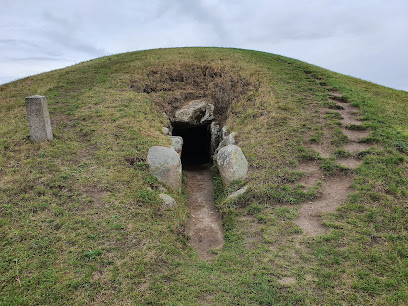
Kong Asgers Høj
16.8 km
Denmark's largest passage grave—a 5,000-year-old Neolithic monument of monumental stone and timeless mystery.
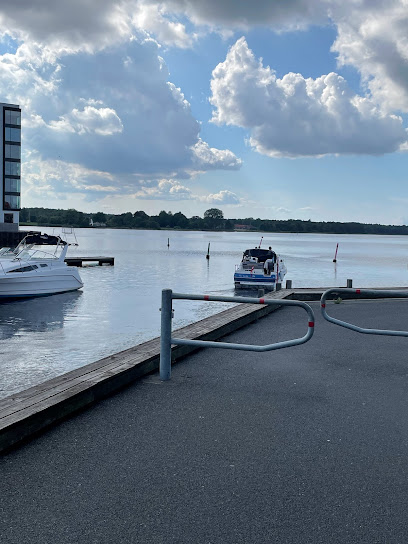
Hotel Falster
23.2 km
Experience Danish hospitality at Hotel Falster in Nykøbing Falster, offering comfortable accommodations, on-site dining, and easy access to local attractions and the South Sea Islands.
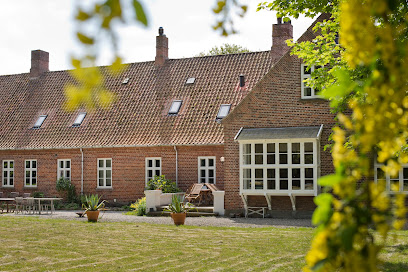
Bellinge House- Bed & Breakfast. Wellness.
23.7 km
Discover tranquility and wellness at Bellinge House, a charming bed & breakfast in Nykøbing Falster, Denmark, offering holistic treatments and serene accommodations.
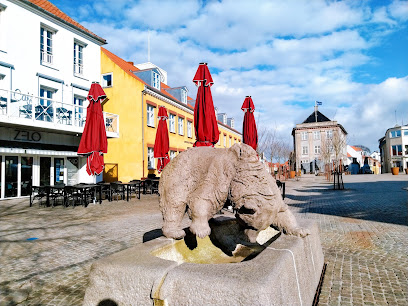
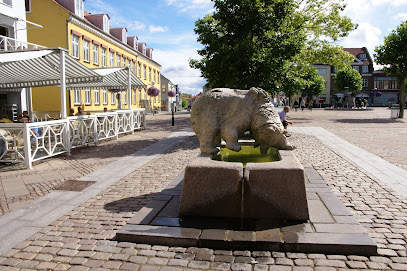
Bjørnebrønden
24.4 km
Granite bear, flowing water and royal history converge in this compact fountain that anchors Nykøbing Falster’s main square and its stories.
Touristinformation
24.4 km
Explore the charm and rich culture of Nykøbing Falster, a delightful coastal town perfect for your next Danish adventure.
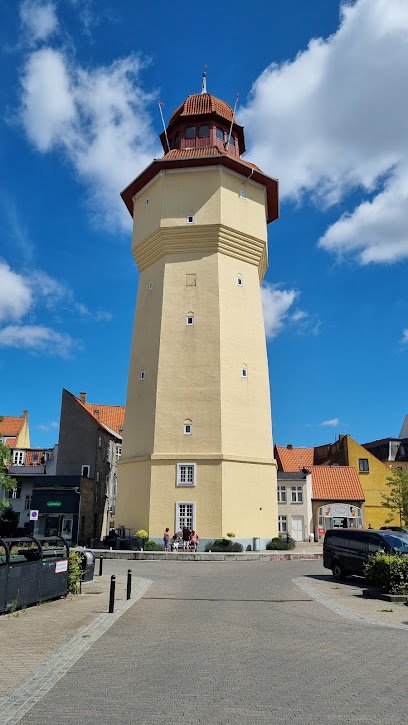
Vandtårnet I Nykøbing F
24.5 km
Historic concrete water tower turned art space and viewpoint, offering 147 steps to sweeping panoramas over Nykøbing Falster, Guldborgsund and the flat fields of Falster.
Mindbjergs
24.5 km
Explore a fusion of Danish and Asian flavors at Mindbjergs, a culinary gem in Nykøbing Falster offering unique dishes in a warm atmosphere.
Falster Provsti
24.7 km
Explore the tranquil beauty and historical significance of Falster Provsti, a stunning church in Nykøbing Falster, Denmark.
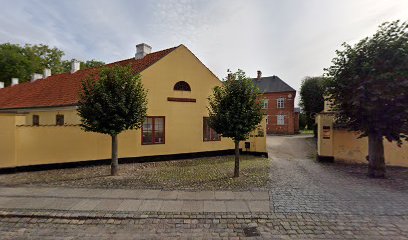
Genforeningssten i Næstelsø
24.8 km
Experience the vibrant history and charm of Copenhagen's iconic Nyhavn waterfront.

Diocese of Lolland–Falster
25.0 km
Experience the serene beauty and rich history of the Diocese of Lolland–Falster in Nykøbing Falster, a captivating church and cultural landmark.
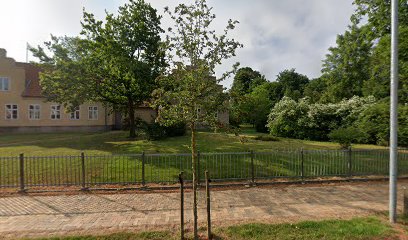
Pomle Nakke Traktørsted
25.1 km
Experience Danish coastal charm at Pomle Nakke Traktørsted, where stunning Baltic Sea views meet locally sourced cuisine for an unforgettable dining experience on Falster.
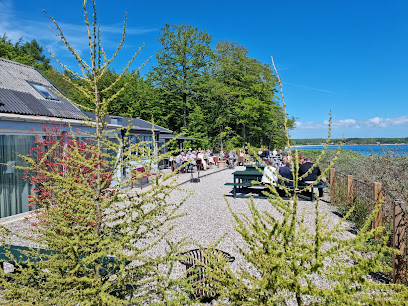
Restaurant pizzeria Delfino
25.6 km
Experience authentic Italian cuisine in the heart of Stege at Restaurant Pizzeria Delfino, where fresh ingredients and a warm atmosphere create a memorable dining experience for all.
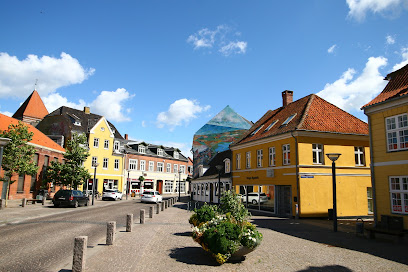
Rose Stege Restaurant
25.6 km
Discover the authentic tastes of Denmark at Rose Stege Restaurant, where delicious pizzas and local dishes await in a cozy atmosphere.
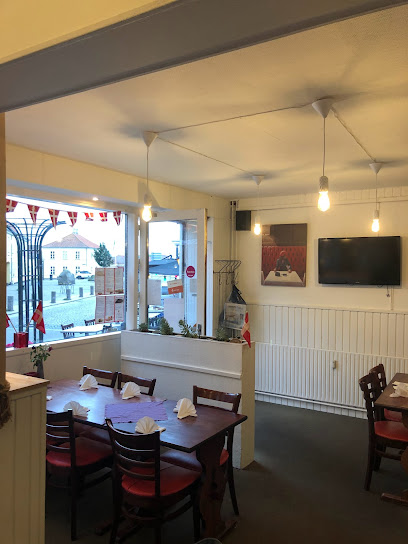
Camønoen
26.0 km
Discover Denmark's friendliest hiking trail, the Camønoen, a 175km journey through Møn, Nyord and Bogø, offering stunning nature, rich culture and unforgettable experiences for all hiking enthusiasts.
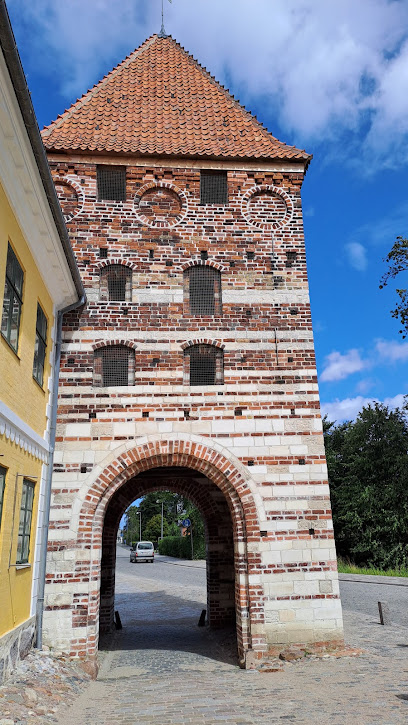
Møns Museum, Empiregården
26.0 km
Discover Møn's captivating history and vibrant culture at Møns Museum, nestled in the charming Empiregården in Stege, offering a journey through time and tradition.
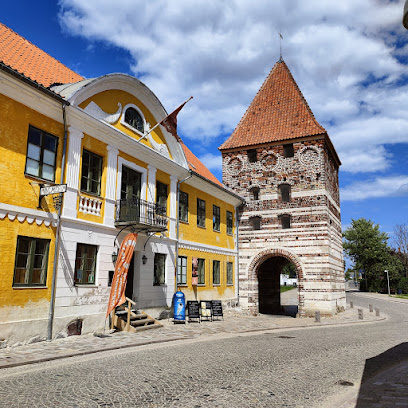
Unmissable attractions to see

Vordingborg Castle
2.9 km
Evocative castle ruins, the golden Goose Tower and a cutting-edge museum reveal how Vordingborg once stood at the center of Denmark’s medieval power.
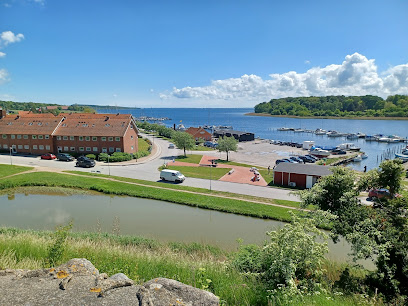
Danmarks Borgcenter
2.9 km
Medieval Danish power brought to life through ruins, towers, and cutting-edge digital storytelling.
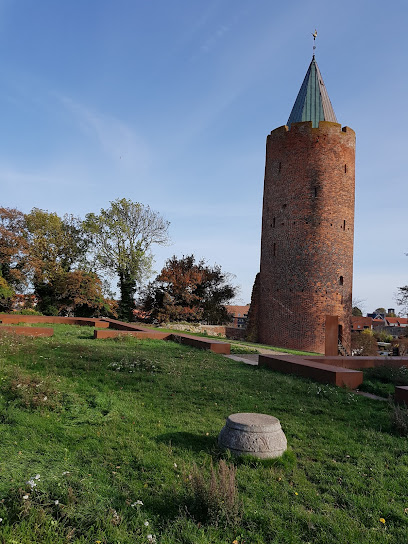
Museum Sydøstdanmark
2.9 km
Regional cultural history museum headquartered at Vordingborg’s castle ruins, weaving together royal power, archaeology and everyday life across South and East Zealand.
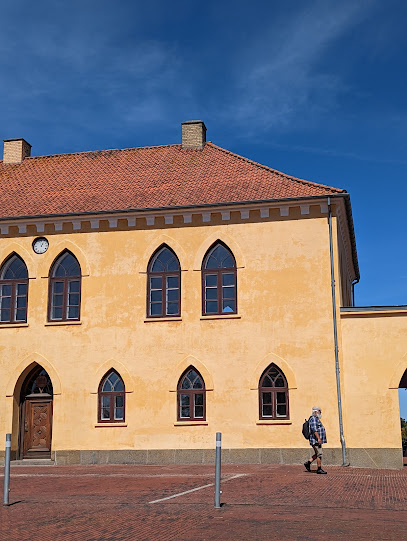
Goose Tower
3.0 km
Where medieval Danish kings ruled from a fortress that still commands the landscape.
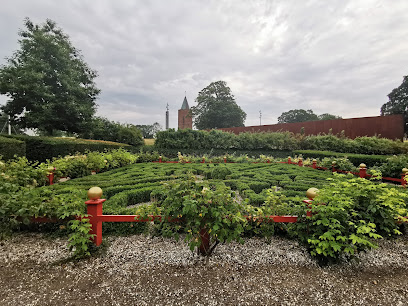
Stensby Møllebæk (Malling's Gorge)
9.0 km
A small, hidden ravine where a lively mill stream, steep wooded slopes and traces of local history create a quiet, atmospheric pause in the South Zealand countryside.
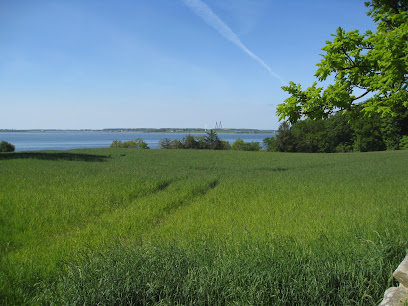
Brombaergaarden B&B
9.7 km
Charming Danish countryside retreat with exceptional hospitality and homemade breakfasts in a picturesque stone house.

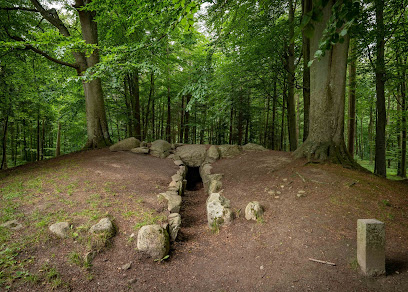
Jættestuen Hulehøj
13.5 km
Sweeping sands, gentle surf, and Baltic breezes await at Rødvig Beach—South Zealand’s tranquil harbor escape and a gateway to Stevns Klint’s dramatic cliffs.
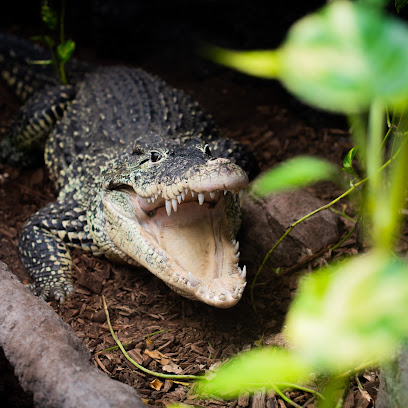
Crocodile Zoo, Falster
13.8 km
Danmarks eneste rene krokodille-zoo, hvor du i tropisk varme kommer helt tæt på verdens krokodiller, kæmpeslanger og andre eksotiske dyr på landlige Falster.
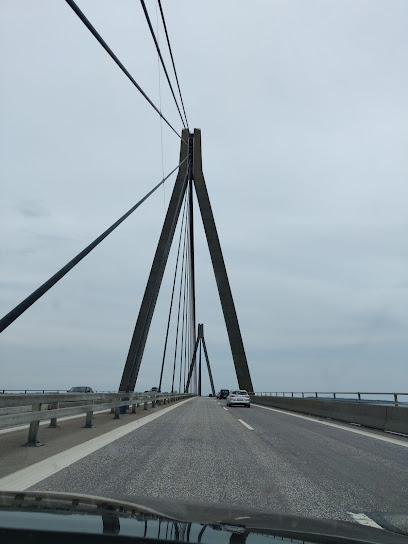
Falster
14.0 km
A gentle Danish Baltic island of long beaches, quiet farmland, small harbor towns and big skies, where laid-back coastal holidays meet everyday rural life.
Stubbekøbing Camping & Cottages
14.2 km
Serene waterfront camping with views of Grønsund Strait, peaceful Danish hospitality, and easy access to island exploration.
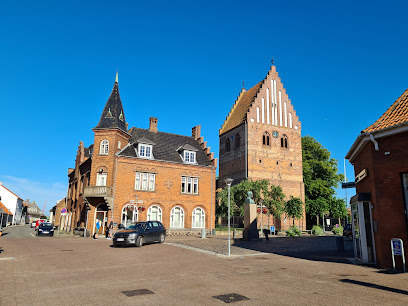
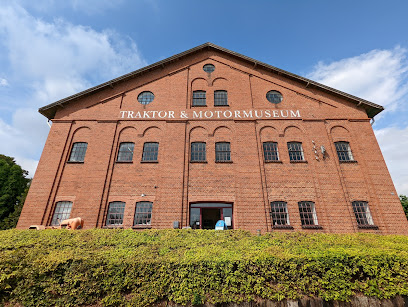
Danmarks Traktormuseum
14.3 km
A multi-storey journey through Danish agricultural history, showcasing beautifully preserved tractors and engines inside a pioneering early 20th‑century industrial building.
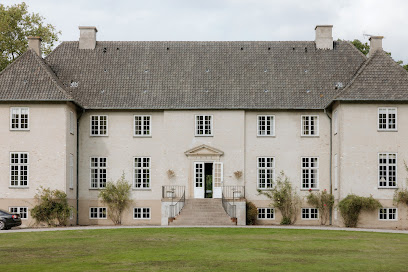
Oremandsgaard Gods & Destilleri
14.9 km
Denmark's pioneering estate distillery where five generations of organic farming meet award-winning handcrafted spirits.
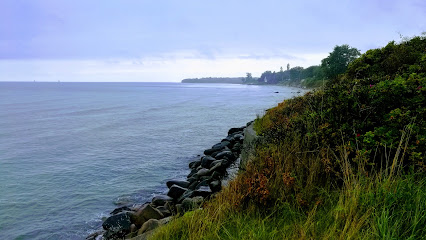
Kalvehave Labyrintpark
15.0 km
Navigate mind-bending mazes and brain-teasing games across 20,000 square meters of outdoor puzzle paradise.
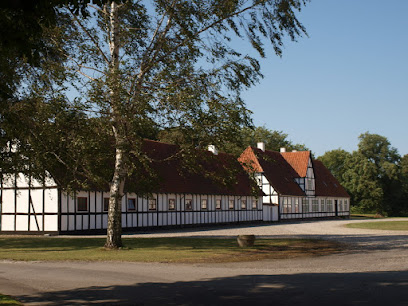
Vennerslund
15.4 km
Historic Falster manor estate where centuries of Danish rural life, traditional architecture and gentle gardens meet the waterside landscape of Guldborgsund.
Smykkemuseum.dk
19.5 km
A working jewelry studio and intimate museum celebrating handcrafted artistry across centuries.
Essential places to dine

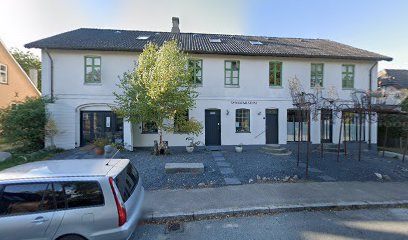
Motel Højmølle Kro
14.4 km
Classic Danish roadside kro on rural Falster, pairing honest comfort and hearty local food with easy parking and quick access to the main north–south route.
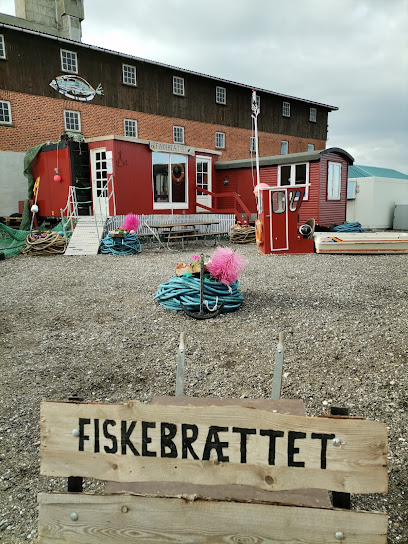
Fiskebrættet
14.8 km
Harbour-side fish shack and seafood counter in a little red hut on Stubbekøbing Harbour, serving fresh local catch with relaxed outdoor seating by the water.
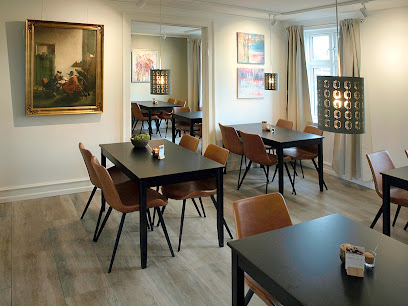
Cocomarie, Bistro & Café
16.5 km
Historic farmhouse bistro serving locally sourced cuisine and craft coffee in Guldborg.
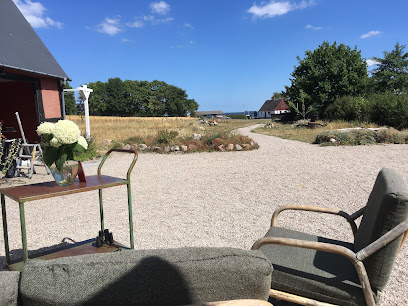
Gæsteriet
17.3 km
Intimate Danish brasserie in the village of Mern, serving homely seasonal cooking and drinks in a relaxed South Zealand countryside setting.
Cafe Mocca
18.3 km
Relaxed harborfront café-restaurant on Præstø Fjord, serving hearty classics, brunch and drinks with wide fjord views and an easygoing small-town atmosphere.
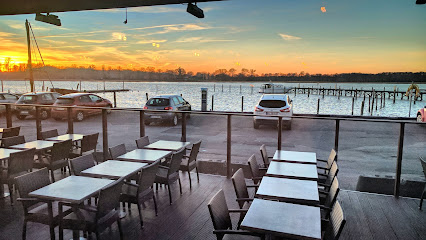
Restaurant Sommers
18.4 km
Relaxed harbourfront restaurant in Præstø serving generous Danish comfort dishes and seafood, with bright Nordic interiors and a terrace overlooking the marina.
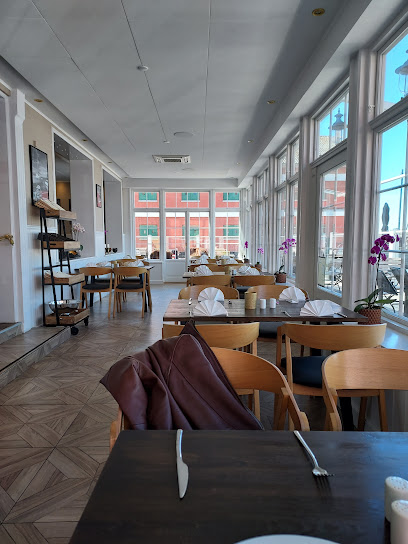
Frederiksminde hotel og restaurant
18.6 km
Romantic fjordside pavilion in Præstø where classic Danish charm meets New Nordic fine dining, intimate gardens and slow, atmospheric escapes from everyday life.
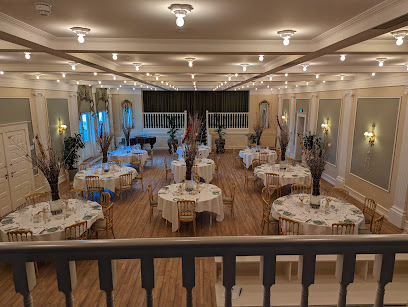
Damme Kro
19.2 km
Authentic Danish comfort food in a historic countryside inn on the island of Møn.
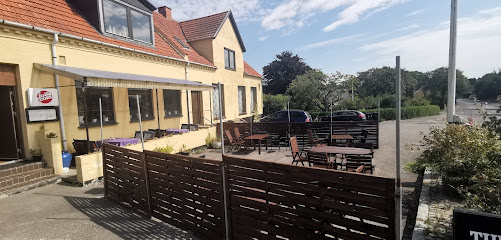
Muldiverset
20.0 km
Organic farmhouse restaurant and regenerative garden by the sea, where slow-paced Nordic cooking, wild greenery and a curated eco shop reconnect you with nature.
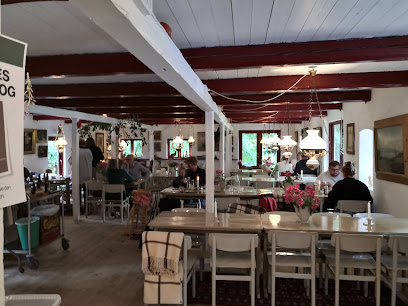
Færgemandens Hus.
20.8 km
A former ferryman’s house turned cosy waterfront grill-restaurant on Møn, serving hearty Danish comfort food in snug rooms and by the bay.
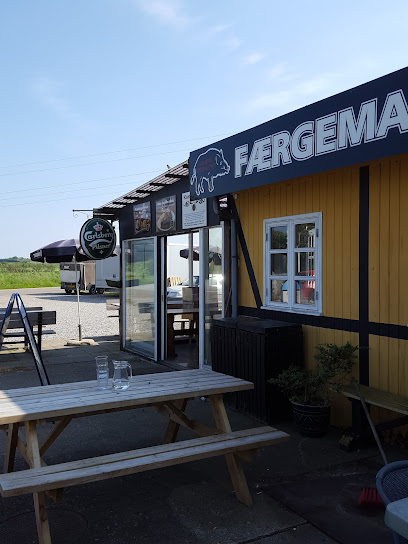
Restaurant GastrÖ
20.8 km
Nordic fine dining on a quiet island, where seasonal ingredients and technical precision create unforgettable meals.
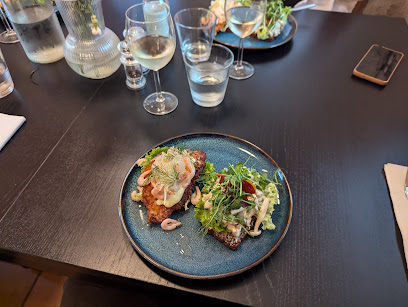
Noorbohandelen
20.9 km
Atmospheric island deli and spirits specialist in Nyord’s car‑free village, combining tastings, gourmet shelves and a cosy café stop on the edge of Møn.
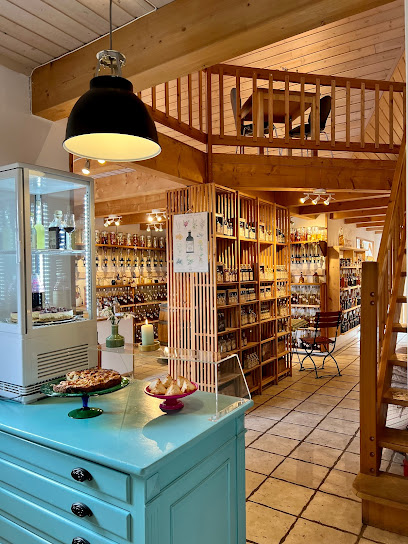
Restaurant Lolles Gaard ApS
21.0 km
Traditional Danish cuisine in an idyllic island garden where heritage and hospitality flourish.
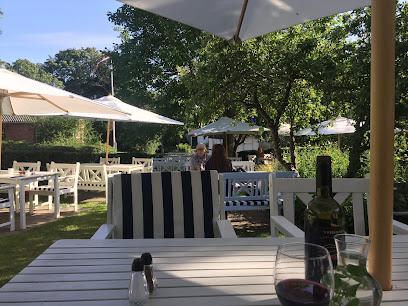
Fjordkroen
22.3 km
Cosy fjordside country inn on South Zealand, blending classic Danish kro charm, water‑view rooms and traditional cooking in a peaceful rural setting.
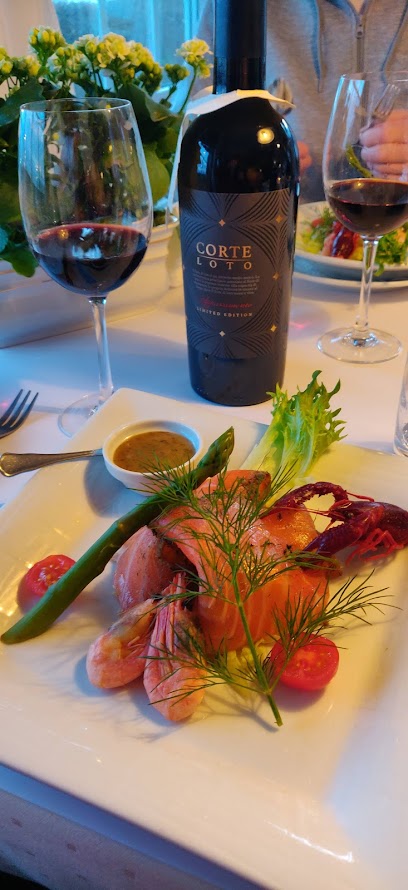
Fanefjord Skovpavillon
23.0 km
Historic woodland pavilion on Møn offering classic Danish cuisine with a modern touch, surrounded by tranquil Fanefjord forest and gentle countryside charm.
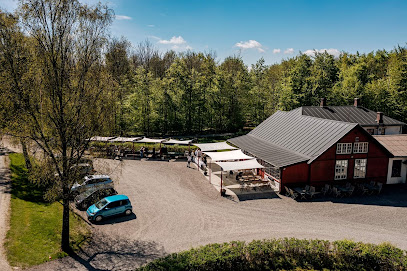
Markets, malls and hidden boutiques

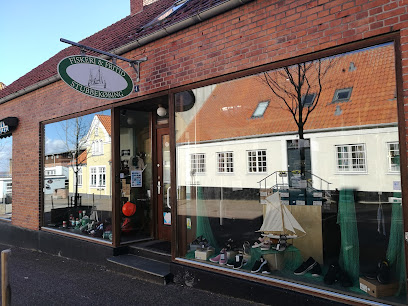
Fiskeri & Fritid Stubbekøbing
14.8 km
Harborfront fishing and outdoor shop in Stubbekøbing, equipping locals and visitors alike for Baltic Sea angling, coastal weather and life by the water.
"Ejendommens" lille vejbod
18.6 km
A tiny countryside honesty stall on Hannenovvej where homemade preserves and seasonal produce offer a delicious, everyday taste of rural Falster.
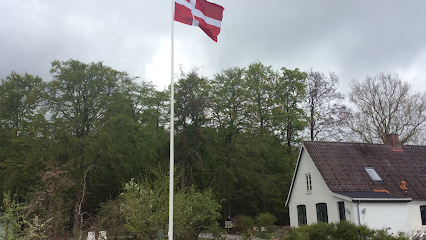
Rosengaarden antik
19.9 km
Rural Danish antique treasure trove on Møn, where barns and sheds brim with vintage furniture, glass, chinaware and curios along the road to Stege.
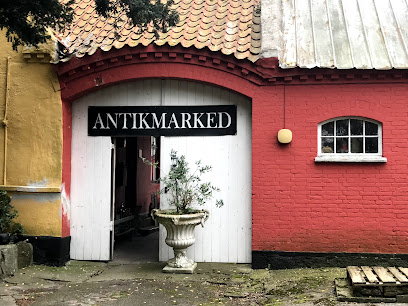
Møn Bolcher, Møn Dragée & Harms Chocolat
20.0 km
Danish dragées and artisanal chocolates crafted at the source in Nykøbing Falster.
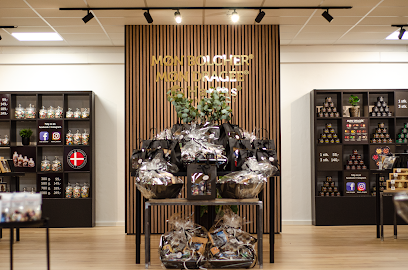
Vibækgård
20.3 km
Rural farm shop on Møn blending fresh local produce, animal feed and thoughtful gifts in a laid-back courtyard setting between fields and Stege Bay.
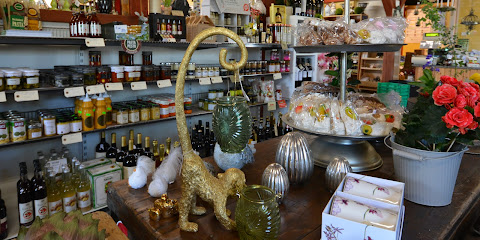
Nyord Ø Handel
20.9 km
Tiny island shop with a big heart: local groceries, crafts, coffee and ice cream at the friendly center of everyday life on tranquil Nyord.
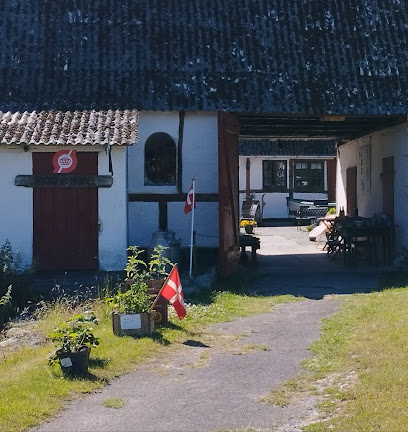
Lammehave Økologi v/Jacob Isling Jørgensen
20.9 km
Organic farm and 24/7 self-service shop on eastern Falster, where diverse crops, home-milled grains and local meat meet a quiet, trust-based countryside atmosphere.
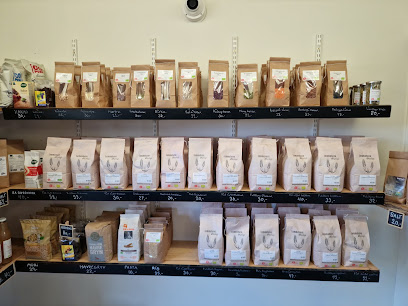
Coma Horreby v/Henrik Jensen
21.6 km
Local discount supermarket on Nykøbingvej, keeping Horreby and passing Falster travelers stocked up with everyday essentials at budget-friendly prices.
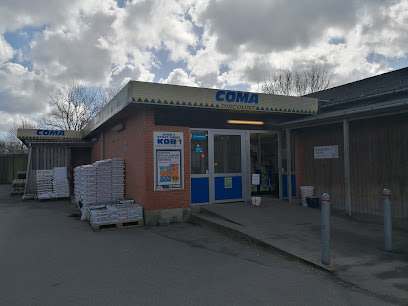
Butik Patina
21.9 km
Characterful antiques and vintage Scandinavian finds in a homely, timeworn setting on the quiet outskirts of Nykøbing Falster.
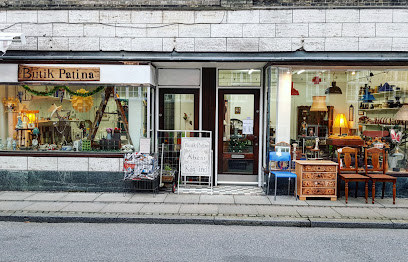
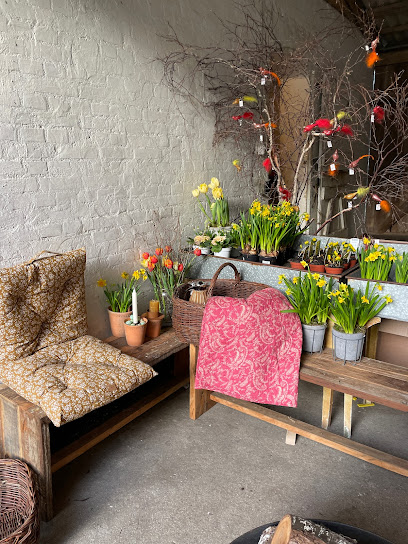
Nannas Blomster & Kreationer
22.2 km
Homely florist in a historic villa on Tingstedvej, crafting seasonal bouquets, plants and personalised floral designs for everyday gifts and life’s special occasions.
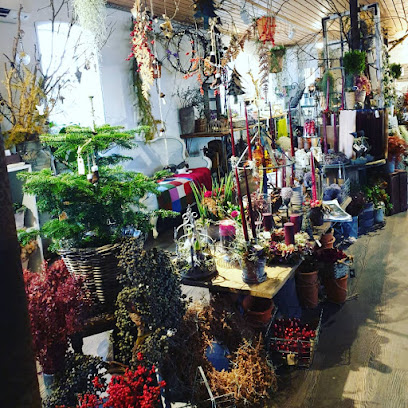
Furnish
22.4 km
Spacious Scandinavian furniture and bed showroom in Nykøbing Falster, blending modern Danish design, styled room inspiration and relaxed, practical home shopping.
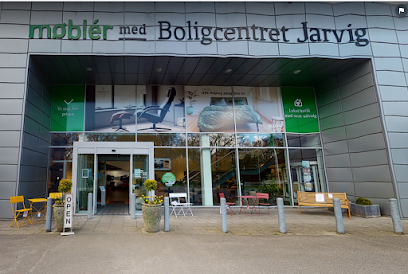
Tjørnemosegaard Julebutik & Møn honning
22.6 km
Cosy farm shop on Møn blending year-round Christmas charm with golden local honey and rural flavours in a warm, hygge-filled countryside setting.
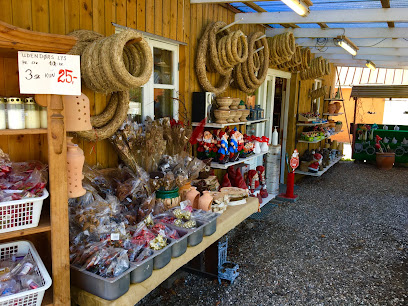
Meny
22.7 km
Full-service Danish supermarket in Nykøbing Falster with fresh produce, in-house butcher and deli, strong wine selection and long daily opening hours.
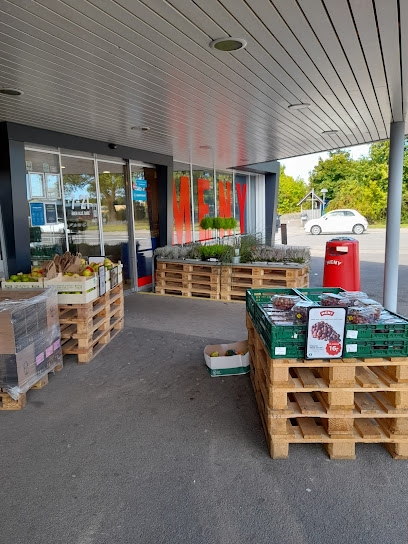
Frisenlund Living
23.6 km
Contemporary Danish farm shop where local produce, Scandinavian design, and rural charm converge in a welcoming modern barn.
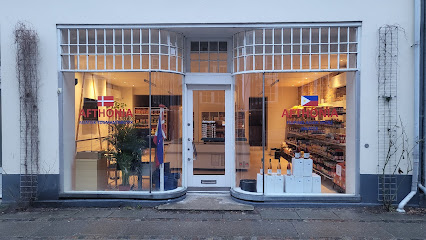
Afthonia Store
24.3 km
Compact Asian grocery on Nykøbing Falster’s Slotsgade, stocking noodles, rice, sauces, snacks and frozen specialties for curious home cooks and everyday shopping.
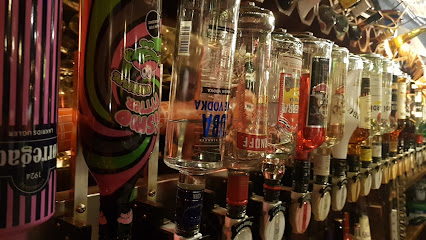
Essential bars & hidden hideouts

Rådhus Pub'en
3.2 km
Authentic Danish pub on the historic town square, where locals and travelers gather for genuine hospitality.
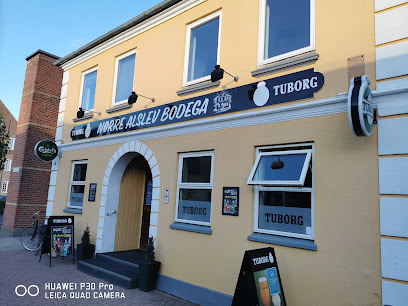
Nr. Alslev Bodega ApS
10.0 km
Laid-back neighborhood bodega in Nørre Alslev, pouring inexpensive beers and small-town Danish charm from late morning until midnight on weekends.
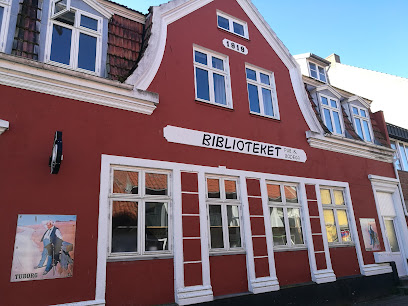
Biblioteket
14.7 km
Casual neighborhood bar in central Stubbekøbing with extended hours and genuine local character.
Sussis Bodega ApS
19.8 km
Rural Danish bodega in an 1800s house along Stavreby Strandvej, offering simple drinks, informal company and a quietly coastal countryside atmosphere.
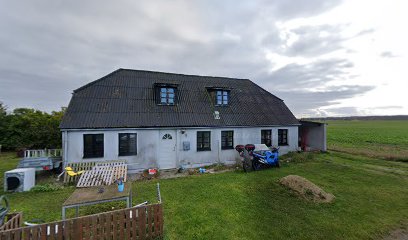
Kaspers landsted
20.0 km
A cosy 19th‑century villa turned intimate rock and party venue, where Sakskøbing’s locals gather for house‑party vibes, live music and laid‑back nights.
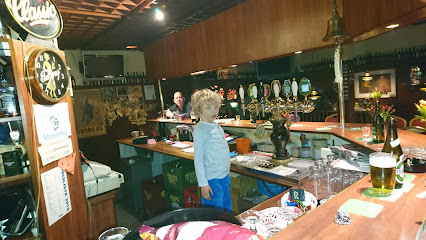
Slap A'
23.7 km
Unpretentious local bar in Nykøbing Falster with pool tables, inexpensive drinks and a relaxed neighborhood vibe from daytime quiet to late-night chatter.
Cafe Nutiden V/ Brian Ipsen
23.8 km
A classic Danish bodega-style bar in central Nykøbing Falster, serving simple drinks and plenty of local atmosphere from midday through the late evening.
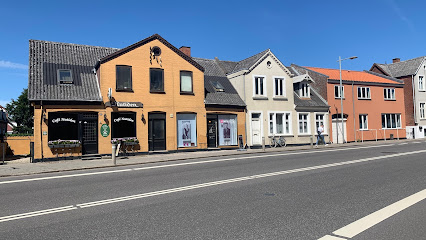
FUND BAR
23.9 km
Waterfront cocktails, Nordic design and a smoke-free, sociable atmosphere on Nykøbing Falster’s marina-facing Slotsbryggen promenade.
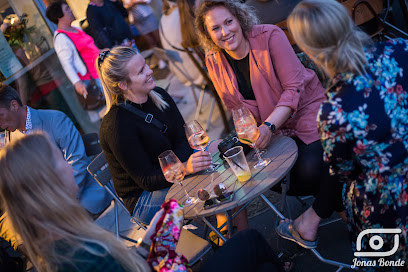
Vinoteque Marittima
24.2 km
Floating wine and coffee bar on Nykøbing Falster’s harbor, blending intimate maritime charm with carefully chosen drinks, small plates and sunset-ready deck seating.
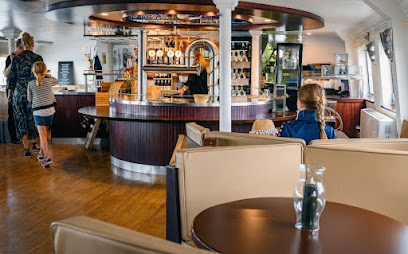
Fortuna
24.2 km
Cosy, no-frills Danish bodega in central Nykøbing Falster, where cold beer, warm conversation and unhurried evenings capture the spirit of local nightlife.
Cafe Slotsgården V/Brian Fog Ipsen
24.2 km
Experience Danish hospitality at Cafe Slotsgården, Nykøbing Falster's cozy beer hall with a rustic charm and diverse beer selection.
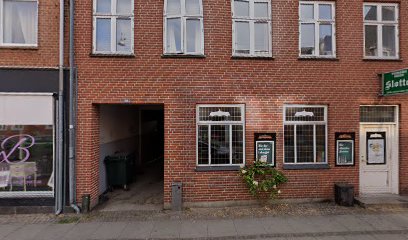
Slottet Værtshus
24.2 km
Unpretentious Danish bodega on Slotsgade where locals, regulars and curious visitors share cold beers, billiards games and late‑night jukebox tunes.
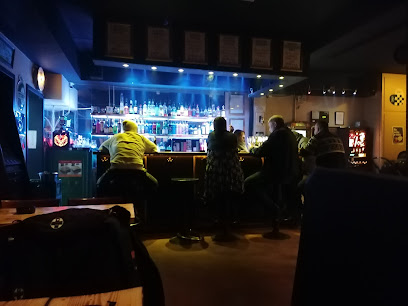
falster falster
24.3 km
Small, social neighborhood bar on Skolegade in Nykøbing Falster, serving cold beers and simple drinks in an unpretentious, intimate Danish pub atmosphere.
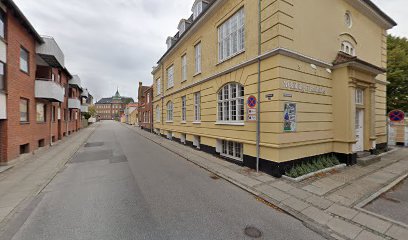
Jernbanecafeen Nykoebing Falster - Denmark
24.4 km
Unpretentious railway-side bar-café in Nykøbing Falster, where locals gather for relaxed evening drinks, conversations and classic, no-fuss Danish hospitality.
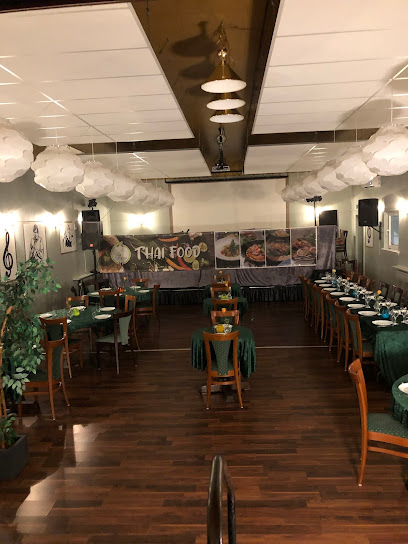
Den Sorte Engel
24.5 km
Moody brick walls, close-up live music and unpretentious Danish pub vibes make Den Sorte Engel the beating heart of Nykøbing Falster’s nightlife.
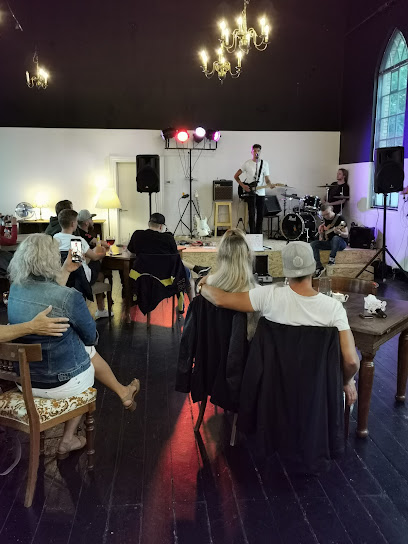
Nightclubs & after hour spots

Loke MC - Helheim
11.4 km
Rural Danish biker clubhouse with Norse-mythology flair, offering intimate late-night gatherings, loud rock playlists and a no-frills bar far from mainstream nightlife.
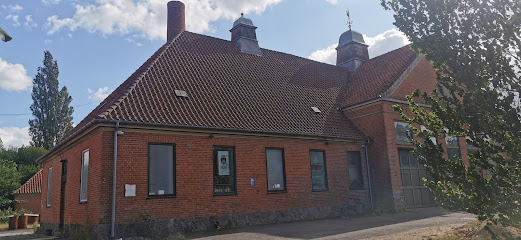
Første sted
24.4 km
Compact, music-driven nightclub on central Slotsgade, offering an intimate, local slice of Nykøbing Falster’s late-night dancing and drinks scene.
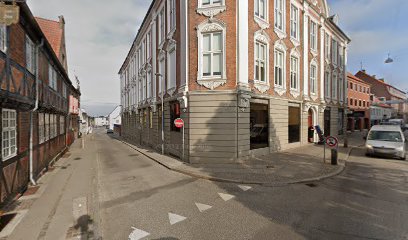
N.Y.K. Event
24.6 km
Compact late-night bar and nightclub in central Nykøbing Falster, mixing strong drinks, loud beats and a sociable dance floor that runs into the early morning.
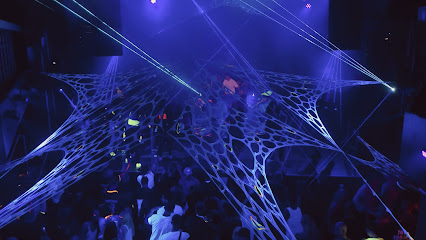
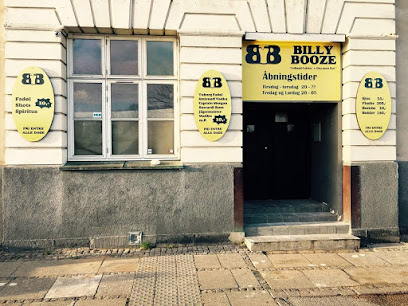
Billy Booze
24.6 km
Compact late-night disco in Nykøbing Falster with inexpensive drinks, loud hits and a casual dance floor vibe from Thursday to Saturday.
Avenue Næstved
28.1 km
Lively nightspot and flexible event hall in central Næstved, mixing dancefloor energy, festive dinners, stand-up comedy and themed parties under one roof.
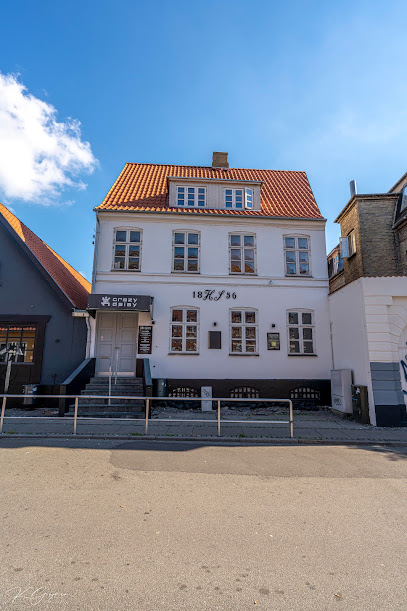
Crazy Daisy Næstved
28.2 km
High‑energy weekend nightclub in central Næstved, packing loud beats, flashing lights and a late‑night local crowd into a compact, classic Danish town‑club setting.
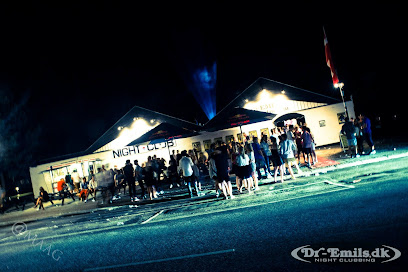
Dr. Emil Laboratory, Marielyst
32.9 km
Beachfront nightclub where summer energy meets live music and dancing until dawn.
Pier To Heaven
37.5 km
Experience maritime charm and exquisite drinks at Pier To Heaven in Klintholm Havn.
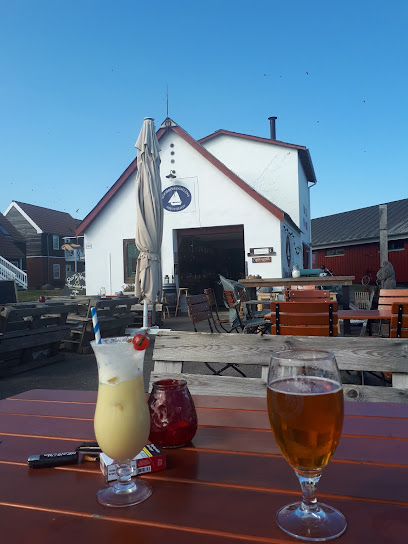
Gedser Lighthouse
47.3 km
Explore Denmark's southernmost lighthouse, offering panoramic Baltic Sea views and rich maritime history.
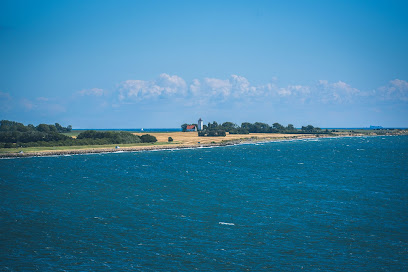
Gedser Odde
47.8 km
Discover the windswept beauty and migratory birdlife of Gedser Odde, Denmark's dramatic southernmost point where land and Baltic Sea converge.
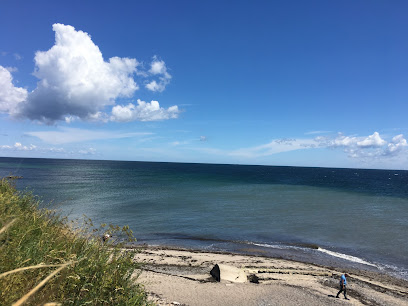
CLUB ZANZI
50.9 km
High‑energy waterfront nightclub bringing big‑city beats, flashing lights and late‑night dancing to the heart of coastal Nakskov.
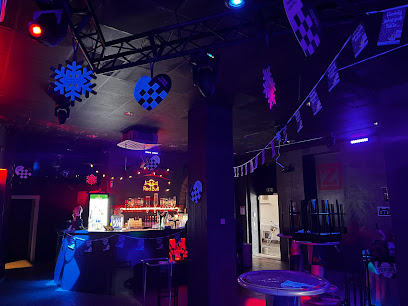
Bloom Nightclub
55.4 km
Late-night harborfront beats and a compact dance floor bring big-night energy to small-city Køge every Friday and Saturday.
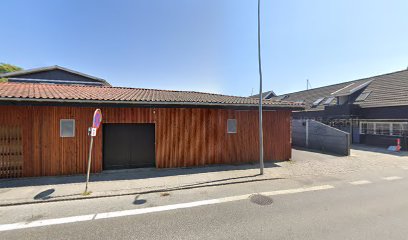
The Flame
55.4 km
Compact, high-energy nightclub by Køge’s harbor, serving up youthful beats, live acts and weekend dance-floor vibes in an intimate, no-frills setting.
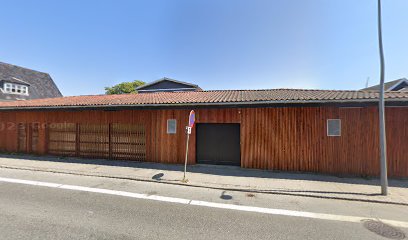
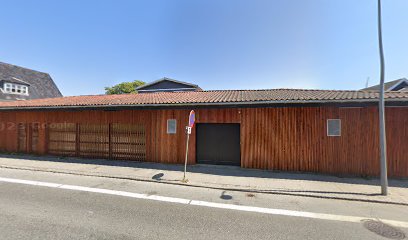
LUSIO
55.4 km
Compact harbor-side nightclub in Køge with late Friday hours, a tight dance floor, and an intimate, no‑frills setting for Danish weekend nights out.
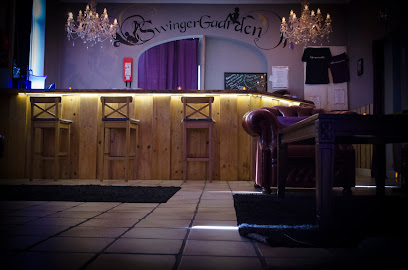
Swingergaarden
55.7 km
Discreet countryside swingers club near Slagelse, offering themed adult nights, intimate play spaces and a rules-based, consent-focused environment for open-minded guests.
For the vibe & atmosphere seeker
- Scenic
- Tranquil
- Unique
- Relaxing
- Adventurous
For the design and aesthetic lover
- Rustic Designs
For the architecture buff
- Historic
- Landmarks
- Sacred Sites
- Viewpoints
- Parks & Gardens
For the view chaser and sunset hunter
- Iconic Views
- Panoramas
- Sunset Spots
- Waterfront
For the social media creator & influencer
- Photo Spots
- Architectural Shots
- Instagrammable
- Reel-Friendly
For the eco-conscious traveler
- Low Impact
- Public-Transport Accessible
- Locally Managed
For the kind of experience you’re after
- Cultural Heritage
- Photowalk
- Adventure Photo Shoot
- Day Trip
- Roadtrip Stop
- Mindfulness
For how adventurous you want the journey to be
- Easy Access
Location Audience
- Family Friendly
- Senior Friendly
- Child Friendly
- Teen Friendly
- Solo Friendly
- Couple Friendly


