
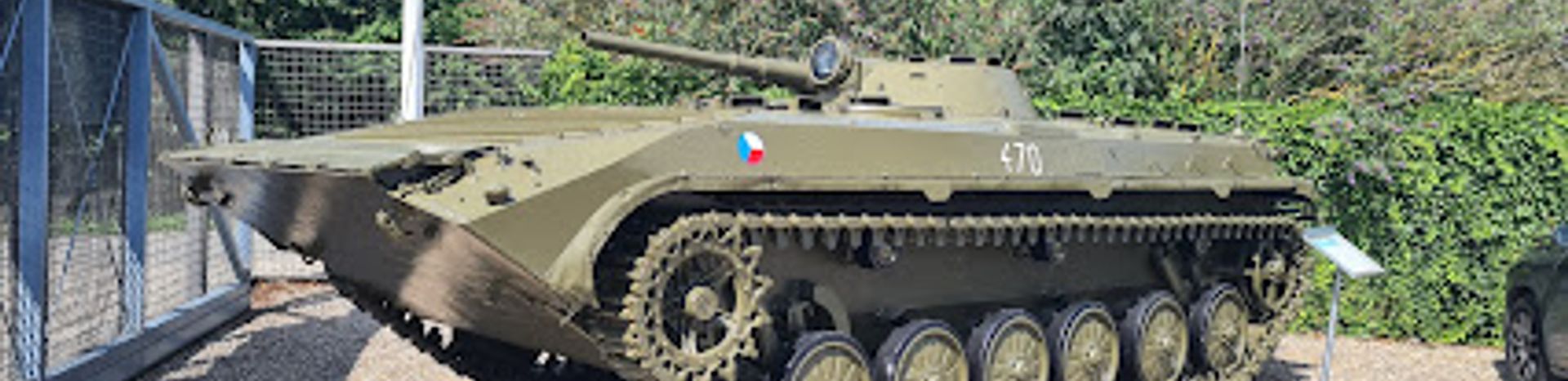
Panzermuseum East
Scandinavia’s largest Eastern Bloc armor collection, where Cold War tanks, trenches, helicopters and a quirky airliner-cinema turn heavy history into a hands-on day out.
Panzermuseum East, set amid fields outside Slagelse, is Scandinavia’s largest collection of Eastern Bloc military vehicles and Cold War memorabilia. Across vast hangars and an outdoor action park, you move among Soviet tanks, armored cars, helicopters, field hospitals and propaganda displays that explore life on the other side of the Iron Curtain. Outside, trenches, obstacle courses, lakes, shelters and a quirky airliner-cinema turn weighty history into an engaging, hands-on day out for all ages.
A brief summary to Panzermuseum East
- Fladholtevej 18, Slagelse, 4200, DK
- +4520259048
- Visit website
- Duration: 1.5 to 4 hours
- Mid ranged
-
 Mixed
Mixed
- Mobile reception: 4 out of 5
- Tuesday 10 am-4 pm
- Wednesday 10 am-4 pm
- Thursday 10 am-4 pm
- Friday 10 am-4 pm
- Saturday 10 am-4 pm
- Sunday 10 am-4 pm
Local tips
- Plan at least 2–3 hours to explore both the indoor vehicle halls and the outdoor action park; families or enthusiasts may want most of a day.
- Wear sturdy shoes and weather-appropriate layers; you will move between large indoor halls, trenches and open plantation paths.
- Bring a small snack or enjoy a break at the on-site café, then browse the museum shop for model kits or olive-green memorabilia.
- If staying overnight in the shelter facilities or with a camper, pack warm clothing and a headlamp for evening walks around the lakes.
- Families with younger children can focus on the obstacle course, trenches and aircraft cinema to balance serious history with play.

For the on-the-go comforts that matter to you
- Restrooms
- Drink Options
- Drinking Water
- Food Options
- Seating Areas
- Sheltered Areas
- Picnic Areas
- Trash Bins
- Information Boards
- Visitor Center
Getting There
-
Train + taxi from Slagelse Station
From Slagelse Station, reached from Copenhagen by frequent trains in about 1–1.5 hours for roughly 120–200 DKK one way in standard class, continue by local taxi to Panzermuseum East. The drive takes around 10–15 minutes, and typical fares fall in the 130–200 DKK range depending on time of day and traffic. Taxis run year-round, but pre-booking is wise on weekends or late afternoons, and note that wheelchair-accessible vehicles should be requested in advance.
-
Local bus from Slagelse towards the countryside
Regional buses run from Slagelse towards villages in the surrounding area, with journey times of about 20–30 minutes plus a short rural walk to reach the museum. Single tickets usually cost around 25–40 DKK within the local zone system. Services are less frequent in the evenings and on Sundays, so check current timetables, and be prepared for basic rural stops without shelters or electronic displays.
-
Car from central Slagelse and Zealand motorways
Driving from central Slagelse or the main E20 motorway network, expect a 10–20 minute journey along country roads through farmland. There is on-site parking close to the museum, generally free of charge for day visitors, and larger vehicles such as campers can usually be accommodated in designated areas. Surfaces are a mix of gravel and tarmac, so standard cars are sufficient, but in winter conditions allow extra time for slower rural driving.
Panzermuseum East location weather suitability
-
 Any Weather
-
 Clear Skies
-
 Mild Temperatures
-
 Cold Weather
-
 Hot Weather
Discover more about Panzermuseum East
Cold War stories in rural Zealand
Panzermuseum East sits in the countryside near Slagelse, but its subject matter spans decades of global tension. Conceived to show how the Cold War looked from the Eastern Bloc side, the museum gathers equipment, uniforms and everyday objects from socialist armies and societies between 1945 and 1991. Instead of abstract timelines, you encounter the era through steel, canvas and propaganda posters, all framed by Denmark’s own role as a potential frontline between East and West. The setting is deliberately immersive rather than polished or distant. Halls feel more like vast depots than glass-case galleries, and the surrounding plantation and lakes create a surprisingly tranquil backdrop to the heavy subject matter. It is a place where you can contemplate the weight of history while hearing the wind in the trees outside.Armored giants and invasion plans
At the heart of the museum are rows of restored Soviet and Warsaw Pact vehicles. More than sixty armored and specialist machines, along with trucks and jeeps, stand nose to nose in over three thousand square meters of display space. You wander beneath looming tank turrets, trace the outlines of amphibious vehicles and compare early post-war designs with later Cold War engineering. Beyond the hardware, themed scenes reconstruct what an invasion of Denmark might have looked like. Field bakeries, mobile command posts and a chillingly detailed mobile field hospital suggest the scale of planning behind any major operation. Mannequins in period uniforms and equipment-filled tents give the impression that personnel have just stepped away from their posts.Life behind the Iron Curtain
The museum goes beyond steel and armor to explore how societies braced for conflict. Civil defense exhibits present Denmark’s preparations for nuclear attack, from warning systems to advice on sheltering. Nearby, Eastern Bloc propaganda films and posters show how ideology was woven into everyday life, contrasting sharply with the Danish countryside outside. Information boards and staged interiors hint at the routines of soldiers and civilians: the cramped bunks, improvised repairs and constant drills. Moving through these sections, you begin to see tanks and helicopters not only as machines, but as tools within a vast political and social system that shaped the lives of millions.Playful action park and open-air escapes
Step outside the halls and the tone lightens. An outdoor action park invites children and adults to clamber through dugout trenches and field fortifications, tackle a kid-scaled obstacle course or, on select days, climb into vintage sidecar motorbikes or army trucks for carefully supervised rides. Here the focus shifts from strategy to hands-on experience, using movement and play to make history tangible. Around the complex, a park-like plantation with small lakes and winding paths offers space to unwind. Designated shelter areas, including inventive pipe bunkers and a semi-buried spruce barracks, can be booked for overnight stays, turning the site into an atmospheric camp with a military twist. It is a curious blend of outdoor recreation and historical setting.Quirky aircraft cinema and on-site comforts
One of the most unexpected sights is a full-size vintage passenger jet, parked as if awaiting boarding. Inside, a small cinema screens short films while children test the cockpit controls, getting their first taste of being a pilot beneath a Cold War fuselage. The aircraft bridges civil and military aviation, adding a playful note to the museum experience. To round out a visit, an on-site café serves drinks and simple meals, while a well-stocked shop sells models, toys and memorabilia in every shade of olive green. With restrooms, seating areas and information points scattered across the grounds, the museum is set up for unhurried exploration – whether you stay for a couple of focused hours or make a full day of it among tanks, trenches and quiet woodland.Iconic landmarks you can’t miss

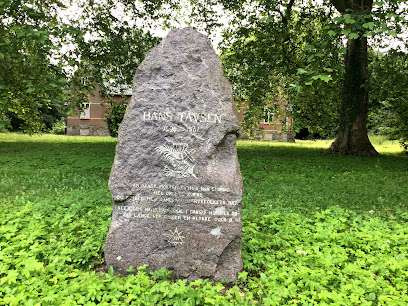
Mindesten for Hans Tausen
10.1 km
A modest granite stone in a quiet Slagelse green, marking the birthplace of Denmark’s Lutheran Reformation story at the former Antvorskov monastery.
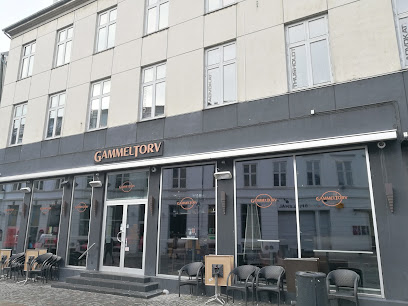
Gammeltorv
11.2 km
Copenhagen's 12th-century heart: Renaissance fountain, Neoclassical facades, and Strøget buzz in one timeless square.
Vandtrappen
11.4 km
A small yet compelling ceramic water sculpture in Slagelse’s Rosengården, where stepped cascades and quiet sound turn an everyday square into a contemplative urban pause.

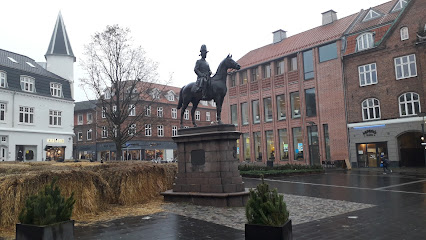
Rytterstatue af Christian IX
11.4 km
Bronze king on horseback surveys Slagelse from Schweizerpladsen—a citizen-honored tribute to Christian IX's enduring reign, sculpted with poised majesty.
Stendysse ved Blæsinge
17.1 km
A modest Neolithic stone tomb in the fields near Blæsinge, offering a quiet roadside glimpse into western Zealand’s Stone Age landscape and rituals.

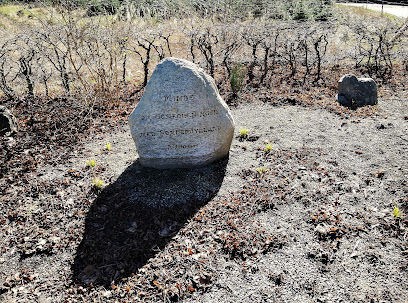
Genforeningssten i Saltø Skov
18.5 km
A granite memorial stone marking Denmark's 1920 reunification with South Jutland, standing at a forest crossroads near Næstved.
Breddysse Stones
19.7 km
A modest Neolithic dolmen in the fields near Slagelse, where ancient burial stones, open skies, and quiet farmland meet in a quietly powerful landscape.

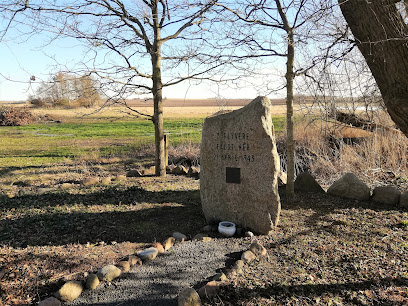
RAF Memorial Stone
20.1 km
Small rural monument, big wartime story: a quiet Danish field where seven RAF airmen are remembered with a single steadfast stone.
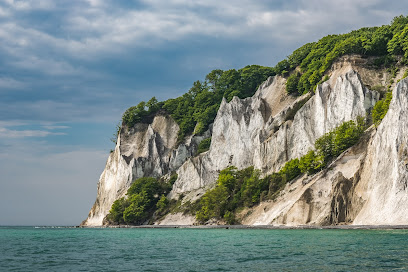
Visit Sydsjælland & Møn
21.1 km
Discover the stunning landscapes and rich culture of Sydsjælland & Møn, a unique Danish destination for nature lovers and history enthusiasts alike.
Næstved Station
21.2 km
Explore the evolution of Danish and international design at Copenhagen's historic Designmuseum Danmark.

Hans-Jørgen Færks Plads
21.7 km
Medieval market town square where Danish history, culture, and modern commerce converge in southern Zealand.
Genforeningssten i Næstelsø
26.6 km
Experience the vibrant history and charm of Copenhagen's iconic Nyhavn waterfront.

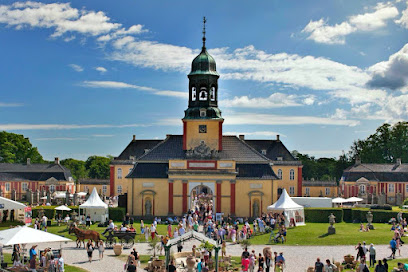
Ledreborg Castle
40.0 km
Denmark's most harmonious 18th-century palace, where 250 years of aristocratic life remain beautifully preserved.
Træ-cirklerne ved Birkendegård
40.0 km
Subtle traces in the fields east of Kalundborg reveal a vast Neolithic ring monument, Denmark’s “Stonehenge”, encircling the hill of Overdrevsbakken.
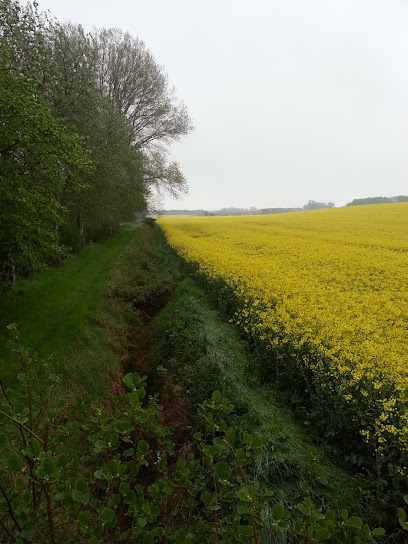
Land of Legends | A Land to Explore
40.4 km
Experience 10,000 years of Danish history at the Land of Legends in Lejre, an open-air museum with reconstructed villages, artisan workshops, and hands-on activities for the whole family.
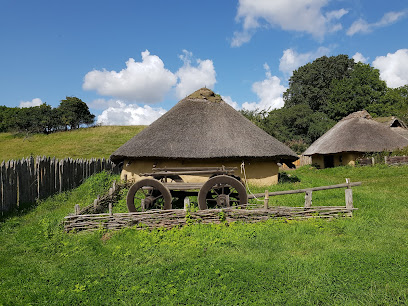
Unmissable attractions to see

Skovsgaard Mølle og Bagerimuseum
1.5 km
Step into a 19th‑century village bakehouse where more than 500 tools, ovens and bread wagons tell the fragrant story of Danish baking in rural Zealand.

Monument for Frederik den Syvende
7.5 km
A modest 1881 granite tribute in a rural memorial grove, linking Frederik VII’s constitutional legacy with the quiet landscapes of West Zealand.
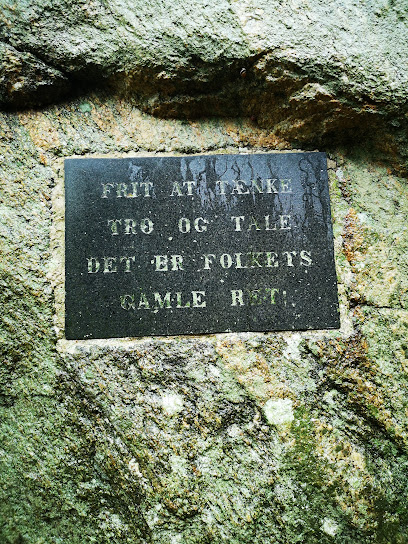
Soldatens Lod
9.4 km
Simple forest shelters, campfires and quiet clearings on the edge of Slagelse’s former military training grounds, ideal for low-key picnics and nights under the trees.

Mor Magdas træ
9.6 km
Ancient oak named for local matriarch Mor Magda, a roadside emblem of Danish rural lore and natural endurance between Slagelse and Sorø.

Naturpark skovsø
9.7 km
Urban woodland and open grassland on Slagelse’s northeastern edge, Naturpark Skovsø is an easy, everyday escape into trees, paths and fresh air.
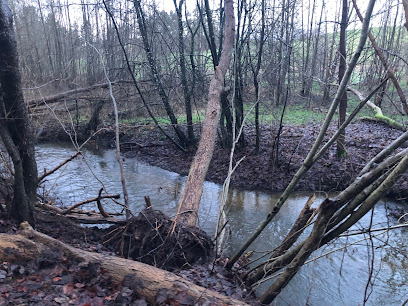
Antvorskov Klosterruin, Slagelse
10.1 km
Atmospheric monastery and castle ruins on Slagelse’s edge, where low stone walls, open grass and big skies trace the story of a powerful medieval order.

Amphiteater
10.2 km
A small open-air stage carved into the greenery of Slagelse, where local performances, picnics and quiet pauses share the same gently sloping grassy bowl.
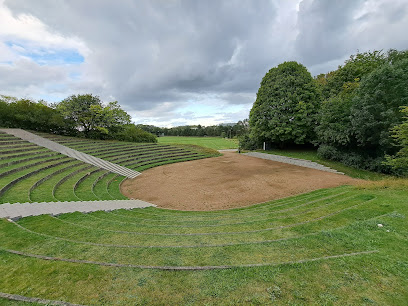
Øen i søen
10.8 km
A tiny green island in a calm lake, Øen i søen offers an easy escape into water, sky and quiet lawns just a short stroll from everyday Slagelse life.
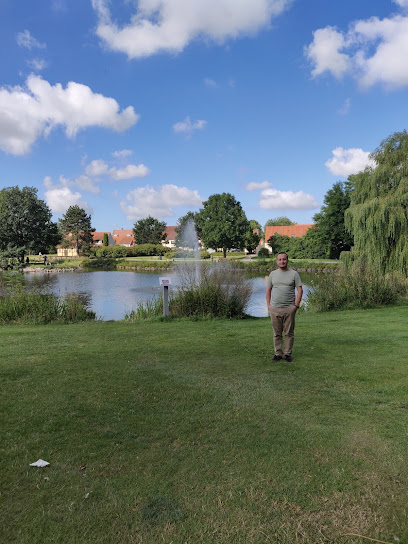
Lystanlægget Slagelse
10.8 km
Historisk bypark med søer, blomsterbede og roligt hverdagsliv – et grønt åndehul med legeplads, stier og plads til picnic, lige ved centrum af Slagelse.

Genforeningssten i Slagelse
10.9 km
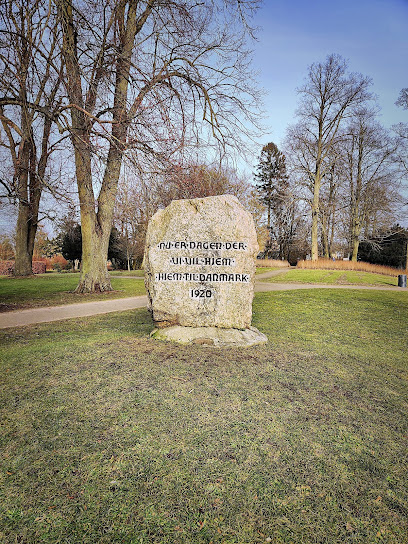
Diskret granitsten på en lille jordhøj i Slagelse, hvor genforeningen i 1920 er hugget i sten midt i et roligt, grønt anlæg.
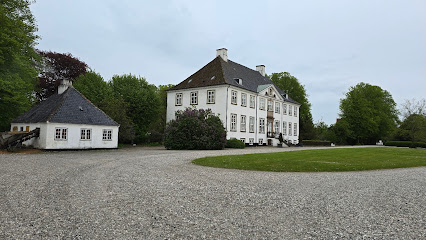
Gunderslevholm Gods
11.1 km
Step into 14th-century Denmark at Middelaldercentret, an immersive open-air museum in Nykøbing Falster.
Gerlev Legepark
11.2 km
A three-hectare open-air playground where traditional Nordic games, Viking-inspired challenges and low-tech fun turn West Zealand’s fields into one huge shared game board.

Slagelse Museum
11.3 km
Step into old Slagelse at this intimate town museum, where recreated shops, homes and changing exhibitions bring West Zealand’s everyday history vividly to life.

Vægmaleri
11.4 km
Experience the fusion of history and modern art at Slagelse's vibrant street mural by Peter Skensved.
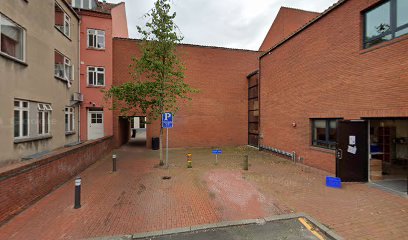
Vægmaleri - VestsjællandsCentret
11.4 km
A splash of urban colour on the side of VestsjællandsCentret, this open-air mural adds creative flair to everyday shopping streets in the heart of Slagelse.

Essential places to dine

Dansk Mad&Fest Service
10.3 km
Flexible Danish party venue in Slagelse offering hearty local cuisine, spacious banquet rooms and practical, all-in-one arrangements for private and corporate events.
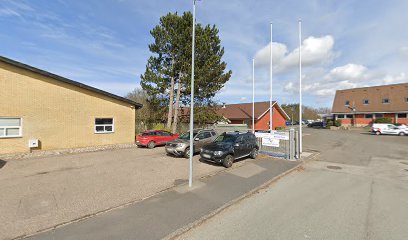
Carl's Jr. Slagelse
10.5 km
Flame-grilled American-style burgers, free refills and family-friendly seating beside Bilka make Carl’s Jr. Slagelse a convenient, casual pit stop in West Zealand.
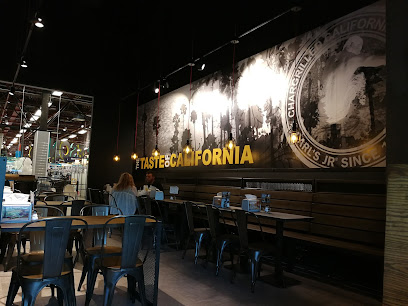
Malsk by Bratved
10.7 km
Refined Danish comfort food in a cozy countryside setting beside Trelleborg Golf Club, where smørrebrød, views and relaxed hospitality define the experience.
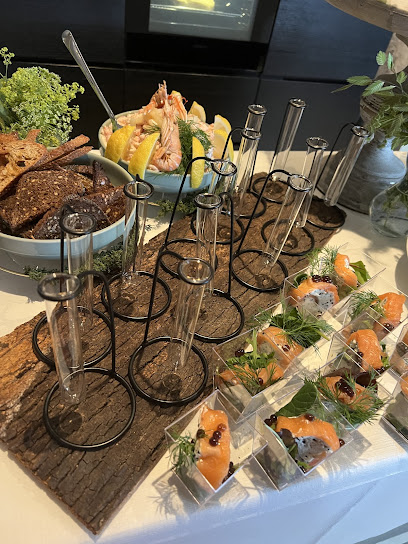
Sunset Boulevard
10.7 km
Modern Danish fast-food stop in Slagelse offering burgers, sandwiches and quick, casual meals with long opening hours and convenient takeaway options.
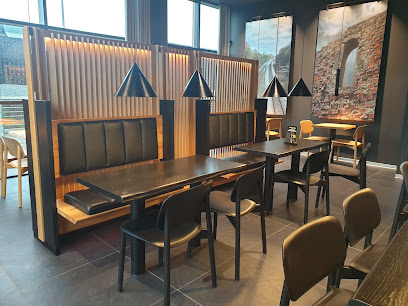
Grill-letten
10.8 km
Casual Danish grill bar in central Slagelse serving smørrebrød, burgers and hearty grill plates in a simple, no-fuss setting with generous portions.
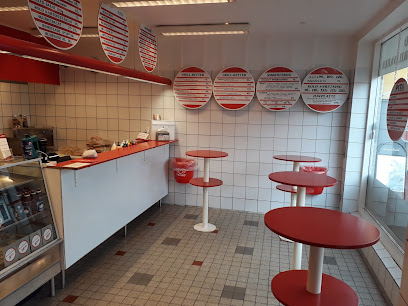
Roll 'n Eat - Slagelse
10.8 km
Denmark's first kebab drive-thru serving fresh shawarma and quality fast food in Slagelse.
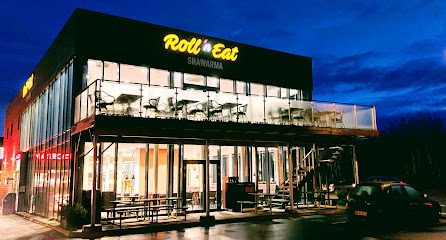
Alt in Sushi
11.2 km
Modern all-you-can-eat and à la carte sushi in the heart of Slagelse, pairing digital ordering with a broad menu of maki, nigiri, sticks and takeaway boxes.

Rib House
11.2 km
Hearty ribs, steaks and burgers served in a relaxed steakhouse atmosphere right on Slagelse’s historic Gamle Torv, ideal for families, groups and casual nights out.
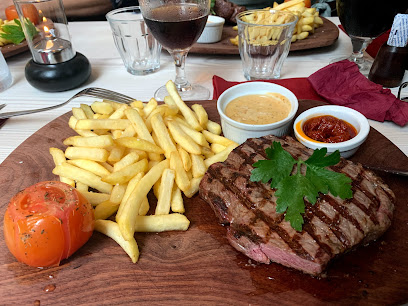
Paradiso Kebab Grill Restaurant
11.2 km
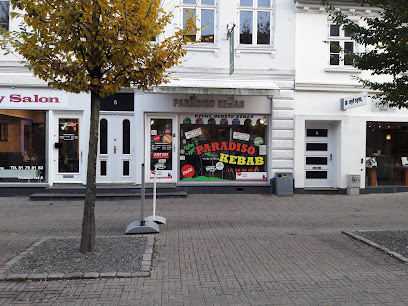
Casual kebab and pizza joint in central Slagelse, serving generous portions, stone-oven comfort food and quick takeaway from late morning to evening every day.
Café Korn - Slagelse
11.2 km
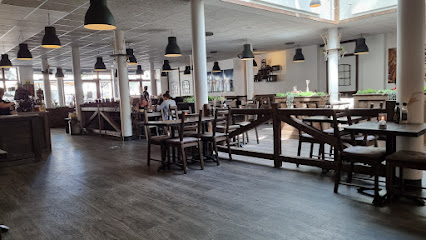
Scandi-style café on Slagelse’s historic Gamle Torv, serving generous brunches, casual classics and good coffee in bright, social surroundings all day.
Restaurant Flammen
11.2 km
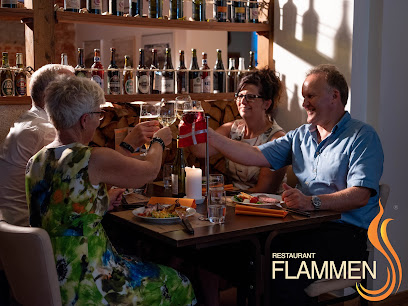
Big‑hearted grill buffet in the center of Slagelse, where glowing grills, generous spreads and cozy interiors make easy work of family dinners and celebrations.
Joci Sushi Slagelse
11.2 km
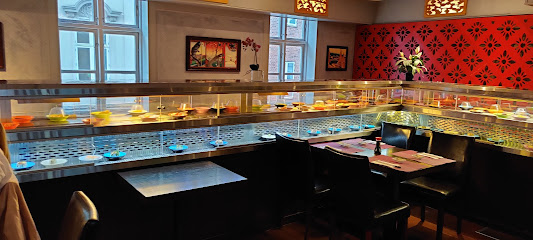
Casual, light-filled sushi restaurant above Fisketorvet square, pairing classic rolls and running sushi with central Slagelse views and easy dine‑in or takeaway.
Det Mexicanske Bøfhus
11.2 km
Hearty steaks and Tex-Mex favorites in a casual upstairs restaurant overlooking Slagelse’s historic Gamle Torv.
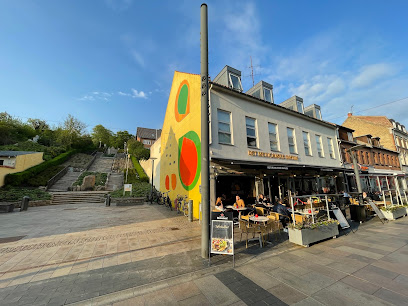
Kebab Palace
11.3 km
Central Slagelse grill bar for generous kebab, pizzas and fast, filling meals between errands, shopping or sightseeing on and around Rådhuspladsen.
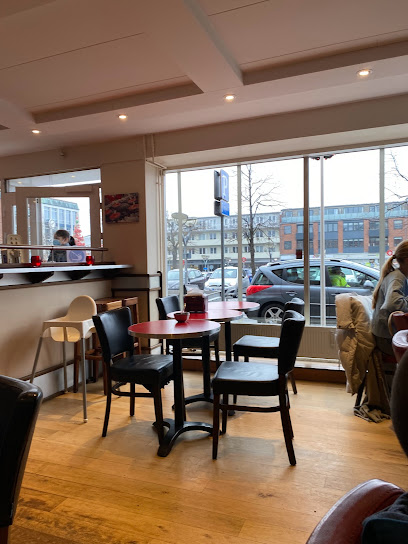
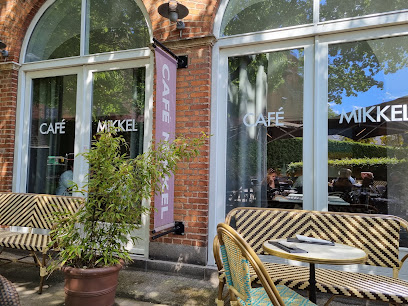
Cafe Mikkel
11.3 km
Cosy all-day cafe in a former waiting hall on Slagelse’s central square, blending Danish comfort food, sunlit terrace seating and views toward Sct. Mikkels Kirke.
Markets, malls and hidden boutiques

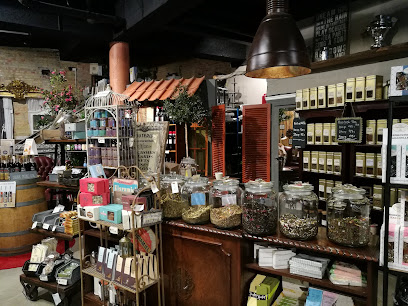
Kræmmerhus ApS
11.2 km
Denmark's finest sweets, artisanal teas, and cozy gift treasures in central Slagelse.
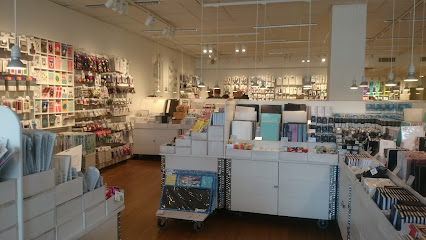
Flying Tiger Copenhagen
11.2 km
Scandinavian design meets playful discovery in this vibrant Danish gift and lifestyle shop.
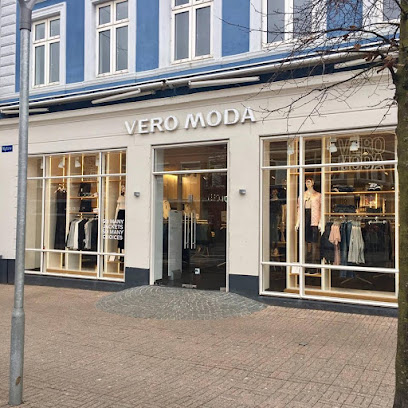
VERO MODA
11.2 km
Compact Scandinavian womenswear store on Slagelse’s central square, offering contemporary outfits, seasonal trends and wardrobe staples in a bright, modern setting.
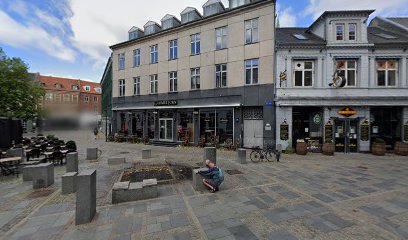
Kings & Queens
11.2 km
Contemporary multi-brand fashion retailer in Slagelse's historic town center, offering affordable style for men and women.
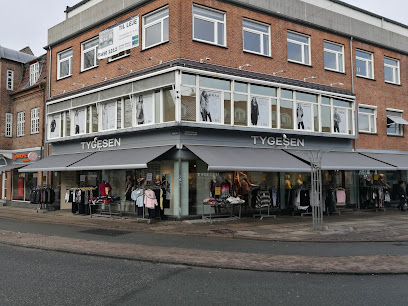
Tygesen Women
11.2 km
Spacious central Slagelse boutique offering Scandinavian-style fashion, outfit advice and seasonal collections tailored to the modern adult woman’s everyday and occasion wear.
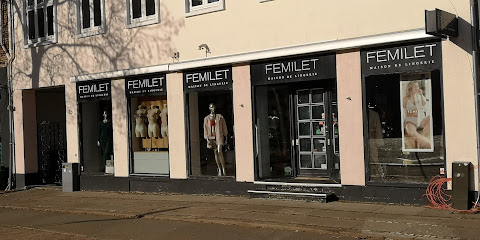
Femilet
11.3 km
Central Slagelse boutique specialising in well‑fitting lingerie, underwear and nightwear with a calm, Scandinavian feel and personal, discreet fitting service.
Carsten P
11.3 km
Premium menswear and tailoring expertise in the heart of Slagelse's city center.
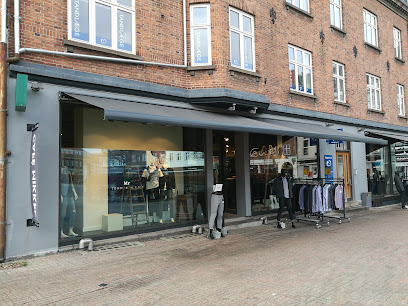
Kings And Queens
11.3 km
Youthful Danish fashion in a compact, urban-feel boutique on Slagelse’s central square, ideal for trend-led outfits, last-minute looks and everyday style updates.
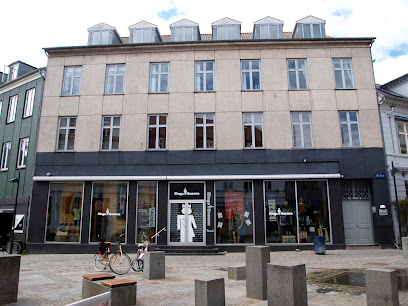
Galleriet Slagelse
11.3 km
Modern shopping mall in Slagelse's city center with diverse retailers and convenient parking.
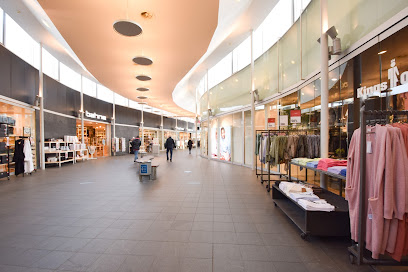
Red Cross charity shop - Slagelse
11.3 km
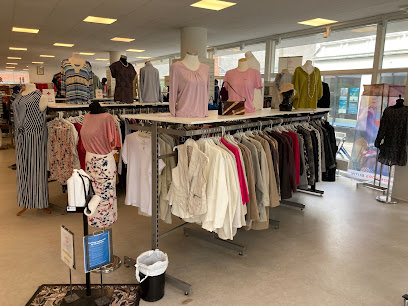
Volunteer-run second-hand treasure trove in central Slagelse, where ever-changing bargains meet everyday Danish life and each purchase supports Red Cross humanitarian work.
Tippy
11.3 km
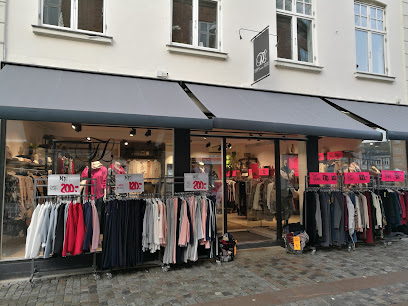
Cozy women’s boutique in central Slagelse, offering comfortable Scandinavian everyday fashion, varied sizes and approachable prices in a compact, easy-to-browse space.
Max & Co. ApS
11.3 km
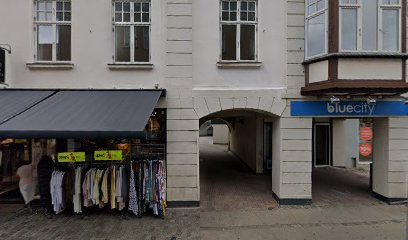
Sophisticated Danish fashion boutique offering contemporary womenswear and accessories in Slagelse's vibrant city center.
Bahne
11.3 km
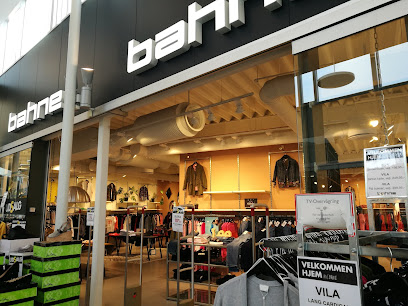
A bright, Scandinavian-style home and lifestyle store in Galleriet, where Danish design, everyday essentials and gift ideas come together in the heart of Slagelse.
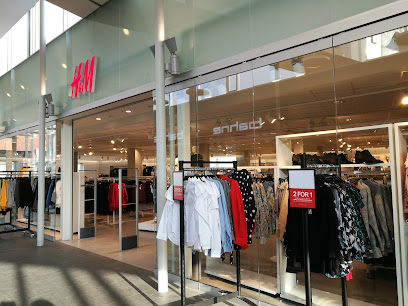
H&M
11.3 km
Contemporary fashion for every member of the family, centrally located in Slagelse.
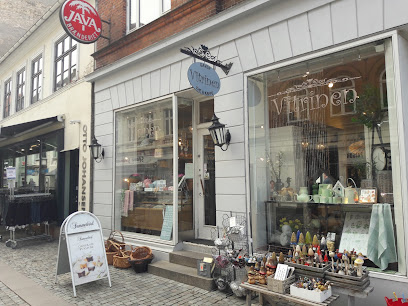
Javahuset
11.3 km
Premium coffee and curated gifts in Slagelse's charming city center.
Essential bars & hidden hideouts

Slagelse Jazzklub
10.3 km
Intimate jazz evenings in a historic high school setting, where shared meals, swing bands and local community keep Western Zealand’s live jazz tradition thriving.
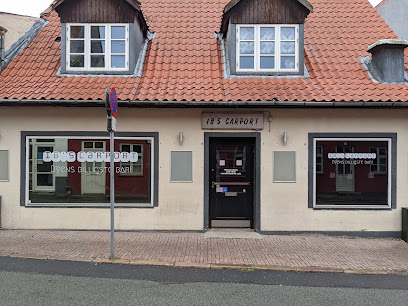
Ibs Carport
11.1 km
Unpretentious late‑night bar in central Slagelse, serving generous budget‑friendly drinks and billiards in a compact, sociable setting open on weekend nights only.
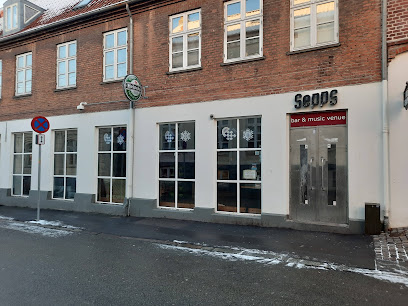
Café Sepps
11.2 km
Laid-back, smoky student bar in central Slagelse with cheap drinks, alternative music, live jam nights and a relaxed, come-as-you-are neighborhood atmosphere.
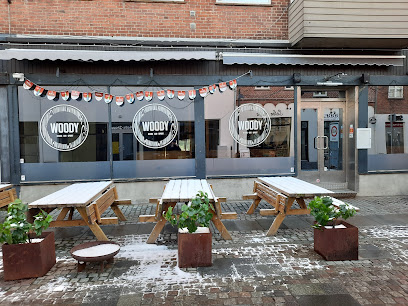
WOODY - Sport
11.2 km
Slagelse's premier weekend sports bar for craft beer, gin, and late-night social entertainment.
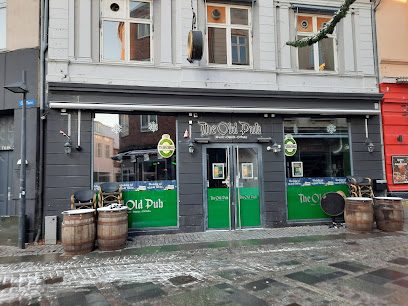
The Old Pub
11.2 km
Lively Irish-style pub on Slagelse’s Fisketorvet, mixing late-night live music, casual drinks and dance-floor energy from Thursday to Saturday.
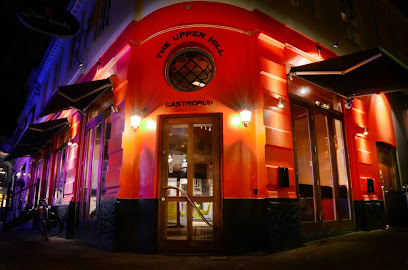
The Upper Hill
11.2 km
Cozy Irish-style pub in central Slagelse, serving generous pub dishes, broad beer and gin selections, live sports and music, plus outdoor tables on Fisketorvet.
Gecco Bar & Natklub
11.2 km
Slagelse's premier late-night cocktail bar and nightclub, serving craft drinks until dawn.
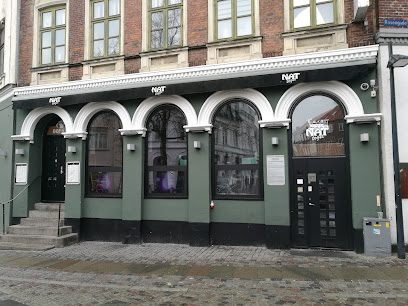
Rosen Bodega
11.3 km
Unpretentious neighborhood bodega in central Slagelse, pouring inexpensive drinks and local character in a relaxed, lived-in bar setting.
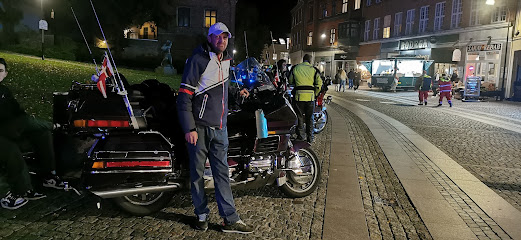
Cafe Viking.
11.5 km
Unpretentious local bar in central Slagelse, serving inexpensive drinks and everyday Danish pub atmosphere from midday into the late evening.
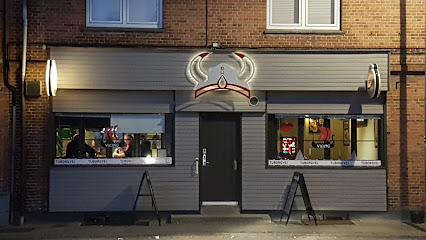
Teater Cafe'en
11.7 km
Cosy neighbourhood bar in central Slagelse, blending café calm by day with a sociable, theatre-tinged bar atmosphere late into the weekend nights.
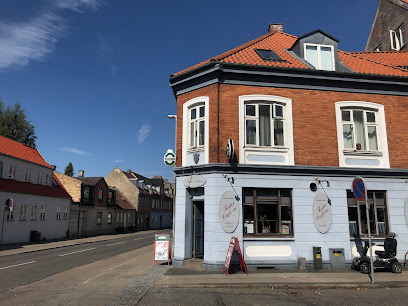
Cafe 23
11.7 km
Low‑key, old‑school brown bar in central Slagelse, serving inexpensive drinks and a slice of everyday Danish nightlife in a worn but welcoming setting.
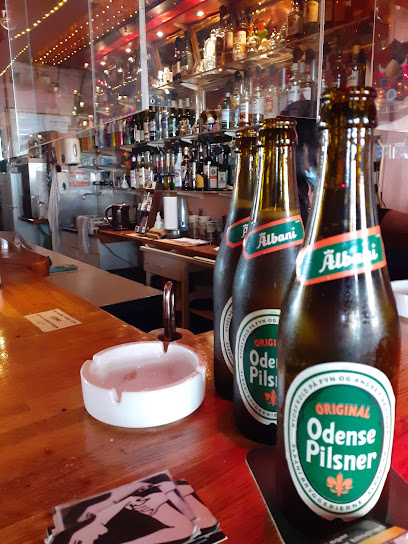
The Red Rubin
11.8 km
Cozy, no‑nonsense neighborhood bar in central Slagelse, serving straightforward drinks and a relaxed local vibe from daytime until the early hours.
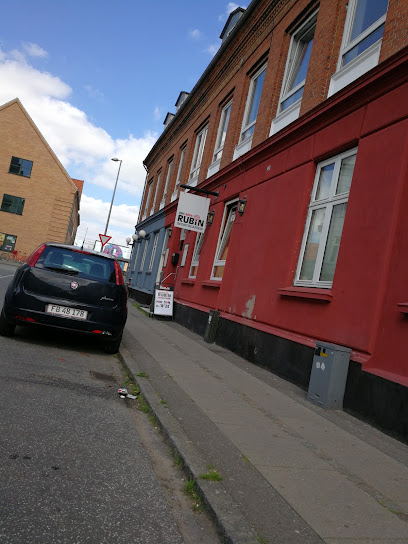
Sluk Efter
20.6 km
Unpretentious local pub on Kindhestegade in central Næstved, pouring cold beers and simple drinks in a cozy, social setting from midday to late night.
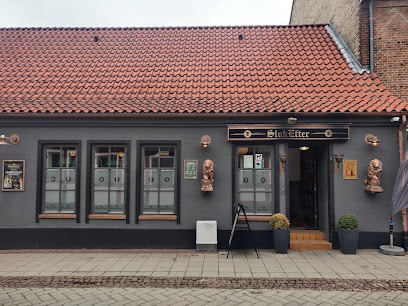
Humle Ølbar
20.6 km
Cosy craft beer bar in central Næstved, pairing a rotating selection of Danish and international brews with intimate, hygge‑rich surroundings.
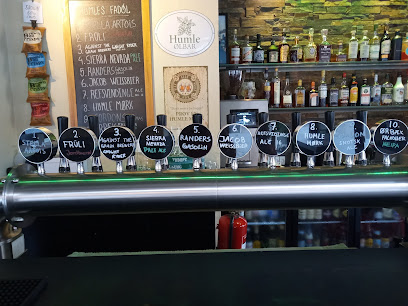
Underhuset
20.7 km
A classic Danish bodega on Næstved’s Axeltorv, blending cosy wood-panel charm, cold beer and local live music into a friendly town-square living room.
Nightclubs & after hour spots

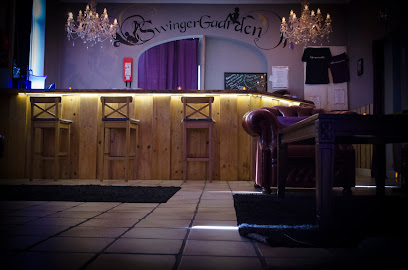
Swingergaarden
9.1 km
Discreet countryside swingers club near Slagelse, offering themed adult nights, intimate play spaces and a rules-based, consent-focused environment for open-minded guests.
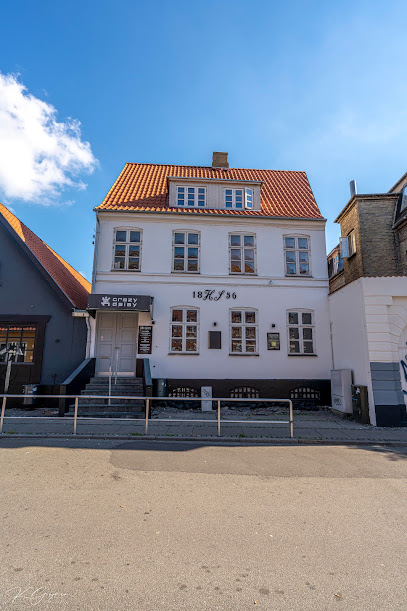
Crazy Daisy Næstved
20.9 km
High‑energy weekend nightclub in central Næstved, packing loud beats, flashing lights and a late‑night local crowd into a compact, classic Danish town‑club setting.
Avenue Næstved
21.0 km
Lively nightspot and flexible event hall in central Næstved, mixing dancefloor energy, festive dinners, stand-up comedy and themed parties under one roof.
Bloom Nightclub
44.5 km
Late-night harborfront beats and a compact dance floor bring big-night energy to small-city Køge every Friday and Saturday.
The Flame
44.5 km
Compact, high-energy nightclub by Køge’s harbor, serving up youthful beats, live acts and weekend dance-floor vibes in an intimate, no-frills setting.
LUSIO
44.5 km
Compact harbor-side nightclub in Køge with late Friday hours, a tight dance floor, and an intimate, no‑frills setting for Danish weekend nights out.
Juviklubben
45.1 km
Intimate Kalundborg live music hub and youth club, where generations meet for close-up concerts, casual bar nights and a laid-back, community-driven vibe.
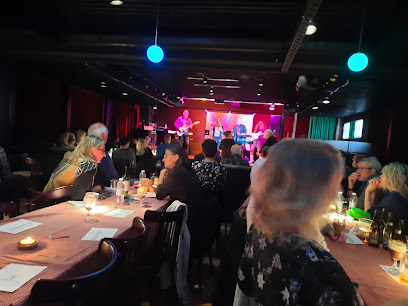
Postgaarden Kalundborg Event og Musikhus
45.2 km
Experience live music and cultural events at Postgaarden Kalundborg Event og Musikhus, the heart of Kalundborg's entertainment scene.
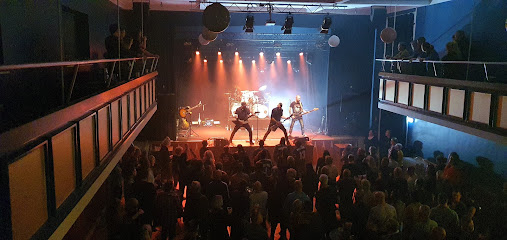
KJ's bodel
45.4 km
Laid‑back local nightspot on Nyborg’s main square, mixing simple drinks, sociable bar chatter and a compact dance floor in an unpretentious setting.
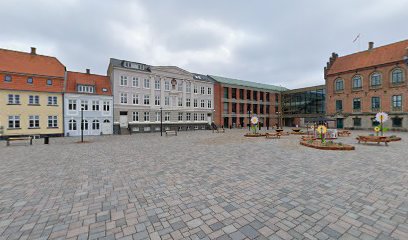
Muzirkus
46.5 km
Nyborg's independent music sanctuary where local bands rehearse, collaborate, and perform since 1974.
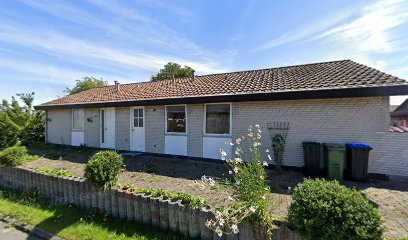
Tropicana DC
46.7 km
Compact Latin-flavoured nightclub on Roskilde’s industrial edge, delivering loud beats, simple drinks and a late-night dancefloor focused purely on partying.
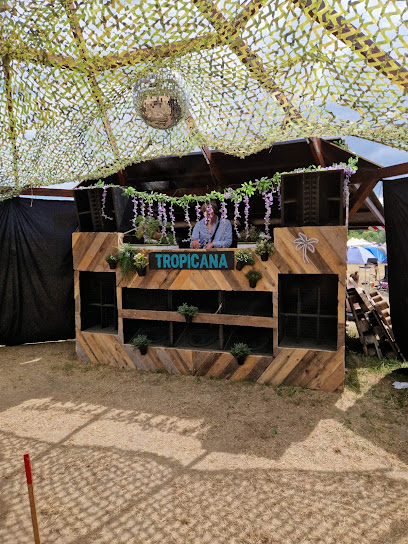
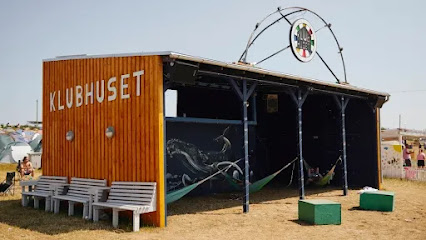
Klubhuset
46.7 km
Low-key local clubhouse turned disco-style nightspot, where a simple bar, small dance floor and regulars’ vibe create relaxed, unpretentious nights in Roskilde.
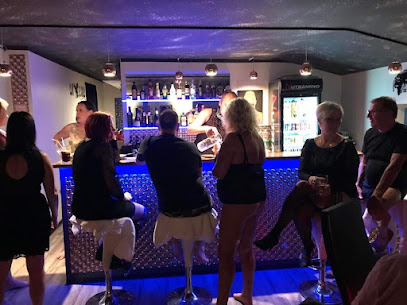
Club El Diablo
46.9 km
Adults-only entertainment venue offering a discreet, welcoming atmosphere for private social experiences.
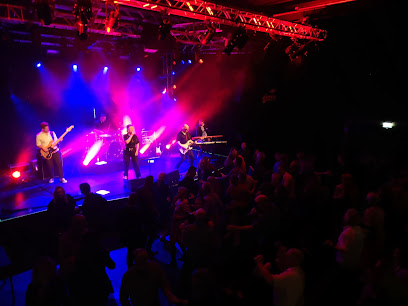
Rytmisk Musikforening Steps Ahead
47.7 km
Dynamic live music venue in Roskilde, specializing in jazz and contemporary genres, with an intimate setting and vibrant community engagement throughout the year.
Danseriet
48.1 km
Frivilligdrevet danseklub i Roskilde med stort dansegulv, livebands og hyggelig stemning for danseglade gæster på tværs af aldre og niveauer.
For the vibe & atmosphere seeker
- Adventurous
- Fun-filled
- Lively
- Quirky
- Unique
- Scenic
For the design and aesthetic lover
- Industrial Designs
- Rustic Designs
For the architecture buff
- Historic
- Landmarks
- Art & Design
- Parks & Gardens
For the view chaser and sunset hunter
- Iconic Views
- Panoramas
- Sunset Spots
For the social media creator & influencer
- Instagrammable
- Photo Spots
- Selfie Spots
- Reel-Friendly
- Architectural Shots
For the eco-conscious traveler
- Low Impact
- Public-Transport Accessible
- Locally Managed
For the kind of experience you’re after
- Cultural Heritage
- Photowalk
- Adventure Photo Shoot
- Day Trip
- Roadtrip Stop
- Weekend Getaway
For how adventurous you want the journey to be
- Easy Access
Location Audience
- Family Friendly
- Senior Friendly
- Child Friendly
- Teen Friendly
- Solo Friendly
- Couple Friendly
- Solo Female Friendly
- Business Friendly


