
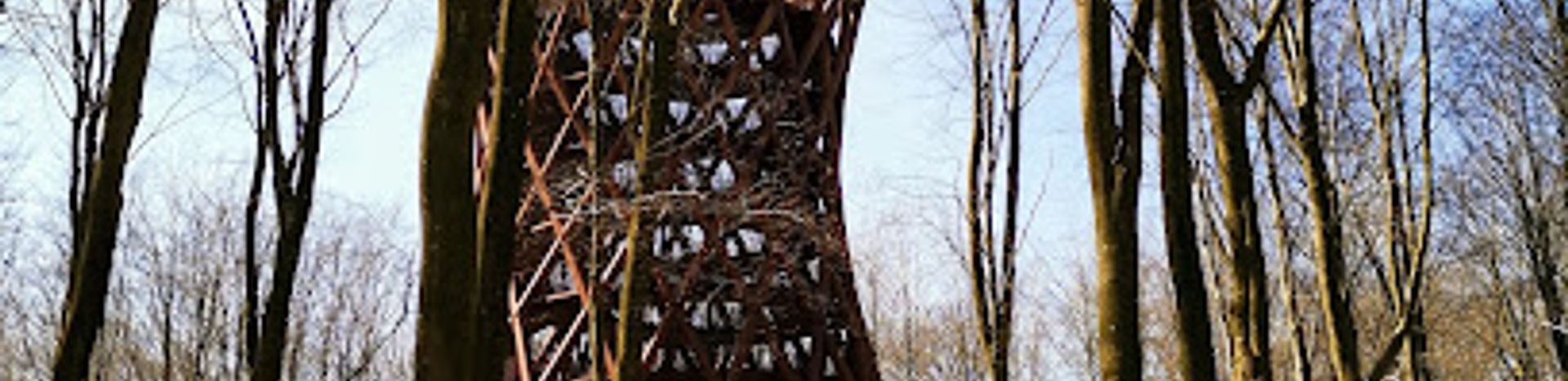
Skovtårnet – The Forest Tower at Camp Adventure
Spiral gently through beech and oak to Zealand’s highest viewpoint, where bold Danish design and tranquil forest canopy meet in a sweeping 360° panorama.
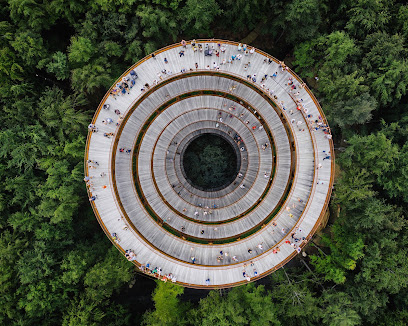
Rising like an elegant hourglass above the beech and oak of Gisselfeld Klosters Skove near Rønnede, Skovtårnet (the Forest Tower) is a 45 m spiral lookout that lets you walk gently from forest floor to treetop canopy. Reached via a 900 m raised boardwalk, its stepless ramp loops 12 times to a 360° viewing deck about 135 m above sea level – the highest accessible point on Zealand. Built in corten steel and local oak, it blends striking Danish design with a slow, sensory immersion in South Zealand’s woodland landscape.
A brief summary to Skovtårnet (Forest Tower)
- Ronnede, 4683, DK
- Visit website
- Duration: 2 to 4 hours
- Mid ranged
-
 Outdoor
- Mobile reception: 4 out of 5
- Monday 10 am-6 pm
- Tuesday 10 am-6 pm
- Wednesday 10 am-6 pm
- Thursday 10 am-6 pm
- Friday 10 am-6 pm
- Saturday 10 am-6 pm
- Sunday 10 am-6 pm
Local tips
- Arrive close to opening time for a quieter ascent and softer morning light over the surrounding fields and forest canopy.
- Wear comfortable walking shoes and bring an extra layer; the exposed viewing platform can feel noticeably cooler and windier than the forest floor.
- Check visibility in the weather forecast; on the clearest days you can sometimes spot the Øresund Bridge, Malmö’s Turning Torso and parts of Copenhagen’s skyline.
- If visiting with a stroller or wheelchair, allow extra time for the gentle but lengthy spiral ramp and the boardwalk approach through the forest.
- Autumn and late spring offer especially atmospheric visits, with either glowing foliage or fresh light‑green leaves framing the views from the ramp.

For the on-the-go comforts that matter to you
- Restrooms
- Food Options
- Seating Areas
- Trash Bins
- Information Boards
- Visitor Center
- Sheltered Areas
- Drinking Water
Getting There
-
Car from Copenhagen
Driving from central Copenhagen to Camp Adventure near Rønnede typically takes about 50–70 minutes via the main motorway across Zealand. The route is straightforward highway driving, suitable for all standard vehicles. On arrival, paid parking is available next to the entrance area; expect to pay roughly 50–75 DKK for several hours, with higher demand on sunny weekends and during school holidays.
-
Train and regional bus from Copenhagen
From Copenhagen, take a regional train towards Næstved or Haslev (about 45–70 minutes depending on service), then continue by regional bus 630R towards Rønnede, getting off near the Camp Adventure stop by Ny Næstvedvej. Combined train and bus tickets usually cost in the range of 120–180 DKK one way for adults. From the bus stop, allow around 15–20 minutes’ walk along a gravel road to reach the forest park entrance; the final stretch is unpaved and may feel long in poor weather.
-
Car from Næstved and South Zealand
From Næstved and nearby South Zealand towns, Camp Adventure is generally a 25–40 minute drive on regional roads through farmland and small villages. Surfaces are paved and well maintained, but speeds vary and agricultural traffic is common. The same paid parking area serves all visitors, so arriving earlier in the day during summer and autumn foliage season can make it easier to find a space close to the entrance.
-
Cycling from Rønnede area
Confident cyclists can reach the Forest Tower from Rønnede and surrounding villages in roughly 20–40 minutes, depending on starting point, using a mix of smaller paved roads and local cycle-friendly routes. There are no dedicated long-distance bike lanes all the way, so be prepared to share the road with cars. Bring lights and reflective gear outside daylight hours and check in advance where you can safely lock your bike near the main entrance.
Skovtårnet (Forest Tower) location weather suitability
-
 Clear Skies
-
 Mild Temperatures
-
 Any Weather
-
 Cold Weather
-
 Hot Weather
Discover more about Skovtårnet (Forest Tower)
A sculptural tower rising above South Zealand’s forests
Skovtårnet stands in the preserved Gisselfeld Klosters Skove near Rønnede, an hourglass-shaped observation tower that lifts you from forest floor to skyline in one continuous spiral. At 45 metres high and positioned on a natural hillcrest, its viewing platform reaches roughly 135 metres above sea level, making it the highest accessible point on the island of Zealand. From here the horizon opens in all directions: rolling fields, lakes, clustered farmsteads and dense woodland forming a patchwork right to the edge of sight. Completed in 2019 as the architectural centrepiece of Camp Adventure, the tower was designed by Danish studio EFFEKT. Its gently tapering waist and widening top and base create a sense of balance and lightness, as if the structure has grown organically from the trees around it rather than being imposed on the landscape.A treetop approach on raised boardwalks
The experience begins well before you set foot on the spiral. A 900‑metre raised boardwalk threads through beech and oak forest, hovering above roots and streams so the woodland floor remains undisturbed. The route alternates between open glades and cool, shaded stretches, with occasional platforms where you can pause, listen to birdsong or watch shafts of light cut through the canopy. Along the way, glimpses of Camp Adventure’s climbing courses appear between the trunks: cables strung high in the branches, wooden platforms and zip lines that echo the playful side of this landscape. Yet the overall pace is unhurried. The boardwalk is wide and level, creating an inclusive route that suits slow walkers, families with strollers and those who prefer to take their time as the forest subtly thickens around them.Ascending through layers of canopy
At the forest’s heart, the tower reveals itself – a cylinder of weathered corten steel and warm-toned oak bathed in filtered light. Instead of stairs, a continuous ramp coils around the structure, looping twelve times from base to summit. The gradient remains gentle, so the focus stays on the changing views rather than the climb. As you ascend, you pass through distinct layers of woodland. Near the ground, trunks dominate your view and undergrowth crowds the edges. Halfway up, the tower narrows and you move among straight beech columns, sometimes close enough to reach out and touch the preserved trees at the core. Higher still, the canopy thins, branches fall away and the sky steadily occupies more of your field of vision.Panoramic horizons and distant city silhouettes
Stepping onto the upper platform, you emerge fully above the treetops into a wide, open circle of sky. On clear days, visibility can extend for more than 25 kilometres across South Zealand’s low hills and fields, with lakes, windbreak hedgerows and small villages scattered below. The sensation is of floating just above the forest, with the crowns of beech and oak forming a textured green sea in summer and a patchwork of copper and gold in autumn. Far on the horizon, you may pick out the line of the Øresund Bridge and the distinct silhouette of Malmö’s Turning Torso, while parts of Copenhagen’s skyline sometimes shimmer on exceptionally clear days. Wind is often stronger up here than on the forest floor, adding a physical edge to the sense of exposure as you walk the perimeter, choosing your own vantage point on the 360° panorama.Design, materials and a gentle footprint
Skovtårnet is as much a piece of environmental design as it is a viewing platform. The structural frame uses maintenance‑free corten steel, which weathers to a deep rust tone that echoes the colours of bark and leaf litter. The walking surfaces are made from locally sourced oak from nearby estates, bringing both durability and a visual connection to the surrounding forest. The route is split conceptually between older and younger woodland, with high walkways skimming mature trees while the tower itself rises from areas of newer growth. By lifting visitors onto elevated paths, the design limits erosion and keeps feet away from sensitive roots and understorey plants. The entire experience encourages a slower rhythm: rather than racing to the top, most people find themselves stopping repeatedly, noticing subtle shifts in light, texture and sound as the forest reveals itself from changing heights.A full‑day nature outing at Camp Adventure
While the tower is the obvious focal point, it sits within the wider Camp Adventure park, which offers high‑ropes courses and other outdoor activities among the trees. This makes Skovtårnet an easy anchor for a half‑day or full‑day excursion, combining architectural sightseeing with time in nature. Facilities around the entrance area typically include food options such as seasonal trucks or kiosks, plus rest areas for those who want to linger before or after the walk. The full route from entrance along the boardwalk, up the tower and back again is several kilometres, so comfortable shoes and layered clothing are wise. Whether shrouded in mist, wrapped in autumn colour or lit by long Scandinavian summer evenings, the tower offers a changing perspective on the quiet woodlands of South Zealand.Iconic landmarks you can’t miss

Genforeningssten i Næstelsø
9.7 km
Experience the vibrant history and charm of Copenhagen's iconic Nyhavn waterfront.

Næstved Station
13.5 km
Explore the evolution of Danish and international design at Copenhagen's historic Designmuseum Danmark.

Visit Sydsjælland & Møn
13.8 km
Discover the stunning landscapes and rich culture of Sydsjælland & Møn, a unique Danish destination for nature lovers and history enthusiasts alike.
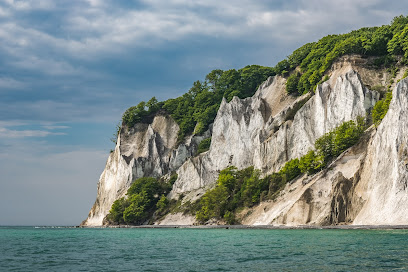
Hans-Jørgen Færks Plads
15.2 km
Medieval market town square where Danish history, culture, and modern commerce converge in southern Zealand.

Genforeningssten i Saltø Skov
18.6 km
A granite memorial stone marking Denmark's 1920 reunification with South Jutland, standing at a forest crossroads near Næstved.
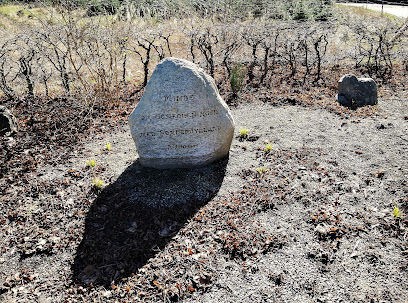
Vallø Slotskro
22.1 km
Explore Denmark's largest private engine collection and maritime heritage at Maskinrummet in Skagen.
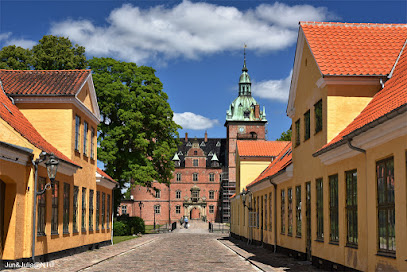
Comwell Køge Strand
25.5 km
Historic lighthouse and world-class bird observatory at Denmark’s northern tip, with sweeping sea views, immersive exhibitions, and a welcoming café.
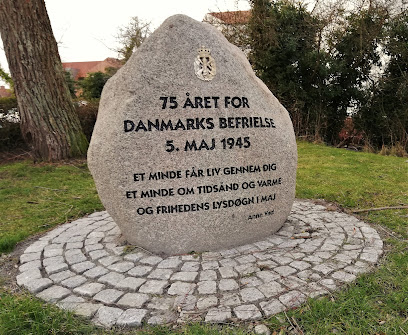
Befrielsessten i Køge
25.9 km
A solemn memorial to Denmark's liberation from Nazi occupation, standing in Køge's historic market square.
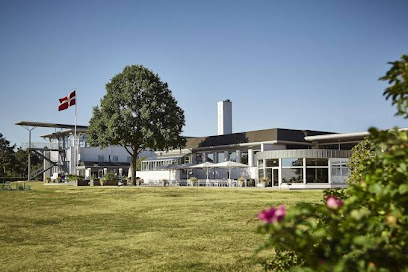
VisitKøges selvbetjente turistbureau
26.0 km
An iconic 19th-century lighthouse at Denmark’s northern tip, famed for panoramic views, migrating birds, and immersive maritime and nature exhibits.
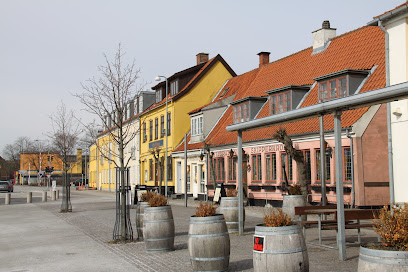
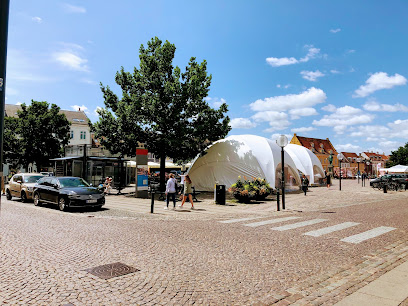
Køge Torv
26.1 km
Denmark's largest medieval town square, where seven centuries of history unfold on cobblestones.
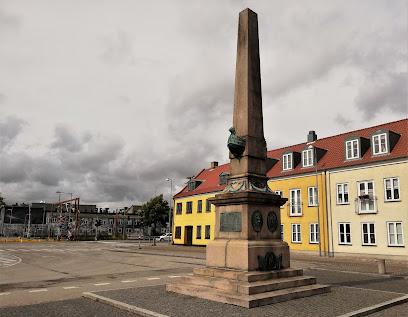
Mindesmærke for slagene i Køge Bugt
26.1 km
Harbourfront monument where stone, sea breeze and maritime symbols keep the naval battles of Køge Bugt and their admirals alive on Køge’s working waterfront.
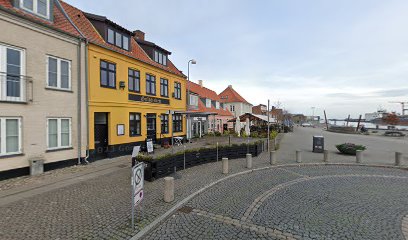
“Slaget i Køge Bugt”
26.1 km
Harbourfront monument on Køge’s quay, quietly marking the dramatic naval battles once fought in the bay where today only fishing boats and leisure craft glide.
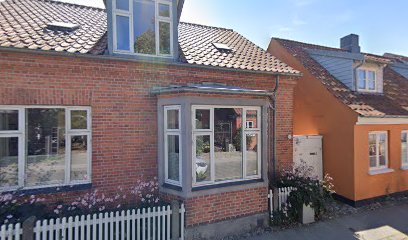
Visit
26.1 km
Historic lighthouse and bird observatory at Denmark’s northern tip, with panoramic sea views, interactive nature exhibits, and a vibrant café in wild coastal surroundings.
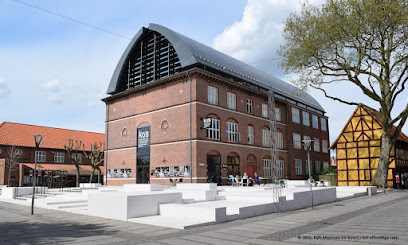
KØS Museum of Art in Public Spaces
26.3 km
A must-visit in Skagen, Denmark, the Bamsemuseum enchants visitors with a vast collection of teddy bears and playful exhibits, celebrating nostalgia and Danish culture.
Mindesten for Træskoslaget
26.3 km
A modest memorial stone in central Køge marking the 1807 “Clogs Battle,” where local militia faced British troops during the turbulent Gunboat War.
Unmissable attractions to see

Camp Adventure
0.8 km
Spiral into the Danish canopy on a sculptural forest tower, then trade the view for ziplines, rope bridges and hours of treetop adventure in South Zealand’s woods.
Bregentved
6.2 km
Historic estate parkland where baroque geometry, sweeping lawns and quiet woodland come together on the edge of Haslev’s rolling countryside.

BonBon-Land
7.3 km
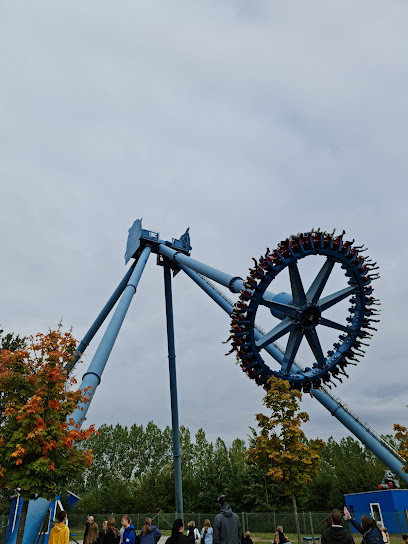
Cheeky candy characters, looping coasters and green picnic lawns combine at BonBon-Land, Denmark’s quirky countryside theme park for all ages.
Geomuseum Faxe
9.3 km
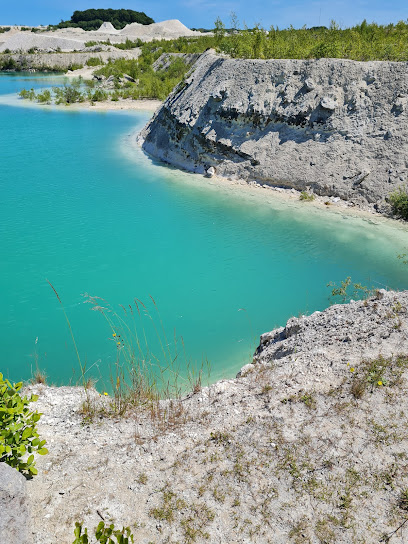
Stand on the brink of a vast white quarry, handle fossils from a 63‑million‑year‑old coral sea, and see how geology and industry shaped this corner of Denmark.
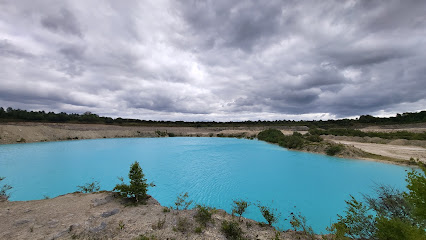
Den blå sø
9.9 km
A vivid turquoise lake framed by towering white chalk walls, Den Blå Sø transforms Faxe Limestone Quarry into one of Denmark’s most surreal and photogenic landscapes.
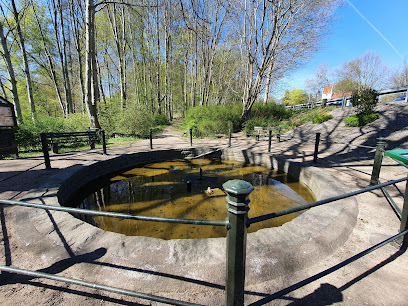
Sankt Mogens Kilde
10.5 km
A sacred spring rooted in Viking heritage, where centuries of spiritual tradition flow through Denmark's countryside.
Holmegaard Værk
10.9 km
A living glassworks museum where towering walls of Holmegaard glass, Nordic ceramics treasures and a working hotshop keep two centuries of Danish design glowing.

Rønnebæk Fælled
12.0 km
Young woodlands, open meadows and restored wetlands form a relaxed green belt around Næstved, perfect for everyday walks, play and simple outdoor living.
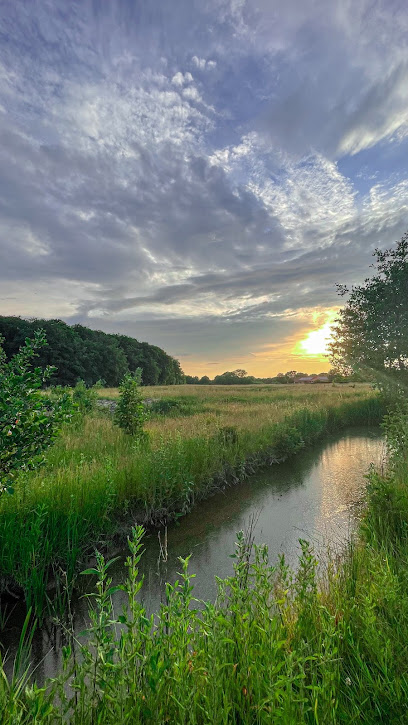
Holmegårds Mose
12.1 km
Ancient raised bog, Stone Age archaeology and quiet wildlife trails meet in this restored wetland wilderness on Zealand, where peat, glass and nature share the same story.
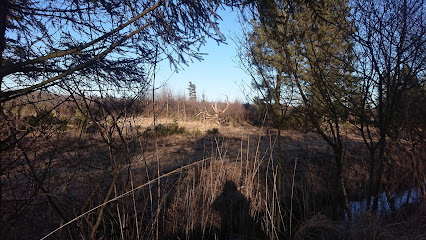
Rønnebæksholm
12.1 km
Historic manor meets contemporary art in a tranquil 230-hectare estate just beyond Næstved's edge.
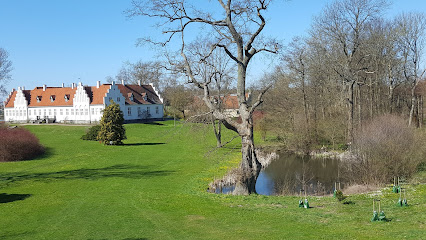
Mindesten for Peder Bodilsen
13.6 km
Historic military barracks turned bustling cultural center, Grønnegades Kaserne Kulturcenter is Næstved’s hub for arts, music, theater, and creative events all year round.
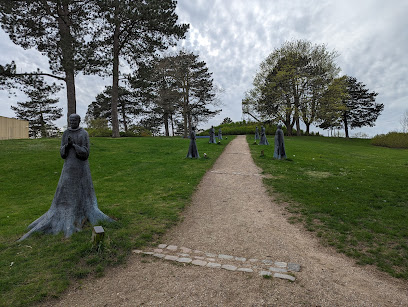
Slægtsten
13.6 km
Næstved’s former barracks transformed into a dynamic cultural center, hosting concerts, exhibitions, festivals, and community events in historic surroundings.
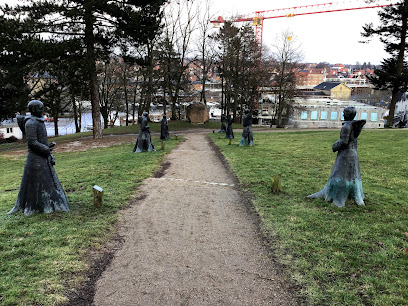
Vægmaleri
13.6 km
Experience Danish heritage and contemporary art amid tranquil parkland at Rønnebæksholm, Næstved’s historic manor turned vibrant cultural hub.

Genforeningssten i Herlufsholm
13.7 km
Borgnakke Skov: A serene Næstved woodland blending ancient oak trees, rich biodiversity, and tranquil walking trails—an essential outdoor escape in southern Zealand.
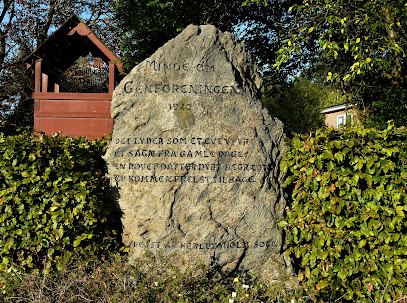
NæstvedArkiverne
13.8 km
Explore the documentary heart of Næstved, where municipal records, local stories and digital archives preserve centuries of South Zealand’s everyday history.

Essential places to dine

Restaurant Villa Gallina
3.0 km
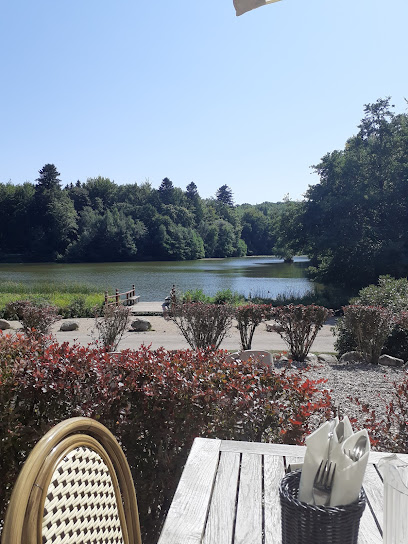
Historic forest inn by a tranquil lake at Gisselfeld, pairing rustic 1852 charm with Danish, Italian and French‑inspired cooking in a uniquely scenic woodland setting.
Bournonvilles Wild West - cowboyfest.dk
7.1 km
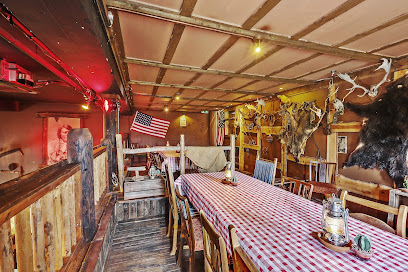
A full-throttle Wild West saloon near Haslev, serving hearty buffets, strong drinks and cowboy-themed fun for groups, celebrations and company parties.
Fjordkroen
10.1 km
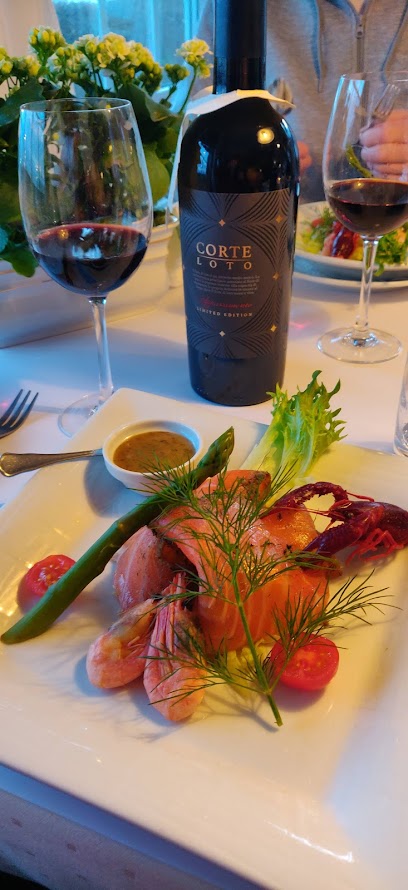
Cosy fjordside country inn on South Zealand, blending classic Danish kro charm, water‑view rooms and traditional cooking in a peaceful rural setting.
Bone's Næstved
11.6 km
Family-friendly American BBQ in Næstved with signature ribs, hearty steaks and an all-you-can-eat salad and soft ice bar in relaxed, spacious surroundings.
Tokyo Running Sushi Storcenter
12.5 km
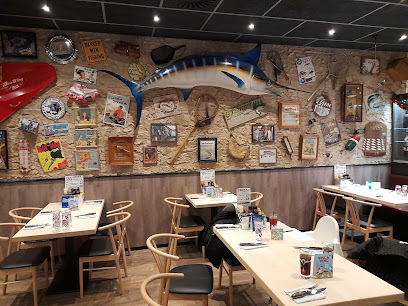
Casual conveyor‑belt sushi and hot dishes in the middle of Næstved Storcenter, ideal for an easy all‑you‑can‑eat break between shopping rounds.
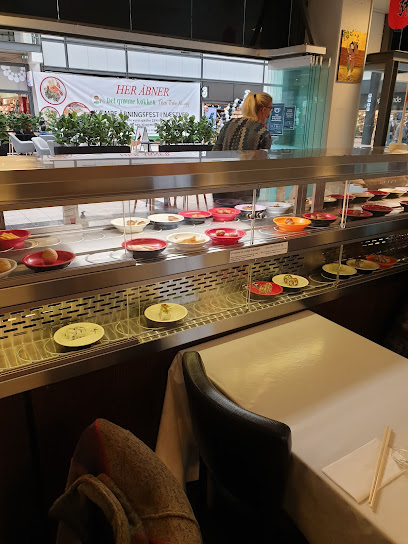
Restaurant The Grill Næstved
12.8 km
All‑you‑can‑eat grill and brunch buffets inside Bowl’n’Fun Næstved, where family‑friendly dining, bowling and games come together under one lively roof.
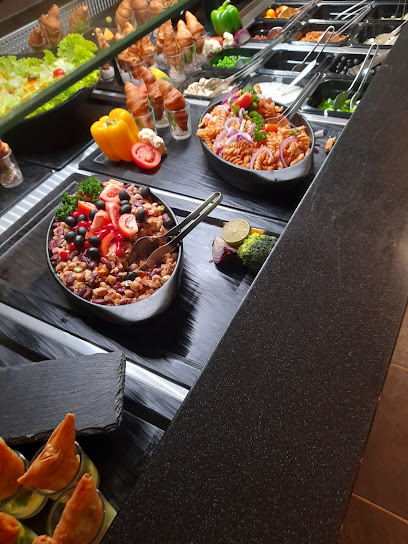
The Burger Næstved
13.3 km
Casual Danish burger joint in Næstved serving brioche‑bun classics, generous sides and easy takeaway in a relaxed, mid‑range neighborhood setting.

Min´s Cooking Næstved
13.5 km
Cosy Thai kitchen in a quiet Næstved corner, serving fragrant curries and wok-fresh favourites tailored for easy weeknight comfort and generous takeaway feasts.

Pronto
13.6 km
Thin-crust pizza, hearty pasta and relaxed Italian comfort food at a compact, takeaway-focused neighborhood favorite in central Næstved.
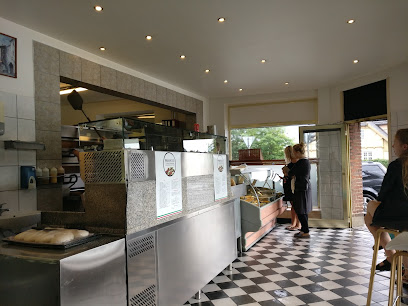
Café & Bar - Fenomeno (Næstved)
13.6 km
Central Næstved café‑bar serving burgers, pasta and drinks in a relaxed, all‑day setting just steps from the station.
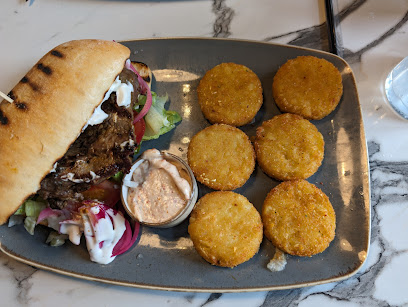
Ristorante Italia
13.6 km
Longstanding Italian favourite by Næstved Station, serving pizzas, pastas and hearty grills in a warm, family-friendly setting since 1989.

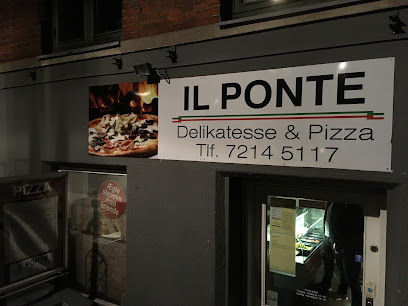
Il Ponte
13.7 km
Næstved's authentic wood-fired pizzeria serving hand-crafted Italian pizza with crispy crusts and quality toppings.
Broadway Burgers
13.7 km
Flame-grilled comfort in central Næstved, serving generous American-style burgers, fries and dips in a relaxed, no-fuss setting on busy Jernbanegade.

MA TEO Madbar Næstved
13.8 km
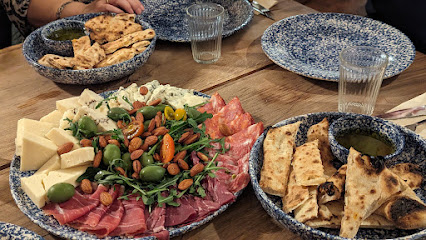
Authentic Neapolitan pizza and Italian cuisine in the heart of Næstved's dining scene.
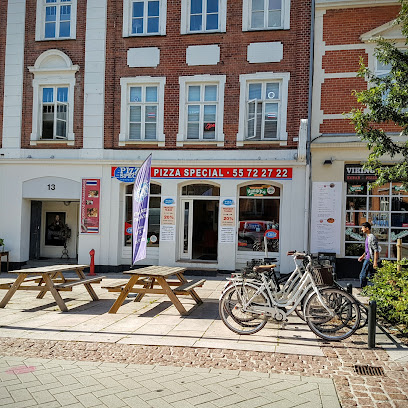
Pizza Special
13.8 km
Authentic pizzas and grilled favorites in casual Næstved comfort.
Markets, malls and hidden boutiques

Veras Verden
3.9 km
Curated design and countryside charm in a historic Danish farmstead.
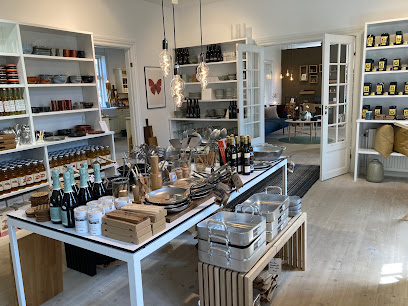
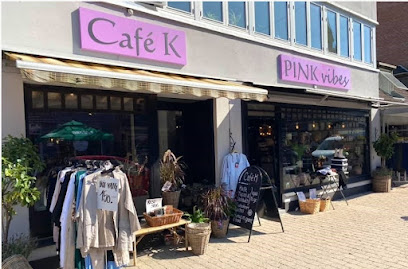
Pink vibes
8.3 km
Contemporary gifts and lifestyle finds in the heart of Haslev's charming town center.
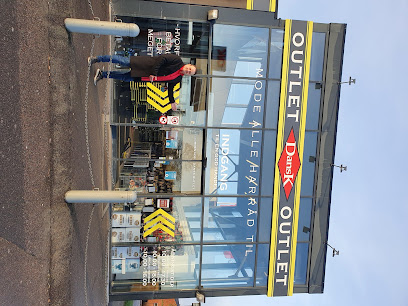
Dansk
12.1 km
Big-box family clothing on a budget-friendly scale, Dansk Outlet Næstved keeps locals and travellers kitted out for Danish weather and everyday life in one easy stop.
H&M
12.4 km
Bright, budget-friendly Scandinavian fashion for all ages inside Næstved’s main shopping centre, ideal for quick wardrobe updates during a wider mall visit.

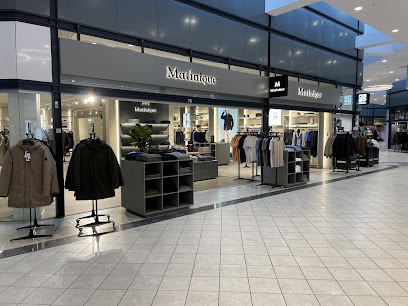
Matinique Næstved
12.4 km
Crisp Scandinavian menswear and modern tailoring, tucked inside South Zealand’s largest shopping centre at Næstved Storcenter.
Dissing
12.4 km
Contemporary men’s style in the heart of Næstved Storcenter, blending smart-casual Scandinavian looks with the convenience of South Zealand’s largest mall.
Næstved Storcenter
12.4 km
South Zealand's premier shopping destination with 70+ stores, free parking, and regional reach.
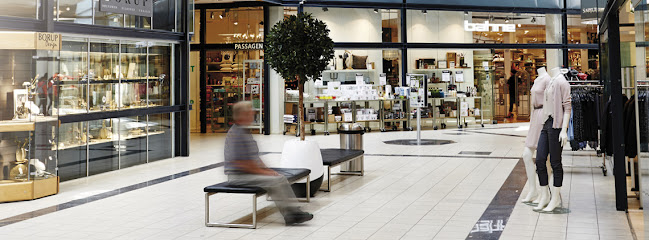
Shop Næstved
12.4 km
Southern Zealand's largest shopping center with 70+ stores, dining, and family entertainment.
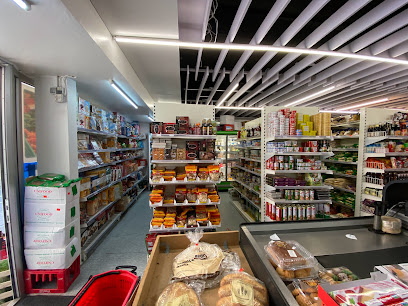
Arabisk Butik
13.8 km
Compact Middle Eastern–inspired grocery in central Næstved, packed with spices, rice, fresh produce and everyday essentials for curious cooks and locals alike.
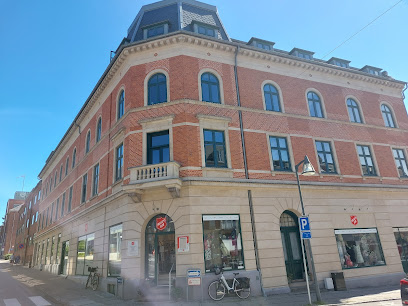
Frelsens Hær Næstved
13.9 km
A modest, community-focused Salvation Army thrift shop in central Næstved, where second-hand finds support local social work and everyday Danish life.
Kelz0r Næstved
13.9 km
Specialist trading card and collectibles shop in Næstved's town center serving enthusiasts and collectors.
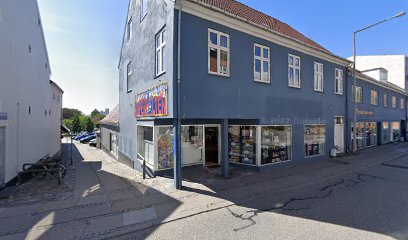
Linie 2
14.0 km
A compact, Scandinavian-style clothing boutique in the heart of Næstved, offering curated, wearable fashion in a calm, personal shopping atmosphere.
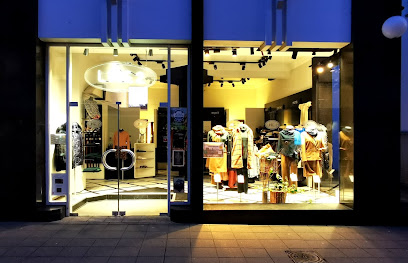
Femilet
14.0 km
Specialist lingerie and loungewear boutique in central Næstved, offering expert fitting, Scandinavian comfort and elegant essentials for everyday wear.
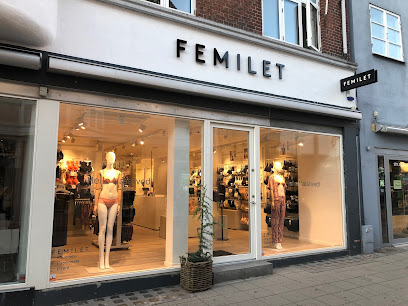
Karabulut
14.0 km
A compact, no‑frills neighborhood store on Torvestræde in central Næstved, ideal for quick snacks and everyday essentials between sights and errands.
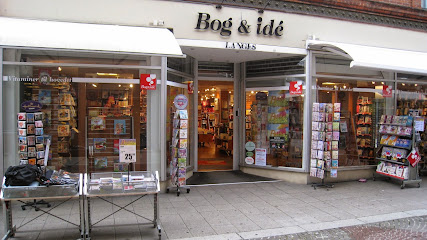
Bog & idé Langes Boghandel - Næstved
14.0 km
Generations of books, games, and gifts in the heart of historic Næstved.
Essential bars & hidden hideouts

Bykroen
8.2 km
Cozy local bar and live music hangout on Haslev’s main street, offering simple drinks, late-weekend nights and an authentic small-town Danish atmosphere.
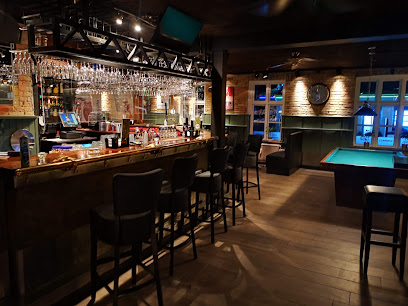
Bodega Dueslaget
13.3 km
Traditional Danish neighborhood bodega in Næstved, serving cold beers, simple drinks and plenty of local atmosphere from morning until late on weekends.
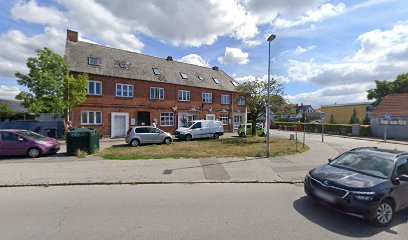
Grønvej 2 Næstved ApS
13.3 km
Unpretentious neighborhood bodega in Næstved serving cold beer, simple spirits and everyday local atmosphere on a quiet side street off the town’s commercial core.
Birk´s Bar
13.6 km
Næstved's authentic neighborhood pub where community, billiards, and genuine hospitality thrive.
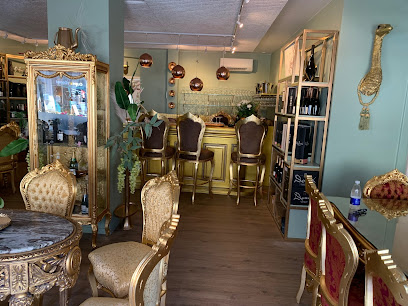
Champagne Riget
13.9 km
Næstved's premier champagne bar where curated bubbles meet refined gastronomy in elegant surroundings.
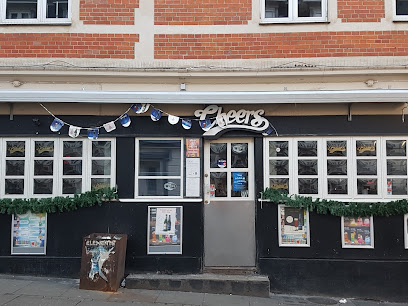
Cheers
13.9 km
Næstved's cozy social hub where genuine Danish hospitality meets lively evening atmosphere.
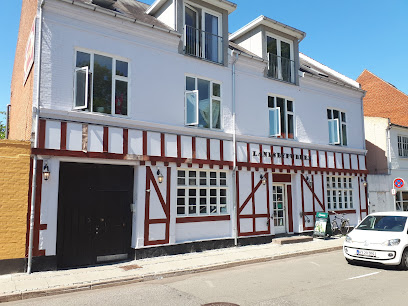
Landsby Pubben
13.9 km
A classic Næstved "værtshus" with cold beer, billiards and a lived-in charm that turns a simple drink into a slice of local everyday life.
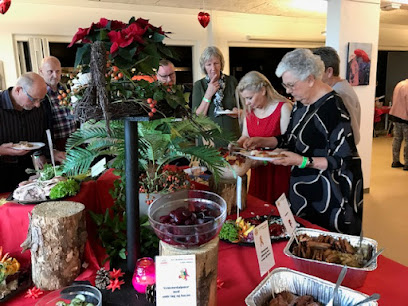
Sct. Jørgens Jazzklub
13.9 km
Volunteer-run jazz club in Næstved’s historic barracks courtyard, hosting intimate live concerts in the cosy Musikstalden hall at Grønnegades Kaserne Kulturcenter.
Step Inn I / S
13.9 km
Long‑running Irish pub in central Næstved, blending cosy wooden interiors, sociable pints and late‑night weekend vibes on historic Ramsherred.
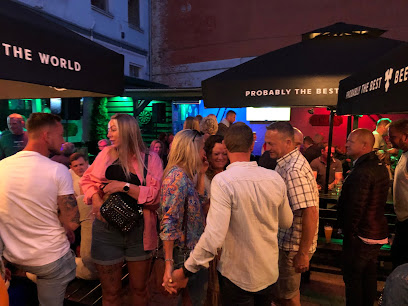
The Beach
13.9 km
Næstved's vibrant karaoke bar where everyone becomes a star in a tropical-themed celebration of music and community.
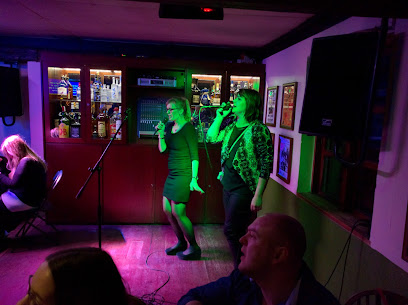
Bar z
14.0 km
Cosy late-night bar in central Næstved, blending easygoing drinks, music and a compact club vibe on weekend evenings along historic Ramsherred.
The Old Irish Pub
14.0 km
Authentic Irish pub energy in central Næstved, open late Friday and Saturday with live music and draught beer.
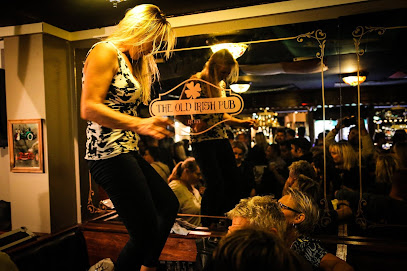
La Boutique
14.1 km
Elegant wine bar and bottle shop on Næstved’s Axeltorv, where curated wines, fine spirits and gourmet details turn a simple drink into a small celebration.
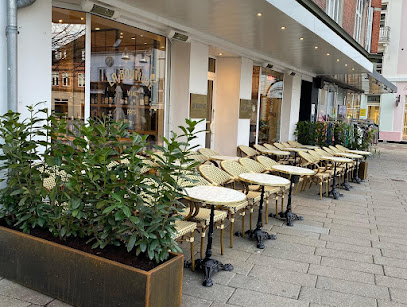
Underhuset
14.1 km
A classic Danish bodega on Næstved’s Axeltorv, blending cosy wood-panel charm, cold beer and local live music into a friendly town-square living room.
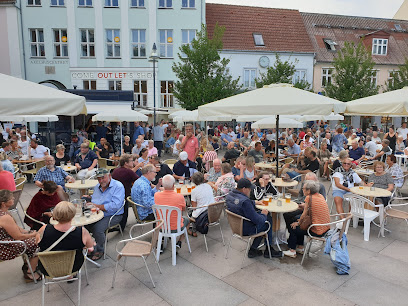
Sluk Efter
14.3 km
Unpretentious local pub on Kindhestegade in central Næstved, pouring cold beers and simple drinks in a cozy, social setting from midday to late night.
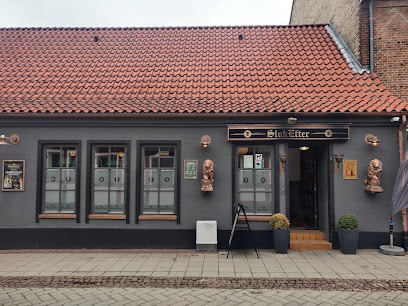
Nightclubs & after hour spots

Avenue Næstved
13.7 km
Lively nightspot and flexible event hall in central Næstved, mixing dancefloor energy, festive dinners, stand-up comedy and themed parties under one roof.
Crazy Daisy Næstved
13.9 km
High‑energy weekend nightclub in central Næstved, packing loud beats, flashing lights and a late‑night local crowd into a compact, classic Danish town‑club setting.
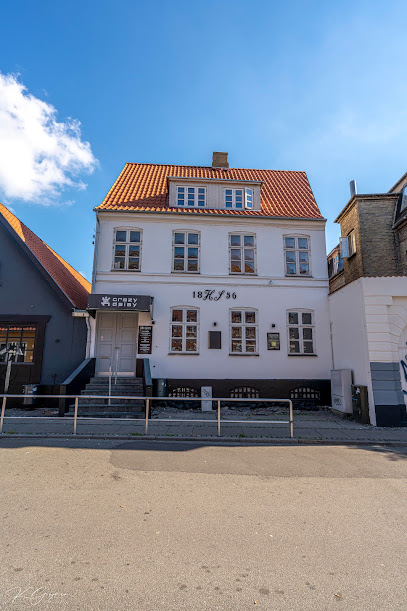
Bloom Nightclub
26.0 km
Late-night harborfront beats and a compact dance floor bring big-night energy to small-city Køge every Friday and Saturday.
The Flame
26.0 km
Compact, high-energy nightclub by Køge’s harbor, serving up youthful beats, live acts and weekend dance-floor vibes in an intimate, no-frills setting.
LUSIO
26.0 km
Compact harbor-side nightclub in Køge with late Friday hours, a tight dance floor, and an intimate, no‑frills setting for Danish weekend nights out.
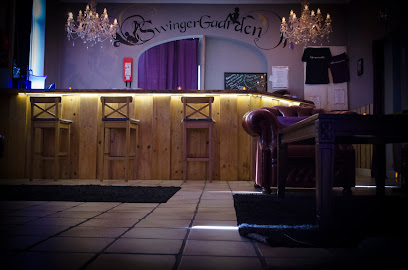
Swingergaarden
37.6 km
Discreet countryside swingers club near Slagelse, offering themed adult nights, intimate play spaces and a rules-based, consent-focused environment for open-minded guests.
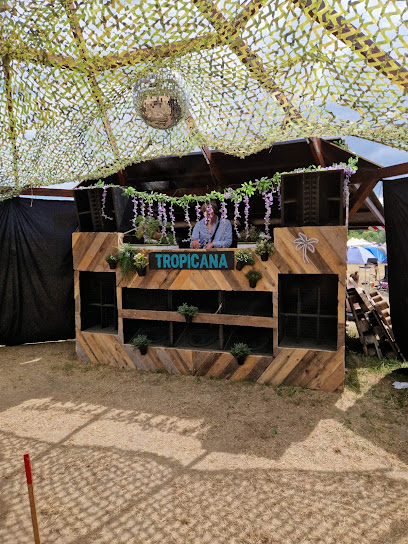
Tropicana DC
40.8 km
Compact Latin-flavoured nightclub on Roskilde’s industrial edge, delivering loud beats, simple drinks and a late-night dancefloor focused purely on partying.
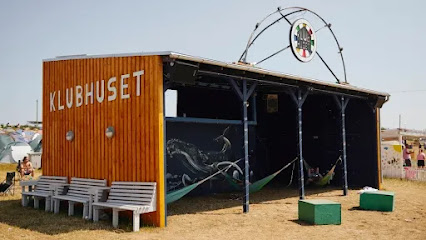
Klubhuset
40.9 km
Low-key local clubhouse turned disco-style nightspot, where a simple bar, small dance floor and regulars’ vibe create relaxed, unpretentious nights in Roskilde.
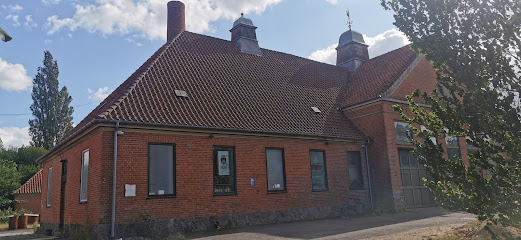
Loke MC - Helheim
41.2 km
Rural Danish biker clubhouse with Norse-mythology flair, offering intimate late-night gatherings, loud rock playlists and a no-frills bar far from mainstream nightlife.
Rytmisk Musikforening Steps Ahead
42.2 km
Dynamic live music venue in Roskilde, specializing in jazz and contemporary genres, with an intimate setting and vibrant community engagement throughout the year.
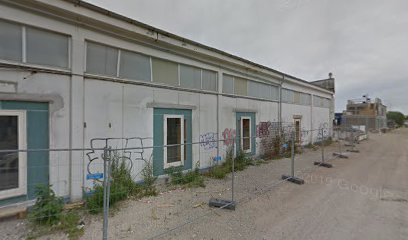
Gammeltorv
42.7 km
Slagelse's vibrant weekend nightclub where locals and visitors dance until dawn.
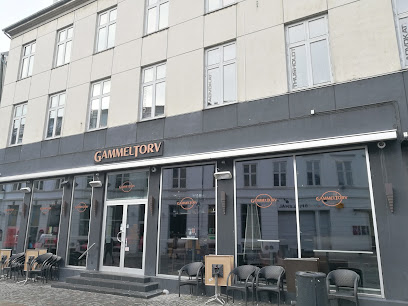
Dansebar Roskilde
43.4 km
Roskilde's premier multi-floor nightclub with dual dance spaces, three bars, and DJ-driven energy until dawn.
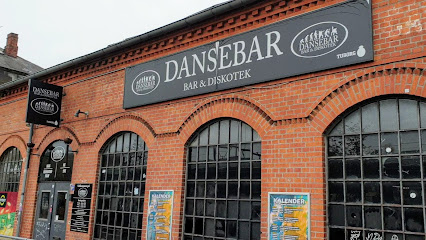
Danseriet
43.4 km
Frivilligdrevet danseklub i Roskilde med stort dansegulv, livebands og hyggelig stemning for danseglade gæster på tværs af aldre og niveauer.
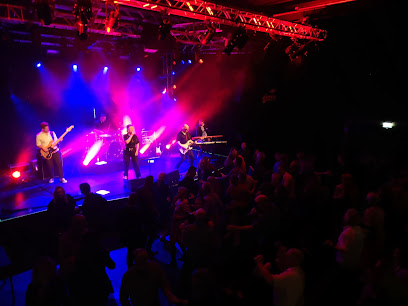
Garbos Roskilde
43.4 km
Cozy neighborhood nightclub in central Roskilde, blending casual bar vibes with a compact dance floor and late-night weekend energy on Hersegade.

FUND BAR
53.9 km
Experience Nykøbing Falster’s vibrant nightlife at FUND BAR, a modern smoke-free bar offering creative cocktails, craft beer, and waterfront ambiance near Lolland.
For the vibe & atmosphere seeker
- Scenic
- Relaxing
- Tranquil
- Adventurous
- Unique
- Fun-filled
For the design and aesthetic lover
- Modern Designs
- Rustic Designs
- Minimalist Designs
For the architecture buff
- Landmarks
- Viewpoints
- Parks & Gardens
- Art & Design
For the view chaser and sunset hunter
- Iconic Views
- Panoramas
- Sunset Spots
For the social media creator & influencer
- Instagrammable
- Photo Spots
- Selfie Spots
- Reel-Friendly
- Architectural Shots
For the eco-conscious traveler
- Low Impact
- Public-Transport Accessible
- Leave-No-Trace Critical
- Locally Managed
For the kind of experience you’re after
- Photowalk
- Adventure Photo Shoot
- Nature Escape
- Day Trip
- Roadtrip Stop
- Mindfulness
For how adventurous you want the journey to be
- Easy Access
Location Audience
- Family Friendly
- Senior Friendly
- Child Friendly
- Teen Friendly
- Solo Friendly
- Couple Friendly
- Solo Female Friendly
- Vegetarian Friendly
- Vegan Friendly
- Business Friendly
- Wheelchair Access


