

Amalienborg Palace Travel Guide
Free Guide: Denmark's living royal residence where centuries of monarchy meet daily pageantry and architectural splendor.


A brief summary of Amalienborg Palace
Denmark's living royal residence where centuries of monarchy meet daily pageantry and architectural splendor.
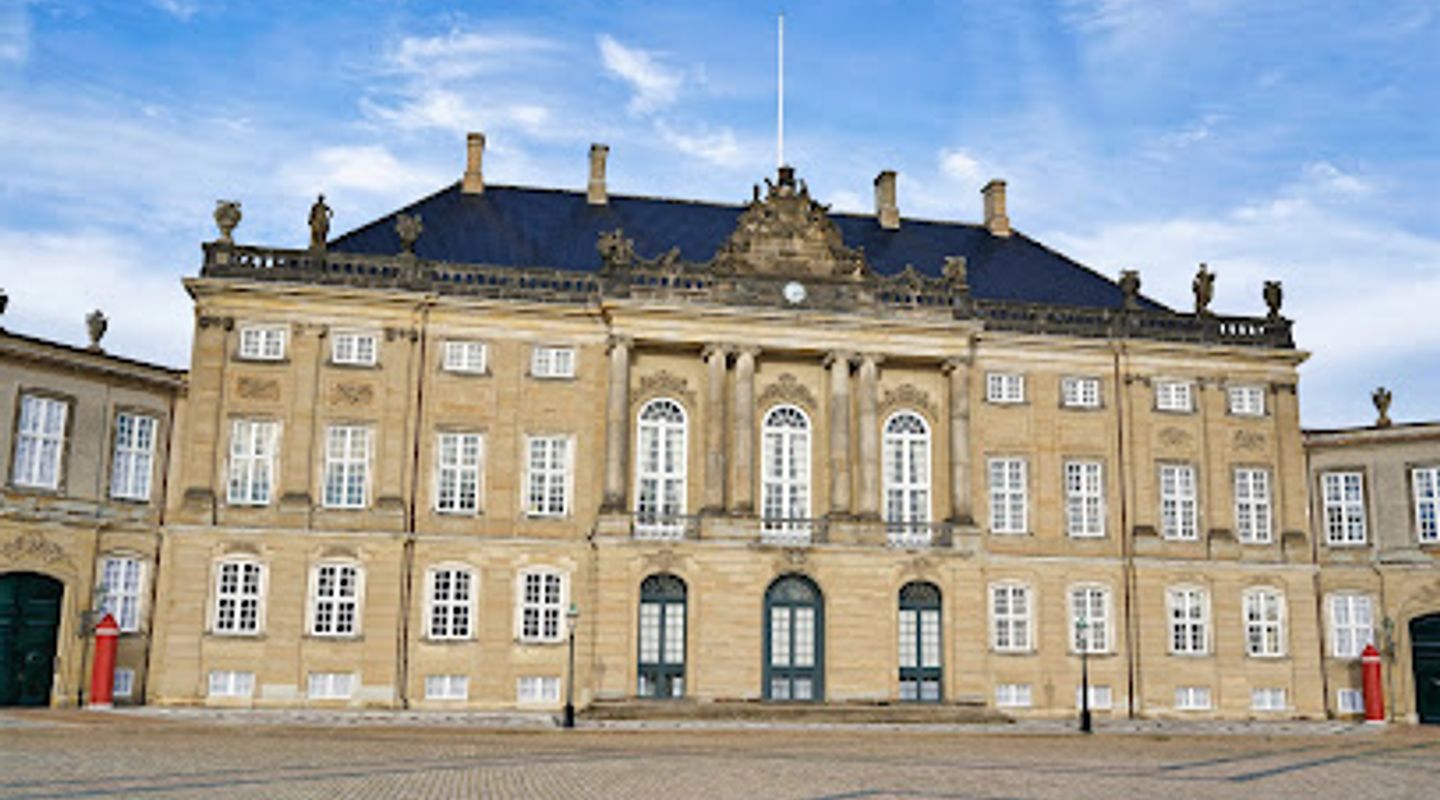
The official residence of the Danish royal family, Amalienborg Palace is a stunning complex of four identical rococo palaces arranged around an octagonal courtyard in central Copenhagen. Visitors can witness the daily Changing of the Guard at noon, explore the Amalienborg Museum housed in Christian VIII's Palace, and admire the elegant interiors spanning 150 years of royal history. With its prime waterfront location near the Marble Church and Opera House, this living royal home seamlessly blends architectural grandeur with contemporary monarchy.
On-site amenities
 Restrooms
 Drink options
 Food options
 Seating areas
 Information boards
 Visitor centre
- Address
- Amalienborg Slotsplads, 1257 København K
- Phone
- Website
Getting there
Metro
Bus
Bicycle
Walking
Discover more about Amalienborg Palace
A Palace Built for Grandeur
Amalienborg Palace stands as one of Europe's most distinctive royal residences, conceived by King Frederik V in the 18th century as a vision to rival every other royal home on the continent. Designed by renowned architect Nicolai Eigtved, the complex comprises four architecturally identical palaces—Christian VII's Palace, Christian VIII's Palace, Christian IX's Palace, and Frederik VIII's Palace—each named after the king's sons. These elegant structures, featuring classical façades with rococo interiors, encircle an octagonal courtyard dominated by an equestrian statue of King Frederik V, erected in 1771. The palace complex was completed in the late 1700s and has served as the official residence of the Danish royal family ever since, making it a rare example of an active, inhabited royal palace open to public visitation.
The Changing of the Guard: A Living Tradition
One of Amalienborg's most celebrated attractions is the daily Changing of the Royal Guard, a ceremonial tradition that has been observed with strict military protocols since 1658. Every day at noon, the Royal Danish Life Guard marches through the streets of Copenhagen from Rosenborg Castle, arriving at Amalienborg Palace's courtyard for the formal changing ceremony. The spectacle draws crowds of visitors and locals alike, offering a glimpse into Denmark's enduring royal pageantry. The march begins at 11:30 AM from Rosenborg Castle, covering more than a kilometer through the city's historic streets. Visitors are encouraged to position themselves in the designated green areas of the palace square to safely observe the ceremony without obstructing the guards' movements.
Inside the Museum: Royal Life Through the Ages
The Amalienborg Museum, located within Christian VIII's Palace, provides an intimate window into the private world of Denmark's monarchs. The museum's collections span approximately 150 years of royal history, beginning with Christian IX and Queen Louise, who became known as "the in-laws of Europe" after four of their children ascended to thrones across England, Greece, Russia, and Denmark. Visitors walk through meticulously preserved rooms that reflect the personal tastes and styles of successive monarchs, from military and Victorian aesthetics to knightly décor. The centerpiece is the magnificent Gala Hall, still used by the royal family for state receptions and formal occasions, offering insight into how the monarchy functions in the modern era. The museum's crown jewel is the Fabergé Chamber, housing one of the world's most important collections of Russian imperial jewellery, acquired primarily through Empress Dagmar, daughter of Christian IX.
Architectural Splendor and Urban Integration
Amalienborg's location in central Copenhagen creates a remarkable urban alignment with two other iconic structures. The palace sits on a short axis that connects Frederik's Church, commonly known as the Marble Church, directly behind the palace, with the Copenhagen Opera House across the harbour. This deliberate architectural relationship creates one of the city's most photographed vistas. The palace square itself is surrounded by elegant rococo buildings and opens toward the waterfront, where the Amalie Garden—established in 1983 as a gift to Copenhagen's citizens—features marble sculptures and a central fountain designed by Italian artist Arnaldo Pomodoro. The garden's two-level design provides both intimate spaces and panoramic views of the harbour and surrounding cityscape.
A Living Palace: Tradition Meets Modern Monarchy
Unlike many European palaces that function purely as museums, Amalienborg remains an active royal residence where members of the Danish royal family continue to live and work. Frederik VIII's Palace serves as the home of His Majesty King Frederik X, Her Majesty Queen Mary, and their children, while Christian IX's Palace is the residence of Queen Margrethe II. Christian VII's Palace functions as a guest residence, and Christian VIII's Palace serves dual purposes as both a guest palace and the location of the public museum. This unique arrangement means visitors experience a genuine working palace where history and contemporary royal life coexist. The museum's modern exhibition spaces, redesigned in 2013, present the monarchy's evolution and its role in 21st-century Denmark through interactive displays and carefully curated artifacts that illuminate both ceremonial duties and personal dimensions of royal life.
Evendo Review Centre
 Google
Guest reviews
Best time to go
Quietest: Jan, Feb & Nov · before 7am or at 10pm
Busy times are Evendo estimates for a typical year, to help you plan. Actual crowds vary with events, school holidays and the weather.
Explore Amalienborg Palace on the map
A handpicked selection of must-see spots near Amalienborg Palace, mapped for you.
Get your free copy of our complete guide to Amalienborg Palace, delivered straight to you.
Everything on this page, from opening hours and how to get there to Eve’s tips and the best time to go, in one PDF you can read offline, print or share.
Already have an account? Sign in
Your Amalienborg Palace guide is ready.
We'll send it to · Not you? Sign out

Getting your guide ready…
We are putting together a fresh copy of the Amalienborg Palace guide. This can take up to a minute.
This can take a few moments. If your browser asks, choose Allow so the download can start. You'll find the guide in your Downloads folder.
Nothing happened? Download it again
Sorry, the guide is taking longer than usual. Please try again in a minute, or get it by email instead.
Unlock the best of Amalienborg Palace
Skip-the-line tickets, guided tours with entry, and walking tours of the area, booked in a few clicks.


Other nearby places you may find interesting
The closest places of the same kind, if this one is not quite what you had in mind.
-
-
-
-
-


Swipe for more places
More to explore near Amalienborg Palace

 Best experiences near Amalienborg Palace
 Best hotels near Amalienborg Palace
 Best landmarks near Amalienborg Palace
 Best attractions near Amalienborg Palace
 Best shops near Amalienborg Palace
 Best restaurants near Amalienborg Palace
 Best bars near Amalienborg Palace
Do you manage this location?
Take control to get all the benefits, like improved information, better appearance, and stronger visibility across AI-powered discovery.
Explore more
Explore more of South Zealand
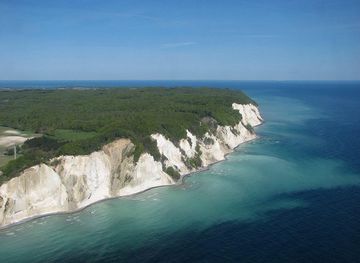
Discover South Zealand, where dramatic cliffs, historic castles, and charming coastal towns create the perfect Danish escape.
Explore South Zealand
Explore more of Denmark
Discover Denmark: A perfect blend of history, modern design, and the cozy concept of hygge. Explore vibrant cities, serene landscapes, and world-class cuisine.
Explore Denmark
