Fehmarn, The North Sea Islands Travel Guide
A Baltic island of big skies, sandy shores and bird-rich wetlands where bridge-linked convenience meets laid-back North German coastal life.
Fehmarn is Germany’s third-largest island, a low-lying patchwork of fields, dikes and 78km of Baltic coastline linked to Schleswig-Holstein by the graceful Fehmarnsund Bridge. Known as the country’s “sunshine isle”, it blends long sandy beaches, rugged cliffs and quiet nature reserves with the brick-gabled streets of Burg, historic churches and lighthouses, surf spots, bike trails and bird-rich wetlands such as Wallnau. It’s a laid-back, outdoorsy escape that still feels distinctly North German and maritime.
A brief summary to Fehmarn
- Fehmarn, DE
- Duration: 4 to 72 hours
- Free
-
 Outdoor
- Mobile reception: 4 out of 5

Know before you go
Hi, I'm Eve. Here are a few practical things to know before exploring Fehmarn.
- Bring or rent a bike: the island is flat and has hundreds of kilometres of cycle paths, making two wheels the best way to link beaches, villages and nature reserves.
- Pack windproof layers even in summer, as Fehmarn’s exposed Baltic position means strong breezes on beaches, dikes and surf spots.
- For birdwatching at Wallnau and other reserves, come in spring or autumn migration periods and carry binoculars to make the most of distant flocks.
- If you plan to swim at natural beaches, consider water shoes for pebbly sections and bring snacks, as facilities are limited away from main resorts.
- In high season, reserve surf lessons and popular beach chairs in advance, especially around Südstrand and the main surfing bays.
Do you manage this location?
Take control to get all the benefits, like improved information, better appearance, and stronger visibility across AI-powered discovery. Learn more about listing your business on Evendo
Activate your presenceOther nearby places you may find interesting
The closest places of the same kind, if this one is not quite what you had in mind.
Explore Fehmarn on the Map
A handpicked selection of must-see spots near Fehmarn, mapped for you.
Unlock the Best of Fehmarn
Buy tickets
-
No tickets available
Book tours with entry
-
No tours available
Book tours without entry

Getting There
-
Train from Lübeck or Hamburg
Regular regional trains run from Lübeck to Fehmarn-Burg, with some services continuing directly from Hamburg. Journey time from Lübeck is about 1.5 hours, and from Hamburg usually 2–2.5 hours depending on connections. Standard one-way adult fares typically range from about €20–€35, with savings available through regional day tickets. Trains carry bicycles on most services, though space can be limited in summer and a small bike supplement is usually required.
-
Car via Fehmarnsund Bridge
Drivers reach the island along the A1/B207 route, crossing the Fehmarnsund Bridge into Fehmarn. From Hamburg the driving time is usually around 1.5–2 hours in light traffic, but weekends and summer holidays can bring delays near the bridge. There is no separate toll for the crossing. Parking is free or low-cost in many villages and near natural beaches, while larger resort and harbour areas may charge €3–€10 per day in peak season.
-
Long-distance coach to Fehmarn
Long-distance coaches connect major German cities with Fehmarn, typically stopping in or near Burg. From Hamburg, travel times are generally around 2.5–3 hours depending on intermediate stops and traffic. One-way tickets often fall in the €10–€25 range if booked in advance, rising closer to departure. Luggage space is good, but bicycle transport may require prior reservation and an extra fee, and some services run less frequently outside the main holiday periods.
-
Cycling approach from mainland Schleswig-Holstein
Experienced cyclists can follow regional bike routes through Schleswig-Holstein to the Fehmarnsund Bridge and onto the island. The approach is almost entirely flat but can be very exposed to wind, making the 20–40km stretches from nearby coastal towns feel longer. There is no charge for bikes on the bridge, but riders should be comfortable with moderate traffic and changing weather. This option is best in late spring to early autumn, with good daylight and milder temperatures.
For the on-the-go comforts that matter to you
-
 Restrooms
-
 Drink Options
-
 Drinking Water
-
 Food Options
-
 Seating Areas
-
 Sheltered Areas
-
 Picnic Areas
-
 Trash Bins
-
 Information Boards
-
 Visitor Center
Discover more about Fehmarn
Sun, Sea and Open Skies on the Baltic Edge
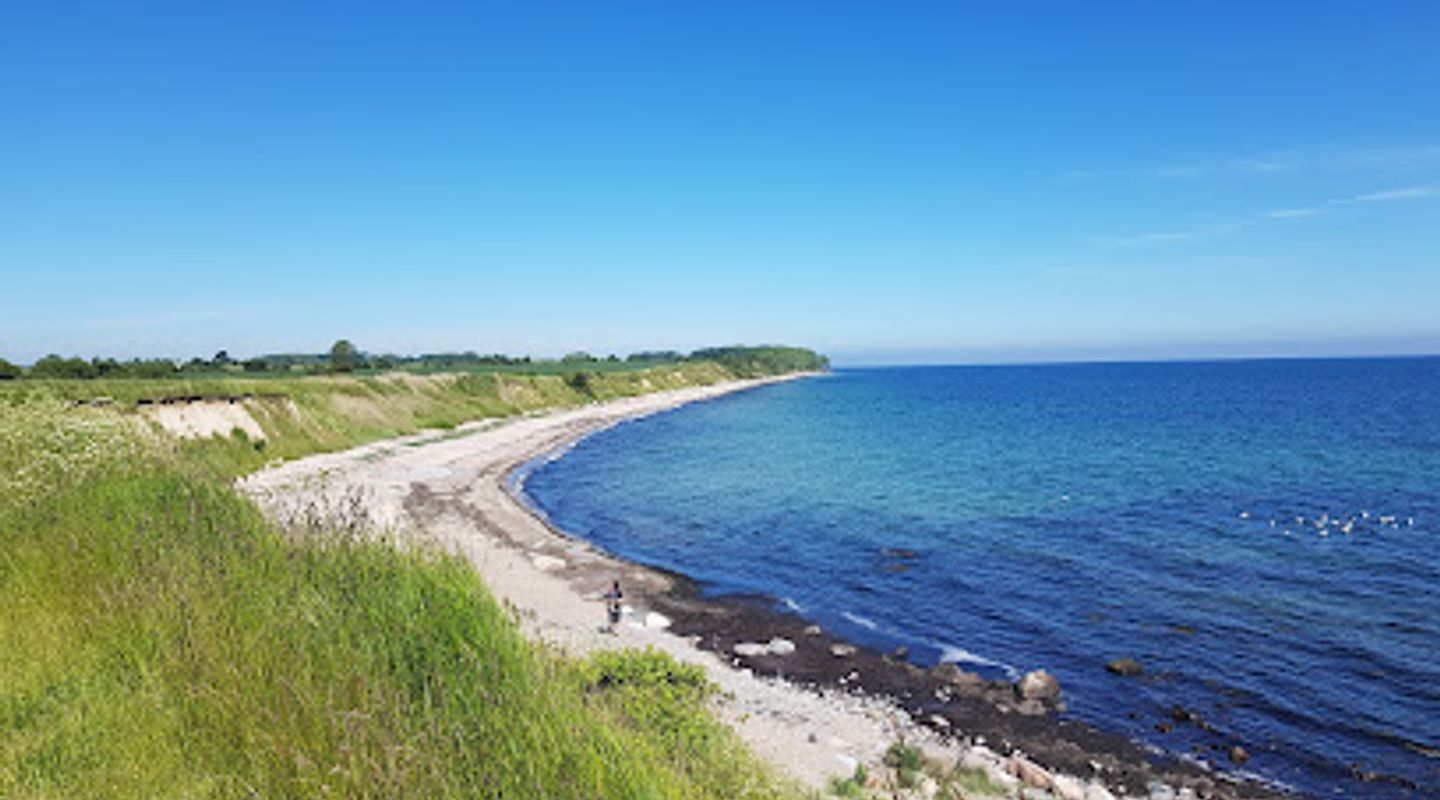
Fehmarn sits in the southern Baltic Sea, a flat, weather-beaten island ringed by beaches and low cliffs and criss-crossed by a network of dikes and farm tracks. It is Germany’s third-largest island, yet its atmosphere is resolutely rural, with big skies, sea breezes and fields running almost to the shore. The Fehmarnsund Bridge arches across the sound to the mainland like a steel coathanger, giving an instant sense of arrival on an island that still feels slightly apart.The coastline is wonderfully varied for its size. In the south and southwest you find broad, sandy strands backed by promenades and classic wicker beach chairs, particularly around Südstrand and Burgtiefe. To the east the shore grows wilder, with steeper sections of coast and pebble-strewn coves where waves gnaw at the land. In the north, natural beaches and shallow lagoons provide a quieter, more elemental face of the Baltic.Island Villages, Brick Churches and Maritime Traces
Burg, the island’s main town, lies roughly in the south and feels like a compact Hanseatic micro-city. Narrow cobbled streets twist between red-brick houses with stepped gables, many influenced by historic Danish styles that hint at Fehmarn’s position on the frontier between cultural worlds. At the heart stands St. Nikolai church, founded in the 13th century, its tower a useful landmark that punctuates the surrounding maze of roofs.Beyond Burg, the island is dotted with small villages such as Petersdorf, Landkirchen, Lemkenhafen and Orth. Each has its own character: perhaps a thatched farmhouse, a converted windmill, a tiny harbour crammed with yachts or fishing boats. Lighthouses like Flügge on the southwestern tip act as sentinels over the shipping lanes, while the ferry port of Puttgarden in the north underscores Fehmarn’s long-standing role as a gateway between Germany and Denmark.Nature Reserves, Birdlife and the Wallnau Wetlands
Despite the strong agricultural presence, Fehmarn has become renowned for its nature reserves and bird habitats. Along the north coast, former coastal meadows and lagoons now form vital resting and breeding grounds for waterfowl and migratory birds. The best-known area is the Wallnau Waterfowl Reserve on the western shore, where wetlands, reedbeds and shallow ponds attract hundreds of species throughout the year.Boardwalks and discreet viewing platforms make it easy to explore without disturbing wildlife, and seasonal migrations bring dramatic flocks of geese and waders sweeping over the landscape. Elsewhere on the island, protected dunes, small inland lakes and rough coastal grassland contribute to a surprising ecological diversity. Even casual walkers and cyclists frequently spot birds of prey circling above the fields or hear curlews calling from the mudflats.Wind, Waves and Island-wide Cycling Adventures
Fehmarn’s open position in the Baltic gives it reliable wind, which has turned the island into a major German hotspot for windsurfing and kitesurfing. Around exposed bays such as Gold, Wulfener Hals and the Flügge area, colourful sails and kites dot the horizon on breezy days, and the shallow waters close to shore are especially attractive for learners. Surf schools, gear rental and launch spots are spread along the coast, keeping the scene informal but active.On land, more than 300km of cycling paths knit the island together, many following the dikes or hugging the coastline. The terrain is almost entirely flat, making day-long loops realistic even for families. Riders can string together beaches, harbour villages, lighthouses and cafés in a single outing, or detour inland through fields and tiny hamlets. Hiking routes, though fewer in number, offer similarly relaxed exploration, with sea views rarely far away.Culture, Memory and Fehmarn’s Easygoing Rhythm
Beyond pure recreation, Fehmarn carries layers of cultural history. In Burg, local museums trace maritime trade, fishing traditions and the island’s geology. Scattered across the countryside are reminders of its position on Cold War frontiers and older trading routes. On the northwestern shore a simple stone commemorates the final festival performance of musician Jimi Hendrix in 1970, a small but evocative link to a different era.Despite ongoing infrastructure projects such as the planned Fehmarnbelt tunnel to Denmark, the rhythm of daily life on the island remains unhurried. Tractors trundle along narrow roads, cafés in village squares fill slowly with people lingering over cake, and evening light stretches across the Baltic outside. For visitors, the appeal lies in this combination of gentle activity and genuine stillness: a place where you can fill days with wind, water and wildlife, yet always find a quiet corner to watch the changing sky over the sea.












Your all‑in‑one travel companion app
Explore expert travel guides, compare and book tours, experiences, hotels, and more—all from the palm of your hand. Download now for seamless trip planning wherever your wanderlust takes you.


Explore More of The North Sea Islands
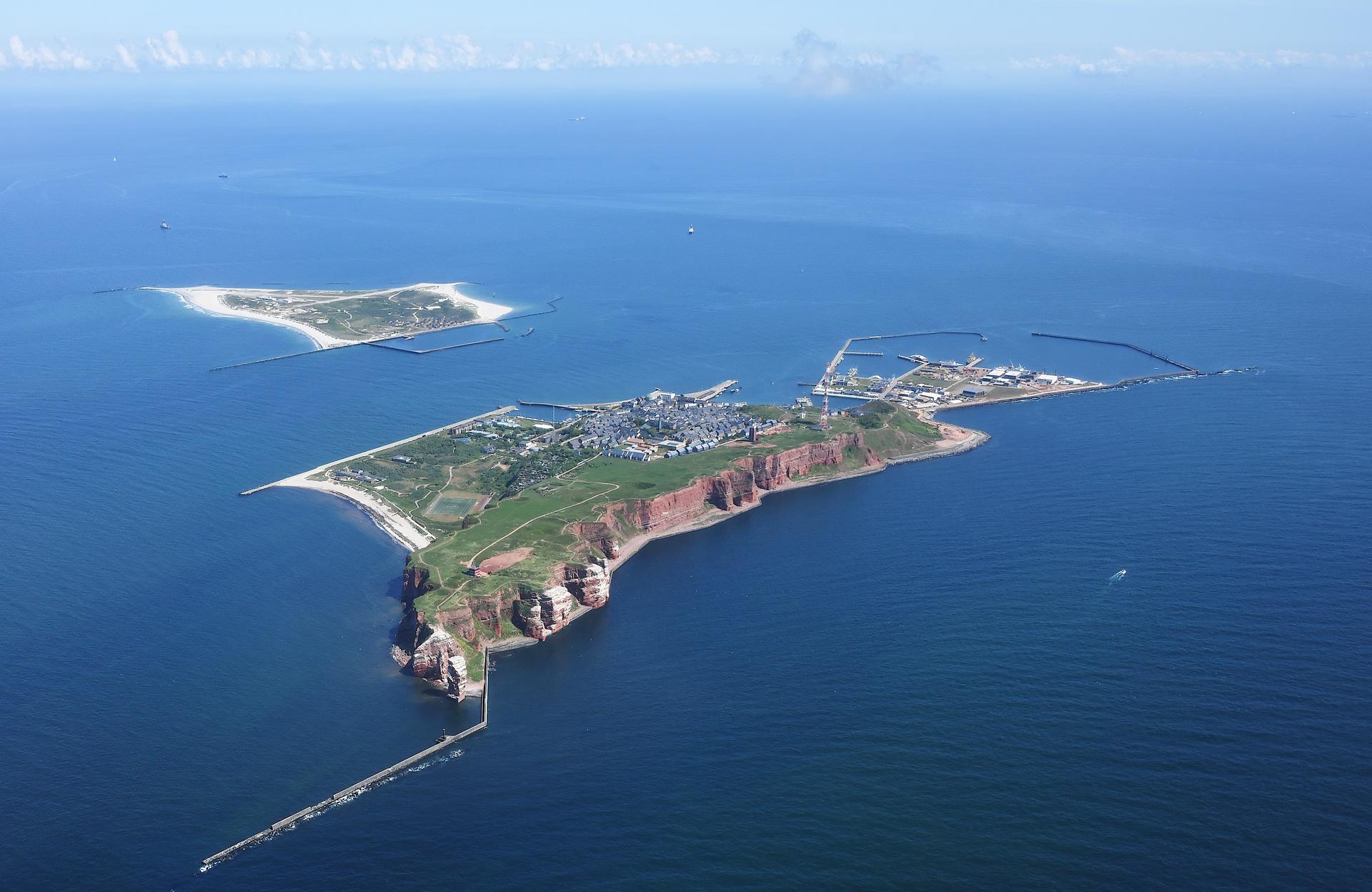
Looking beyond Fehmarn? Discover The North Sea Islands for broader travel guides, local hot-spots, and regional highlights.
Explore The North Sea Islands