Tudsehavet Forest Lake
A secluded forest lake tucked between dunes and pines near Ålbæk, Tudsehavet offers quiet trails, simple picnic spots and a tranquil pause in North Jutland’s wild sands.
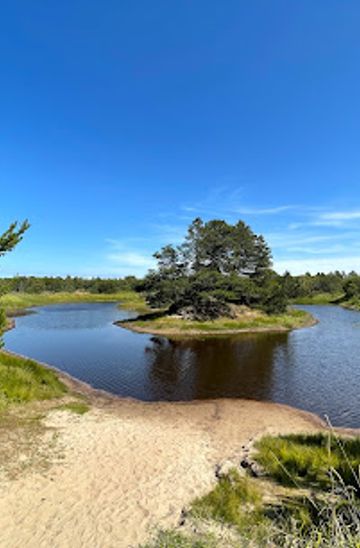
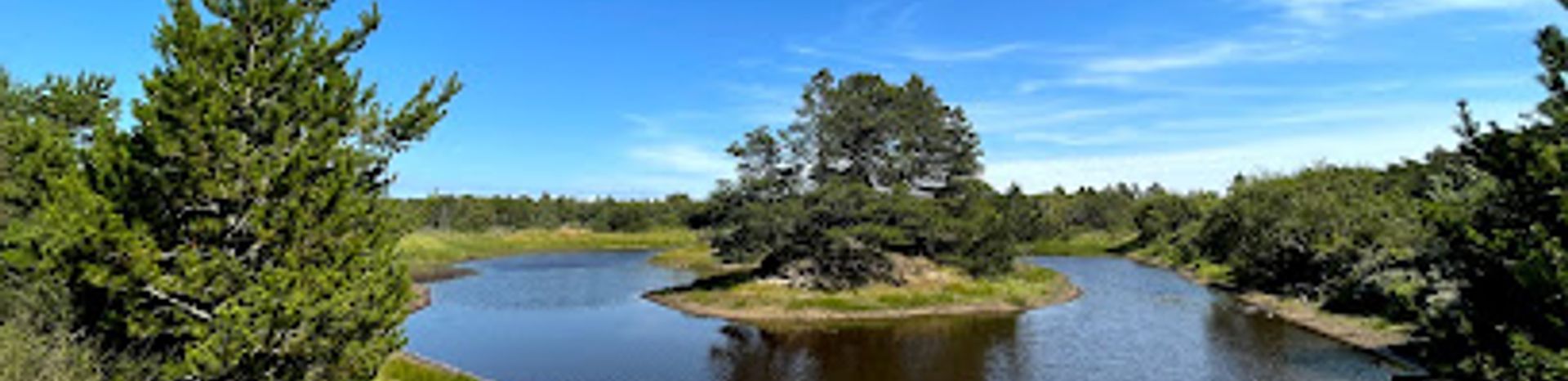
Hidden in the dunes and pine plantations south of Skagen, Tudsehavet is a tranquil forest lake near Ålbæk, carved out in the late 1800s and encircled by damp moss and reeds. Once dug to drain a natural bog, the 13‑hectare lake now lies in a quiet corner of Bunken Klitplantage, where shifting sands, heather, and conifers meet mirror‑still water. Simple paths, rustic picnic spots, and birdsong make this a peaceful pause on hikes linking Råbjerg Mile and the surrounding plantation.
A brief summary to Tudsehavet
- Unnamed Road, Ålbæk, 9982, DK
- Duration: 1 to 3 hours
- Free
-
 Outdoor
- Mobile reception: 3 out of 5

Know before you go
Hi, I'm Eve. Here are a few practical things to know before exploring Tudsehavet.
- Combine a visit to Tudsehavet with a hike to nearby Råbjerg Mile to experience both the sheltered forest lake and the open wandering dune in one route.
- Wear waterproof or sturdy shoes; paths near the lake edge can be damp or muddy, and sandy tracks elsewhere may feel soft underfoot.
- Bring snacks and water, as there are only basic picnic tables and no food outlets or shops in the immediate plantation area.
- Visit in early morning or late afternoon for calmer winds, softer light on the water, and a better chance of spotting birds and amphibians.
- In summer, pack insect repellent; the damp ground and reeds around the lake can attract mosquitoes, especially around dusk.
Do you manage this location?
Take control to get all the benefits, like improved information, better appearance, and stronger visibility across AI-powered discovery. Learn more
Activate your presenceOther nearby places you may find interesting


Getting There
-
Car from Ålbæk town
From central Ålbæk, driving to the forest access tracks near Tudsehavet typically takes around 10–15 minutes, following local roads that skirt Bunken Klitplantage. There is no formal car park directly at the lake, so visitors usually leave vehicles at nearby plantation parking areas or designated clearings and continue on foot along sandy and forest paths for the final stretch. Access is free, but note that some tracks are unpaved and can be rutted after rain, so low‑clearance cars should drive slowly.
-
Car from Skagen area
From the Skagen area, the drive to the Bunken Klitplantage access points closest to Tudsehavet generally takes 20–30 minutes along the main north–south route through the peninsula. Parking is available at plantation lots serving Råbjerg Mile and nearby trails, from which you can walk forest and dune paths 20–40 minutes to reach the lake. There are no entrance fees or parking charges at the time of writing, but spaces may fill in peak summer, especially near the dune.
-
Regional train and walking
Regional trains running between Skagen and Frederikshavn stop at small stations such as Bunken and Ålbæk, typically every 1–2 hours during the day with standard local fares in the range of 30–60 DKK one way, depending on distance and ticket type. From these stations, expect a 45–75 minute walk on minor roads and forest paths through Bunken Klitplantage to reach Tudsehavet. Surfaces vary from firm gravel to soft sand, so the route suits reasonably fit walkers but is less convenient for wheelchairs or strollers.
-
Bicycle from nearby coast
Cycling from coastal holiday areas near Ålbæk or Bunken to Tudsehavet usually takes 20–40 minutes each way, depending on your starting point and chosen route. Many sections use quiet country lanes and forest tracks; expect some sandy stretches where pushing the bike may be easier. There are no bike racks at the lake, so you simply leave your bicycle off the path under the trees while you explore. Cycling is free aside from any rental costs you may have from your accommodation or local bike hire.
For the on-the-go comforts that matter to you
-
 Picnic Areas
-
 Trash Bins
-
 Information Boards
-
 Restrooms
Discover more about Tudsehavet
A quiet lake in the shadow of the dunes
Tudsehavet sits in a sheltered hollow of Bunken Klitplantage, a short distance inland from Ålbæk’s coast and the great wandering dune of Råbjerg Mile. Here the wind that scours the nearby sand hills softens into a breeze that barely ruffles the lake’s dark surface. Pines and birches close in around the shore, their reflections rippling with every passing gust.The water feels surprisingly secluded despite lying close to one of North Jutland’s most dramatic landscapes. Unmarked sandy tracks and forest paths lead in, and there is a gentle sense of arrival as the trees suddenly open and the lake reveals itself. On still days, sound carries clearly: the croak of frogs, the call of a jay, the distant murmur of traffic far beyond the plantation.From drained bog to deep forest pool
Despite its natural appearance, Tudsehavet is the result of late‑19th‑century engineering. The lake was dug out to a considerable depth and shaped with three small islands, its basin intended to drain a wet bog that once stretched westward. That intervention dried much of the original mire, allowing reeds and dense vegetation to gradually take over.The name itself goes back further, evoking an older word for a wet, toad‑filled lowland rather than a formal lake. Today, the islands and steep banks still hint at its artificial origins, yet time and plant growth have blurred the edges. In dry, hot summers the water level can drop dramatically, sometimes leaving sections of the lakebed cracked and exposed, a reminder of the porous sandy ground beneath.Life between reeds, moss and shallow margins
Walk close to the shore and the ground turns soft underfoot, with sphagnum patches, sedges and tangles of grass absorbing each step. Reedbeds fringe sections of the waterline, providing cover for waterfowl and a hunting ground for dragonflies that skim low over the surface. In spring and early summer, you may hear the resonant croak that inspired the lake’s name.The surrounding plantation mixes pine, birch and willow, with the occasional wind‑pruned spruce leaning out over the bank. In autumn, mushrooms push through the mossy floor and the air smells of resin and damp leaves. This is less a manicured park than a semi‑wild corner of production forest, where natural processes and forestry quietly intersect.A gentle pause on longer dune hikes
For many visitors Tudsehavet is a welcome pause on a longer route through Bunken Klitplantage and the Råbjerg Mile area. Waymarked and informal trails thread the plantation; some cycling and hiking routes loop past the lake, turning it into a natural rest point. Simple picnic tables offer a place to unpack lunch, refuel, and watch light move across the water.The terrain around the lake is generally easy, with sandy and forest paths rather than steep climbs, though exposed tree roots and occasional muddy patches can require attention. The setting lends itself to slow exploration: skirting the shore, wandering short side paths, or simply sitting quietly to take in the layered greens of reeds, conifers and heather.North Jutland’s shifting landscape all around
Tudsehavet also offers a subtle introduction to the larger story of North Jutland’s coastline. Just beyond the trees, moving sand dunes still creep inland, shaped by the same winds that once buried farms and fields. Nearby plantation belts were planted to tame that sand, and the lake’s dug‑out basin was part of a wider effort to regulate water and land.Standing here today, it feels far from those practical concerns. The modern plantation, remnants of bog, and manufactured lake have blended into a serene pocket of nature. Whether you arrive as a brief stop on a dune hike or as a destination in itself, Tudsehavet reveals a quieter, more intimate side of this famously windswept region.Moments of stillness in every season
Each season brings a different character. In bright Scandinavian summer light, the water glows under high skies and the forest hums with insects. On overcast days, muted colours and drifting mist can lend the lake a hushed, almost secretive atmosphere. Even on breezy days when the dune tops roar, the hollow around Tudsehavet often keeps a surprising calm.It is this contrast that defines the experience: a modest forest lake that feels worlds away from nearby tourist bustle, yet remains firmly part of the changing coastal landscape. Spend a little unhurried time here and the details emerge—the rings of a rising fish, the rustle of reeds, and the soft thud of your own footsteps on the sandy path back into the trees.Explore the best of what Tudsehavet has to offer













More about North Jutland
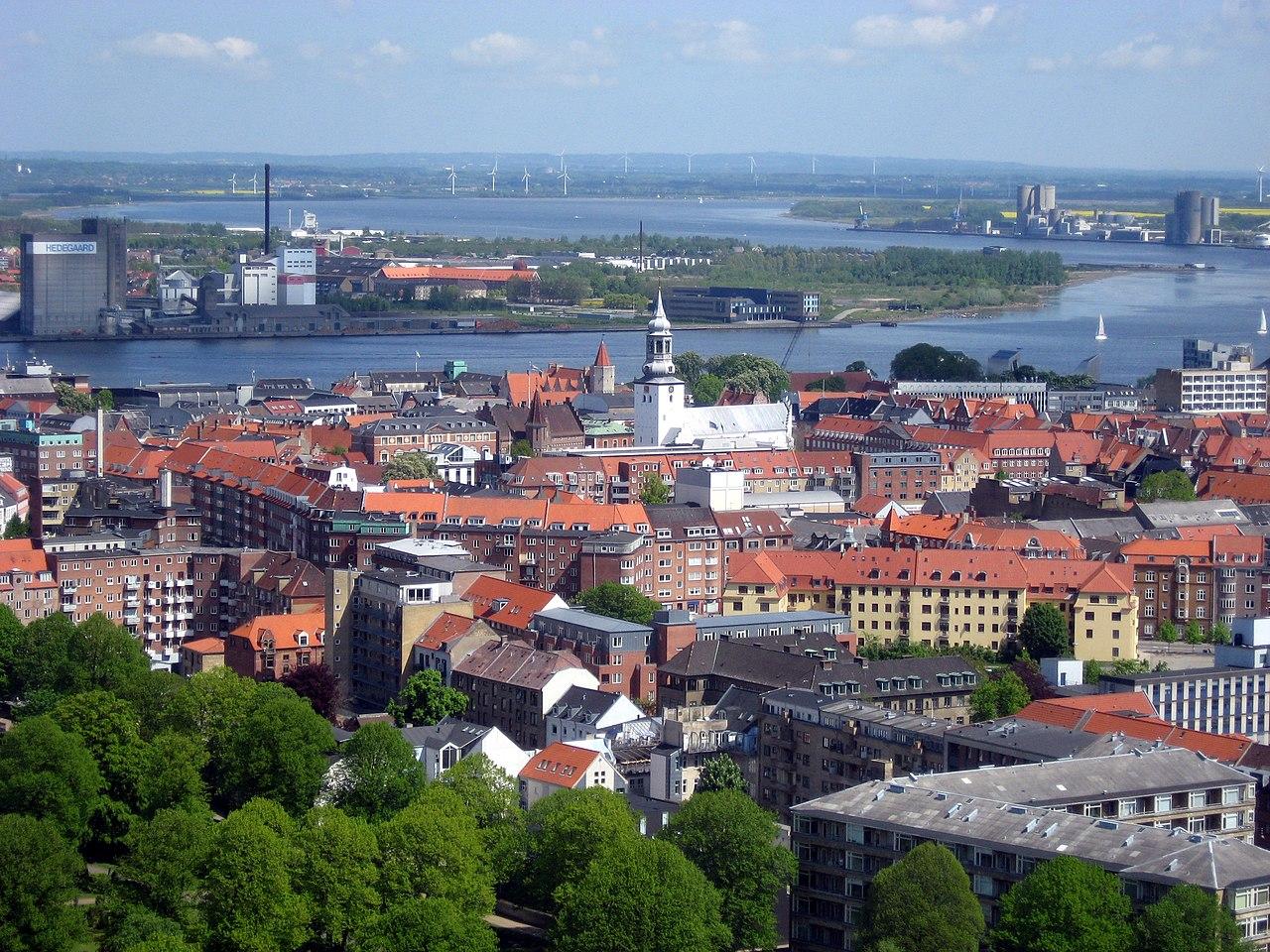
Discover North Jutland: Denmark's northernmost region, renowned for its stunning coastlines, rich Viking history, vibrant culture, and outdoor adventures.
Tell me more about North Jutland
A simple wooden platform above Skagen’s dunes with wide views to Grenen, the Grey Lighthouse and the restless seas at Denmark’s far northern tip.

Family-friendly holiday park between dunes and sea, with pools, play areas and cabins set in classic Skagen landscapes near the wandering dune of Råbjerg Mile.