Background

The Skaw (Skagen Odde Peninsula)

A long, wind-shaped peninsula of dunes, forest and wide beaches, where two seas, migratory birds and big northern skies meet at the far tip of Denmark.

5

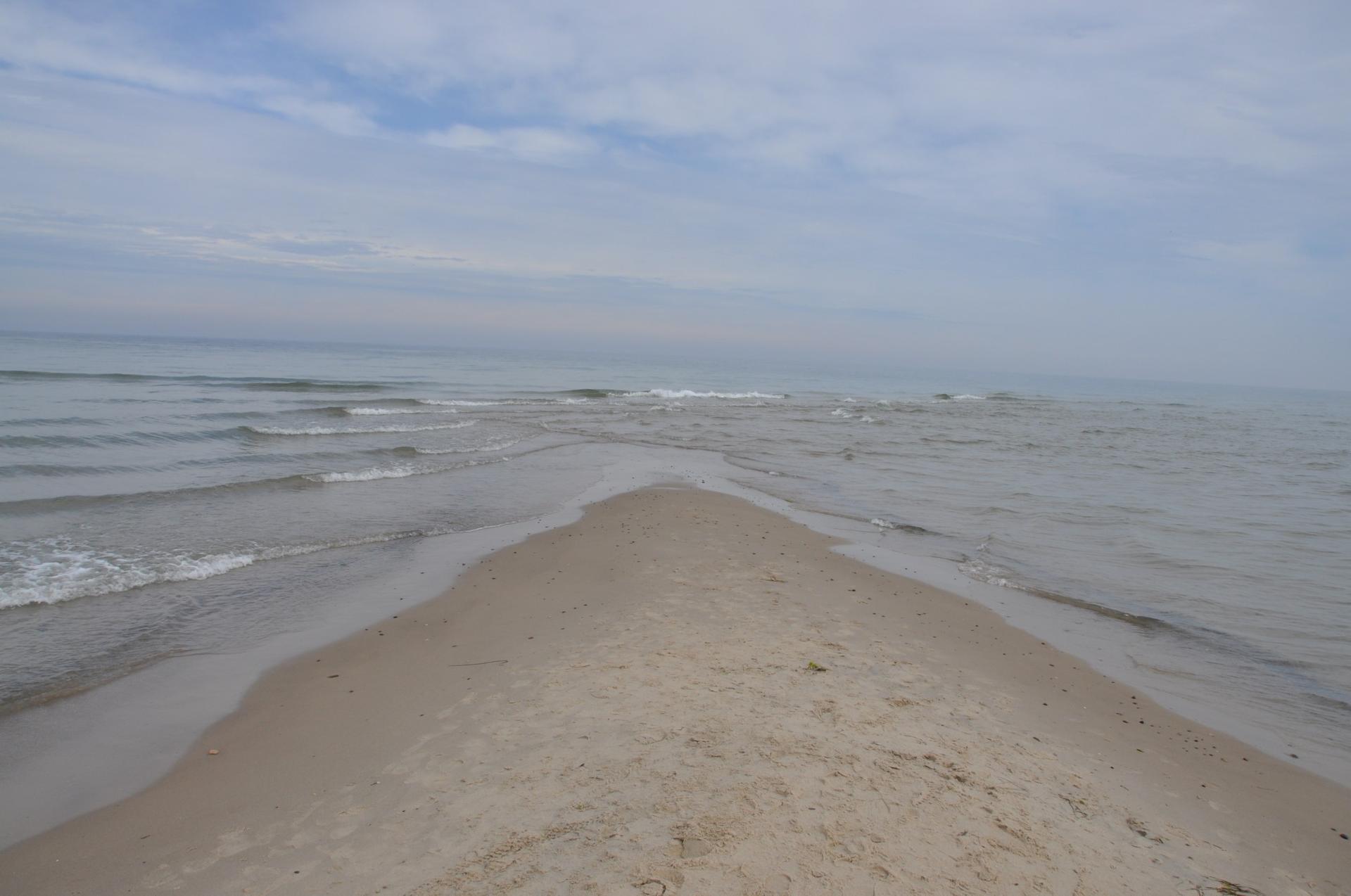
The Skaw, or Skagen Odde, is Denmark’s far‑northern sandy peninsula, tapering into the seas where the Skagerrak meets the Kattegat at Grenen. This shifting tongue of dunes, heath and forest stretches around 30 km from Ålbæk to the wave-battered tip, funnelling millions of migratory birds and sheltering red deer, foxes and rare reptiles. Windswept beaches, rolling sand, lighthouses and big northern skies make it a quietly dramatic place to walk, watch birds and feel the elements at the very top of Jutland.

A brief summary to The Skaw

  • Skagen, DK
  • Duration: 1.5 to 6 hours
  • Free
  • Environment icon Outdoor
  • Mobile reception: 4 out of 5

Local tips

  • Pack windproof layers year-round; even in summer the exposed beaches and dunes can feel much cooler than nearby inland areas.
  • Bring binoculars in spring and autumn if you are interested in birds; the peninsula is a major migration funnel for raptors and seabirds.
  • Stay on marked paths in dune and heath areas to protect fragile vegetation and avoid disturbing wildlife that shelters in the sands.
  • Carry water and snacks outside the town area; facilities thin out quickly once you head into the more open parts of the peninsula.
  • Check local weather and wind forecasts before long walks or bike rides, as conditions can change fast on this narrow, exposed stretch of land.
widget icon

Getting There

  • Train and local bus from Aalborg

    From Aalborg, regional trains run to Skagen with a change in Frederikshavn, typically taking 2 to 2.5 hours in total. Services are fairly frequent during the day. From Skagen station, local buses and seasonal shuttles serve points along the peninsula towards Grenen in 10 to 20 minutes. A combined one-way rail and bus journey usually falls in the range of 120–200 DKK per adult, depending on time and ticket type.

  • Car from Frederikshavn via main coastal road

    Driving from Frederikshavn to the Skaw along the main northbound road through Skagen takes about 45 to 60 minutes, depending on traffic and seasonal congestion. The route is straightforward but can be busy on peak summer days. Parking is available near key access points to beaches and dune areas, sometimes with time limits or small fees; budget roughly 20–70 DKK for parking where charges apply.

  • Regional bus along the coast of North Jutland

    Regional buses connect coastal towns such as Hjørring and Frederikshavn with Skagen, generally taking 1.5 to 2 hours for longer stretches. Services are less frequent than trains, especially in the evening and on weekends, so checking timetables in advance is important. A single ticket for these buses typically costs around 60–120 DKK, with discounts for children and some travel cards.

  • Cycling from Skagen town into the peninsula

    From central Skagen, cycling out along marked bike routes into the Skaw offers a scenic, low-impact way to reach dunes and beaches in 20 to 40 minutes, depending on your destination. The terrain is mostly flat but very exposed to wind; strong headwinds can make the ride more demanding. There is no charge beyond bicycle rental if needed, which usually ranges from about 100–200 DKK per day from local shops.

The Skaw location weather suitability

  • Weather icon Clear Skies
  • Weather icon Windy Conditions
  • Weather icon Mild Temperatures
  • Weather icon Cold Weather
  • Weather icon Hot Weather
  • Weather icon Any Weather

Unlock the Best of The Skaw

Buy tickets

    No tickets available

Book tours with entry

    No tours available

Book tours without entry

    No tours available

q

Discover more about The Skaw

Sand, Sea and the Far North of Jutland

The Skaw, known in Danish as Skagen Odde, is a long, sandy peninsula that forms the extreme northern edge of mainland Denmark. Pushing some 30 km northeast from around Ålbæk towards Grenen, it separates the open Skagerrak from the calmer waters of the Kattegat, narrowing to just a few kilometres wide as it approaches the tip. Here, the dune-backed landscape feels remote yet surprisingly accessible, with the town of Skagen tucked along its eastern shore. Geologically, this is one of Europe’s largest spit systems, built grain by grain as sand and gravel are pushed along the coast by powerful longshore currents. The result is a low, ever-changing tongue of land that quite literally grows into the sea, its contours subtly reshaped by each winter storm. Walking here, you are moving across a landscape that is still in the making.

Dunes, Heath and Northern Light

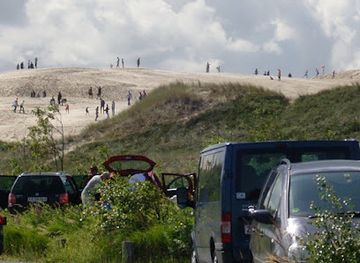
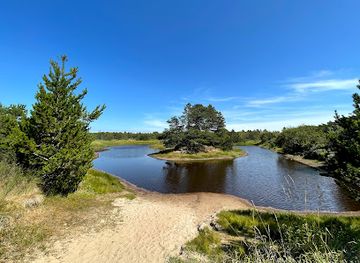
Away from the town and main roads, the Skaw opens into a mosaic of shifting dunes, coastal heath, planted sheltering forest and long, flat beaches. The dunes march inland in pale ridges, many anchored today by grasses and low shrubs that help keep the sand in place. Between them lie damp hollows and heathland, where hardy plants and lichens cling to poor, sandy soils and the wind is almost a constant soundtrack. The quality of light is one of the peninsula’s quiet signatures. With sea on both sides and often a clear northern sky, the light can feel piercingly bright on fine days and dramatically muted when fog rolls in from the water. It was this atmosphere that drew painters to nearby Skagen in the late 19th century and it still gives walks and bike rides here a distinctive, airy clarity.

Wildlife at a Natural Bottleneck

The narrow shape of the Skaw turns it into an important corridor for wildlife, especially birds. As the land tapers towards Grenen, migratory species are funnelled along the peninsula, concentrating in impressive numbers each spring. The area is recognised as one of Denmark’s prime birdwatching locations and one of the best places in northern Europe to observe birds of prey on the move. On the ground, red squirrel, fox, roe deer and hare are among the animals that slip between forest patches and dunes. Closer inspection of sandy slopes reveals shy specialists such as sand lizards and unusual beetles, adapted to the hot, exposed surfaces. The combination of marine influence, poor soils and wind exposure creates small but rich pockets of life that reward slow, observant exploration.

Lighthouses, Nature Centre and Coastal Stories

Human navigation across this restless coastline has always been a challenge, and the peninsula is dotted with navigational aids and their stories. Several lighthouses mark the approach to Skagen and the shifting sandbanks off the tip, including historic towers set back from the water as the shoreline crept north. Farther out along the spit, a nature centre designed by renowned architect Jørn Utzon interprets the forces of sand, water, wind and light that shape the entire area. These structures underline how closely life here has been tied to the sea. Fishing, shipping and later tourism have all depended on understanding the peninsula’s moods. Yet step a little away from the built elements and you are quickly back amid dunes and marram grass, where the human footprint feels small beside the big sky and the steadily moving sand.

Experiencing the Edge of Denmark

Visiting the Skaw is above all a sensory experience. Long beach walks let you feel the constant wind and hear surf thundering on both sides of the spit. Inland tracks wind through low forest and heath where the air can suddenly turn still and resin-scented. Cyclists can follow quiet roads and paths between sea and trees, while photographers find endless compositions in weathered grasses, wide horizons and the restless line of waves. Whether you come for the bird migration, the raw coastal scenery or simply the notion of standing at Denmark’s extremity, the peninsula invites unhurried time outdoors. Stay a little while and you begin to notice how the light shifts over the day, how the wind veers, and how this slender, sandy world is continuously being redrawn between land and sea.

Busiest months of the year

Busiest hours of the day

Popular Experiences near The Skaw

Popular Hotels near The Skaw

Select Currency