
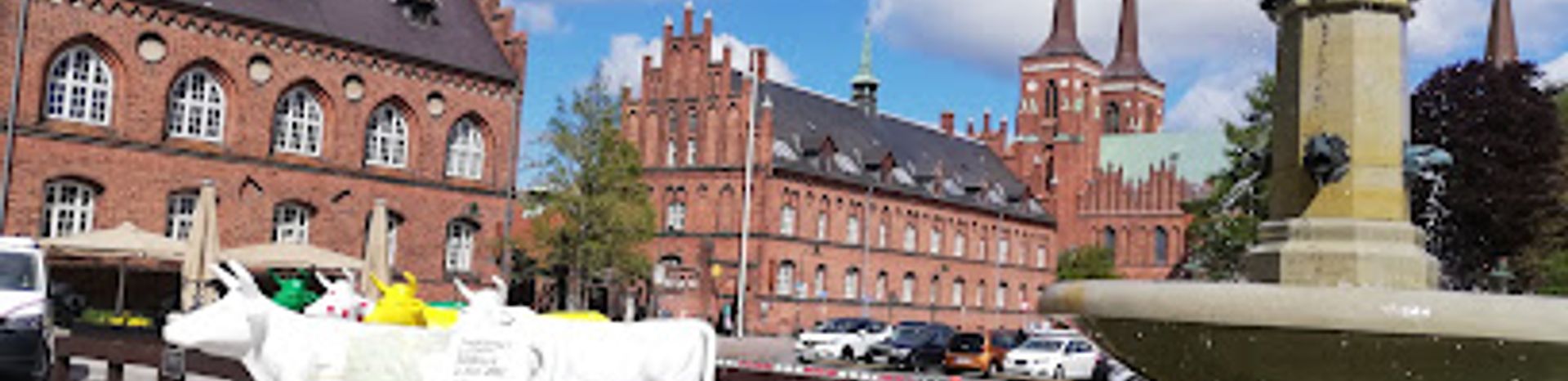
Zealand (Sjælland), Denmark’s Great Island Heart
Denmark’s largest island, where Copenhagen’s energy meets royal castles, fjords, forests and gentle Baltic shores in an easy-to-explore Scandinavian crossroads.
Zealand (Sjælland) is Denmark’s largest and most populous island, home to the capital Copenhagen and nearly half the country’s population. Encircled by gentle coastline and shallow seas between the Kattegat and Baltic, it mixes royal castles, Viking heritage, beech forests, fjords and fertile farmland. Excellent rail and road links, including the Great Belt and Øresund bridges, make it an easy base for day trips to historic towns, coastal resorts and UNESCO-listed sites scattered across the island.
A brief summary to Zealand
- DK
- Duration: 4 to 72 hours
- Mid ranged
-
 Outdoor
- Mobile reception: 5 out of 5
Local tips
- Base yourself near a main rail line—Copenhagen, Roskilde or Hillerød—to turn the rest of Zealand into a series of easy day trips without needing a car.
- Buy a regional travel pass or city–region card if you plan multiple train and bus journeys in a day; it simplifies tickets and can reduce overall costs.
- Pack layers and a light waterproof. Weather can shift quickly near the coasts, even in summer, and sea breezes often make it feel cooler than inland.
- Consider renting a bicycle for short local trips; many towns have dedicated cycle paths and drivers are used to sharing the road with cyclists.
- Plan castle and museum visits for earlier in the day, then enjoy evenings along harbors or beaches, when the light over the water is often at its best.

For the on-the-go comforts that matter to you
- Restrooms
- Drink Options
- Drinking Water
- Food Options
- Seating Areas
- Sheltered Areas
- Picnic Areas
- Trash Bins
- Information Boards
- Visitor Center
Getting There
-
Regional train and local bus within Zealand
From Copenhagen Central Station, frequent regional trains link major Zealand towns such as Roskilde, Holbæk, Næstved and Helsingør in roughly 25–75 minutes. Standard adult fares for these intercity-style journeys are typically in the range of 80–160 DKK one way, depending on distance and ticket type. Many smaller coastal or rural areas are then reached by local buses coordinated with train arrivals. Services are generally reliable throughout the year, though some evening and weekend frequencies are reduced, so checking departure times in advance is essential.
-
Driving around the island
Hiring a car in Copenhagen or at the main airport allows flexible access to Zealand’s countryside, castles and smaller villages. Driving from Copenhagen to the opposite, western side of the island usually takes 1.5–2 hours on well-maintained motorways, with fuel and tolls on fixed links beyond Zealand as the main extra costs. Parking rules in town centers can be strict and paid zones are common, especially near historic areas and harbors, so always check local signage and consider park-and-ride facilities where available.
-
Suburban rail and S-trains in Greater Copenhagen
Within the wider Copenhagen area on eastern Zealand, an extensive S-train and suburban rail network connects the capital to outer districts and nearby towns such as Hillerød, Køge and Frederikssund in about 30–60 minutes. Single tickets in the metropolitan zones typically cost around 25–60 DKK depending on distance, with day passes offering better value for multiple trips. Trains run frequently from early morning until late at night, and most stations have level platforms and lifts, making this a practical option for travelers with limited mobility.
-
Cycling for local exploration
Once you have reached a base on Zealand, cycling is a realistic way to explore nearby coasts, forests and towns. Rental bikes in urban areas often start around 100–150 DKK per day, with higher-quality touring models costing more. Distances between sights in a given region can be 5–20 km, mostly on flat terrain and often along dedicated cycle paths. Wind and rain can be factors in exposed coastal stretches, and some rural roads have narrow shoulders, so bright clothing and lights are recommended, especially outside summer.
Zealand location weather suitability
-
 Any Weather
-
 Clear Skies
-
 Mild Temperatures
-
 Cold Weather
-
 Rain / Wet Weather
-
 Windy Conditions
Discover more about Zealand
An Island at the Center of Denmark
Zealand, or Sjælland in Danish, sits between the Kattegat and the Baltic Sea, forming the geographical and cultural core of Denmark. It is the country’s largest island and one of Europe’s most significant by both area and population, with around 2.3 million people calling it home. Much of Denmark’s political, economic and cultural life radiates from here. The island’s shape is irregular, with long, indented coasts, shallow bays and narrow straits that have always tied it closely to the sea. Bridges now link Zealand to Funen and onward to mainland Jutland, while to the east, a chain of bridges and the Øresund crossing connect it to Sweden, turning this once-seafaring hub into a modern land-linked crossroads of northern Europe.Copenhagen and the Urban Northeast
On Zealand’s eastern edge, Copenhagen spreads along the waterfront and across to the island of Amager. Grand royal palaces, harbor promenades, historic canals and contemporary districts all cluster within a relatively compact area, backed by a dense network of suburbs that covers much of northeast Zealand. Just beyond the capital, commuter towns blur into lakes, beaches and small harbors. It is easy to step from urban boulevards into quiet shorelines along the Øresund, where ferries, cargo ships and pleasure craft trace the same routes that once linked medieval Denmark with the wider Baltic world.North Zealand’s Castles, Forests and Coasts
North Zealand is a landscape of beech woods, clear lakes and sandy beaches, long favored by Danish royalty. Former royal hunting forests still stretch between stately homes and manor houses, their straight rides and old trees recalling centuries of courtly life. Along the northern coast, resort towns and fishing villages face Sweden across the strait, while major castles rise over strategic headlands and lakes. Their towers and ramparts tell stories of power struggles around the Øresund, and of a time when control of these waters meant control of trade between the Baltic and the North Sea.Western Farmland and Viking Echoes
West and south of the capital, Zealand opens into a gently undulating countryside formed by Ice Age moraines. Fertile clay soils underpin intensive agriculture: grain fields, dairy farms and cattle pastures pattern the landscape, broken by small woods, hedgerows and scattered villages. Two deep fjords, Isefjord and Roskilde Fjord, cut into the coast and shelter quiet inlets and low peninsulas. This region preserves some of Zealand’s deepest historical layers, from Stone Age burial sites to Viking fortresses and medieval churches. Ruined ramparts, reconstructed ships and ancient earthworks all hint at the island’s long role in maritime trade and defense.Southern Shores, Cliffs and Quiet Islands
Further south, bridges stitch Zealand to neighboring islands such as Falster and Lolland, extending its reach into the Baltic. Here the coastline shifts between low sandy stretches and dramatic chalk cliffs that expose the island’s ancient geological foundations. Small ports, market towns and holiday cottages dot these shores, while smaller islands lie just offshore. The sea is rarely far away, and even inland towns often feel connected to it by rivers, fjords or navigable sounds, preserving the sense that Zealand is both solid heartland and maritime gateway.A Practical Base for Exploring Denmark
Zealand’s dense rail network, motorways and fixed links make it an especially convenient base for travelers. Journeys between city and countryside are short, so a single stay can easily include urban museums, castle gardens, forest walks and coastal rambles. Despite its central role, much of Zealand remains low-rise and human in scale. Even large towns quickly yield to open landscapes, and time outdoors is woven into everyday life. For visitors, that balance between accessibility and gentle scenery is part of the island’s enduring appeal.Iconic landmarks you can’t miss

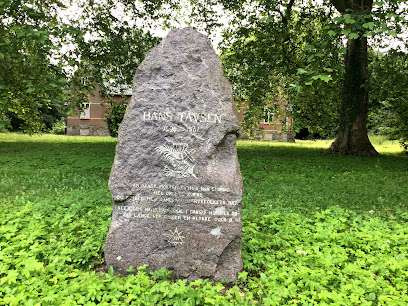
Mindesten for Hans Tausen
23.9 km
A modest granite stone in a quiet Slagelse green, marking the birthplace of Denmark’s Lutheran Reformation story at the former Antvorskov monastery.
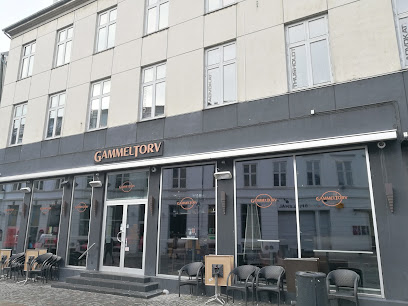
Gammeltorv
24.1 km
Copenhagen's 12th-century heart: Renaissance fountain, Neoclassical facades, and Strøget buzz in one timeless square.
Vandtrappen
24.1 km
A small yet compelling ceramic water sculpture in Slagelse’s Rosengården, where stepped cascades and quiet sound turn an everyday square into a contemplative urban pause.

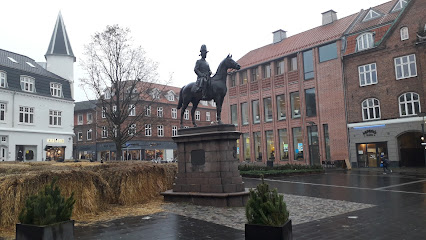
Rytterstatue af Christian IX
24.1 km
Bronze king on horseback surveys Slagelse from Schweizerpladsen—a citizen-honored tribute to Christian IX's enduring reign, sculpted with poised majesty.
Stendysse ved Blæsinge
25.8 km
A modest Neolithic stone tomb in the fields near Blæsinge, offering a quiet roadside glimpse into western Zealand’s Stone Age landscape and rituals.

Næstved Station
26.0 km
Explore the evolution of Danish and international design at Copenhagen's historic Designmuseum Danmark.

Visit Sydsjælland & Møn
26.1 km
Discover the stunning landscapes and rich culture of Sydsjælland & Møn, a unique Danish destination for nature lovers and history enthusiasts alike.
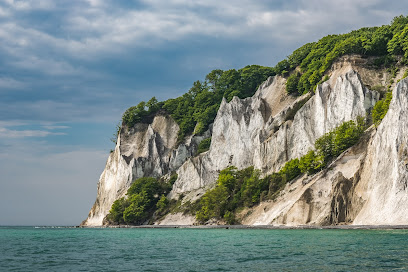
Genforeningssten i Saltø Skov
27.1 km
A granite memorial stone marking Denmark's 1920 reunification with South Jutland, standing at a forest crossroads near Næstved.
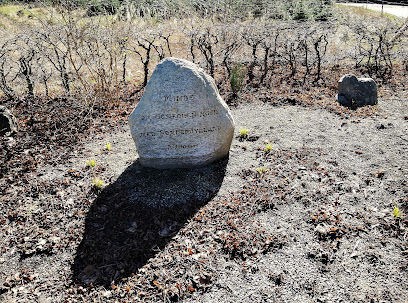
Hans-Jørgen Færks Plads
28.0 km
Medieval market town square where Danish history, culture, and modern commerce converge in southern Zealand.
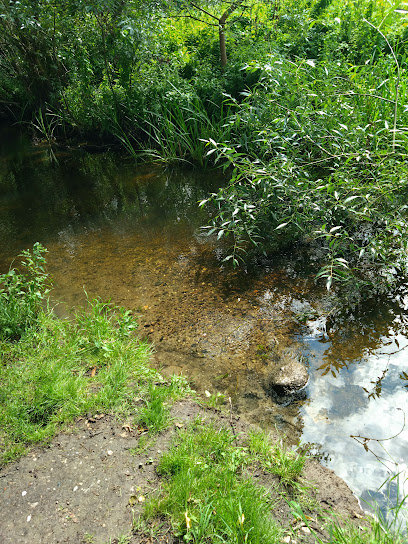
Bronzestien - Køge Ås
28.4 km
Stroll through ancient landscapes along Køge Ås, where prehistoric burial mounds and glacial history meet serene Danish woodlands near Køge.
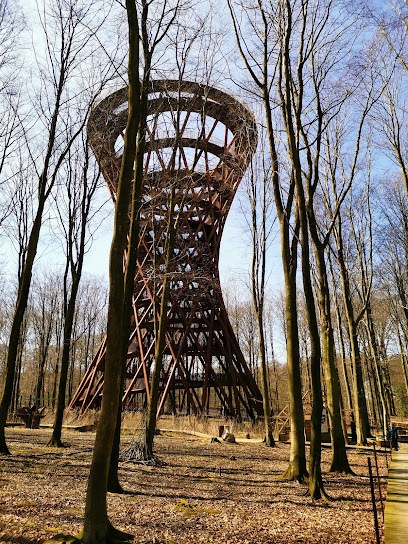
Skovtårnet (Forest Tower)
28.4 km
Experience breathtaking panoramic views from a unique architectural marvel rising above the forest canopy in South Zealand, offering an unforgettable connection with nature.
Køge Nord
28.7 km
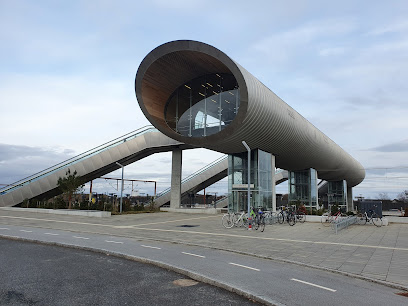
A soaring timber‑lined footbridge and high‑speed rail hub turning everyday commuting into a slice of contemporary Danish architecture and panoramic landscape.
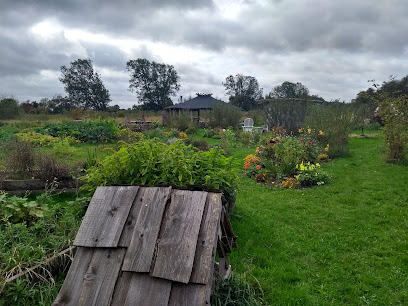
Køge Fælles Jord
28.9 km
Experience Denmark’s northernmost lighthouse, spectacular bird migration, maritime history, and sweeping views at Skagen’s iconic Det Grå Fyr—where land meets the wild North Sea.
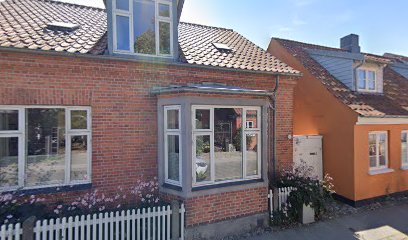
Visit
28.9 km
Historic lighthouse and bird observatory at Denmark’s northern tip, with panoramic sea views, interactive nature exhibits, and a vibrant café in wild coastal surroundings.
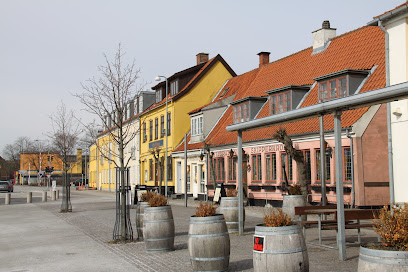
VisitKøges selvbetjente turistbureau
28.9 km
An iconic 19th-century lighthouse at Denmark’s northern tip, famed for panoramic views, migrating birds, and immersive maritime and nature exhibits.
Unmissable attractions to see

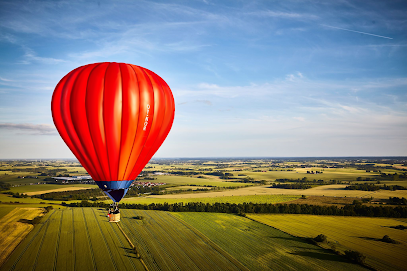
Hot Air ApS
2.9 km
Certified hot air balloon specialists in Ringsted offering serene flights over Zealand’s fields, forests and lakes in the calm light of sunrise and sunset.
Mor Magdas træ
14.4 km
Ancient oak named for local matriarch Mor Magda, a roadside emblem of Danish rural lore and natural endurance between Slagelse and Sorø.

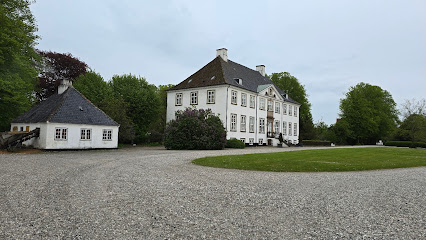
Gunderslevholm Gods
16.8 km
Step into 14th-century Denmark at Middelaldercentret, an immersive open-air museum in Nykøbing Falster.
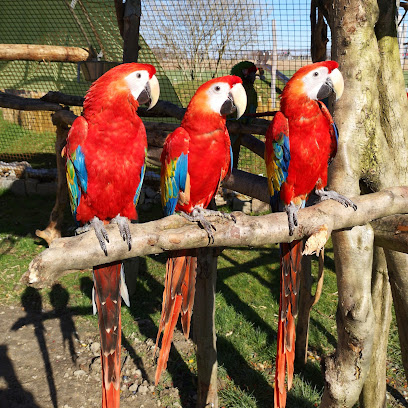
Pangea Park
17.5 km
Compact countryside wildlife park on Zealand where close animal encounters, keeper shows and thoughtful habitats create an intimate, family‑friendly day out.
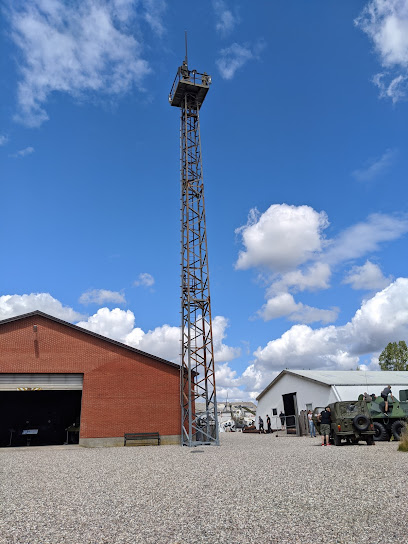
Panzermuseum East
18.6 km
Scandinavia’s largest Eastern Bloc Cold War collection, where tanks, helicopters and hands-on adventure turn quiet Danish countryside into a living history playground.
Skovsgaard Mølle og Bagerimuseum
20.1 km
Step into a 19th‑century village bakehouse where more than 500 tools, ovens and bread wagons tell the fragrant story of Danish baking in rural Zealand.

Holmegårds Mose
20.3 km
Ancient raised bog, Stone Age archaeology and quiet wildlife trails meet in this restored wetland wilderness on Zealand, where peat, glass and nature share the same story.
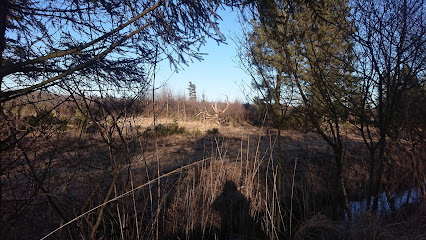
Naturpark skovsø
20.5 km
Urban woodland and open grassland on Slagelse’s northeastern edge, Naturpark Skovsø is an easy, everyday escape into trees, paths and fresh air.
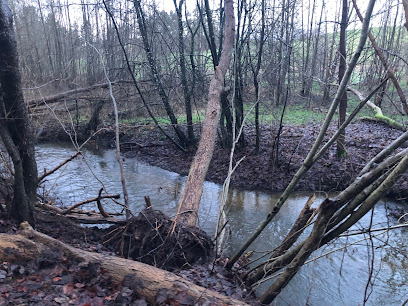
Holmegaard Værk
20.5 km
A living glassworks museum where towering walls of Holmegaard glass, Nordic ceramics treasures and a working hotshop keep two centuries of Danish design glowing.

Skjoldungestien
20.6 km
A historic Danish hiking trail weaving through forests, fjord views and royal landscapes between Roskilde and Lejre in National Park Skjoldungernes Land.
Ledreborg Park
21.4 km
Sweeping baroque terraces, wooded hillsides and long lime avenues create a serene historic landscape around one of Denmark’s finest private castles at Ledreborg.
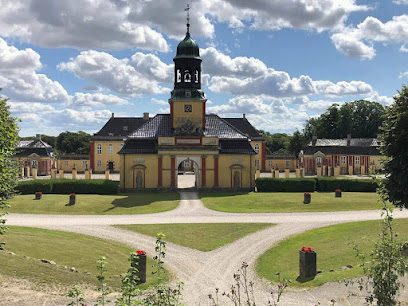
Ledreborg Castle
21.4 km
An elegant 18th‑century baroque palace at the end of a grand avenue, where pastel façades, terraces and quiet woodland paths reveal layers of Danish noble life.
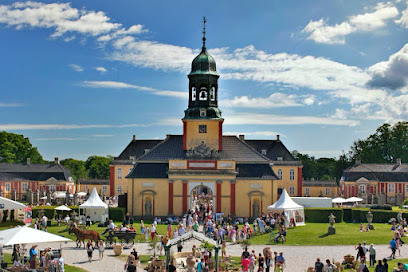
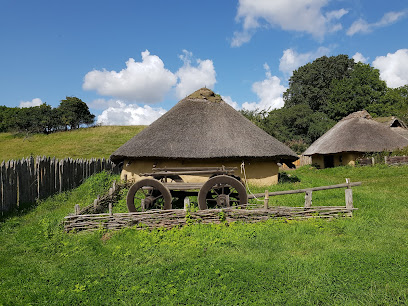
Land of Legends | A Land to Explore
21.9 km
Step into 13,000 years of Danish history at an immersive open‑air archaeology park of Viking halls, ancient villages, wild landscapes and hands‑on experiments.
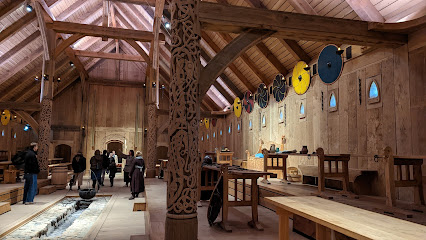
Viking Kings Hall
22.0 km
Step into Denmark’s largest reconstructed Viking royal hall, where carved oak beams, sagas, and archaeology meet on a glacial hill in the heart of Lejre.
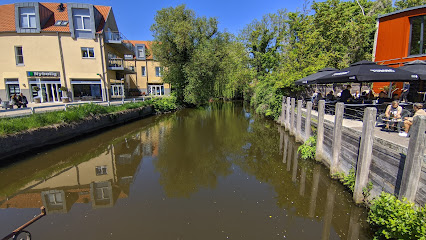
Køge Å
22.0 km
A tranquil riverside greenway where woodland ridges, wide meanders and protected wildlife create an easy escape on the very edge of historic Køge.
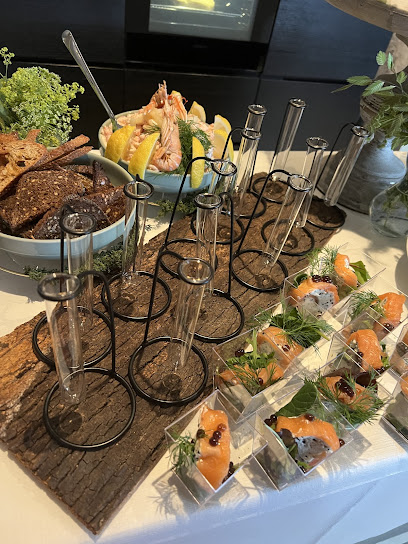
Essential places to dine

Malsk by Bratved
20.4 km
Refined Danish comfort food in a cozy countryside setting beside Trelleborg Golf Club, where smørrebrød, views and relaxed hospitality define the experience.
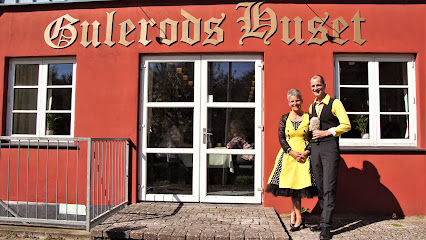
Restaurant Gulerodshuset
21.0 km
Rural-feel restaurant on the outskirts of Næstved, serving hearty Danish classics and group-friendly buffets in a cosy, countryside-style setting.
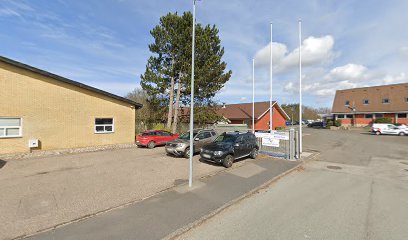
Dansk Mad&Fest Service
21.8 km
Flexible Danish party venue in Slagelse offering hearty local cuisine, spacious banquet rooms and practical, all-in-one arrangements for private and corporate events.
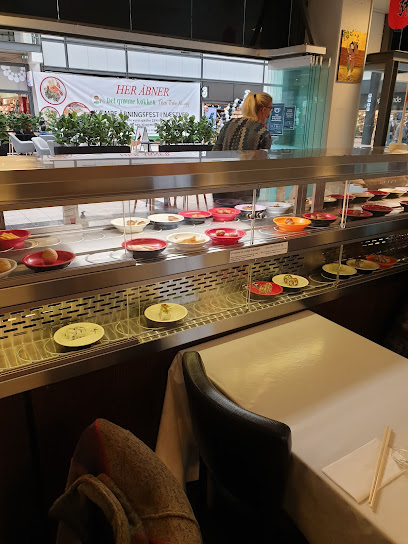
Tokyo Running Sushi Storcenter
23.5 km
Casual conveyor‑belt sushi and hot dishes in the middle of Næstved Storcenter, ideal for an easy all‑you‑can‑eat break between shopping rounds.
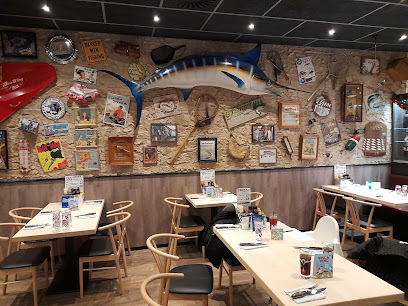
Bone's Næstved
23.7 km
Family-friendly American BBQ in Næstved with signature ribs, hearty steaks and an all-you-can-eat salad and soft ice bar in relaxed, spacious surroundings.
Kebab Palace
24.0 km
Central Slagelse grill bar for generous kebab, pizzas and fast, filling meals between errands, shopping or sightseeing on and around Rådhuspladsen.
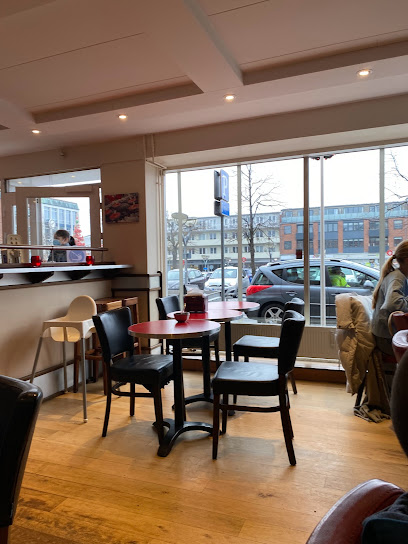
Stjerne Kebab
24.0 km
Casual kebab and grill on Slagelse’s main square, serving generous, no-frills plates and takeaway boxes to hungry locals and travelers in the heart of town.
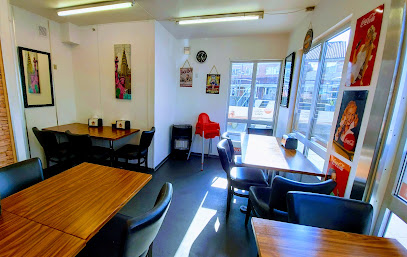
Grill-letten
24.0 km
Casual Danish grill bar in central Slagelse serving smørrebrød, burgers and hearty grill plates in a simple, no-fuss setting with generous portions.
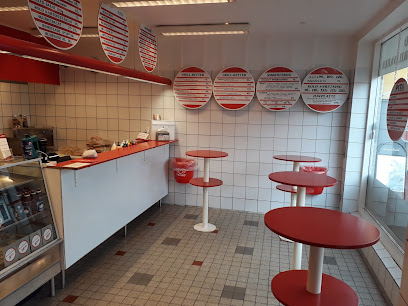
D'let - Det Grønne Køkken Thai Take Away
24.0 km
Casual Thai buffet in VestsjællandsCentret where you fill your plate, pay by weight and enjoy a quick, flexible meal in the heart of Slagelse’s main mall.
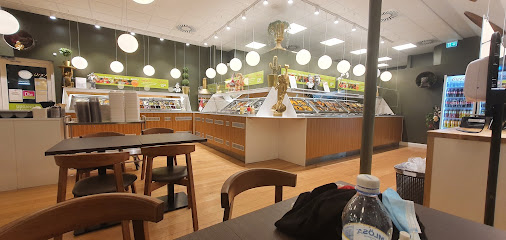
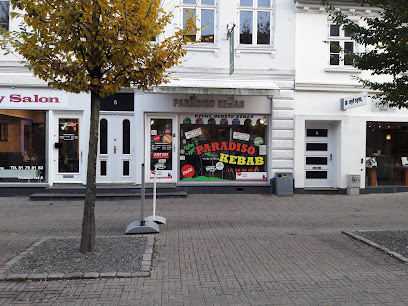
Paradiso Kebab Grill Restaurant
24.0 km
Casual kebab and pizza joint in central Slagelse, serving generous portions, stone-oven comfort food and quick takeaway from late morning to evening every day.
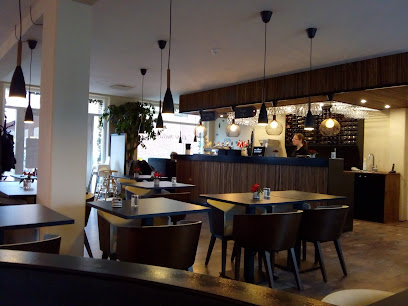
Cafe Bella
24.0 km
Cosy courtyard café-restaurant in central Slagelse, serving hearty classics, pizzas and sweet treats in freshly renovated surroundings with inviting outdoor seating.
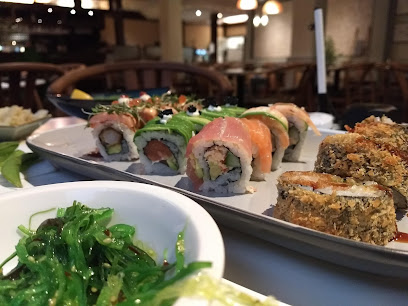
Alt in Sushi
24.0 km
Modern all-you-can-eat and à la carte sushi in the heart of Slagelse, pairing digital ordering with a broad menu of maki, nigiri, sticks and takeaway boxes.
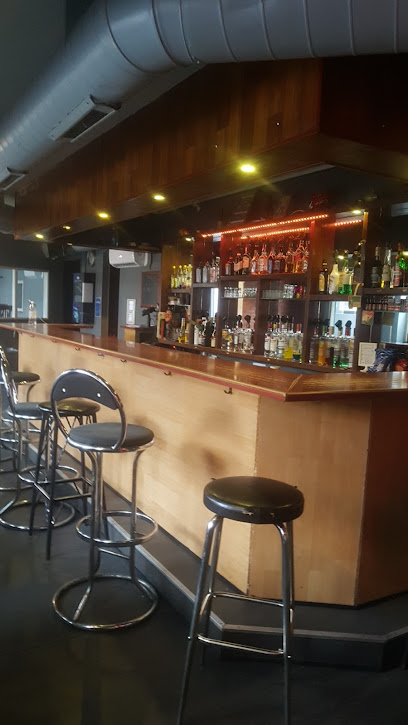
Café Lux
24.0 km
Old-school café-bar in central Slagelse, blending early-morning coffees with late-night beers, chatter and a distinctly Danish “brunt værtshus” atmosphere.
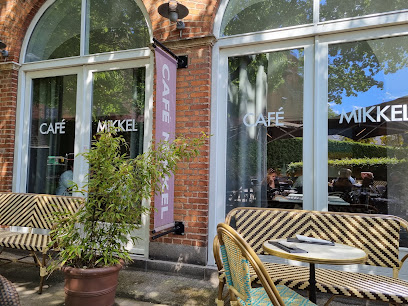
Cafe Mikkel
24.0 km
Cosy all-day cafe in a former waiting hall on Slagelse’s central square, blending Danish comfort food, sunlit terrace seating and views toward Sct. Mikkels Kirke.
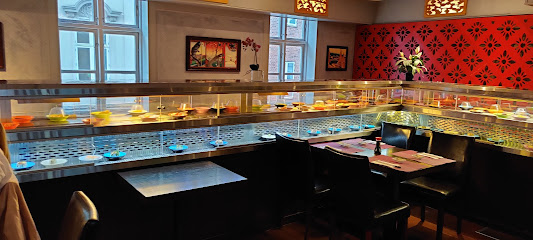
Joci Sushi Slagelse
24.1 km
Casual, light-filled sushi restaurant above Fisketorvet square, pairing classic rolls and running sushi with central Slagelse views and easy dine‑in or takeaway.
Markets, malls and hidden boutiques

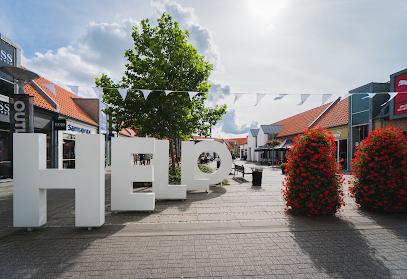
Ringsted Outlet
4.3 km
Denmark’s only open-air outlet village, where flagship brands, village-style lanes and year-round discounts turn practical shopping into an easy day out.
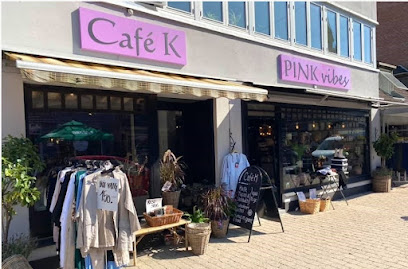
Pink vibes
21.5 km
Contemporary gifts and lifestyle finds in the heart of Haslev's charming town center.
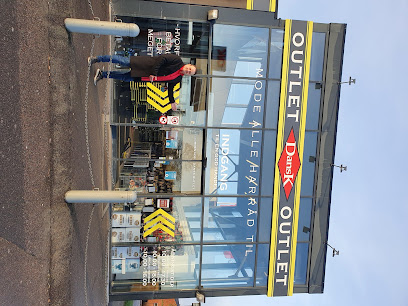
Dansk
23.5 km
Big-box family clothing on a budget-friendly scale, Dansk Outlet Næstved keeps locals and travellers kitted out for Danish weather and everyday life in one easy stop.
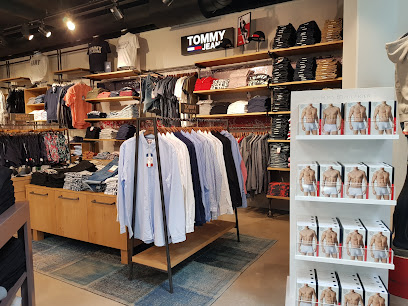
Dissing
23.5 km
Contemporary men’s style in the heart of Næstved Storcenter, blending smart-casual Scandinavian looks with the convenience of South Zealand’s largest mall.
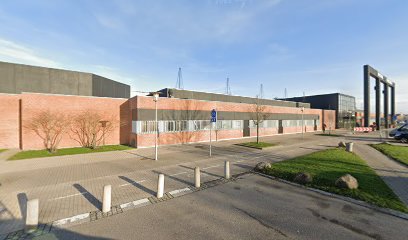
Shop Næstved
23.6 km
Southern Zealand's largest shopping center with 70+ stores, dining, and family entertainment.
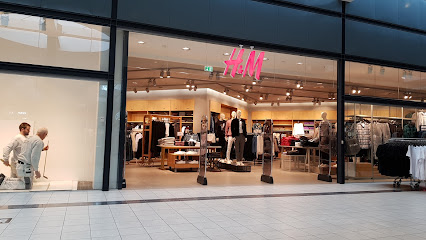
H&M
23.6 km
Bright, budget-friendly Scandinavian fashion for all ages inside Næstved’s main shopping centre, ideal for quick wardrobe updates during a wider mall visit.
Matinique Næstved
23.6 km
Crisp Scandinavian menswear and modern tailoring, tucked inside South Zealand’s largest shopping centre at Næstved Storcenter.
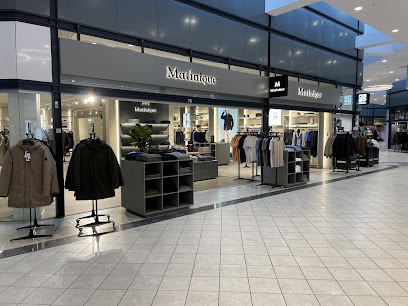
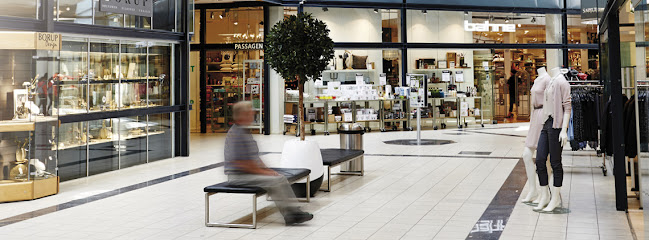
Næstved Storcenter
23.6 km
South Zealand's premier shopping destination with 70+ stores, free parking, and regional reach.
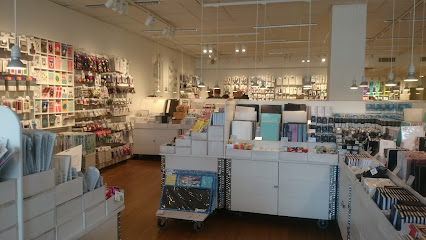
Flying Tiger Copenhagen
23.9 km
Scandinavian design meets playful discovery in this vibrant Danish gift and lifestyle shop.
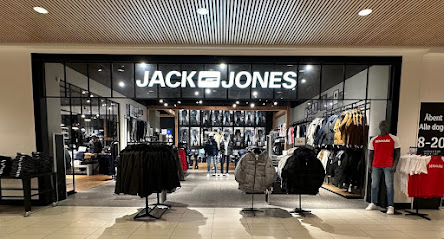
JACK & JONES
23.9 km
Contemporary menswear, from denim to suits, in a streamlined JACK & JONES store at the heart of Slagelse’s VestsjællandsCentret shopping mall.
Vestsjællandscentret
23.9 km
Modern, family-friendly shopping hub in the heart of Slagelse, mixing over 50 stores, cafés and services in a bright, weatherproof mall from 1969.
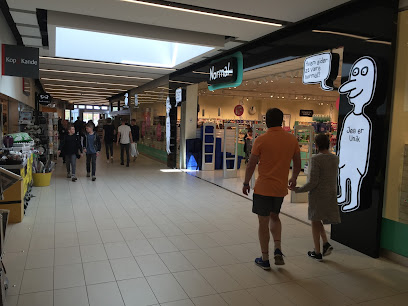
Normal
23.9 km
Farverig discountbutik midt i Vestsjællandscentret med skønhed, hverdagsting, snacks og festpynt til lave priser – perfekt som hurtigt dagligstop eller spontant fundsted.
qUINT
23.9 km
Denmark's premier streetwear destination for trend-conscious men seeking curated fashion and sneaker culture.

VILA
23.9 km
Contemporary women's fashion in the heart of Slagelse's central shopping district.

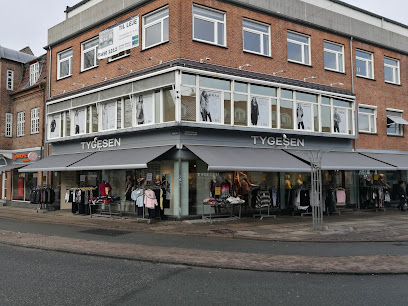
Tygesen Women
24.0 km
Spacious central Slagelse boutique offering Scandinavian-style fashion, outfit advice and seasonal collections tailored to the modern adult woman’s everyday and occasion wear.
Essential bars & hidden hideouts

Bykroen
21.6 km
Cozy local bar and live music hangout on Haslev’s main street, offering simple drinks, late-weekend nights and an authentic small-town Danish atmosphere.
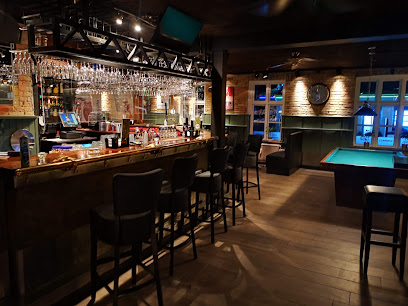
Slagelse Jazzklub
24.0 km
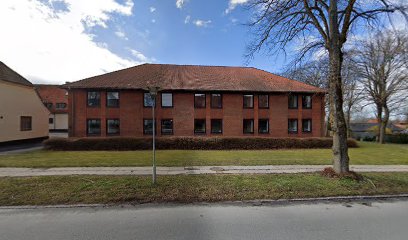
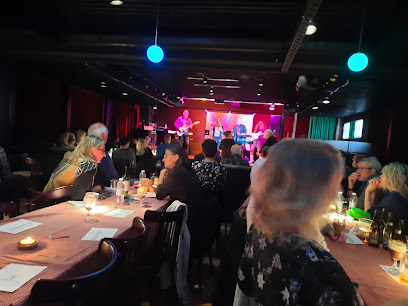
Intimate jazz evenings in a historic high school setting, where shared meals, swing bands and local community keep Western Zealand’s live jazz tradition thriving.
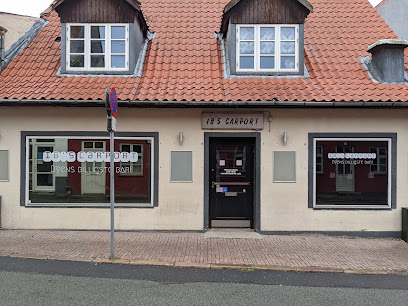
Ibs Carport
24.0 km
Unpretentious late‑night bar in central Slagelse, serving generous budget‑friendly drinks and billiards in a compact, sociable setting open on weekend nights only.
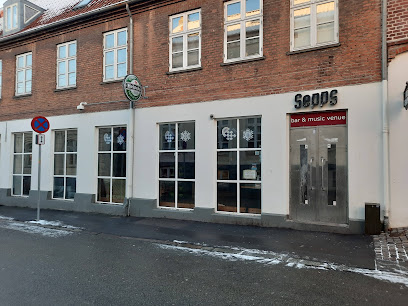
Café Sepps
24.0 km
Laid-back, smoky student bar in central Slagelse with cheap drinks, alternative music, live jam nights and a relaxed, come-as-you-are neighborhood atmosphere.
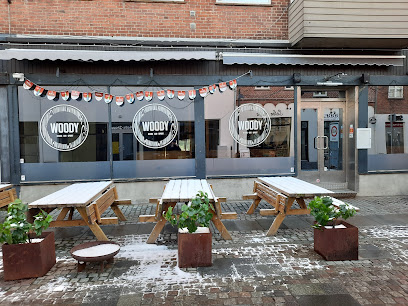
WOODY - Sport
24.0 km
Slagelse's premier weekend sports bar for craft beer, gin, and late-night social entertainment.
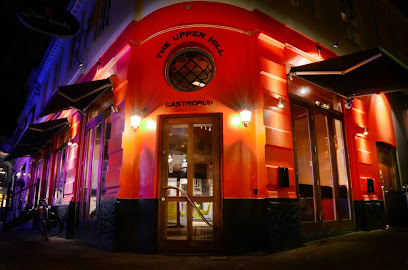
The Upper Hill
24.1 km
Cozy Irish-style pub in central Slagelse, serving generous pub dishes, broad beer and gin selections, live sports and music, plus outdoor tables on Fisketorvet.
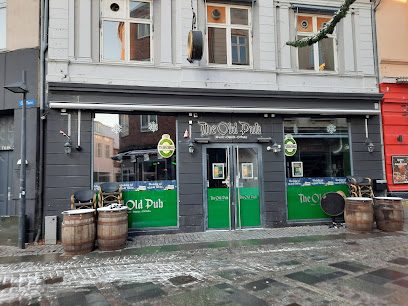
The Old Pub
24.1 km
Lively Irish-style pub on Slagelse’s Fisketorvet, mixing late-night live music, casual drinks and dance-floor energy from Thursday to Saturday.
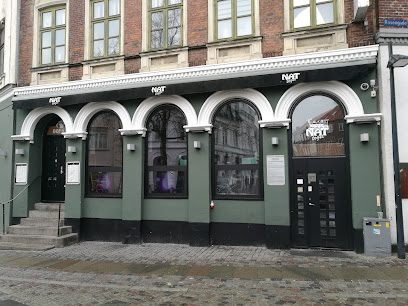
Gecco Bar & Natklub
24.1 km
Slagelse's premier late-night cocktail bar and nightclub, serving craft drinks until dawn.
Rosen Bodega
24.1 km
Unpretentious neighborhood bodega in central Slagelse, pouring inexpensive drinks and local character in a relaxed, lived-in bar setting.
Cafe Viking.
24.2 km
Unpretentious local bar in central Slagelse, serving inexpensive drinks and everyday Danish pub atmosphere from midday into the late evening.
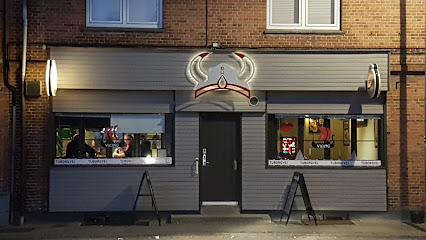
Cafe 23
24.3 km
Low‑key, old‑school brown bar in central Slagelse, serving inexpensive drinks and a slice of everyday Danish nightlife in a worn but welcoming setting.
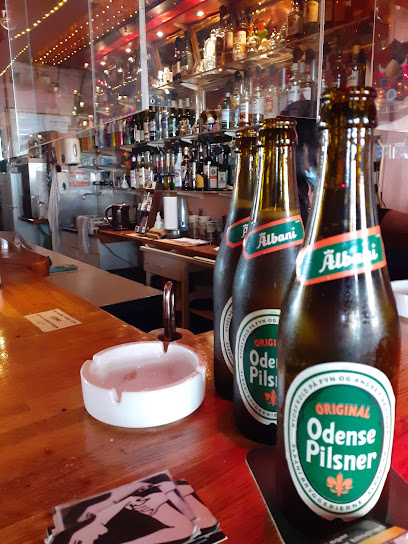
The Red Rubin
24.4 km
Cozy, no‑nonsense neighborhood bar in central Slagelse, serving straightforward drinks and a relaxed local vibe from daytime until the early hours.
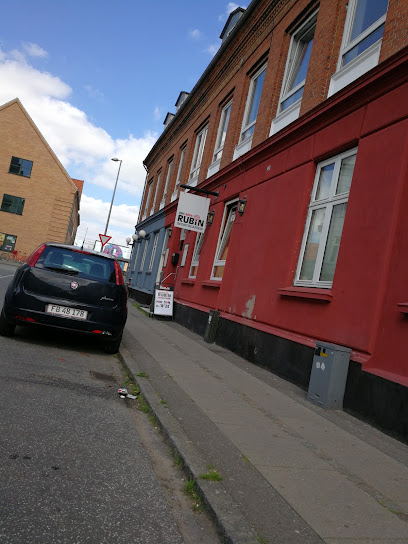
Teater Cafe'en
24.4 km
Cosy neighbourhood bar in central Slagelse, blending café calm by day with a sociable, theatre-tinged bar atmosphere late into the weekend nights.
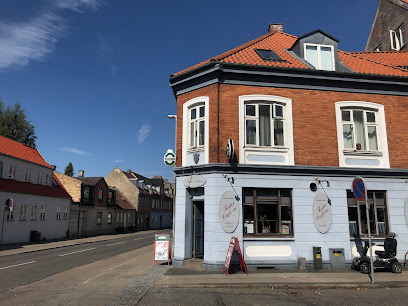
Sct. Jørgens Jazzklub
25.8 km
Volunteer-run jazz club in Næstved’s historic barracks courtyard, hosting intimate live concerts in the cosy Musikstalden hall at Grønnegades Kaserne Kulturcenter.
The Beach
25.9 km
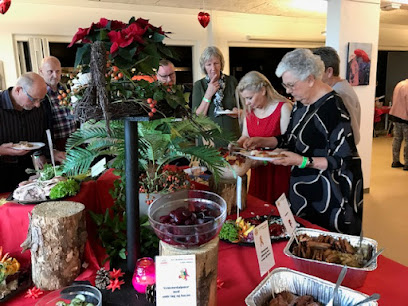
Næstved's vibrant karaoke bar where everyone becomes a star in a tropical-themed celebration of music and community.
Nightclubs & after hour spots

Swingergaarden
16.4 km
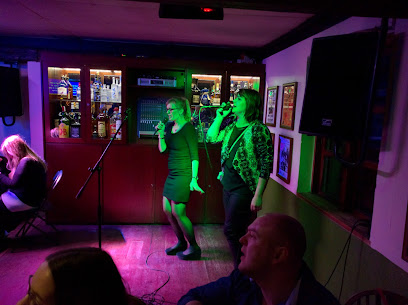
Discreet countryside swingers club near Slagelse, offering themed adult nights, intimate play spaces and a rules-based, consent-focused environment for open-minded guests.
Avenue Næstved
25.9 km
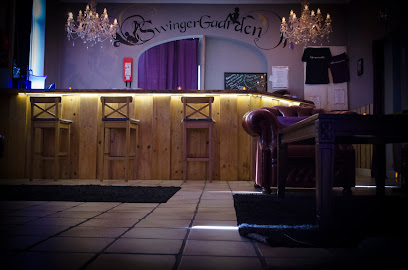
Lively nightspot and flexible event hall in central Næstved, mixing dancefloor energy, festive dinners, stand-up comedy and themed parties under one roof.
Crazy Daisy Næstved
26.0 km
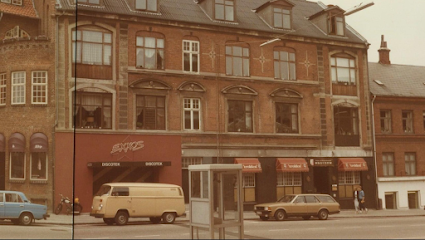
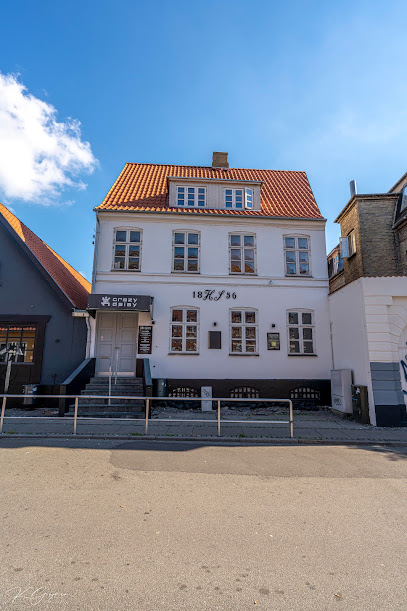
High‑energy weekend nightclub in central Næstved, packing loud beats, flashing lights and a late‑night local crowd into a compact, classic Danish town‑club setting.
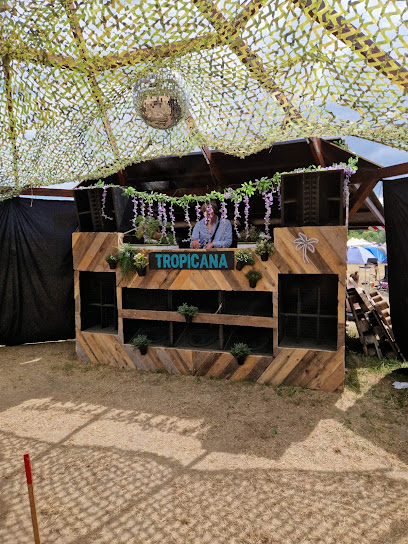
Tropicana DC
28.1 km
Compact Latin-flavoured nightclub on Roskilde’s industrial edge, delivering loud beats, simple drinks and a late-night dancefloor focused purely on partying.
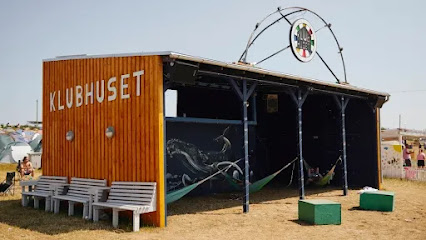
Klubhuset
28.1 km
Low-key local clubhouse turned disco-style nightspot, where a simple bar, small dance floor and regulars’ vibe create relaxed, unpretentious nights in Roskilde.
Rytmisk Musikforening Steps Ahead
29.2 km
Dynamic live music venue in Roskilde, specializing in jazz and contemporary genres, with an intimate setting and vibrant community engagement throughout the year.
Bloom Nightclub
29.3 km
Late-night harborfront beats and a compact dance floor bring big-night energy to small-city Køge every Friday and Saturday.
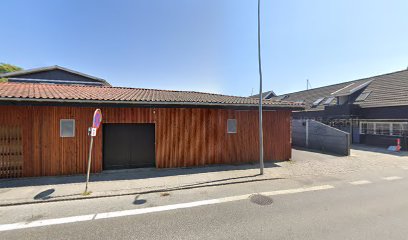
The Flame
29.3 km
Compact, high-energy nightclub by Køge’s harbor, serving up youthful beats, live acts and weekend dance-floor vibes in an intimate, no-frills setting.
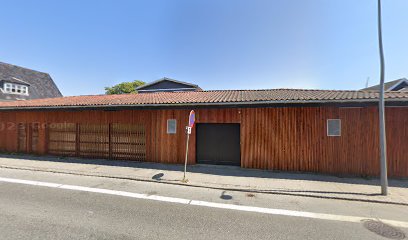
LUSIO
29.3 km
Compact harbor-side nightclub in Køge with late Friday hours, a tight dance floor, and an intimate, no‑frills setting for Danish weekend nights out.
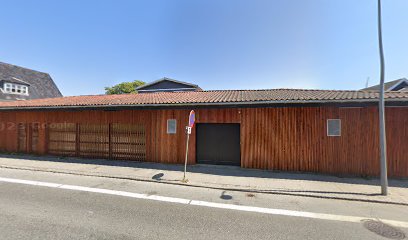
Danseriet
29.5 km
Frivilligdrevet danseklub i Roskilde med stort dansegulv, livebands og hyggelig stemning for danseglade gæster på tværs af aldre og niveauer.
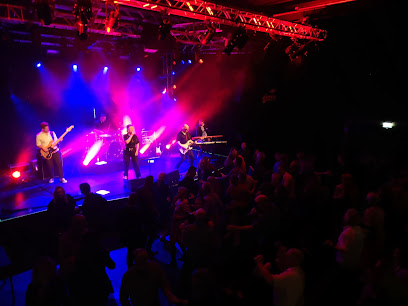
Garbos Roskilde
30.1 km
Cozy neighborhood nightclub in central Roskilde, blending casual bar vibes with a compact dance floor and late-night weekend energy on Hersegade.
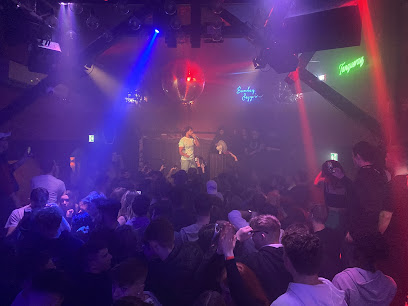
Dansebar Roskilde
30.1 km
Roskilde's premier multi-floor nightclub with dual dance spaces, three bars, and DJ-driven energy until dawn.
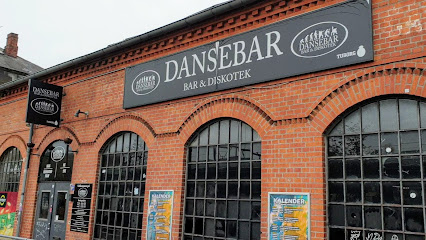
Club El Diablo
32.9 km
Adults-only entertainment venue offering a discreet, welcoming atmosphere for private social experiences.
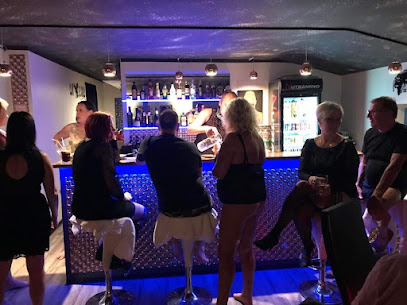
Den Dansende Viking
44.9 km
High-energy suburban nightclub in Egedal Centret, serving packed dance floors, late-night DJ sets and budget-friendly drinks for party-focused weekends.
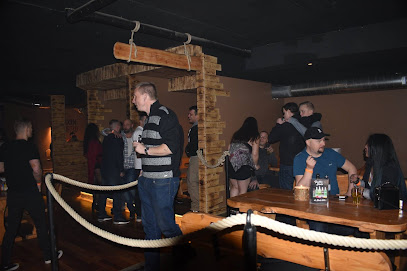
Juviklubben
46.4 km
Intimate Kalundborg live music hub and youth club, where generations meet for close-up concerts, casual bar nights and a laid-back, community-driven vibe.
For the vibe & atmosphere seeker
- Scenic
- Relaxing
- Tranquil
- Fun-filled
- Unique
- Casual
For the architecture buff
- Historic
- Parks & Gardens
- Viewpoints
- Heritage Neighborhoods
- Landmarks
For the view chaser and sunset hunter
- Iconic Views
- Panoramas
- Waterfront
- Sunrise Spots
- Sunset Spots
For the social media creator & influencer
- Photo Spots
- Selfie Spots
- Reel-Friendly
- Architectural Shots
- Instagrammable
For the eco-conscious traveler
- Public-Transport Accessible
- Low Impact
- Leave-No-Trace Critical
For the kind of experience you’re after
- Cultural Heritage
- Photowalk
- Adventure Photo Shoot
- Nature Escape
- Roadtrip Stop
- Day Trip
- Weekend Getaway
- Myth & Legends
For how adventurous you want the journey to be
- Easy Access
Location Audience
- Family Friendly
- LGBT Friendly
- Senior Friendly
- Child Friendly
- Teen Friendly
- Solo Friendly
- Couple Friendly
- Solo Female Friendly
- Vegetarian Friendly
- Vegan Friendly
- Business Friendly


