Background

Fehmarn: Baltic Sea Island Paradise

Discover Fehmarn: Germany's sunniest island, offering stunning beaches, thrilling water sports, rich history, and a unique Baltic Sea escape for every traveler.

4.7

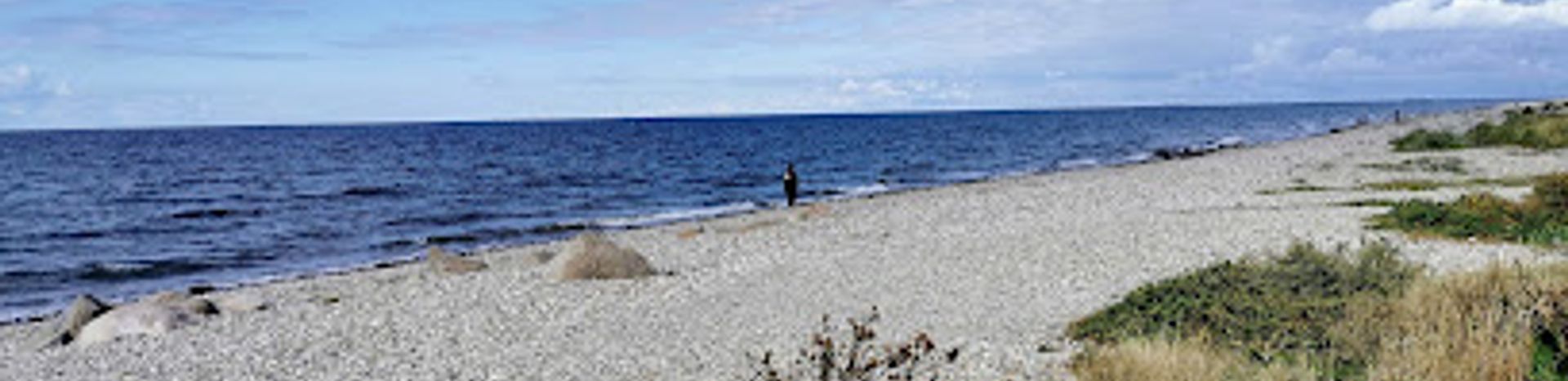
Fehmarn, Germany's third-largest island, is a Baltic Sea gem renowned for its sun-kissed beaches, windsurfing hotspots, and rich natural beauty. Connected to the mainland by the Fehmarnsund Bridge, this island offers a diverse landscape of sandy shores, dramatic cliffs, and verdant nature reserves. Explore the historic town of Burg with its charming Danish-style architecture, indulge in local culinary delights like the 'Kröpel,' and discover the island's fascinating history, from its Slavic origins to its role as a strategic point between Germany and Scandinavia. Whether you're seeking relaxation on the beach, thrilling water sports, or immersion in nature and culture, Fehmarn promises an unforgettable island escape. Don't miss the Jimi Hendrix memorial stone, commemorating his last concert, and the Wallnau Waterbird Reserve, a haven for birdwatchers.

A brief summary to Fehmarn

  • Fehmarn, DE

Local tips

  • Visit the Wallnau Waterbird Reserve during migration season (spring or autumn) for incredible birdwatching opportunities.
  • Try the local 'Kröpel' pastry at a traditional bakery for a taste of Fehmarn's culinary heritage.
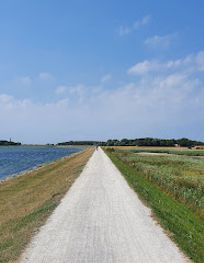
  • Rent a bike and explore the island's scenic coastal paths and countryside at your own pace.
widget icon

Getting There

  • Driving

    If arriving by car from the mainland, follow the A1 motorway and then the B207 across the Fehmarnsund Bridge. Once on the island, follow signs towards your specific destination (e.g., Burg, Puttgarden). Parking is available in most towns and near major attractions, with hourly rates typically ranging from €1 to €2 and daily rates from €5 to €10, depending on location and season.

  • Public Transport

    If arriving by train, take the train to Burg station. From there, local buses connect to various points on the island. A single bus fare within Burg costs approximately €2-€3. For travel to other towns on Fehmarn, a day ticket might be more economical, costing around €7-€9. Note that train services to Fehmarn are currently impacted by construction for the Fehmarnbelt Tunnel, with bus replacement services in operation.

  • Ferry

    If arriving by ferry from Rødby (Denmark), you'll arrive at the Puttgarden ferry terminal. From there, you can take a bus to Burg or other destinations on the island. Bus fare from Puttgarden to Burg is approximately €3-€4. Alternatively, you can rent a car at the ferry terminal. Ferry tickets vary depending on the season, vehicle type, and number of passengers. Check Scandlines website for current pricing.

Unlock the Best of Fehmarn

Buy tickets

    No tickets available

Book tours with entry

    No tours available

Book tours without entry

    No tours available

Discover more about Fehmarn

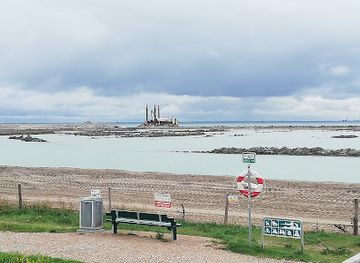
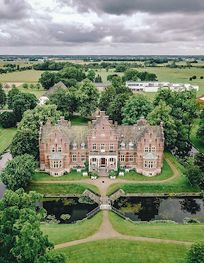
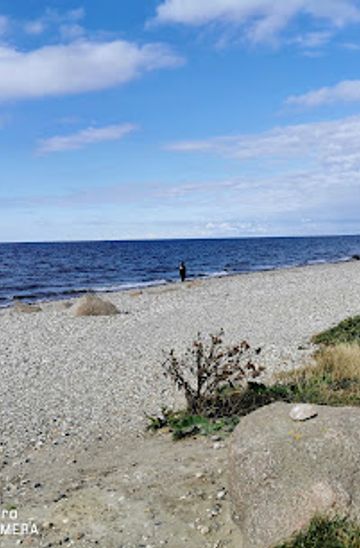
Fehmarn, an island municipality in Schleswig-Holstein, Germany, beckons travelers with its unique blend of natural beauty, historical significance, and recreational opportunities. Situated in the southwestern Baltic Sea, this island is not only the third-largest in Germany but also one of its sunniest regions, making it a popular destination for those seeking a refreshing escape. Fehmarn's history stretches back centuries, with early settlements dating back to Slavic tribes who named the island 'Vemorje,' meaning 'in the sea.' Throughout the Middle Ages, Fehmarn was part of the Danish Duchy of Schleswig, a testament to its strategic location between Scandinavia and the German mainland. This rich history is reflected in the island's culture and architecture, particularly in the town of Burg, the island's capital. Burg auf Fehmarn, the largest town on the island, is a charming hub of activity with its well-preserved old town. Cobblestone streets, half-timbered houses, and the red-brick St. Nikolai church create a picturesque atmosphere. Visitors can explore the Fehmarn Museum, which showcases the island's geology and history, or visit the Galileo Wissenswelt, an interactive science museum. The town also offers a variety of shops, restaurants, and cafes, where you can sample local specialties like 'Kröpel,' sweet yeast dough balls. Nature enthusiasts will find plenty to explore on Fehmarn. The island boasts over 78 kilometers of coastline, with a diverse range of beaches to suit every taste. The south coast is known for its sandy beaches and red cliffs, while the east coast features steeper cliffs and dramatic coastal landscapes. In the north, natural beaches, dunes, and inland lakes provide a tranquil setting for relaxation and exploration. The Wallnau Waterbird Reserve, located on the west coast, is a haven for birdwatchers, with over 200 different species of birds. Fehmarn is also a paradise for water sports enthusiasts. The island's consistent winds make it a popular destination for windsurfing and kitesurfing, with numerous surf spots catering to all skill levels. The annual Kite Surf Trophy attracts competitors and spectators from around the world. Sailing, diving, and fishing are also popular activities. For those interested in history and culture, Fehmarn offers several notable landmarks. The Fehmarnsund Bridge, connecting the island to the mainland, is an iconic structure and a symbol of Fehmarn. The Flügge Lighthouse, located on the west coast, offers panoramic views of the island and the Baltic Sea. The Jimi Hendrix Memorial Stone commemorates the legendary musician's last concert, which took place on Fehmarn in 1970. Beyond its natural beauty and recreational opportunities, Fehmarn also offers a glimpse into rural life in Germany. The island is primarily agricultural, with vast fields of farmland stretching across the landscape. Visitors can explore local farms, sample regional produce, and experience the tranquility of the countryside. Fehmarn is easily accessible by car via the Fehmarnsund Bridge, which connects the island to the A1 motorway. The island also has a ferry port in Puttgarden, with frequent connections to Rødby in Denmark. Public transportation is available on the island, with buses connecting the major towns and villages. Whether you're seeking a relaxing beach vacation, an active outdoor adventure, or a cultural exploration, Fehmarn offers something for everyone. With its stunning natural beauty, rich history, and diverse range of activities, this Baltic Sea island is a destination that will leave a lasting impression. Fehmarn's unique charm extends to its local traditions and events. Throughout the year, the island hosts a variety of festivals and celebrations, showcasing its cultural heritage. These events offer visitors a chance to experience the island's vibrant community and learn about its unique customs. In recent years, Fehmarn has also become a leader in renewable energy. The island is home to a vast wind farm, which generates a significant portion of its electricity. This commitment to sustainability reflects Fehmarn's dedication to preserving its natural environment for future generations. As you plan your visit to Fehmarn, consider exploring the smaller villages and hamlets that dot the island's landscape. These hidden gems offer a glimpse into the authentic Fehmarn experience, away from the bustling tourist centers. Discover local artisans, sample regional cuisine, and immerse yourself in the island's unique atmosphere. Fehmarn is more than just a destination; it's an experience. It's a place where you can reconnect with nature, discover history, and create lasting memories. Whether you're traveling solo, with family, or with friends, Fehmarn promises an unforgettable journey.

Popular Experiences near Fehmarn

Popular Hotels near Fehmarn

Select Currency