

Cisterns in Søndermarken Travel Guide
Free Guide: A vast underground reservoir beneath Søndermarken, reborn as a cold, echoing dripstone cavern where large‑scale contemporary art and Copenhagen’s water history meet.


A brief summary of Cisterns in Søndermarken
A vast underground reservoir beneath Søndermarken, reborn as a cold, echoing dripstone cavern where large‑scale contemporary art and Copenhagen’s water history meet.
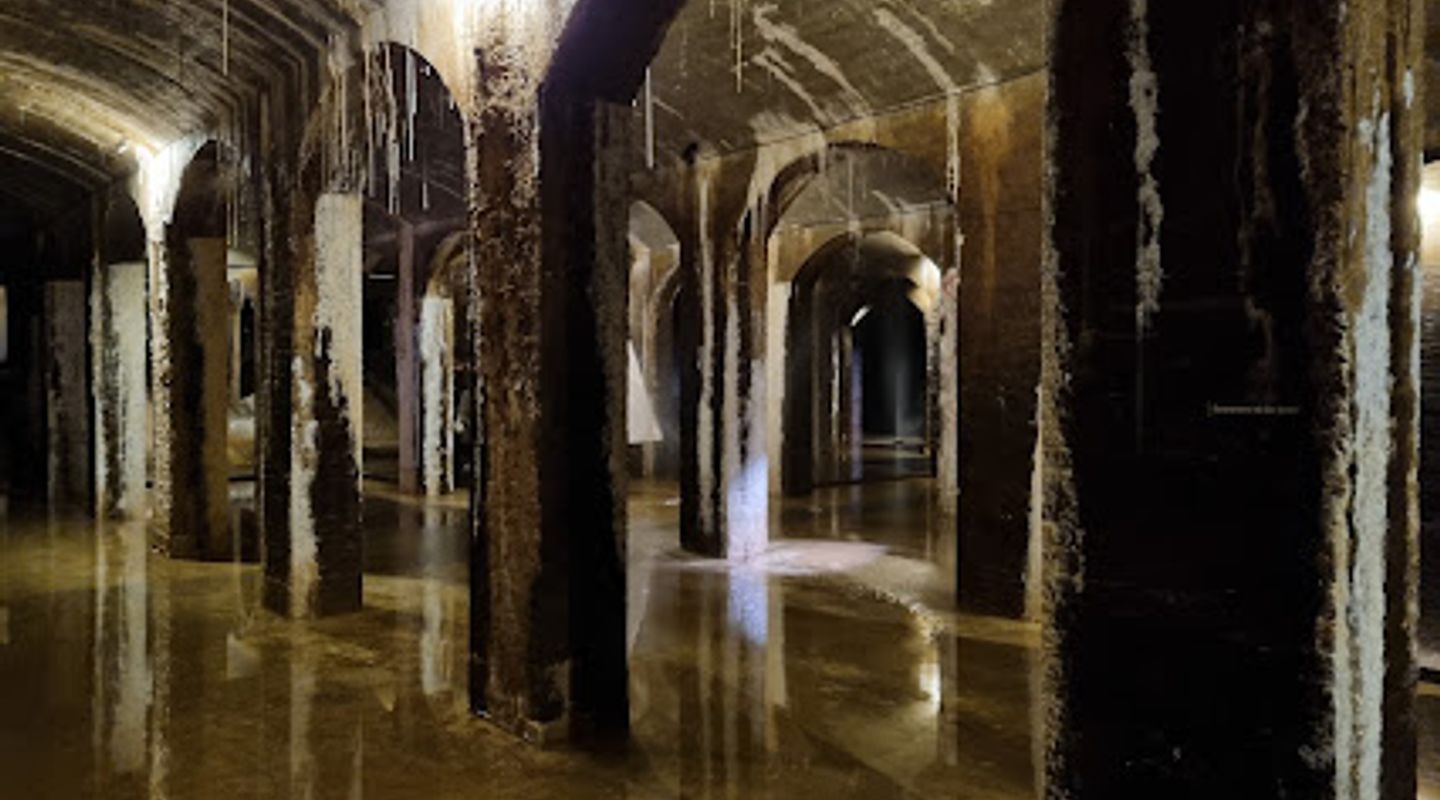
Hidden beneath the lawns of Søndermarken park in Frederiksberg, Cisternerne is a former 19th‑century water reservoir transformed into a 4,400 m² subterranean art space. Cold, dark and almost fully humid, this underground dripstone cavern now hosts large‑scale, site‑specific contemporary installations that play with echo, shadow and water. It is one of Copenhagen’s most atmospheric cultural venues, more like entering a cathedral or cave than a traditional museum.
On-site amenities
 Information boards
Opening hours
- MonClosed
- Tue11 am–6 pm
- Wed11 am–6 pm
- Thu11 am–8 pm
- Fri11 am–6 pm
- Sat11 am–6 pm
- Sun11 am–6 pm
Opening hours as listed on the venue’s Google Business Profile. Hours can change for services and special events, so check with the venue before you go.
- Address
- Roskildevej 25A, 2000 Frederiksberg
- Phone
- Website
Getting there
Metro from central Copenhagen
S‑train and walk
City bus to Søndermarken area
Bicycle within Copenhagen and Frederiksberg
Discover more about Cisterns in Søndermarken
An underground world beneath Søndermarken
Deep below the grass and trees of Søndermarken, Cisternerne stretches out as a vast concrete cavern that once held 16 million litres of drinking water for Copenhagen. Built in the 19th century as part of the city’s water supply, the reservoir was drained in the late 1900s, revealing an eerie forest of pillars and vaulted chambers. Today, only two glass pyramids on the surface give away the presence of this world below, where you descend by staircase into semi-darkness.Inside, the temperature stays at around 8–10°C year‑round, with humidity close to 100%. Thin films of water bead on the walls, and slow drips from the ceiling have gradually formed small stalactites. The space feels at once industrial and geological, as if part infrastructure, part natural cave.
From city reservoir to atmospheric art space
Once the tanks were decommissioned, the sheer drama of the architecture inspired their reinvention as an exhibition venue. Cisternerne now belongs to Frederiksberg Museums and functions as an underground stage for ambitious contemporary art. Each season, a single invited artist or architect takes over the entire 4,400 m² space, creating an installation conceived specifically for its darkness, echo and damp air.Works often respond to themes of water, climate and deep time, making use of reflections in shallow pools, controlled mist, soundscapes and carefully choreographed light. Some past exhibitions have involved moving through sections by boat or along narrow walkways, sharpening the sense that you have left the everyday city behind. The result is not a gallery of separate pieces, but a total environment that surrounds you.
Climate, sound and sensory immersion
One of the most striking aspects of Cisternerne is its climate. Even on the hottest summer day, the air underground feels cold and saturated, and your breath mingles with a light fog that hovers in the vaults. Footsteps reverberate along the aisles, and sounds from the art – recorded voices, low drones, trickling water – echo off the concrete, turning the entire reservoir into a resonant instrument.Light is scarce and carefully controlled. Pools of illumination pick out columns or artwork, while other zones are left in near darkness, forcing your eyes to adjust slowly. The interplay of light and shadow, punctuated by drips from the ceiling, creates a dreamlike, almost cinematic atmosphere. Time seems to stretch as you wander, aided by the lack of daylight and any visible connection to the outside world.
History, engineering and the city above
Beyond its role as an art venue, Cisternerne tells the story of Copenhagen’s transformation into a modern city. The reservoir is a monument to engineering and public health, built to secure clean water at a time when urban growth demanded new infrastructure. Walking between the massive pillars, you can still read the logic of the original basins and channels that once channelled water beneath Frederiksberg Hill.At the same time, the surrounding park and nearby Frederiksberg Castle hint at an older layer of urban history above. The contrast between the open lawns and the buried reservoir illustrates how the city has been built in strata, with Cisternerne occupying a hidden, in‑between layer. Exhibitions often draw on this context, connecting the underground space to environmental, social or historical questions.
Planning your visit inside the cisterns
A visit inside typically takes 45–90 minutes, depending on how long you linger with the current installation. Entry is ticketed, with standard adult admission in the low‑to‑mid range for Copenhagen museums, and free entry for young children is common. The site usually opens seasonally from mid‑March to late November, often remaining closed during the darkest winter months to prepare new exhibitions.Practical preparation matters here more than at many museums. The stable underground chill means you should bring an extra layer, even in summer, and shoes that handle damp floors. The space is reached by stairs and has limited facilities – there are no toilets inside the cistern halls themselves and no natural light, so it can feel intense for very young children or visitors sensitive to darkness. Many people combine a visit with a walk in Søndermarken or the neighbouring Frederiksberg Gardens, making the underground experience part of a broader day outdoors.
Who will enjoy Cisternerne
Cisternerne particularly rewards travellers interested in contemporary art, unusual architecture and atmospheric spaces. It suits curious adults, teens and older children who enjoy immersive experiences rather than traditional displays in glass cases. Photographers find moody compositions in the columns, reflections and mist, though tripods are usually restricted.It is also an evocative stop for couples exploring Frederiksberg, or solo travellers looking for a quieter, contemplative corner of the city. Even if you are not deeply versed in art, the play of sound, water and light is immediately accessible. What stays with most visitors is the feeling of having stepped into an underground cathedral where the city’s practical past has been transformed into a space for reflection and imagination.
Evendo Review Centre
 Google
Guest reviews
Best time to go
Quietest: Jan, Feb & Dec · before 10am or from 8pm
Busy times are Evendo estimates for a typical year, to help you plan. Actual crowds vary with events, school holidays and the weather.
Explore Cisterns in Søndermarken on the map
A handpicked selection of must-see spots near Cisterns in Søndermarken, mapped for you.
Get your free copy of our complete guide to Cisterns in Søndermarken, delivered straight to you.
Everything on this page, from opening hours and how to get there to Eve’s tips and the best time to go, in one PDF you can read offline, print or share.
Already have an account? Sign in
Your Cisterns in Søndermarken guide is ready.
We'll send it to · Not you? Sign out

Getting your guide ready…
We are putting together a fresh copy of the Cisterns in Søndermarken guide. This can take up to a minute.
This can take a few moments. If your browser asks, choose Allow so the download can start. You'll find the guide in your Downloads folder.
Nothing happened? Download it again
Sorry, the guide is taking longer than usual. Please try again in a minute, or get it by email instead.
Unlock the best of Cisterns in Søndermarken
Skip-the-line tickets, guided tours with entry, and walking tours of the area, booked in a few clicks.


Other nearby places you may find interesting
The closest places of the same kind, if this one is not quite what you had in mind.
-
-
-
-
-


Swipe for more places
More to explore near Cisterns in Søndermarken
-
 Best experiences near Cisterns in Søndermarken
-
 Best hotels near Cisterns in Søndermarken
-
 Best landmarks near Cisterns in Søndermarken
-
 Best attractions near Cisterns in Søndermarken
-
 Best shops near Cisterns in Søndermarken
-
 Best restaurants near Cisterns in Søndermarken
-
 Best bars near Cisterns in Søndermarken


Do you manage this location?
Take control to get all the benefits, like improved information, better appearance, and stronger visibility across AI-powered discovery.
Explore more
Explore more of Zealand
Discover the charm of Zealand, Denmark's largest island, blending vibrant city life in Copenhagen with serene coastal beauty and rich cultural heritage.
Explore Zealand
Explore more of Denmark
Discover Denmark: A perfect blend of history, modern design, and the cozy concept of hygge. Explore vibrant cities, serene landscapes, and world-class cuisine.
Explore Denmark
