Dragsholm Castle, Zealand Travel Guide
One of Denmark’s oldest castles, Dragsholm Slot blends baroque elegance, prison lore and ghostly legends with refined dining and countryside calm in Odsherred.
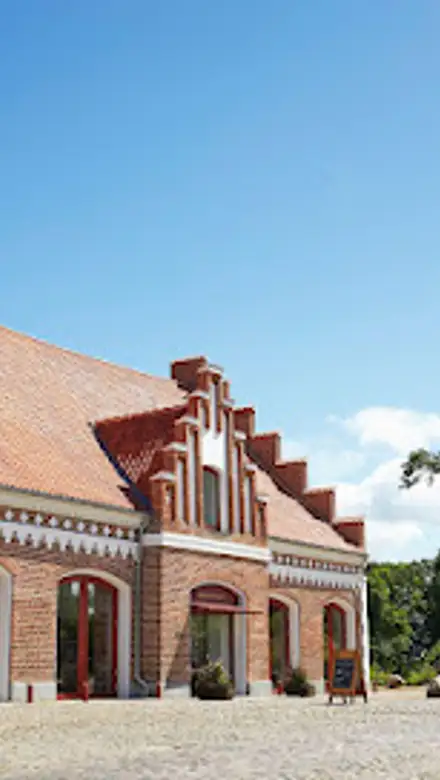
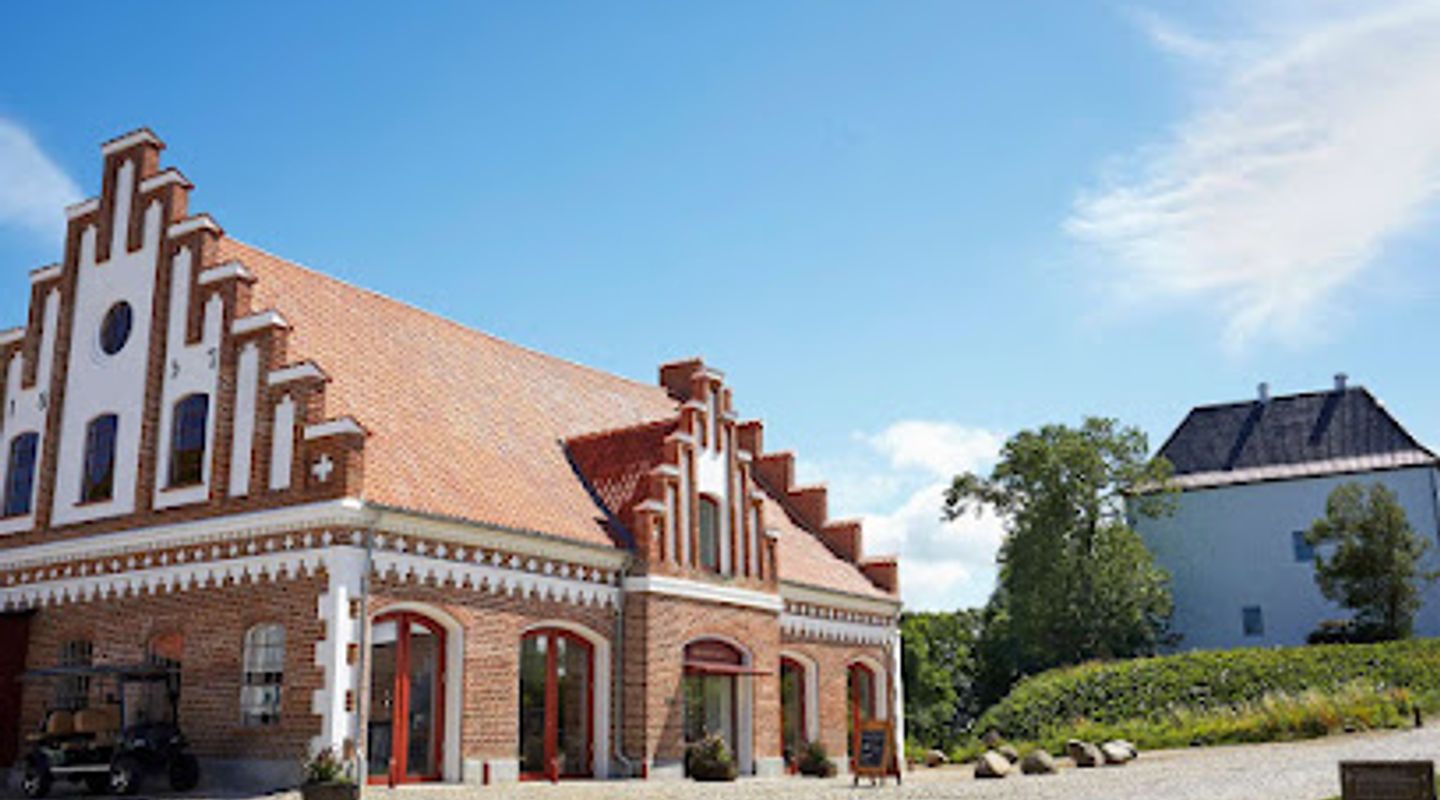
Rising from meadows and former fjordland in Odsherred, Dragsholm Castle is one of Denmark’s oldest secular buildings and among its most atmospheric. Built around 1215 by the Bishop of Roskilde, the white baroque castle has served as fortified stronghold, royal prison and noble estate before becoming a boutique hotel and gourmet destination. Today its vaulted halls, ghost stories and sweeping rural views create a compelling blend of history, legend and contemporary comfort.
A brief summary to Dragsholm Castle
- Dragsholm Alle, Hørve, 4534, DK
- Click to display
- Click to display
- Duration: 1.5 to 24 hours
- Luxury
-
 Mixed
Mixed
- Mobile reception: 4 out of 5

Know before you go
Hi, I'm Eve. Here are a few practical things to know before exploring Dragsholm Castle.
- Book well ahead if you plan to stay overnight, especially in peak summer and on weekends when weddings and events are common.
- Join a guided history or ghost-themed tour if available; it is the best way to access stories behind the prison tower and haunted legends.
- Wear comfortable shoes so you can explore uneven floors, staircases and the surrounding grounds without worry.
- If you are sensitive to creaks and night-time sounds, request a room away from the old tower corridors for a quieter sleep.
- Allow time to walk outside at dusk or dawn when the white walls and former fjord landscape are at their most atmospheric.
Do you manage this location?
Take control to get all the benefits, like improved information, better appearance, and stronger visibility across AI-powered discovery. Learn more about listing your business on Evendo
Activate your presenceOther nearby places you may find interesting
The closest places of the same kind, if this one is not quite what you had in mind.

Explore Dragsholm Castle on the Map
A handpicked selection of must-see spots near Dragsholm Castle, mapped for you.
Getting There
-
Train + Taxi from Copenhagen
From Copenhagen, take a regional train toward Kalundborg and get off at Hørve Station; the journey typically takes 75–90 minutes with departures at least once an hour during the day. From Hørve, a taxi to Dragsholm Castle usually takes 10–15 minutes depending on traffic and costs in the range of 150–250 DKK for the car. Trains run year-round, but late-night services are less frequent, so check return times if you are not staying overnight.
-
Regional Bus within Odsherred
If you are already in the Odsherred area, local buses connect nearby towns such as Asnæs and Hørve with stops within walking distance of the castle, typically in 15–30 minutes of travel. Single tickets on regional buses usually cost about 25–50 DKK depending on distance. Services follow daytime and early evening schedules and may be reduced on weekends and public holidays, so plan around the timetable, especially in winter.
-
Car from Copenhagen or Roskilde
Driving from Copenhagen or Roskilde to Dragsholm Castle is straightforward and usually takes about 60–75 minutes from Copenhagen and 45–60 minutes from Roskilde, depending on traffic and time of day. There is on-site parking at the castle available for guests and day visitors at no extra charge. Roads are paved and well maintained year-round, but allow extra time in peak summer or during severe winter weather.
For the on-the-go comforts that matter to you
-
 Restrooms
-
 Drink Options
-
 Drinking Water
-
 Food Options
-
 Seating Areas
-
 Sheltered Areas
-
 Picnic Areas
-
 Trash Bins
-
 Information Boards
-
 Visitor Center
Discover more about Dragsholm Castle
Eight Centuries Above the Former Fjord
Dragsholm Castle stands on an islet of reclaimed land in northwest Zealand, surrounded by meadows that were once part of the Lammefjord. For more than 800 years there has been a building here, watching over the narrow strip where ships were once dragged across the peninsula to avoid dangerous seas. The name "Dragsholm" itself refers to this historic portage, anchoring the castle firmly in the geography and seafaring life of medieval Denmark.Originally built around 1215 as a residence for the Bishop of Roskilde, the first incarnation of Dragsholm looked more like an elegant palace than a fortress. Over the following centuries, however, political tensions and regional conflicts demanded stronger defenses. Thick walls, corner towers and moats turned the complex into one of Zealand’s most formidable strongholds, a transformation that would shape its destiny in war and peace alike.From Impregnable Fortress to Royal Prison
During the Count’s Feud in the 1530s, a brutal civil war that helped usher in the Reformation, Dragsholm’s new fortifications were put to the test. While other strongholds on Zealand fell, this castle remained in royal hands, earning a reputation for resilience that resonated across the kingdom. The victory came at a price: after the Reformation, church lands were confiscated and Dragsholm passed to the Danish Crown.For roughly 130 years, the building served as a prison for troublesome nobles and ecclesiastical figures. Cells were installed in the northeast tower, with privileges such as windows or private latrines granted or withheld according to each prisoner’s status and perceived disloyalty. Here, the last Catholic Bishop of Roskilde is said to have finished his days, and here the Scottish Earl of Bothwell, third husband of Mary, Queen of Scots, reportedly paced in chains around a pillar, carving a permanent groove into the stone floor as the years wore him down.Baroque Grandeur and Noble Estates
Wars with Sweden in the 17th century left Dragsholm badly damaged after an attempt to blow it up, and for a time the once-mighty fortress lay in ruins. Financial pressures pushed the Crown to hand the property to creditors, and new owners embarked on an ambitious rebuilding. By the late 1600s the medieval stronghold had been reshaped into the bright, rectangular baroque castle that greets visitors today, with symmetrical façades and a more gracious, noble character.Successive aristocratic owners expanded the surrounding estate, drained sections of the Lammefjord and integrated the castle into a productive agricultural landscape. Inside, salons, ballrooms and staircases acquired late-romantic detailing during later restorations, softening the baroque geometry with richer textures, chandeliers and carved wood. The overall impression is of a house that expresses power and refinement rather than raw military strength.Ghost Stories in Whitewashed Corridors
Despite the elegant interiors, Dragsholm’s long history has seeded a thick tangle of legends. Stories speak of more than a hundred ghosts, with three recurring figures. One is the restless Earl of Bothwell, bound eternally to his pillar. Another is a “White Lady,” said to be a young noblewoman immured in the walls after a forbidden romance, her remains reportedly discovered during 20th-century renovations. A gentler presence, the “Grey Lady,” is described as a former servant returning to express gratitude for a kindness shown during her life.Whether you treat these tales as folklore or possibility, they add a vivid extra layer to a stay or visit. Narrow passages, thick stone walls and creaking floorboards encourage the imagination. Evening walks through the courtyard or under the vaulted ceilings can feel charged with suggestion, especially when mist folds over the surrounding fields and distant church towers are silhouettes against the sky.Staying, Dining and Exploring the Grounds
In the 20th century, Dragsholm was transformed into a country hotel, and today it combines period architecture with contemporary comforts. Many former cells and service rooms have become characterful guest rooms, where exposed beams and uneven plaster sit alongside modern bedding and bathrooms. Public spaces include salons, meeting rooms and atmospheric vaulted chambers that can host tastings, talks or celebrations.The kitchens champion local produce from Odsherred’s farms, coastline and orchards, and the castle has become known for ambitious seasonal cuisine. Outside, lawns, old trees and views over the reclaimed Lammefjord landscape give the property a quietly dramatic setting, especially at sunrise and sunset. Even without staying overnight, wandering the courtyards, glancing up at the high white walls and tracing the outlines of moats and terraces offers a compact journey through Danish history in a single, memorable place.












Your all‑in‑one travel companion app
Explore expert travel guides, compare and book tours, experiences, hotels, and more—all from the palm of your hand. Download now for seamless trip planning wherever your wanderlust takes you.


Explore More of Zealand
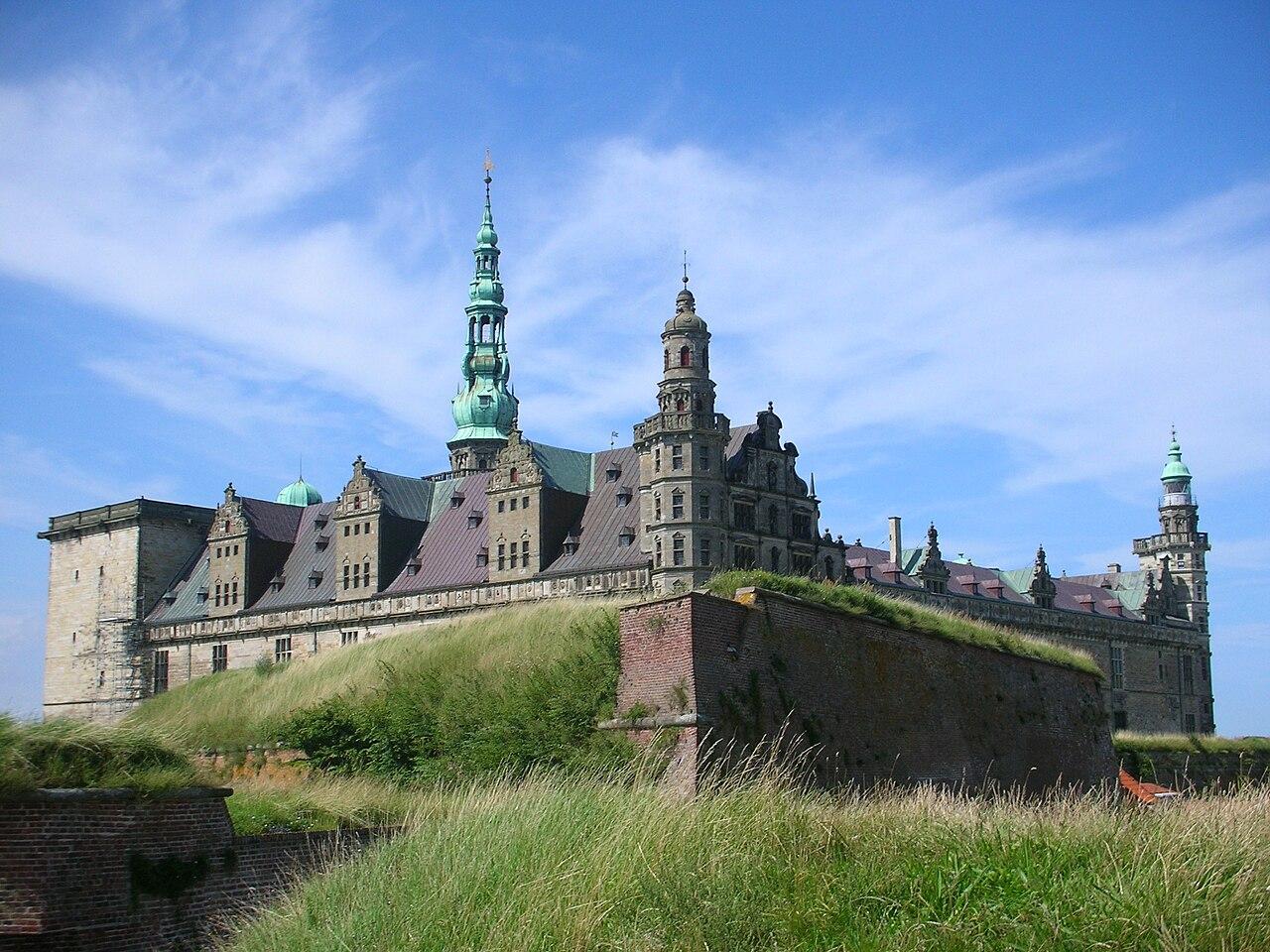
Looking beyond Dragsholm Castle? Discover Zealand for broader travel guides, local hot-spots, and regional highlights.
Explore Zealand
Historic red water tower crowning Kalundborg’s former mill hill, offering green parkland and sweeping views over the medieval town and Kalundborg Fjord.
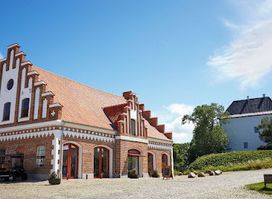
One of Denmark’s oldest castles turned gourmet hotel, where baroque elegance, Zealand’s landscapes and enduring ghost stories share the same whitewashed walls.