Lammefjorden Travel Guide
Free Guide: Once a deeply indented fjord, Lammefjorden is now a vast below‑sea‑level polder of fertile fields, big skies and quiet engineering that reshaped Denmark’s coastline.


A brief summary of Lammefjorden
Once a deeply indented fjord, Lammefjorden is now a vast below‑sea‑level polder of fertile fields, big skies and quiet engineering that reshaped Denmark’s coastline.
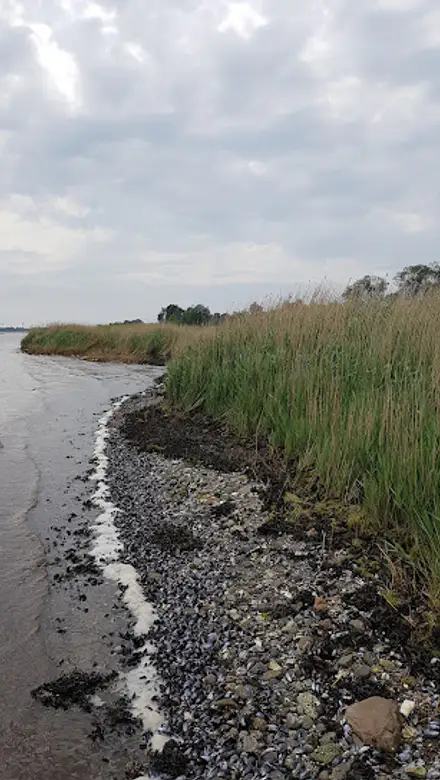
Lammefjorden is a reclaimed fjord and wide-open agricultural plain at the base of the Odsherred peninsula in north‑west Zealand, Denmark. Once a deeply indented arm of the Isefjord, it was drained from the late 19th century to create fertile fields that now lie several metres below sea level. Today the landscape of big skies, straight drainage canals, wind turbines and famed carrot and potato fields offers a quietly dramatic insight into Danish land‑reclamation, rural life and engineering on a grand scale.
On-site amenities
 Trash bins
 Information boards
- Address
- Lammefjorden
Getting there
Regional train and bus from Holbæk
Car from Holbæk and Region Zealand
Cycling from nearby Odsherred towns
Discover more about Lammefjorden
From Sea Inlet to Sweeping Farmland
Lammefjorden began life as a deeply branched arm of the Isefjord, cutting far inland at the base of the Odsherred peninsula in north‑west Zealand. Over thousands of years, glacial deposits and changing sea levels shaped a long, shallow fjord, fringed by reed beds and low, marshy shores. For most of its history this was a watery landscape of boats, fishing grounds and tidal currents, rather than tractors and drainage ditches.That story changed radically in the late 19th century, when ambitious engineers and landowners set out to reclaim the seabed. Work started in the 1870s with the construction of dykes and pumping stations to push back the water and dry the former fjord from the edges inward. By the mid‑20th century, what had been sea was transformed into some of Denmark’s most productive farmland, while the outer, eastern part of Lammefjorden remained as open water connected to Isefjord.
The Lowest Dry Point in Denmark
One of Lammefjorden’s quiet curiosities is that it contains Denmark’s lowest dry land, around seven metres below sea level. Walking or cycling here, you stand lower than the waterlines of surrounding fjords and bays, protected only by dykes and an intricate network of canals. It is an unusual feeling in such a flat, open landscape, where the eye travels unobstructed to a low horizon of farms, groves and distant church towers.This below‑sea‑level setting gives the area a subtle drama rather than a spectacular one. You notice pump houses, sluices and embankments that silently keep the water at bay. On windy days, the swish of turbines and the whisper of reeds along the drainage channels underline how closely human engineering and natural forces still interact here.
Fertile Soils and Famous Vegetables
The former seabed of Lammefjorden is renowned in Denmark for its light, sandy soils, which proved ideal for root crops once the land was drained. Carrots in particular have become something of a local emblem, along with potatoes and other vegetables that thrive in the well‑drained ground. Produce from the area is widely appreciated for its flavour and quality, and you may see fields of straight orange rows stretching far into the distance in season.Agriculture dominates the view in every direction. Large, geometrically shaped fields are criss‑crossed by straight canals, gravel farm tracks and shelterbelts of trees. At different times of year, the colours shift from bare brown soil to fresh green, then to the deep tones of mature crops. For visitors interested in rural landscapes and food production, Lammefjorden is a textbook example of how a reclaimed area can become an agricultural powerhouse.
A Landscape for Quiet Exploration
Although there are no grand monuments on the polder itself, Lammefjorden is rewarding for slow travel and small details. Minor roads and paths run along dykes and through the reclaimed land, offering long, straight perspectives and a powerful sense of openness. Cyclists and walkers can experience the constant interplay of sky, weather and land, from low morning mists over the canals to glowing sunsets behind the Odsherred hills.Birdlife and wetlands survive along ditches and in remaining pockets of marsh around the edges. Depending on the season, you might spot waders probing the mud, ducks dabbling in quiet backwaters or raptors scanning the fields from fence posts. Away from major highways, the soundscape is often reduced to wind, distant farm machinery and the calls of birds, lending an unexpectedly tranquil mood to this working landscape.
Engineering Heritage Around the Fjord
Lammefjorden is also a story of infrastructure. Historic pumping stations and control structures are still essential to maintaining the polder’s delicate balance. Without constant management, groundwater and surface water would gradually reclaim the land. The railway that once crossed the western end of the former fjord helped open the area to trade and linked the new farmland to nearby market towns, underlining how transport and reclamation went hand in hand.Seen from surrounding higher ground on the Odsherred peninsula, the reclaimed area forms a flat, almost geometric patchwork framed by low hills and remaining water. This bird’s‑eye perspective reveals just how extensive the transformation has been: where the sea once pushed inland, there is now an ordered pattern of fields and canals. For travelers curious about human‑shaped landscapes, Lammefjorden offers a compelling glimpse into Denmark’s long relationship with the sea, soil and the art of keeping water exactly where it is wanted.
Evendo Review Centre
 Google
Guest reviews
Best time to go
Quietest: Jan, Feb & Dec · before 6am or at 7pm or at 8pm
Busy times are Evendo estimates for a typical year, to help you plan. Actual crowds vary with events, school holidays and the weather.
Explore Lammefjorden on the map
A handpicked selection of must-see spots near Lammefjorden, mapped for you.
Get your free copy of our complete guide to Lammefjorden, delivered straight to you.
Everything on this page, from opening hours and how to get there to Eve’s tips and the best time to go, in one PDF you can read offline, print or share.
Already have an account? Sign in
Your Lammefjorden guide is ready.
We'll send it to · Not you? Sign out

Getting your guide ready…
We are putting together a fresh copy of the Lammefjorden guide. This can take up to a minute.
This can take a few moments. If your browser asks, choose Allow so the download can start. You'll find the guide in your Downloads folder.
Nothing happened? Download it again
Sorry, the guide is taking longer than usual. Please try again in a minute, or get it by email instead.
Other nearby places you may find interesting
The closest places of the same kind, if this one is not quite what you had in mind.
-
Rømø A wind-swept Wadden Sea island of endless sand, tidal flats and maritime heritage, where drivable beaches, kites and wild dunes meet North Sea light and migrating birds.
-
The North Sea Oceanarium Northern Europe’s largest North Sea–focused aquarium, blending giant tanks, playful seals, outdoor adventure zones, and hands‑on marine science in coastal Hirtshals.
-
Saltholm A low, wind-swept Øresund island of meadows, marsh and birdlife, Saltholm offers a rare taste of near-urban wilderness just off Copenhagen’s coastline.
-
Wadden Sea National Park Walk on the seabed, witness starling murmurations, and explore Europe's most dynamic tidal wilderness.
-
The Little Mermaid Copenhagen’s most famous mermaid sits quietly on a harbor rock, a small bronze figure whose fairy-tale melancholy and seaside setting have become a symbol of the city.
Swipe for more places
More to explore near Lammefjorden

 Best experiences near Lammefjorden
 Best hotels near Lammefjorden
 Best landmarks near Lammefjorden
 Best attractions near Lammefjorden
 Best shops near Lammefjorden
 Best restaurants near Lammefjorden
 Best bars near Lammefjorden
Do you manage this location?
Take control to get all the benefits, like improved information, better appearance, and stronger visibility across AI-powered discovery.
Explore more

Explore more of The North Sea Islands
Discover the North Sea Islands of Denmark: idyllic sandy beaches, vibrant local culture, and unique natural landscapes await you on Fanø, Rømø, and Mandø.
Explore The North Sea Islands
Explore more of Denmark
Discover Denmark: A perfect blend of history, modern design, and the cozy concept of hygge. Explore vibrant cities, serene landscapes, and world-class cuisine.
Explore Denmark