

Superkilen Park, Zealand Travel Guide
A bold ribbon of color, culture and play slicing through Nørrebro, where global street life, graphic design and everyday Copenhagen collide in one urban park.
Superkilen Park slices through Copenhagen’s multicultural Nørrebro district as a bold, 750‑metre wedge of color, art and everyday life. Designed by BIG, Topotek1 and Superflex, this 30,000m² urban park stitches together three striking zones—the fiery Red Square, the graphic Black Market and the leafy Green Park—each scattered with benches, fountains, play equipment and curiosities from around 60 different countries. It is at once neighbourhood living room, skate spot, playground and open‑air design gallery, celebrating diversity on a truly urban scale.
A brief summary to Superkilen Park
- Nørrebrogade 210, Copenhagen, København N, 2200, DK
- Click to display
- Duration: 1 to 2 hours
- Free
-
 Outdoor
- Mobile reception: 5 out of 5

Know before you go
Hi, I'm Eve. Here are a few practical things to know before exploring Superkilen Park.
- Aim for weekday afternoons or early evenings for good light and a lively atmosphere without the heaviest crowds on the play areas and sports courts.
- Bring a picnic or takeaway from Nørrebro’s cafés; there are plenty of benches, low walls and grassy slopes but no on‑site cafés dedicated to the park itself.
- If you are keen on photography, explore all three zones—the Red Square, Black Market and Green Park—as each offers very different backdrops and angles.
- Cycling through the park is allowed along the main path, but slow down and watch for children playing and people stepping across between zones.
- Visit in spring for cherry blossoms in the Green Park or on a dry evening to experience the graphic paving and neon signs under artificial light.
Do you manage this location?
Take control to get all the benefits, like improved information, better appearance, and stronger visibility across AI-powered discovery. Learn more about listing your business on Evendo
Activate your presenceOther nearby places you may find interesting
The closest places of the same kind, if this one is not quite what you had in mind.

Explore Superkilen Park on the Map
A handpicked selection of must-see spots near Superkilen Park, mapped for you.
Unlock the Best of Superkilen Park
Buy tickets
-
No tickets available
Book tours with entry


Book tours without entry
-
No tours available
Getting There
-
Metro and bus from central Copenhagen
From the city centre, take the M3 Cityringen metro to Nørrebro Station, which usually takes 8–10 minutes from central stops. From there, regular buses along Nørrebrogade connect to stops near Superkilen in about 5–10 minutes, and services typically run every few minutes during the day. A single zone‑based ticket covering metro and bus is usually in the range of 20–30 DKK, and lifts on the metro make this option convenient for wheelchairs and strollers.
-
City bike from the inner city
Copenhagen’s extensive cycle lanes make biking to Superkilen straightforward. From central districts, expect a 15–25 minute ride depending on your starting point and pace. Public bike‑share and rental bikes generally cost from around 50–100 DKK for a few hours’ use, with prices varying by provider and duration. The route is mostly flat and fully on marked bike lanes, but be prepared for busy traffic at rush hours and remember that cycling is outdoors in all weather.
-
S‑train and short walk
If you are staying near an S‑train line, travel to Nørrebro or Nordhavn interchange and then transfer to a bus that runs along Nørrebrogade; total travel time typically ranges from 20–35 minutes within the wider Copenhagen area, depending on changes. A standard ticket covering both S‑train and bus legs usually falls between 20–40 DKK. Walking from the nearest bus stop involves a few city blocks on paved, mostly level sidewalks, suitable for most visitors but less ideal in heavy rain or snow.
For the on-the-go comforts that matter to you
-
 Restrooms
-
 Seating Areas
-
 Trash Bins
-
 Information Boards
-
 Drinking Water
Discover more about Superkilen Park
A wedge of color through multicultural Nørrebro
Superkilen Park cuts a vivid swathe through the heart of Nørrebro, one of Copenhagen’s most diverse neighbourhoods. Conceived as a half‑mile “wedge” of public space, it stretches between Nørrebrogade and Tagensvej, threading past apartment blocks, a sports hall and busy cycle routes. Opened in 2012, the park was created to bring together residents from dozens of nationalities and to give this dense urban district a generous, shared backyard.From the moment you step onto its surfaces, Superkilen feels different from a traditional park. There are no neat lawns framed by classic flower beds; instead you enter an outdoor collage of bold colors, graphic lines and sculptural objects. Everyday life flows through it—cyclists commuting along the main path, children racing between play zones, neighbours pausing on unusual benches to talk as buses roll along parallel streets.Three distinct zones, three different moods
The park is divided into three characterful sections: the Red Square, the Black Market and the Green Park. Each has its own atmosphere and purpose, yet they blend into one continuous urban landscape. The Red Square, with its red, pink and orange surface, is the most energetic: a place for ball games, skating, informal performances and hanging out by the sports hall. Here, bright graphic markings run up building façades, turning walls into part of the playground.At the heart of the site, the Black Market changes the tempo. Black paving, rippling white lines and clusters of furniture create a more intimate, plaza‑like feeling. It acts as the neighbourhood living room, where people gather under shade trees, play chess on fixed tables or chat by a central fountain. Further north, the Green Park softens into rolling lawns, trees and small hills. This section offers space for picnics, sunbathing, dog‑walking and informal sports, while edges of planting bring seasonal color and birdsong.A world exhibition of everyday objects
One of Superkilen’s defining ideas is its collection of urban objects sourced from around the globe. Working with local residents, the design team selected benches, swings, fountains, play structures and signs that reflect the many cultures represented in Nørrebro. As you wander, you might encounter a Moroccan fountain, a Brazilian bench, a Japanese octopus slide or a Spanish picnic table, all carefully integrated into the landscape.These objects are not treated as rarefied art pieces but as usable elements of daily life. Children climb on a red play tower inspired by distant playgrounds; families gather at South African‑style barbecues; skaters zip past a neon sign originally made for a dentist in the Middle East. Plaques and small details hint at each object’s origin, turning an ordinary stroll into a quiet tour of global design and everyday rituals.Architecture, art and landscape woven together
Superkilen is the result of a collaboration between architecture, landscape and art practices, and that fusion is visible everywhere you look. In the Red Square, colored rubber, asphalt and paint fuse into a single surface that appears to fold up onto adjacent buildings. On the Black Market, the famous white lines undulate like topography, curving around trees, lampposts and benches to create a dynamic sense of motion even when the space is still.The Green Park shows a more subtle side of the project. Here, carefully shaped hills provide vantage points over the neighbourhood and the length of the wedge, while varied tree species—from Japanese cherry blossoms to maples and conifers—enrich the planting palette. The long, continuous cycle path stitches all of this together, ensuring that the park is not only a destination but also a vital urban route linking different parts of the city.Living neighbourhood hub throughout the day
Over the course of a single day, Superkilen shifts character. Early mornings see joggers following the path and dog‑walkers crossing the lawns. Midday brings families with strollers, local workers on lunch breaks and small children exploring the play zones. As afternoon turns to evening, the Red Square and Black Market become lively social spaces, with groups gathering on the steps and teenagers using the sports courts and skate features.Because the park is open at all hours, it also has a distinct atmosphere after dark. Streetlights and neon signs pick out the graphics underfoot, while the surrounding apartments and passing traffic provide a sense of urban theatre. Yet even at its busiest, pockets of calm remain: a quiet bench in the Green Park, a hilltop with views over rooftops, or a shaded corner by the chess tables.Experiencing Superkilen as a visitor
For visitors from outside Nørrebro, Superkilen offers a concentrated glimpse of Copenhagen’s contemporary urban design ambitions and its multicultural everyday life. It is equally suited to a quick photo stop on the Red Square, a longer wander tracing the entire 750‑metre length, or an unhurried afternoon picnic on the grass. Photographers are drawn to the strong colors and patterns, while children quickly claim the swings, slides and sports areas.Beyond its visual impact, the park encourages you to notice the small stories embedded in its objects: why a particular bench shape might be common in one country, or how a neon sign gains new meaning in a different context. Spending time here is less about ticking off sights and more about watching how this shared space works—how cyclists, families, elders, skaters and visitors weave around one another, all framed by that unmistakable ribbon of color through the city.












Your all‑in‑one travel companion app
Explore expert travel guides, compare and book tours, experiences, hotels, and more—all from the palm of your hand. Download now for seamless trip planning wherever your wanderlust takes you.


Explore More of Zealand
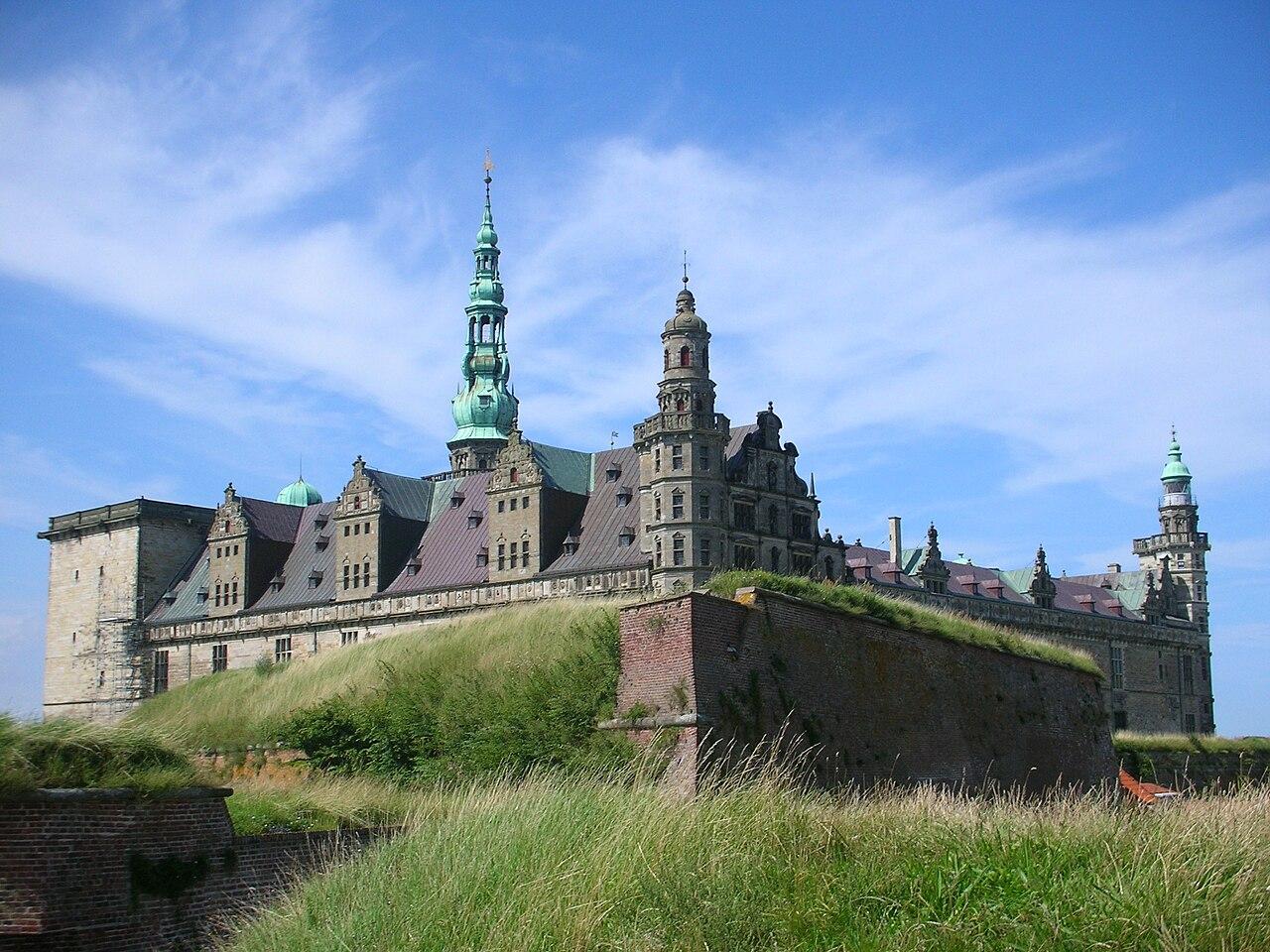
Looking beyond Superkilen Park? Discover Zealand for broader travel guides, local hot-spots, and regional highlights.
Explore Zealand