Frederiksberg Palace Travel Guide
Free Guide: Baroque hilltop palace in Frederiksberg, once a royal summer residence and now a military academy, overlooking one of Copenhagen’s most beautiful historic gardens.


A brief summary of Frederiksberg Palace
Baroque hilltop palace in Frederiksberg, once a royal summer residence and now a military academy, overlooking one of Copenhagen’s most beautiful historic gardens.
Crowning a grassy hill above Frederiksberg Garden in Copenhagen, Frederiksberg Palace is an elegant Baroque residence from the early 18th century. Once a summer retreat for Danish kings and later a permanent royal home, it now houses the Royal Danish Military Academy and is only rarely open on guided tours. Even so, its ochre façades, chapel and sweeping views over the surrounding landscaped gardens make it a striking backdrop to any stroll through this historic green quarter.
On-site amenities
 Restrooms
 Drink options
 Drinking water
 Food options
 Seating areas
 Sheltered areas
 Picnic areas
 Trash bins
 Information boards
- Address
- Roskildevej 28 A, 2000 Frederiksberg C
- Phone
- Website
Getting there
Metro and walk from central Copenhagen
Bus from inner Copenhagen
Cycling from the city centre
Taxi or rideshare within Copenhagen
Discover more about Frederiksberg Palace
A Baroque Palace Above the Gardens
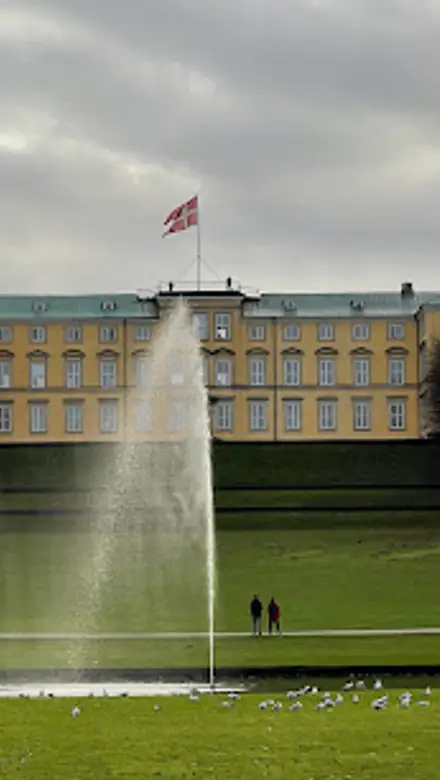
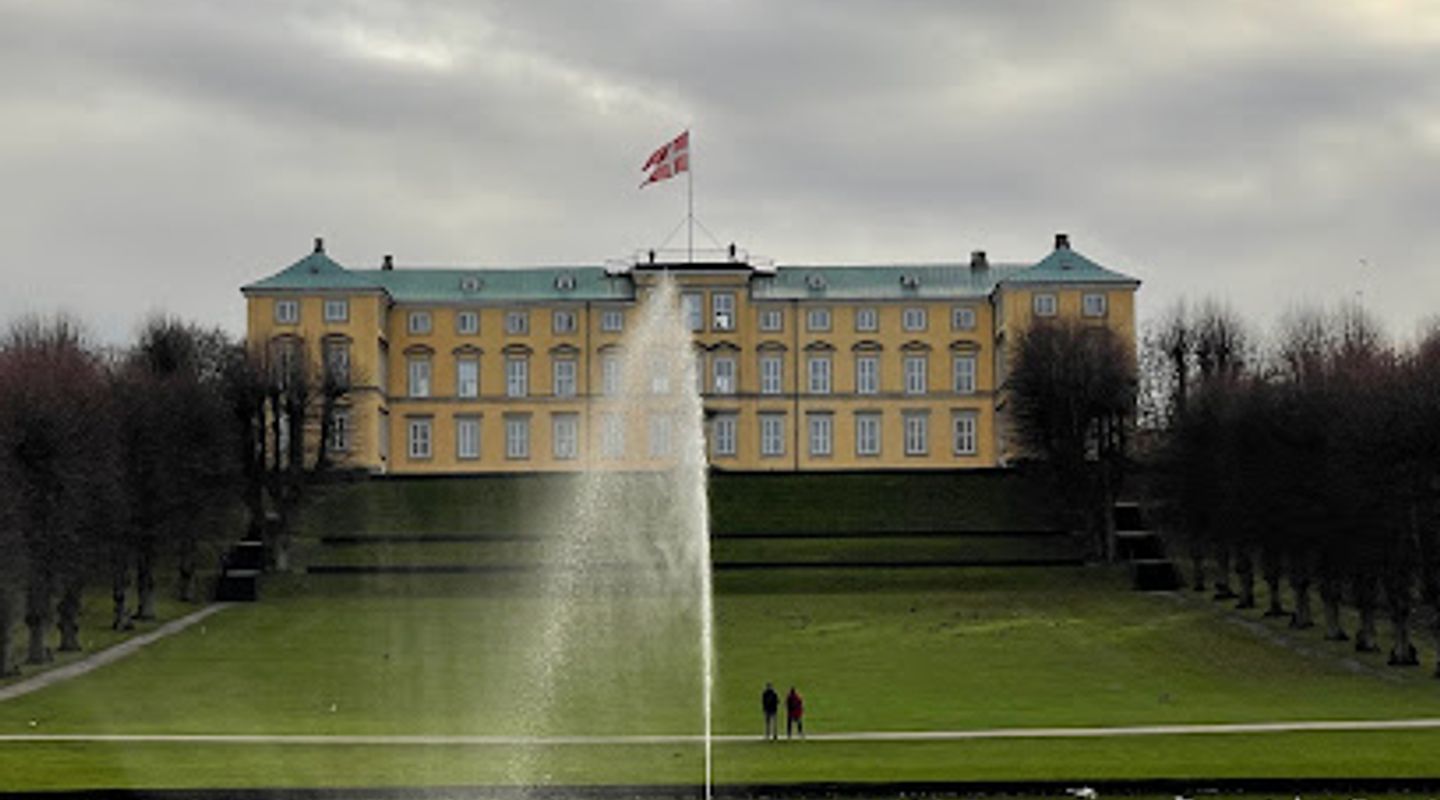
Frederiksberg Palace rises in warm yellow tones atop Frederiksberg Hill, its dark roofline bristling with chimneys and dormer windows that give it a distinctive Baroque profile against the Copenhagen sky. Built in the early 1700s as a summer residence for King Frederik IV, it was inspired by Italian Baroque villas of the period, with a strict, symmetrical layout and long façades facing the surrounding greenery.From the grassy slope in front of the palace, your eye runs down over Frederiksberg Garden, one of the city’s most beloved historic parks. The building’s elevated position was deliberately chosen to dominate the landscape, and even today the palace seems to preside over lakes, lawns and winding paths that stretch out below.
Royal Lives and Dramatic Stories
Behind the dignified exterior lies a dense web of royal history. The palace served not only as a summer refuge, but at times as a full-time royal residence. King Christian VI used it as his main home, and several key figures of Danish history were born or lived within these walls.In the late 18th century the palace became closely associated with the troubled King Christian VII, his English-born wife Queen Caroline Mathilde and her physician and secret confidant Johan Friedrich Struensee. Their intense and ultimately tragic relationship is one of the most famous chapters in Danish royal history. The story still clings to places inside the building, including the queen’s marble bath in the basement, preserved as a rare and intimate glimpse of royal domestic life.
From Royal Residence to Military Academy
By the mid‑19th century, the royal family gradually withdrew from Frederiksberg Palace, and in 1852 the last monarch left it as a residence. Some years later, its role in Danish life changed dramatically when it became home to the Royal Danish Military Academy in 1869.Since then, the palace has functioned primarily as an educational institution for army officers. This military use has helped preserve the building, but it also means that the interior is generally closed to casual visitors. Access is usually limited to scheduled guided tours, often held only a few times a year, while the officers’ training continues behind the Baroque façades.
Architecture and Interior Highlights
Although the exterior is what most visitors experience, the palace interior is richly decorated. The layout reflects early‑18th‑century tastes, with formal suites of rooms aligned along grand axes, painted ceilings and decorative stucco. The palace chapel, a notable feature of the complex, expresses Baroque religious architecture in a Danish context, blending solemnity with ornate detailing.The preserved marble bathroom associated with Caroline Mathilde is especially evocative. Its cool stone surfaces and mirrored walls speak of royal comfort and privacy at a time when such luxuries were rare. Together, these interiors illustrate how Baroque grandeur and personal spaces coexisted in a functioning royal household.
Frederiksberg Palace in Its Green Setting
The palace is closely tied to its surroundings. On the palace side, broad terraces and lawns frame the building and open towards Frederiksberg Garden, originally laid out in the Baroque style and later transformed into a more naturalistic landscape park. On the opposite side lies Søndermarken, another historic green space that forms a kind of leafy counterpart.Walking around the hill, you can shift from wide open views of the city to shaded paths beneath large old trees. The palace’s ochre walls often appear through gaps in the foliage, giving you fleeting perspectives that change with the seasons and the light.
Experiencing the Palace Today
Most visitors experience Frederiksberg Palace from the outside as part of a wider visit to the gardens and nearby attractions such as Copenhagen Zoo. The palace provides a stately backdrop for picnics, dog walkers, joggers and casual promenades up and down the hill.On days when guided tours are arranged, a limited number of guests are allowed inside to explore selected rooms, the chapel and elements of the historic interiors. These visits offer a rare window into royal and military life within one of Copenhagen’s most characterful Baroque buildings, even as the palace continues its daily function as Denmark’s officer academy.
Evendo Review Centre
 Google
Guest reviews
Best time to go
Quietest: Jan, Feb & Nov · before 8am or at 8pm
Busy times are Evendo estimates for a typical year, to help you plan. Actual crowds vary with events, school holidays and the weather.
Explore Frederiksberg Palace on the map
A handpicked selection of must-see spots near Frederiksberg Palace, mapped for you.
Get your free copy of our complete guide to Frederiksberg Palace, delivered straight to you.
Everything on this page, from opening hours and how to get there to Eve’s tips and the best time to go, in one PDF you can read offline, print or share.
Already have an account? Sign in
Your Frederiksberg Palace guide is ready.
We'll send it to · Not you? Sign out

Getting your guide ready…
We are putting together a fresh copy of the Frederiksberg Palace guide. This can take up to a minute.
This can take a few moments. If your browser asks, choose Allow so the download can start. You'll find the guide in your Downloads folder.
Nothing happened? Download it again
Sorry, the guide is taking longer than usual. Please try again in a minute, or get it by email instead.
Unlock the best of Frederiksberg Palace
Skip-the-line tickets, guided tours with entry, and walking tours of the area, booked in a few clicks.

Other nearby places you may find interesting
The closest places of the same kind, if this one is not quite what you had in mind.
-
-
-
-
-


Swipe for more places
More to explore near Frederiksberg Palace

 Best experiences near Frederiksberg Palace
 Best hotels near Frederiksberg Palace
 Best landmarks near Frederiksberg Palace
 Best attractions near Frederiksberg Palace
 Best shops near Frederiksberg Palace
 Best restaurants near Frederiksberg Palace
 Best bars near Frederiksberg Palace
Do you manage this location?
Take control to get all the benefits, like improved information, better appearance, and stronger visibility across AI-powered discovery.
Explore more
Explore more of Zealand
Discover the charm of Zealand, Denmark's largest island, blending vibrant city life in Copenhagen with serene coastal beauty and rich cultural heritage.
Explore Zealand
Explore more of Denmark
Discover Denmark: A perfect blend of history, modern design, and the cozy concept of hygge. Explore vibrant cities, serene landscapes, and world-class cuisine.
Explore Denmark