

Best Landmarks in Luxor
Planning a trip to Luxor? Discover the best landmarks in Luxor with history, expert tips, and routes. Free on web or the Evendo app.


The best landmarks in Luxor
Luxor offers visitors a captivating journey through ancient history with its stunning landmarks such as the iconic Karnak Temple, the majestic Luxor Temple, and the impressive Valley of the Kings. Visitors can explore the intricate hieroglyphics and towering columns at Karnak Temple, feel the grandeur of Luxor Temple at sunset, and marvel at the tombs of pharaohs in the Valley of the Kings. Other must-see landmarks include the Temple of Hatshepsut, the Colossi of Memnon, and the Avenue of Sphinxes, all of which showcase the rich history and grandeur of ancient Egypt.
- Top rated
- Closest to the centre
- A–Z
32 landmarks
-
Archaeological site4.8★27,710 reviews
Luxor Temple
Luxor Temple, a stunning testament to ancient Egyptian architecture, stands on the east bank of the Nile in the heart of Luxor. Built primarily by Amenhotep III and Ramesses II, around 1400 BCE, the temple was dedicated to the Theban Triad of Amun, Mut, and Khonsu, and served as a focal point for religious festivals and royal ceremonies. Its well-preserved columns, statues, and intricate carvings offer a glimpse into the opulence and spiritual beliefs of the New Kingdom period.
Daily 6:00–22:00
-
Historical place4.8★23,517 reviews
Karnak
Karnak Temple, located in Luxor, Egypt, is the largest religious structure ever built. Construction began around 2055 BC and continued until around 100 AD, with approximately 30 pharaohs contributing to the complex. Dedicated to the Theban triad of Amun, Mut, and Khonsu, it was known by the ancient Egyptians as Ipet-isu, 'the most select of places'.
Daily 6:00–17:30
-
Historical landmark4.7★19,008 reviews
Mortuary Temple of Hatshepsut
The Mortuary Temple of Hatshepsut, also known as Djeser-Djeseru ('Holy of Holies'), is an ancient Egyptian temple built for Queen Hatshepsut, one of Egypt's most successful female pharaohs, during the 18th Dynasty. Located on the west bank of the Nile River near Luxor, the temple is considered a masterpiece of ancient architecture, with its unique terraced design blending seamlessly into the surrounding cliffs of Deir el-Bahri.
Daily 6:00–17:00
-
Historical landmark4.6★8,433 reviews
Colossi of Memnon
The Colossi of Memnon are two massive stone statues of Pharaoh Amenhotep III, standing tall on the West Bank of Luxor. These iconic monuments, dating back to 1350 BCE, once guarded the entrance to Amenhotep III's mortuary temple, a complex that has mostly vanished over time.
Mon–Sat 6:00–17:00 · Sun 6:00–18:00
-
Archaeological museum4.6★6,397 reviews
Luxor Museum
The Luxor Museum, inaugurated in 1975, stands on the east bank of the Nile, showcasing a curated collection of artifacts from the Theban region, spanning from the Predynastic Period to the Islamic era. Unlike the vast collection in Cairo, Luxor focuses on quality pieces with clear multilingual labeling.
Daily 9:00–14:00, 17:00–20:00
-
Archaeological museum4.3★849 reviews
Mummification Museum
The Mummification Museum in Luxor offers a fascinating glimpse into the ancient Egyptian practice of preserving the dead. Located on the Corniche, north of Luxor Temple, the museum showcases the intricate rituals, tools, and beliefs surrounding mummification, featuring well-preserved mummies of humans and animals.
Daily 9:00–14:00, 17:00–22:00
-
Historical landmark4.8★672 reviews
Valley of the Kings, Luxor
The Valley of the Kings, located on Luxor's West Bank, is the final resting place for pharaohs and nobles of the New Kingdom (16th to 11th century BC). Carved into the Theban hills, the valley holds over 60 tombs adorned with intricate artwork and religious texts, offering a glimpse into ancient Egyptian beliefs about the afterlife.
-
Historical landmark4.4★494 reviews
Mut Temple
The Temple of Mut, located in Luxor's Karnak complex, is dedicated to the ancient Egyptian goddess Mut, consort of Amun and mother of Khonsu. Built primarily during the New Kingdom period, the temple served as a significant religious center, reflecting Mut's role as a powerful protector and symbol of motherhood.
-
Historical landmark4.7★341 reviews
Avenue of the Rams
The Avenue of the Rams, also known as the Sphinx Avenue, is an ancient 2.7 km long road in Luxor, Egypt, connecting the Karnak and Luxor Temples. Lined with hundreds of ram-headed and human-headed sphinxes, it offers a glimpse into ancient Egyptian processions and religious practices.
Daily 7:00–17:00
-
Market4.0★427 reviews
El - Souk
El-Souk, or the Luxor Market, is a vibrant traditional marketplace near the Luxor Temple, offering a sensory immersion into Egyptian culture with its bustling atmosphere, aromatic spices, and diverse array of goods. It's a place where locals and tourists mingle, creating a unique cultural exchange.


KV2 - Tomb of Ramses IV
The Tomb of Ramses IV (KV2), located in Luxor's Valley of the Kings, is a well-preserved New Kingdom burial site dating back to 1163-1156 BC. Known for its detailed religious inscriptions and unique architecture, it offers a glimpse into ancient Egyptian beliefs about the afterlife. The tomb has a rich history, serving as a temporary residence for early explorers and a canvas for Coptic graffiti.
Daily 6:00–17:00

Temple of Deir el-Medina
The Temple of Deir el-Medina, also known as the Temple of Hathor, is a well-preserved Ptolemaic temple on Luxor's West Bank. Built by and for the artisans who constructed the royal tombs, it offers a unique glimpse into their religious practices. The temple stands as a testament to their devotion and the enduring legacy of ancient Egyptian craftsmanship.

Temple Of Khonsu
Nestled within the vast Karnak Temple Complex, the Temple of Khonsu offers a glimpse into ancient Egyptian lunar worship. Built primarily by Ramesses III, it's a remarkably well-preserved example of a New Kingdom temple, dedicated to Khonsu, the moon god.

KV17 - Tomb of Seti I
The Tomb of Seti I, located in the iconic Valley of the Kings, is a must-visit for tourists seeking a glimpse into ancient Egyptian history. This stunning burial site boasts intricate carvings and vibrant frescoes that transport visitors back to the time of the Pharaohs. With its historical significance and breathtaking artistry, this tomb is a highlight of any trip to Egypt.
Daily 6:00–17:00

KV6 - Tomb of Ramses IX
Venture into the Valley of the Kings to explore KV6, the tomb of Pharaoh Ramses IX. Though not fully completed, its decorated corridors and chambers offer a fascinating look into ancient Egyptian burial practices and beliefs. Open since antiquity, the tomb bears witness to centuries of visitors, with graffiti from Romans and Copts adorning its walls.

KV11 Rameses III
Explore the KV11 tomb of Ramses III in the Valley of the Kings, a well-preserved and fascinating journey into ancient Egyptian royal burial practices. Originally started by Setnakht, it showcases stunning decorations, including the famed 'Tomb of the Harpers'.
Daily 6:00–17:00

First Pylon
The First Pylon at Karnak Temple, Luxor, is a colossal gateway built by Pharaoh Ramses II. Adorned with intricate hieroglyphics and flanked by statues, it marks the entrance to one of the world's largest religious complexes, offering a glimpse into ancient Egyptian power and spirituality.
Daily 6:00–17:00

First Pylon Luxor Temple
The First Pylon of Luxor Temple, built by Ramses II, serves as the grand entrance to this ancient complex. Adorned with colossal statues and intricate hieroglyphics, it offers a glimpse into the power and artistry of ancient Egypt, setting the stage for exploring the temple's rich history and spiritual significance.

Obelisk of Thutmose I
The Obelisk of Thutmose I, a massive red granite monolith, stands within the Karnak Temple complex in Luxor, Egypt, as a symbol of ancient Egyptian power and architectural prowess. Erected during the reign of Pharaoh Thutmose I (1506–1493 BC), it's adorned with hieroglyphs that narrate the pharaoh's achievements and divine favor.
Open 24 hours

Tomb of Ay (WV 23)
The Tomb of Ay (WV 23), located in the Western Valley of the Kings, is the final resting place of Ay, Tutankhamun's successor. Though smaller than other royal tombs, it features unique artwork, including scenes of Ay hunting and fishing, and a depiction of twelve baboons representing the hours of the night.
Daily 6:00–17:00

Luxor city - Egypt
Luxor, the modern city built upon the ancient site of Thebes, stands as a living testament to Egypt's glorious past. Divided by the Nile, its East Bank pulses with modern life, while the West Bank safeguards the silent necropolises of pharaohs and nobles. This 'open-air museum' invites exploration of temples, tombs, and timeless landscapes.

Temple of Thoth (Qasr El-Aguz)
The Temple of Thoth, also known as Qasr El-Aguz, is a historical landmark in Luxor dedicated to Thoth, the Egyptian god of wisdom, writing, and knowledge. This well-preserved temple offers insights into ancient Egyptian religious practices and beliefs, featuring intricate carvings and impressive architecture.

Remaining Luxor Obelisk
The Remaining Luxor Obelisk stands as a solitary sentinel, a red granite obelisk adorned with hieroglyphs, marking the entrance to the Luxor Temple. Once part of a pair, it offers a glimpse into the power and artistry of the Ramesses II era, with its twin now gracing the Place de la Concorde in Paris.

Luxor Egypt
Luxor, located on the east bank of the Nile in Upper Egypt, is a city steeped in history, often referred to as the "world's greatest open-air museum". Once the ancient city of Thebes, the capital of Egypt during the New Kingdom, Luxor is home to an extraordinary collection of ancient monuments and ruins.

Colossus of Memnon on the West Bank
The Colossus of Memnon, towering on the West Bank of Luxor, offers tourists a glimpse into ancient Egyptian civilization. These magnificent statues, built to honor Pharaoh Amenhotep III, stand as silent sentinels guarding the Valley of the Kings. Visitors can marvel at their grandeur and soak in the rich history of the region.
Open 24 hours

Ancient Luxor Quay
Ancient Luxor Quay, situated on the east bank of the Nile, offers a glimpse into Egypt's rich history. As a historical landmark, it provides access to famous attractions and a vibrant atmosphere with local vendors and stunning views.

Luxor Tours & Excursions
Located on Khaled Ben El-Waleed Street in Luxor, Luxor Tours & Excursions offers a variety of ways to explore the rich history and culture of the area. While the name suggests a tour operator, it's a starting point to explore the East Bank's temples, museums, and the Nile itself.
Cimitero Nefermenul
Cimitero Nefermenul, located in Luxor's El-Khokha area, is an ancient cemetery offering a glimpse into the burial practices and beliefs of the ancient Egyptians. While not as widely known as the Valley of the Kings, it provides a quieter, more intimate experience for exploring ancient tombs.
Necropoli (cimitero)Nefermenul
Explore the Necropolis of Nefermenu in Luxor, a part of the Theban Necropolis, offering insights into the lives of ancient Egyptian officials and their beliefs about the afterlife. Discover the tombs adorned with hieroglyphics and vibrant wall paintings, providing a unique historical narrative.
Cimitero (necropoli) El-Khokha
Explore El-Khokha Necropolis in Luxor, an ancient burial site on the West Bank of the Nile. Discover tombs of New Kingdom officials adorned with intricate carvings and vibrant frescoes, offering insights into ancient Egyptian culture and beliefs.

Luxor corniche
The Luxor Corniche is a vibrant waterfront promenade stretching along the east bank of the Nile River. Offering stunning views of the river, the West Bank, and iconic landmarks, it's a popular spot for locals and tourists alike to enjoy a leisurely walk, soak in the atmosphere, and experience the beauty of Luxor.
Daily 7:00–1:00
Necropoli (cimitero) tomba di Neferrenpet
Explore the Tomb of Neferrenpet (TT178), located in the El-Khokha necropolis on Luxor's West Bank. This New Kingdom tomb, belonging to a treasury scribe, features unique, well-preserved geometric ceiling patterns and offers insights into ancient Egyptian burial practices.
Explore Luxor on the map
A handpicked selection of must-see spots in Luxor, mapped for you.
More about Luxor

Luxor travel guide
Luxor, Egypt, brings ancient temples, royal tombs, Nile views and living local culture together in one extraordinary archaeological landscape.
Tell me more about LuxorMore to explore in Luxor

 Best attractions in Luxor

 Best shops in Luxor

 Best bars in Luxor

 Best restaurants in Luxor

 Best nightclubs in Luxor

 Best experiences in Luxor

 Best hotels in Luxor

 All neighbourhoods in Luxor
Explore more
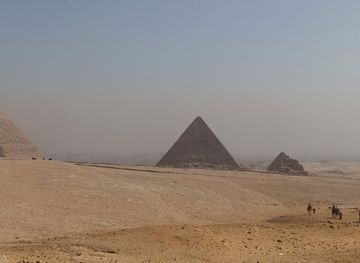
Explore more of Egypt
Discover Egypt: From the timeless pyramids to the vibrant Red Sea, experience a land where ancient wonders meet modern adventures.
Explore Egypt
Getting your guide ready…
We are putting together a fresh copy of the Luxor guide. This can take up to a minute.
This can take a few moments. If your browser asks, choose Allow so the download can start. You'll find the guide in your Downloads folder.
Nothing happened? Download it again
Sorry, the guide is taking longer than usual. Please try again in a minute, or get it by email instead.

