

Best Landmarks Near Deir el-Bahari (Upper Egypt)
Planning a trip to Deir el-Bahari? Discover the best landmarks nearby with history, expert tips, and routes. Free on web or the Evendo app.


The best landmarks near Deir el-Bahari
- Top rated
- Closest to Deir el-Bahari
- A–Z
51 landmarks
-
Archaeological site4.8★28,153 reviews
Luxor Temple
Luxor Temple, located in the heart of Luxor, Egypt, is a strikingly graceful monument to ancient Egyptian civilization. Built around 1400 BCE, it stands as a testament to the pharaohs' reverence for kingship and the gods Amun, Mut, and Khonsu. Unlike other temples in the area, Luxor Temple was not dedicated to a cult god or deified pharaoh, but to the rejuvenation of kingship.
Daily 6:00–22:00
-
Historical place4.8★24,028 reviews
Karnak
Step into the extraordinary world of Karnak Temple, a vast complex of ancient temples located in Luxor, Egypt. Known for its stunning architecture and rich history, this UNESCO World Heritage site offers tourists an unforgettable glimpse into the grandeur of Egyptian civilization.
Daily 6:00–17:30
-
Historical landmark4.7★19,118 reviews
Mortuary Temple of Hatshepsut
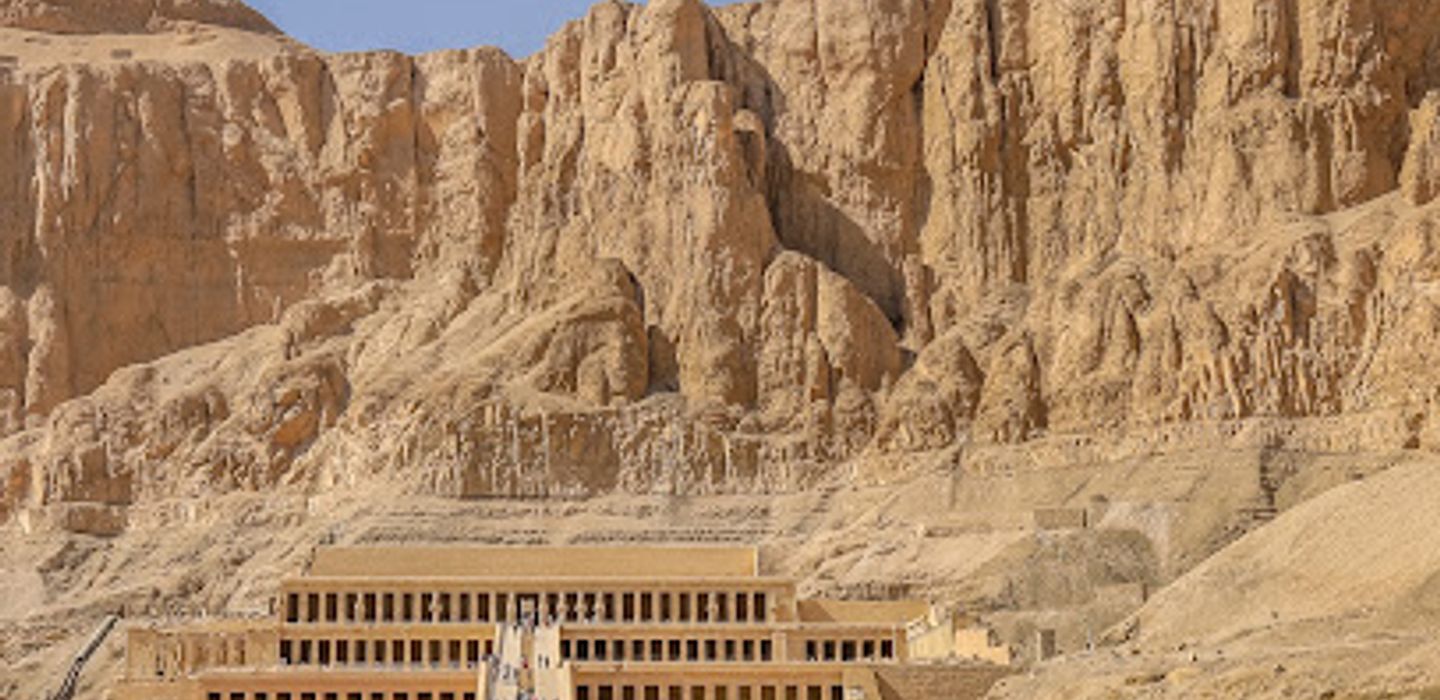
Nestled against the cliffs of Deir el-Bahari, the Mortuary Temple of Hatshepsut is an ancient Egyptian masterpiece dedicated to Queen Hatshepsut, one of the few female pharaohs. This unique funerary temple, with its terraced design and intricate reliefs, stands as a testament to her power and architectural vision.
Daily 6:00–17:00
-
Archaeological site4.8★16,646 reviews
Valley of the Kings
The Valley of the Kings, located on the west bank of the Nile near Luxor, Egypt, is a renowned archaeological site serving as the final resting place for pharaohs and nobles of the New Kingdom. This desert valley holds over 60 tombs, showcasing ancient Egyptian beliefs about the afterlife through intricate carvings and paintings.
-
Historical landmark4.6★8,071 reviews
Amenhotep III Sun Temple
Explore the ruins of the Amenhotep III Sun Temple on Luxor's West Bank, a historical landmark dedicated to the sun god Amun. Though largely in ruins, the site offers a serene atmosphere and a glimpse into the grandeur of ancient Egypt, with remnants of colossal statues and intricate carvings.
Daily 6:00–17:00
-
Historical landmark4.6★7,948 reviews
Colossi of Memnon
The Colossi of Memnon are two massive stone statues of Pharaoh Amenhotep III, standing as silent sentinels on the West Bank of Luxor. These imposing figures, remnants of a once-grand mortuary temple, offer a glimpse into the power and artistry of ancient Egypt.
Mon–Sat 6:00–17:00 · Sun 6:00–18:00
-
Archaeological museum4.6★6,397 reviews
Luxor Museum
The Luxor Museum, inaugurated in 1975, stands on the east bank of the Nile, showcasing a curated collection of artifacts from the Theban region, spanning from the Predynastic Period to the Islamic era. Unlike the vast collection in Cairo, Luxor focuses on quality pieces with clear multilingual labeling.
Daily 9:00–14:00, 17:00–20:00
-
Historical place4.6★1,891 reviews
Valley of the Queens
The Valley of the Queens, located on the west bank of the Nile River in Luxor, Egypt, served as the burial site for queens, princesses, and other members of the royal families during the New Kingdom period. Known in ancient times as Ta-Set-Neferu, meaning "The Place of Beauty," it holds over 90 tombs, including the renowned tomb of Nefertari, wife of Pharaoh Ramesses II.
Daily 6:00–17:00
-
Port4.4★1,543 reviews
West Bank Luxor Boat booking Dahabiya Nile cruise
The West Bank Luxor Boat booking Dahabiya Nile cruise port is a launching point for experiencing the Nile River on a traditional Dahabiya sailboat. These cruises offer a unique and intimate way to explore ancient Egyptian sites and modern life along the Nile.
Open 24 hours
-
Historical landmark4.6★866 reviews
Mortuary Temple of Seti I
The Mortuary Temple of Seti I, located in the Theban Necropolis, stands as a testament to the grandeur of ancient Egyptian civilization. Built by Pharaoh Seti I and completed by his son Ramses II, this temple offers insights into the reign and religious beliefs of the New Kingdom period.


Mummification Museum
The Mummification Museum in Luxor offers a fascinating glimpse into the ancient Egyptian practice of preserving the dead. Located on the Corniche, north of Luxor Temple, the museum showcases the intricate rituals, tools, and beliefs surrounding mummification, featuring well-preserved mummies of humans and animals.
Daily 9:00–14:00, 17:00–22:00

The Sphinx Avenue
The Sphinx Avenue, also known as the King's Festivities Road or Rams Road, is an ancient 2.7-kilometer avenue in Luxor, Egypt, connecting the Karnak and Luxor Temples. Lined with hundreds of sphinxes and ram-headed statues, it offers a journey through the heart of ancient Thebes.
Daily 6:00–22:00

Deir el-Medina
Explore Deir el-Medina, the ancient village in Luxor that housed the skilled artisans and craftsmen who built and decorated the royal tombs in the Valley of the Kings and the Valley of the Queens. Discover their homes, tombs, and the Temple of Hathor, gaining insight into their daily lives and remarkable artistry.
Daily 6:00–17:00

Valley of the Kings, Luxor
The Valley of the Kings, located on Luxor's West Bank, is the final resting place for pharaohs and nobles of the New Kingdom (16th to 11th century BC). Carved into the Theban hills, the valley holds over 60 tombs adorned with intricate artwork and religious texts, offering a glimpse into ancient Egyptian beliefs about the afterlife.

Deir el-Bahari
Deir el-Bahari is a captivating archaeological site located in Luxor, Egypt, famed for its stunning mortuary temple dedicated to Queen Hatshepsut. This historical marvel offers tourists an unforgettable glimpse into ancient Egyptian architecture and culture, surrounded by picturesque cliffs and rich history.
Daily 6:00–17:00

Tombs of the Nobles
The Tombs of the Nobles, located on Luxor's West Bank, offer a fascinating look into the lives of ancient Egypt's elite. Unlike the royal tombs, these tombs showcase detailed scenes of daily life, providing a unique perspective on this ancient civilization.
Daily 8:00–18:00

El - Souk
El-Souk, or the Luxor Market, is a vibrant traditional marketplace near the Luxor Temple, offering a sensory immersion into Egyptian culture with its bustling atmosphere, aromatic spices, and diverse array of goods. It's a place where locals and tourists mingle, creating a unique cultural exchange.

Avenue of the Rams
The Avenue of the Rams, also known as the Sphinx Avenue, is an ancient 2.7 km long road in Luxor, Egypt, connecting the Karnak and Luxor Temples. Lined with hundreds of ram-headed and human-headed sphinxes, it offers a glimpse into ancient Egyptian processions and religious practices.
Daily 7:00–17:00

Precinct of Amun-Re
The Precinct of Amun-Re, the largest and most accessible part of the Karnak Temple Complex in Luxor, Egypt, is a sprawling testament to ancient Egyptian religious devotion and architectural prowess. Dedicated to Amun-Re, the chief deity of the Theban Triad, this vast complex showcases towering columns, intricate hieroglyphics, and colossal statues, offering visitors an immersive journey into the heart of ancient Egyptian civilization.
Daily 8:00–17:30

KV2 - Tomb of Ramses IV
The Tomb of Ramses IV (KV2), located in Luxor's Valley of the Kings, is a well-preserved New Kingdom burial site dating back to 1163-1156 BC. Known for its detailed religious inscriptions and unique architecture, it offers a glimpse into ancient Egyptian beliefs about the afterlife. The tomb has a rich history, serving as a temporary residence for early explorers and a canvas for Coptic graffiti.
Daily 6:00–17:00

Ramesses III Temple
The Ramesses III Temple, also known as Medinet Habu, is an impressive mortuary temple located on Luxor's West Bank. Built by Ramesses III in the 12th century BCE, it served as a place of worship and to commemorate the pharaoh's life and military victories. The temple is renowned for its well-preserved reliefs, grand architecture, and historical significance, offering a glimpse into ancient Egyptian culture, religion, and royal power.
Daily 8:00–17:30

West Bank Private Transport Luxor
Experience Luxor's West Bank with ease and comfort using a private car service. Offering reliable transportation to the area's famed historical sites, it's a convenient way to explore ancient wonders.
Open 24 hours

Temple of Deir el-Medina
The Temple of Deir el-Medina, also known as the Temple of Hathor, is a well-preserved Ptolemaic temple on Luxor's West Bank. Built by and for the artisans who constructed the royal tombs, it offers a unique glimpse into their religious practices. The temple stands as a testament to their devotion and the enduring legacy of ancient Egyptian craftsmanship.

Temple Of Khonsu
Nestled within the vast Karnak Temple Complex, the Temple of Khonsu offers a glimpse into ancient Egyptian lunar worship. Built primarily by Ramesses III, it's a remarkably well-preserved example of a New Kingdom temple, dedicated to Khonsu, the moon god.

El-Gezira Hotel & Restaurant
Escape the bustling city on Luxor's West Bank at El-Gezira Hotel & Restaurant, a tranquil retreat offering stunning Nile views, Egyptian hospitality, and a vibrant atmosphere with live music and delicious cuisine. Relax by the pool, explore nearby ancient sites, and immerse yourself in local culture.

KV17 - Tomb of Seti I
The Tomb of Seti I, located in the iconic Valley of the Kings, is a must-visit for tourists seeking a glimpse into ancient Egyptian history. This stunning burial site boasts intricate carvings and vibrant frescoes that transport visitors back to the time of the Pharaohs. With its historical significance and breathtaking artistry, this tomb is a highlight of any trip to Egypt.
Daily 6:00–17:00

Deir El-Shelwit Temple
Deir El-Shelwit, a Greco-Roman temple dedicated to Isis, offers a tranquil escape from Luxor's bustling tourist trails. Discover well-preserved reliefs and inscriptions within its modest structure, revealing the enduring appeal of Egyptian religious traditions under Roman rule.
Daily 7:00–17:00

KV11 Rameses III
Explore the KV11 tomb of Ramses III in the Valley of the Kings, a well-preserved and fascinating journey into ancient Egyptian royal burial practices. Originally started by Setnakht, it showcases stunning decorations, including the famed 'Tomb of the Harpers'.
Daily 6:00–17:00

KV6 - Tomb of Ramses IX
Venture into the Valley of the Kings to explore KV6, the tomb of Pharaoh Ramses IX. Though not fully completed, its decorated corridors and chambers offer a fascinating look into ancient Egyptian burial practices and beliefs. Open since antiquity, the tomb bears witness to centuries of visitors, with graffiti from Romans and Copts adorning its walls.

First Pylon
The First Pylon at Karnak Temple, Luxor, is a colossal gateway built by Pharaoh Ramses II. Adorned with intricate hieroglyphics and flanked by statues, it marks the entrance to one of the world's largest religious complexes, offering a glimpse into ancient Egyptian power and spirituality.
Daily 6:00–17:00

Karnak Open-air Museum
The Karnak Open-air Museum, located within the Karnak Temple complex in Luxor, Egypt, displays reconstructed chapels and shrines that were dismantled by pharaohs to build their own monuments. It offers a unique look into the art and architecture of ancient Egypt.

البنك الأهلي المصري فرع الاقصر
Al Ahly Bank is a well-known Egyptian bank with a branch located on the Nile River in Luxor City. It provides standard banking services such as ATMs and currency exchange.
Mon–Thu 8:30–15:00 · Sun 8:30–15:00

Pillar Hall in Karnak Temple
The Pillar Hall, also known as the Great Hypostyle Hall, is a breathtaking structure within the Karnak Temple Complex in Luxor, Egypt. This immense hall, filled with towering columns, is one of the most impressive and iconic features of Karnak, offering visitors a glimpse into the grandeur of ancient Egyptian architecture and religious practices.

First Pylon Luxor Temple
The First Pylon of Luxor Temple, built by Ramses II, serves as the grand entrance to this ancient complex. Adorned with colossal statues and intricate hieroglyphics, it offers a glimpse into the power and artistry of ancient Egypt, setting the stage for exploring the temple's rich history and spiritual significance.

Luxor Nile Ferry - West Bank
The Luxor Nile Ferry - West Bank provides a crucial and affordable link between Luxor's East and West banks, offering tourists easy access to the West Bank's stunning historical sites, including the Valley of the Kings and the Temple of Hatshepsut. The ferry ride itself offers picturesque views of the Nile.

Obelisk of Thutmose I
The Obelisk of Thutmose I, a massive red granite monolith, stands within the Karnak Temple complex in Luxor, Egypt, as a symbol of ancient Egyptian power and architectural prowess. Erected during the reign of Pharaoh Thutmose I (1506–1493 BC), it's adorned with hieroglyphs that narrate the pharaoh's achievements and divine favor.
Open 24 hours

Tomb of Ay (WV 23)
The Tomb of Ay (WV 23), located in the Western Valley of the Kings, is the final resting place of Ay, Tutankhamun's successor. Though smaller than other royal tombs, it features unique artwork, including scenes of Ay hunting and fishing, and a depiction of twelve baboons representing the hours of the night.
Daily 6:00–17:00

River Nile
The Nile River, the world's longest, flows through northeastern Africa and has been the lifeblood of Egyptian civilization for millennia. From ancient times to the present day, the Nile has provided water, fertile soil, and a means of transportation, shaping Egypt's culture, agriculture, and history.

Alexbank
Alexbank is a well-established Egyptian bank with a branch conveniently located on the Nile Corniche in Luxor. It provides essential financial services to locals and tourists alike, including currency exchange and ATM access.
Mon–Thu 8:30–15:00 · Sun 8:30–15:00

Temple of Thoth (Qasr El-Aguz)
The Temple of Thoth, also known as Qasr El-Aguz, is a historical landmark in Luxor dedicated to Thoth, the Egyptian god of wisdom, writing, and knowledge. This well-preserved temple offers insights into ancient Egyptian religious practices and beliefs, featuring intricate carvings and impressive architecture.

Remaining Luxor Obelisk
The Remaining Luxor Obelisk stands as a solitary sentinel, a red granite obelisk adorned with hieroglyphs, marking the entrance to the Luxor Temple. Once part of a pair, it offers a glimpse into the power and artistry of the Ramesses II era, with its twin now gracing the Place de la Concorde in Paris.

Luxor Sign
The Luxor Sign is an iconic landmark welcoming visitors to Luxor City, Egypt. It serves as a popular photo spot and a starting point for exploring the region's rich history, including the Valley of the Kings and Karnak Temple.

ميدان أبوالحجاج
Abu al-Haggag Square is a vibrant hub in Luxor, Egypt, named after a revered local saint. It offers stunning views of ancient temples, a lively atmosphere with local vendors, and a deep dive into Egyptian culture.

Luxor day tour to East & West Banks
Explore the ancient wonders of Luxor's West Bank, including the Valley of the Kings, Hatshepsut Temple, and Colossi of Memnon. Immerse yourself in the history and culture of ancient Egypt with a guided tour of these iconic landmarks.

Karnak, Egypte
Karnak Temple, near Luxor, Egypt, is a vast complex of temples, chapels, pylons, and other structures built and expanded over 2,000 years. Dedicated primarily to the Theban triad of Amun, Mut, and Khonsu, it stands as the largest religious building ever constructed and was known to the ancient Egyptians as Ipet-isu, 'the most select of places'.

Column of Taharqa
The Column of Taharqa stands as a lone remnant of a once-grand kiosk erected by the Nubian pharaoh Taharqa within the Karnak Temple complex. This towering papyrus column offers a glimpse into the architectural ambitions of the Twenty-fifth Dynasty and the blending of Egyptian and Kushite artistic styles.

Gateway of Ptolemy III Euergetes
The Gateway of Ptolemy III Euergetes, located in Karnak Temple, Luxor, stands as a remarkable testament to ancient Egypt's architectural and artistic achievements during the Ptolemaic era. Erected during the reign of Ptolemy III, this monumental gateway offers a glimpse into the rich history and culture of the time, featuring intricate carvings and hieroglyphs.

Ancient Luxor Quay
Ancient Luxor Quay, situated on the east bank of the Nile, offers a glimpse into Egypt's rich history. As a historical landmark, it provides access to famous attractions and a vibrant atmosphere with local vendors and stunning views.

Mado Tourguide Luxor
Mado Tourguide Luxor, situated in Al Qarnah on Luxor's West Bank, offers a gateway to exploring ancient Egyptian wonders. While reviews are mixed, its location provides convenient access to major historical sites like the Valley of the Kings and Hatshepsut's Temple.
Mon–Thu open 24 hours · Sat–Sun open 24 hours

NBE ATM - Sofitel Winter Palace Hotel 1 Luxor - فندق سوفتيل 1 الأقصر
Conveniently located within the luxurious Sofitel Winter Palace Hotel, the NBE ATM offers 24/7 access to cash for tourists exploring Luxor's East Bank. It's a practical resource for navigating local markets and attractions where cash is preferred.
Open 24 hours

Rovine del tempio di thot
Immerso nel vasto complesso del Tempio di Karnak a Luxor, in Egitto, si trova il sito delle Rovine del Tempio di Thot, un monumento dedicato all'antico dio egizio della saggezza, della scrittura e della conoscenza. Questo luogo storico offre uno sguardo unico sull'importanza intellettuale e religiosa dell'antico Egitto.
Explore Deir el-Bahari on the map
A handpicked selection of must-see spots near Deir el-Bahari, mapped for you.
More about Deir el-Bahari
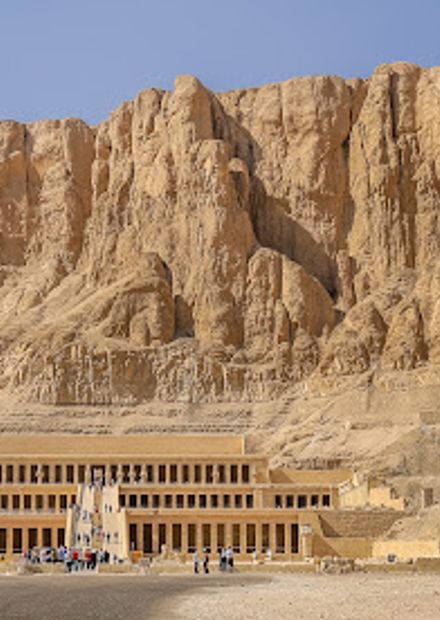
Deir el-Bahari travel guide
Explore the grandeur of Deir el-Bahari, the stunning mortuary temple of Hatshepsut, a highlight of ancient Egyptian architecture and history.
Tell me more about Deir el-BahariMore to explore near Deir el-Bahari

 Best experiences near Deir el-Bahari
 Best hotels near Deir el-Bahari
 Best attractions near Deir el-Bahari
 Best shops near Deir el-Bahari
 Best bars near Deir el-Bahari
 Best restaurants near Deir el-Bahari
Explore more

Explore more of Upper Egypt
Explore Upper Egypt: A Journey Through Ancient Temples, Majestic Tombs, and the Timeless Beauty of the Nile River in the Heart of Egypt.
Explore Upper Egypt
Getting your guide ready…
We are putting together a fresh copy of the Deir el-Bahari guide. This can take up to a minute.
This can take a few moments. If your browser asks, choose Allow so the download can start. You'll find the guide in your Downloads folder.
Nothing happened? Download it again
Sorry, the guide is taking longer than usual. Please try again in a minute, or get it by email instead.

