

Free Western Eritrea Travel Guide & Mobile App
Explore Western Eritrea with free travel guides. Discover regional history, expert tips, proposed trips, and audio guides on web or mobile app.


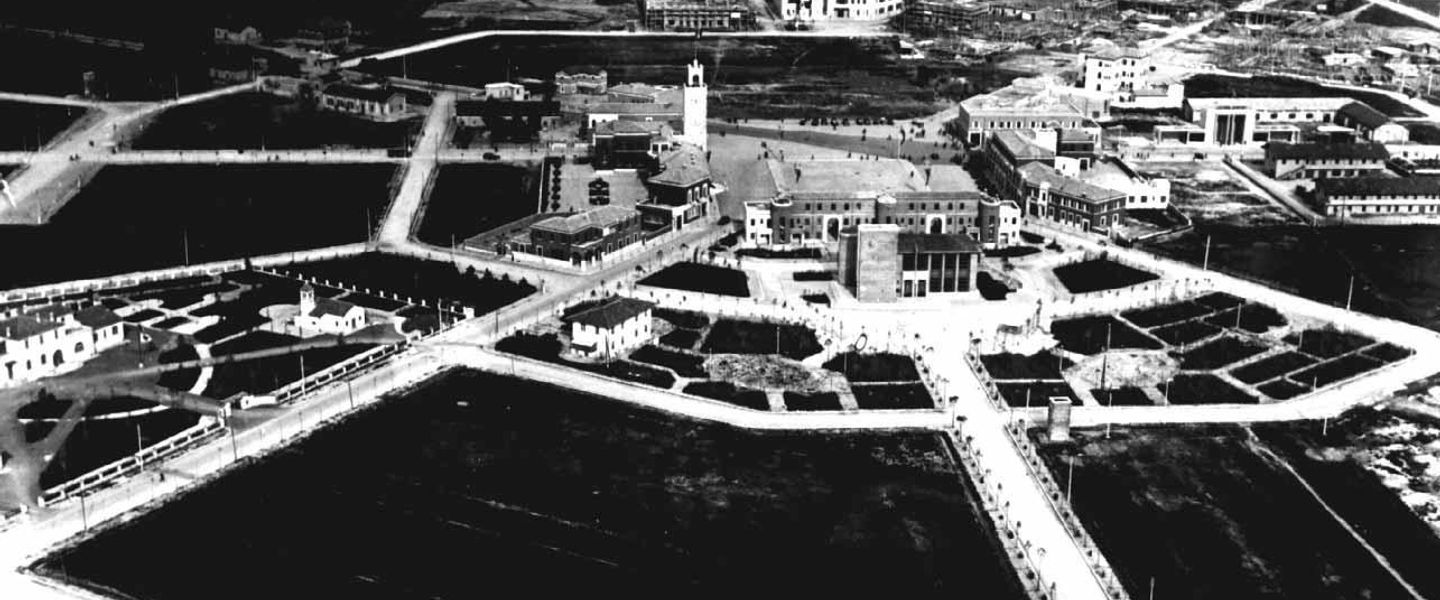


Explore Western Eritrea’s dry lowlands, river valleys, historic towns and diverse cultures through carefully arranged travel from Asmara.
Read more about Western Eritrea
When is the best time to visit Western Eritrea?
Best: December–February · 27–29°C| Month | High (°C) | Rainfall (mm) |
|---|---|---|
| January (best) | 27 | 2 |
| February (best) | 29 | 3 |
| March | 32 | 5 |
| April | 35 | 7 |
| May | 38 | 10 |
| June | 41 | 15 |
| July | 40 | 25 |
| August | 40 | 20 |
| September | 38 | 12 |
| October | 35 | 5 |
| November | 31 | 2 |
| December (best) | 27 | 1 |
Getting to and around Western Eritrea
How to get there
Transportation
Top city travel guides in Western Eritrea
The cities of Western Eritrea, and the easiest places to base yourself.
-

-

-
-

-

-


Swipe for more cities
Destinations in Western Eritrea
Resorts, valleys and scenic spots worth a trip of their own.
-

-

-

-


Swipe for more destinations
Best attractions in Western Eritrea
Western Eritrea's attractions are primarily landscape- and history-based rather than a developed circuit of ticketed sights. The broad Gash and Barka valleys provide the region's defining scenery, with seasonal riverbeds, cultivated areas, thorn scrub and open plains changing noticeably after rainfall. Barentu offers an introduction to the regional administration and commercial life of Gash-Barka, while Agordat is associated with the Barka valley and the transport history of the western lowlands. Tesseney has importance as a frontier market town, although its border setting requires particular caution and official guidance. In and around the principal towns, visitors may encounter colonial-era streetscapes, older religious buildings and local markets, but access and opening arrangements are not reliably organised for tourism. Rural visits can reveal pastoral and farming landscapes and the cultural diversity of Kunama, Nara, Tigre and other communities, provided that travel is authorised and conducted respectfully. The region is not equipped with a large network of museums, parks or family attractions, so its appeal lies in geography, historical context and carefully arranged contact with places that remain outside mainstream tourism.
-
Island
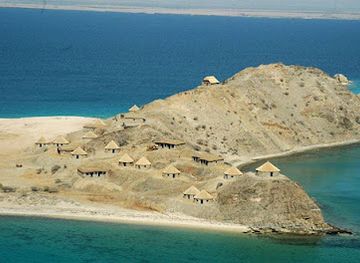
Dahlak Kebir
Explore the pristine beauty and rich marine life of Dahlak Kebir, an idyllic island escape in Eritrea's Dahlak Archipelago.
-
 Orthodox church
Medhanie Alem Eritrean Orthodox Church
Explore the spiritual essence of Eritrea at Medhanie Alem Eritrean Orthodox Church in Ziban Seraw, a cultural gem of Orthodox Christianity.
-
Historical landmark
Asfiha Gebreamlak
Explore Asfiha Gebreamlak, a remarkable historical landmark in Eritrea, where rich culture and captivating architecture await every visitor.
Best landmarks in Western Eritrea
The strongest landmarks of Western Eritrea are the Gash and Barka river corridors, whose seasonal waters have shaped settlement, agriculture, movement and political importance across the lowlands. Agordat's position near the Barka and its colonial-era administrative legacy make it one of the region's most historically recognisable townscapes. Barentu is the principal civic landmark of contemporary Gash-Barka, representing the region's administrative and commercial role rather than a single monumental building. Tesseney is distinguished by its location near the Sudanese frontier and by the movement of people and goods through a long-established borderland environment, although access and photography are subject to restriction. Older mosques, churches, market areas and colonial buildings can be significant locally, but their condition, accessibility and official status vary. The open lowland scenery itself is also central: thorn plains, cultivated river margins and distant escarpment views express the environmental contrast between Western Eritrea and the country's highlands. Visitors should treat checkpoints, government compounds, bridges and border installations as sensitive sites, not as photographic landmarks.
-
Historical landmark
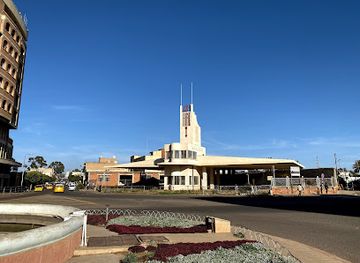
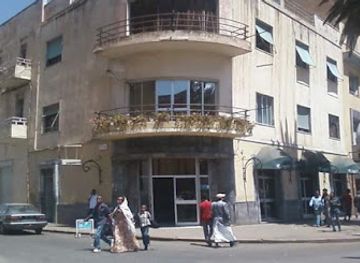
Fiat Tagliero ፡ፍያት ታሌሮ
Explore the Fiat Tagliero Building in Asmara, Eritrea, a stunning modernist landmark steeped in history and architectural beauty.
-
Catholic cathedral
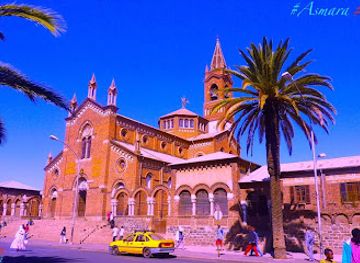
ኣስመራ ካቴድራል | Cathedral Our Lady of the Rosary
Discover the architectural beauty and spiritual essence of the Cathedral of Our Lady of the Rosary in Asmara, a remarkable tourist attraction in Eritrea.
-
Mosque
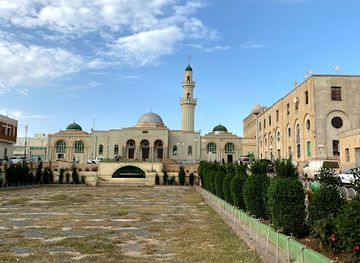
Khulafa al-Rashidun Mosque - ጃምዕ ኹለፋእ ኣልራሺዲን
Discover the stunning Khulafa al-Rashidun Mosque in Asmara, a beautiful symbol of Eritrea's rich architectural and cultural heritage.
-
National park
Dahlak Marine National Park
Discover the untouched beauty of Dahlak Marine National Park, a serene escape filled with vibrant marine life and rich cultural heritage in Eritrea.

Explore Western Eritrea on the map
Plan your trip on one map. See where the top cities, national parks and sights are, and book hotels and experiences in a few clicks.
Best hotels in Western Eritrea
Best restaurants in Western Eritrea
Dining in Western Eritrea is practical and locally focused, with restaurants and cafés concentrated in Barentu, Agordat, Tesseney and other larger settlements. Menus commonly reflect Eritrean food traditions, including injera served with stews, legumes, vegetables and meat, while the lowlands' links with Sudan and pastoral communities contribute to a broader frontier food culture. Coffee remains an important social custom, although preparation and presentation vary between communities. Travellers may find simple tea shops, snack counters and modest restaurants rather than a broad choice of international cuisine. Rural journeys require advance planning because food outlets become scarce outside the towns; packed provisions and bottled water are sensible. Fresh produce and grain products may be available through local markets when in season, but supply can be irregular. Visitors should not assume that card payment, refrigeration or dietary alternatives will be available, and should explain dietary requirements clearly through a local guide or accommodation provider.
-
Restaurant
Ghibabo Restaurant And Pizzeria
Experience authentic Italian cuisine blended with Eritrean flavors at Ghibabo Restaurant And Pizzeria in Asmara.
-
Eritrean
Golden Fork Fast Food
Experience authentic Eritrean cuisine at Golden Fork Fast Food in Asmara – where flavor meets tradition in every bite.
-
Cafe
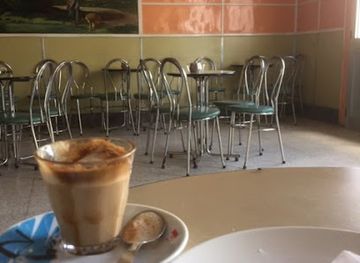
Bar Pasticceria Vittoria
Experience the heart of Eritrean coffee culture at Bar Pasticceria Vittoria—where delightful pastries meet aromatic brews in Asmara.
-
Restaurant
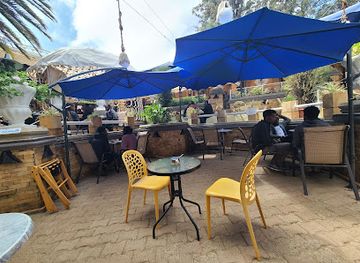
The Roof Garden
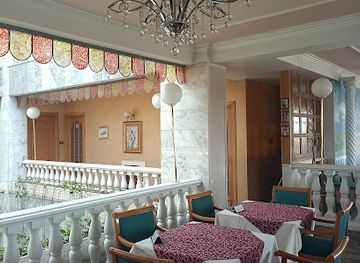
Experience exquisite Eritrean cuisine at The Roof Garden while enjoying breathtaking views of Asmara's skyline.

Best bars in Western Eritrea
Western Eritrea has a modest evening scene centred on cafés, tea houses, hotel restaurants and social gatherings rather than dedicated nightclubs. Barentu and Agordat offer the greatest likelihood of finding places open after dark, while smaller settlements generally become quiet early. Alcohol may be available in some licensed or hotel settings, but it is not necessary to engage with local culture and visitors should follow local expectations about behaviour and public conduct. Evening travel is discouraged in remote areas because of poor lighting, road conditions and security considerations. Live music and informal social occasions may occur, but schedules and venues are not reliably publicised. Tesseney's frontier position does not make it a conventional nightlife destination, and visitors should avoid approaching border areas after dark. In all towns, dress modestly, respect religious and community settings, and confirm transport arrangements before settling in for the evening.
-
Cafe
Bar Pasticceria Vittoria
Experience the delightful fusion of Eritrean and Italian flavors at Bar Pasticceria Vittoria in Asmara, a must-visit café for every traveler.
-
Cafeteria
Bar Royal
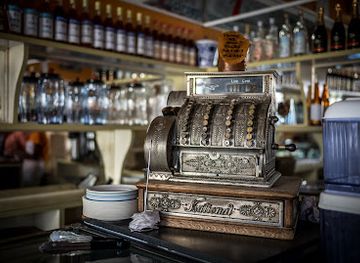
Experience the warm ambiance and delicious offerings of Bar Royal, the perfect cafeteria to immerse yourself in Asmara's local culture.
-
Bar
Bar selam ባር ሰላም ( እንዳ ሳባ)
Discover Eritrean hospitality at Bar Selam, an inviting bar in Adi Kontsi offering local drinks and a vibrant atmosphere for tourists.
-
Bar
Bar Jima
Experience the vibrant nightlife at Bar Jima in Asmara, where local culture meets refreshing drinks and a welcoming atmosphere.
Best nightclubs in Western Eritrea
Western Eritrea has a modest evening scene centred on cafés, tea houses, hotel restaurants and social gatherings rather than dedicated nightclubs. Barentu and Agordat offer the greatest likelihood of finding places open after dark, while smaller settlements generally become quiet early. Alcohol may be available in some licensed or hotel settings, but it is not necessary to engage with local culture and visitors should follow local expectations about behaviour and public conduct. Evening travel is discouraged in remote areas because of poor lighting, road conditions and security considerations. Live music and informal social occasions may occur, but schedules and venues are not reliably publicised. Tesseney's frontier position does not make it a conventional nightlife destination, and visitors should avoid approaching border areas after dark. In all towns, dress modestly, respect religious and community settings, and confirm transport arrangements before settling in for the evening.
-
Bar
Bar Jima
Experience the vibrant atmosphere and local flavors at Bar Jima, the heart of social life in Asmara, Eritrea.
-
Night club
Disco Club
Dance the night away at Mitsiwa's vibrant Disco Club, where Eritrean nightlife comes alive with pulsating music and an electrifying atmosphere.
-
Disco club
West End
Discover the vibrant nightlife of Asmara at West End, where music, dance, and cultural experiences come alive in an energetic disco atmosphere.
-
Club
Benifer Nightclub
Discover the lively atmosphere of Benifer Nightclub in Asmara, Eritrea, where music, dancing, and socializing come together for an unforgettable nightlife experience.
Best shops in Western Eritrea
Shopping in Western Eritrea is concentrated in the markets and small commercial streets of Barentu, Agordat and Tesseney. These are primarily places for food, clothing, household goods and everyday provisions rather than specialist tourist retail. Visitors may find grain, pulses, seasonal produce, coffee, spices and locally made household items, with availability changing according to harvests, transport and regional supply. Simple woven goods, baskets or mats may appear in local markets, but they should be bought from sellers who can explain their origin and use rather than assumed to be standard souvenirs. Tesseney's frontier-trade character gives its commerce a different feel from the administrative market of Barentu or the river-valley setting of Agordat. Carry sufficient cash, ask permission before photographing stalls and do not expect card payment outside limited formal businesses. Because retail supplies are uneven, purchase essential medicines, toiletries and specialist food requirements before leaving Asmara.
-
Tour operator
Eritrea Visit
Explore Eritrea's breathtaking landscapes and rich culture with Eritrea Visit, your trusted travel agency and tour operator.
-
Store
Kahawta
Discover the heart of Eritrean culture at Kahawta, a unique store in Asmara offering authentic local crafts and community connection.
-
Monastery
Debre Bizen
Experience the tranquility and spiritual heritage of Debre Bizen Monastery in Nefasit, Eritrea, where beauty and serenity await every visitor.
-
Supermarket
Wikianos Supermarket
Explore a diverse selection of local and international products at Wikianos Supermarket in Asmara, Eritrea's vibrant shopping destination.

Get your free copy of our complete guide to Western Eritrea, delivered straight to you.
Everything on this page, from attractions and restaurants to essentials and local phrases, in one PDF you can read offline, print or share.
Already have an account? Sign in
Your Western Eritrea guide is ready.
We'll send it to · Not you? Sign out

Getting your guide ready…
We are putting together a fresh copy of the Western Eritrea guide. This can take up to a minute.
This can take a few moments. If your browser asks, choose Allow so the download can start. You'll find the guide in your Downloads folder.
Nothing happened? Download it again
Sorry, the guide is taking longer than usual. Please try again in a minute, or get it by email instead.
Western Eritrea essentials
Currency and Payment
Safety
Emergency Situations
Do's and Don'ts
Local Tips
From Eve
Local phrases worth knowing
You don't need to get them perfect. A few words go a long way, and locals appreciate the effort.
Basics
| English | Local | Say it |
|---|---|---|
| Hello | Selam | [Seh-lahm] |
| Goodbye | Dehan | [Deh-han] |
| Yes | Iye | [Ee-yeh] |
| No | Aye | [Ah-yeh] |
| Please/You're welcome | Iwedihalehu | [Ee-weh-dee-ha-leh-hoo] |
| Thank you | Yekenyeley | [Yeh-ken-yeh-leh-yee] |
| Excuse me/Sorry | Ewedihalehu | [Eh-weh-dee-ha-leh-hoo] |
| How are you? | Kemey alek? | [Ke-meh-yee ah-lek] |
| Fine. And you? | T'k'ey, kemey alek? | [Tee-k'ay, ke-meh-yee ah-lek] |
| Do you speak English? | Englizi t'k'ey? | [En-glee-zee tee-k'ay] |
| I don't understand | Aynih t'k'ey | [Ah-yee-nee tee-k'ay] |
Eating & Drinking
| English | Local | Say it |
|---|---|---|
| I'd like to see the menu, please | Menyu y'k'ey, ibel y'k'ey | [Men-you yee-k'ay, ee-bel yee-k'ay] |
| I don't eat meat | Beyt t'k'ey | [Bayt tee-k'ay] |
| Cheers! | L'ewd | [Leh-ood] |
| I would like to pay, please | Bela t'k'ey, ibel y'k'ey | [Be-lah tee-k'ay, ee-bel yee-k'ay] |
Emergencies
| English | Local | Say it |
|---|---|---|
| Help! | Y'k'ey! | [Yee-k'ay] |
| Go away! | Zey'k'ey! | [Zay-k'ay] |
| Call the Police! | Polisi y'k'ey! | [Po-lee-see yee-k'ay] |
| Call a doctor! | Daktari y'k'ey! | [Dahk-tah-ree yee-k'ay] |
| I'm lost | Aynih zey'k'ey | [Ah-yee-nee zay-k'ay] |
| I'm ill | Aynih r'a | [Ah-yee-nee rah] |
Shopping
| English | Local | Say it |
|---|---|---|
| I'd like to buy... | Bela k'ey... | [Be-lah keh-yee] |
| I'm just looking | Aynih zey'k'ey | [Ah-yee-nee zay-k'ay] |
| How much is it? | K'emey y'k'ey? | [Ke-meh-yee yee-k'ay] |
| That's too expensive | Y'k'ey kharbi | [Yee-k'ay khar-bee] |
| Can you lower the price? | Y'k'ey zey'k'ey? | [Yee-k'ay zay-k'ay] |
Time & Numbers
| English | Local | Say it |
|---|---|---|
| What time is it? | K'emey y'k'ey? | [Ke-meh-yee yee-k'ay] |
| It's one o'clock | K'emey ka'ah | [Ke-meh-yee kah-ah] |
| Half past (10) | H'alf t'k'ey (10) | [Hahl-f tee-k'ay (10)] |
| Morning | Bela | [Be-lah] |
| Afternoon | S'ey | [S'eh-yee] |
| Evening | Ariye | [Ah-ree-yeh] |
| Yesterday | D'k'ey | [Dih-k'ay] |
| Today | Zey'k'ey | [Zay-k'ay] |
| Tomorrow | K'ey zey'k'ey | [K'ay zay-k'ay] |
| 1 | Id | [Eed] |
| 2 | K'ey | [K'ay] |
| 3 | Selam | [Seh-lahm] |
| 4 | Arba | [Ahr-ba] |
| 5 | H'amus | [Hah-moos] |
| 6 | S'ey | [S'eh-yee] |
| 7 | Seb'ay | [Seb-ay] |
| 8 | S'ey t'k'ey | [S'eh-yee tee-k'ay] |
| 9 | T'sey | [T'eh-yee] |
| 10 | Aser | [Ah-sehr] |
Transport & Directions
| English | Local | Say it |
|---|---|---|
| Where's a/the...? | K'ey zey'k'ey...? | [K'ay zay-k'ay] |
| What's the address? | K'emey y'k'ey? | [Ke-meh-yee yee-k'ay] |
| Can you show me (on the map)? | Zey'k'ey y'k'ey (m'ap)? | [Zay-k'ay yee-k'ay (map)] |
| When's the next (bus)? | K'emey y'k'ey (bus)? | [Ke-meh-yee yee-k'ay (bus)] |
| A ticket (to ....) | Bilet (k'ey ....) | [Bee-let (k'ay ....)] |
History of Western Eritrea
Early Gash-Barka Settlement and Exchange
The western lowlands have long been a meeting ground between the Eritrean interior, the Sudanese plains and routes leading towards the Red Sea. Archaeological research in the wider Gash basin has identified early farming and pastoral communities, including traditions associated with the first and second millennia BCE. Seasonal rivers, wells and grasslands supported movement and exchange, while the region's position between different ecological zones encouraged contact between settled cultivators and mobile herders.
Medieval and Early Modern Frontier Networks
Before modern borders, western Eritrea formed part of wider political and commercial systems linking the northern Horn of Africa with the Nile Valley. Authority was often layered and changing, with local communities, regional rulers and merchant networks influencing access to pasture, water and routes. Islam spread through parts of the lowlands over many centuries, while local religious and cultural traditions remained diverse. The frontier character of the region has therefore deep historical roots rather than being solely a product of colonial boundaries.
Ottoman-Egyptian and Regional Rivalries
During the nineteenth century, Ottoman-Egyptian expansion and competing powers sought influence across the western lowlands and adjacent Sudanese territories. Control of river valleys, caravan routes and settlements such as Agordat mattered both commercially and strategically. Authority remained uneven, and local communities negotiated, resisted or accommodated outside power in different ways. These rivalries helped make the western region a contested corridor before Italian colonial rule consolidated a more formal administrative system.
Italian Colonial Rule, 1890–1941
Italy incorporated Eritrea as a colony in 1890 and gradually extended its administration into the western lowlands. Agordat became an important centre on routes between the highlands, the Sudanese frontier and the Barka valley. Colonial rule introduced new administrative divisions, roads, military posts and commercial patterns, while also imposing labour demands and political control. Some built features and town layouts date from this period, although the colonial landscape was superimposed on much older settlement and trading networks.
British Military Administration, 1941–1952
British forces defeated Italy in Eritrea during the East African campaign of the Second World War, after which the territory was administered by Britain until the United Nations settlement of 1952. The western lowlands were strategically important because of their proximity to Sudan and their transport routes. The period brought administrative reorganisation and economic disruption, while debates about Eritrea's political future intensified. British rule ended when Eritrea entered a federal association with Ethiopia under United Nations arrangements.
Federation, Annexation and the War for Independence
Eritrea's federation with Ethiopia began in 1952 but was dismantled by 1962, when the territory was annexed. Armed resistance developed into a prolonged independence war, with the western lowlands becoming an important area for military movement, supply and political mobilisation. Towns, villages and agricultural communities were deeply affected by displacement and conflict. The Eritrean People's Liberation Front took control of the territory in 1991, and Eritrea became independent after the 1993 referendum.
Post-Independence Gash-Barka
Since independence, the western region has remained important for agriculture, livestock, transport and national food-security planning. Irrigation and development schemes have sought to make more productive use of the Gash and Barka valleys, though climate variability, limited infrastructure and the legacy of war continue to shape livelihoods. Barentu serves as the regional administrative centre, while Agordat and Tesseney retain importance as commercial and transport towns. Movement and access remain closely regulated, especially near international borders.
Western Eritrea in Photos
Browse through our photo collection highlighting the charm and character of the destination.
Neighbouring regions of Western Eritrea
The closest regions to Western Eritrea, if you have time for more than one.
-

-

-

-

-


Swipe for more regions
Explore more

Explore more of Eritrea
Discover Eritrea: A land of ancient history, stunning coastlines, and vibrant cultures nestled in the heart of the Horn of Africa.
Explore Eritrea