

Pyhä-Luosto National Park Travel Guide - Free Web & App
Your ultimate guide to Pyhä-Luosto National Park. Discover top landmarks, proposed trips, and local tips. Free on the web or via the Evendo companion app.


Pyhä-Luosto National Park in Finland combines ancient fells, Arctic forests, Sámi heritage, hiking trails, northern lights and year-round outdoor adventures.
Fells, Forests and Arctic Light
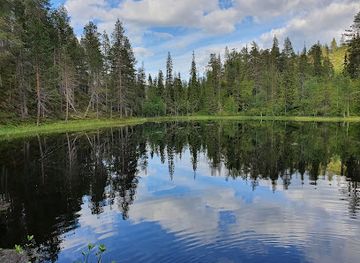
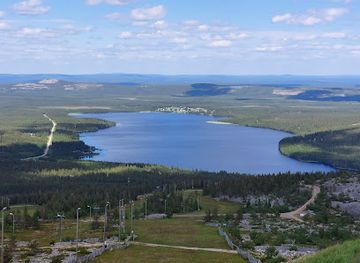
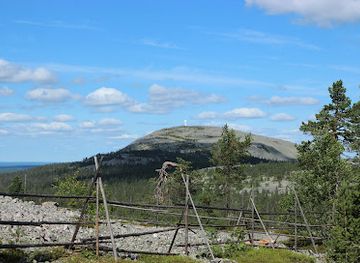
Pyhä-Luosto National Park stretches across a north–south chain of ancient rounded fells in Finnish Lapland, between the village of Pyhä in the north and Luosto in the south. The park protects one of Finland’s oldest surviving upland landscapes, where spruce and pine forests climb towards open fell tops, narrow ravines cut through the terrain and snow can transform the landscape for much of the year. Pyhä-Luosto is compact by Lapland standards, yet its elongated shape creates distinctly different experiences between the two gateway areas.Read more about Pyhä-Luosto National Park
Nature and Sámi Heritage
Two Gateways, Four Seasons
When is the best time to visit Pyhä-Luosto National Park?
Best: June–August · 14–18°C| Month | High (°C) | Rainfall (mm) |
|---|---|---|
| January | -10 | 30 |
| February | -10 | 28 |
| March | -6 | 24 |
| April | 1 | 17 |
| May | 7 | 14 |
| June (best) | 14 | 11 |
| July (best) | 18 | 10 |
| August (best) | 16 | 11 |
| September | 9 | 12 |
| October | 4 | 18 |
| November | -3 | 22 |
| December | -7 | 27 |
Getting to and around Pyhä-Luosto National Park
How to get there
Transportation
Best attractions in Pyhä-Luosto National Park
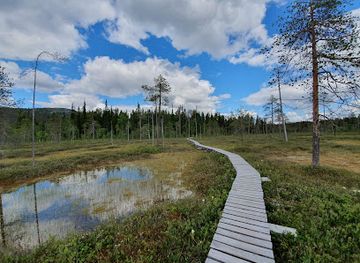
The park’s best-known attraction is Isokuru, a steep-sided ravine near Pyhä where marked trails pass through rock, forest and changing terrain. The surrounding Pyhätunturi fells provide open viewpoints, while routes towards Noitatunturi lead into quieter upland scenery when conditions and trail access permit. Around Luosto, trails cross old pine and spruce forests, mires and fell slopes, offering a different perspective on the same protected landscape. The visitor and nature information facilities in the gateway areas help explain local geology, wildlife and responsible access. Outside the park’s boundaries but closely associated with Luosto, the Lampivaara amethyst mine provides a geological and cultural attraction connected with the region’s mineral heritage. In winter, the landscape becomes a setting for cross-country skiing and snowshoeing, while summer and autumn are suited to hiking, nature observation and photography. Reindeer and Arctic birdlife may be encountered, though wildlife sightings remain dependent on season, weather and chance.
-
Museum
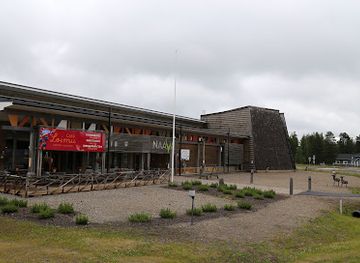
Pyhä-Luosto Visitor and Culture Center Naava
Explore the cultural and natural treasures of Lapland at the Pyhä-Luosto Visitor and Culture Center Naava, your gateway to adventure.
-
Mining company
Lampivaaran Ametistikaivos, Pyhä-Luosto, Lappi
Explore the enchanting Lampivaaran Ametistikaivos in Pyhä-Luosto National Park, where geology meets nature in mesmerizing Lapland landscapes.
-
Mining company
Lampivaaran Ametistikaivos, Pyhä-Luosto, Lappi
Experience the magic of Lapland at Lampivaaran Ametistikaivos, where adventure meets the beauty of nature and the thrill of treasure hunting.
-
Mountain peak
Luosto
Explore Luosto in Finnish Lapland: Stunning mountain views, year-round adventures, and an unforgettable experience in nature's embrace.
Best landmarks in Pyhä-Luosto National Park
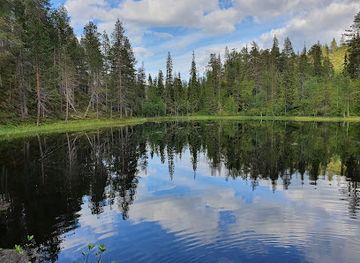
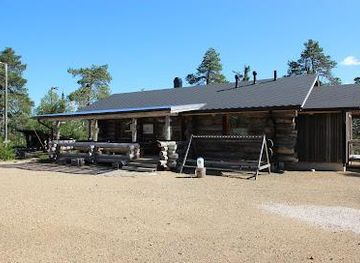
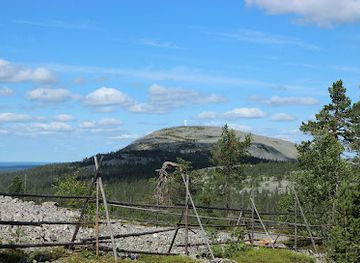
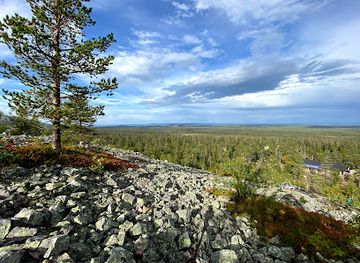
Isokuru is Pyhä-Luosto’s defining natural landmark, a prominent ravine whose rocky walls and forested slopes reveal the force of erosion and the area’s resistant bedrock. The chain of Pyhä and Luosto fells forms the park’s larger geographical landmark, creating open summits above extensive northern forests and mires. Noitatunturi, one of the higher and more remote fell tops, is associated with demanding walking routes and wide views when weather permits. The old forests and exposed quartzite-rich formations are significant both ecologically and geologically, while the park boundary itself preserves a landscape shaped by ice, water and long human use. Near Luosto, the Lampivaara amethyst mine is an important nearby geological attraction, though it is distinct from the national park’s protected landmarks.
-
Museum
Pyhä-Luosto Visitor and Culture Center Naava
Experience the beauty of Finnish Lapland at the Pyhä-Luosto Visitor and Culture Center Naava, where nature and culture unite in a breathtaking setting.
-
Ski resort
Pyhä Ski Resort
Discover the magic of winter sports at Pyhä Ski Resort, a premier destination in Finnish Lapland, offering breathtaking landscapes and thrilling slopes.
-
Mountain peak
Pyhätunturi
Explore the breathtaking beauty of PyhäTunturi, a premier mountain peak in Finland, offering skiing and hiking adventures amidst stunning wilderness.
-
Mining company
Lampivaaran Ametistikaivos, Pyhä-Luosto, Lappi
Experience the thrill of amethyst mining in the stunning landscapes of Pyhä-Luosto National Park, Lapland, Finland.
Explore Pyhä-Luosto National Park on the map
Plan your trip on one map. See where the top attractions, landmarks, restaurants and hotels are, and book hotels and experiences in a few clicks.
Best hotels in Pyhä-Luosto National Park
Best restaurants in Pyhä-Luosto National Park
Dining is concentrated in Pyhä and Luosto rather than within the national park itself. Resort restaurants, cafés, hotel dining rooms and traditional-style eateries commonly draw on northern Finnish ingredients such as reindeer, fish, mushrooms, berries, potatoes and rye, although menus vary between establishments and seasons. Poronkäristys, or sautéed reindeer, is a recognised Lapland speciality, while salmon, vendace and berry desserts reflect the region’s forests and waterways. Visitors staying in cottages often make use of local supermarkets or small food shops to prepare meals, and some nearby producers and farm shops offer regional goods. In remote trail areas there are no dependable cafés or restaurants, so walkers should carry food and water. The most practical choice for a meal after a day outdoors is usually one of the accommodation or restaurant venues in Pyhä or Luosto.
-
Finnish
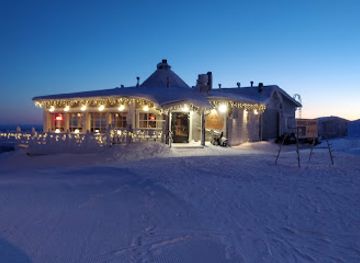
Restaurant Punakettu
Savor authentic Finnish flavors at Restaurant Punakettu in Luosto – where local ingredients meet culinary tradition.
-
Restaurant
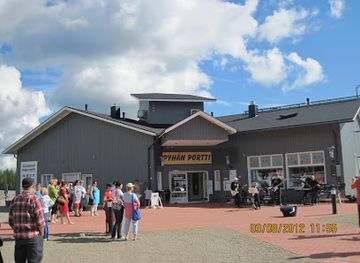
Ravintola Pyhän Uula
Savor authentic Finnish dishes with a Lapland twist at Ravintola Pyhän Uula – your gateway to local culinary delights.
-
Restaurant
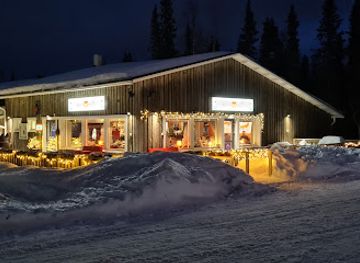
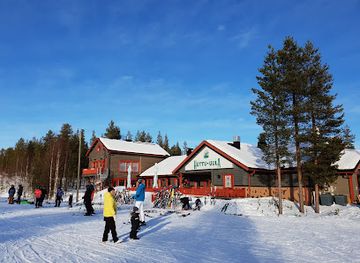
Huttuhippu
Experience the best Finnish cuisine at Huttuhippu in Pyhätunturi – where local flavors meet breathtaking mountain views.
-
Restaurant
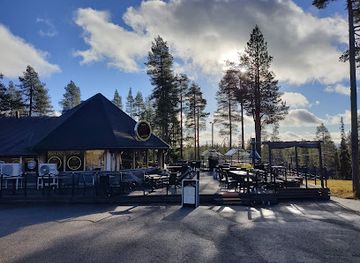
Ravintola Tsokka
Experience exquisite Finnish cuisine surrounded by breathtaking views at Ravintola Tsokka on Pyhä Mountain.
Best bars in Pyhä-Luosto National Park
Pyhä-Luosto is not a nightlife destination in the urban sense, and the national park itself has no bars or clubs. Evening activity is centred on the resort settlements, where hotel bars, restaurant lounges, traditional pubs and occasional seasonal entertainment provide a sociable setting after hiking or winter sports. Pyhä’s ski-resort environment can feel livelier during the main winter season, while Luosto is generally quieter and more focused on accommodation, dining and organised excursions. In both areas, evening options depend on the season and individual venue schedules, so late-night transport should not be assumed. Away from the gateways, darkness, silence and the possibility of seeing the northern lights are more characteristic than organised entertainment.
-
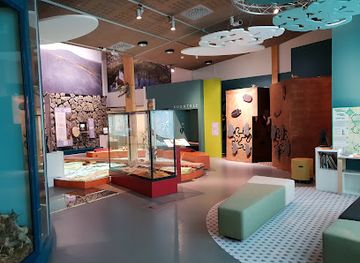
Museum
Pyhä-Luosto Visitor and Culture Center Naava
Explore the Pyhä-Luosto Visitor and Culture Center Naava, your gateway to the stunning landscapes and rich culture of Finnish Lapland.
-
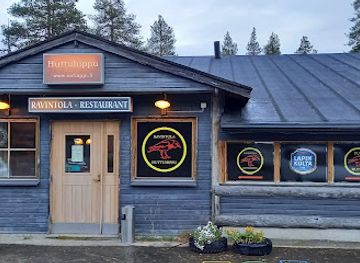
Restaurant
Huttuhippu
Experience the heart of Finnish cuisine at Huttuhippu, a cozy restaurant in Pyhätunturi offering local delicacies amidst stunning natural beauty.
-
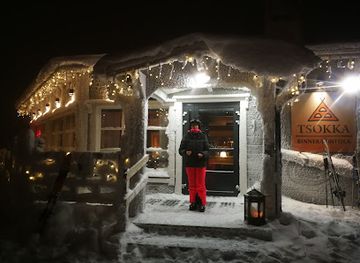
Restaurant
Ravintola Tsokka
Experience the perfect blend of stunning views and exquisite Finnish cuisine at Ravintola Tsokka, a must-visit restaurant in PyhäTunturi.
-
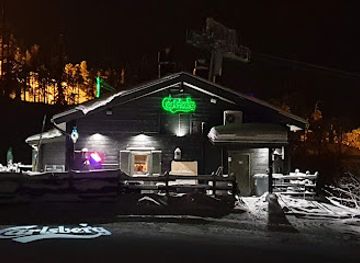
Bar
Calle-talo Pyhätunturi
Experience the essence of Finnish culture at Calle-talo Pyhätunturi, a charming bar and cafe nestled in the heart of nature's beauty.
Best nightclubs in Pyhä-Luosto National Park
Pyhä-Luosto is not a nightlife destination in the urban sense, and the national park itself has no bars or clubs. Evening activity is centred on the resort settlements, where hotel bars, restaurant lounges, traditional pubs and occasional seasonal entertainment provide a sociable setting after hiking or winter sports. Pyhä’s ski-resort environment can feel livelier during the main winter season, while Luosto is generally quieter and more focused on accommodation, dining and organised excursions. In both areas, evening options depend on the season and individual venue schedules, so late-night transport should not be assumed. Away from the gateways, darkness, silence and the possibility of seeing the northern lights are more characteristic than organised entertainment.
-
Night club
Karhu
Experience the vibrant nightlife of Luosto at Karhu, the ultimate destination for entertainment and relaxation in Finnish Lapland.

Best shops in Pyhä-Luosto National Park
Shopping is limited inside the national park and concentrated in the gateway areas of Pyhä and Luosto. Small supermarkets, convenience shops and resort retailers provide practical supplies, outdoor clothing and equipment, while local businesses may sell Lapland-themed gifts, jewellery, natural products and handicrafts. Regional foods such as cloudberry products, berry preserves, smoked fish and other northern specialities can appear in shops or farm-producer outlets, depending on the season. Reindeer-related products and Sámi-inspired goods require thoughtful purchasing: visitors should look for clearly identified authentic makers and avoid treating Sámi cultural symbols as generic souvenirs. The Lampivaara area near Luosto is associated with amethyst products, reflecting local geology. For a wider range of everyday shopping, visitors usually need to travel beyond the two small resort settlements to larger regional towns.
-
Museum
Pyhä-Luosto Visitor and Culture Center Naava
Explore the stunning beauty and cultural richness of Lapland at Pyhä-Luosto Visitor and Culture Center Naava, your gateway to nature's wonders.
-
Grocery store
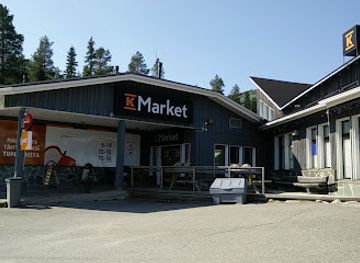
K-Market Pyhätunturi
Discover fresh produce and authentic Finnish flavors at K-Market Pyhätunturi, your go-to grocery store in the heart of Pyhätunturi.
-
Grocery store
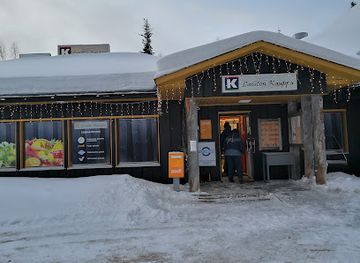
Luoston Kauppa
Explore Luoston Kauppa, your go-to grocery store in Luosto, for authentic Finnish products and local treasures amid stunning Lapland scenery.
-
Clothing store
Ilona - Pienoistavaratalo
Explore Ilona - Pienoistavaratalo in Pelkosenniemi for a unique clothing shopping experience that showcases Finnish style and creativity.
Get your free copy of our complete guide to Pyhä-Luosto National Park, delivered straight to you.
Everything on this page, from attractions and restaurants to essentials and local phrases, in one PDF you can read offline, print or share.
Already have an account? Sign in
Your Pyhä-Luosto National Park guide is ready.
We'll send it to · Not you? Sign out

Getting your guide ready…
We are putting together a fresh copy of the Pyhä-Luosto National Park guide. This can take up to a minute.
This can take a few moments. If your browser asks, choose Allow so the download can start. You'll find the guide in your Downloads folder.
Nothing happened? Download it again
Sorry, the guide is taking longer than usual. Please try again in a minute, or get it by email instead.
Pyhä-Luosto National Park essentials
Currency and Payment
Safety
Emergency Situations
Do's and Don'ts
Local Tips
From Eve
Local phrases worth knowing
You don't need to get them perfect. A few words go a long way, and locals appreciate the effort.
Basics
| English | Local | Say it |
|---|---|---|
| Hello | Terve | [tehr-veh] |
| Goodbye | Näkemiin | [nah-keh-meen] |
| Yes | Kyllä | [kuu-laa] |
| No | Ei | [ay] |
| Please/You're welcome | Ole hyvä | [oh-leh huu-vaa] |
| Thank you | Kiitos | [kee-tohs] |
| Excuse me/Sorry | Anteeksi | [ahn-tehk-see] |
| How are you? | Kuinka voit? | [kween-kah voyt] |
| Fine. And you? | Hyvin. Entä sinä? | [hoo-veen. en-taa see-naa] |
| Do you speak English? | Puhutko englantia? | [poo-hoot-koh eng-lahn-tee-ah] |
| I don't understand | En ymmärrä | [en uhm-ma-raa] |
Eating & Drinking
| English | Local | Say it |
|---|---|---|
| I'd like to see the menu, please | Saisinko ruokalistan, kiitos | [sai-sin-koh roo-kah-lee-stahn, kee-tohs] |
| I don't eat meat | En syö lihaa | [en syuu lee-haa] |
| Cheers! | Kippis! | [kip-pis] |
| I would like to pay, please | Haluan maksaa, kiitos | [hah-lu-ahn mahk-saa, kee-tohs] |
Emergencies
| English | Local | Say it |
|---|---|---|
| Help! | Apua! | [ah-poo-ah] |
| Go away! | Mene pois! | [meh-neh poh-ees] |
| Call the Police! | Soita poliisille! | [soi-tah poh-lee-see-leh] |
| Call a doctor! | Soita lääkärille! | [soi-tah laah-kah-ree-leh] |
| I'm lost | Olen eksyksissä | [oh-lehn ek-suu-ksee-saa] |
| I'm ill | Olen sairas | [oh-lehn sai-rahs] |
Shopping
| English | Local | Say it |
|---|---|---|
| I'd like to buy... | Haluan ostaa... | [hah-lu-ahn oh-staa] |
| I'm just looking | Katson vain | [kaht-sohn vain] |
| How much is it? | Paljonko se maksaa? | [pahl-yon-koh seh mahk-saa] |
| That's too expensive | Se on liian kallis | [se ohn lee-yahn kahl-lees] |
| Can you lower the price? | Voisitko laskea hintaa? | [voi-see-tkoh lahs-eh-ka hin-taa] |
Time & Numbers
| English | Local | Say it |
|---|---|---|
| What time is it? | Mitä kello on? | [mee-taa keh-loh ohn] |
| It's one o'clock | On yksi | [ohn uuk-see] |
| Half past (10) | Puoli (10) | [poo-oh-lee (10)] |
| Morning | Aamu | [ah-moo] |
| Afternoon | Iltapäivä | [eel-tah-pah-ee-vah] |
| Evening | Ilta | [eel-tah] |
| Yesterday | Eilen | [ay-lehn] |
| Today | Tänään | [tah-nah-ahn] |
| Tomorrow | Huomenna | [hoo-oh-mehn-nah] |
| 1 | Yksi | [uuk-see] |
| 2 | Kaksi | [kahk-see] |
| 3 | Kolme | [kohl-meh] |
| 4 | Neljä | [nel-yaa] |
| 5 | Viisi | [vee-see] |
| 6 | Kuusi | [kuu-see] |
| 7 | Seitsemän | [sait-seh-mahn] |
| 8 | Kahdeksan | [kah-dehk-sahn] |
| 9 | Yhdeksän | [uud-ehk-sahn] |
| 10 | Kymmenen | [kuum-meh-nen] |
Transport & Directions
| English | Local | Say it |
|---|---|---|
| Where's a/the...? | Missä on... | [mees-saa ohn] |
| What's the address? | Mikä on osoite? | [mee-kah ohn oh-soi-teh] |
| Can you show me (on the map)? | Voitko näyttää minulle (kartalla)? | [voi-tko nayt-taa mee-nul-le (kar-tah-lah)] |
| When's the next (bus)? | Milloin on seuraava (bussi)? | [mil-loin ohn se-oo-rah-vah (bus-see)] |
| A ticket (to ....) | Lippu (....) | [lip-poo] |
History of Pyhä-Luosto National Park
An Ancient Upland Landscape
The quartzite and other resistant rocks of the Pyhä-Luosto fell chain form part of an extremely old geological landscape in Finnish Lapland. Ice sheets repeatedly shaped the uplands during the last Ice Age, smoothing exposed summits, deepening valleys and leaving behind the rocky ravines and slopes seen today. The resulting terrain is not a high alpine range but a sequence of forested hills and open fell tops, whose age and geological character distinguish them from much of the surrounding lowland forest.
Sámi Use of the Fells
The Pyhä-Luosto area lies within a wider cultural landscape shaped by Sámi communities and centuries of seasonal use. Hunting, fishing, gathering and reindeer herding connected people with the forests, mires and fell corridors long before the area became a national park. Place names and continuing reindeer husbandry preserve aspects of this relationship, although the modern protected area is not a museum of Sámi life and visitors should avoid treating living cultural traditions as folklore.
Forestry and Changing Land Use
The forests around the fells have also been affected by later Finnish land use, including forestry and the development of settlements, roads and winter tourism. Compared with intensively managed commercial woodland, areas of old forest and deadwood within the park retain ecological qualities that are increasingly scarce elsewhere. The contrast between protected forest, working landscapes and resort development helps explain why the national park is both a conservation area and part of a lived-in regional economy.
Pyhätunturi National Park
Pyhätunturi National Park was established in 1938, making it one of Finland’s earliest national parks. Its creation reflected growing recognition of the Pyhä fells, old forests and ravines as landscapes requiring protection from more intensive exploitation. The original park centred on the Pyhätunturi area, including the distinctive scenery around Isokuru, and gradually became associated with hiking, nature study and the emerging tourism economy of Finnish Lapland.
The Modern National Park
In 2005, Pyhätunturi National Park was enlarged and renamed Pyhä-Luosto National Park, bringing the Luosto fell area into the same protected entity. The change created a longer, connected landscape of forests, fells and wetlands while linking two established visitor areas. Today, Metsähallitus manages the park for conservation and responsible recreation, balancing trails, winter activities and tourism with the protection of habitats, geological features and the cultural landscape.
Pyhä-Luosto National Park in Photos
Browse through our photo collection highlighting the charm and character of the destination.
Neighbouring destination travel guides
The closest destinations to Pyhä-Luosto National Park, if you have time for more than one.
-

-

-

-

-


Swipe for more destinations
Explore more
Explore more of Lapland
Discover the magic of Lapland, Finland - a land of endless winter adventures, mesmerizing Northern Lights, and rich Sámi culture, perfect for family fun and serene escapes.
Explore Lapland
Explore more of Finland
Explore Finland, where the Midnight Sun meets the Northern Lights, offering a unique blend of natural beauty, rich culture, and unforgettable experiences.
Explore Finland