

Lake Okeechobee Travel Guide - Free Web & App
Your ultimate guide to Lake Okeechobee. Discover top landmarks, proposed trips, and local tips. Free on the web or via the Evendo companion app.


Lake Okeechobee in Florida offers bass fishing, birdwatching, scenic dike trails, waterfront towns and insight into the Everglades water system.
A Vast Shallow Lake
Lake Okeechobee occupies a broad, remarkably shallow basin in southern Florida, surrounded by the communities of Okeechobee, Pahokee, Belle Glade, South Bay, Clewiston and Moore Haven. Its open horizon, reed-fringed edges and changing light create a landscape that feels elemental rather than conventionally scenic. The lake is the largest freshwater lake in Florida and a central component of the wider Everglades water system, receiving water from the Kissimmee River and releasing it through managed channels towards the St Lucie and Caloosahatchee estuaries.Read more about Lake Okeechobee
Wildlife, Water and Working Landscapes
Exploring the Shoreline
When is the best time to visit Lake Okeechobee?
Best: February–March, November · 23–26°C| Month | High (°C) | Rainfall (mm) |
|---|---|---|
| January | 22 | 57 |
| February (best) | 23 | 56 |
| March (best) | 25 | 76 |
| April | 28 | 84 |
| May | 31 | 121 |
| June | 32 | 203 |
| July | 32 | 206 |
| August | 32 | 211 |
| September | 32 | 214 |
| October | 29 | 119 |
| November (best) | 26 | 76 |
| December | 22 | 58 |
Getting to and around Lake Okeechobee
How to get there
Transportation
Best attractions in Lake Okeechobee
The Lake Okeechobee Scenic Trail is the principal land-based attraction, following the Herbert Hoover Dike around much of the lake and providing broad views across open water, marsh edges and agricultural country; individual sections should be checked for current access and maintenance conditions. Clewiston, on the southern shore, offers fishing, boating and an agricultural perspective shaped by the surrounding sugar industry, while Okeechobee town serves as a gateway to the northern and eastern shoreline. Pahokee, Belle Glade and South Bay provide access to the lake’s southern communities and the cultural landscape of the Everglades agricultural area. Wildlife observation is rewarding around suitable wetlands and shoreline habitats, with wading birds, ospreys, alligators and fish among the species visitors may encounter. Anglers come especially for largemouth bass and crappie, while boaters use authorised marinas and ramps to explore the lake and connected waterways under local regulations.
-
Casino
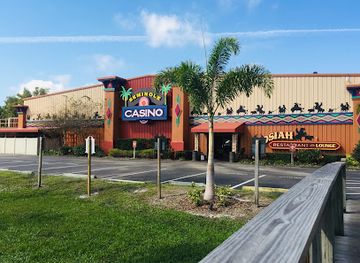
Seminole Casino Brighton
Discover thrilling gaming, delicious dining, and vibrant entertainment at Seminole Casino Brighton, Florida's premier casino destination.
-
Park
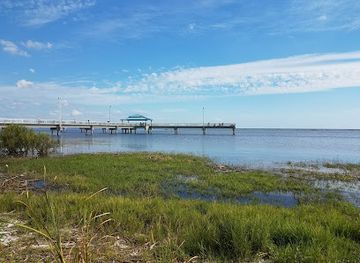
Lake Okeechobee Park
Explore the natural beauty and tranquility of Lake Okeechobee Park, a serene getaway in Okeechobee, Florida, perfect for outdoor enthusiasts and families.
-
Campground
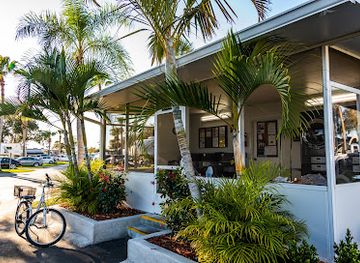
Okeechobee KOA Resort
Experience the natural beauty and tranquility at Okeechobee KOA Resort, where adventure and relaxation meet in the heart of Florida.
-
Flea market
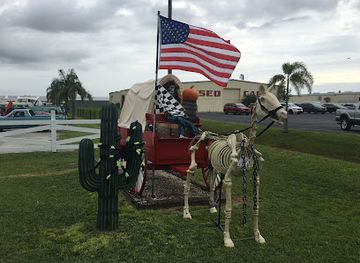
The Big O Flea Market
Explore unique treasures and local flavors at The Big O Flea Market in Okeechobee, Florida; a vibrant shopping destination for all visitors.
Best landmarks in Lake Okeechobee
The dominant landmark is Lake Okeechobee itself, an immense, shallow freshwater body whose open horizon and reed-fringed margins define the interior geography of southern Florida. Encircling it, the Herbert Hoover Dike is both a major flood-control structure and the setting for the Lake Okeechobee Scenic Trail, revealing how engineering has reshaped life around the lake. The lake’s southern settlements, including Clewiston, Pahokee, Belle Glade and South Bay, are landmarks of the agricultural and water-management landscape as much as of conventional architecture. The Kissimmee River, which feeds the lake from the north, and the managed outlets towards the St Lucie and Caloosahatchee systems demonstrate its wider hydrological importance. Indigenous history, Seminole connections, storm disasters and twentieth-century flood protection are inseparable from the significance of these natural and engineered features.
-
Tourist attraction
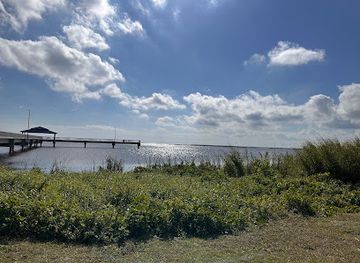
Observation Deck and Pavilion in Lake Okeechobee Park in the town of of Okeechobee
Experience breathtaking views and rich wildlife at the Observation Deck in Lake Okeechobee Park, a top tourist attraction in Florida's stunning landscape.
Explore Lake Okeechobee on the map
Plan your trip on one map. See where the top attractions, landmarks, restaurants and hotels are, and book hotels and experiences in a few clicks.
Best hotels in Lake Okeechobee
Best restaurants in Lake Okeechobee
Dining around Lake Okeechobee is concentrated in its gateway towns rather than along a continuous waterfront strip. Clewiston, Okeechobee, Belle Glade, Pahokee, South Bay and Moore Haven provide the most practical choices, including casual cafés, family restaurants, takeaway counters, diners and places serving visitors associated with fishing and boating. Menus reflect the broader food culture of southern Florida, where seafood, fried fish, citrus, tropical produce and American comfort food are common, while the agricultural belt around the southern lake gives the region a distinctly working rural character. Marinas and fishing-oriented businesses may offer simple meals or refreshments, but facilities vary and should not be assumed at every access point. Visitors travelling along the dike or between rural boat ramps should carry water and provisions, using established towns for more substantial meals and supplies.
-
Buffet
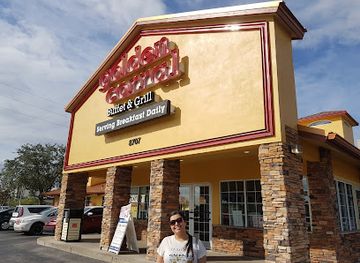
Golden Corral Buffet & Grill
Experience the ultimate buffet dining at Golden Corral in Okeechobee - where variety meets flavor in an inviting atmosphere.
-
Seafood
Lightsey’s Seafood Restaurant & Fish Co.
Experience fresh seafood like never before at Lightsey’s Seafood Restaurant & Fish Co., where every bite tells a story of Florida's coastal flavors.
-
Family-friendly
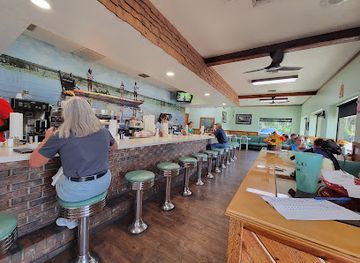
Pogey's Family Restaurant
Discover Pogey's Family Restaurant: where hearty breakfasts meet Southern hospitality in Okeechobee.
-
Seafood
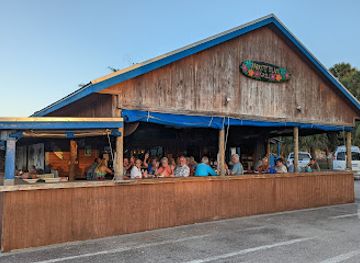
Parrott Island
Experience the freshest seafood and delightful family dining at Parrott Island in Okeechobee, Florida - where every meal is a celebration.
Best bars in Lake Okeechobee
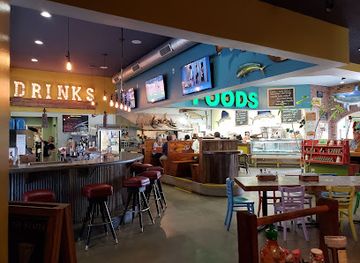
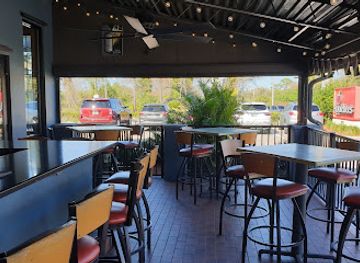
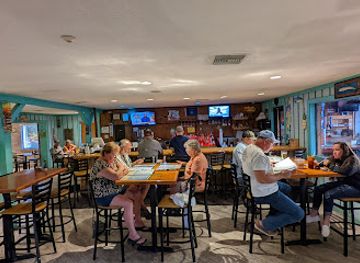
Lake Okeechobee is a quiet, dispersed destination rather than a nightlife centre. Evening activity is generally found in the gateway communities, where local bars, casual restaurants and traditional gathering places provide a relaxed atmosphere for residents, anglers and visitors. Clewiston and Okeechobee offer the broadest choice of evening services, while smaller towns such as Pahokee, Belle Glade, South Bay and Moore Haven have a more limited and locally focused scene. There are no extensive club districts associated with the lake, and options may be particularly sparse outside town centres. Evenings are often shaped by fishing trips, community events, seasonal activities and accommodation-based relaxation rather than late-night entertainment. Visitors should plan meals and drinks around the operating pattern of small-town businesses, particularly when staying near remote shoreline access points.
-
Seafood
Lightsey’s Seafood Restaurant & Fish Co.
Experience the best of Florida's seafood at Lightsey’s Seafood Restaurant & Fish Co., where fresh flavors and warm hospitality meet.
-
Restaurant
Applebee's Grill + Bar
Discover the essence of American dining at Applebee's Grill + Bar in Okeechobee, where flavor meets family-friendly ambiance.
-
Seafood
Parrott Island
Discover the freshest seafood and a welcoming atmosphere at Parrott Island, Okeechobee's culinary hotspot for families and food enthusiasts alike.
-
American
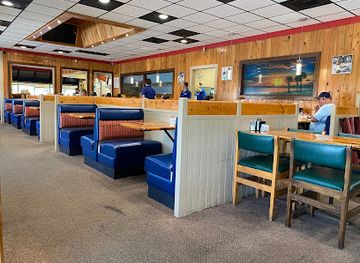
Lakeside Grill
Discover Lakeside Grill, where delicious American cuisine meets breathtaking lakeside views in Okeechobee, FL.
Best nightclubs in Lake Okeechobee
Lake Okeechobee is a quiet, dispersed destination rather than a nightlife centre. Evening activity is generally found in the gateway communities, where local bars, casual restaurants and traditional gathering places provide a relaxed atmosphere for residents, anglers and visitors. Clewiston and Okeechobee offer the broadest choice of evening services, while smaller towns such as Pahokee, Belle Glade, South Bay and Moore Haven have a more limited and locally focused scene. There are no extensive club districts associated with the lake, and options may be particularly sparse outside town centres. Evenings are often shaped by fishing trips, community events, seasonal activities and accommodation-based relaxation rather than late-night entertainment. Visitors should plan meals and drinks around the operating pattern of small-town businesses, particularly when staying near remote shoreline access points.
-
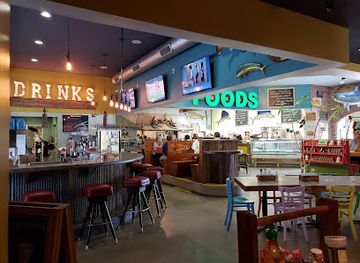
Bar
Good Spirits Lounge
Experience the lively atmosphere of Good Spirits Lounge in Okeechobee, FL, where delicious food and refreshing drinks come together in perfect harmony.
-
Bar
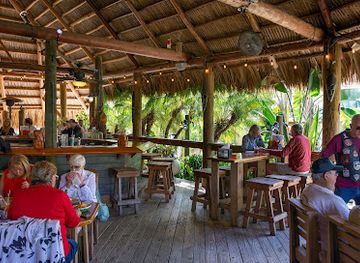
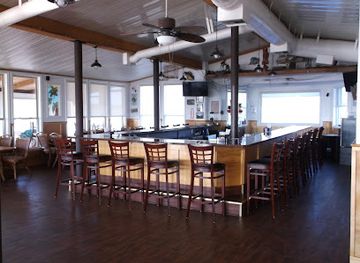
Pier II bar
Experience the vibrant atmosphere and friendly service at Pier II Bar, a must-visit for those exploring Okeechobee, Florida.
-
Bar
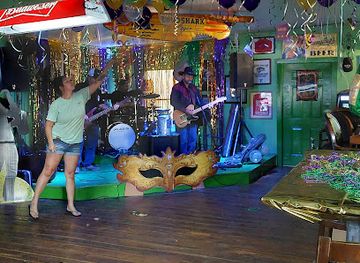
Back to Butch's Bar
Experience the vibrant nightlife and friendly atmosphere at Back to Butch's Bar in Okeechobee, where live music and great drinks await you.
-
Bar
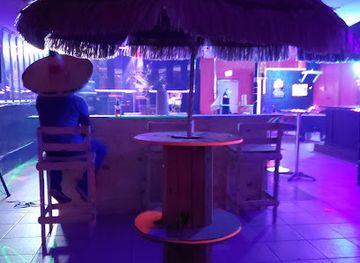
Punto Caliente Inc
Experience the lively atmosphere and delicious drinks at Punto Caliente Inc, a premier bar in Okeechobee, Florida.
Best shops in Lake Okeechobee
Shopping around Lake Okeechobee is practical and locally focused, with supplies concentrated in the gateway towns rather than in a purpose-built retail district. Okeechobee and Clewiston provide the most useful bases for groceries, fuel, fishing tackle, outdoor equipment and everyday necessities, while smaller communities along the southern shore have more limited provision. Anglers can look for locally relevant tackle and boating supplies, and visitors may find regional produce, citrus and other food products through small retailers or farm-related businesses, although availability varies by season and location. Independent shops and local businesses can also provide a sense of the communities’ agricultural and fishing identity. Dedicated craft shopping is less prominent than in Florida’s larger tourist centres, so visitors should not expect a broad market or boutique scene beside the lake or along remote sections of the dike.
-
Supermarket
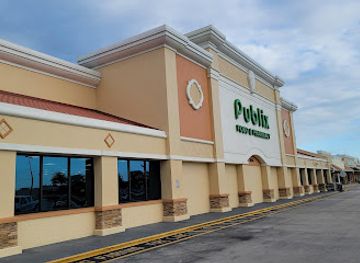
Publix Super Market at Northlake Village
Experience Okeechobee's local charm at Publix Super Market - your go-to destination for fresh food, local products, and warm community vibes.
-
Flea market
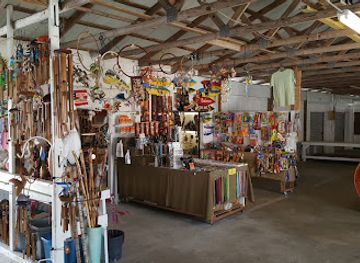
Trading Post Flea Market
Explore the vibrant Trading Post Flea Market in Okeechobee, Florida, where unique treasures and local flavors await every visitor.
-
Clothing store
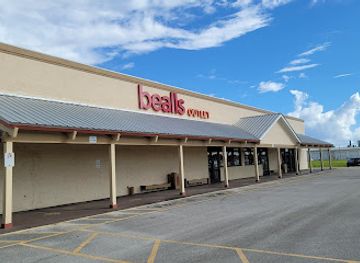
bealls
Explore a wide range of stylish clothing and accessories for all ages at Bealls in Okeechobee, Florida.
-
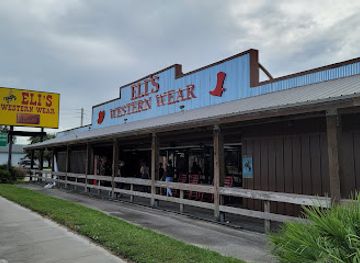
Western apparel store
Eli's Western Wear Inc
Discover authentic Western apparel at Eli's Western Wear in Okeechobee, Florida, a premier destination for cowboy culture and style.
Get your free copy of our complete guide to Lake Okeechobee, delivered straight to you.
Everything on this page, from attractions and restaurants to essentials and local phrases, in one PDF you can read offline, print or share.
Already have an account? Sign in
Your Lake Okeechobee guide is ready.
We'll send it to · Not you? Sign out

Getting your guide ready…
We are putting together a fresh copy of the Lake Okeechobee guide. This can take up to a minute.
This can take a few moments. If your browser asks, choose Allow so the download can start. You'll find the guide in your Downloads folder.
Nothing happened? Download it again
Sorry, the guide is taking longer than usual. Please try again in a minute, or get it by email instead.
Lake Okeechobee essentials
Currency and Payment
Safety
Emergency Situations
Do's and Don'ts
Local Tips
From Eve
Local phrases worth knowing
You don't need to get them perfect. A few words go a long way, and locals appreciate the effort.
Basics
| English | Local | Say it |
|---|---|---|
| Hello | Howdy | [haw-dee] |
| Goodbye | See ya later | [see ya lay-ter] |
| Yes | Yep | [yep] |
| No | Nah | [nah] |
| Please/You're welcome | Please/No problem | [pleez/no prob-lem] |
| Thank you | Thanks | [thanks] |
| Excuse me/Sorry | Pardon me/My bad | [par-dun me/my bad] |
| How are you? | How y'all doin'? | [how y'all doin'] |
| Fine. And you? | Doing good. How 'bout y'all? | [doin' good. how 'bout y'all?] |
| Do you speak English? | Y'all speak English? | [y'all speak English?] |
| I don't understand | I ain't gettin' it | [I ain't get-tin' it] |
Eating & Drinking
| English | Local | Say it |
|---|---|---|
| I'd like to see the menu, please | Can I check out the menu, please | [can I check out the menu, please] |
| I don't eat meat | I don't do meat | [I don't do meat] |
| Cheers! | Cheers! | [cheers] |
| I would like to pay, please | I'm ready to settle up, please | [I'm ready to settle up, please] |
Emergencies
| English | Local | Say it |
|---|---|---|
| Help! | Help! | [help!] |
| Go away! | Git! | [git!] |
| Call the Police! | Ring up the Sheriff! | [ring up the sheriff!] |
| Call a doctor! | Get a doc on the line! | [get a doc on the line!] |
| I'm lost | I'm disoriented | [I'm dis-oriented] |
| I'm ill | I ain't feelin' right | [I ain't feelin' right] |
Shopping
| English | Local | Say it |
|---|---|---|
| I'd like to buy... | I'm lookin' to purchase... | [I'm lookin' to purchase...] |
| I'm just looking | I'm just browsin' | [I'm just browsin'] |
| How much is it? | How much does it run? | [how much does it run?] |
| That's too expensive | That's a bit steep | [that's a bit steep] |
| Can you lower the price? | Can ya knock it down a notch? | [can ya knock it down a notch?] |
Time & Numbers
| English | Local | Say it |
|---|---|---|
| What time is it? | What's the time? | [what's the time?] |
| It's one o'clock | It's one | [it's one] |
| Half past (10) | Half ten | [half ten] |
| Morning | Mornin' | [mornin'] |
| Afternoon | Afternoon | [afternoon] |
| Evening | Evenin' | [evenin'] |
| Yesterday | Yest'day | [yest'day] |
| Today | Today | [today] |
| Tomorrow | Tomorra | [tomorra] |
| 1 | One | [one] |
| 2 | Two | [two] |
| 3 | Three | [three] |
| 4 | Four | [four] |
| 5 | Five | [five] |
| 6 | Six | [six] |
| 7 | Seven | [seven] |
| 8 | Eight | [eight] |
| 9 | Nine | [nine] |
| 10 | Ten | [ten] |
Transport & Directions
| English | Local | Say it |
|---|---|---|
| Where's a/the...? | Where's the...? | [where's the...?] |
| What's the address? | Where's it located? | [where's it located?] |
| Can you show me (on the map)? | Can ya point it out (on the map)? | [can ya point it out (on the map)?] |
| When's the next (bus)? | When's the next (bus)? | [when's the next (bus)?] |
| A ticket (to ....) | A pass (to ....) | [a pass (to ....)] |
History of Lake Okeechobee
The Lake’s Geological Basin
Lake Okeechobee lies within a shallow depression formed by the geological history of southern Florida. Its low relief and broad wetland margins allowed water to spread across an extensive basin, creating the freshwater landscape that later became central to the Everglades system. The lake has never been a deep, mountainous water body; its significance comes from its immense surface area, ecological productivity and position within a much larger flow of water. Seasonal fluctuations, storm rainfall and the movement of water through surrounding marshes have shaped both its natural character and the human history of the region.
Mayaimi and Glades Cultures
Long before modern towns and canals, Indigenous communities lived around the wetlands and waterways of southern Florida. Archaeological evidence associated with the wider Glades cultural area records settlements, fishing, hunting and the skilled use of aquatic resources. The name Okeechobee is generally derived from a Hitchiti-language expression meaning ‘big water’, while the Mayaimi people are associated with the lake and the surrounding region in early historical accounts. Wetlands were not empty spaces to these communities but productive environments requiring detailed knowledge of seasonal water, plants, animals and routes.
Seminole Presence and Settlement
During the nineteenth century, the lake region became connected with the history of the Seminole people and the wars that followed growing American pressure on Indigenous communities in Florida. Wetlands and saw-grass country could provide refuge and difficult terrain for pursuing forces, although the broader conflicts extended far beyond the lake itself. Later settlement increased as drainage, transport and agricultural development altered the margins. Small communities grew around accessible shorelines and waterways, with fishing, cattle, farming and trade contributing to the region’s developing identity.
Storms and the Herbert Hoover Dike
The lake’s shallow basin and surrounding lowlands made severe storms particularly dangerous. The hurricanes of 1926 and 1928 produced catastrophic flooding around Lake Okeechobee, with the 1928 disaster causing extensive loss of life. In response, the federal government developed a major flood-control programme, including the Herbert Hoover Dike and associated canals, pumps and water-control structures. The system transformed the relationship between communities, agriculture and the lake, providing crucial protection while also changing the natural timing and direction of water movement.
Water Management and Recreation
Modern Lake Okeechobee is managed as part of a highly engineered water network linking the Kissimmee basin, the Everglades agricultural area and the St Lucie and Caloosahatchee estuaries. The Okeechobee Waterway, completed in the twentieth century, created a navigable east–west route across southern Florida. Water levels, ecological restoration, flood protection and the needs of farming remain closely connected, and management decisions can affect communities far beyond the shoreline. Fishing, boating, birdwatching and the Lake Okeechobee Scenic Trail now provide important recreational links with the lake’s environmental and engineering history.
Lake Okeechobee in Photos
Browse through our photo collection highlighting the charm and character of the destination.
Cities in Lake Okeechobee
The towns and cities of Lake Okeechobee, and the easiest places to base yourself.

Swipe for more cities
Neighbouring destination travel guides
The closest destinations to Lake Okeechobee, if you have time for more than one.
-

-

-

-

-


Swipe for more destinations
Explore more
Explore more of Treasure Coast
Explore Florida’s Treasure Coast for shipwreck history, Atlantic beaches, Indian River Lagoon wildlife, gardens, paddling and relaxed coastal towns.
Explore Treasure Coast
Explore more of Florida
Discover Florida: A Sunshine State full of dazzling beaches, iconic theme parks, rich history, and stunning natural parks, offering endless adventures for every traveler.
Explore Florida