

Ponce Inlet Travel Guide - Free Web & App
Your ultimate guide to Ponce Inlet. Discover top landmarks, proposed trips, and local tips. Free on the web or via the Evendo companion app.


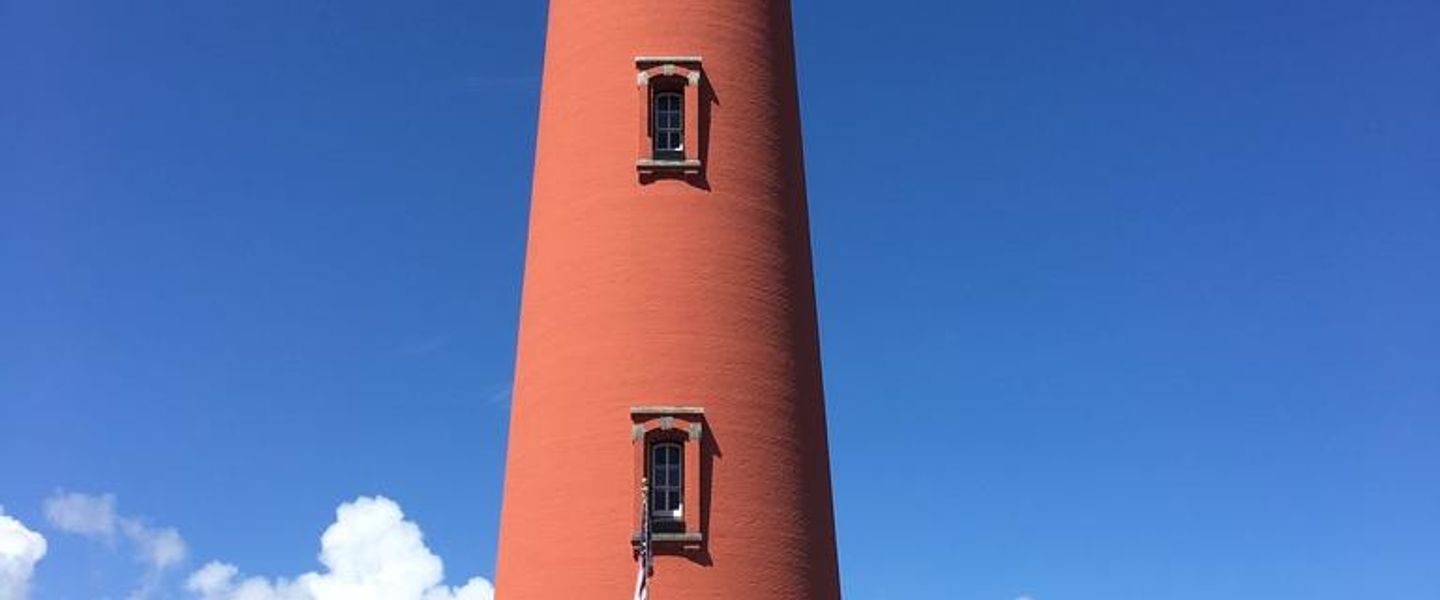


Ponce Inlet, Florida, pairs Atlantic beaches and coastal wildlife with the historic lighthouse, Marine Science Center, surfing and inlet views.
A Coastal Setting
Ponce Inlet occupies the southern tip of a barrier-island peninsula on Florida’s Atlantic coast, where the Halifax River and surrounding estuarine waters meet the open sea. The small town lies south of Daytona Beach and is defined by broad Atlantic beaches, shifting dunes, tidal channels and the busy waterway around Ponce de Leon Inlet. Its atmosphere is quieter and more residential than the larger beach communities to the north, although the inlet itself is an active passage for fishing boats, pleasure craft and commercial vessels.Read more about Ponce Inlet
The Lighthouse and Maritime Heritage
Beaches, Estuary and Wildlife
Exploring the Town
When is the best time to visit Ponce Inlet?
Best: February, November–December · 22–26°C| Month | High (°C) | Rainfall (mm) |
|---|---|---|
| January | 21 | 62 |
| February (best) | 22 | 65 |
| March | 24 | 89 |
| April | 27 | 78 |
| May | 30 | 97 |
| June | 32 | 175 |
| July | 33 | 178 |
| August | 33 | 187 |
| September | 32 | 178 |
| October | 29 | 111 |
| November (best) | 26 | 67 |
| December (best) | 22 | 61 |
Getting to and around Ponce Inlet
How to get there
Transportation
Best attractions in Ponce Inlet
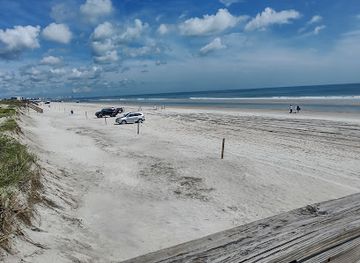
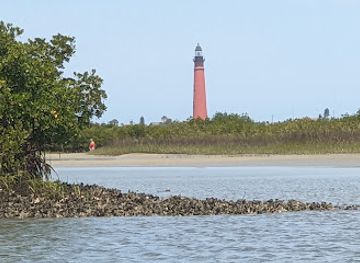
Ponce de Leon Inlet Lighthouse and Museum is the town’s principal historic attraction, combining a climb of Florida’s tallest completed lighthouse with keeper’s dwellings, maritime exhibits and views across the Atlantic and inlet. At the southern end of the peninsula, Ponce Inlet’s beaches offer space for swimming, surfing, shore fishing and walking, subject to current surf and beach conditions. Lighthouse Point Park provides access to the inlet and its surrounding coastal scenery, while the Marine Science Center interprets local marine habitats and rehabilitation work involving sea turtles and seabirds. The inlet jetties are a prominent feature for experienced anglers and boat watchers, although their uneven surfaces and exposed position demand caution. Inland-facing waterways around the Halifax River and adjacent lagoons reveal a quieter estuarine landscape, with opportunities for bird observation and wildlife viewing. Nearby Daytona Beach and New Smyrna Beach broaden the choice of museums, dining and cultural attractions but are separate communities rather than attractions within Ponce Inlet.
-
Tourist attraction
Ponce de Leon Inlet Lighthouse & Museum
Explore the Ponce de Leon Inlet Lighthouse & Museum, a historic treasure offering stunning views and rich maritime heritage in Florida's coastal paradise.
-
Tourist attraction
Smyrna Dunes Park
Explore the stunning landscapes and diverse wildlife at Smyrna Dunes Park, a coastal haven in New Smyrna Beach, Florida.
-
Tourist attraction
Marine Science Center
Discover the Marine Science Center in Ponce Inlet, a unique aquarium and science museum dedicated to marine life education and conservation.
-
Tourist attraction
Lighthouse Point Park
Explore Lighthouse Point Park, a serene coastal haven in Ponce Inlet, Florida, brimming with nature trails, beach access, and stunning ocean views.
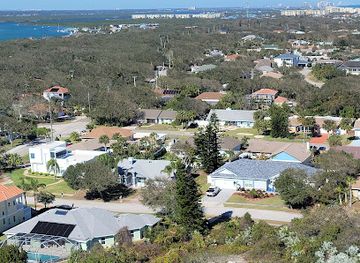
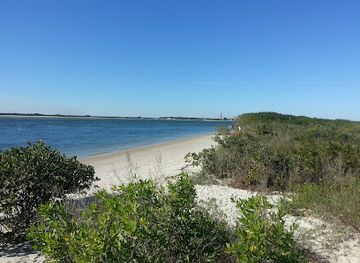
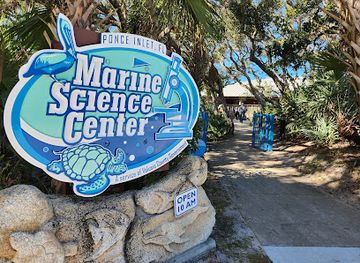
Best landmarks in Ponce Inlet
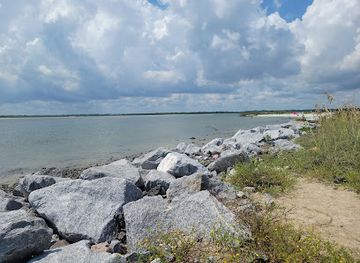
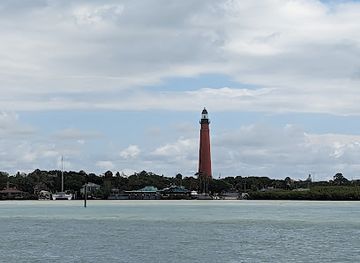
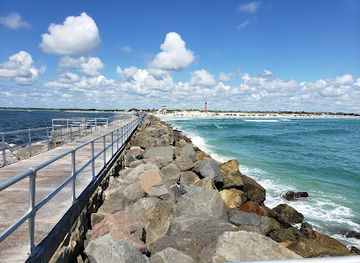
Ponce de Leon Inlet Lighthouse is the destination’s outstanding built landmark: its tall red-brick tower, completed in 1887, stands with surviving keeper’s buildings as a nationally recognised example of a nineteenth-century American lighthouse station. The Atlantic shoreline and the inlet itself are equally important natural landmarks, defining the town’s geography where barrier-island beach meets a navigable waterway. The jetties form a prominent, engineered edge to the inlet and help visitors understand the relationship between navigation, fishing and coastal currents, though they are exposed structures rather than conventional viewing platforms. The Marine Science Center represents the area’s modern conservation identity, linking the local landscape with education and marine-animal rehabilitation. The lighthouse grounds, beach dunes, tidal channels and estuarine waters together express Ponce Inlet’s character more strongly than any urban monument or historic street.
-
Museum
Ponce de Leon Inlet Lighthouse & Museum
Discover the Ponce de Leon Inlet Lighthouse & Museum, a historical gem offering stunning views and rich maritime heritage on Florida's coast.
-
Park
Lighthouse Point Park
Explore Lighthouse Point Park for breathtaking ocean views, lush nature trails, and a serene escape on Florida's beautiful coast.
-
Park
Ponce Inlet Park
Explore Ponce Inlet Park: A Coastal Gem for Nature Lovers and Outdoor Adventures in Florida.
-
Park
Ponce Inlet Beach
Discover the serene beauty of Ponce Inlet Beach, a hidden gem in Florida perfect for relaxation, fishing, and enjoying breathtaking coastal views.
Explore Ponce Inlet on the map
Plan your trip on one map. See where the top attractions, landmarks, restaurants and hotels are, and book hotels and experiences in a few clicks.
Best hotels in Ponce Inlet
Best restaurants in Ponce Inlet
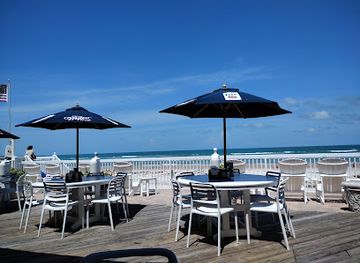
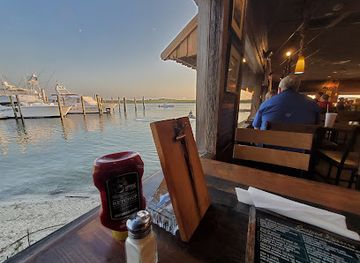
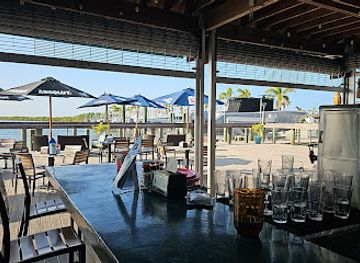
Ponce Inlet has a modest dining scene shaped by its waterfront setting, residential character and proximity to larger coastal towns. Visitors can find casual seafood, American dishes, breakfast options and refreshments in and around the town, while a broader range of restaurants is available in Daytona Beach Shores, Daytona Beach and New Smyrna Beach. Menus commonly reflect Florida’s coastal food culture through fish, shellfish, sandwiches and informal beach fare, although individual offerings change. Dining is often combined with a visit to the lighthouse, Marine Science Center or beach rather than found in a dense restaurant district. Those spending the day outdoors should plan food and water in advance, especially when visiting less commercial shoreline areas. Farm shops and more varied food shopping are generally easier to reach in the surrounding mainland and larger beach communities than at the inlet itself.
-
Seafood
Racing's North Turn
Experience fresh seafood and live music at Racing's North Turn while enjoying stunning ocean views in Ponce Inlet.
-
Seafood
Down the Hatch Seafood Company
Experience fresh seafood delights at Down the Hatch Seafood Company in Ponce Inlet—where coastal charm meets culinary excellence.
-
Seafood
Off The Hook at Inlet Harbor
Experience fresh seafood delights in a picturesque harbor setting at Off The Hook at Inlet Harbor.
-
Seafood
Hidden Treasure Rum Bar & Grill
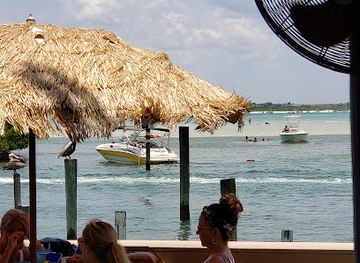
Discover Hidden Treasure Rum Bar & Grill in Ponce Inlet - where fresh seafood meets Caribbean flavors against stunning waterfront views.
Best bars in Ponce Inlet
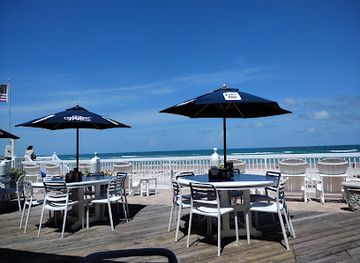
Ponce Inlet is a quiet coastal town and does not have a substantial nightclub district or concentrated late-night scene. Evening options are more likely to consist of relaxed restaurants, waterfront or neighbourhood bars and the informal social atmosphere of nearby accommodation, with availability varying by season and day. Visitors seeking a wider choice of live entertainment, busy bars or late-opening venues generally travel north towards Daytona Beach or south towards New Smyrna Beach, both outside Ponce Inlet. The town’s natural setting lends itself more to sunset walks, nocturnal beach sounds and stargazing away from brighter commercial areas than to organised nightlife. Anyone walking near the inlet after dark should take care around uneven surfaces, changing tides and poorly lit stretches, and should observe all beach and wildlife-protection rules.
-
Seafood
Racing's North Turn
Discover Racing's North Turn: a seafood haven blending ocean views, live music, and rich motorsport history for an unforgettable dining experience.
-
Seafood
Boondocks Restaurant
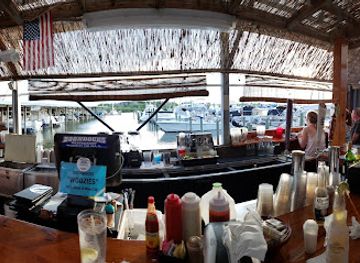
Experience the best of Florida's coastal cuisine at Boondocks Restaurant, where fresh seafood meets a vibrant tiki bar atmosphere.
-
Seafood
Down the Hatch Seafood Company
Experience the freshest seafood in Ponce Inlet at Down the Hatch, where stunning views and delightful flavors meet.
-
Seafood
Off The Hook at Inlet Harbor
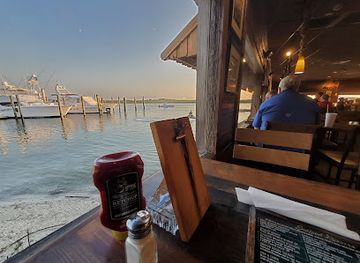
Discover the ultimate seafood experience at Off The Hook at Inlet Harbor, where fresh catches meet stunning waterfront views in Ponce Inlet, Florida.
Best shops in Ponce Inlet
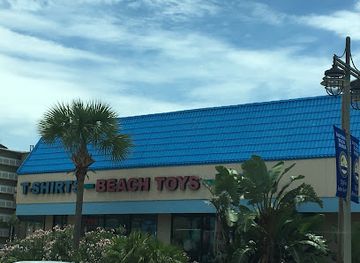
Shopping in Ponce Inlet is limited and practical rather than concentrated in a traditional high street. Small local businesses and nearby coastal commercial areas provide beach essentials, food, fishing supplies and other items useful for a day beside the Atlantic. Visitors looking for a broader selection of independent shops, galleries, clothing, souvenirs or outdoor equipment generally travel to Daytona Beach, Daytona Beach Shores or New Smyrna Beach, depending on their direction of travel. Regional food products and Florida-themed gifts can be found through businesses across the surrounding coastal communities, although availability varies between seasons and outlets. The lighthouse museum shop provides a more directly connected way to find maritime-themed gifts and educational material. Because the town’s appeal centres on beaches, wildlife and heritage rather than retail, it is sensible to obtain specialist equipment and substantial provisions before reaching the inlet.
-
Gift shop
Mike's Gift Shop
Discover unique souvenirs and gifts at Mike's Gift Shop in Daytona Beach, the perfect place to capture your coastal memories.
-
Ice Cream
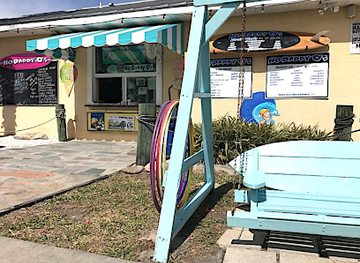
Ho Daddy O's Surf Cream
Experience the taste of paradise at Ho Daddy O's Surf Cream, where every scoop is a wave of flavor waiting to be savored.
-
Ice Cream
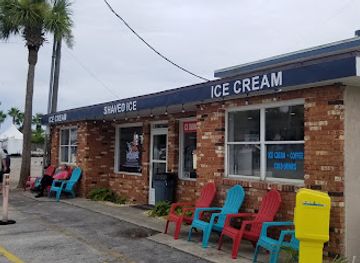
Lighthouse Ice Cream & Snacks
Savor the best ice cream and snacks at Lighthouse Ice Cream & Snacks in Ponce Inlet, a must-visit for beach lovers and families.
-
Thrift store
Epiphany Thrift Store
Explore the Epiphany Thrift Store in Port Orange for unique treasures and vintage finds that support community initiatives.
Get your free copy of our complete guide to Ponce Inlet, delivered straight to you.
Everything on this page, from attractions and restaurants to essentials and local phrases, in one PDF you can read offline, print or share.
Already have an account? Sign in
Your Ponce Inlet guide is ready.
We'll send it to · Not you? Sign out

Getting your guide ready…
We are putting together a fresh copy of the Ponce Inlet guide. This can take up to a minute.
This can take a few moments. If your browser asks, choose Allow so the download can start. You'll find the guide in your Downloads folder.
Nothing happened? Download it again
Sorry, the guide is taking longer than usual. Please try again in a minute, or get it by email instead.
Ponce Inlet essentials
Currency and Payment
Safety
Emergency Situations
Do's and Don'ts
Local Tips
From Eve
Local phrases worth knowing
You don't need to get them perfect. A few words go a long way, and locals appreciate the effort.
Basics
| English | Local | Say it |
|---|---|---|
| Hello | Hola | [oh-lah] |
| Goodbye | Adiós | [ah-dee-ohs] |
| Yes | Sí | [see] |
| No | No | [noh] |
| Please/You're welcome | Por favor/De nada | [por fah-vor/deh nah-dah] |
| Thank you | Gracias | [grah-see-ahs] |
| Excuse me/Sorry | Disculpe/Perdón | [dees-kool-peh/pehr-dohn] |
| How are you? | ¿Cómo estás? | [koh-moh ehs-tahs] |
| Fine. And you? | Bien. ¿Y tú? | [byen. ee too] |
| Do you speak English? | ¿Hablas inglés? | [ah-blahs een-glehs] |
| I don't understand | No entiendo | [noh ehn-tee-ehn-doh] |
Eating & Drinking
| English | Local | Say it |
|---|---|---|
| I'd like to see the menu, please | Me gustaría ver el menú, por favor | [meh goo-stah-ree-ah vehr ehl meh-noo por fah-vor] |
| I don't eat meat | No como carne | [noh koh-moh kahr-neh] |
| Cheers! | ¡Salud! | [sah-loohd] |
| I would like to pay, please | Me gustaría pagar, por favor | [meh goo-stah-ree-ah pah-gahr por fah-vor] |
Emergencies
| English | Local | Say it |
|---|---|---|
| Help! | ¡Ayuda! | [ah-yoo-dah] |
| Go away! | ¡Vete! | [veh-teh] |
| Call the Police! | ¡Llama a la policía! | [yah-mah ah lah poh-lee-see-ah] |
| Call a doctor! | ¡Llama a un médico! | [yah-mah ah oon meh-dee-koh] |
| I'm lost | Estoy perdido | [ehs-toy pehr-dee-doh] |
| I'm ill | Estoy enfermo | [ehs-toy ehn-fehr-moh] |
Shopping
| English | Local | Say it |
|---|---|---|
| I'd like to buy... | Me gustaría comprar... | [meh goo-stah-ree-ah kohm-prahr] |
| I'm just looking | Solo estoy mirando | [soh-loh ehs-toy meer-ahn-doh] |
| How much is it? | ¿Cuánto cuesta? | [kwan-toh kwehs-tah] |
| That's too expensive | Eso es demasiado caro | [eh-soh ehs deh-mah-syah-doh kah-roh] |
| Can you lower the price? | ¿Puedes bajar el precio? | [pweh-dehs bah-har ehl pree-syoh] |
Time & Numbers
| English | Local | Say it |
|---|---|---|
| What time is it? | ¿Qué hora es? | [keh oh-rah ehs] |
| It's one o'clock | Es la una en punto | [ehs lah oo-nah ehn poon-toh] |
| Half past (10) | Media (10) | [meh-dee-ah (dee-ehs)] |
| Morning | Mañana | [mah-nyah-nah] |
| Afternoon | Tarde | [tahr-deh] |
| Evening | Noche | [noh-cheh] |
| Yesterday | Ayer | [ah-yehr] |
| Today | Hoy | [oy] |
| Tomorrow | Mañana | [mah-nyah-nah] |
| 1 | Uno | [oo-noh] |
| 2 | Dos | [dohs] |
| 3 | Tres | [trehs] |
| 4 | Cuatro | [kwah-troh] |
| 5 | Cinco | [seen-koh] |
| 6 | Seis | [sehs] |
| 7 | Siete | [see-eh-teh] |
| 8 | Ocho | [oh-choh] |
| 9 | Nueve | [nweh-veh] |
| 10 | Diez | [dyehs] |
Transport & Directions
| English | Local | Say it |
|---|---|---|
| Where's a/the...? | ¿Dónde está...? | [dohn-deh ehs-tah] |
| What's the address? | ¿Cuál es la dirección? | [kwal ehs lah dee-rehk-syohn] |
| Can you show me (on the map)? | ¿Puedes mostrarme (en el mapa)? | [pweh-dehs mohs-trar-meh ehn ehl mah-pah] |
| When's the next (bus)? | ¿Cuándo es el próximo (autobús)? | [kwan-doh ehs ehl proh-ksee-moh ow-toh-boos] |
| A ticket (to ....) | Un boleto (a ....) | [oon boh-leh-toh ah] |
History of Ponce Inlet
A Shifting Inlet Landscape
Ponce de Leon Inlet is part of Florida’s dynamic Atlantic barrier-island coast, where waves, currents and storms continually reshape beaches, dunes and tidal channels. The inlet has long influenced movement along the coast, providing a navigational opening between the Atlantic and the inland waters of the Halifax River and adjacent lagoons. Before modern engineering and coastal development, its position and navigability were less fixed than the built shoreline suggests today. The landscape’s history is therefore both natural and human: the same shifting sands that created navigational difficulties also formed the beaches and estuarine habitats that remain central to Ponce Inlet’s identity.
Maritime Settlement and Navigation
The inlet became important to coastal navigation as shipping, fishing and settlement expanded along Florida’s east coast during the nineteenth century. Mariners needed a dependable light and navigational reference in a region where offshore shoals, changing channels and heavy surf presented serious hazards. The lighthouse was named for Juan Ponce de León, whose name was attached to the inlet and surrounding coastal features in later geographical usage. Local activity developed around maritime work, fishing and the practical services associated with a navigable inlet rather than around a large urban settlement.
The Lighthouse Era
Ponce de Leon Inlet Lighthouse was completed in 1887 under the United States Lighthouse Service. Its 175-foot brick tower and associated keeper’s buildings formed a working station intended to guide vessels along a demanding stretch of coast. Keepers and their families maintained the light, buildings and grounds, making the station both a navigational facility and a small residential community. Although modern navigation eventually reduced the lighthouse’s operational role, the surviving complex preserves an important chapter in the history of American coastal navigation and nineteenth-century life on Florida’s barrier islands.
Preservation and Coastal Stewardship
The lighthouse complex was preserved and developed as a museum over the late twentieth century, with restoration work helping retain its tower and historic support buildings. It was designated a National Historic Landmark in 1998, recognising its architectural and maritime significance. Modern Ponce Inlet also reflects a growing concern with coastal stewardship. Beach management, dune protection, sea-turtle conservation and marine-animal rehabilitation now sit alongside recreation and residential development. The Marine Science Center and other local conservation efforts connect visitors with the ecological pressures affecting the inlet, beaches and nearby estuarine waters.
The Modern Town of Ponce Inlet
Ponce Inlet developed as a small coastal community south of Daytona Beach, with its identity shaped by the lighthouse, the beach and the working inlet. The town incorporated in 1963 and has remained markedly less urbanised than the larger resort areas farther north. Today, visitor interest is distributed among historic, scientific and recreational sites rather than concentrated in a conventional commercial centre. Fishing, boating, beach use and wildlife conservation continue to influence the local character, while the lighthouse and Marine Science Center interpret the area’s relationship with the Atlantic coast.
Ponce Inlet in Photos
Browse through our photo collection highlighting the charm and character of the destination.
Neighbouring destination travel guides
The closest destinations to Ponce Inlet, if you have time for more than one.
-
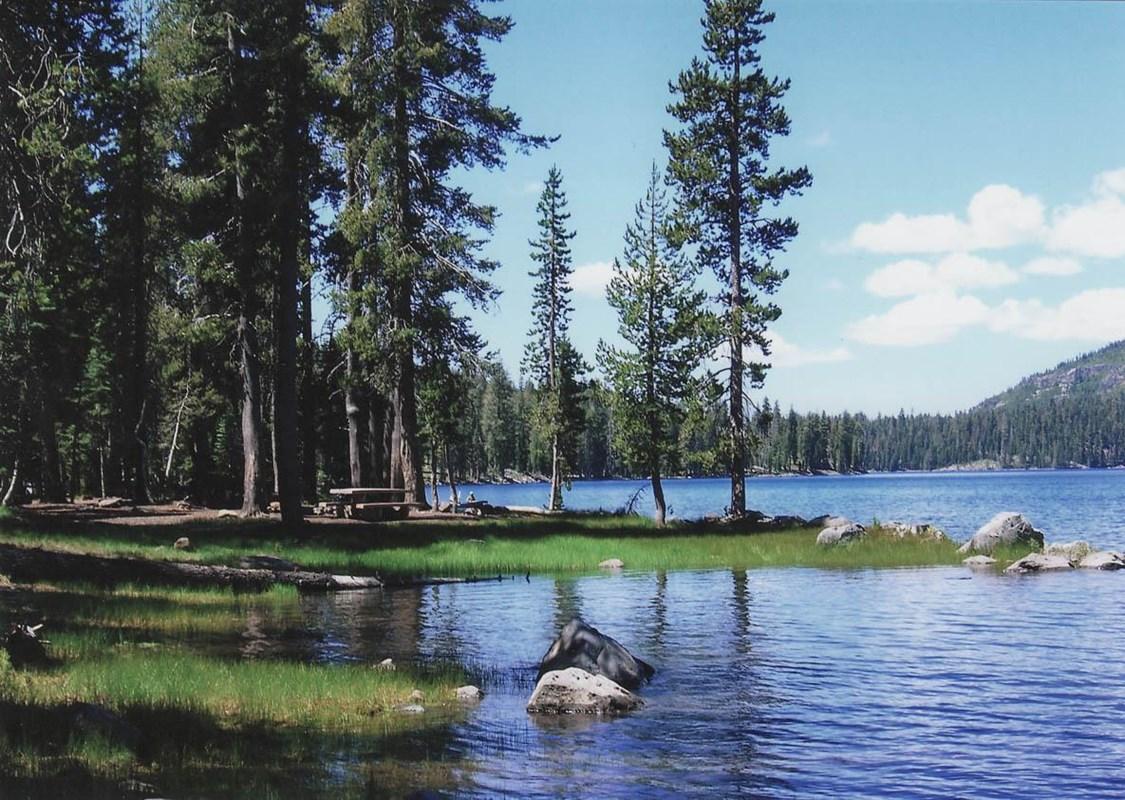 Juniper Springs Recreation Area
 in Florida offers crystal-clear springs, forest trails, canoeing on Juniper Run and historic Ocala National Forest scenery.
Juniper Springs Recreation Area
Juniper Springs Recreation Area in Florida offers crystal-clear springs, forest trails, canoeing on Juniper Run and historic Ocala National Forest scenery.
-

-

-

-


Swipe for more destinations
Explore more

Explore more of Greater Orlando
Greater Orlando combines world-famous theme parks with Central Florida lakes, springs, museums, diverse dining and easy access to outdoor escapes.
Explore Greater Orlando
Explore more of Florida
Discover Florida: A Sunshine State full of dazzling beaches, iconic theme parks, rich history, and stunning natural parks, offering endless adventures for every traveler.
Explore Florida