

Miami Beach Travel Guide - Free Web & App
Your ultimate guide to Miami Beach. Discover top landmarks, proposed trips, and local tips. Free on the web or via the Evendo companion app.


Miami Beach, Florida pairs Art Deco architecture, Atlantic beaches, cultural districts, waterfront walks and lively dining with year-round sunshine.
Barrier-Island Landscapes
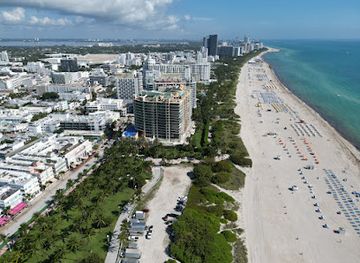
Miami Beach occupies a long, narrow barrier island on Florida’s Atlantic coast, separated from mainland Miami by Biscayne Bay and linked to the city by causeways. Its geography is defined by broad ocean beaches, tidal waterways, canals, marinas and a chain of neighbourhoods that changes character as it stretches north from South Beach through Mid-Beach to North Beach. South Beach is the best-known area, with the promenade and lively streets of Ocean Drive, while Mid-Beach offers a more resort-oriented shoreline and North Beach a quieter, more residential atmosphere.Read more about Miami Beach
Architecture and Cultural Character
Ways to Explore
When is the best time to visit Miami Beach?
Best: December–February · 24–25°C| Month | High (°C) | Rainfall (mm) |
|---|---|---|
| January (best) | 24 | 63 |
| February (best) | 25 | 58 |
| March | 26 | 83 |
| April | 28 | 88 |
| May | 30 | 138 |
| June | 31 | 218 |
| July | 32 | 163 |
| August | 32 | 208 |
| September | 31 | 221 |
| October | 30 | 127 |
| November | 26 | 85 |
| December (best) | 24 | 61 |
Getting to and around Miami Beach
How to get there
Transportation
Best attractions in Miami Beach
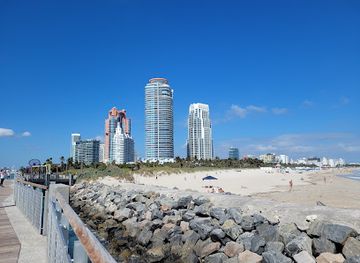
Miami Beach’s attractions range from the Art Deco Historic District in South Beach to the broad Atlantic shoreline that runs along the city’s eastern edge. Ocean Drive, Collins Avenue and Washington Avenue provide a concentrated introduction to preserved 1930s and 1940s architecture, while the Art Deco Museum and guided architectural walks interpret the district’s design history. The Miami Beach Boardwalk follows much of the oceanfront through Mid-Beach and North Beach, where the urban atmosphere becomes quieter and more residential. Lincoln Road is a pedestrian-oriented cultural and shopping promenade, and Española Way adds a compact historic streetscape with restaurants and community activity. At the northern end, North Beach Bandshell hosts cultural programming, while Haulover Park lies beyond Miami Beach’s municipal boundary. On the bay side, South Pointe Park offers views towards the shipping channel and Fisher Island, and the Venetian Causeway provides a scenic connection across Biscayne Bay for walkers and cyclists.
-
Tourist attraction
Bayside Marketplace
Explore Bayside Marketplace, Miami’s premier waterfront shopping and entertainment hub, filled with shops, restaurants, and live music.
-
Tourist attraction
Wynwood Walls
Discover the vibrant murals and street art at Wynwood Walls, Miami's premier outdoor museum showcasing global artistic talent.
-
Tourist attraction
Lummus Park
Discover the vibrant beauty of Lummus Park, a beachfront gem in Miami Beach, perfect for relaxation, recreation, and soaking up the sun.
-
Tourist attraction
Bayfront Park
Explore Bayfront Park, Miami's scenic urban park with stunning waterfront views, live entertainment, and lush green spaces perfect for relaxation.


Best landmarks in Miami Beach
The Art Deco Historic District is Miami Beach’s defining built landmark, a large concentration of early twentieth-century hotels and commercial buildings recognised for geometric ornament, curved corners, coloured façades and Streamline Moderne detailing. The district’s visual centre lies around Ocean Drive, although notable examples continue along Collins and Washington avenues. South Pointe Park marks the southern tip of the island, where the Atlantic, Government Cut and Biscayne Bay create a distinctive maritime setting with views towards Fisher Island and passing ships. The Miami Beach Boardwalk is another characteristic feature, linking the urban beachfront with long ocean views through Mid-Beach and North Beach. The Bass, housed in a former 1930s library building, represents the city’s developing cultural landscape, while the Miami Beach Bandshell is a recognised venue for outdoor performances. Together these natural and architectural landmarks express the city’s transformation from barrier island to international resort.
-
Park
Lummus Park
Discover the vibrant atmosphere of Lummus Park in Miami Beach, where sun, sand, and social life merge into a perfect coastal retreat.
-
Park
South Pointe Park
Discover the tranquil beauty of South Pointe Park, where lush landscapes meet stunning ocean views in Miami Beach's premier park.
-
 Park
ParkMaurice A. Ferré Park
Explore Maurice A. Ferré Park, a beautiful urban oasis in Downtown Miami, featuring lush landscapes, stunning waterfront views, and vibrant public art.
-
Park
Collins Park
Explore the artistic charm and natural tranquility of Collins Park in Miami Beach, a perfect retreat for tourists seeking leisure and beauty.
Explore Miami Beach on the map
Plan your trip on one map. See where the top attractions, landmarks, restaurants and hotels are, and book hotels and experiences in a few clicks.
Best hotels in Miami Beach
Best restaurants in Miami Beach
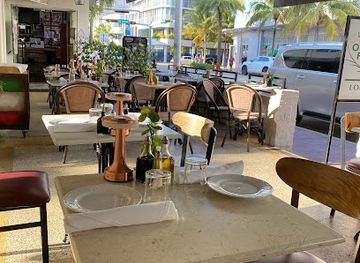
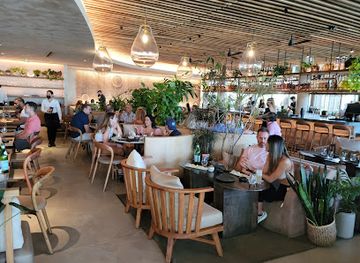
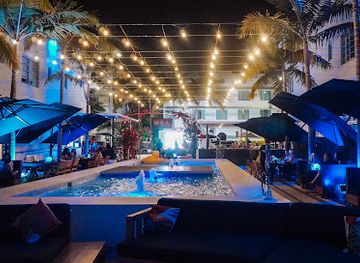
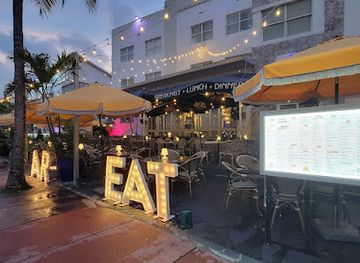
Miami Beach’s dining culture reflects its position between the Caribbean, Latin America and the wider Atlantic world. Cuban cooking, with coffee, sandwiches and roast pork among its familiar expressions, is part of the wider Miami food landscape, while menus across the city also draw on Haitian, Jewish, Italian, Asian and contemporary American traditions. Seafood is prominent, although responsible sourcing and seasonal availability vary by establishment. South Beach contains the greatest concentration of restaurants, cafés, bakeries and late-night dining, especially around Ocean Drive, Española Way, Lincoln Road and Collins Avenue. Mid-Beach’s large hotels often have substantial restaurants, while North Beach is known for a more local, less concentrated selection of cafés, taquerias and casual eateries. Visitors should also look to mainland Miami for a wider range of neighbourhood food cultures, including Little Havana and other districts reached across the causeways.
-
Italian
Il Pastaiolo | Italian Restaurant in Miami Beach
Experience authentic Italian cuisine at Il Pastaiolo in Miami Beach—where tradition meets flavor in a vibrant atmosphere.
-
Asian Fusion
MILA
Experience culinary excellence at MILA, an Asian Fusion restaurant in Miami Beach offering stunning rooftop views and innovative dishes.
-
Restaurant
Sola Miami Beach
Experience vibrant New American cuisine at Sola Miami Beach, where culinary innovation meets a lively atmosphere in sunny Florida.
-
American
Maxine's Bistro and Bar - American Restaurant in Miami Beach
Experience exquisite American cuisine at Maxine's Bistro and Bar in Miami Beach – where flavor meets vibrant atmosphere.
Best bars in Miami Beach
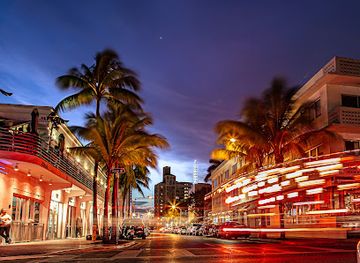
Evening life is concentrated in South Beach, where hotel lounges, cocktail bars, music venues and late-night restaurants occupy parts of Ocean Drive, Collins Avenue, Washington Avenue and nearby streets. The atmosphere ranges from outdoor people-watching and live music to more formal clubs, with the busiest activity generally found in the southern part of the city. Mid-Beach is quieter and its evening options are often associated with hotel restaurants, bars and lounges rather than a continuous nightlife district. North Beach has a more relaxed selection of neighbourhood bars and venues, with occasional cultural programming at the North Beach Bandshell. Opening patterns, door policies and event schedules change frequently, so visitors should verify current information and arrange transport responsibly after late nights, particularly when travelling beyond the island.
-
Bar
Wet Willie's
Dive into the tropical spirit of Miami Beach at Wet Willie's, where frozen drinks and a festive vibe await every visitor.
-
Bar
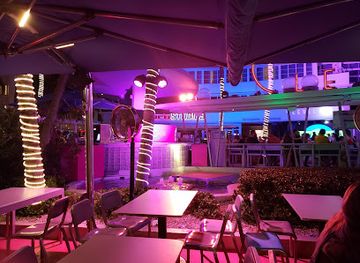
The Clevelander Bar
Discover the vibrant atmosphere of The Clevelander Bar, a top nightlife destination in Miami Beach offering cocktails, dining, and live entertainment.
-
Bar
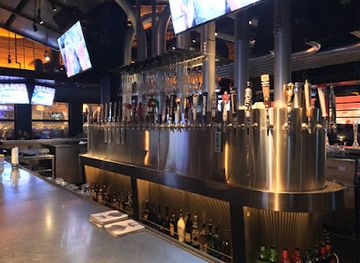
Yard House
Discover the vibrant flavors and extensive beer selection at Yard House in Miami Beach, where great food meets a lively atmosphere.
-
Bar
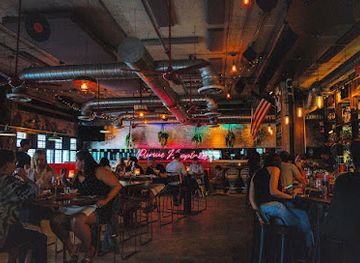
Sweet Liberty Drinks & Supply Company
Experience the vibrant nightlife of Miami Beach at Sweet Liberty Drinks & Supply Company, where creative cocktails and lively music await.
Best nightclubs in Miami Beach
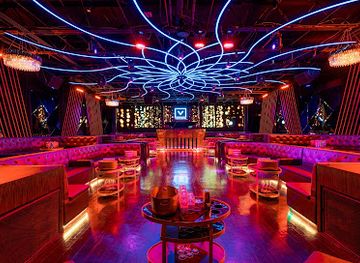
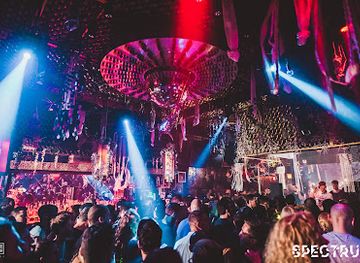
Evening life is concentrated in South Beach, where hotel lounges, cocktail bars, music venues and late-night restaurants occupy parts of Ocean Drive, Collins Avenue, Washington Avenue and nearby streets. The atmosphere ranges from outdoor people-watching and live music to more formal clubs, with the busiest activity generally found in the southern part of the city. Mid-Beach is quieter and its evening options are often associated with hotel restaurants, bars and lounges rather than a continuous nightlife district. North Beach has a more relaxed selection of neighbourhood bars and venues, with occasional cultural programming at the North Beach Bandshell. Opening patterns, door policies and event schedules change frequently, so visitors should verify current information and arrange transport responsibly after late nights, particularly when travelling beyond the island.
-
Night club
VOODOO LOUNGE
Discover Voodoo Lounge: A vibrant night club and restaurant in Miami Beach blending exquisite dining and electrifying nightlife.
-
Night club
LIV Nightclub Miami
Discover LIV Nightclub, Miami Beach's ultimate nightlife destination, where high-energy parties and celebrity sightings create memorable nights.
-
Night club
Vendôme Miami
Discover the vibrant nightlife of Miami at Vendôme, the ultimate destination for unforgettable dance and entertainment experiences.
-
Night club
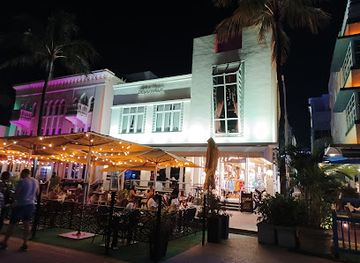
Do Not Sit On The Furniture
Dive into Miami Beach's electrifying nightlife at Do Not Sit On The Furniture, a premier venue for live music and unforgettable party experiences.

Best shops in Miami Beach
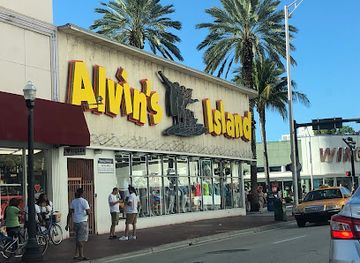
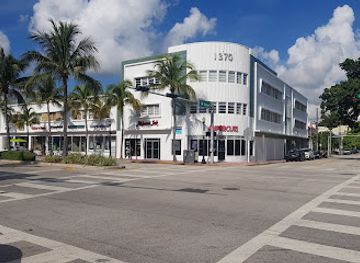
Shopping in Miami Beach is concentrated in South Beach and around Lincoln Road, a pedestrian-oriented promenade lined with shops, cafés, restaurants and cultural venues. Collins Avenue and the streets around the Art Deco Historic District offer fashion, beachwear, jewellery, galleries and practical holiday purchases, while Española Way has a more intimate, restaurant-led character with independent businesses. North Beach and Mid-Beach contain fewer concentrated retail areas, with everyday shops and services spread through residential neighbourhoods. Miami-themed souvenirs, contemporary art, Latin American influences, swimwear and design-led homeware are among the products visitors may encounter, although stock and businesses change regularly. For specialist luxury shopping, the Design District, Brickell and Bal Harbour are separate destinations outside Miami Beach and require travel across or beyond the wider Miami area; local markets and cultural events may also provide more distinctive purchases than standard resort retail.
-
Souvenir store
Alvin's Island - Miami Beach #18
Explore a vibrant souvenir store in Miami Beach with unique gifts, stylish clothing, and memorable keepsakes to cherish your vacation.
-
Shopping mall
Shoppes of Il Villaggio
Discover luxury and elegance at the Shoppes of Il Villaggio, Miami Beach's premier shopping destination with exclusive boutiques and gourmet dining.
-
Beach clothing store
Breeza Beachwear
Discover Breeza Beachwear in Miami Beach for stylish swimwear and unique souvenirs that capture the spirit of the coast.
-
Boutique
URock Couture Miami Beach
Experience the vibrant fashion scene at URock Couture, Miami Beach's premier boutique for trendy clothing and accessories.
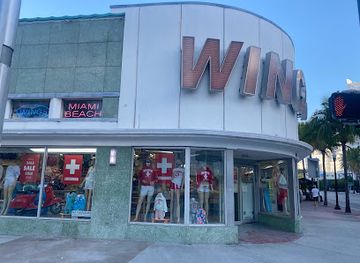
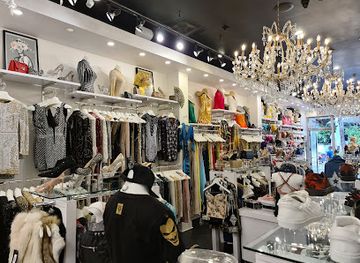
Get your free copy of our complete guide to Miami Beach, delivered straight to you.
Everything on this page, from attractions and restaurants to essentials and local phrases, in one PDF you can read offline, print or share.
Already have an account? Sign in
Your Miami Beach guide is ready.
We'll send it to · Not you? Sign out

Getting your guide ready…
We are putting together a fresh copy of the Miami Beach guide. This can take up to a minute.
This can take a few moments. If your browser asks, choose Allow so the download can start. You'll find the guide in your Downloads folder.
Nothing happened? Download it again
Sorry, the guide is taking longer than usual. Please try again in a minute, or get it by email instead.
Miami Beach essentials
Currency and Payment
Safety
Emergency Situations
Do's and Don'ts
Local Tips
From Eve
Local phrases worth knowing
You don't need to get them perfect. A few words go a long way, and locals appreciate the effort.
Basics
| English | Local | Say it |
|---|---|---|
| Hello | Hola | [oh-lah] |
| Goodbye | Adiós | [ah-dee-ohs] |
| Yes | Sí | [see] |
| No | No | [noh] |
| Please/You're welcome | Por favor/De nada | [pohr fah-vohr/deh nah-dah] |
| Thank you | Gracias | [grah-see-ahs] |
| Excuse me/Sorry | Perdón/Lo siento | [pehr-dohn/loh see-ehn-toh] |
| How are you? | ¿Cómo estás? | [koh-moh ehs-tahs] |
| Fine. And you? | Bien. ¿Y tú? | [byen. ee too] |
| Do you speak English? | ¿Hablas inglés? | [ah-blahs een-glehs] |
| I don't understand | No entiendo | [noh ehn-tee-ehn-doh] |
Eating & Drinking
| English | Local | Say it |
|---|---|---|
| I'd like to see the menu, please | Me gustaría ver el menú, por favor | [meh goos-tah-ree-ah behr ehl meh-noo, pohr fah-vohr] |
| I don't eat meat | No como carne | [noh koh-moh kahr-neh] |
| Cheers! | ¡Salud! | [sah-lood] |
| I would like to pay, please | Me gustaría pagar, por favor | [meh goos-tah-ree-ah pah-gahr, pohr fah-vohr] |
Emergencies
| English | Local | Say it |
|---|---|---|
| Help! | ¡Ayuda! | [ah-yoo-dah] |
| Go away! | ¡Vete! | [veh-teh] |
| Call the Police! | ¡Llama a la policía! | [yah-mah ah lah poh-lee-see-ah] |
| Call a doctor! | ¡Llama a un doctor! | [yah-mah ah oon dohk-tohr] |
| I'm lost | Estoy perdido | [ehs-toy pehr-dee-doh] |
| I'm ill | Estoy enfermo | [ehs-toy ehn-fehr-moh] |
Shopping
| English | Local | Say it |
|---|---|---|
| I'd like to buy... | Me gustaría comprar... | [meh goos-tah-ree-ah kohm-prahr] |
| I'm just looking | Solo estoy mirando | [soh-loh ehs-toy mee-rahn-doh] |
| How much is it? | ¿Cuánto cuesta? | [kwan-toh kwehs-tah] |
| That's too expensive | Esto es demasiado caro | [ehs-toh ehs deh-mah-see-ah-doh kah-roh] |
| Can you lower the price? | ¿Puede bajar el precio? | [pweh-deh bah-hahr ehl pree-syoh] |
Time & Numbers
| English | Local | Say it |
|---|---|---|
| What time is it? | ¿Qué hora es? | [keh oh-rah ehs] |
| It's one o'clock | Es la una | [ehs lah oo-nah] |
| Half past (10) | Son las diez y media | [sohn lahs dyehs ee meh-dee-ah] |
| Morning | Mañana | [mah-nyah-nah] |
| Afternoon | Tarde | [tahr-deh] |
| Evening | Noche | [noh-cheh] |
| Yesterday | Ayer | [ah-yehr] |
| Today | Hoy | [oy] |
| Tomorrow | Mañana | [mah-nyah-nah] |
| 1 | Uno | [oo-noh] |
| 2 | Dos | [dohs] |
| 3 | Tres | [trehs] |
| 4 | Cuatro | [kwah-troh] |
| 5 | Cinco | [seen-koh] |
| 6 | Seis | [sayss] |
| 7 | Siete | [syeh-teh] |
| 8 | Ocho | [oh-choh] |
| 9 | Nueve | [nweh-veh] |
| 10 | Diez | [dyehs] |
Transport & Directions
| English | Local | Say it |
|---|---|---|
| Where's a/the...? | ¿Dónde está...? | [dohn-deh ehs-tah] |
| What's the address? | ¿Cuál es la dirección? | [kwahl ehs lah dee-rehk-syohn] |
| Can you show me (on the map)? | ¿Puede mostrarme (en el mapa)? | [pweh-deh mohs-trar-meh (ehn ehl mah-pah)] |
| When's the next (bus)? | ¿Cuándo es el próximo (autobús)? | [kwan-doh ehs ehl proh-ksee-moh (ow-toh-boos)] |
| A ticket (to ....) | Un boleto (para ....) | [oon boh-leh-toh (pah-rah)] |
History of Miami Beach
A Barrier Island Before Resort Development
The Miami Beach area formed through coastal and marine processes that created a barrier island beside Biscayne Bay and the Atlantic Ocean. Before large-scale development, the island consisted largely of dunes, coastal vegetation and wetlands, with access shaped by tidal waters and the mainland’s river and bay systems. Indigenous peoples lived in the wider South Florida region long before modern Miami Beach was established, while later settlers used the coast and bay for fishing, transport and small-scale agriculture. The island’s physical separation from mainland Miami remained a defining practical challenge until bridges and organised development altered its future.
The Collins and Fisher Enterprises
Modern Miami Beach emerged in the late nineteenth and early twentieth centuries through agricultural, transport and real-estate ventures. John S. Collins developed land and promoted cultivation on the island, while the completion of the Collins Bridge in 1913 improved access from Miami and helped stimulate tourism and settlement. Carl G. Fisher became a powerful developer and promoter, extending roads, creating resort infrastructure and marketing Miami Beach to visitors from northern states. Miami Beach was incorporated as a municipality in 1915. These projects transformed an isolated coastal landscape into a planned leisure destination, although the process also involved extensive environmental alteration and the displacement of earlier landscapes.
The Boom and Hurricane of 1926
During Florida’s land boom in the 1920s, Miami Beach expanded rapidly with hotels, streets, residential developments and recreational facilities. The speculative surge was followed by the devastating Miami hurricane of September 1926, which damaged buildings, disrupted transport and sharply weakened the property boom. The storm exposed the vulnerability of a low-lying barrier island and contributed to a difficult period of economic adjustment. Miami Beach subsequently rebuilt and continued to develop as a resort, with tourism, construction and service work becoming central to its identity.
Art Deco and Post-War Transformation
The architectural character now associated with South Beach took shape largely during the 1930s and 1940s, when hotels and commercial buildings were constructed in Art Deco, Streamline Moderne and related styles. After the Second World War, Miami Beach became an important holiday and convention centre, while its population and cultural life grew more diverse. The city attracted Jewish residents and visitors who helped shape its institutions and businesses, alongside Caribbean, Latin American and other international communities. Mid-century modern buildings added another layer to the urban landscape as the resort expanded beyond its original southern core.
Preservation and Contemporary Miami Beach
By the 1970s, many older South Beach buildings faced neglect, alteration or demolition, prompting preservation campaigns led by local residents, architects and the Miami Design Preservation League. The Art Deco Historic District was placed on the National Register of Historic Places in 1979, helping establish architectural conservation as a central part of Miami Beach’s identity. Restoration, cultural programming and renewed investment transformed South Beach in the following decades, while development continued in Mid-Beach and North Beach. Today the city balances tourism, residential life, historic preservation, coastal management and the long-term pressures facing a densely built barrier island.
Miami Beach in Photos
Browse through our photo collection highlighting the charm and character of the destination.
Cities in Miami Beach
The towns and cities of Miami Beach, and the easiest places to base yourself.

Swipe for more cities
Neighbouring destination travel guides
The closest destinations to Miami Beach, if you have time for more than one.
-

-

-

-

-


Swipe for more destinations
Explore more

Explore more of Gold Coast
Explore Florida’s Gold Coast for Atlantic beaches, Art Deco streets, waterfront cities, multicultural food and easy access to Everglades landscapes.
Explore Gold Coast
Explore more of Florida
Discover Florida: A Sunshine State full of dazzling beaches, iconic theme parks, rich history, and stunning natural parks, offering endless adventures for every traveler.
Explore Florida