The Bridge of Avignon, Avignon Travel Guide
Discover the legendary Pont d'Avignon, a UNESCO World Heritage site, and immerse yourself in the history and charm of this iconic medieval bridge made famous by the beloved song.
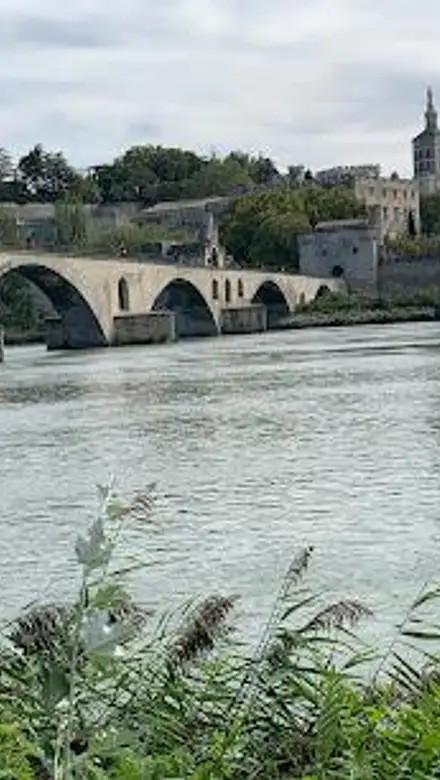
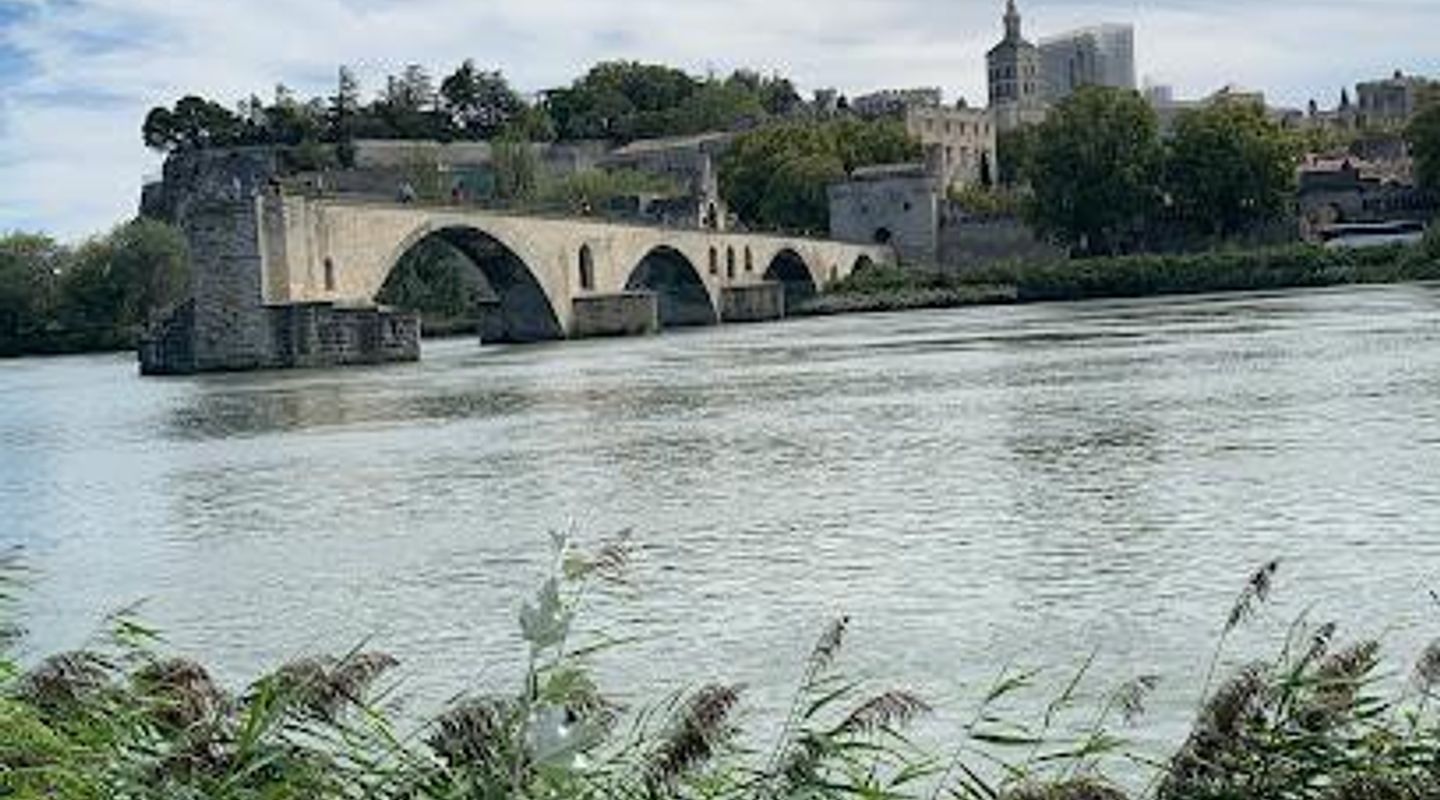
The Pont d'Avignon, also known as the Pont Saint-Bénézet, is an iconic medieval bridge in Avignon, France, famous for the children's song "Sur le Pont d'Avignon." Originally built in the 12th century, it once spanned the Rhône River, connecting Avignon with Villeneuve-lès-Avignon. Over time, floods and wars led to the collapse of many arches, leaving only four of the original 22. Today, the remaining arches and the chapel of Saint Nicholas atop one of them stand as a testament to medieval engineering and a symbol of Avignon's rich history. Visitors can explore the bridge, learn about its construction and turbulent past, and enjoy panoramic views of the Rhône and the city. The bridge is a UNESCO World Heritage site and a must-see attraction, offering a unique glimpse into Avignon's cultural and historical significance. Don't miss the opportunity to immerse yourself in the history and charm of this world-renowned landmark.
A brief summary to The Bridge of Avignon
- Bd de la Ligne, Avignon, 84000, FR
- Click to display
- Click to display
- Monday 10 am-5 pm
- Tuesday 10 am-5 pm
- Wednesday 10 am-5 pm
- Thursday 10 am-5 pm
- Friday 10 am-5 pm
- Saturday 10 am-5 pm
- Sunday 10 am-5 pm

Know before you go
Hi, I'm Eve. Here are a few practical things to know before exploring The Bridge of Avignon.
- Visit early in the morning or late in the afternoon to avoid crowds and enjoy a more peaceful experience.
- Download the audio guide app for a self-guided tour with historical insights and fascinating stories.
- Combine your visit with a trip to the Palais des Papes for a comprehensive exploration of Avignon's history.
- Take a stroll along the banks of the Rhône River for picturesque views of the bridge and the city.
- Check the local events calendar for festivals or performances that may be taking place at the bridge or in the surrounding area.
Do you manage this location?
Take control to get all the benefits, like improved information, better appearance, and stronger visibility across AI-powered discovery. Learn more about listing your business on Evendo
Activate your presenceOther nearby places you may find interesting
The closest places of the same kind, if this one is not quite what you had in mind.


Explore The Bridge of Avignon on the Map
A handpicked selection of must-see spots near The Bridge of Avignon, mapped for you.
Unlock the Best of The Bridge of Avignon
Buy tickets
-
No tickets available
Book tours with entry


Getting There
-
Walking
From the Palais des Papes, walk towards the Rhône River. The bridge is located a short, easy walk from the palace, approximately 5-10 minutes. Follow the signs directing you towards the 'Pont d'Avignon'. The path is mostly flat and paved. Note that the entrance to the bridge requires a ticket purchase.
-
Public Transport
If arriving at Avignon Centre train station, take the bus line to a stop near the Palais des Papes (e.g., 'Palais des Papes' stop). From there, follow the walking directions above to reach the bridge. A single bus fare is approximately €2. Alternatively, a taxi or ride-share from the train station to the bridge will cost around €5-€7.
-
Driving
If driving, parking is available at the Parking du Palais des Papes. From the car park, exit towards the Palais des Papes and follow the walking directions to the bridge. Parking fees at the Palais des Papes car park vary, with hourly rates typically around €2-€3 and daily rates around €13.
Discover more about The Bridge of Avignon













Your all‑in‑one travel companion app
Explore expert travel guides, compare and book tours, experiences, hotels, and more—all from the palm of your hand. Download now for seamless trip planning wherever your wanderlust takes you.


Explore More of Avignon
Looking beyond The Bridge of Avignon? Discover Avignon for broader travel guides, local hot-spots, and regional highlights.
Explore Avignon
Discover the Cadran Humain in Avignon: a unique blend of history, astronomy, and art awaits near the Palais des Papes, offering a hands-on experience of ancient timekeeping.

Experience Avignon's breathtaking beauty from the Belvédère Panoramique du Rhône, offering unparalleled views of the city's historic landmarks and the Rhône Valley's stunning landscapes.