Pont Saint-Bénezet: Avignon's Iconic Bridge
Discover the legendary Pont d'Avignon, a UNESCO World Heritage site, and explore the history and captivating stories of this iconic medieval bridge over the Rhône River.
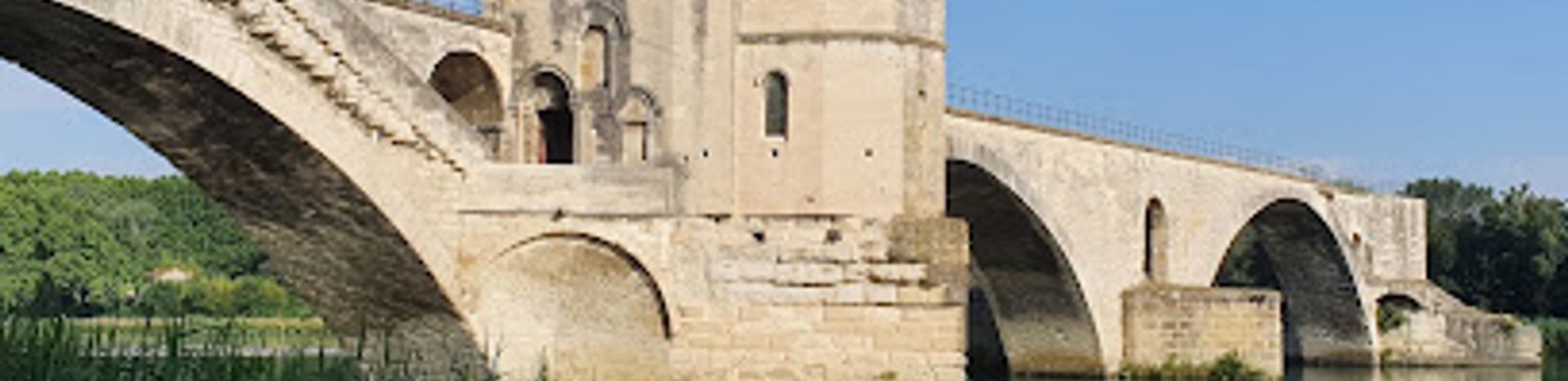
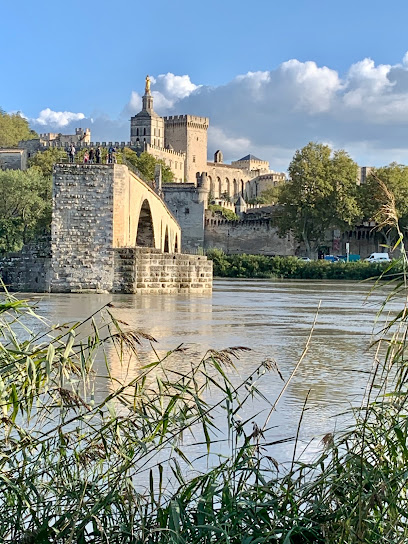
The Pont Saint-Bénezet, better known as the Pont d'Avignon, is a UNESCO World Heritage site and an iconic symbol of the city. This medieval bridge, dating back to the 12th century, once spanned the Rhône River, connecting Avignon with Villeneuve-lès-Avignon. Today, only four of its original 22 arches remain, a testament to the ravages of time and the Rhône's powerful floods. Immortalized in the beloved French nursery rhyme "Sur le Pont d'Avignon," the bridge beckons visitors to explore its history, legend, and stunning views of the Rhône and the Palais des Papes. The bridge offers an accessible museum area, audio guides in multiple languages, and a glimpse into Avignon's rich past, making it a must-see attraction for any traveler to Provence. Whether you're captivated by its architectural remains, intrigued by the legend of Saint Bénezet, or simply want to dance (metaphorically, of course!) on the famous bridge, the Pont d'Avignon promises a memorable experience.
A brief summary to Pont Saint-Bénezet (Le Pont d'Avignon)
- Bd de la Ligne, Avignon, 84000, FR
- +33432743274
- Visit website
- Monday 9 am-7 pm
- Tuesday 9 am-7 pm
- Wednesday 9 am-7 pm
- Thursday 9 am-7 pm
- Friday 9 am-7 pm
- Saturday 9 am-7 pm
- Sunday 9 am-7 pm
Local tips
- Visit early in the morning or later in the afternoon to avoid the crowds, especially during peak season. This allows for a more peaceful and intimate experience.
- Take advantage of the audio guide or touchscreen tablet available at the entrance to fully appreciate the history and significance of the bridge.
- Combine your visit with a trip to the Palais des Papes for a comprehensive exploration of Avignon's historical landmarks. Consider purchasing a combined ticket for cost savings.

Getting There
-
Walking
From the Palais des Papes, walk east towards the Bd de la Ligne. The Pont d'Avignon is located on the Rhône River, a short walk from the palace. Follow the signs; it's approximately a 5-10 minute walk. The route is mostly flat and easily navigable.
-
Public Transport
Avignon's public transport network, Orizo, serves the area. Several bus lines stop near the Pont d'Avignon. Check the Orizo website or app for the most up-to-date schedules and routes. A single ticket costs around €1.40. The main bus interchanges in central Avignon are in front of the main post office (Avignon Poste), in place Pie and on rue de la République.
-
Taxi/Ride-Share
Taxis and ride-sharing services are readily available in Avignon. A short taxi ride from the Avignon Centre train station to the Pont d'Avignon will cost approximately €10-€15, depending on traffic. Taxi ranks are located in front of the central and TGV railway stations, while others are at Raspail (rue de la République), St Lazare (near the university) and place Pie.
-
Driving
Parking near the Pont d'Avignon can be challenging, especially during peak season. Consider parking outside the city walls at one of the park-and-ride facilities (e.g., Parking de l'Ile Piot or Parking des Italiens) and taking a shuttle bus to the city center. If driving into the city, the Parking du Palais des Papes is a convenient option, with rates around €1.40-€1.70 per hour. Esplanade Saint Bénezet (Pont d'Avignon) offers drop-off bus parking: the 1st hour free, from the 2nd hour onwards: €3/hour. Free on Sundays and public holidays and from 8 p.m. to 8 a.m.
Discover more about Pont Saint-Bénezet (Le Pont d'Avignon)
Iconic landmarks you can’t miss

Chapelle Saint-Bénézet
0.0 km
Discover the serene Chapelle Saint-Bénézet in Avignon, a historic chapel offering a peaceful retreat and a glimpse into the region's spiritual heritage.
Porte du Rocher Tower
0.1 km
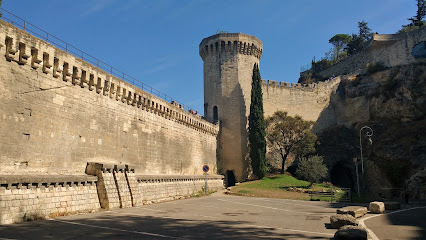
Explore the Porte du Rocher Tower in Avignon, a historical landmark offering a glimpse into the city's medieval defenses and architectural heritage.
Pont Saint-Bénézet
0.2 km
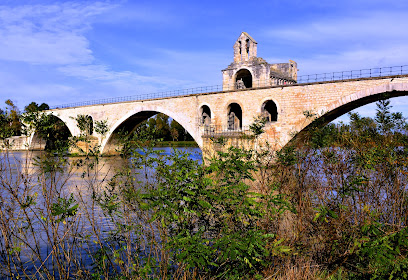
Explore the remains of the legendary Pont d'Avignon, a medieval bridge with a famous song and rich history on the Rhône River.
Bac du Rocher des Doms
0.3 km
Experience Avignon from a unique perspective with a free river shuttle offering stunning views and access to Île de la Barthelasse.
Stairs to Rocher des Doms
0.3 km
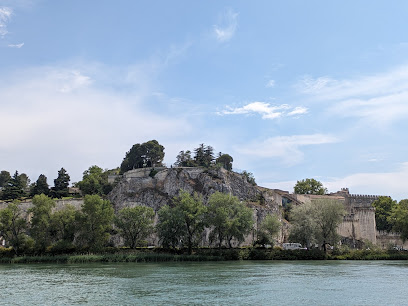
Explore Rocher des Doms in Avignon, where history and stunning views intertwine in a serene garden setting.
Avignon Cathedral
0.3 km
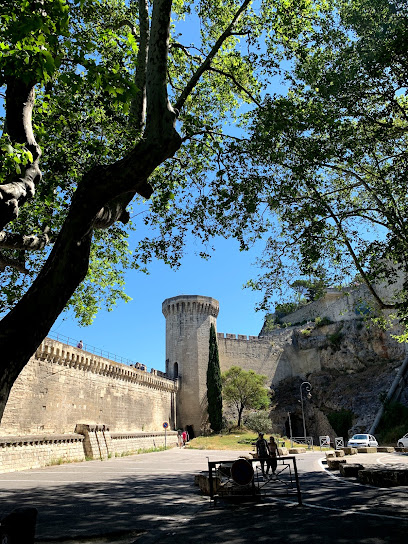
Discover the architectural marvel of Avignon Cathedral, a historical gem offering breathtaking views and rich spiritual heritage in the heart of Avignon.
Galerie Du Palais Des Papes
0.3 km
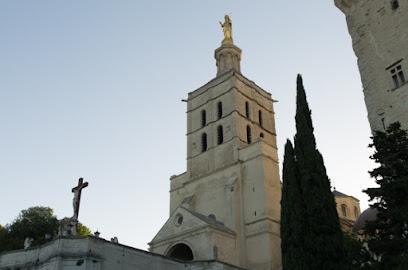
Explore the Palais des Papes, a UNESCO World Heritage site and one of Europe's largest and most important medieval Gothic palaces in Avignon.
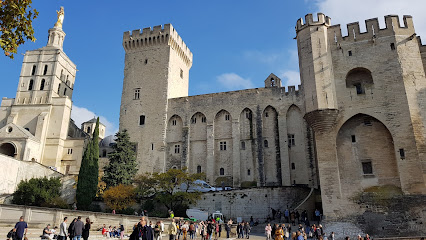
L'Hôtel Calvet de la Palun (ancienne Banque de France)
0.4 km
Explore the historical elegance of L'Hôtel Calvet de la Palun, a former Bank of France and architectural landmark in the heart of Avignon.
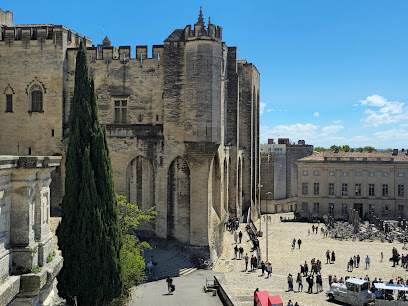
Place Crillon
0.4 km
Discover Place Crillon in Avignon: a historic square with a relaxed atmosphere, rich history, and connection to notable figures.
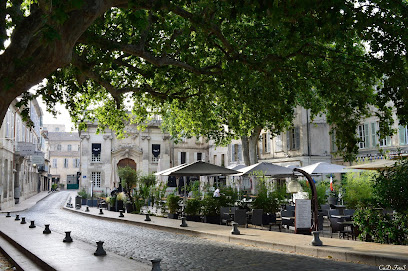
Opéra Grand Avignon
0.5 km
Experience world-class opera and performing arts in Avignon's historic Opéra Grand Avignon, a cultural jewel since the 19th century.
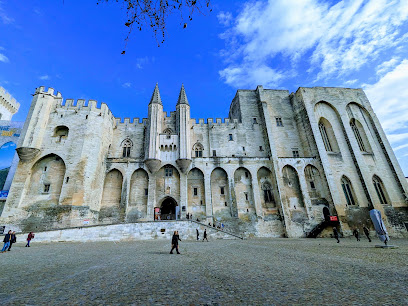
Hôtel Madon de Châteaublanc
0.5 km
Step back in time at Avignon's Hôtel Madon de Châteaublanc, a magnificent 17th-century mansion near the Palais des Papes.
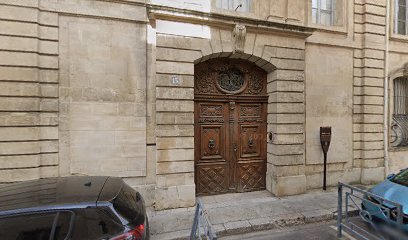
Place de l'Horloge
0.5 km
Experience the lively atmosphere of Avignon's Place de l'Horloge, a historic square filled with cafes, culture, and captivating history.
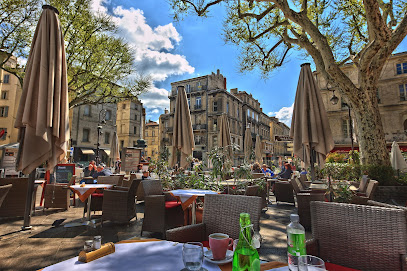
Pl. de l'Horloge
0.5 km
Experience the vibrant ambiance of Place de l'Horloge in Avignon, where history meets culinary delights and local culture thrives.
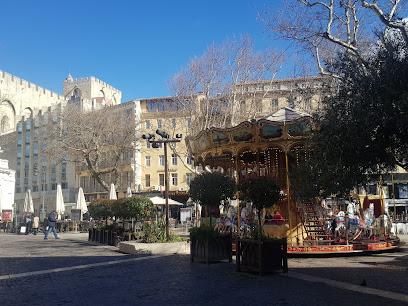
Church of Saint-Agricol
0.5 km
Discover Avignon's Collégiale Saint-Agricol: a historic Gothic church housing the relics of its patron saint and showcasing centuries of art and architecture.
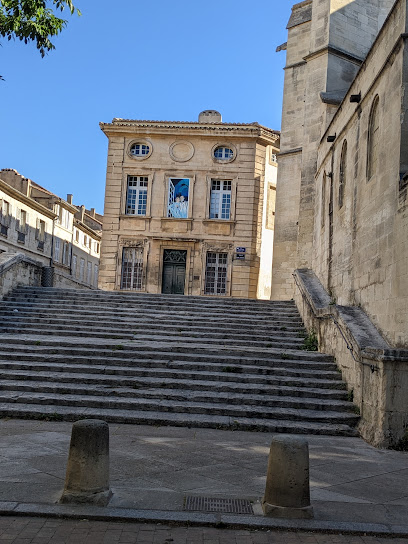
Maison Jean Vilar
0.5 km
Explore the life and legacy of Jean Vilar, founder of the Avignon Festival, at this cultural archive and performance space.
Unmissable attractions to see

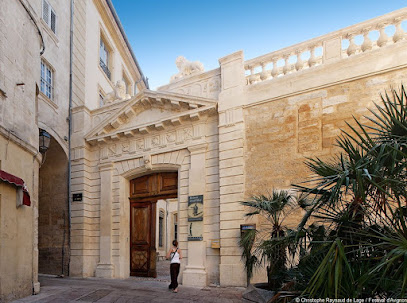
Musée du Petit Palais
0.2 km
Explore the exquisite collection of Renaissance masterpieces at the Musée du Petit Palais in Avignon, a cultural gem of France.
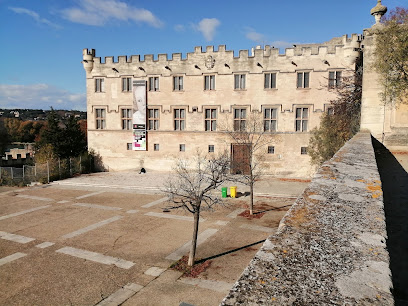
Point de Vue direction Pont d'Avignon
0.2 km
Experience breathtaking panoramic views of Avignon's iconic Pont d'Avignon and historic Palais des Papes from this easily accessible and free observation point atop Rocher des Doms.
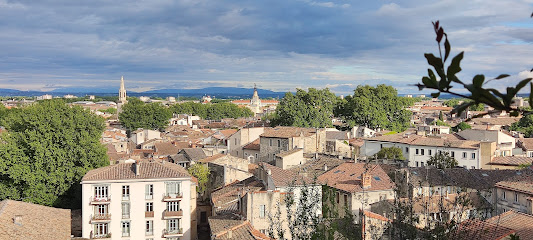
Belvédère Panoramique du Rhône
0.2 km
Experience Avignon's breathtaking beauty from the Belvédère Panoramique du Rhône, offering unparalleled views of the city's historic landmarks and the Rhône Valley's stunning landscapes.
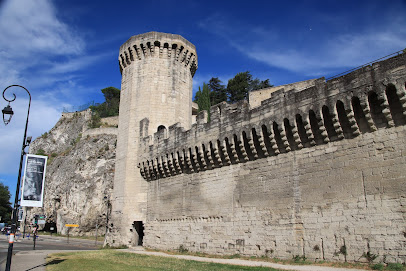
Cadran Humain
0.2 km
Discover the Cadran Humain in Avignon: a unique blend of history, astronomy, and art awaits near the Palais des Papes, offering a hands-on experience of ancient timekeeping.
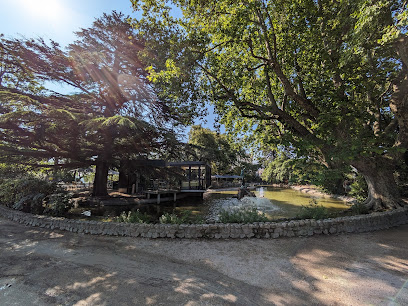
Jardin des Doms
0.2 km
Discover panoramic views and tranquil gardens atop Avignon's Rocher des Doms, a historic landmark offering a refreshing escape and breathtaking vistas of the city and Rhône Valley.
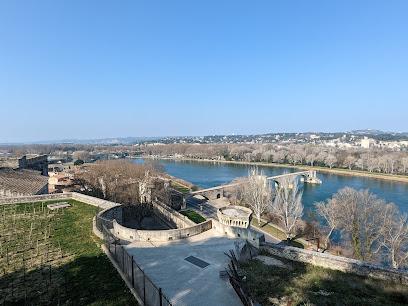
Place du Palais
0.3 km
Discover Avignon's Place du Palais: A historic square where papal grandeur meets vibrant culture, surrounded by architectural masterpieces and captivating stories of the past.
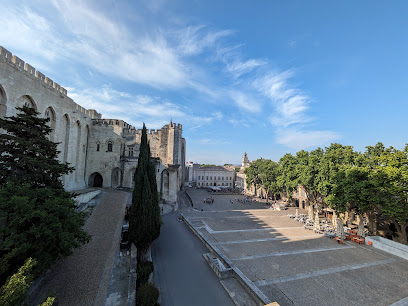
Pinie
0.3 km
Discover panoramic views and tranquil gardens atop Avignon's historical Rocher des Doms, a serene escape offering a unique perspective on the city's rich heritage and stunning landscapes.
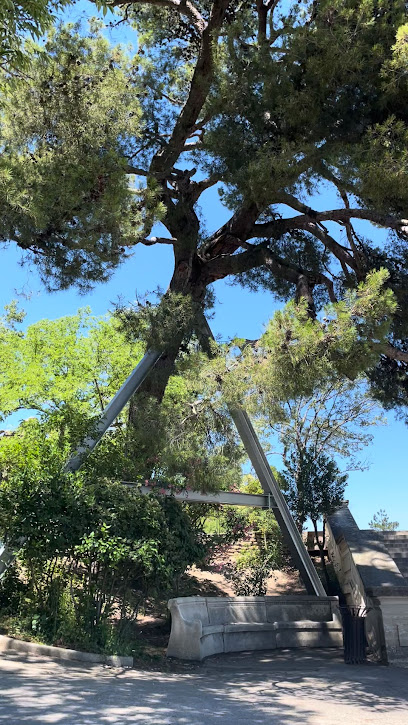
Petit train touristique d’Avignon
0.3 km
Experience the charm of Avignon aboard the Petit Train Touristique, a unique and comfortable way to explore this historic city.
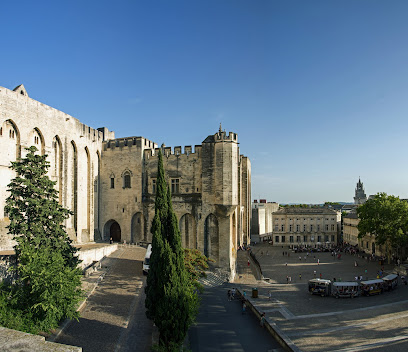
Hôtel des Monnaies
0.4 km
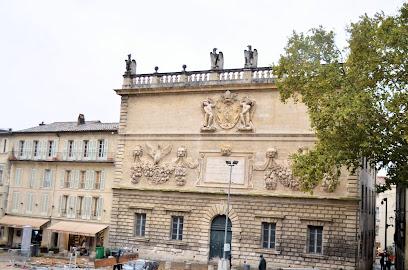
Discover the rich history and stunning architecture of Hôtel des Monnaies, a historic gem in the heart of Avignon, France.
Viewpoint Avignon
0.4 km
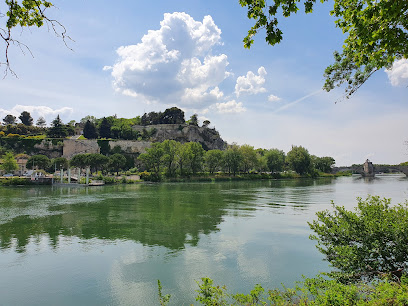
Discover playful fun with panoramic views at Viewpoint Avignon's Mini Golf Adventure on Île de la Barthelasse, a refreshing escape offering a unique perspective of Avignon's beauty.
Palais des Papes
0.4 km
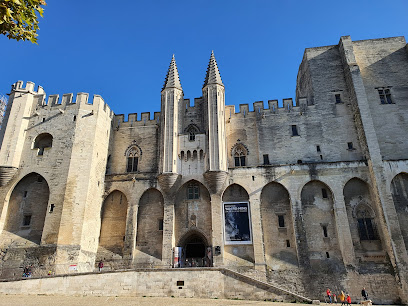
Experience the grandeur of the Palais des Papes in Avignon, a remarkable historical landmark and UNESCO World Heritage site steeped in papal history.
Gardens at the Popes’ Palace
0.4 km
Discover a tranquil oasis within Avignon's Palais des Papes: meticulously restored gardens showcasing medieval flora and offering a serene escape into papal history.
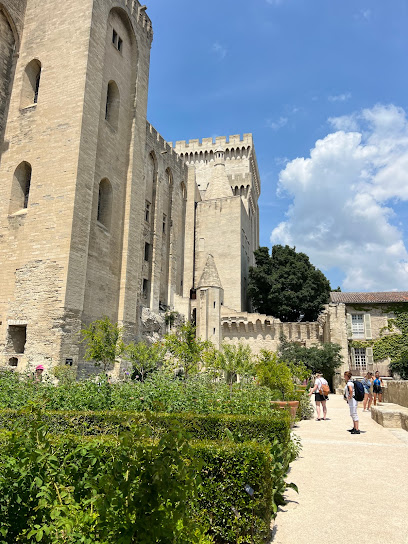
Photo spot
0.5 km
Discover the captivating photo spot in Avignon, where stunning architecture meets vibrant culture, perfect for unforgettable memories.
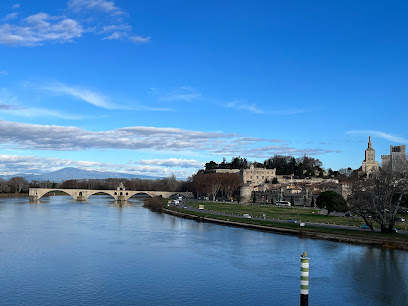
Sud France
0.5 km
Discover Avignon, the captivating city of Popes in Provence, where medieval history meets vibrant culture, offering iconic landmarks, artistic treasures, and Provençal charm.

Espace Sylvain Gagnière — Ruines Romaines
0.5 km
Explore Avignon's Roman past at Espace Sylvain Gagnière: Discover ancient ruins, learn about local history, and enjoy a peaceful escape in this captivating archaeological site.
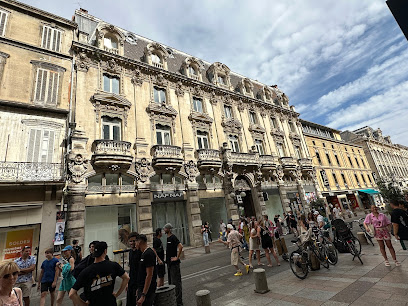
Essential places to dine

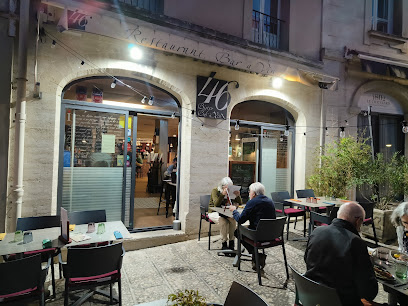
Restaurant Bar à Vin Le 46
0.3 km
Experience authentic Mediterranean flavors at Restaurant Bar à Vin Le 46 in Avignon - where exquisite French cuisine meets fine local wines.
Buvette du rocher des Doms
0.3 km
Experience exquisite views and delightful fast food at Buvette du Rocher des Doms in Avignon—where every meal comes with a side of breathtaking scenery.
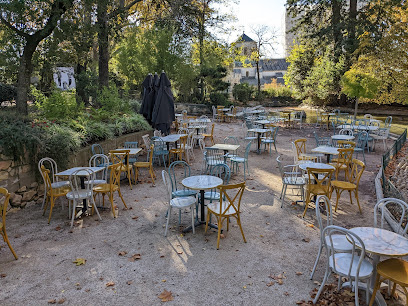
Le Moutardier du Pape
0.3 km
Experience the art of fine dining at Le Moutardier du Pape, where exquisite flavors meet stunning ambiance in Avignon.
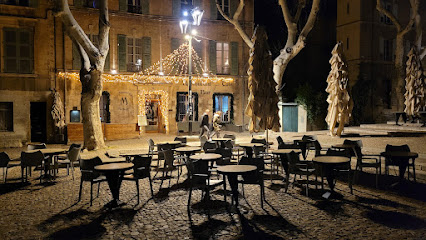
Le Goût du Jour
0.4 km
Discover the essence of modern French cuisine at Le Goût du Jour in Avignon - where each dish is a masterpiece.
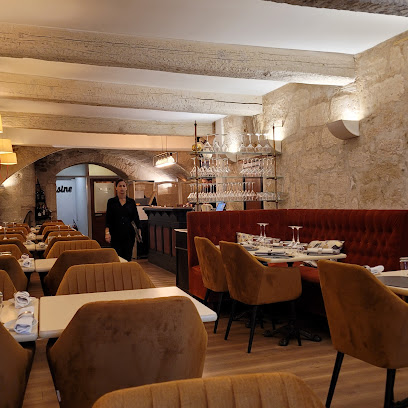
La Fourchette
0.4 km
Experience exquisite French and Mediterranean cuisine at La Fourchette in Avignon – where every dish tells a story.
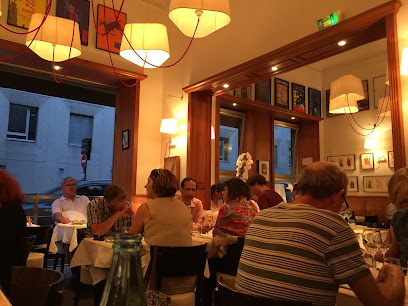
HOTEL D'EUROPE Restaurant La Vieille Fontaine
0.4 km
Discover culinary excellence at HOTEL D'EUROPE Restaurant La Vieille Fontaine in Avignon - where tradition meets innovation in fine dining.
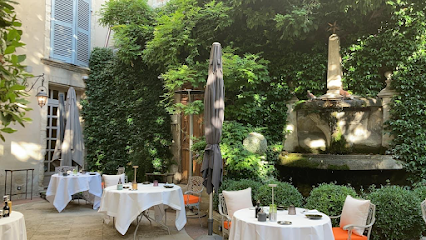
Carre des papes
0.4 km
Experience authentic French cuisine at Carre des Papes in Avignon - where tradition meets modern elegance in every bite.
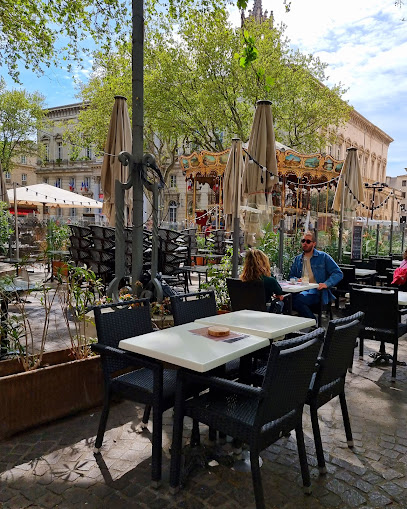
Le Carré du Palais
0.4 km
Experience exquisite French cuisine and local wines at Le Carré du Palais in Avignon – where tradition meets contemporary flair.
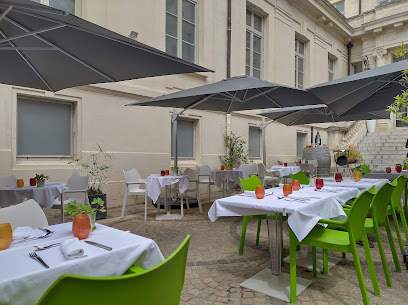
Arlequin Restaurant
0.4 km
Experience the essence of French cuisine at Arlequin Restaurant in Avignon - where tradition meets culinary artistry.
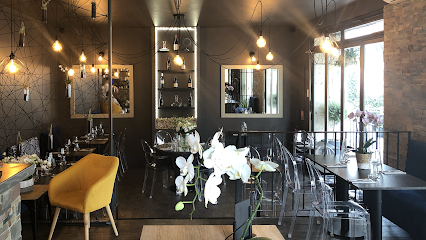
La Cuisine de Papa
0.4 km
Experience the essence of French gastronomy at La Cuisine de Papa in Avignon – where traditional flavors meet modern culinary artistry.
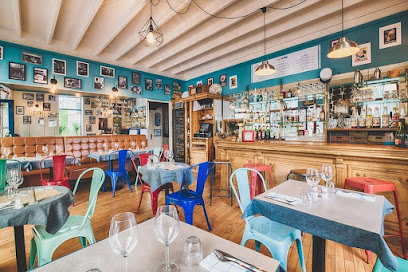
Restaurant EAT
0.5 km
Experience exquisite French and Mediterranean cuisine at Restaurant EAT in Avignon—where culinary artistry meets local tradition.
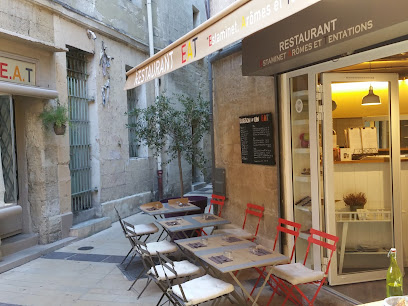
Restaurant SEVIN
0.5 km
Experience the culinary delights of Provence at Restaurant SEVIN in Avignon - where exquisite flavors meet elegant dining.
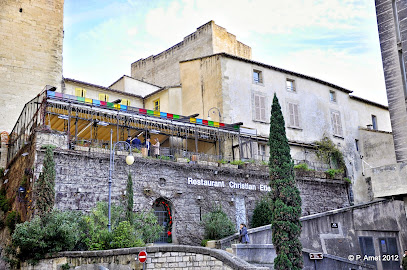
La Cour De Caro Avignon
0.5 km
Experience authentic French cuisine at La Cour De Caro in Avignon, where culinary artistry meets warm hospitality.
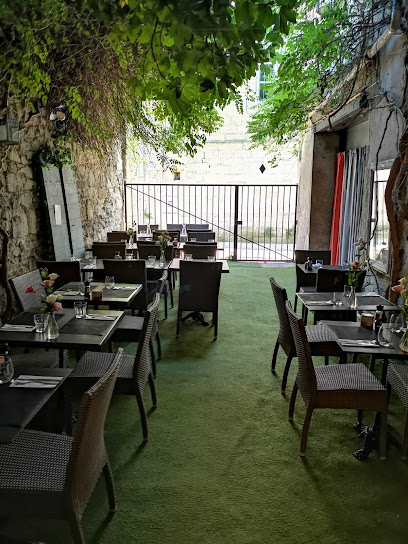
Léo Léa - Assiette au Boeuf - Avignon
0.5 km
Experience exquisite French cuisine at Léo Léa - Assiette au Boeuf; indulge in savory meats and cocktails in Avignon's vibrant heart.
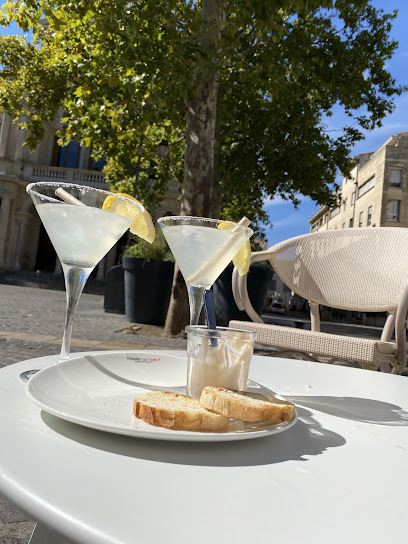
Restaurant Le Bercail
0.5 km
Experience authentic French cuisine at Restaurant Le Bercail in Avignon, where local flavors meet exquisite dining in a charming atmosphere.
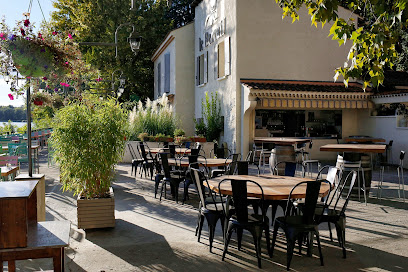
Markets, malls and hidden boutiques

Le Château du Bois Producteur de Lavande Fine - Avignon
0.2 km
Experience the enchanting world of lavender at Le Château du Bois, a unique gift shop and museum in the heart of Avignon.
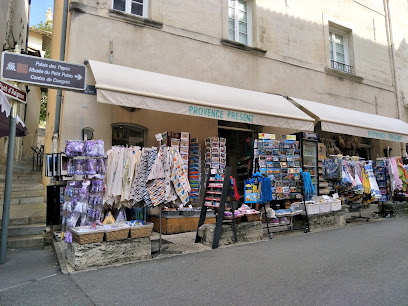
Avignon en Provence
0.2 km
Explore the flavors of Provence at Avignon en Provence, your go-to gift basket store in the heart of Avignon, filled with local delicacies and artisanal treasures.
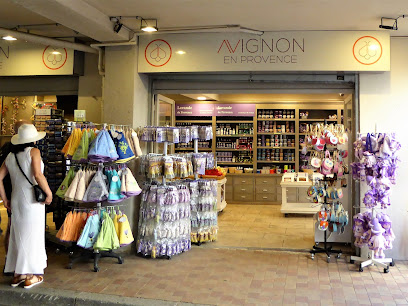
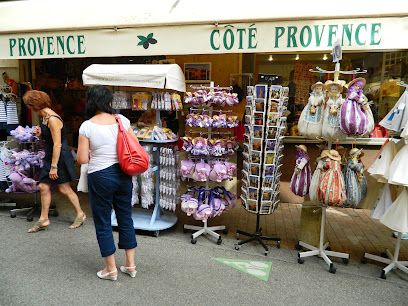
Coté Provence
0.3 km
Explore the heart of Provence at Coté Provence, your go-to souvenir store in Avignon for unique local crafts and gifts.
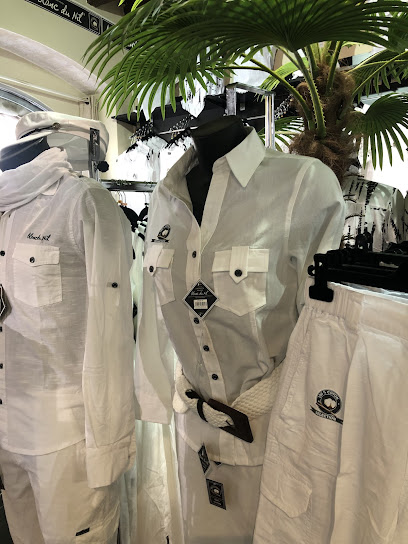
Lou en Provence
0.3 km
Explore Lou en Provence, a charming clothing store in Avignon, offering Provencal-inspired fashion and unique accessories to elevate your style.
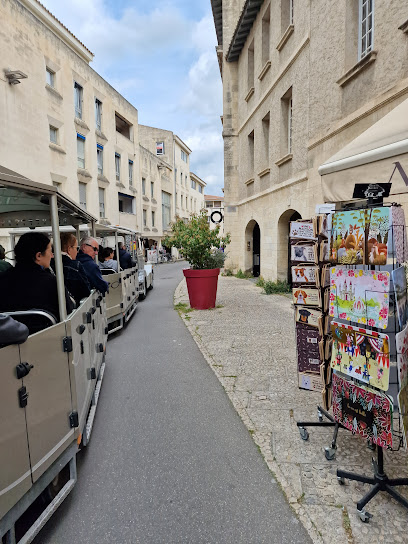
un coin de Provence
0.3 km
Explore the flavors of Provence at Un Coin de Provence, Avignon's charming gift basket store for local delicacies and artisanal treasures.
La Licorne du Palais
0.3 km
Discover unique gifts and literary treasures at La Licorne du Palais in Avignon, a charming gift shop and used book store that captures the essence of French culture.
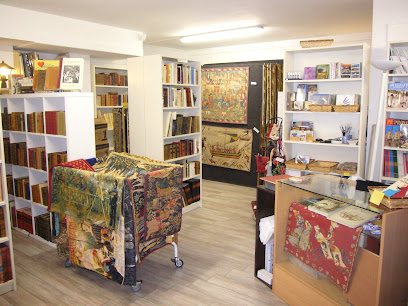
Tableau et pendantifs
0.3 km
Discover unique artisanal souvenirs at 'Tableau et pendantifs', a charming gift shop in the heart of historic Avignon.
Achat souvenir
0.3 km
Discover unique gifts and local treasures at Achat Souvenir, a charming gift shop in the heart of Avignon, perfect for capturing your travel memories.
Atelier du Palais
0.4 km
Discover the artisanal charm of Atelier du Palais in Avignon, where local craftsmanship meets exquisite gift baskets filled with gourmet delights.
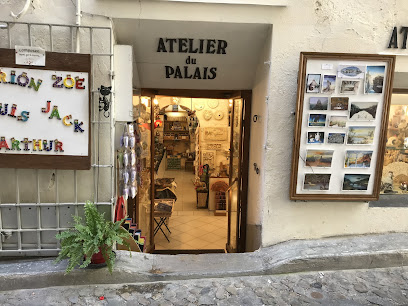
Avignon Cadeaux
0.4 km
Explore Avignon Cadeaux: A Unique Art Gallery and Rare Book Store in the Heart of Avignon, Blending Creativity with Elegance.
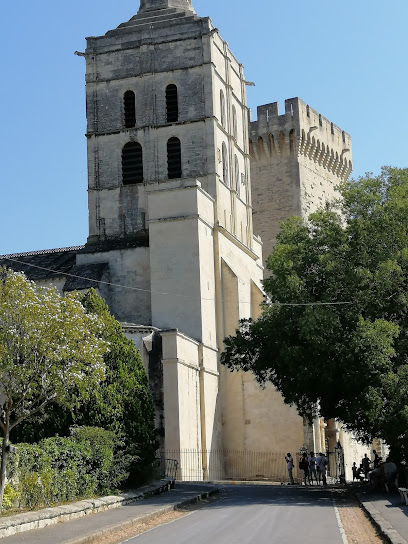
Sessùn Avignon
0.4 km
Explore Sessùn Avignon for chic, sustainable women's fashion that blends contemporary style with timeless elegance in the heart of the city.
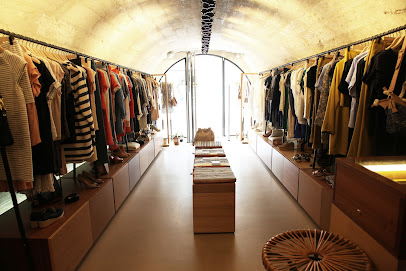
3.0
0.4 km
Explore a charming boutique in Avignon, featuring unique artisanal products and local treasures that capture the essence of French craftsmanship.
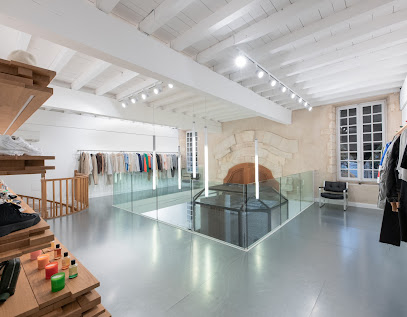
ba&sh - Avignon
0.4 km
Explore ba&sh in Avignon for stylish women's apparel and accessories, blending Parisian elegance with modern trends in a chic boutique setting.
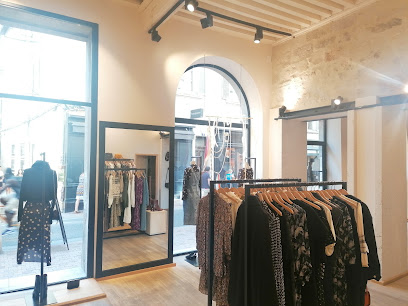
Maison Mood
0.5 km
Explore the eclectic charm of Maison Mood, a boutique in Avignon offering unique fashion and lifestyle products that reflect the local culture.
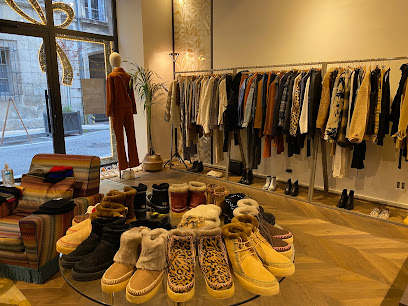
Pop Outlet | Concept store Avignon & e-boutique
0.5 km
Explore Avignon's Pop Outlet: a boutique paradise for clothing, leather goods, and shoes in a historic setting.
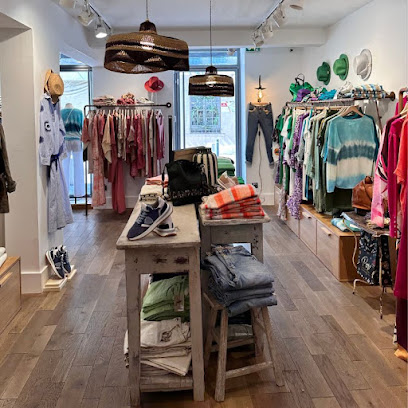
Essential bars & hidden hideouts

In & Off
0.4 km
Unwind at In & Off, a vibrant bar and restaurant in Avignon offering delicious local cuisine and a lively atmosphere.
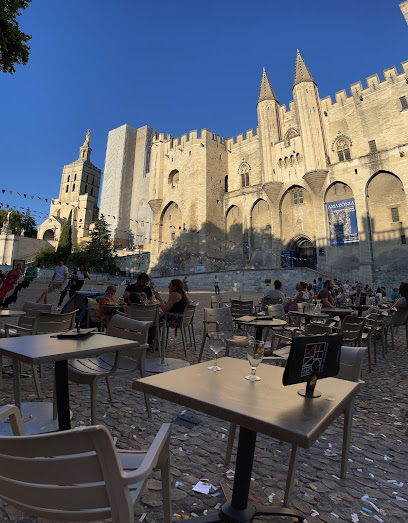
Opéra Café
0.5 km
Discover the charm of Opéra Café in Avignon, where delightful French cuisine meets an inviting atmosphere for an unforgettable dining experience.
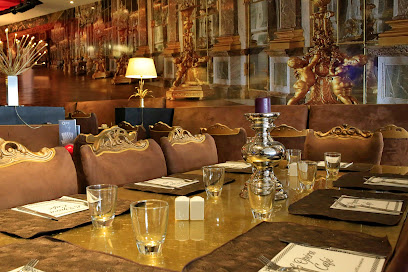
Le Palais Royal
0.5 km
Discover the exquisite flavors and sophisticated ambiance at Le Palais Royal, a premier bar and restaurant in the heart of Avignon.
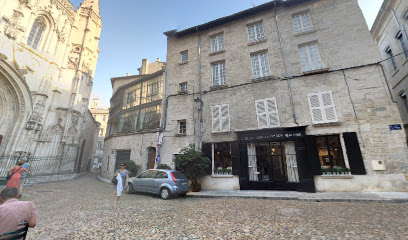
Barberousse Avignon
0.6 km
Experience the vibrant nightlife of Avignon at Barberousse, where quality drinks and a lively atmosphere await.
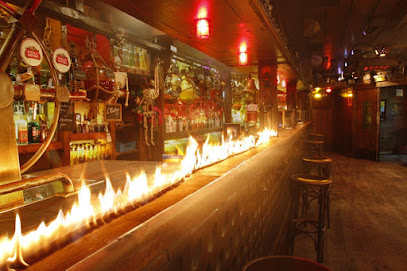
BAR DU CHANGE
0.6 km
Discover the vibrant atmosphere and exquisite cuisine of Bar du Change, a must-visit bar and brasserie in the heart of Avignon.
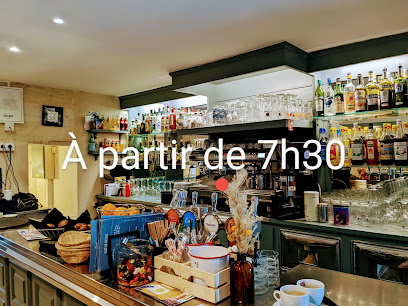
TAPIS ROUGE
0.7 km
Discover the charm of Avignon at Tapis Rouge, a cozy wine bar offering an exquisite selection of local and international wines.
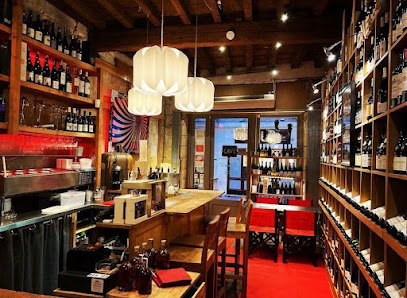
Au Fût et à mesure Avignon
0.7 km
Discover the lively atmosphere of Au Fût et à mesure Avignon, where craft beer meets live music and unforgettable experiences.
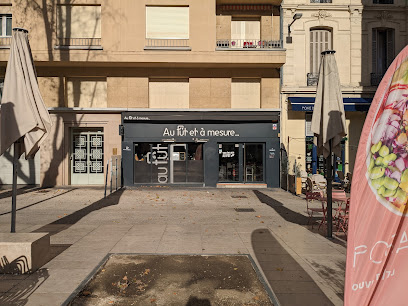
Café Saint-Jean
0.7 km
Experience the essence of French cuisine at Café Saint-Jean, Avignon's charming bistronomic restaurant and wine bar.
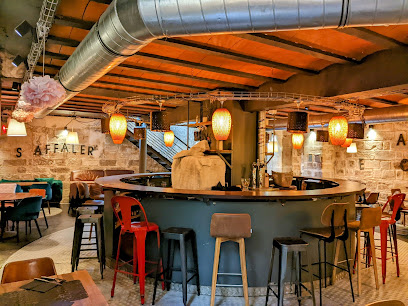
Le Tom Tip
0.7 km
Discover Le Tom Tip in Avignon – a charming bar with a vibrant atmosphere, perfect for enjoying local drinks and mingling with the locals.
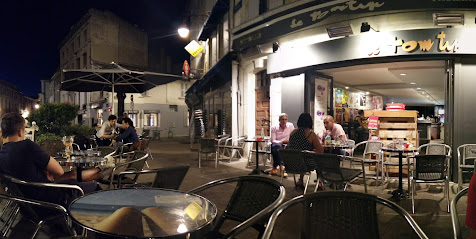
Beer O'Clock
0.7 km
Discover the charm of Beer O'Clock in Avignon, where craft beers and fine wines meet in a lively atmosphere perfect for socializing.
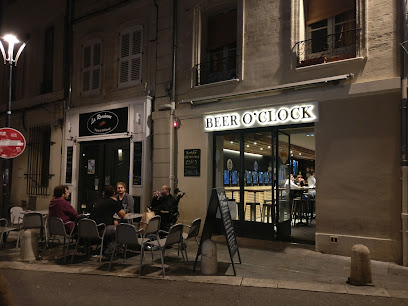
Mon Bar
0.8 km
Experience the vibrant atmosphere of Mon Bar in Avignon, where you can savor delightful drinks and create unforgettable memories.
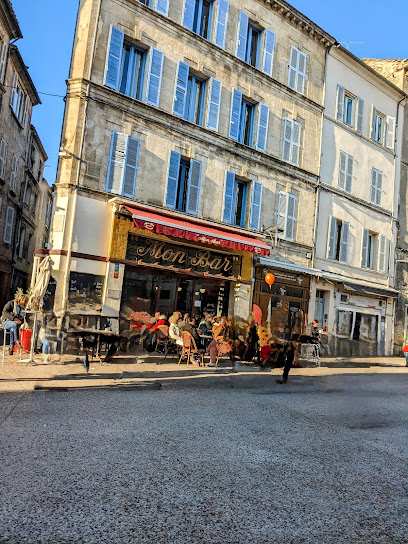
The Red Sky
0.8 km
Experience the vibrant nightlife of Avignon at The Red Sky, where delightful drinks and a welcoming atmosphere await you.
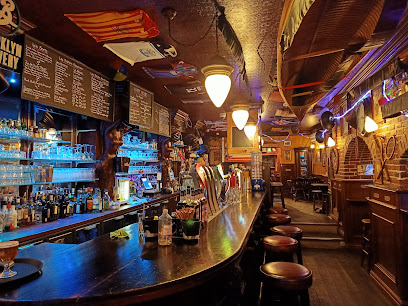
Arte Bar
0.8 km
Discover Arte Bar: a lively bar and amateur theater in Avignon, offering delicious food, refreshing drinks, and captivating performances.
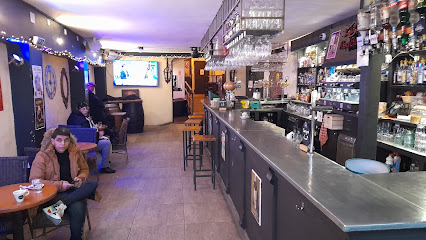
Lalogène
0.8 km
Discover the charming Lalogène bar in Avignon, offering a cozy atmosphere, a wide selection of drinks, and a taste of local culture.
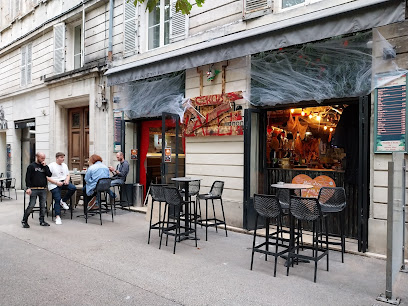
Bar La place ️| Terrasse Cocktail Music
0.8 km
Discover the vibrant Bar La Place in Avignon for an unforgettable cocktail experience with live music and a lively atmosphere.
Nightclubs & after hour spots

L'Esclave
0.3 km
Experience the vibrant nightlife of Avignon at L'Esclave, where music and dance come alive in a modern setting.
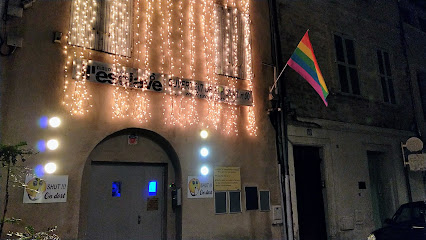
AJMi Jazz Club - La Manutention
0.4 km
Immerse yourself in the vibrant jazz scene at AJMi Jazz Club in Avignon, where live music and a cozy atmosphere await every night.
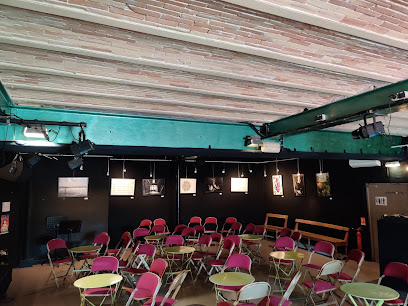
Red Zone
0.7 km
Discover the energy of Avignon at Red Zone, a premier hookah bar offering unique flavors and an unforgettable nightlife experience.
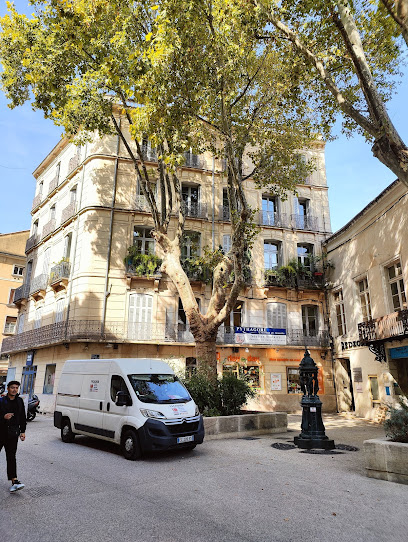
Les Ambassadeurs
0.7 km
Experience the vibrant nightlife of Avignon at Les Ambassadeurs, a premier night club with electrifying music and a lively atmosphere.
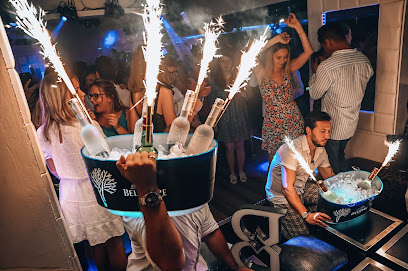
club Aphrodite
0.9 km
Discover the electrifying atmosphere of Club Aphrodite, Avignon's premier night club combining music, dance, and dining for an unforgettable night out.
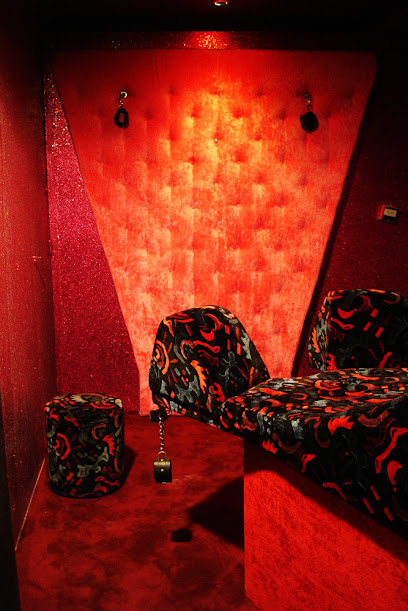
The Clash Bar
1.0 km
Experience the vibrant performing arts scene at The Clash Bar in Avignon, where creativity and culture come alive through unforgettable performances.
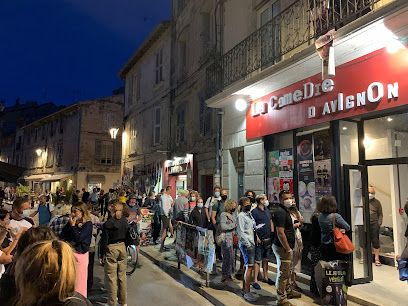
Bokao's
1.0 km
Discover the vibrant nightlife at Bokao's, Avignon's ultimate night club offering unforgettable music, drinks, and dancing until dawn.
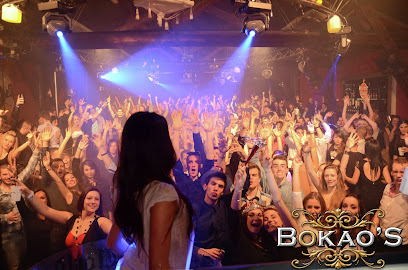
Le Darjeeling club
1.1 km
Experience luxury and relaxation at Le Darjeeling Club, a unique adult entertainment venue blending lounge, sauna, and spa in Avignon.
Channel’s Avignon C
1.3 km
Experience the elegance of Channel’s Avignon C, a chic lounge in Avignon perfect for relaxation, cocktails, and vibrant nightlife.

Le Luxe Club
1.3 km
Experience the electrifying energy of Le Luxe Club, Avignon's top disco destination for unforgettable nights filled with music, dancing, and vibrant socializing.
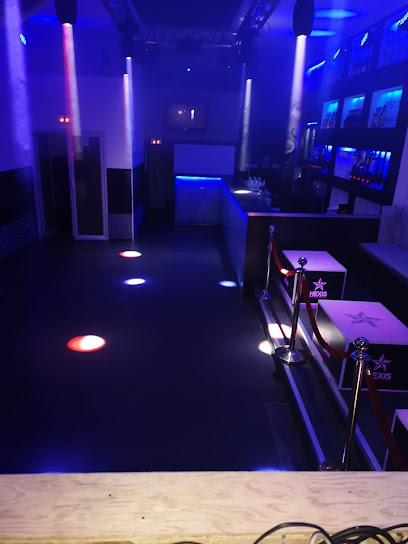
Vynil's Klub Discothèque
1.5 km
Experience the electrifying nightlife at Vynil's Klub Discothèque in Avignon, where music, dance, and excitement unite for an unforgettable evening.
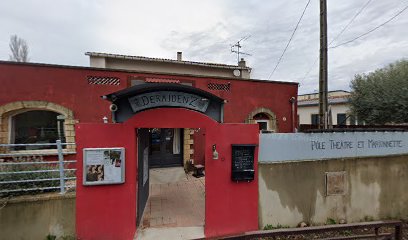
A l’ancienne génération
2.7 km
Discover the rhythm of Avignon's nightlife at A l’ancienne génération, a vibrant night club where unforgettable memories and great music come alive.
Le Privé
4.7 km
Discover the lively nightlife of Le Privé in Les Angles, where great music and a vibrant atmosphere create unforgettable experiences for all.
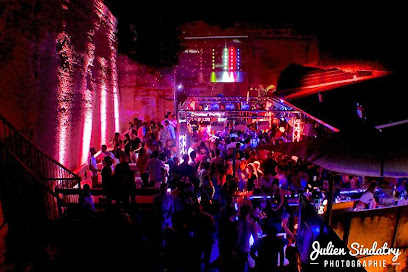
L'Étage
5.8 km
Discover the vibrant nightlife at L'Étage, a premier disco club in Le Pontet, where music, dancing, and excitement await every night.
Club Privé Billionaire
5.8 km
Discover the electrifying nightlife at Club Privé Billionaire, Le Pontet's premier night club for dance, music, and unforgettable experiences.