St. Virgin Mary Cathedral of Dmanisi: A Medieval Georgian Treasure
Discover the ancient beauty of St. Virgin Mary Cathedral in Dmanisi, a cultural and historical landmark nestled in the heart of Georgia's Kvemo Kartli region.
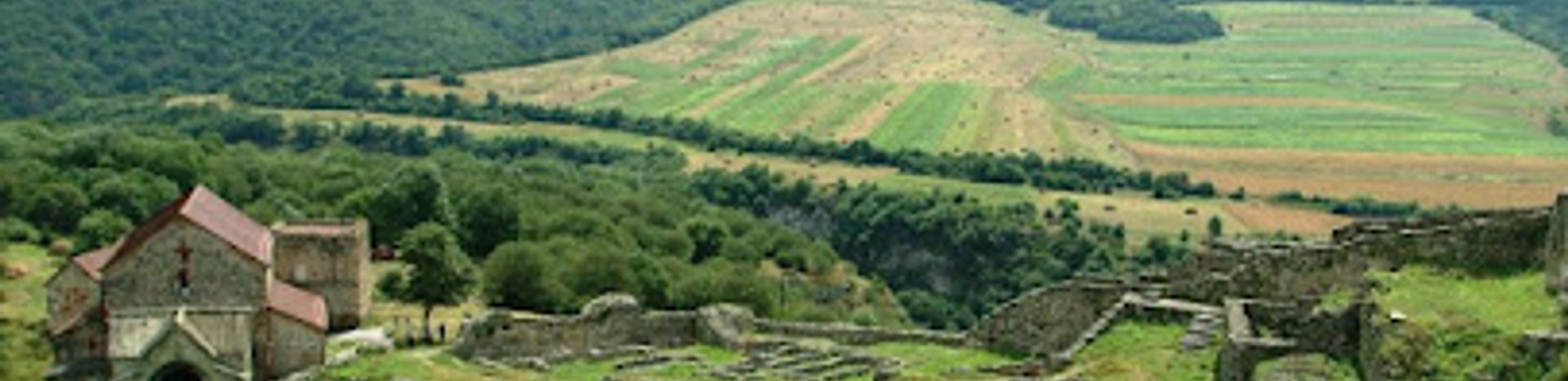
The St. Virgin Mary Cathedral of Dmanisi, also known as Dmanisi Sioni, is an early medieval basilica at the heart of the Dmanisi historic site in Georgia. Perched on a promontory, this cathedral features a unique architectural design and rich history, making it a significant cultural landmark.
A brief summary to St. Virgin Mary cathedral of Dmanisi
- 88PV+G28, Vardisubani, GE
- +995322990378
- Visit website
- Monday 10 am-5 pm
- Tuesday 10 am-5 pm
- Wednesday 10 am-5 pm
- Thursday 10 am-5 pm
- Friday 10 am-5 pm
- Saturday 10 am-5 pm
- Sunday 8:30 am-5 pm
Local tips
- Visit during the early morning or late afternoon for the best lighting for photography.
- Respect the sacred ambiance by maintaining silence and observing local customs.
- Dress modestly when visiting to show respect for the sacred site.

Getting There
-
Walking
From anywhere within the Dmanisi historic site, the cathedral is easily accessible by foot. Follow the well-trodden paths towards the center of the site, where the prominent basilica stands. The walk offers views of the surrounding ruins and landscapes.
-
Taxi
If arriving from Dmanisi or nearby villages like Vardisubani, a taxi is a convenient option. Taxis are readily available, and a short trip to the Dmanisi historic site should cost approximately 5-10 GEL. Be sure to confirm the fare with the driver before starting your journey. Apps like Bolt and Yandex may also be used.
Discover more about St. Virgin Mary cathedral of Dmanisi
Iconic landmarks you can’t miss

Dmanisi
11.3 km
Explore Dmanisi, Georgia: Unearth 1.8-million-year-old hominin fossils and discover the ruins of a medieval Silk Road city.
Kveshi fortress, ქვეშის ციხე
13.9 km
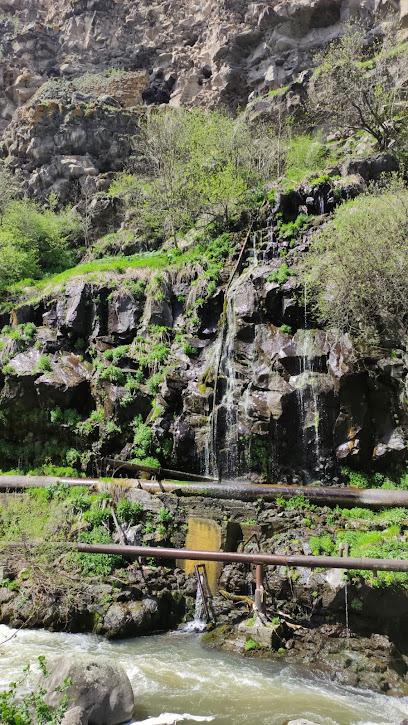
Discover the enchanting Kveshi Fortress in Georgia, where history meets breathtaking landscapes and outdoor adventures await.
Khuluti Fortress
14.2 km
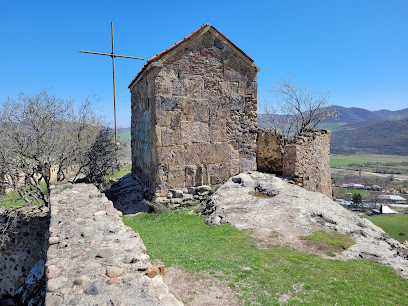
Explore Khuluti Fortress in Tandzia, Georgia – a historical gem with breathtaking views and rich cultural heritage.
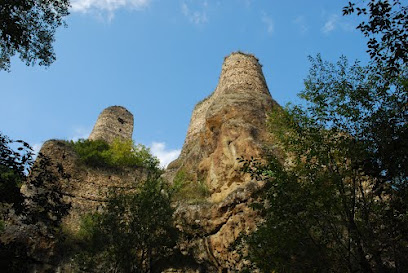
Bolnisi Sioni Cathedral
15.3 km
Explore the ancient Bolnisi Sioni Cathedral, a stunning example of Georgian architecture and a cornerstone of the nation's rich spiritual heritage.
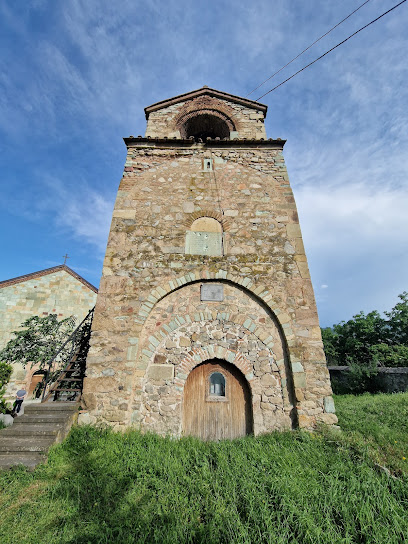
Pitareti Monastery
16.1 km
Explore the tranquil beauty and historical significance of Pitareti Monastery, a hidden gem in Georgia's rich cultural landscape.
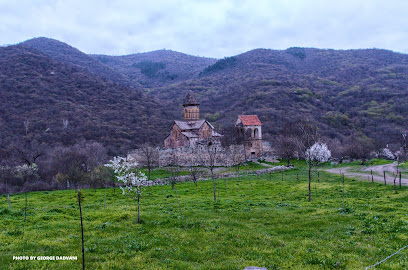
Samshvilde Zion
23.3 km
Explore the spiritual serenity and architectural beauty of Samshvilde Zion, a hidden gem in Georgia's Orthodox heritage.
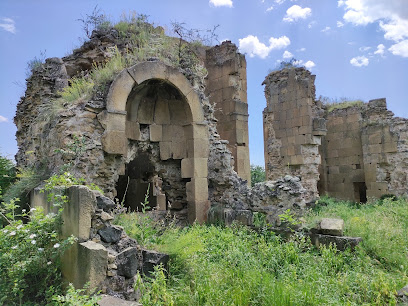
Dorbandavank
25.9 km
Explore the serene beauty and rich history of Dorbandavank, an iconic Armenian church and monument nestled in the heart of Sverdlov.
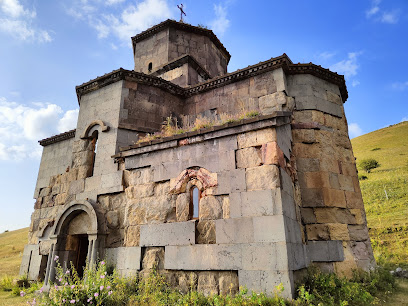
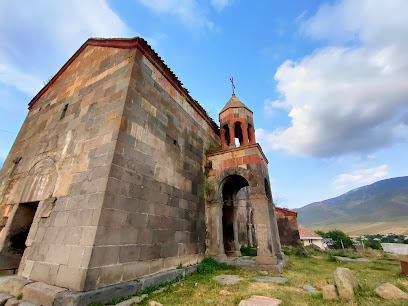
Saint Gevorg church
26.9 km
Discover the serene beauty of Saint Gevorg Church in Sverdlov, a peaceful sanctuary reflecting Armenia's rich religious heritage and architectural traditions.
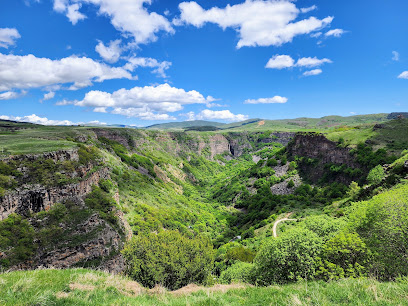
Diamond Bridge Kass Land
34.0 km
Experience the breathtaking views and thrilling adventure at the Diamond Bridge, a must-see tourist attraction in Kass Land, Georgia.
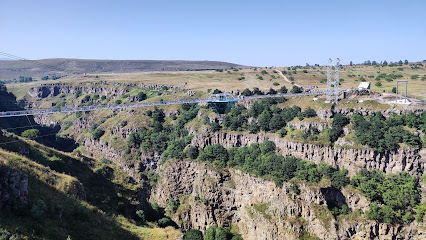
Diamond Bridge
34.0 km
Experience the breathtaking beauty and architectural marvel of the Diamond Bridge in Dashbashi, Georgia – a must-visit tourist attraction.
Tsurtavi (Kolagiri) Fortress and Monastery
34.2 km
Discover the rich history and breathtaking views at Tsurtavi Fortress and Monastery, a stunning Georgian landmark steeped in heritage.
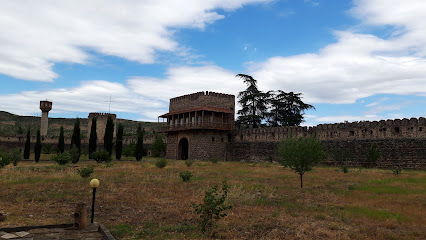
Memorial of Stepan Shahumyan
36.3 km
Discover the Memorial of Stepan Shahumyan, a historical landmark in Stepanavan, celebrating Armenia's revolutionary heritage and stunning landscapes.
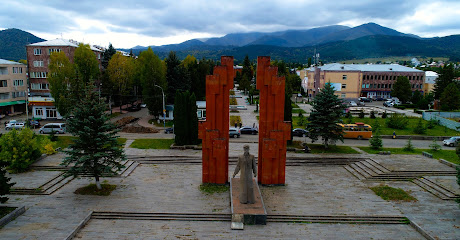
LORI CANYON
36.6 km
Experience comfort and tranquility at LORI CANYON in Alaverdi, your gateway to Armenia's Lori region.
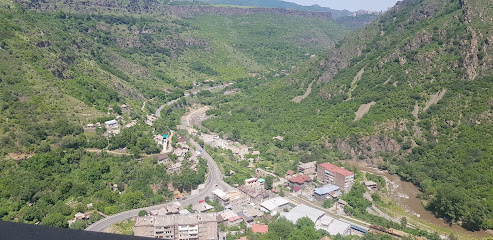
Old City Hotel
36.6 km
Explore historic Alaverdi from the comfortable Old City Hotel, your gateway to Armenia's cultural heritage and stunning landscapes.
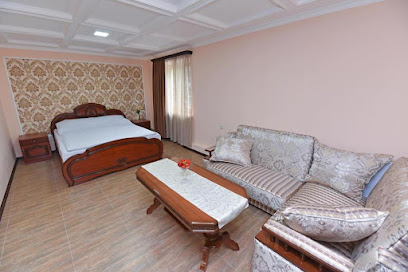
ArmBee Honey Farm
36.8 km
Discover the art of beekeeping and savor the flavors of nature at ArmBee Honey Farm in Alaverdi, Armenia.
Unmissable attractions to see

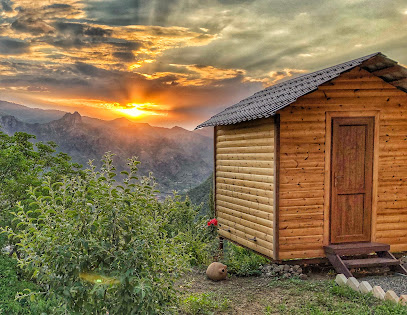
Dmanisi Museum Reserve (Archaeological Site)
0.3 km
Explore the Dmanisi Museum-Reserve in Georgia, home to the oldest human fossils in Europe and a fascinating medieval town.
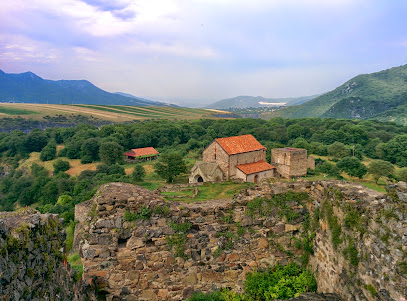
Tsughrughasheni
16.4 km
Discover Tsughrughasheni Monastery: A medieval Georgian treasure with stunning architecture and a tale of royal love in Bolnisi.
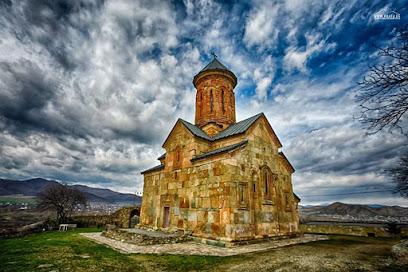
Mecavan Center
17.8 km
Discover Armenian culture at Mecavan Center: Experience local traditions, crafts, and cuisine in a scenic setting. A must-visit cultural hub!
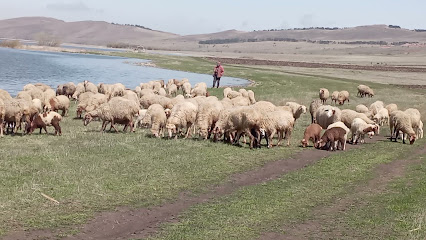
Bolnisi Museum
22.6 km
Explore Georgia's ancient past and cultural heritage at the Bolnisi Museum, showcasing artifacts from the Stone Age to the German settlements.
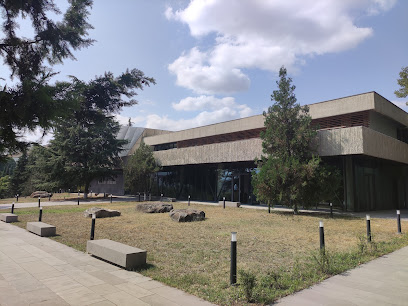
Samshvilde Fortress
23.1 km
Explore Samshvilde Fortress, an ancient Georgian stronghold, offering rich history and breathtaking views in the heart of Georgia.
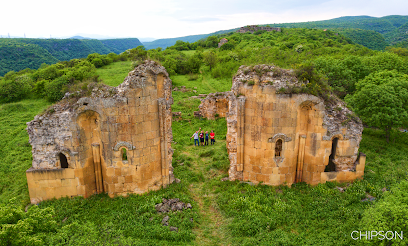
Samshvilde
23.4 km
Explore the ancient Samshvilde Fortress in Georgia, where history and stunning landscapes converge at the confluence of two rivers.
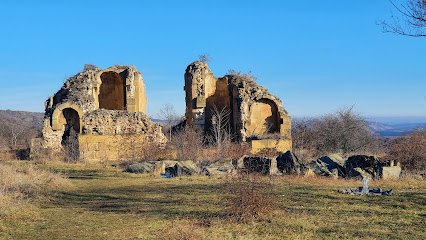
Water fountains
24.4 km
Find serenity at Tashir's enchanting water fountains, a refreshing escape amidst natural beauty and a social hub for locals and tourists.
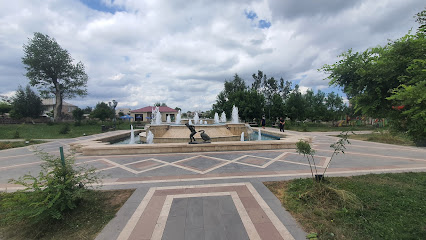
Khorakert
25.7 km
Discover Khorakert Monastery: A hidden gem of Armenian medieval architecture nestled in the forests of Georgia, near the Armenian border.
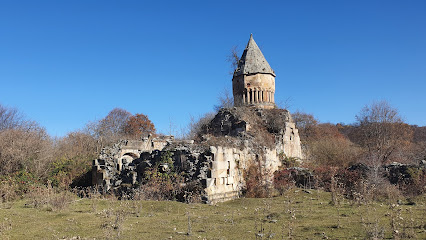
Hamo's lake
27.4 km
Discover Hamo's Lake in Sverdlov, Armenia: a serene escape offering natural beauty, hiking, and a peaceful retreat from everyday life.
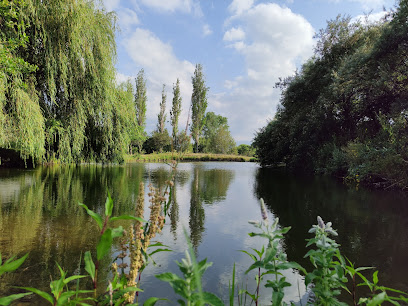
შავი ტბა / Black Lake
27.7 km
Escape to the serene beauty of Black Lake in Dmanisi, Georgia, surrounded by alpine forests and perfect for nature lovers and adventurers.
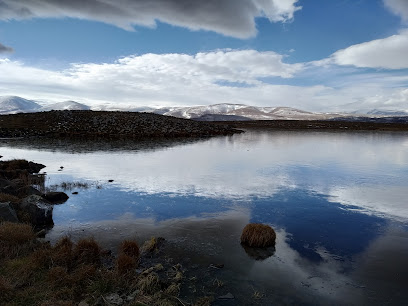
Dashbashi Canyon
33.1 km
Discover the stunning Dashbashi Canyon in Georgia, a natural wonder perfect for adventure enthusiasts and nature lovers alike.
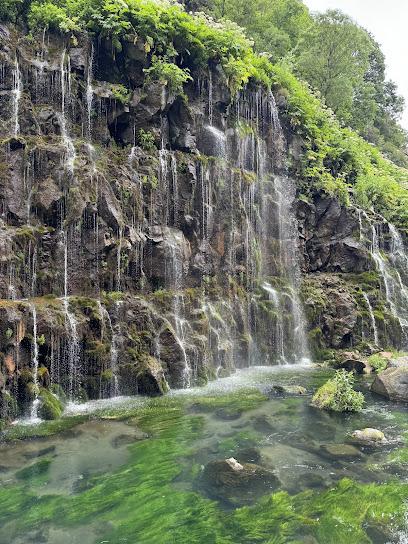
Partskhisi
33.3 km
Explore the ruins of Partskhisi Fortress in Kvemo Kartli: a historic Georgian stronghold with stunning views and a mysterious past.
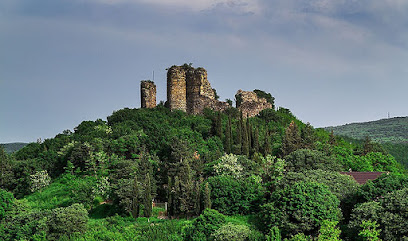
Sedvi monastery
33.5 km
Discover the serene beauty and rich history of Sedvi Monastery in Armenia, a hidden gem nestled in the Lori Province near Kachachkut.
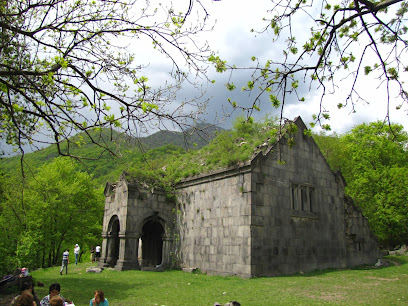
Birtvisi Fortress
34.4 km
Explore the ancient Birtvisi Fortress in Georgia, a stunning historical landmark offering breathtaking views and a glimpse into the past.
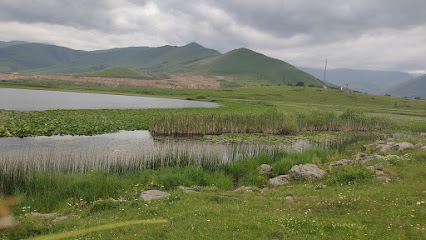
Water Lily Lake
35.0 km
Discover the serene beauty of Water Lily Lake in Armenia's Lori region, home to protected white water lilies and tranquil landscapes.
Essential places to dine

Vekil Muellimin Xatiresine
11.0 km
Experience authentic Georgian flavors at Vekil Muellimin Xatiresine in Geta - a culinary gem for every traveler.
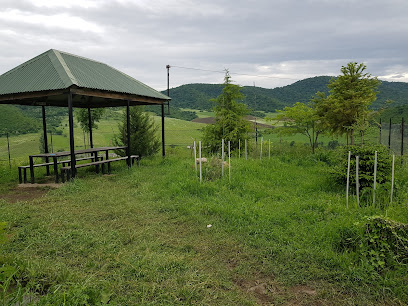
საკალმახე გეორქასთან / Troutery of Gevork
16.0 km
Discover authentic Georgian flavors at Troutery of Gevork in Bolnisi - a delightful restaurant offering traditional dishes and warm hospitality.
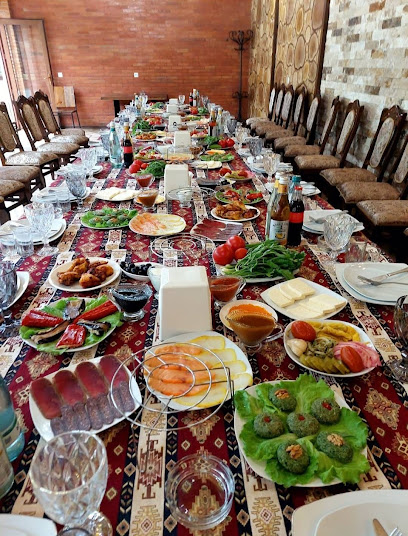
Bolnisi Khinkali house
19.9 km
Experience authentic Georgian flavors at Bolnisi Khinkali House—home of delicious khinkali and warm hospitality.
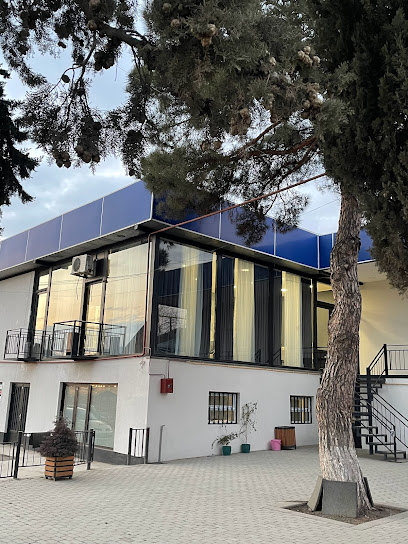
Leader Restaurant Complex
22.9 km
Experience the essence of Armenian cuisine at Leader Restaurant Complex in Tashir - where tradition meets taste.

Imperia restoran
27.1 km
Discover authentic Armenian cuisine at Imperia Restoran in Tashir – where tradition meets taste in every delightful dish.
Admirali
32.5 km
Experience the rich flavors of Georgian cuisine at Admirali in Tbisi - where tradition meets modern dining.
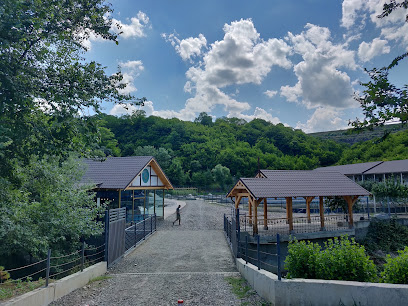
Partskhisi Restaurant
32.9 km
Discover authentic Georgian flavors at Partskhisi Restaurant – where tradition meets taste in a cozy setting.
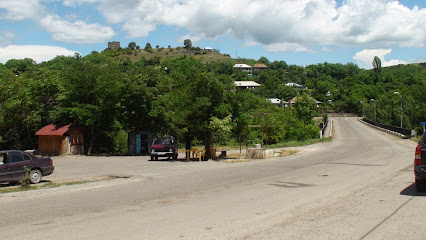
Mer Bake Cafe & Restaurant
35.4 km
Experience the best of Armenian cuisine at Mer Bake Cafe & Restaurant in Stepanavan – where tradition meets modern culinary artistry.
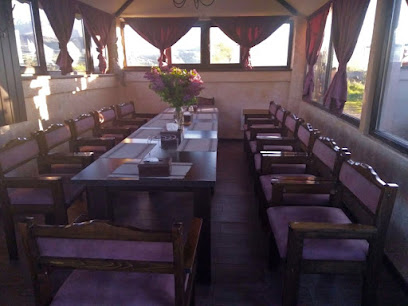
Barbecue
36.4 km
Indulge in mouthwatering barbecue delights at Alaverdi's top fast-food destination for an unforgettable culinary experience.
Slobodka Cafe & Restaurant
36.6 km
Experience authentic Armenian flavors at Slobodka Cafe & Restaurant in Stepanavan - your go-to spot for delicious takeout.
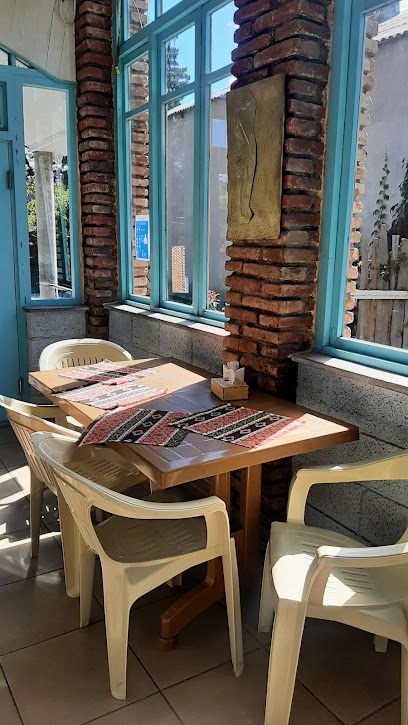
Carahunge cafe & more
36.7 km
Savor the taste of Armenia at Carahunge Cafe & More - where tradition meets modern dining in Stepanavan.
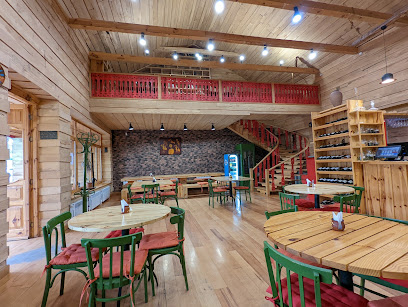
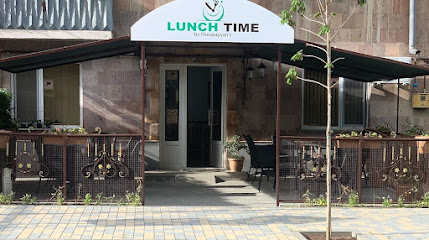
Lunch time by Hovasapyan's and Bakery
36.9 km
Discover authentic Armenian flavors at Hovasapyan's Bakery and Bistro in Stepanavan – where every dish tells a story.
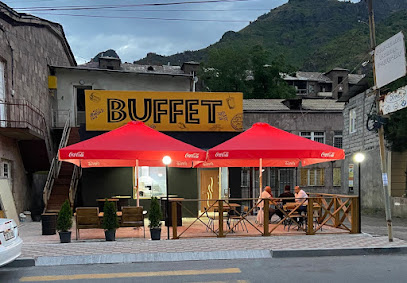
Buffet
36.9 km
Discover fast food bliss at Buffet in Alaverdi - where delicious meals meet friendly service in a vibrant atmosphere.
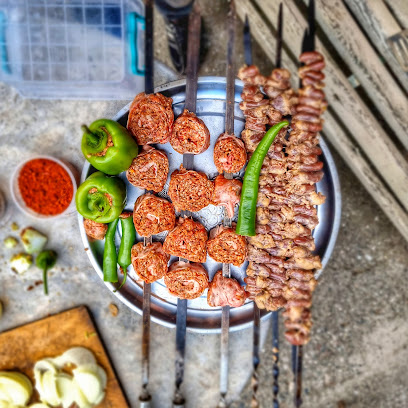
Melkonyans House
37.0 km
Discover authentic Armenian barbecue at Melkonyans House in Alaverdi - where every bite tells a story.
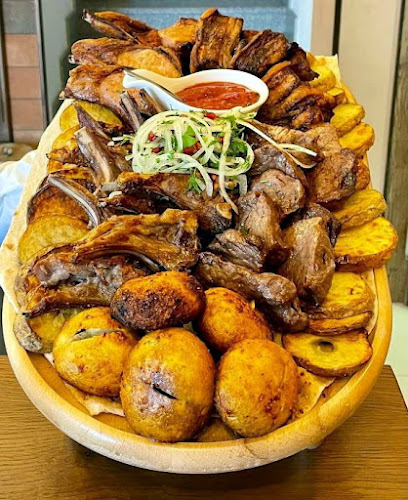
OLD MANES
37.0 km
Discover Old Manes in Alaverdi: where fast food meets local flavor in a vibrant and welcoming atmosphere.
Markets, malls and hidden boutiques

G&L
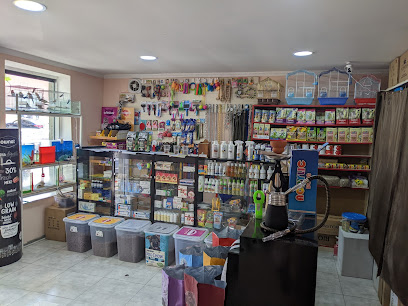
19.9 km
Explore G&L in Bolnisi, Georgia – your ultimate destination for pet supplies, adorable companions, and a commitment to animal welfare.
სპარი / Spar
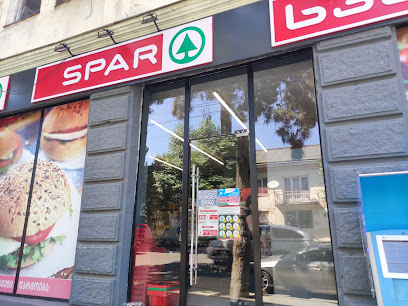
20.7 km
Discover local flavors and essentials at Spar Supermarket in Bolnisi, your go-to stop for snacks, beverages, and daily needs.
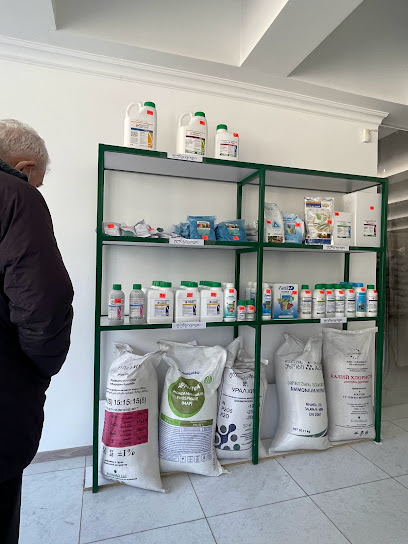
RUSAGRO LLC BOLNISI
22.3 km
Explore the delightful offerings of RUSAGRO LLC in Bolnisi, where local flavors and crafts come alive for every traveler.
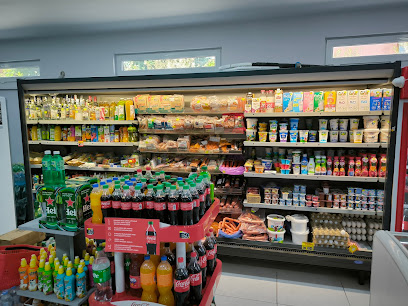
Prime Market
23.0 km
Prime Market: A Culinary Gem in Bolnisi Offering Fresh Local Produce and Authentic Georgian Delicacies.
Market
29.7 km
Explore the vibrant market of Mukhrana, a treasure trove of local goods and a glimpse into Georgian culture.
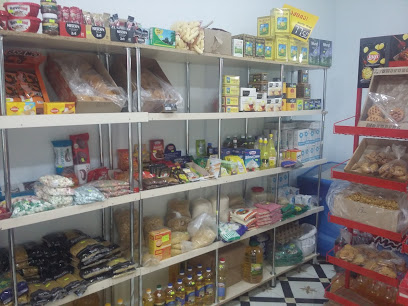
Muganlo Market
36.0 km
Explore the vibrant Muganlo Market, a local treasure trove of unique goods and authentic Georgian culture, perfect for every traveler.
grocery store
36.4 km
Explore Alaverdi's vibrant grocery store, a treasure trove of fresh produce and local delicacies reflecting Armenian culture.
777 Market
36.4 km
Explore 777 Market in Stepanavan for an authentic taste of Armenian culture and local delicacies, perfect for tourists and locals alike.
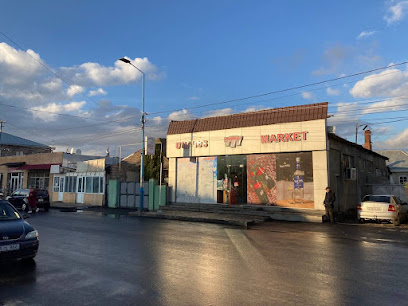
My Hobby
36.7 km
Explore My Hobby in Stepanavan: A charming store filled with unique Armenian crafts and treasures for every creative soul.
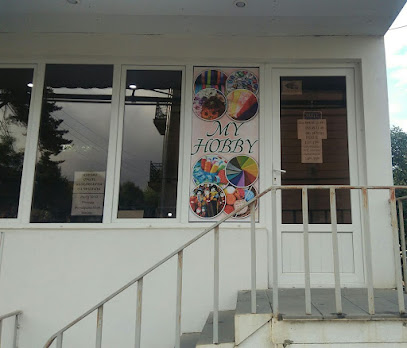
David Shop
36.8 km
Discover unique local products and immerse yourself in Armenian culture at David Shop in Alaverdi.
Аптека
36.8 km
Explore Alaverdi's local pharmacy for health essentials, expert advice, and a friendly atmosphere that welcomes both locals and visitors alike.
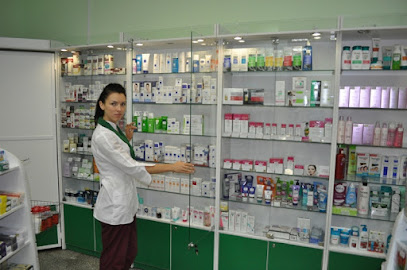
Supermarket
36.9 km
Explore Stepanavan's vibrant supermarket for a taste of local Armenian flavors and a glimpse into the heart of community life.
Nazeli
36.9 km
Explore the flavors of Armenia at Nazeli, your go-to grocery store in Alaverdi for fresh produce and local specialties.
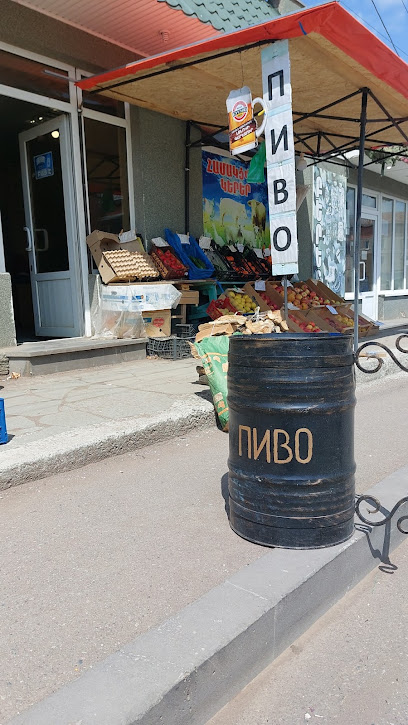
Draft Beer Разливное Пиво Լցնովի Գարեջուր
36.9 km
Explore a world of craft beers at Draft Beer Разливное Пиво in Stepanavan, where local flavors meet international brews in a warm, inviting atmosphere.
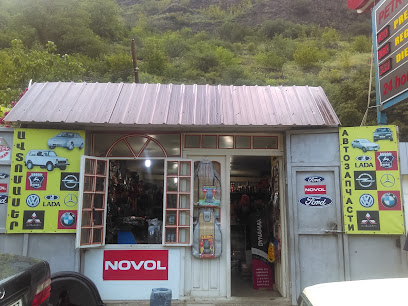
Авто Магазин
36.9 km
Explore Авто Магазин in Alaverdi for premium auto parts and expert advice in the heart of Armenia's automotive culture.
Essential bars & hidden hideouts

Green Bar
8.5 km
Experience the best of Georgian grilling at Green Bar in Kazreti, where local flavors and a warm atmosphere come together for an unforgettable meal.
ELiT ÇAY EVi
33.3 km
Discover the authentic taste of Georgian tea and local snacks at ELiT ÇAY EVi, a charming bar in Nakhiduri.
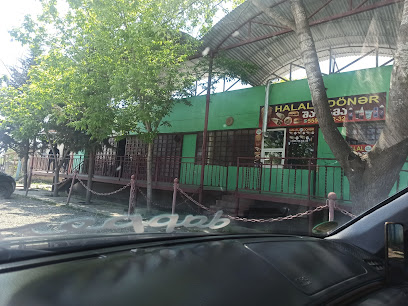
Gallery 13a / Pool & Bar
33.9 km
Discover the vibrant atmosphere of Gallery 13a in Saghrasheni, where relaxation meets socialization by the poolside.
Aguna Pub Brewery
39.5 km
Discover the essence of Georgian brewing at Aguna Pub Brewery, where craft beers and local flavors meet in a cozy atmosphere.
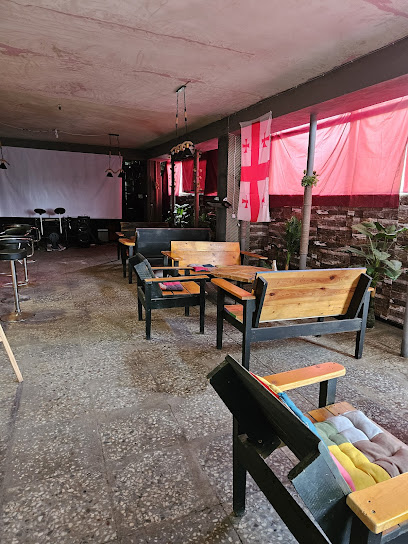
Kefilyan Family Hotel and Restaurant
40.6 km
Discover the charm of Haghpat at Kefilyan Family Hotel and Restaurant, where comfort meets Armenian hospitality in a breathtaking setting.
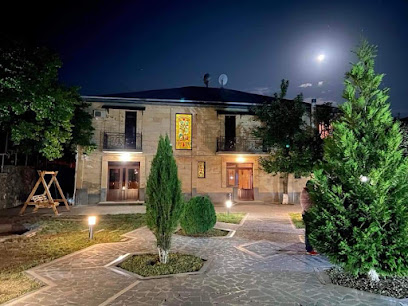
VaKaLeR Hotel Lounge Bar
40.7 km
Discover the serene escape of VaKaLeR Hotel Lounge Bar, where comfort meets stunning landscapes in Haghpat, Armenia.
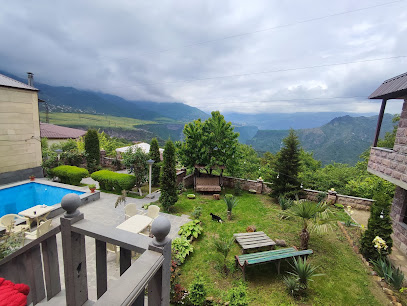
yasınınbavasınınöyü
42.0 km
Discover the charm of Yasınınbavasınınöyü, a cozy bar in Begiauri offering a taste of local culture and delightful beverages in a welcoming atmosphere.
Sochut Bar
45.7 km
Enjoy the vibrant nightlife at Sochut Bar in Gyulagarak, where local culture meets a lively atmosphere and diverse drink selections.
Tsavkisi Garden
49.6 km
Experience the serene beauty of Tsavkisi Garden, a tranquil bar in Tbilisi offering a perfect escape with refreshing drinks and lush surroundings.
Monkey Kustba | მანქი კუსტბა
53.2 km
Discover the vibrant nightlife at Monkey Kustba, Tbilisi's premier night club by Turtle Lake, where great music and stunning views await.
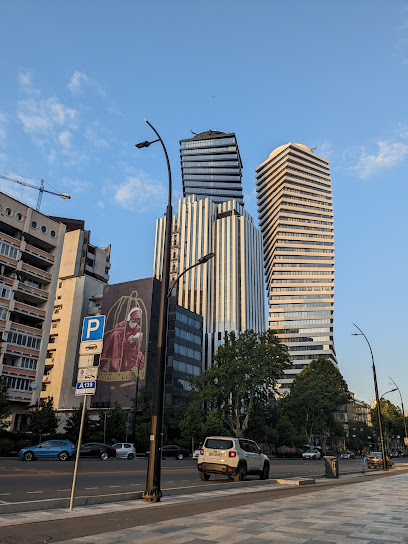
Weather Report Sky Bar
54.1 km
Experience stunning city views, exquisite cocktails, and vibrant nightlife at Tbilisi's Weather Report Sky Bar, a rooftop gem in the heart of the city.
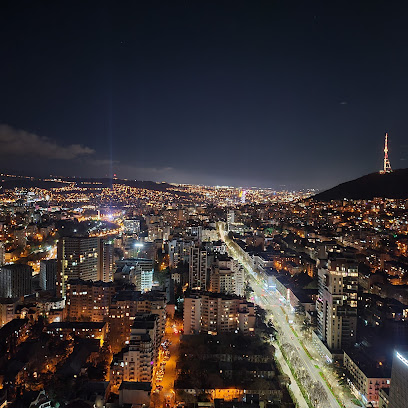
БАР Россияне
54.3 km
Experience the vibrant nightlife of Spitak at БАР Россияне, where local flavors meet lively atmosphere for an unforgettable evening.
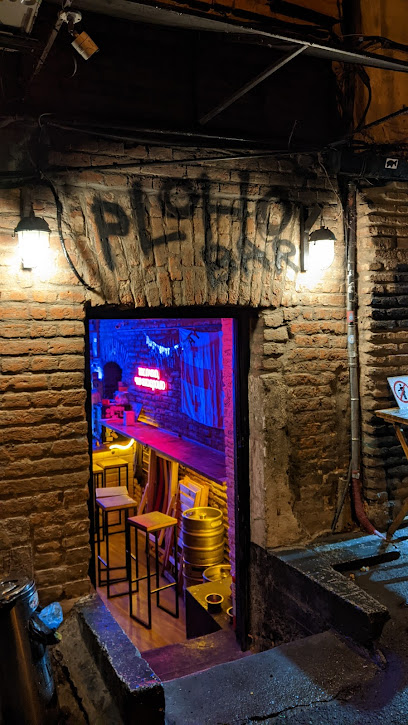
Ploho Bar
54.5 km
Experience the vibrant spirit of Tbilisi at Ploho Bar, where craft beers meet great music in a welcoming atmosphere.
Black Dog Bar
54.6 km
Discover the lively atmosphere of Black Dog Bar in Old Tbilisi - an ideal spot for affordable drinks and local culture.
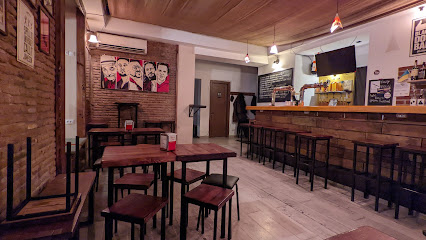
Sma Craft Beer Bar
54.6 km
Experience the vibrant atmosphere and unique craft beers at Sma Craft Beer Bar, a top gastropub in the heart of Tbilisi's Old Town.