

Best Landmarks Near Beethoven-Haus Bonn (Bonn)
Planning a trip to Beethoven-Haus Bonn? Discover the best landmarks nearby with history, expert tips, and routes. Free on web or the Evendo app.


The best landmarks near Beethoven-Haus Bonn
- Top rated
- Closest to Beethoven-Haus Bonn
- A–Z
80 landmarks
-
Theme park4.5★94,236 reviews
Phantasialand
Phantasialand, located in Brühl near Cologne, is one of Germany's most popular theme parks, drawing millions of visitors annually. Since opening in 1967, it has evolved from a modest puppet theater into a sprawling adventure land with meticulously designed themed worlds. Visitors can explore diverse realms like the whimsical Berlin, the exotic China Town, the thrilling Mystery, the vibrant Mexico, the adventurous Deep in Africa, the enchanting Fantasy, and the innovative Rookburgh. With world-class roller coasters, captivating shows, and immersive experiences, Phantasialand offers something for every thrill-seeker and family, making it a must-visit destination for those seeking unforgettable memories.
Daily 9:00–19:00
-
Castle4.7★17,999 reviews
Schloss Drachenburg
Nestled in the beautiful hills of Königswinter, Schloss Drachenburg is a stunning castle that combines architectural grandeur with picturesque landscapes. Popular among tourists, this historical gem offers not only breathtaking views but also insights into the region's rich history. Whether you're exploring the castle's intricate rooms or hiking the scenic trails surrounding it, Schloss Drachenburg promises an unforgettable experience for every visitor.
Daily 11:00–18:00
-
Museum4.7★11,544 reviews
House of the History of the Federal Republic of Germany
Delve into the captivating story of post-war Germany at the Haus der Geschichte in Bonn. This exceptional museum chronicles the nation's journey from 1945 to the present, showcasing its political, social, and cultural evolution. Explore engaging exhibits featuring original artifacts, multimedia displays, and interactive installations that bring history to life. From the division of Germany and the Cold War to reunification and its role in the globalized world, the museum offers a comprehensive overview of Germany's contemporary history. With free admission and a prime location on Bonn's Museum Mile, it's an accessible and enriching experience for all. Don't miss the temporary exhibitions and events that further enhance the museum's appeal, providing deeper insights into specific aspects of German history and culture. A visit here is not just educational but also a thought-provoking exploration of a nation's transformation.
-
Castle4.6★6,664 reviews
Brühl Castle
Brühl Castle, also known as Augustusburg Palace, is a stunning example of Rococo architecture located in Brühl, Germany, near Cologne and Bonn. Commissioned in the 18th century by Archbishop-Elector Clemens August of Bavaria, the palace and its surrounding gardens showcase the opulence and elegance of the era. The interior boasts intricate gold-leaf details, embossed leather wallpaper, and the breathtaking Balthasar Neumann-designed staircase. A visit offers a glimpse into the lives of German royalty and the architectural styles that influenced European courts for centuries. Along with the adjacent Falkenlust Hunting Lodge, Brühl Castle is a UNESCO World Heritage site, attracting visitors with its historical significance and artistic beauty. The palace is easily accessible and provides a memorable experience for history buffs and art enthusiasts alike.
Tue–Fri 9:00–16:00 · Sat–Sun 10:00–17:00
-
National reserve4.7★4,662 reviews
Siebengebirge
Siebengebirge, a breathtaking national reserve near Bad Honnef, offers a scenic escape into nature, featuring stunning landscapes, rich wildlife, and numerous trails for hiking enthusiasts. A must-visit for any nature lover!
Open 24 hours
-
Museum4.3★4,561 reviews
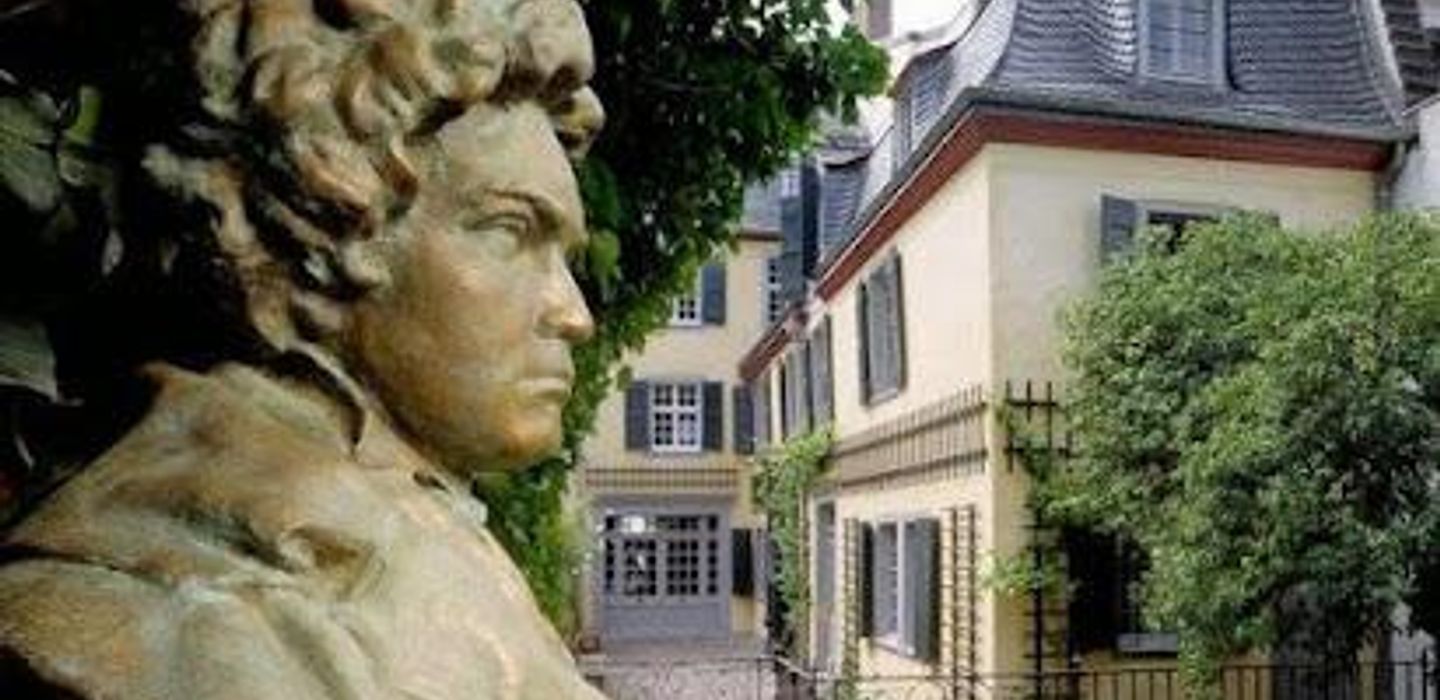
Beethoven-Haus Bonn
Step into the world of Ludwig van Beethoven at his birthplace in Bonn. The Beethoven-Haus is more than just a museum; it's a portal into the life, mind, and enduring legacy of one of history's most influential composers. Located in the heart of Bonn, this meticulously preserved house offers an intimate glimpse into Beethoven's formative years and his extraordinary musical journey. Explore rooms filled with original manuscripts, portraits, and instruments, each telling a story of his genius and struggles. From the modest rooms where he spent his childhood to the treasury showcasing his handwritten scores, the Beethoven-Haus provides an immersive experience for classical music enthusiasts and history buffs alike. Don't miss the Chamber Music Hall, where you can experience live performances that keep Beethoven's spirit alive. A visit here is a profound and inspiring experience, connecting you to the man behind the music in a tangible and unforgettable way.
Mon 10:00–18:00 · Wed–Sun 10:00–18:00
-
Natural history museum4.7★3,557 reviews
Museum Koenig Bonn
Museum Koenig in Bonn is a leading natural history museum, showcasing the Earth's biodiversity through captivating exhibits. Founded by Alexander Koenig, the museum features realistic dioramas of diverse ecosystems, from the African savanna to polar regions, offering an immersive experience for all ages. Don't miss the main exhibition “Our Blue Planet – Living in a Network”, which highlights the interconnectedness of life and the impact of human activities on species extinction. The museum also played a role in German history, hosting the opening session of the Parliamentary Council in 1948. With its blend of education, research, and historical significance, Museum Koenig is a must-see attraction for nature enthusiasts and families alike. The museum shop offers unusual gift ideas and interesting facts.
-
Botanical garden4.7★3,253 reviews
Botanical Garden, Bonn
Escape the urban bustle and immerse yourself in the tranquility of the Botanical Garden, Bonn. A verdant sanctuary adjacent to the Poppelsdorf Palace, this garden showcases a diverse collection of over 8,000 plant species from around the globe. Wander through themed gardens, explore tropical greenhouses, and discover rare and endangered plants. Established in 1818, the garden serves as a vital research and education center for the University of Bonn, while also offering a peaceful retreat for visitors of all ages. Don't miss the impressive conservatory, the systematic beds illustrating plant evolution, and the seasonal plant sales where you can take a piece of the garden home. Whether you're a botany enthusiast, a nature lover, or simply seeking a serene escape, the Botanical Garden promises an enriching experience.
-
Historical landmark4.4★3,276 reviews
Stadtbefestigung Alter Zoll
The Stadtbefestigung Alter Zoll, or Old Customs House, is a captivating historical landmark nestled along the Rhine River in Bonn, Germany. Dating back to the 17th century, this former bastion of Bonn's fortifications offers visitors a unique glimpse into the city's past. Explore the well-preserved structure, enjoy panoramic views of the Rhine and Siebengebirge (Seven Mountains), and relax in the surrounding park. The Alter Zoll provides a blend of historical significance and scenic beauty, making it a must-see destination for tourists exploring Bonn. Its strategic location near the city center and other attractions makes it easily accessible and a worthwhile addition to any Bonn itinerary. The site is open to the public year-round and offers a tranquil escape amidst the bustling city.
Open 24 hours
-
Art museum4.5★2,966 reviews
Kunst- und Ausstellungshalle der Bundesrepublik Deutschland
The Kunst- und Ausstellungshalle der Bundesrepublik Deutschland, or Bundeskunsthalle, is a leading art and exhibition venue in Bonn, Germany. Situated on the city's Museum Mile, this institution hosts a dynamic array of temporary exhibitions spanning art, cultural history, science, and technology. With no permanent collection, the Bundeskunsthalle focuses on presenting diverse perspectives and fostering cultural exchange through international collaborations. Visitors can explore everything from classical modernism to contemporary installations, archaeological discoveries, and explorations of scientific frontiers. Beyond its exhibitions, the Bundeskunsthalle offers a rich program of events, including discussions, lectures, and performances, making it a vibrant hub for intellectual and artistic engagement. Its architecture, marked by distinctive illuminated towers and a roof garden, further enhances its appeal, inviting exploration and reflection.


Waldau
Escape the city bustle at Waldau, a sprawling woodland area on Bonn's Venusberg. This popular recreation area offers something for everyone, especially families. Explore the game reserve, home to wild boar, red deer, and fallow deer, or let the kids loose on the adventure playground with its suspension bridges and slides. Discover the House of Nature, featuring a natural history museum and forest nature trail, and learn about the local flora and fauna. Don't miss the 'ghost forest' with its bizarrely shaped beech trees, a reminder of past wood harvesting practices. With easy accessibility by bus and free admission, Waldau is a perfect budget-friendly destination for a day out in nature.
Open 24 hours

Beethoven-Denkmal
The Beethoven-Denkmal in Bonn is a stunning tribute to the city's most famous son, Ludwig van Beethoven. This grand memorial attracts music lovers and tourists alike, celebrating the legacy of one of the greatest composers in history. Surrounded by beautiful gardens and vibrant city life, it offers a serene spot for reflection and appreciation of art and culture.
Open 24 hours

Beethoven Park
Escape the urban bustle and immerse yourself in the tranquility of Beethoven Park, a sprawling green space in Cologne's Sülz district. Named after the legendary composer Ludwig van Beethoven, this 40-hectare park offers a diverse landscape, from wooded areas and open meadows to a charming special garden. Originally conceived in the 1920s as part of Cologne's green belt, the park provides a refreshing retreat for locals and tourists alike. Whether you're seeking a peaceful stroll, a fun-filled family outing, or a scenic spot for relaxation, Beethoven Park provides a welcome respite. Don't miss the 'Pilzberg' hill, offering panoramic views and winter sledding opportunities, or the chance to simply unwind amidst the park's natural beauty.
Open 24 hours

Art museum
The Kunstmuseum Bonn is a prominent art museum in Bonn, Germany, renowned for its extensive collection of German Expressionist art and post-war German art. Situated along the Museum Mile, it stands as a cultural beacon, attracting art enthusiasts and tourists alike. The museum's architecture is as striking as the art it houses, featuring a modern design with spacious galleries that provide an ideal setting for experiencing the diverse collection. From paintings and sculptures to graphic art and photography, the Kunstmuseum Bonn offers a comprehensive overview of artistic developments from the early 20th century to the present day. Its commitment to showcasing both established masters and emerging talents makes it a dynamic and engaging destination for anyone interested in modern and contemporary art. The museum also hosts temporary exhibitions, lectures, and workshops, further enriching the visitor experience and fostering a deeper appreciation for the arts.

Minster of St. Martin's
The Bonn Minster, or Minster of St. Martin, is a stunning Romanesque church in the heart of Bonn, Germany, a city steeped in history. With origins tracing back to the 11th century, this basilica stands as one of Germany's oldest churches, showcasing a captivating blend of Romanesque and Gothic architectural styles. Its iconic twin towers dominate Bonn's skyline, serving as a testament to centuries of religious and cultural significance. Explore the Minster's rich interior, adorned with beautiful frescoes, stained-glass windows, and the crypt housing the remains of saints. Located on Münsterplatz, the Minster is easily accessible and surrounded by the city's vibrant atmosphere, making it a must-see landmark for any visitor seeking to delve into Bonn's past and experience its architectural grandeur. The church is more than just a religious site; it's a historical and artistic treasure.

Deutsches Museum Bonn
The Deutsches Museum Bonn, an offshoot of the renowned Deutsches Museum in Munich, offers a captivating exploration of post-World War II German science and technology. Situated in the Wissenschaftszentrum, the museum showcases over 100 exhibits, emphasizing innovation and research. Visitors can delve into diverse fields, from physics and chemistry to aerospace and artificial intelligence. Interactive displays and hands-on exhibits make learning engaging for all ages. The museum's focus on artificial intelligence, particularly the 'Mission AI' exhibit, sets it apart, providing insights into the future of technology. With its accessible location and family-friendly atmosphere, the Deutsches Museum Bonn is a must-visit destination for science enthusiasts and curious minds seeking to understand the technological advancements shaping our world. It provides a unique perspective on German contributions to global innovation, making it a valuable and enriching experience for tourists and locals alike.

LVR-LandesMuseum Bonn
The LVR-LandesMuseum Bonn invites visitors on a captivating journey through 400,000 years of Rhineland history, from the Stone Age to the present day. Founded in 1820, this museum showcases an impressive collection of archaeological finds, art, and cultural artifacts. Explore the region's rich heritage through exhibits featuring Neanderthals, Celts, Romans, and Franks. Highlights include the original Neanderthal skeleton, the Fritzdorf Gold Cup, and a remarkable collection of Frankish gold disc brooches. With diverse workshops and events, the museum offers engaging experiences for all ages, making it a must-see destination for those seeking to understand the cultural evolution of the Rhineland. The museum not only displays artifacts but also delves into the scientific methods used to uncover the past, offering insights into archaeological research and conservation techniques. From ancient tools to medieval art, the LVR-LandesMuseum provides a comprehensive look at the forces that have shaped this vibrant region.
Tue–Sun 11:00–18:00

Severinstorburg
The Severinstorburg, a majestic medieval gatehouse, stands proudly on Chlodwigplatz in Cologne's vibrant Südstadt (Southern City). As one of only a few remaining of the city's original twelve gates, it offers a tangible link to Cologne's rich history and defensive past. Built in the 13th century, the Severinstorburg, also known as Porta Severini, once guarded the southern entrance to the city and served as a crucial part of Cologne's fortifications. Today, it serves as a striking landmark and a unique venue for weddings, conferences, and cultural events. Its imposing architecture and central location make it easily accessible and a must-see for anyone exploring Cologne's historical heart. The gate's proximity to the Basilica of St. Severin and the lively atmosphere of Chlodwigplatz further enhance its appeal, offering visitors a chance to immerse themselves in the city's vibrant culture and history.

Rheinauhafen
The Rheinauhafen is a revitalized harbor district in Cologne, Germany, blending historical significance with modern architectural marvels. Once a bustling industrial port, it has transformed into a vibrant urban space featuring striking buildings like the Kranhäuser (Crane Houses), a trio of structures resembling harbor cranes, alongside renovated warehouses and cultural institutions. Visitors can explore the promenade, enjoy diverse dining options, and immerse themselves in the area's unique blend of old and new. The Rheinauhafen offers a picturesque waterfront experience with stunning views of the Rhine and Cologne's skyline, making it a must-see destination for architecture enthusiasts and those seeking a contemporary urban landscape.
Open 24 hours

Poppelsdorf Palace
Poppelsdorf Palace, a stunning Baroque palace in Bonn, offers visitors a glimpse into 18th-century aristocratic life. Built as a pleasure palace for the Archbishop-Elector of Cologne, Joseph Clemens, it boasts symmetrical architecture, four wings, and a serene inner courtyard. Today, the palace is part of the University of Bonn and home to the Botanical Gardens, featuring over 8,000 plant species. Stroll through themed gardens, explore greenhouses, and discover the Mineralogical Museum within the palace walls. Easily accessible and free to enter, the gardens provide a tranquil escape and a chance to connect with nature and history. While parking is limited, public transport and walking are convenient options, making it an ideal destination for a day trip.
Daily 10:00–18:00

Ulrepforte
Ulrepforte, or 'Owl Gate' in the local dialect, is a beautifully preserved relic of Cologne's medieval fortifications, offering a captivating glimpse into the city's rich history. Constructed in the early 13th century, this imposing gate once served as a vital entry and exit point for goods and travelers, playing a crucial role in Cologne's defense and commerce. Today, its robust stone walls, intricate architectural details, and iconic owl motif stand as a testament to the city's resilience and architectural ingenuity. Located in the heart of Cologne's Innenstadt, Ulrepforte is easily accessible and serves as a key highlight on the city's historic walking tours. Visitors can explore its surroundings, filled with charming cafes and shops, and immerse themselves in the vibrant atmosphere of a city that seamlessly blends the old with the new. Whether you're a history enthusiast, an architecture aficionado, or simply a traveler seeking to experience Cologne's cultural heritage, Ulrepforte provides an enriching and unforgettable experience.
Open 24 hours

St. Maria im Kapitol
St. Maria im Kapitol, located in the heart of Cologne, is one of the city's twelve Romanesque churches, boasting a rich history that stretches back to Roman times. Founded in the 7th century, the church stands on the site of a former Roman temple dedicated to the Capitoline Triad. Its architecture showcases a stunning blend of Romanesque and Gothic styles, with notable features including the unique three-apse choir and the intricate wooden doors, which are among the oldest in Germany. Visitors are captivated by the serene atmosphere, the impressive scale of the interior, and the numerous art historical treasures housed within, making it a must-see destination for those interested in religious architecture and the history of Cologne. The church provides a peaceful respite from the bustling city, inviting contemplation and appreciation of its enduring legacy.

Kurfürstliches Schloss
The Kurfürstliches Schloss, or Electoral Palace, is a magnificent Baroque palace in Bonn, Germany, serving as the main building of the University of Bonn since 1818. Built between 1697 and 1705 as the residence of the Prince-Electors of Cologne, it boasts stunning architecture and a rich history. Visitors can explore the palace grounds, including the Hofgarten, a popular gathering place for students and tourists alike. While interior access may be limited due to university activities, the palace's exterior and gardens offer a picturesque glimpse into Bonn's royal past. Its central location makes it easily accessible and a perfect starting point for exploring other attractions in the city. The palace is a testament to Bonn's historical significance and architectural brilliance, making it a must-see for any visitor. The palace is a vibrant hub for both locals and tourists.

Marktplatz
Bonn's Marktplatz, or Market Square, has been the city's vibrant heart since the 11th century. This bustling square, framed by stunning historical buildings like the Old Town Hall, offers a captivating glimpse into Bonn's rich past and present. The square hosts a daily market (except Sundays) offering fresh produce, local delicacies, and artisanal crafts. Throughout the year, Marktplatz comes alive with various events and festivals, including the famous Christmas Market, creating a lively atmosphere for locals and tourists alike. Whether you're admiring the Rococo architecture, enjoying a coffee at a nearby café, or browsing the market stalls, Marktplatz provides a quintessential Bonn experience. Its central location makes it easily accessible and a perfect starting point for exploring the city's other attractions, such as the Beethoven House and the Bonn Minster. The Marktplatz is more than just a square; it's a living testament to Bonn's enduring spirit and a must-see destination for any visitor.
Open 24 hours

August-Macke-Haus
Step back in time and immerse yourself in the world of August Macke, one of the leading figures of German Expressionism, at his former home and studio in Bonn. The August Macke House offers a unique opportunity to explore the beautifully preserved rooms where Macke lived and worked from 1911 to 1914, a period of intense creativity. Wander through the reconstructed interiors, admire over 100 original works, including paintings, sketches, and personal items, and discover the influences that shaped his vibrant artistic style. The museum also hosts temporary exhibitions focusing on Expressionism and contemporary art, making it a dynamic cultural hub. With its engaging exhibits and serene atmosphere, the August Macke House provides a memorable experience for art enthusiasts and curious travelers alike, offering a profound connection to Macke's life and artistic legacy.
Thu 11:00–19:00 · Fri–Sun 11:00–17:00

Altes Rathaus
The Altes Rathaus (Old Town Hall) in Bonn is a stunning example of Rococo architecture, standing proudly in the heart of the city's market square. Built in the 18th century, it has witnessed centuries of Bonn's history, serving as the seat of municipal administration and a stage for significant events. Its ornate facade, featuring delicate carvings, arched windows, and a distinctive gilded staircase, makes it a captivating landmark. The Altes Rathaus continues to be a symbol of Bonn, hosting ceremonies and welcoming visitors who come to admire its beauty and historical importance. A visit offers a glimpse into the city's rich past and architectural heritage, making it a must-see for anyone exploring Bonn.
Mon–Fri 10:00–16:00

Beethovenhalle
The Beethovenhalle, a prominent concert hall in Bonn, stands as a testament to the city's deep connection with its most famous son, Ludwig van Beethoven. Completed in 1959, it's the third hall to bear his name, replacing earlier structures destroyed or deemed unsafe. More than just a concert venue, the Beethovenhalle has served as a stage for political events and a symbol of post-war Germany's cultural resurgence. While undergoing extensive renovations until mid-2024, its legacy continues through the Beethoven Orchester Bonn and the annual Beethovenfest. Once reopened, visitors can expect a modern, accessible space that honors Beethoven's heritage while hosting diverse events, from classical concerts to conferences, solidifying its place as a cultural hub on the Rhine.

Holy Name Church
The Holy Name Church (Namen-Jesu-Kirche) in Bonn is a stunning example of Baroque architecture, serving as both a cathedral for the Old Catholic Church in Germany and a vibrant city church. Constructed in the late 17th century, its origins trace back to the Archbishop of Cologne, Maximilian Heinrich von Bayern, who commissioned it for the Jesuits. The church's interior is a captivating blend of blue, grey, and gold, creating a unique and awe-inspiring atmosphere. Despite facing damage during wars and periods of neglect, the Holy Name Church has been lovingly restored and continues to host liturgies, concerts, and exhibitions, making it a cultural and spiritual hub in the heart of Bonn, close to the Beethoven House and the Rhine river.

Equestrian statue of Friedrich Wilhelm III.
Dominating Cologne's Heumarkt, the equestrian statue of Friedrich Wilhelm III is a powerful symbol of Prussian history and the city's complex past. Erected in 1878, it honors King Friedrich Wilhelm III, who led Prussia through the Napoleonic Wars and initiated significant reforms. The statue, featuring the king on horseback surrounded by figures representing key figures and values of the era, has had a tumultuous history, surviving war damage and even being dismantled. Reconstructed and restored, it now stands as a reminder of Cologne's historical ties to Prussia and a focal point for reflection on the region's evolution. The statue is a popular spot for tourists and locals alike, offering a glimpse into the Rhineland's rich heritage.
Open 24 hours

Burg Lede
Burg Lede, a captivating moated castle in Bonn's Vilich district, offers a glimpse into Rhineland's rich history. Originally a Romanesque residential tower dating back to the 13th century, it evolved into a Gothic water castle in the 14th century. The castle's name, 'Lede,' refers to the clay soil of the area. Once known as 'Schneckenburg,' Burg Lede boasts a picturesque setting with a surrounding moat and a charming bridge leading to the main building. Today, Burg Lede hosts art exhibitions and cultural events, blending historical charm with contemporary art. The surrounding park, designed in the English style, provides a tranquil escape with ancient trees and modern sculptures. While exploring the castle, visitors can appreciate the blend of architectural styles and the serene atmosphere of this historical landmark.
Fri–Sat 17:00–19:00

Rheinauhafen
The Rheinauhafen in Cologne is a stunning example of urban regeneration, transforming a once-bustling industrial harbor into a vibrant waterfront district. Characterized by its modern architecture, including the iconic Kranhäuser (Crane Houses), the Rheinauhafen offers a blend of residential, commercial, and cultural spaces. Visitors can explore museums like the Chocolate Museum and the German Sport & Olympia Museum, stroll along the Rhine promenade, and enjoy diverse culinary experiences. The area seamlessly blends historical elements with contemporary design, creating a unique atmosphere that attracts locals and tourists alike. Its central location and excellent transport links make it easily accessible, establishing it as a must-see destination in Cologne. The Rheinauhafen is more than just a visual spectacle; it's a testament to Cologne's innovative spirit and its ability to reinvent itself while preserving its rich history.

Arithmeum
The Arithmeum in Bonn is a captivating museum showcasing the history of calculating machines and the beauty of mathematics. Part of the University of Bonn's Research Institute for Discrete Mathematics, it houses an impressive collection of over 1,200 mechanical calculators, from 17th-century devices to early computers. Visitors can explore interactive exhibits, design microprocessors, and marvel at the intricate architecture of VLSI chips. The museum also features a collection of historical arithmetic books and geometric constructivist art, creating a unique blend of science, technology, and aesthetics. With its engaging displays and educational programs, the Arithmeum offers a fascinating journey through the evolution of computation and its impact on modern life, making it a must-see destination for curious minds of all ages. It's a place where art and science converge, offering a unique perspective on the world of numbers and technology.
Tue–Sun 11:00–18:00

Malakoffturm
The Malakoffturm, a robust brick tower, stands as a proud reminder of Cologne's Prussian past. Built in the mid-19th century as part of the city's Rhine bank fortifications, it was named after a Crimean War fort, symbolizing strength and resilience. Though never involved in combat, the tower later served as a hydraulic pumping station for a swing bridge. Today, it houses a charming café, offering visitors a unique blend of history and relaxation with views of the Rheinauhafen harbor and the Chocolate Museum. Its imposing presence and historical significance make it a worthwhile stop for those exploring Cologne's waterfront. The tower is easily accessible and provides a glimpse into the city's transformation from a fortified city to a modern urban center, making it a captivating landmark for history buffs and casual tourists alike.
Open 24 hours

Sterntor Bonn Innenstadt
The Sterntor, or Star Gate, is a poignant reminder of Bonn's medieval past. Originally constructed in 1244 as part of the city's defensive fortifications, it was dismantled in 1898 to ease traffic flow. However, public sentiment led to its reconstruction in 1900, a few meters from its original site, incorporating salvaged elements and remnants of the old city wall. Today, the Sterntor stands proudly on Vivatsgasse, a pedestrian zone in the heart of Bonn's city center, serving as a popular meeting point and a striking photo opportunity. Surrounded by shops, cafes, and other attractions, it offers a glimpse into the city's rich history and architectural heritage, blending seamlessly with the modern urban landscape. Its gothic architecture, featuring pointed arches and intricate carvings, captivates visitors and provides a tangible link to Bonn's storied past, making it a must-see landmark for anyone exploring the city.
Open 24 hours

St. Remigius, Bonn
St. Remigius, a Catholic church in Bonn, stands as a testament to Gothic architecture and its deep connection to Ludwig van Beethoven. Completed in 1307, the church, originally dedicated to St. Louis of Toulouse, later became the parish of St. Remigius. Its history is marked by resilience, having withstood damage from sieges, fires, and World War II bombings. The interior boasts a classic Gothic basilica design with three naves and a cross-ribbed vault dating back to 1317. High pointed arches and a rose window add to its architectural charm. More significantly, St. Remigius holds a special place in music history as the church where Beethoven was baptized in 1770 and where he served as an assistant organist, his parents having married here in 1767. Today, it continues to serve as a place of worship and a historical landmark, attracting visitors drawn to its spiritual ambiance and musical heritage. Located in the heart of Bonn, it's easily accessible and offers a serene escape from the bustling city streets.

Kranhäuser Rheinauhafen Köln
The Kranhäuser (Crane Houses) in Cologne's Rheinauhafen are a trio of striking, modern buildings that have become iconic landmarks. Designed to resemble harbor cranes, these structures blend innovative architecture with the historical context of the revitalized Rheinauhafen district. Offering a mix of office spaces and luxury apartments, the Kranhäuser provide stunning views of the Rhine River and the Cologne skyline. Visitors can stroll along the waterfront promenade, enjoy the vibrant atmosphere, and appreciate the unique design of these architectural marvels. The area also boasts a variety of restaurants, cafes, and cultural attractions, making it a must-see destination for architecture enthusiasts and tourists alike. The Kranhäuser symbolize Cologne's blend of history and modernity, creating a dynamic and visually captivating urban landscape.
Open 24 hours

Quay Bonn-Bundeshaus
The Quay Bonn-Bundeshaus is a picturesque waterfront area along the Rhine River in Bonn, Germany, blending natural beauty with significant historical and cultural landmarks. Once the heart of West Germany's parliamentary democracy, the area offers stunning river views, green spaces, and access to important political institutions like the Bundeshaus. Visitors can enjoy leisurely strolls, explore nearby cafes, and attend various cultural events. The quay provides a vibrant atmosphere, ideal for relaxation and exploration, making it a must-visit destination for tourists seeking to experience Bonn's charm and political heritage. Its location near the UN Campus adds an international dimension, while the proximity to the Haus der Geschichte allows for deeper historical insights. Whether you're interested in history, culture, or simply a scenic walk, the Quay Bonn-Bundeshaus offers a rich and diverse experience.

Alter Friedhof, Bonn
The Alter Friedhof (Old Cemetery) in Bonn is a captivating oasis of tranquility and history nestled near the city center. Established in 1715, it served as a burial ground for soldiers and strangers before becoming the final resting place for many of Bonn's most notable figures. Transformed into a park-like setting in the 19th century, the cemetery boasts impressive grave art and monuments, reflecting the city's rich cultural and intellectual heritage. Here lie Robert and Clara Schumann, Beethoven's mother, and numerous influential professors, their legacies etched in stone amidst the serene greenery. Open daily, the Alter Friedhof offers a peaceful escape and a poignant glimpse into Bonn's past, making it a compelling destination for history buffs and those seeking a moment of reflection.
Daily 8:00–17:00

Bonn Museum of Academic Art
The Bonn Museum of Academic Art, or Akademisches Kunstmuseum, stands as one of the city's oldest museums, holding a significant collection of Graeco-Roman artifacts. Founded in 1818, it boasts over 2,700 plaster casts of ancient sculptures and reliefs, alongside more than 25,000 original works. While currently located on Römerstraße during renovations of its historic building, the museum continues to offer a glimpse into the ancient world. Visitors can explore a wide array of items crafted from clay, stone, metal, and glass, providing insight into ancient life, culture, and artistry. The museum also organizes lectures, guided tours and special exhibitions, making it a cultural hub for those interested in classical antiquity. Its extensive collection and commitment to education make it a worthwhile destination for art enthusiasts and history buffs alike.
Tue–Fri 15:00–17:00 · Sun 11:00–18:00

Koblenzer Tor
The Koblenzer Tor, a striking gatehouse on Adenauerallee in Bonn, stands as a proud reminder of the city's 19th-century fortifications. Built in the mid-1800s, this imposing structure, with its neo-Gothic design, once served as a key entrance point to the city. Today, it's a captivating landmark, offering a glimpse into Bonn's past. Its strategic location near the city center makes it easily accessible, inviting visitors to admire its architectural details and imagine the bustling activity that once surrounded it. The Koblenzer Tor is more than just a historical monument; it's a symbol of Bonn's resilience and transformation, bridging the gap between its fortified past and its vibrant present. A visit here provides a unique perspective on the city's evolution and its enduring connection to its history. The gate's impressive facade and historical significance make it a worthwhile stop for anyone exploring Bonn's cultural heritage.
Open 24 hours

Ubii Monument
Delve into Cologne's ancient past at the Ubii Monument, the city's oldest stone structure. This unassuming yet historically significant site offers a glimpse into the lives of the Ubii, a Germanic tribe instrumental in the region's early settlement. Discovered in 1965, the monument's 6-meter-high remains mark the southeastern corner of the Roman colony, with remnants of a 1st-century city wall still attached. Originally towering at 12 meters, its purpose remains debated, possibly serving as a fortification or harbor entrance watchtower. Today, it stands as a tangible link to Cologne's Roman origins, offering visitors a unique opportunity to connect with the city's formative years. Located near the Malzmühle brewery, a visit to the Ubii Monument provides an enriching historical detour.
Thu 14:00–17:00

Overstolzenhaus
The Overstolzenhaus, nestled in Cologne's Altstadt-Süd, stands as one of the city's oldest buildings and Germany's best-preserved Romanesque houses. Constructed around 1230 for the Overstolz family, wealthy merchants who played a vital role in Cologne's history, this patrician house showcases a unique blend of Romanesque and early Gothic architectural styles. Its imposing facade, adorned with stepped gables and intricately designed windows, offers a captivating glimpse into the lives of medieval Cologne's elite. Today, the Overstolzenhaus houses the Academy of Media Arts, blending its historical significance with contemporary artistic endeavors. Visitors can admire the building's exterior, explore the surrounding charming Rheingasse, and imagine the bustling trade and political intrigue that once unfolded within its walls. The Overstolzenhaus is a testament to Cologne's resilience, having survived centuries of change and wartime damage, making it a must-see for history and architecture enthusiasts.
Mon–Thu 10:00–18:00 · Fri 10:00–15:00

Schloßkirche Bonn
The Schloßkirche (Castle Church) in Bonn, Germany, is a captivating blend of historical significance and architectural beauty. Originally built in the 13th century as a chapel for the Electoral Palace, it has evolved through numerous renovations, resulting in a unique mix of styles. Severely damaged during WWII, it was carefully restored in the 1950s. Today, nestled within the University of Bonn's main building, this Evangelical church serves as a vibrant center for worship, music, and intellectual exchange. Its light-filled interior, adorned with late Rococo and Louis XVI-style decorations, provides a serene oasis amidst the bustling city. The church also boasts a rich musical history, having been the first place of employment for Ludwig van Beethoven. A visit offers a glimpse into Bonn's past and a moment of peaceful reflection.

Market Fountain
The Market Fountain, or *Marktbrunnen*, stands as a charming centerpiece of Bonn's bustling *Marktplatz*. More than just a water feature, it's a symbol of the city's rich history and a gathering place for locals and tourists alike. Surrounded by the impressive Old Town Hall (*Altes Rathaus*) and the majestic Bonn Minster, the fountain provides a picturesque scene, perfect for a relaxing break amidst exploring the city. Its central location makes it easily accessible and a prime spot for soaking in the atmosphere of Bonn. The fountain's design, with its obelisk and surrounding pool, adds to the square's aesthetic appeal, making it a popular subject for photographers and a memorable landmark for visitors. Whether you're admiring the architecture, enjoying a coffee at a nearby cafe, or simply taking a moment to appreciate the city's vibrant energy, the Market Fountain offers a delightful experience in the heart of Bonn.
Open 24 hours

Bismarckturm
The Bismarckturm in Bonn is a historical landmark dedicated to Otto von Bismarck, the first Chancellor of the German Empire. Constructed in 1901, this basalt lava tower stands in the Rheinaue park, offering visitors a glimpse into Germany's past. Designed in the "Götterdämmerung" style, the tower features a relief of the Imperial Eagle and Bismarck's coat of arms. Accessible via foot and bicycle paths, the Bismarckturm provides a serene escape within the city, inviting exploration of both its historical significance and the surrounding natural beauty of the park. It's a great place for a walk and to reflect on history.
Open 24 hours

Martinsbrunnen
The Martinsbrunnen, or St. Martin's Fountain, is a beloved historical landmark in the heart of Bonn, Germany. A reconstruction of the original 18th-century fountain destroyed during World War II, the current fountain was unveiled in 1958. It is named after Saint Martin of Tours, known for his act of charity of sharing his cloak with a beggar. The bronze sculpture at the fountain's center depicts this act, serving as a timeless symbol of compassion and generosity. Surrounded by colorful flowers and greenery, the fountain provides a serene atmosphere, inviting visitors to relax and reflect. Located near the Bonn Minster, the Altes Rathaus (Old City Hall), and the Beethoven House, the Martinsbrunnen is a must-see for anyone visiting Bonn, offering a glimpse into the city's history and cultural heritage. It is a popular meeting place and a backdrop for cultural events, embodying Bonn's enduring spirit.
Open 24 hours

Asbergplatz
Asbergplatz is a charming park located in the Lindenthal district of Cologne, offering a peaceful retreat from the city's hustle and bustle. Established in 1912, this green space features beautifully maintained flowerbeds, playgrounds, and quiet zones perfect for relaxation. It's a popular spot for locals and tourists alike, providing a serene environment for leisurely strolls, picnics, and family outings. The park's design, typical of early 20th-century urban planning, integrates recreational areas with natural beauty, making it a delightful place to unwind and enjoy a moment of tranquility. With its convenient location and welcoming atmosphere, Asbergplatz is a hidden gem worth discovering.
Open 24 hours

Zwischenstück
Zwischenstück, nestled in Cologne's Lindenthal district, offers a serene escape from the urban bustle. This well-maintained park features lush greenery, vibrant flowerbeds, and winding pathways perfect for leisurely strolls and relaxation. A popular spot for locals and tourists alike, Zwischenstück provides a peaceful atmosphere for picnics, family outings, or simply unwinding amidst nature. The park's thoughtful design seamlessly blends natural beauty with the surrounding urban environment, making it a beloved retreat. Whether you're seeking a quiet moment alone or a pleasant afternoon with loved ones, Zwischenstück offers a refreshing respite in the heart of the city. Its accessibility and well-kept grounds make it an ideal destination for those looking to reconnect with nature without leaving Cologne.
Open 24 hours

Tauzieher
The Tauzieher, or 'Rope Puller,' is a striking limestone sculpture in Cologne's Rheinauhafen district. Created by Nikolaus Friedrich in 1911, it depicts a muscular man hauling a rope, symbolizing the harbor workers' strength and the city's maritime past. Standing at 6.5 meters, the statue became one of Cologne's first protected heritage sites in 1980. More than just a monument, the Tauzieher represents Cologne's spirit of perseverance, its connection to the Rhine, and its artistic heritage. Located near the Chocolate Museum and other attractions, it's a memorable stop for those exploring the Rheinauhafen's blend of historic charm and modern architecture. The statue offers a glimpse into Cologne's history and the enduring values of hard work and determination, making it a worthwhile visit for any traveler seeking to understand the city's identity.
Open 24 hours

Deutz Abbey
Deutz Abbey, nestled in Cologne's vibrant Deutz district, offers a serene escape into the city's rich monastic past. Founded in 1003, this former Benedictine monastery showcases impressive Romanesque architecture and a tranquil courtyard perfect for reflection. Explore its small museum, wander through lush gardens, and admire the seamless blend of Romanesque and Gothic styles. Situated near the Rhine, it provides an opportunity for a scenic waterfront stroll. Whether seeking a peaceful retreat or a glimpse into Cologne's historical tapestry, Deutz Abbey stands as a captivating must-see attraction, encapsulating the city's cultural essence and offering a unique perspective on its development.

Römisches Kastell Deutz
The Römisches Kastell Deutz, or Roman Fort Deutz, unveils Cologne's rich Roman history on the Rhine's right bank. Constructed in the early 4th century AD under Emperor Constantine, this fortified military camp, known as Divitia, served as a crucial bridgehead and border defense against Germanic tribes. Today, remnants of the fort, including parts of the East Gate and the intriguing 'Schinkenkessel' (a semi-circular structure integrated into the Rhine Boulevard), offer glimpses into Cologne's strategic Roman past. While much of the original structure has been lost to time and riverbank modifications, the visible remains and historical context provide a compelling connection to the city's ancient roots. Explore the visible remnants, imagine the lives of Roman soldiers, and appreciate the fort's role in shaping Cologne's identity. The site is free to visit and easily accessible, making it a worthwhile stop for history enthusiasts and curious travelers alike.
Open 24 hours

Mural art of Beethoven
The Beethoven Mural, located on Weberstraße in Bonn, is a vibrant tribute to the city's most famous son, Ludwig van Beethoven. This impressive piece of street art captures the essence of the composer's spirit and legacy. The mural serves as a colorful landmark and a reminder of Bonn's rich musical heritage. It's a popular spot for tourists and locals alike, offering a unique photo opportunity and a chance to connect with Beethoven's enduring influence. The surrounding neighborhood adds to the experience, with its historic charm and inviting cafes. Whether you're a classical music aficionado or simply exploring Bonn's cultural attractions, the Beethoven Mural is a must-see destination that embodies the city's artistic soul.
Open 24 hours

Rheintor der mittelalterlichen Stadtmauer
Discover the Rheintor, a stunning remnant of Cologne's medieval city wall, where history and architecture blend seamlessly. This iconic landmark invites tourists to explore the rich heritage of the city while enjoying picturesque views and vibrant surroundings.
Open 24 hours

Römische Badeanlage
The Römische Badeanlage, nestled in the heart of Bonn, offers a fascinating journey back to the city's Roman past. These well-preserved ruins, located beneath the Collegium Albertinum, showcase the remnants of a Roman bathhouse dating back nearly two millennia. Visitors can explore the intricate heating systems, tiled floors, and learn about the daily lives of Roman soldiers and citizens who once frequented these baths. The site provides a unique insight into Roman engineering and culture, revealing how the ancient Romans lived, relaxed, and socialized in this northern outpost of their vast empire. With free admission and informative displays, the Römische Badeanlage is an accessible and enriching experience for history enthusiasts of all ages. It's a tangible link to Bonn's origins and a reminder of the lasting impact of Roman civilization on the region. The site is easily accessible by public transport and is located near other cultural attractions, making it a convenient stop on any Bonn itinerary.

Industriedenkmal Krananlage
The Industriedenkmal Krananlage, a historic crane installation in Cologne's Innenstadt, stands as a testament to the city's rich industrial heritage. This impressive structure, with its towering presence, offers a glimpse into the bustling port activities that once defined Cologne's economic landscape. While its operational days are long gone, the Krananlage has been meticulously preserved, allowing visitors to appreciate the engineering marvel and historical significance of this industrial monument. Located near the Rhine, it serves as a reminder of Cologne's vital role in trade and transportation, offering a unique perspective on the city's evolution from an industrial hub to a modern metropolis. The surrounding area provides a pleasant atmosphere for a stroll, with views of the river and the city skyline, making it a worthwhile stop for those interested in history and industrial architecture. Although access to the crane itself may be limited, its imposing exterior and the surrounding historical context provide a compelling experience.
Open 24 hours

Zafira Statuette
The Zafira Statuette, located on Platz der Vereinten Nationen in Bonn, is a striking piece of contemporary art that serves as a focal point in the city's international district. Created by sculptor Olaf Metzel, the statuette has become a recognizable landmark, often used as a backdrop for public events and demonstrations. Its presence near the UN Campus and the World Conference Center Bonn underscores the city's role as a global hub. While its abstract form may invite varied interpretations, the Zafira Statuette undoubtedly adds a touch of modern artistic flair to the area, offering a visual counterpoint to the surrounding architecture. Its accessibility and central location make it an easy stop for visitors exploring Bonn's cultural landscape. The statuette provides a unique photo opportunity and a chance to engage with contemporary sculpture in a public space. Whether you're an art enthusiast or simply passing by, the Zafira Statuette is a noteworthy element of Bonn's urban environment.
Open 24 hours

Walk of Fame Bonn
The Walk of Fame Bonn, nestled in the heart of the city on Bonngasse, celebrates the lives and achievements of notable figures who have shaped Bonn's cultural landscape. Inaugurated in 2005, this pedestrian walkway features illuminated glass and metal plaques embedded in the pavement, honoring individuals from diverse fields such as music, literature, politics, and science. As you stroll along Bonngasse, you'll encounter tributes to luminaries like Ludwig van Beethoven, Bonn's most famous son, and Annemarie Schimmel, a renowned scholar of Islamic studies. The Walk of Fame not only provides a glimpse into Bonn's rich heritage but also enhances the charm of Bonngasse, a street lined with shops, cafes, and historical buildings. It's a perfect spot for a leisurely walk, offering a blend of history, culture, and the vibrant atmosphere of Bonn's city center. The Walk of Fame serves as a reminder of the city's contributions to the world and inspires visitors to appreciate the legacy of its distinguished residents.
Open 24 hours

Kastell Deutz - Osttor
Kastell Deutz, or Divitia as it was known in antiquity, offers a fascinating glimpse into Cologne's Roman past. Built in the early 4th century AD under Emperor Constantine, this fortified military camp served as a crucial bridgehead across the Rhine, securing the border and projecting Roman power. Today, remnants of the fort's foundations, particularly the impressive east gate, are visible, providing a tangible link to the city's ancient origins. Explore the visible remains, including the semi-circular 'ham cauldron' integrated into the Rhine boulevard, and imagine life in this strategic outpost of the Roman Empire. Located on the Rhine's right bank, Kastell Deutz is easily accessible and provides a compelling historical counterpoint to Cologne's iconic cathedral and other attractions on the opposite bank. The site is a testament to Cologne's strategic importance throughout history and its role as a vital center of Roman civilization in the region. A visit here offers a unique perspective on the city's rich and layered past.
Open 24 hours

Baumschnitzerei 1
Baumschnitzerei 1, nestled in Cologne's Lindenthal district, offers a unique encounter with whimsical wood carvings. Located near the University of Cologne, this attraction provides a delightful escape into a world where art and nature intertwine. The intricate carvings, showcasing faces and figures, transform ordinary tree trunks into captivating works of art. While the exact origin and artist remain somewhat mysterious, the charm of these carvings lies in their ability to spark imagination and offer a moment of tranquility. Whether you're an art enthusiast, a nature lover, or simply seeking an unusual sight, Baumschnitzerei 1 promises a memorable and enchanting experience. Its accessible location and the surrounding greenery make it a perfect spot for a brief respite from the urban bustle, inviting visitors to discover the beauty hidden in plain sight.
Open 24 hours

Baumschnitzerei 2
Baumschnitzerei 2 is a captivating tourist attraction nestled on Zülpicher Straße in Cologne, showcasing the exquisite art of wood carving. This hidden gem offers visitors a unique opportunity to witness artisans meticulously crafting intricate wooden sculptures, reflecting the region's rich cultural heritage. The warm ambiance, filled with the scent of freshly carved timber, invites exploration and appreciation of this ancient art form. From traditional motifs to modern interpretations, each piece tells a story, making it a cultural hub for art lovers and tourists alike. Whether seeking a unique souvenir or simply observing the creative process, Baumschnitzerei 2 provides a memorable and inspiring experience, embodying the artistic spirit of Cologne. Don't miss the chance to engage with local artisans and delve into the traditions of woodcrafting.
Open 24 hours

Foyer am Bonner Münster
The Foyer am Bonner Münster serves as a modern entrance to the historic Münster-Carré, a complex encompassing the Bonner Münster basilica and its medieval cloisters. Designed by Ernst Architekten and built in 2009, the foyer provides barrier-free access to the various levels of the complex, seamlessly blending contemporary architecture with the historical surroundings. Its transparent design allows visitors to appreciate the basilica's exterior walls and the adjacent cloisters, creating a fluid transition between the interior and exterior spaces. More than just an entrance, the Foyer am Bonner Münster acts as a central hub, inviting visitors to explore the rich history and spiritual significance of this important religious site in Bonn.

Wallsofvision Winterlandschaft
Wallsofvision Winterlandschaft is a captivating mural located on a former WWII bunker in Bonn's Poppelsdorf neighborhood. Created by street artist Case Maclaim as part of the Walls of Vision project, it reimagines a 17th-century Dutch winter scene by Aert van der Neer, adding contemporary elements and thought-provoking social commentary. The artwork transforms the imposing structure into a vibrant canvas, offering a unique blend of historical art and modern street art. Easily accessible by public transport, it's a must-see for art enthusiasts and anyone seeking an unexpected cultural experience in Bonn. The mural sparks dialogue about pressing issues, making it more than just a pretty picture. It's a powerful statement that resonates with viewers, prompting reflection on our relationship with the environment and society.
Open 24 hours

Pfarrbüro St. Maria im Kapitol & St. Maria Lyskirchen
The Pfarrbüro St. Maria im Kapitol & St. Maria Lyskirchen serves as the administrative heart for two of Cologne's most significant Romanesque churches. St. Maria im Kapitol, the larger of the two, stands on the foundations of a Roman temple and boasts a unique trefoil design inspired by the Church of the Nativity in Bethlehem. Its imposing structure and historical artifacts, including a Romanesque pictorial door and a forked cross, offer a glimpse into Cologne's rich medieval past. St. Maria Lyskirchen, though smaller, is renowned for its well-preserved 13th-century frescoes and the 'Schiffermadonna' (Sailor's Madonna), reflecting its historical connection to the Rhine's maritime community. Together, these churches represent a cornerstone of Cologne's architectural and religious heritage, inviting visitors to explore centuries of art, history, and spirituality within the city's vibrant Innenstadt.

Historický plán města
The Historischer Plan der Stadt (Historical City Map) in Bonn offers a fascinating glimpse into the city's rich past. Located in the heart of Bonn, this historical landmark provides a unique perspective on how the city evolved over centuries. Visitors can explore the intricate details of the map, tracing the development of Bonn from its early beginnings as a Roman settlement to its time as the capital of West Germany. The map showcases significant landmarks, old city walls, and the changing layout of streets, offering a tangible connection to Bonn's historical narrative. It's a must-see for history enthusiasts and anyone interested in understanding the urban development of this vibrant German city. The detailed cartography and historical context make it an engaging and educational experience for all ages. Exploring the map provides a deeper appreciation for Bonn's cultural heritage and its transformation through time, making it a worthwhile stop on any Bonn itinerary.

Bonngasse 6
Step into the world of Ludwig van Beethoven at his birthplace in Bonn. The Beethoven House, located at Bonngasse 20, is more than just a museum; it's a portal into the life and times of a musical genius. Explore the meticulously preserved rooms where Beethoven spent his early years, and delve into the collection of original manuscripts, instruments, and personal artifacts. The Beethoven House offers a unique opportunity to connect with the composer on a personal level, understand his creative process, and appreciate the legacy he left behind. Immerse yourself in the atmosphere of 18th-century Bonn and discover the roots of Beethoven's musical revolution. The museum is one of the most frequented music museums worldwide and one of the 100 most popular sights in Germany.

Sterntor
The Sterntor, or Star Gate, is a reconstructed medieval city gate in Bonn, Germany, a poignant reminder of the city's fortified past. Originally built around 1244, it was part of Bonn's defensive walls. The gate you see today isn't in its original location; it was moved in 1898 to prevent demolition due to increasing traffic. Re-erected in 1900, incorporating salvaged materials from the original gate, it stands as a symbol of Bonn's resilience and rich history. Located in the heart of the city center, near the bustling Friedensplatz, the Sterntor offers a glimpse into medieval architecture and the city's evolution. It's a popular spot for photographs and a starting point for exploring Bonn's historical attractions, surrounded by shops, cafes, and cultural landmarks.

Münsterpl.
Münsterplatz, located in the heart of Bonn, is a vibrant square steeped in history and surrounded by architectural landmarks. Named after the Bonn Minster, one of Germany's oldest churches, the square has been a central gathering place since the Middle Ages. Today, it hosts numerous events, including the Bonn Christmas Market and concerts, and is home to the iconic Beethoven Monument, honoring the city's most famous son. Visitors can explore the Altes Rathaus (Old Town Hall), admire the Romanesque architecture of the Minster, and enjoy the lively atmosphere of this bustling public space. With its blend of history, culture, and modern amenities, Münsterplatz offers a captivating experience for tourists exploring Bonn.

Hammerschmidt Villa
The Hammerschmidt Villa, nestled along the Rhine in Bonn, serves as the secondary official residence of the German Federal President. Built in the mid-19th century, this neoclassical villa, often called the "White House of Bonn," stands as a symbol of Germany's political history. While the interior is primarily reserved for state functions and not generally open to the public, the surrounding parkland offers a tranquil escape with picturesque views. Visitors can admire the villa's elegant architecture and learn about its significant role during Bonn's time as the capital of West Germany. The villa is located near other important landmarks, including the Palais Schaumburg and the Museum Koenig, making it an ideal stop on a historical exploration of Bonn. Guided tours are available on select dates through Bonn-Information, providing a deeper insight into the villa's history and significance. The villa provides a glimpse into the past and a serene escape from the bustling city life.

Bodensonnenuhr
The Bodensonnenuhr, or ground sundial, is a captivating attraction nestled within Bonn's expansive Rheinaue park. This unique timepiece combines art, science, and history, offering visitors a chance to connect with the past in a serene lakeside setting. The sundial is not only a functional instrument, indicating the time of day through the interplay of sunlight and shadow, but also a striking piece of land art that enhances the park's natural beauty. Its presence invites contemplation and provides a fascinating focal point within the Rheinaue's diverse landscape, making it a worthwhile destination for those seeking a blend of recreation and intellectual stimulation. Whether you're a seasoned sundial enthusiast or simply looking for a peaceful spot to enjoy the outdoors, the Bodensonnenuhr offers a memorable experience.
Open 24 hours

Westerwälder Tor
Westerwälder Tor in Bad Honnef stands as a magnificent historical landmark, offering tourists a glimpse into the region's rich cultural heritage. This impressive structure, with its stunning architecture and historical significance, is a must-visit for anyone exploring the area.
Open 24 hours
Rheinwesterwälder Vulkanrücken
The Rheinwesterwälder Vulkanrücken, or Rhine-Westerwald Volcanic Ridge, is a captivating landscape shaped by ancient volcanic activity. Located in Rhineland-Palatinate, Germany, this ridge offers a unique blend of natural beauty and geological history. Characterized by rolling hills, dense forests, and remnants of volcanic cones, the area is a haven for hikers, nature enthusiasts, and those seeking a tranquil escape. Explore the diverse flora and fauna, discover panoramic viewpoints, and delve into the region's fascinating geological past. The Rheinwesterwälder Vulkanrücken provides a refreshing contrast to the bustling cities, inviting visitors to reconnect with nature and appreciate the serene beauty of this volcanic landscape. Its proximity to the Rhine River and other attractions makes it an ideal destination for a day trip or a longer exploration.
3/7/45 cross Rhine
The '3/7/45 cross Rhine,' more formally known as the Ludendorff Bridge at Remagen, stands as a poignant historical landmark. Originally constructed during World War I to facilitate troop and supply movement to the Western Front, it gained immense strategic importance during World War II. On March 7, 1945, the U.S. Army unexpectedly captured the bridge intact, a pivotal moment that significantly hastened the Allied advance into Germany. Today, the remaining bridge towers house the Peace Museum, a moving exhibition dedicated to the bridge's history, the events of the war, and the enduring pursuit of peace. Visitors can explore artifacts, photographs, and documents that vividly depict the intense fighting and the bridge's ultimate collapse, gaining a deeper understanding of its historical significance and the human cost of conflict. The site serves as a powerful reminder of the past and a symbol of hope for the future.

Pappelkranz
Escape the urban bustle in Cologne's expansive Beethovenpark, a verdant retreat in the Sülz district. Conceived in the 1920s as part of the city's green belt initiative, this 40-hectare park offers a diverse landscape, from sprawling meadows perfect for picnics and sunbathing to wooded areas ideal for tranquil strolls. The park's defining feature is the 'Pilzberg' (Mushroom Mountain), a hill created from WWII rubble, providing panoramic views and winter sledding opportunities. Whether you're seeking outdoor recreation, a peaceful escape, or a glimpse into Cologne's history, Beethovenpark provides a refreshing and accessible experience for all.

Sülzer Balkon
The Sülzer Balkon, nestled within Cologne's expansive Beethovenpark, offers a serene escape with panoramic views. This semi-circular observation point, south of the park's iconic poplar wreath, provides visitors with a sweeping vista of the park's diverse landscape, blending wooded areas and open spaces. In the distance, the tower of the Sülz Orphanage Church adds a touch of historical charm to the scene. More than just a viewpoint, the Sülzer Balkon is a place to pause, breathe, and appreciate the beauty of one of Cologne's most beloved green spaces. Whether you're a local seeking a moment of tranquility or a tourist exploring the city's natural side, the Sülzer Balkon promises a refreshing and picturesque experience. It's a testament to Cologne's commitment to preserving green spaces within its urban environment, offering a peaceful retreat for all who visit. The park itself, designed in the 1920s, reflects a blend of formal gardens and natural landscapes, making it a delightful place to explore before or after enjoying the view from the Balkon.
Open 24 hours

Arnold-von-Siegen-Brunnen
The Arnold-von-Siegen-Brunnen, erected in 1966, stands as a tribute to Arnold von Siegen, a prominent 16th-century Cologne mayor. Created by artist Elisabeth Baumeister-Bühler, the fountain is located on Severinstraße, next to the St. Johann Baptist Church. Its abstract design features tilted bronze bowls, creating a visually captivating display of flowing water. The fountain not only commemorates a significant historical figure but also adds an artistic touch to the vibrant Severinsviertel, inviting passersby to pause and appreciate its unique charm. The surrounding area, rich in history and local culture, enhances the fountain's appeal, making it a worthwhile stop for those exploring Cologne's Südstadt.

Artenschutzhaus
Nestled in the heart of Cologne, Artenschutzhaus is a serene bird-watching area that offers nature enthusiasts an opportunity to immerse themselves in the beauty of avian life. Surrounded by lush greenery and tranquil pathways, it's the perfect getaway from the urban hustle and bustle.

Brunnen
Deutzer Freiheit, located in Cologne's Deutz district, is a vibrant and bustling street offering a mix of shopping, dining, and historical charm. Once an independent town, Deutz boasts a rich history dating back to Roman times, with Deutzer Freiheit serving as its main thoroughfare. Today, it's a popular destination for locals and tourists alike, offering a diverse range of shops, restaurants, and cafes. The street is also home to several historical buildings, reflecting Deutz's unique character and heritage. Its proximity to the Rhine and the Cologne city center makes it easily accessible and a great starting point for exploring Cologne's right bank attractions, including the KölnTriangle with its panoramic city views, the historic Deutz Abbey, and the Lanxess Arena.

blue heart
The Blue Heart is a captivating tourist attraction nestled in Cologne's Innenstadt district. This striking, heart-shaped art installation, located on Krummer Büchel, offers a tranquil respite from the bustling city. Its vivid blue color and artistic design provide a perfect photo opportunity, inviting visitors to pause and reflect. Surrounded by historical architecture and modern amenities, the Blue Heart resonates with locals and tourists alike. Its central location encourages exploration, with numerous cafes, shops, and landmarks within walking distance. The site serves as a reminder of Cologne's rich cultural heritage, embracing contemporary art and offering a refreshing contrast to the energetic pace of urban life. Whether on a leisurely stroll or a dedicated sightseeing tour, the Blue Heart is a must-see, embodying the artistic spirit of Cologne.

Heumarkt
Heumarkt, meaning "Hay Market," is a vibrant square in the heart of Cologne's Old Town, a central gathering place for centuries. Once a medieval marketplace, it has transformed into a bustling hub surrounded by historical landmarks, traditional breweries, cozy cafes, and diverse restaurants. The square hosts numerous events throughout the year, from the lively Cologne Carnival to the enchanting Christmas Market with its iconic ice rink. With its blend of history, culture, and lively atmosphere, Heumarkt offers an authentic Cologne experience, making it a must-visit destination for locals and tourists alike. Its central location and excellent public transport links make it an ideal starting point for exploring the city's many attractions, including the Cologne Cathedral and the Rhine River.

Heumarkt 43
Heumarkt, one of Cologne's largest and most historic squares, is a vibrant hub in the heart of the city's Old Town. Once a medieval hay market, it's now a bustling center for locals and tourists alike, surrounded by traditional breweries, cozy cafes, and diverse restaurants. The square is steeped in history, hosting significant events like the Cologne Carnival and the enchanting Christmas Market, complete with an ice rink. Dominated by the equestrian statue of Friedrich Wilhelm III, Heumarkt offers a picturesque glimpse into Cologne's past and present, making it a must-see destination for anyone exploring the city. Its central location provides easy access to other iconic landmarks, ensuring a memorable experience filled with culture, cuisine, and Kölsch beer.
Explore Beethoven-Haus Bonn on the map
A handpicked selection of must-see spots near Beethoven-Haus Bonn, mapped for you.
More about Beethoven-Haus Bonn
Beethoven-Haus Bonn travel guide
Discover the legacy of Ludwig van Beethoven at his birthplace in Bonn, where music history comes to life through remarkable exhibits and performances.
Tell me more about Beethoven-Haus BonnMore to explore near Beethoven-Haus Bonn

 Best experiences near Beethoven-Haus Bonn
 Best hotels near Beethoven-Haus Bonn
 Best attractions near Beethoven-Haus Bonn
 Best shops near Beethoven-Haus Bonn
 Best bars near Beethoven-Haus Bonn
 Best restaurants near Beethoven-Haus Bonn
Explore more

Explore more of Bonn
Discover Bonn: A historic city on the Rhine River, rich with cultural heritage, stunning architecture, and a vibrant arts scene.
Explore Bonn
Getting your guide ready…
We are putting together a fresh copy of the Beethoven-Haus Bonn guide. This can take up to a minute.
This can take a few moments. If your browser asks, choose Allow so the download can start. You'll find the guide in your Downloads folder.
Nothing happened? Download it again
Sorry, the guide is taking longer than usual. Please try again in a minute, or get it by email instead.

