Riesenstein, Heidelberg Travel Guide
Discover the Riesenstein in Heidelberg: a natural monument offering hiking, climbing, and panoramic views steeped in geological history, overlooking the iconic Heidelberg Castle.
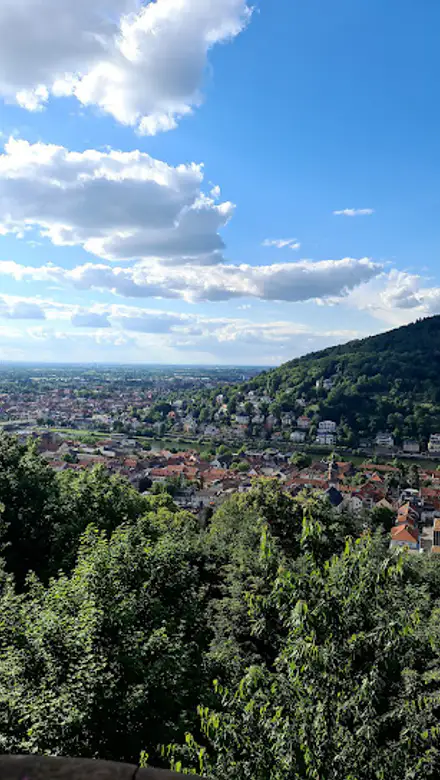
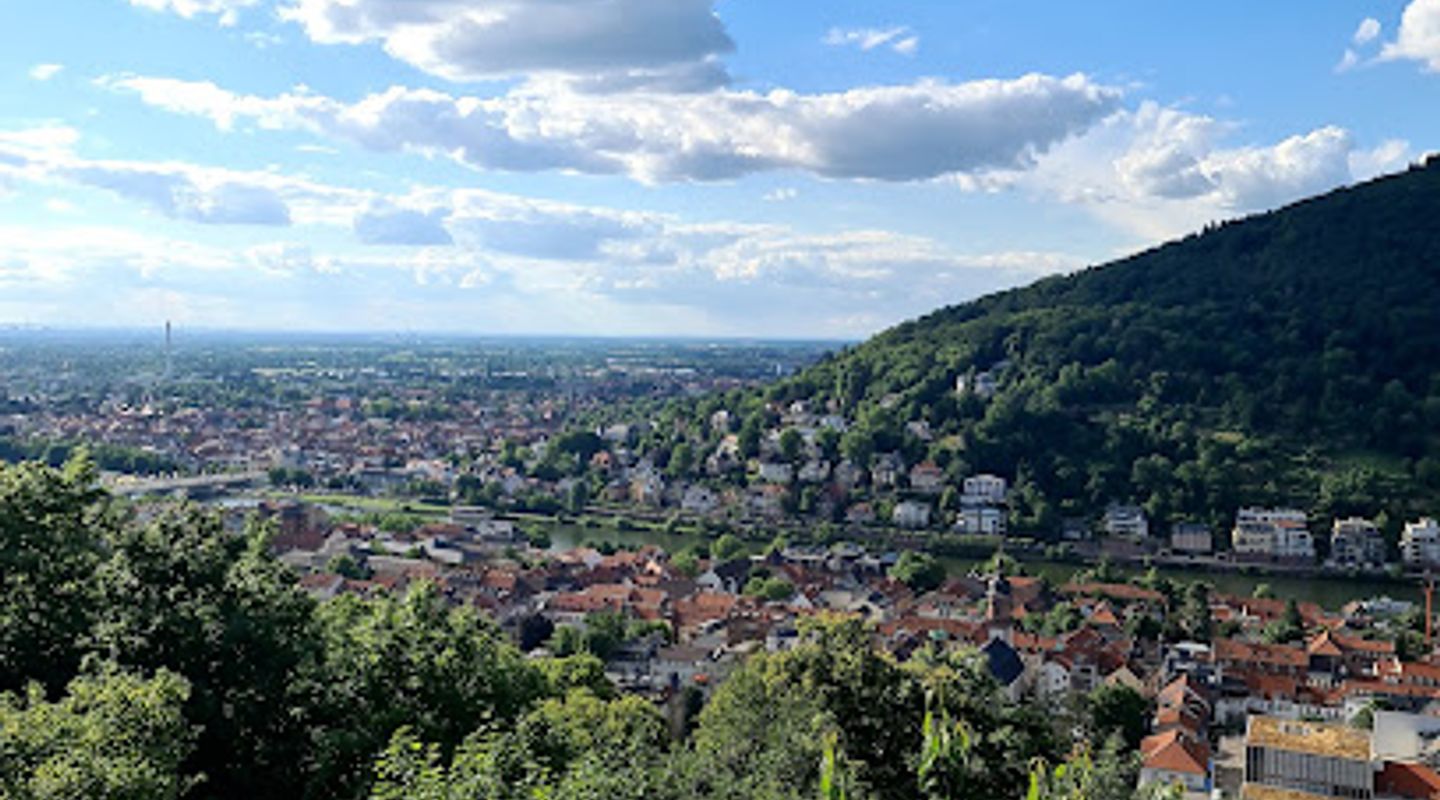
The Riesenstein, or Giant Stone, is a captivating landmark nestled on the slopes of Gaisberg mountain in Heidelberg's Altstadt (Old Town). Overlooking the historic town and Heidelberg Castle, this impressive rock formation is a popular destination for hikers and climbers. The site's history is intertwined with the region's geological past and its use as a quarry for constructing Heidelberg's iconic buildings. Today, the Riesenstein offers stunning views and a unique opportunity to connect with nature and history, making it a worthwhile visit for anyone exploring Heidelberg. Whether you're drawn to its geological significance, the challenge of its climbing routes, or simply the panoramic vistas, the Riesenstein provides a memorable experience.
A brief summary to Riesenstein
- Heidelberg, Heidelberger Altstadt, 69117, DE

Know before you go
Hi, I'm Eve. Here are a few practical things to know before exploring Riesenstein.
- Wear sturdy shoes suitable for hiking, as the trails leading to the Riesenstein can be uneven and steep in places.
- Bring water and snacks, especially if you plan on hiking or climbing, as there are limited facilities near the Riesenstein itself.
- Check the weather forecast before you go, as the trails can be slippery and dangerous in wet conditions.
Do you manage this location?
Take control to get all the benefits, like improved information, better appearance, and stronger visibility across AI-powered discovery. Learn more about listing your business on Evendo
Activate your presenceOther nearby places you may find interesting
The closest places of the same kind, if this one is not quite what you had in mind.

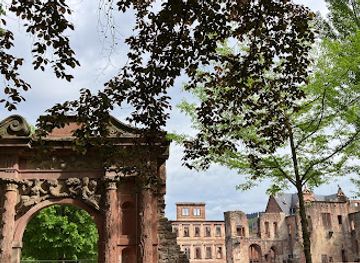
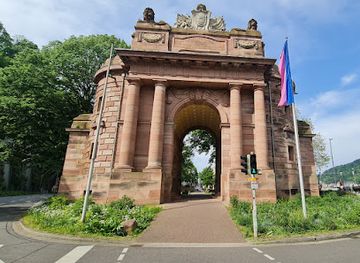
Explore Riesenstein on the Map
A handpicked selection of must-see spots near Riesenstein, mapped for you.
Getting There
-
Public Transport
From Heidelberg's city center (e.g., Bismarckplatz), take bus line 31 towards Neuenheim, Campus Im Neuenheimer Feld. Get off at the 'Klingenteich' stop. From there, follow the signs towards Riesenstein; it's approximately a 15-20 minute uphill walk through the forest. A single ticket for public transport costs approximately €3.60.
-
Walking
If you are already in Heidelberg's Altstadt, you can walk to Riesenstein. Head towards the Bergbahn (funicular) station and follow the paved road uphill. After a short distance, you'll see signs for Riesenstein. The walk is steep in places and takes approximately 30-40 minutes from the city center. There are no costs associated with walking.
-
Taxi/Ride-Share
A taxi or ride-share from Heidelberg's city center to the vicinity of Riesenstein (e.g., to a point where the hiking trail begins) will cost approximately €10-€15. Be aware that taxis cannot drive directly to the Riesenstein itself, and a short walk will still be required.
Discover more about Riesenstein













Your all‑in‑one travel companion app
Explore expert travel guides, compare and book tours, experiences, hotels, and more—all from the palm of your hand. Download now for seamless trip planning wherever your wanderlust takes you.


Explore More of Heidelberg
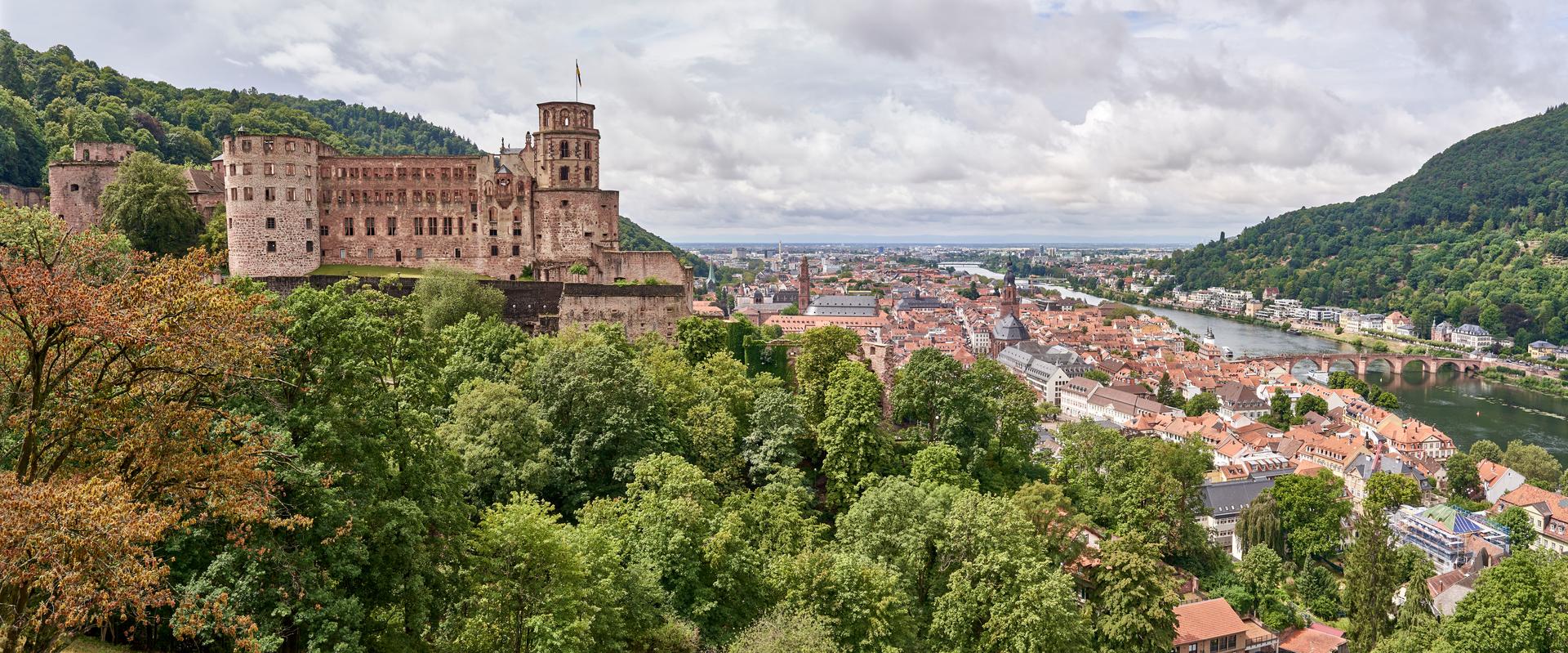
Looking beyond Riesenstein? Discover Heidelberg for broader travel guides, local hot-spots, and regional highlights.
Explore Heidelberg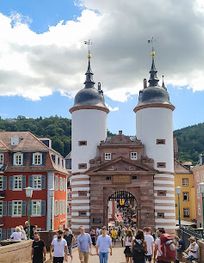
Step through time at Heidelberg's Brücke-Tor, a medieval gateway offering stunning views and a glimpse into the city's rich history, connecting past and present.

Explore the stunning Peterskirche in Heidelberg: a historic Evangelical church with breathtaking views and rich cultural significance.