

Free Zagros Mountains Travel Guide & Mobile App
Explore Zagros Mountains with free travel guides. Discover regional history, expert tips, proposed trips, and audio guides on web or mobile app.


Explore Iraq’s Zagros Mountains for Kurdish highland towns, oak-clad valleys, deep gorges, prehistoric caves and mountain cuisine.
Read more about Zagros Mountains
When is the best time to visit Zagros Mountains?
Best: April–May, October · 23–28°C| Month | High (°C) | Rainfall (mm) |
|---|---|---|
| January | 9 | 80 |
| February | 11 | 70 |
| March | 17 | 60 |
| April (best) | 23 | 50 |
| May (best) | 28 | 40 |
| June | 35 | 20 |
| July | 40 | 10 |
| August | 39 | 10 |
| September | 34 | 20 |
| October (best) | 25 | 40 |
| November | 16 | 50 |
| December | 11 | 70 |
Getting to and around Zagros Mountains
How to get there
Transportation
Top city travel guides in Zagros Mountains
The cities of Zagros Mountains, and the easiest places to base yourself.
-

-

-

-

-

-


Swipe for more cities
Destinations in Zagros Mountains
Resorts, valleys and scenic spots worth a trip of their own.
-

-

-

-

-

-


Swipe for more destinations
Best attractions in Zagros Mountains
The Iraqi Zagros offers a landscape-led range of attractions rather than a single, concentrated sightseeing circuit. In the north, Duhok and its surrounding valleys provide access to mountain viewpoints, picnic areas and historic settlements, while Amedi is known for its dramatic elevated setting and long frontier history. Around Erbil, the road towards Shaqlawa and the eastern foothills combines orchards, cafés and seasonal countryside outings. Farther east, Rawanduz and the Soran area are associated with deep gorges, steep escarpments and some of Iraq’s most memorable mountain scenery. The Sulaymaniyah side of the range provides access to foothill landscapes, cultural institutions and routes into rural districts. Shanidar Cave is an important prehistoric site, although access and conservation arrangements should be checked locally. Visitors can also find opportunities for hiking, photography, birdwatching and spring picnics, but formal trail marking and rescue infrastructure are limited. Ancient towns, shrines and village landscapes reward guided visits, while security restrictions mean that some border-facing valleys and former conflict areas are unsuitable for independent exploration.
-
 Mountain peak
Qimmat Jināristān
Discover the rugged beauty of Qimmat Jināristān, a mountain peak in Erbil Governorate offering panoramic views and outdoor adventure.
Best landmarks in Zagros Mountains
The most recognisable landmarks of the Iraqi Zagros are often inseparable from their terrain. Amedi occupies a striking limestone plateau in the northern mountains, its elevated position reflecting the defensive and administrative importance of the town over centuries. The gorges around Rawanduz and Soran are major natural landmarks, with sheer valley walls revealing the folded geology that defines the range. Shanidar Cave is a landmark of global prehistoric importance because of its Neanderthal remains and the archaeological questions they raised, although it is also a sensitive research and conservation site. Historic Akre, with its hillside position and traditional urban fabric, represents the long settlement history of the foothills, while the valleys around Barzan preserve memories of both ancient habitation and modern Kurdish political history. In the wider Duhok area, mountain passes, springs and cliff settlements form visual markers rather than isolated monuments. Access to several sites depends on current security, local permissions and road conditions, so their significance should be appreciated alongside the practical limits of visiting them.
-
Castle
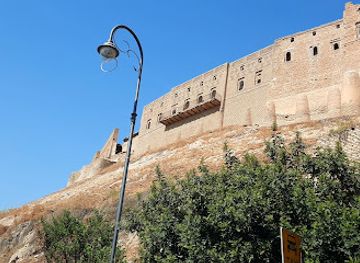
Erbil Citadel
Explore the ancient Erbil Citadel, a UNESCO World Heritage Site and one of the world's oldest continuously inhabited settlements, in the heart of Erbil.
-
Park
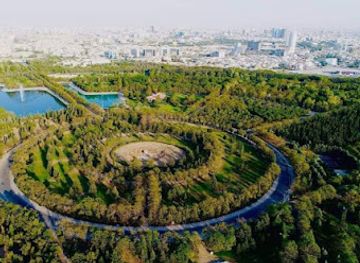
Samî Abdulrahman Park
Erbil's largest park, a vibrant green space offering recreation, culture, and a symbol of hope and transformation.
-
Tourist attraction
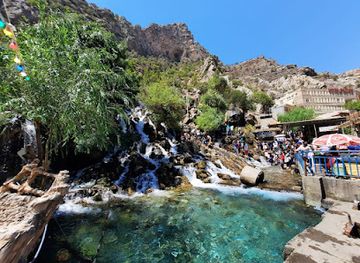
Bekhal Waterfalls
Experience the beauty of Iraqi Kurdistan at Bekhal Waterfalls, a serene escape with stunning cascades and lush mountain scenery.
-
Castle
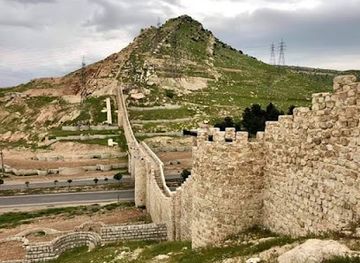
Kirkuk Citadel
Explore the ancient Kirkuk Citadel, a historic fortress offering breathtaking views and a glimpse into Iraq's rich cultural heritage.
Explore Zagros Mountains on the map
Plan your trip on one map. See where the top cities, national parks and sights are, and book hotels and experiences in a few clicks.
Best hotels in Zagros Mountains
Best restaurants in Zagros Mountains
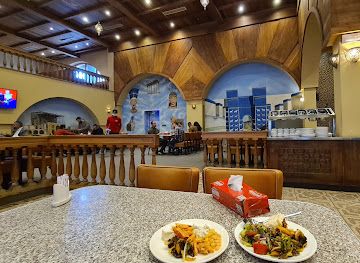
Dining in the Iraqi Zagros is closely connected to Kurdish home cooking, market produce and the hospitality of mountain towns. Grilled lamb and chicken, rice dishes, flatbreads, soups, stuffed vegetables, yoghurt, fresh herbs and seasonal fruit are common, with variations between urban restaurants and village kitchens. Kubba, dolma and a range of kebabs appear across Iraq and should not be presented as exclusively Zagros dishes, while local menus often reflect Kurdish preferences for grilled meats, bread, dairy and generous plates for sharing. In Shaqlawa, Rawanduz, Soran, Amedi and the outskirts of Duhok or Sulaymaniyah, restaurants and roadside eateries may combine regional food with broader Iraqi, Turkish and international choices. Tea houses and simple cafés are important meeting places, especially along roads used for mountain outings. Markets are useful for fruit, nuts, honey, dairy products and bread, though availability follows the seasons. Vegetarian travellers will usually find rice, lentils, salads and vegetable dishes, but should explain dietary requirements clearly.
-
Restaurant
ABC Restaurant Erbil
Discover the exquisite fusion of American, Asian, and Middle Eastern cuisines at ABC Restaurant Erbil – where every meal is an adventure.
-
Restaurant
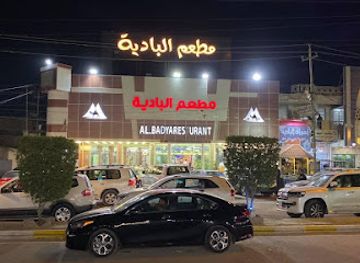
Al Badia Restaurant
Discover the essence of Iraqi cuisine at Al Badia Restaurant in Al-Fallujah - where tradition meets flavor.
-
Restaurant
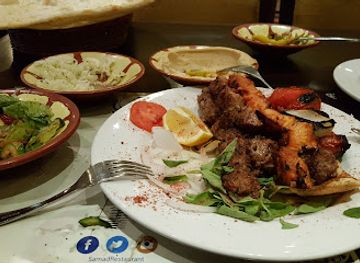
Samad Restaurant
Experience authentic Iraqi cuisine at Samad Restaurant in Erbil – where tradition meets modern culinary artistry.
-
Restaurant
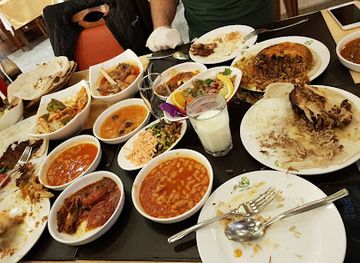
Abu Shahab City Restaurant
Experience authentic Middle Eastern cuisine at Abu Shahab City Restaurant in Erbil - where every meal is a celebration of flavor.
Best bars in Zagros Mountains
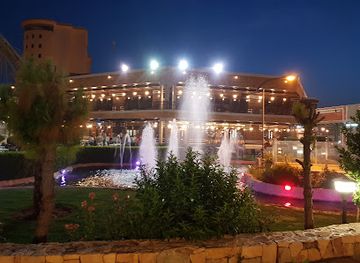
Evening life in the Iraqi Zagros is concentrated in Erbil, Sulaymaniyah and Duhok rather than in the high valleys. In the cities, visitors can find cafés, restaurants, hotel lounges, tea houses and some contemporary venues, while smaller mountain towns generally become quiet after dinner. Shaqlawa and other foothill destinations are popular for evening meals, family outings and roadside cafés, particularly in warmer months, but they do not have a large club circuit. Alcohol availability varies by city, venue and local expectations, and it should never be assumed in rural or conservative communities. Live music, social gatherings and late café visits are more representative of ordinary evening culture than nightlife based entirely around clubs. Dress modestly, follow venue rules and arrange transport back to your accommodation before travelling into remote areas after dark.
-
Restaurant
ABC Restaurant Erbil
Discover a fusion of American, Asian, and Middle Eastern flavors at ABC Restaurant Erbil, where every meal is a celebration of taste.
-
Hotel
Divan Erbil
Experience unparalleled luxury and comfort at Divan Erbil, the ideal destination for travelers in the heart of Iraq's vibrant Erbil city.
-
Restaurant
Abu Shahab City Restaurant
Experience the rich flavors of Erbil at Abu Shahab City Restaurant, where traditional meets contemporary in a warm and inviting setting.
-
Hotel
Titanic Hotel & Spa
Discover unparalleled luxury and relaxation at Titanic Hotel & Spa in Sulaymaniyah, where comfort meets breathtaking views and exceptional service.
Best nightclubs in Zagros Mountains
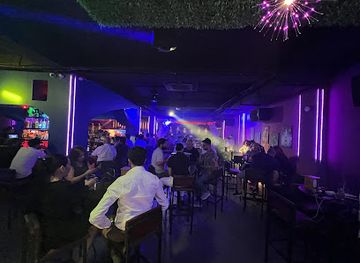
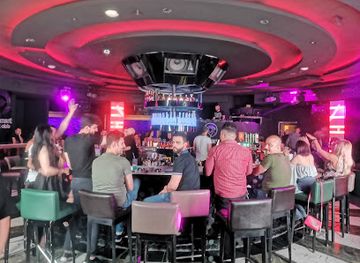
Evening life in the Iraqi Zagros is concentrated in Erbil, Sulaymaniyah and Duhok rather than in the high valleys. In the cities, visitors can find cafés, restaurants, hotel lounges, tea houses and some contemporary venues, while smaller mountain towns generally become quiet after dinner. Shaqlawa and other foothill destinations are popular for evening meals, family outings and roadside cafés, particularly in warmer months, but they do not have a large club circuit. Alcohol availability varies by city, venue and local expectations, and it should never be assumed in rural or conservative communities. Live music, social gatherings and late café visits are more representative of ordinary evening culture than nightlife based entirely around clubs. Dress modestly, follow venue rules and arrange transport back to your accommodation before travelling into remote areas after dark.
-
Disco club
HERA Club
Discover Erbil's vibrant nightlife at HERA Club, the ultimate disco destination for dance lovers and party-goers.
-
Night club
Love time club
Discover the electrifying nightlife at Love Time Club in Erbil, where music, dancing, and vibrant crowds create unforgettable experiences.
-
Night club
Inferno Erbil
Experience the electrifying nightlife at Inferno Erbil, where music and dance create unforgettable memories in a vibrant club atmosphere.
-
Night club
LOTUS NIGHT CLUB
Experience the vibrant nightlife of Erbil at Lotus Night Club, where the beats are infectious and the atmosphere electric.


Best shops in Zagros Mountains
Shopping in the Iraqi Zagros is centred on urban bazaars, traditional high streets and the produce of mountain and foothill communities. Erbil, Sulaymaniyah and Duhok offer the broadest choice, including clothing, household goods, jewellery, spices, sweets, books and Kurdish cultural products. Smaller towns such as Shaqlawa, Akre, Amedi and Rawanduz are better suited to buying local food, practical goods and modest souvenirs than luxury retail. Look for seasonal fruit, nuts, honey, dried herbs, cheeses, bread and other regional provisions in markets, while carpets, woven textiles, metalwork and handicrafts may be available through specialist shops or bazaar stalls. Quality and provenance vary, so ask about materials and negotiate politely where bargaining is customary. Contemporary shopping centres exist in the larger cities, but the character of mountain-region shopping is better expressed by produce markets, independent grocers, bakeries and small craft sellers. Carry cash for rural purchases and avoid buying archaeological objects or anything that appears to have been removed from a historic site.
-
Home goods store
Zagros shop
Explore Zagros Shop in Sumel for unique home goods and authentic Kurdish craftsmanship in Duhok Governorate.
Get your free copy of our complete guide to Zagros Mountains, delivered straight to you.
Everything on this page, from attractions and restaurants to essentials and local phrases, in one PDF you can read offline, print or share.
Already have an account? Sign in
Your Zagros Mountains guide is ready.
We'll send it to · Not you? Sign out

Getting your guide ready…
We are putting together a fresh copy of the Zagros Mountains guide. This can take up to a minute.
This can take a few moments. If your browser asks, choose Allow so the download can start. You'll find the guide in your Downloads folder.
Nothing happened? Download it again
Sorry, the guide is taking longer than usual. Please try again in a minute, or get it by email instead.
Zagros Mountains essentials
Currency and Payment
Safety
Emergency Situations
Do's and Don'ts
Local Tips
From Eve
Local phrases worth knowing
You don't need to get them perfect. A few words go a long way, and locals appreciate the effort.
Basics
| English | Local | Say it |
|---|---|---|
| Hello | سلام | [Salam] |
| Goodbye | خداحافظ | [Khodahafez] |
| Yes | بله | [Baleh] |
| No | نه | [Na] |
| Please/You're welcome | لطفا | [Lotfan] |
| Thank you | ممنون | [Mamnoon] |
| Excuse me/Sorry | ببخشید | [Bebakhshid] |
| How are you? | حال شما چطور است؟ | [Hal-e shoma chetor ast?] |
| Fine. And you? | خوبم. و شما؟ | [Khoobam. Va shoma?] |
| Do you speak English? | آیا انگلیسی صحبت میکنید؟ | [Aya Engilisi sohbat mikonid?] |
| I don't understand | من نمیفهمم | [Man nemifahmam] |
Eating & Drinking
| English | Local | Say it |
|---|---|---|
| I'd like to see the menu, please | لطفا منو را ببینم | [Lotfan menu ra bebinam] |
| I don't eat meat | من گوشت نمیخورم | [Man goosht nemikhoram] |
| Cheers! | به سلامتی! | [Be salamati!] |
| I would like to pay, please | لطفا میخواهم پرداخت کنم | [Lotfan mikhahm pardakht konam] |
Emergencies
| English | Local | Say it |
|---|---|---|
| Help! | کمک! | [Komak!] |
| Go away! | برو برو! | [Boro boro!] |
| Call the Police! | پلیس را صدا کنید! | [Polis ra seda konid!] |
| Call a doctor! | دکتر را صدا کنید! | [Doctor ra seda konid!] |
| I'm lost | من گم شدهام | [Man gom shode-am] |
| I'm ill | من بیمارم | [Man bimaram] |
Shopping
| English | Local | Say it |
|---|---|---|
| I'd like to buy... | میخواهم بخرم... | [Mikham bekharam...] |
| I'm just looking | فقط دارم نگاه میکنم | [Faghat daram negah mikonam] |
| How much is it? | این چقدر است؟ | [In cheghadr ast?] |
| That's too expensive | این خیلی گران است | [In kheili geran ast] |
| Can you lower the price? | میتوانید قیمت را پایین بیاورید؟ | [Mitavanid gheymat ra paeen biavarid?] |
Time & Numbers
| English | Local | Say it |
|---|---|---|
| What time is it? | ساعت چنده؟ | [Saat chande?] |
| It's one o'clock | ساعت یک است | [Saat yek ast] |
| Half past (10) | نیم ساعت (۱۰) | [Nim saat (10)] |
| Morning | صبح | [Sobh] |
| Afternoon | بعد از ظهر | [Baad az zohr] |
| Evening | عصر | [Asr] |
| Yesterday | دیروز | [Diruz] |
| Today | امروز | [Emruz] |
| Tomorrow | فردا | [Farda] |
| 1 | ۱ | [1] |
| 2 | ۲ | [2] |
| 3 | ۳ | [3] |
| 4 | ۴ | [4] |
| 5 | ۵ | [5] |
| 6 | ۶ | [6] |
| 7 | ۷ | [7] |
| 8 | ۸ | [8] |
| 9 | ۹ | [9] |
| 10 | ۱۰ | [10] |
Transport & Directions
| English | Local | Say it |
|---|---|---|
| Where's a/the...? | کجا یک ... است؟ | [Koja yek ... ast?] |
| What's the address? | آدرس چیست؟ | [Address chist?] |
| Can you show me (on the map)? | میتوانید به من نشان دهید (روی نقشه)؟ | [Mitavanid be man neshan dahid (ruye naqsh)?] |
| When's the next (bus)? | کی اتوبوس بعدی است؟ | [Key otobus ba'di ast?] |
| A ticket (to ....) | یک بلیط (به ...) | [Yek belit (be ...)] |
History of Zagros Mountains
Prehistoric Zagros and Shanidar Cave
The Iraqi Zagros contains some of the most important prehistoric evidence in the Middle East. Shanidar Cave, in the Barzan area, was excavated in the twentieth century and produced Neanderthal remains, including burials that have fuelled debate about mortuary behaviour and social care among Neanderthals. The cave’s evidence also records changing environments, animals and human activity over long periods. Other sites in the wider Zagros region demonstrate the importance of mountain valleys and foothills in the movement of early human communities between Mesopotamia and the Iranian plateau.
Ancient Highland Frontiers
For the kingdoms of Mesopotamia, the Zagros was both a barrier and a corridor. Assyrian rulers campaigned repeatedly in the mountains, while peoples living in the highlands maintained their own political and cultural identities. Ancient routes connected the plains around modern northern Iraq with passes leading eastwards. Although much of the region’s early archaeology remains difficult to visit, its frontier role helps explain the presence of old fortifications, settlement mounds and long-established routes around valleys such as Rawanduz and the foothills near Duhok.
Islamic Dynasties and Mountain Principalities
After the Arab-Muslim conquests, the Zagros remained a region of varied local authority, with Kurdish dynasties, tribal confederations and urban centres negotiating power with larger states. Islam became central to public and architectural life, while Christian communities also maintained a long presence in parts of the northern mountains. Fortified settlements and religious buildings in and around Amedi, Akre and other historic towns reflect the strategic value of elevated sites. Mountain geography allowed local rulers and communities a measure of autonomy, though the region was never isolated from wider political change.
Ottoman-Persian Borderlands
From the sixteenth century, the Zagros became a contested frontier between the Ottoman and Safavid, and later Qajar, empires. Control shifted across passes and districts, while local Kurdish emirates often governed internal affairs under changing arrangements with the imperial powers. The 1639 Treaty of Zuhab helped establish a frontier whose broad legacy influenced the modern Iraq-Iran boundary. Amedi, Rawanduz and other mountain centres were connected to this world of fortified administration, caravan movement and shifting loyalties.
The Emergence of Modern Kurdish Politics
The creation of modern Iraq after the First World War brought new borders and state institutions into the Zagros. Kurdish demands for political and cultural rights repeatedly challenged Baghdad, and the mountains became important bases for revolt and armed opposition. Campaigns, forced displacement and the Anfal Operations of the late 1980s caused profound loss and destruction in Kurdish areas, including mountain communities. The legacy remains visible in memorial landscapes, depopulated villages and continuing debates about identity, autonomy and the relationship between the Kurdistan Region and the Iraqi federal state.
Roads, Oil and Contemporary Highland Life
During the twentieth and early twenty-first centuries, roads, electricity, telecommunications and expanding cities altered the relationship between the mountains and the plains. Erbil, Sulaymaniyah and Duhok became major urban centres, while smaller towns developed as local service and tourism hubs. Oil and public-sector employment have shaped the modern economy, alongside trade, agriculture and remittances. At the same time, security pressures, displacement, cross-border tensions and environmental change continue to affect access to some valleys and the future of traditional mountain settlements.
Zagros Mountains in Photos
Browse through our photo collection highlighting the charm and character of the destination.
Neighbouring regions of Zagros Mountains
The closest regions to Zagros Mountains, if you have time for more than one.
-

-

-

-

-


Swipe for more regions
Explore more

Explore more of Iraq
Explore the cradle of civilization in Iraq, where ancient history, rich culture, and diverse landscapes create an unforgettable travel experience.
Explore Iraq