

Free Veneto Travel Guide & Mobile App
Explore Veneto with free travel guides. Discover regional history, expert tips, proposed trips, and audio guides on web or mobile app.


Explore Veneto for Venice, Verona, Palladian villas, Prosecco hills, Adriatic lagoons and the Dolomites across northern Italy.
Read more about Veneto
When is the best time to visit Veneto?
Best: May–June, September · 24–28°C| Month | High (°C) | Rainfall (mm) |
|---|---|---|
| January | 8 | 50 |
| February | 10 | 52 |
| March | 15 | 62 |
| April | 19 | 70 |
| May (best) | 24 | 78 |
| June (best) | 28 | 80 |
| July | 30 | 72 |
| August | 29 | 81 |
| September (best) | 26 | 79 |
| October | 19 | 80 |
| November | 13 | 73 |
| December | 9 | 64 |
Getting to and around Veneto
How to get there
Transportation
Top city travel guides in Veneto
The cities of Veneto, and the easiest places to base yourself.
-

-

-

-

-

-


Swipe for more cities
Destinations in Veneto
Resorts, valleys and scenic spots worth a trip of their own.
-

-

-

-

-

-


Swipe for more destinations
Best attractions in Veneto
Veneto's attractions range from major historic cities to landscapes shaped by water, agriculture and mountain geology. Venice offers palaces, churches, museums and lagoon islands, while Verona combines Roman remains with medieval and Renaissance streets. Padua is known for its university heritage, the Scrovegni Chapel and the pilgrimage complex of Saint Anthony; Vicenza and its surrounding countryside provide an exceptional concentration of Palladian buildings and villas. Treviso, Bassano del Grappa, Asolo, Marostica and Cittadella add smaller-scale historic environments, often with arcades, walls, rivers or hill views. Northern Veneto opens into the Dolomites, where walking, climbing, cycling and winter sports are organised around valleys and mountain towns. In the south, the Po Delta offers wetlands, canals, agricultural scenery and birdlife, while the Adriatic coast includes the lagoon town of Chioggia and resort landscapes further east. Gardens, museums, archaeological sites, food-producing estates and industrial heritage broaden the region's appeal beyond its most famous monuments.
-
Plaza
Piazza San Marco
Explore the enchanting Piazza San Marco, the iconic heart of Venice, surrounded by stunning architecture and vibrant culture.
-
Bridge
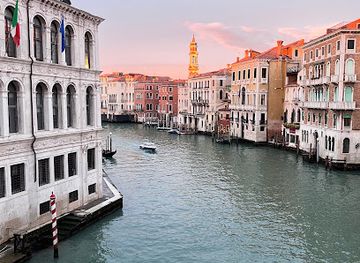
Ponte di Rialto
Experience the breathtaking beauty and rich history of Ponte di Rialto, Venice's oldest and most iconic bridge overlooking the Grand Canal.
-
Basilica
The Basilica of St. Anthony
Discover the architectural beauty and spiritual significance of the Basilica of St. Anthony in Padua, a must-visit destination for travelers.
-
Museum
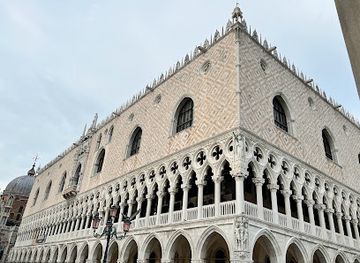
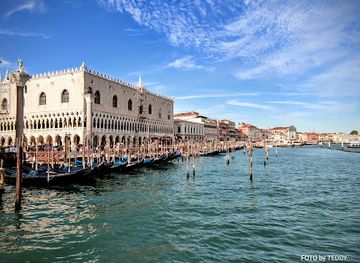
Doge's Palace
Discover the Gothic splendor and rich history of Doge's Palace, a must-visit museum in the heart of Venice, showcasing art and architecture.


Best landmarks in Veneto
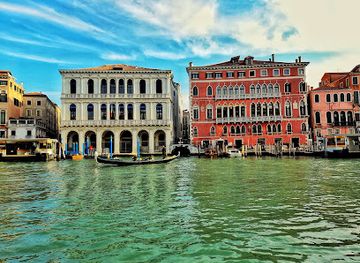
Venice's Grand Canal, St Mark's Square, the Doge's Palace and the Rialto Bridge form one of Europe's most recognisable urban landscapes, although their significance is inseparable from the wider lagoon environment. Verona's Roman Arena remains the defining monument of a city built through Roman, medieval and Renaissance periods, while Padua's Basilica of Saint Anthony and the Scrovegni Chapel mark the city's religious and artistic importance. Vicenza's Basilica Palladiana and Teatro Olimpico express Palladio's influence, which continues through villas in the surrounding countryside. The walled towns of Cittadella and Marostica preserve different forms of medieval defensive planning, and Bassano del Grappa is identified by its historic wooden bridge over the Brenta. In northern Veneto, the jagged Dolomite groups provide the region's most powerful natural landmarks; in the south, the waterways and reedbeds of the Po Delta define a landscape shaped by river and sea.
-
Plaza
Piazza San Marco
Discover the iconic Piazza San Marco, Venice's heart, surrounded by stunning architecture and vibrant culture. A must-visit for every traveler.
-
Bridge
Ponte di Rialto
Discover the stunning Ponte di Rialto, an iconic bridge in Venice, Italy, blending history, culture, and breathtaking views over the Grand Canal.
-
Museum
Doge's Palace
Discover the opulence of Venice at Doge's Palace, a historic museum filled with art, architecture, and tales of the Venetian Republic.
-
National museum
Villa d'Este
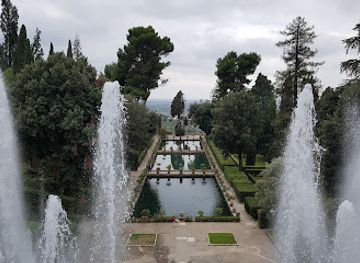
Discover the breathtaking gardens and fountains of Villa d'Este in Tivoli, a UNESCO World Heritage site, showcasing Italy's rich Renaissance heritage.

Explore Veneto on the map
Plan your trip on one map. See where the top cities, national parks and sights are, and book hotels and experiences in a few clicks.
Best hotels in Veneto
Best restaurants in Veneto
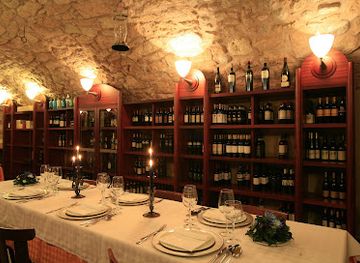
Veneto's food reflects its plain, lagoon, foothills and mountains rather than a single regional menu. Rice features in risotti, including combinations with seasonal vegetables and seafood, while polenta traditionally accompanies fish, meat and mountain dishes. Radicchio from the Treviso area, beans, asparagus, pumpkin, mushrooms and local cheeses appear in markets and restaurant kitchens. Coastal and lagoon cooking includes Adriatic fish and shellfish, whereas inland specialities include baccalà alla vicentina, a salt-cod preparation associated with Vicenza, and substantial dishes suited to cooler northern climates. Cicchetti bars in Venice and other towns offer small savoury tastes with a glass of wine, while trattorie, family-run restaurants, cafés and rural inns provide more formal meals. The hills around Conegliano and Valdobbiadene are associated with Prosecco, and wines from areas such as Valpolicella and the Euganean Hills complement the region's diverse cooking.
-
Restaurant
Hostaria Osottoosopra - Venice
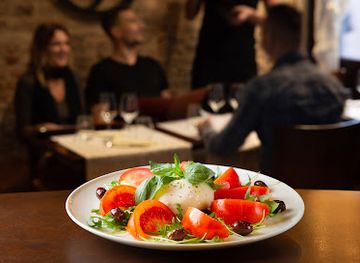
Experience authentic Venetian cuisine at Hostaria Osottoosopra - where traditional Italian flavors meet fresh seafood in a charming setting.
-
Italian
Ostaria dai Zemei
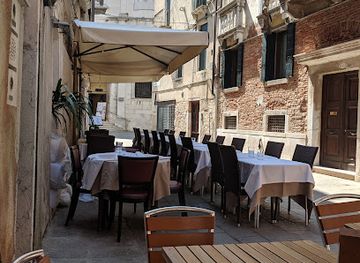
Experience authentic Venetian cuisine at Ostaria dai Zemei – where traditional flavors meet local charm in the heart of Venice.
-
Fine Dining
Bistrot de Venise
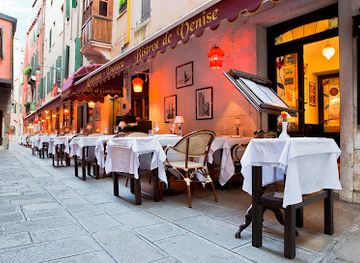
Discover Bistrot de Venise: where exquisite Venetian cuisine meets refined elegance in an unforgettable dining experience.
-
Italian
Michelin Restaurant Sas
Experience exquisite Italian dining at Michelin Restaurant Sas in Tregnago—where culinary artistry meets tradition.
Best bars in Veneto
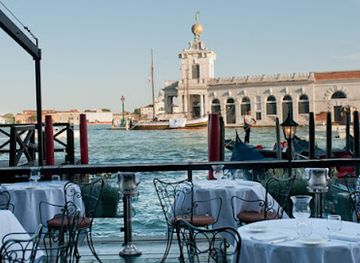
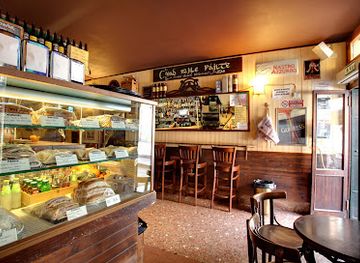
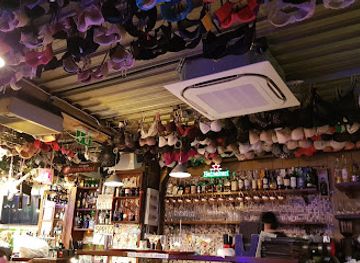
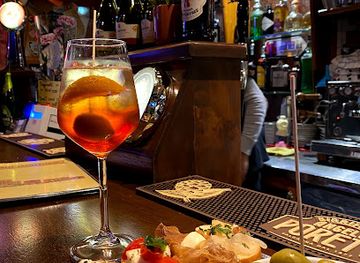
Evening life in Veneto varies sharply between its historic cities, university centres, resort areas and rural districts. Venice is known for small bacari serving cicchetti and drinks, while Padua has a substantial student-oriented café and bar culture around its central squares and university quarter. Verona offers wine bars, restaurants, theatres and live performances alongside traditional osterie, and Vicenza and Treviso have a more compact selection of cafés, aperitivo venues and late-opening bars. In smaller towns, the evening usually centres on local bars, gelaterie, restaurants and seasonal events rather than large clubs. The Adriatic resort areas become more active in summer, whereas Dolomite communities focus on restaurants, hotel bars and après-ski settings during the winter season. Brewery taprooms and wine-focused venues are also found in parts of the region, but opening arrangements should be checked locally.
-
Bar
Harry's Bar
Discover the iconic Harry's Bar in Venice, where history and culinary excellence meet in a timeless setting.
-
Pub
The Irish Pub Venezia
Experience the vibrant atmosphere of The Irish Pub Venezia, where Irish charm meets Venetian allure in a delightful pub setting.
-
Bar
Bacaro Jazz
Experience the magic of live jazz and exquisite cocktails at Bacaro Jazz, Venice's premier bar for music lovers and culinary enthusiasts.
-
Irish pub
Irish Pub Santa Lucia
Discover the lively atmosphere and delicious Irish cuisine at Irish Pub Santa Lucia, the perfect retreat in Venice for food and drink lovers.
Best nightclubs in Veneto
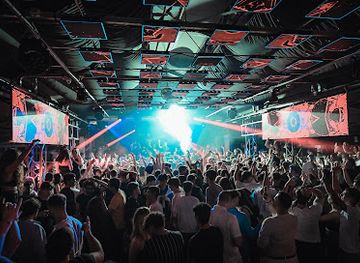
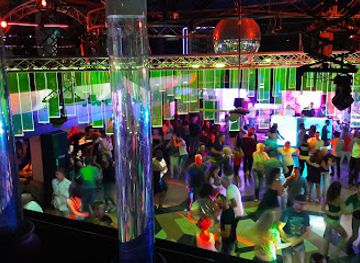
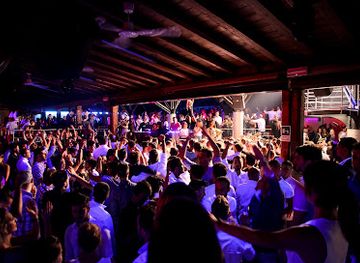
Evening life in Veneto varies sharply between its historic cities, university centres, resort areas and rural districts. Venice is known for small bacari serving cicchetti and drinks, while Padua has a substantial student-oriented café and bar culture around its central squares and university quarter. Verona offers wine bars, restaurants, theatres and live performances alongside traditional osterie, and Vicenza and Treviso have a more compact selection of cafés, aperitivo venues and late-opening bars. In smaller towns, the evening usually centres on local bars, gelaterie, restaurants and seasonal events rather than large clubs. The Adriatic resort areas become more active in summer, whereas Dolomite communities focus on restaurants, hotel bars and après-ski settings during the winter season. Brewery taprooms and wine-focused venues are also found in parts of the region, but opening arrangements should be checked locally.
-
Disco club
KING'S CLUB - JESOLO LIDO
Dive into the electrifying nightlife of Jesolo Lido at KING'S CLUB, where world-class DJs and vibrant energy create unforgettable experiences.
-
Night club
Disco Aquarius Music All - Latino Paradise
Discover the electrifying nightlife at Disco Aquarius, the ultimate Latino paradise in Campodarsego, where the music never stops and the fun is endless.
-
Lido
Pachuka Beach
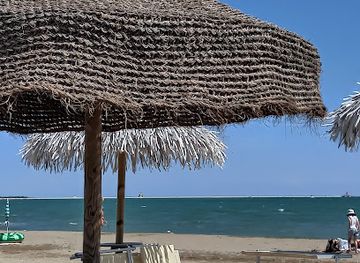
Pachuka Beach: A perfect blend of sun, sea, and vibrant nightlife awaits you in Venice's idyllic coastal paradise.
-
Dance club
Vanilla Club
Discover the vibrant nightlife at Vanilla Club, Jesolo's premier destination for dancing and entertainment under the stars.
Best shops in Veneto
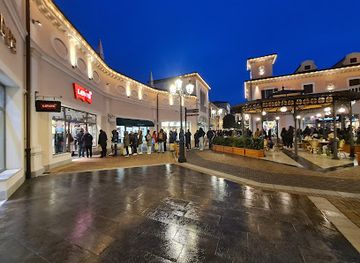
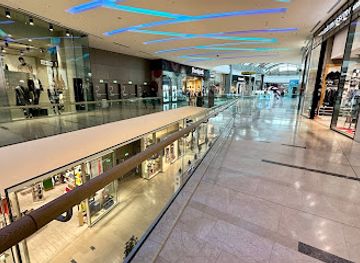
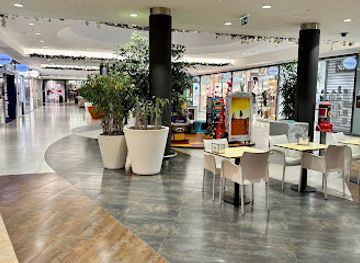
Shopping in Veneto ranges from grand urban streets and historic arcades to market stalls, food producers and specialist workshops. Venice is associated with Murano glass, Burano lace and artisan goods, though visitors should look for clear provenance and established quality marks when buying craft products. Padua, Verona, Vicenza and Treviso offer independent boutiques, bookshops, delicatessens and regular markets alongside national retailers. Smaller towns such as Bassano del Grappa, Asolo and Marostica are suited to browsing ceramics, textiles, antiques, local foods and design-led craft rather than extensive department-store shopping. Regional products make practical souvenirs: Prosecco from the northern hills, wines from Valpolicella or the Euganean Hills, radicchio, cheeses, cured meats and pantry goods. In rural areas, opening days and payment options can be limited, so farmers' markets, winery shops and food cooperatives may offer more useful opportunities than conventional retail streets.
-
Outlet mall
Designer Outlet Noventa di Piave
Discover luxury shopping at discounted prices at the Designer Outlet Noventa di Piave, a premier destination for fashion lovers near Venice.
-
Shopping mall
Nave de Vero
Explore Nave de Vero in Venice, a vibrant shopping mall featuring a diverse range of stores, delicious dining, and family-friendly entertainment.
-
Shopping mall
Centro Commerciale Valecenter
Explore the bustling Centro Commerciale Valecenter in Marcon for a superb shopping experience with dining options and a vibrant atmosphere.
-
Shopping mall
Grand'Affi Shopping Center
Experience shopping bliss at Grand'Affi Shopping Center, a premier destination in the heart of Verona, Italy, with diverse shops, cafes, and a vibrant atmosphere.
Get your free copy of our complete guide to Veneto, delivered straight to you.
Everything on this page, from attractions and restaurants to essentials and local phrases, in one PDF you can read offline, print or share.
Already have an account? Sign in
Your Veneto guide is ready.
We'll send it to · Not you? Sign out

Getting your guide ready…
We are putting together a fresh copy of the Veneto guide. This can take up to a minute.
This can take a few moments. If your browser asks, choose Allow so the download can start. You'll find the guide in your Downloads folder.
Nothing happened? Download it again
Sorry, the guide is taking longer than usual. Please try again in a minute, or get it by email instead.
Veneto essentials
Currency and Payment
Safety
Emergency Situations
Do's and Don'ts
Local Tips
From Eve
Local phrases worth knowing
You don't need to get them perfect. A few words go a long way, and locals appreciate the effort.
Basics
| English | Local | Say it |
|---|---|---|
| Hello | Ciao | [chow] |
| Goodbye | Addio | [ah-dee-oh] |
| Yes | Sì | [see] |
| No | No | [noh] |
| Please/You're welcome | Per favore | [per fah-voh-reh] |
| Thank you | Grazie | [grah-tsee-eh] |
| Excuse me/Sorry | Scusa | [skoo-zah] |
| How are you? | Come stai? | [koh-meh stah-ee] |
| Fine. And you? | Bene. E tu? | [beh-neh. eh too] |
| Do you speak English? | Parli inglese? | [par-lee een-gleh-seh] |
| I don't understand | Non capisco | [nohn kah-pees-koh] |
Eating & Drinking
| English | Local | Say it |
|---|---|---|
| I'd like to see the menu, please | Vorrei vedere il menù, per favore | [vor-ray veh-deh-reh eel meh-noo, per fah-voh-reh] |
| I don't eat meat | Non mangio carne | [nohn mahn-joh kar-neh] |
| Cheers! | Salute! | [sah-loo-teh] |
| I would like to pay, please | Vorrei pagare, per favore | [vor-ray pah-gah-reh, per fah-voh-reh] |
Emergencies
| English | Local | Say it |
|---|---|---|
| Help! | Aiuto! | [ah-yoo-toh] |
| Go away! | Vattene via! | [vaht-teh-neh vee-ah] |
| Call the Police! | Chiama la polizia! | [kee-ah-mah lah poh-leet-zee-ah] |
| Call a doctor! | Chiama un dottore! | [kee-ah-mah oon doht-toh-reh] |
| I'm lost | Mi sono perso | [mee soh-noh pehr-soh] |
| I'm ill | Sono malato | [soh-noh mah-lah-toh] |
Shopping
| English | Local | Say it |
|---|---|---|
| I'd like to buy... | Vorrei comprare... | [vor-ray kom-prah-reh] |
| I'm just looking | Sto solo guardando | [stoh soh-loh gwahr-dahn-doh] |
| How much is it? | Quanto costa? | [kwahn-toh koh-stah] |
| That's too expensive | È troppo costoso | [eh troh-poh koh-stoh-soh] |
| Can you lower the price? | Puoi abbassare il prezzo? | [pwoy ahb-bah-sah-reh eel pret-zoh] |
Time & Numbers
| English | Local | Say it |
|---|---|---|
| What time is it? | Che ore sono? | [keh oh-reh soh-noh] |
| It's one o'clock | È l'una | [eh loo-nah] |
| Half past (10) | Dieci e mezzo | [dee-eh-chee eh meh-tsoh] |
| Morning | Mattina | [maht-tee-nah] |
| Afternoon | Pomeriggio | [poh-meh-reed-joh] |
| Evening | Sera | [seh-rah] |
| Yesterday | Ieri | [yeh-ree] |
| Today | Oggi | [oh-gee] |
| Tomorrow | Domani | [doh-mah-nee] |
| 1 | Uno | [oo-noh] |
| 2 | Due | [doo-eh] |
| 3 | Tre | [treh] |
| 4 | Quattro | [kwah-troh] |
| 5 | Cinque | [cheen-kweh] |
| 6 | Sei | [say] |
| 7 | Sette | [seht-teh] |
| 8 | Otto | [oht-toh] |
| 9 | Nove | [noh-veh] |
| 10 | Dieci | [dee-eh-chee] |
Transport & Directions
| English | Local | Say it |
|---|---|---|
| Where's a/the...? | Dove c'è...? | [doh-veh cheh] |
| What's the address? | Qual è l'indirizzo? | [kwahl eh leeen-dee-reet-soh] |
| Can you show me (on the map)? | Puoi mostrarmi (sulla mappa)? | [pwoy mohs-trar-mee (sool-lah mahp-pah)] |
| When's the next (bus)? | Quando c'è il prossimo (autobus)? | [kwahn-doh cheh eel prohs-see-mo (ow-toh-boos)] |
| A ticket (to ....) | Un biglietto (per ....) | [oon bee-lyet-toh (per ....)] |
History of Veneto
Venetic and Roman Foundations
Before Roman expansion, the eastern Po plain was inhabited by Venetic communities whose language and material culture are represented by archaeological evidence at sites including Este and Altino. Rome gradually incorporated the area during the second and first centuries BC, building roads, settlements and trading networks that connected the plain with the Adriatic and the Alps. Roman Verona, Padua, Vicenza and Altino established urban patterns that continued to influence later towns. The arena at Verona and surviving roads, bridges and archaeological remains provide the clearest visible reminders of this period.
Late Antiquity and the Lagoon Settlements
The decline of Roman political authority in the fifth century brought military disruption and population movement across northern Italy. Communities in and around the Venetian lagoon expanded in a landscape of islands, mudflats and waterways, where access by boat offered protection and commercial possibilities. Venice did not appear suddenly as a single foundation; its early development involved several lagoon settlements and changing relationships with mainland powers. The lagoon's geography later helped support an independent maritime state, while mainland cities such as Padua and Verona followed their own political trajectories.
The Venetian Republic and Mainland Expansion
From the Middle Ages, Venice grew into a major trading and naval power, and from the late fourteenth and fifteenth centuries it consolidated a substantial mainland territory known as the Terraferma. Much of present-day Veneto came under Venetian rule, although cities and local elites retained particular institutions and traditions. Fortifications, canals, civic buildings and merchant residences record this period. Walled towns such as Cittadella and Marostica, as well as Venetian works in cities including Verona, Padua and Treviso, reflect the republic's strategic and commercial ambitions.
Renaissance Art and Palladian Architecture
Veneto became one of the principal centres of the Italian Renaissance, supported by wealthy urban families, religious institutions and the commercial power of Venice. Artists including Titian, Giorgione, Tintoretto and Veronese worked in or around the region, while Andrea Palladio developed a language of classical architecture that reshaped Vicenza and the surrounding countryside. Palladio's villas and urban buildings influenced European and later global architecture. Their importance lies not only in their appearance but in the way they linked agricultural estates, civic identity and Renaissance ideas about proportion and order.
Veneto under Habsburg and Italian Rule
The Venetian Republic ended in 1797 after Napoleon's invasion, and Veneto passed through French and Austrian control before joining the Kingdom of Italy in 1866. These political changes altered administration, trade and military priorities. Verona, Peschiera del Garda and other places became strategically important within the Austrian defence system in northern Italy, while railways and improved roads strengthened links between cities and markets. The nineteenth century also brought new forms of civic architecture and industrial development, laying foundations for the region's later economic transformation.
The First World War in the Mountains and Plain
During the First World War, Veneto formed part of the Italian-Austro-Hungarian front, particularly in the Dolomites, along the Piave River and near the eastern approaches to the Venetian plain. Mountain tunnels, trenches, forts and military roads remain in parts of the northern landscape, while the Battles of the Piave shaped the final phase of the conflict on the Italian Front. Civilian populations experienced displacement, requisitioning and destruction. War memorials, museums and surviving military infrastructure give many alpine valleys and river communities a layered modern history.
Industrialisation and Contemporary Veneto
After the Second World War, Veneto changed from a predominantly agricultural region into one with a dense network of manufacturing districts and export-oriented small and medium-sized firms. Furniture, footwear, eyewear, machinery, textiles, food production and other specialised industries developed alongside tourism and urban growth. The transformation was uneven, with prosperous industrial corridors contrasting with depopulating mountain villages and environmentally sensitive wetlands. Today, historic cities, agricultural landscapes, manufacturing towns and alpine communities form a complex regional economy rather than a single tourism profile.
Veneto in Photos
Browse through our photo collection highlighting the charm and character of the destination.
Neighbouring regions of Veneto
The closest regions to Veneto, if you have time for more than one.
-

-
-

-

-


Swipe for more regions
Explore more

Explore more of Italy
Discover Italy: A land of ancient history, artistic marvels, and culinary delights; where every corner reveals a new story and every meal is a celebration.
Explore Italy