Best Landmarks in Fukuoka
Planning a trip to Fukuoka? Discover the best landmarks in Fukuoka with history, expert tips, and routes. Free on web or the Evendo app.


The best landmarks in Fukuoka
Fukuoka offers visitors a unique blend of ancient traditions and modern attractions. From the historic ruins of Fukuoka Castle to the bustling shopping district of Tenjin, there is something for everyone to enjoy. Don't miss the stunning views from Ohori Park or the delicious street food at Yanagibashi Market. Whether you're interested in exploring temples and shrines or trying out the latest trends in Japanese fashion, Fukuoka has it all.
- Top rated
- Closest to the centre
- A–Z
44 landmarks
-
Shinto shrine4.4★33,494 reviews
Dazaifu Tenmangu太宰府天満宮
Dazaifu Tenmangu is a prominent Shinto shrine in Dazaifu, Fukuoka, Japan, dedicated to Sugawara Michizane, the deity of learning. Known for its beautiful plum blossoms and serene atmosphere, it attracts millions of visitors annually seeking blessings for academic success and cultural enrichment.
Daily 6:00–19:00
-
Shopping mall4.1★42,799 reviews
CANAL CITY HAKATA
Canal City Hakata is a large shopping and entertainment complex in Fukuoka, Japan, known as a 'city within a city'. It features shops, restaurants, a theater, cinemas, hotels, and a canal running through it. Its unique design and diverse offerings make it a popular destination for both locals and tourists.
Daily 10:00–21:00
-
Observation deck4.1★17,384 reviews
Fukuoka Tower
Fukuoka Tower, standing at 234 meters, is Japan's tallest seaside tower offering panoramic views of Fukuoka City and Hakata Bay. Built in 1989, its mirrored exterior reflects the city and sky, earning it the nickname 'Mirror Sail'.
Daily 9:30–22:00
-
Park4.5★10,337 reviews
Ohori Park
Ohori Park, located in the heart of Fukuoka, is a serene escape featuring a large pond, scenic islands, and lush greenery. Originally part of Fukuoka Castle's moat system, the park was established in 1929 and modeled after China's West Lake, offering walking paths, gardens, and cultural venues.
Open 24 hours
-
Shinto shrine4.3★11,409 reviews
Kushida Shrine
Kushida Shrine, nestled in Fukuoka's Hakata district, is a revered Shinto shrine with roots dating back to 757 AD. Known locally as 'Okushida-san,' it serves as a spiritual anchor for the city and a vibrant hub for traditional festivals.
Daily 9:00–17:00
-
Concert hall3.9★7,320 reviews
Acros Fukuoka
Located in the heart of Fukuoka, Acros Fukuoka is a remarkable architectural marvel that combines a concert hall, lush greenery, and a vibrant cultural scene. This multi-purpose complex offers tourists an unforgettable experience with its stunning views, unique shops, and cultural events.
-
Park4.2★6,243 reviews
Maizuru Park
Maizuru Park, located in the heart of Fukuoka, is a verdant oasis built around the ruins of Fukuoka Castle. It offers a blend of history and natural beauty, with seasonal flowers and ancient castle remnants creating a unique atmosphere.
Open 24 hours
-
Park4.1★5,535 reviews
Momochi Seaside Park
Momochi Seaside Park, a man-made waterfront area in Fukuoka, offers a blend of urban amenities and coastal beauty. Developed on reclaimed land, it features beaches, modern architecture, and attractions like Fukuoka Tower and Marizon, making it a popular destination for relaxation and recreation.
Open 24 hours
-
Shopping mall4.0★5,737 reviews
Tenjin Underground Mall
The Tenjin Underground Mall (Tenjin Chikagai) is a vast subterranean shopping complex in Fukuoka, Japan, directly connected to the Tenjin subway station. Opened in 1976, its 19th-century European-style design creates a unique and inviting atmosphere for exploring over 150 diverse shops and restaurants.
Daily 10:00–20:00
-
Buddhist temple4.4★4,721 reviews
Nanzoin
Nanzoin Temple, nestled in the mountains of Sasaguri, Fukuoka, is a serene Buddhist temple famous for its massive bronze reclining Buddha statue, said to be the largest in the world. Part of the Sasaguri 88 temple pilgrimage, it offers a peaceful escape and a unique blend of spirituality and natural beauty.
Daily 9:00–16:30


Sumiyoshi Jinja
Sumiyoshi Jinja, located in Fukuoka, is considered the oldest of over 2,000 Sumiyoshi shrines in Japan. Dating back approximately 1,800 years, it enshrines deities of the sea and is a significant cultural landmark.
Daily 9:00–17:00

Uminonakamichi Seaside Park
Uminonakamichi Seaside Park is a sprawling park in Fukuoka, Japan, offering diverse attractions such as flower gardens, cycling trails, a zoo, and recreational facilities. Originally a military base, it transformed into a park in 1972 and is now a popular destination for locals and tourists alike.
Daily 9:30–17:30

Fukuoka Castle Ruins
Explore the remnants of Fukuoka Castle, once the largest castle in Kyushu, now a serene park offering a glimpse into Japan's feudal past. Wander through stone walls, turrets and gates, and enjoy panoramic city views, especially beautiful during cherry blossom season.
Daily 9:00–17:00

Tochoji Temple.
Tochoji Temple, founded in 806 AD by Kobo Daishi, is the oldest Shingon Buddhist temple in Kyushu. Located in Hakata, Fukuoka, it features the Fukuoka Daibutsu, Japan's largest seated wooden Buddha statue, a five-story pagoda, and a unique 'hell and paradise tour'.
Daily 9:00–16:45

Nakasu Yatai Yokocho (Food Stalls Street)
Nakasu Yatai Yokocho, or Food Stalls Street, is a vibrant and essential Fukuoka experience. Located on Nakasu Island, these yatai (food stalls) offer a unique glimpse into the city's culinary culture, serving up local specialties in an intimate, convivial atmosphere along the Naka River.
Daily 18:00–24:00

Nokonoshima Island Park
Escape the city bustle at Nokonoshima Island Park, a sprawling floral oasis on Nokonoshima Island in Hakata Bay. Open since 1969, the park offers stunning seasonal flower displays, recreational activities, and panoramic views of Fukuoka city and the surrounding sea.
Mon–Sat 9:00–17:30 · Sun 9:00–18:30

Hakata Port Tower
Hakata Port Tower, a landmark of Fukuoka, offers stunning panoramic views of the city and Hakata Bay from its free observation deck. Built in 1964, the 103-meter tower provides a unique vantage point to appreciate the blend of urban life and natural beauty.
Mon–Tue 10:00–17:00 · Thu–Sun 10:00–17:00

Rakusuien
Escape the urban bustle at Rakusuien, a traditional Japanese garden in Fukuoka. Originally a merchant's villa dating back to 1906, it offers a serene pond, tea house, and meticulously crafted landscapes, providing a glimpse into Hakata's rich history and culture.
Mon 9:00–17:00 · Wed–Sun 9:00–17:00

Yusentei Park
Yusentei Park, a serene Japanese garden in Fukuoka, offers visitors a tranquil escape with its meticulously landscaped grounds, historic teahouses, and peaceful pond. Originally a villa for the Kuroda clan, it's now a public park where you can immerse yourself in the beauty of nature and traditional Japanese culture.
Tue–Sun 9:00–17:00

Shofukuji
Shofukuji Temple in Fukuoka is Japan's first Zen temple, founded in 1195 by the monk Eisai, who introduced Zen Buddhism to Japan. Visitors can explore the serene temple grounds, observing traditional Zen architecture and gardens. Though the buildings are not open to the public, the peaceful atmosphere offers a tranquil escape in the heart of the city.
Daily 8:00–17:00

Hakatamachiya Furusatokan
The Hakatamachiya Furusatokan is a cultural museum in Fukuoka's Hakata district, dedicated to preserving and showcasing the traditional lifestyle and crafts of the area during the Meiji and Taisho periods (1868-1926). Housed in restored machiya (traditional wooden townhouses), the museum offers an authentic glimpse into Hakata's rich cultural heritage.
Daily 10:00–18:00

Seiryu Park
Seiryu Park, nestled in the vibrant Nakasu district of Fukuoka, is a serene escape offering a tranquil retreat from the city's hustle. With lush greenery, peaceful walking paths, and seasonal flowers, it's a perfect spot for relaxation and nature appreciation.
Open 24 hours

Fukuoka Red Brick Culture Museum
The Fukuoka Red Brick Culture Museum, completed in 1909, is a captivating vestige of the Meiji era. Originally the Kyushu branch of Nippon Life Insurance Company, its British architectural style, characterized by red brick and white granite, now serves as a public space for cultural events and exhibitions in the heart of Fukuoka.
Tue–Sun 9:00–22:00

gate's Fukuoka
Gate's Fukuoka is a contemporary shopping mall in the heart of Nakasu, Fukuoka's entertainment district. Offering a mix of fashion, dining, and entertainment, it's a popular destination for both locals and tourists seeking a modern shopping experience and a taste of Fukuoka's culinary scene.
Open 24 hours

Canal City Hakata Sun Plaza Stage (Fountain)
The Canal City Hakata Sun Plaza Stage Fountain is a mesmerizing spectacle of choreographed water displays set to music and lights, located in the heart of the Canal City Hakata shopping complex in Fukuoka. This captivating fountain show is a popular attraction, offering a delightful sensory experience for visitors of all ages.
Daily 10:00–21:00

Hakata Sennen-no-Mon Gate
Hakata Sennen-no-Mon Gate is a captivating tourist attraction in Fukuoka, Japan, steeped in history and culture. This stunning gate serves as a gateway to the city's rich past, making it a must-visit for tourists eager to explore the traditional side of Japan.
Mon–Fri 8:45–17:15

Giant wood buddha
The Giant Wooden Buddha, housed within Tocho-ji Temple in Fukuoka, is one of Japan's largest wooden seated Buddha statues. Completed in 1992, the statue stands over 10 meters tall and weighs 30 tons, offering visitors a solemn and sacred experience.
Daily 9:00–16:45

Fukuoka Open Top Bus
Experience Fukuoka like never before aboard the Fukuoka Open Top Bus, a double-decker, open-air sightseeing bus that tours the city's main attractions. Enjoy panoramic views and guided commentary as you explore Tenjin, Hakata, and the seaside areas. It's a fun and efficient way to discover Fukuoka's highlights.

Itazuke Ruins Yayoi-kan Museum
Explore the Itazuke Ruins Yayoi-kan Museum in Fukuoka, a window into Japan's Yayoi period (300 BC - 300 AD). Discover the origins of rice cultivation and village life through reconstructed settlements and informative exhibits.
Daily 9:00–17:00

Food Stalls (Yatai)
The yatai (food stalls) of Fukuoka, particularly those lining the Naka River on Nakasu Island, are a quintessential symbol of the city. These mobile food stalls offer an atmospheric outdoor dining experience where you can savor simple, filling, and delicious local cuisine.
Daily 18:00–0:30

Fukuoka City Information Centre
The Fukuoka City Information Centre, located in the heart of Tenjin, is a valuable resource for tourists visiting Fukuoka. Knowledgeable staff provide information on local attractions, transportation, and accommodation, ensuring a smooth and enjoyable visit to this vibrant city.
Daily 9:30–19:00

Ryuguji
Ryuguji Temple, located in Hakata Ward, Fukuoka, is a Jodo Buddhism temple with a unique legend. Founded centuries ago, it's known for the tale of a mermaid that washed ashore in 1222, believed to be a sign of prosperity, and whose remains are said to be buried within the temple grounds.

Lantern Marker, trademark for the Fukuoka & Hakata families.
The Lantern Marker in Fukuoka's Hakata Ward is a historical landmark that embodies the city's rich cultural heritage. It stands as a testament to the prosperity of the commercial industry during the Meiji period, offering visitors a unique glimpse into the traditions that have shaped Fukuoka.
Open 24 hours

Hakata Old Town Area
Explore the historic Hakata Old Town, a peaceful contrast to modern Fukuoka. Wander through ancient temples, shrines, and traditional streets, experiencing the city's rich cultural heritage and spiritual heart, just a short walk from Hakata Station.

Statue of Otojiro Kawakami
The Statue of Otojiro Kawakami in Fukuoka is a celebrated landmark that pays homage to one of Japan’s pioneering figures in modern theatre. Nestled in the heart of Hakata, this statue not only captures the imagination of tourists but also serves as a cultural icon that reflects the rich artistic history of the region. Visitors can enjoy a leisurely stroll around the statue, taking in the surrounding area that brims with local shops, cafes, and historical sites.
Open 24 hours

九州鉄道発祥の地の碑
A monument commemorating the origin of Kyushu Railway, marking the spot where the first Hakata Station was established in 1889 and the beginning of railway operations between Hakata and Kurume. The monument features a black stone stele flanked by the driving wheels of a C6118 steam locomotive.
Open 24 hours

博多名物うまかもん通り
Hakata Meibutsu Umakamondonri is a narrow, atmospheric alleyway in Tenjin, Fukuoka, known for its concentration of local restaurants offering a variety of Hakata and Fukuoka specialties. Located next to Suikyo Tenmangu Shrine, it's a hidden gem for food lovers.

博多塀
The Hakata-bei, or Hakata Wall, is a unique type of earthen wall found in Fukuoka's Hakata district. Created from the rubble of war, it embodies the city's spirit of rebirth and resourcefulness.
Mon 9:00–17:00 · Wed–Sun 9:00–17:00

元寇防塁(脇地区)
The 元寇防塁 (Genkō Bōrui), or Mongol Invasion Prevention Barrier, in Waki district, Fukuoka, stands as a historical landmark of Japan's defensive efforts against the Mongol invasions in the 13th century. Though only the base remains, this site offers a glimpse into the scale of the defense and the determination of the Kamakura Shogunate to protect its shores.
Open 24 hours

Kaenzuka
Kaenzuka is a historical landmark located on Shikanoshima Island in Fukuoka, Japan. This ancient burial mound offers a glimpse into the island's rich history and cultural significance.
Open 24 hours

Kushida
Kushida Shrine, nestled in Fukuoka's Hakata district, is a revered Shinto shrine with a rich history dating back to 757 AD. Known locally as 'Okushida-san,' it serves as a spiritual center and a focal point for major festivals, most notably the Hakata Gion Yamakasa. Visitors can explore traditional architecture, a sacred ginkgo tree, and displays related to the vibrant Yamakasa festival.
Daily 4:00–22:00

Golden Frog of Hakata Station
Hidden within the bustling Hakata Station, the Golden Frog is a small sculpture said to bring good luck to those who find it. Created by Satoshi Yabuuchi, it encourages travelers to look closely and appreciate the small wonders around them.

Hakata Ohashi Bridge
The Hakata Ohashi Bridge is a vital bridge in Fukuoka, Japan, connecting the Nakasu and Kawabata districts across the Hakata River. Offering stunning views of the city and waterfront, it's a popular spot for locals and tourists alike.
Open 24 hours

1-chōme-30-1 Katakasu
Located in Hakata Ward, Fukuoka, 1-chōme-30-1 Katakasu is a building that offers a glimpse into the everyday urban landscape of the city. While not a prominent tourist attraction, its location provides access to various amenities and transport links within Fukuoka.
Explore Fukuoka on the map
A handpicked selection of must-see spots in Fukuoka, mapped for you.
More about Fukuoka
Fukuoka travel guide
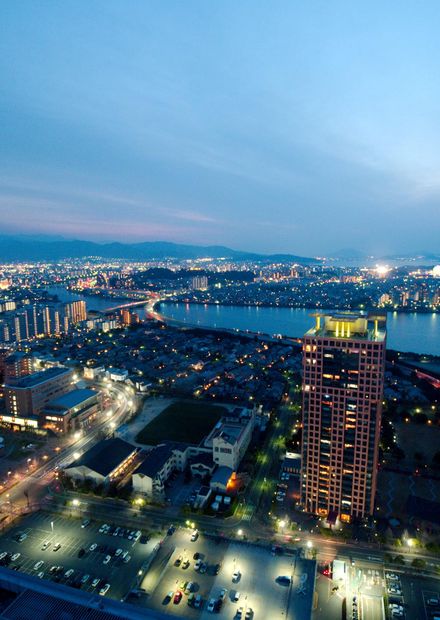
Fukuoka blends ancient shrines, Hakata culture, seaside scenery and acclaimed food, with easy access to Kyushu’s history, markets and modern city life for curious travellers.
Tell me more about FukuokaMore to explore in Fukuoka

 Best attractions in Fukuoka

 Best shops in Fukuoka

 Best bars in Fukuoka

 Best restaurants in Fukuoka

 Best nightclubs in Fukuoka

 Best experiences in Fukuoka

 Best hotels in Fukuoka

 All neighbourhoods in Fukuoka
Explore more

Explore more of Japan
Discover the harmony of tradition and modernity in Japan, where ancient temples and cutting-edge technology coexist in perfect balance.
Explore Japan
Getting your guide ready…
We are putting together a fresh copy of the Fukuoka guide. This can take up to a minute.
This can take a few moments. If your browser asks, choose Allow so the download can start. You'll find the guide in your Downloads folder.
Nothing happened? Download it again
Sorry, the guide is taking longer than usual. Please try again in a minute, or get it by email instead.