Kinkaku-ji: The Glistening Golden Pavilion
Experience the iconic Golden Pavilion of Kyoto, a shimmering Zen temple reflecting centuries of history and exquisite Japanese architecture.
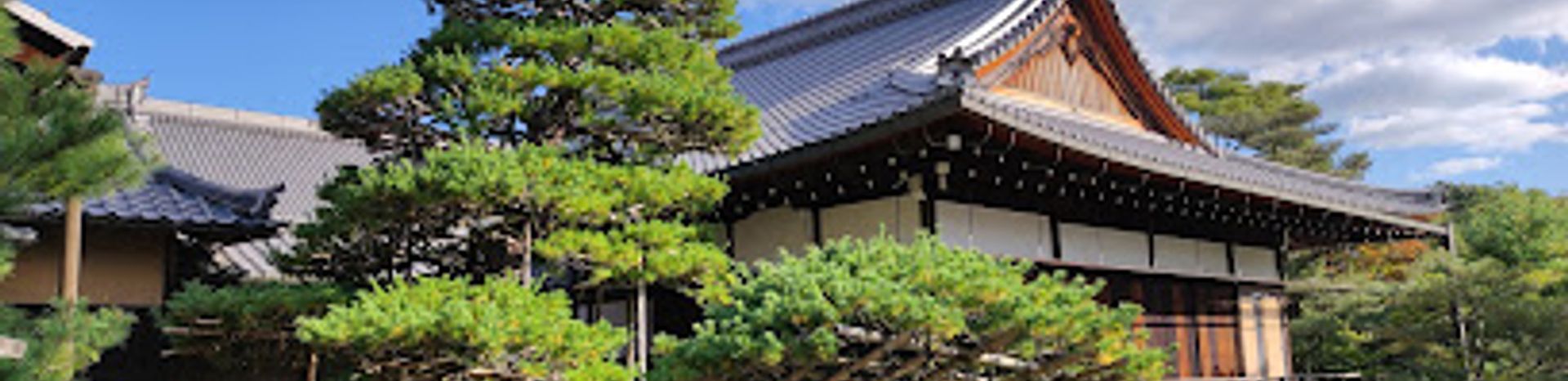
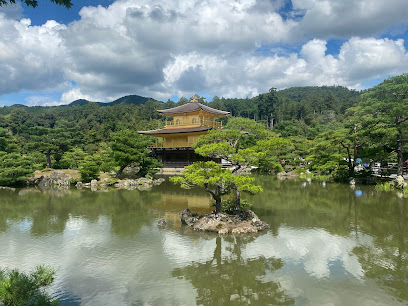
Kinkaku-ji, also known as the Golden Pavilion, is a Zen Buddhist temple in Kyoto, Japan, famed for its top two floors being completely covered in gold leaf. Originally built in 1397 as a retirement villa for Shogun Ashikaga Yoshimitsu, it was converted into a temple after his death in 1408. A serene pond reflects the dazzling structure, creating a picturesque scene that has captivated visitors for centuries.
A brief summary to Kinkaku-ji
- 1 Kinkakujicho, Kyoto, Kinkakujicho, Kita Ward, Kyoto, 603-8361, JP
- +8175-461-0013
- Visit website
Local tips
- Arrive early in the morning or later in the afternoon to avoid the largest crowds and have a more serene experience.
- Purchase tickets with cash, as credit cards are not accepted at the entrance.
- Take your time exploring the gardens surrounding the pavilion, as they offer a peaceful and calming ambiance.
- Visit during different seasons to witness the unique beauty of Kinkaku-ji, especially when the golden structure is set off by snow in the winter.

Getting There
-
Public Transport
From Kyoto Station, take Kyoto City Bus number 205 directly to Kinkaku-ji. The bus ride takes approximately 40 minutes and costs ¥230. Alternatively, take the Karasuma Subway Line to Kitaoji Station (15 minutes, ¥260) and then transfer to Kyoto City Bus number 204 or 205 (10 minutes, ¥230). The Kinkakuji-michi bus stop is a short walk from the temple entrance.
-
Taxi
Taxis are readily available from Kyoto Station and other major points in the city. A taxi ride from Kyoto Station to Kinkaku-ji typically takes 15-20 minutes and costs approximately ¥1,500 - ¥2,000. Note that traffic conditions can affect travel time and cost.
-
Walking
From Kitano Hakubaicho Station (Randen Kitano Line), Kinkaku-ji is approximately a 20-minute walk. Alternatively, from Emmachi Station (JR Sagano Line), it is about a 5-minute walk to the Nishinokyo Enmachi bus stop, where you can take bus #205 to Kinkaku-ji.
Discover more about Kinkaku-ji
Iconic landmarks you can’t miss

Kamogawa Park
3.2 km
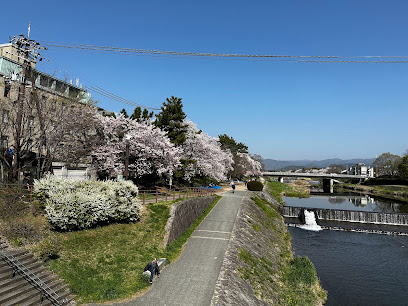
Escape to Kyoto's tranquil Kamogawa Park: a scenic riverside oasis offering relaxation, recreation, and a touch of local culture.
Face House
3.8 km
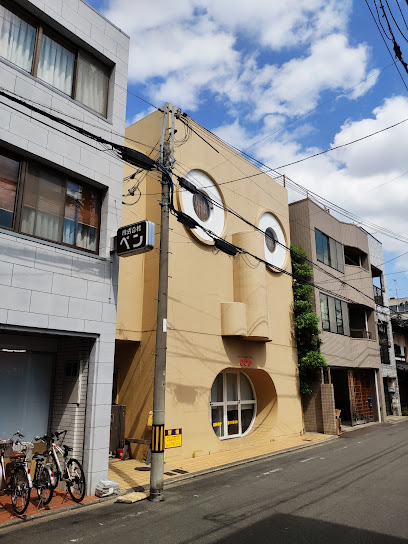
Explore the enchanting Face House in Kyoto, a blend of rich culture, stunning architecture, and tranquil surroundings for an unforgettable experience.
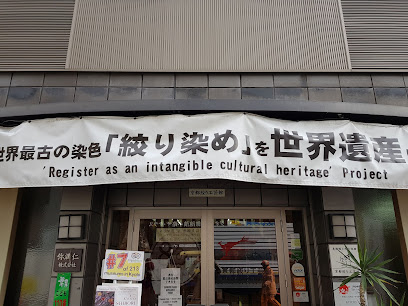
Kyoto Shibori Museum
3.9 km
Experience the intricate beauty of shibori at the Kyoto Shibori Museum, where art and tradition intertwine to create a unique cultural journey.
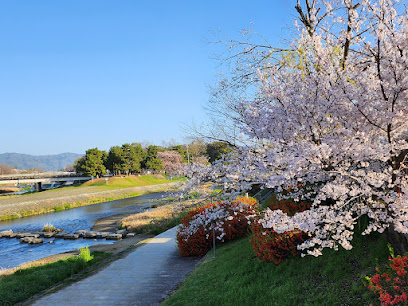
Kamogawa Delta
4.0 km
Where the Kamo and Takano Rivers meet in Kyoto, offering scenic relaxation, unique stepping stones, and a tranquil escape in the city.
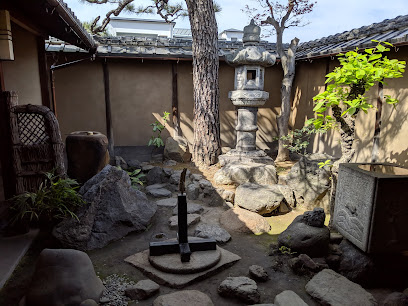
Kyoto Samurai Experience/和樂Waraku
4.1 km
Experience the rich history of the samurai at the Kyoto Samurai Experience, where tradition meets adventure in the heart of Japan.
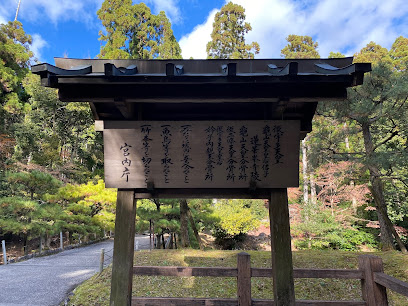
Mausoleum of Emperor Go-Uda
4.1 km
Discover the tranquil Mausoleum of Emperor Go-Uda in Kyoto, a serene historical site reflecting traditional Japanese aesthetics and imperial history.
Kyoto International Manga Museum
4.1 km
Explore the rich world of manga at the Kyoto International Manga Museum, a cultural haven for enthusiasts and curious visitors alike.
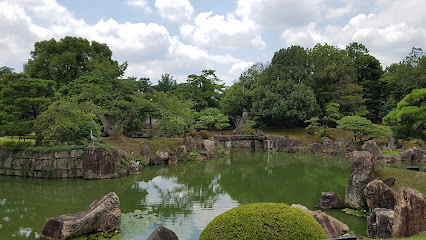
Karasuma Oike ruins, Heian-kyo mark
4.2 km
Explore the Karasuma Oike ruins in Kyoto, where ancient history meets modern charm, offering a captivating glimpse into Japan's imperial past.
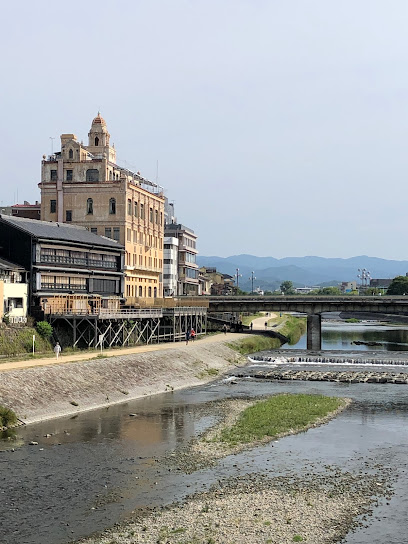
Stepping Stones at Kojin
4.3 km
Explore the tranquil beauty of the Stepping Stones at Kojin in Kyoto, where nature and art converge in a stunning setting.
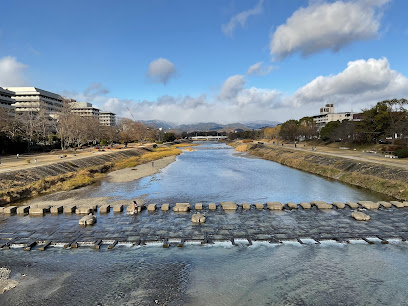
京都万華鏡ミュージアム 姉小路館
4.4 km
Explore the exquisite craftsmanship of Kyoto at the Handicraft Museum, showcasing traditional and modern Japanese artistry in a captivating setting.
TOURS IN KYOTO
4.5 km
Discover Kyoto's rich cultural heritage through immersive guided tours of its iconic landmarks and hidden gems.
Japan Wonder Travel
4.6 km
Explore Kyoto's hidden gems and iconic landmarks with Japan Wonder Travel's expert-guided tours, immersing yourself in the city's rich culture and history.
The Ritz-Carlton, Kyoto
4.7 km
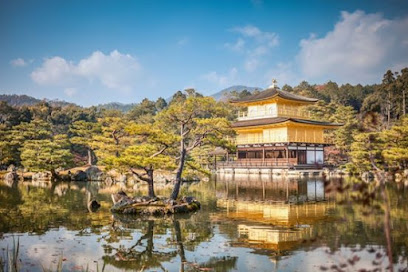
Discover unparalleled luxury and serene beauty at The Ritz-Carlton, Kyoto, a perfect blend of tradition and modern elegance.

Jikishi-an Temple
4.8 km
Discover tranquility at Jikishi-an Temple in Arashiyama: a serene escape into a bamboo forest with a rich history and peaceful atmosphere.
Island-Lake
4.8 km
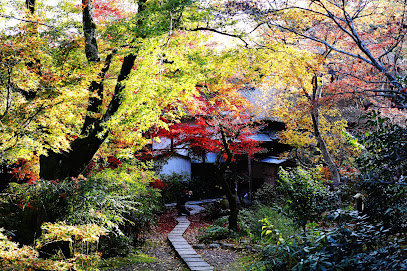
Discover tranquility at Island-Lake, a serene oasis in the heart of Kyoto, perfect for relaxation and nature lovers alike.
Unmissable attractions to see

Hirano Shrine
0.8 km
Discover the tranquil beauty and cultural heritage of Hirano Shrine, a must-visit Shinto shrine in Kyoto, Japan, surrounded by stunning cherry blossoms.
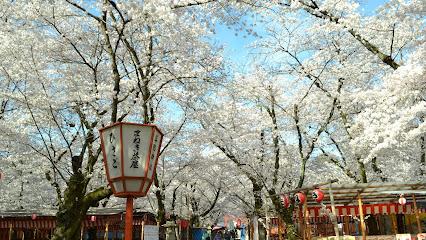
Sakigakesakura
0.8 km
Discover Sakigakesakura, Kyoto's earliest cherry blossom, and witness nature's stunning beauty and cultural significance in a serene setting.
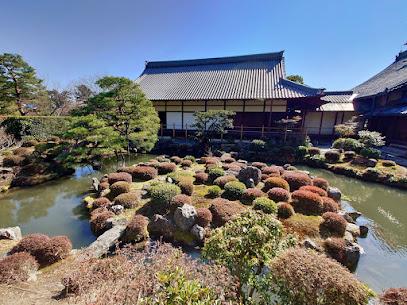
Toujiin Temple
1.0 km
Experience the serene beauty and rich history of Toujiin Temple, a peaceful Buddhist sanctuary in the heart of Kyoto, Japan.
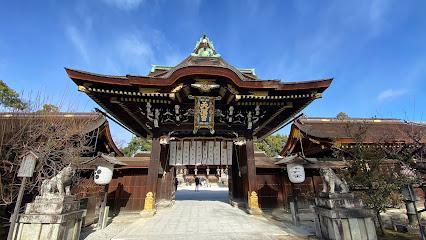
Kitano Tenmangu Shrine
1.1 km
Experience the serene beauty and rich cultural heritage of Kitano Tenmangu Shrine, a must-visit Shinto shrine in Kyoto, Japan.
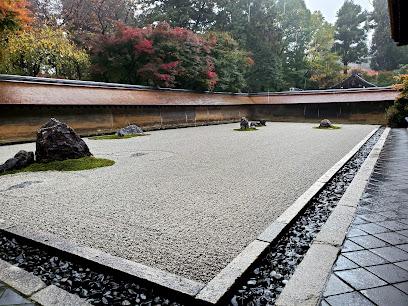
Ryōan-ji
1.1 km
Discover the serene beauty of Ryōan-ji, Kyoto's iconic Zen temple with a stunning rock garden and tranquil surroundings, perfect for reflection and peace.
Kamishichiken Kabukai
1.2 km
Immerse yourself in Kyoto's traditional arts at Kamishichiken Kabukai, where captivating performances celebrate the grace of geisha culture.
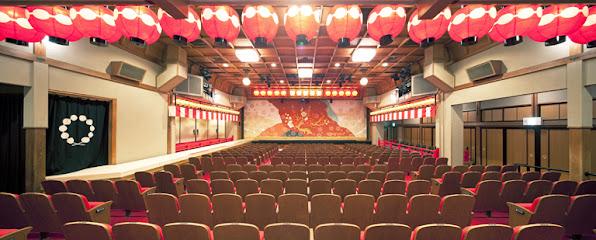
Shozan Resort Kyoto
1.3 km
Experience the tranquil beauty of Shozan Resort Kyoto, a perfect blend of tradition and luxury in the heart of Japan's cultural capital.
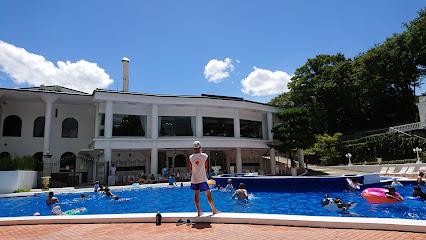
Kōtō-in Temple
1.3 km
Experience tranquility and cultural heritage at Kōtō-in Temple, a must-visit Buddhist sanctuary in Kyoto, Japan, surrounded by stunning gardens.
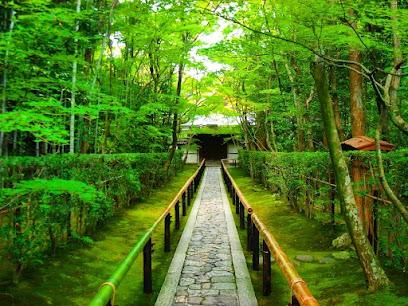
Imamiya Shrine
1.4 km
Experience the serene beauty and deep cultural significance of Imamiya Shrine, a must-visit Shinto shrine in Kyoto.
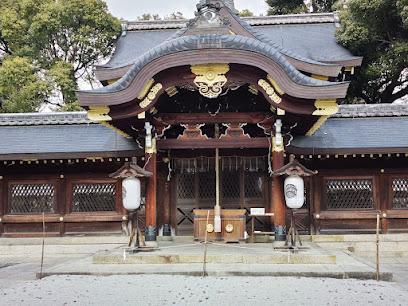
Funaoka Onsen
1.4 km
Experience the tranquility of Funaoka Onsen, a traditional sento in Kyoto offering rejuvenating baths and a glimpse into Japanese culture.
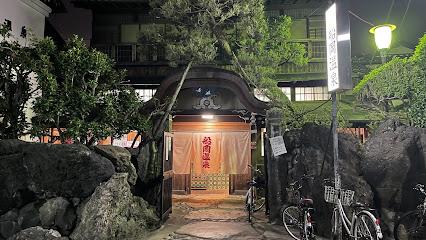
Daitoku-ji Zuiho-in
1.5 km
Explore the serene beauty of Daitoku-ji Zuiho-in, a historic Zen temple in Kyoto surrounded by tranquil gardens and rich cultural heritage.
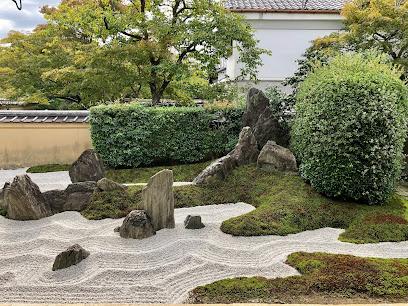
Kōetsu-ji
1.5 km
Explore the serene beauty and historical significance of Kōetsu-ji, a tranquil Buddhist temple and cultural treasure in Kyoto, Japan.
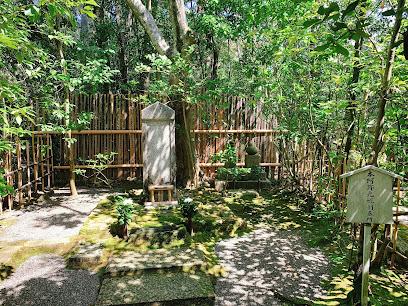
Taishogun Shopping Street - Ichijo Yokai Street
1.5 km
Explore the vibrant Taishogun Shopping Street - Ichijo Yokai Street, where Japanese folklore meets modern shopping in the heart of Kyoto.
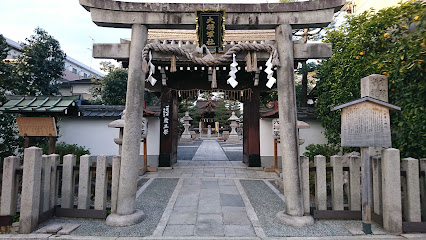
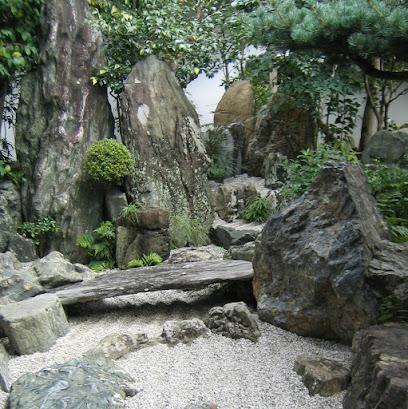
Daisen-in Temple
1.6 km
Experience the serene beauty of Daisen-in Temple, a tranquil Buddhist haven in Kyoto, showcasing exquisite gardens and rich Zen culture.
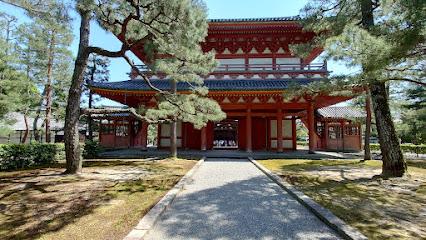
Daitoku-ji Temple
1.6 km
Experience the tranquility and beauty of Daitoku-ji Temple, a historic Buddhist sanctuary in Kyoto, offering stunning gardens and cultural insights.
Essential places to dine

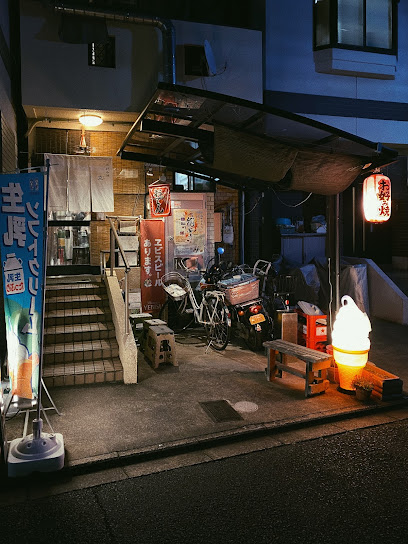
Okonomiyaki Katsu
1.3 km
Experience authentic okonomiyaki in Kyoto at Okonomiyaki Katsu - where flavors come alive in every savory pancake!
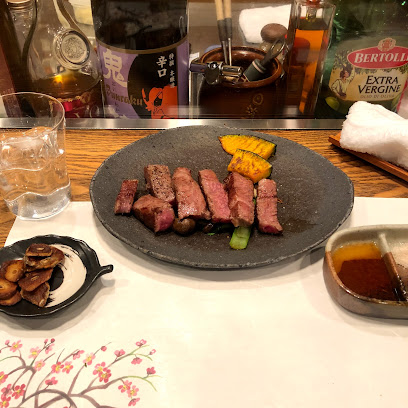
Steak Ichiro
2.7 km
Experience exquisite dining at Steak Ichiro, where premium steaks meet traditional Japanese hospitality in Kyoto's vibrant culinary scene.
cafe kozora
2.7 km
Experience authentic Italian cuisine at Cafe Kozora in Kyoto, where every dish tells a story and every sip transports you to Italy.
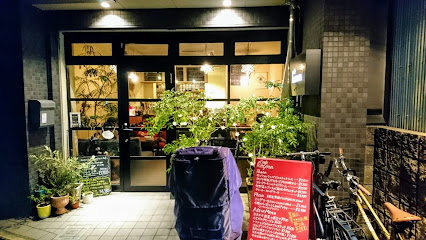
Nakau - Karasuma Imadegawa
2.9 km
Discover delicious Japanese comfort food at Nakau - Karasuma Imadegawa in Kyoto, featuring gyudon, soba noodles & more.
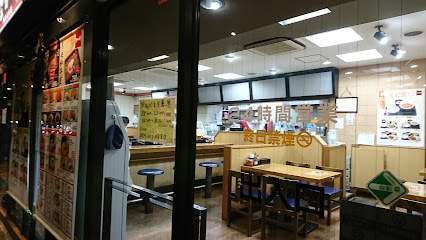
菜食ペッティロッソ 京都 Pettirosso Kyoto
3.1 km
Experience exquisite vegan cuisine at Pettirosso Kyoto, where health meets tradition in delightful dishes crafted from local ingredients.
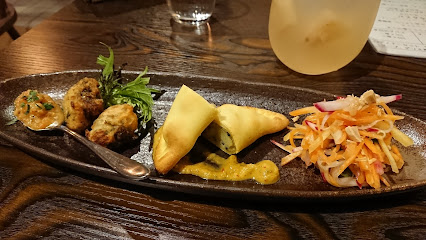
Restaurant Higakisaryo
3.2 km
Experience authentic Japanese cuisine at Restaurant Higakisaryo in Kyoto - where tradition meets culinary excellence.
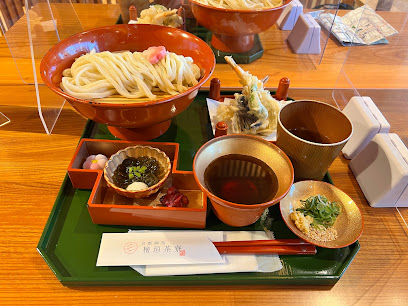
Tategami
3.2 km
Experience authentic Kyoto-style Japanese cuisine at Tategami - where tradition meets innovation in every bite.
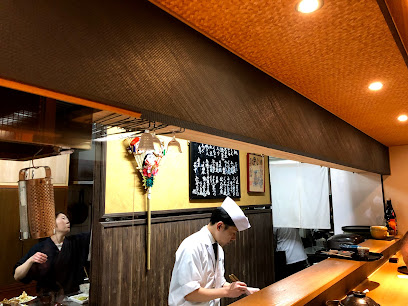
Kyoto cuisine Teramachi Yoshikura
3.7 km
Discover authentic Kyoto cuisine at Teramachi Yoshikura – where traditional flavors meet modern creativity in an unforgettable dining experience.
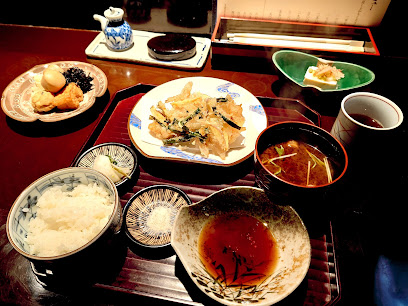
Kichisen
3.9 km
Discover Kichisen in Kyoto: A premier kaiseki restaurant showcasing seasonal ingredients and traditional Japanese culinary artistry.
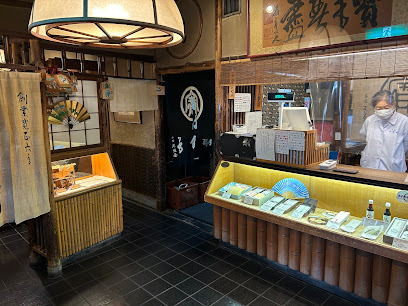
Honke Owariya Main Branch
4.1 km
Experience authentic Kyoto flavors at Honke Owariya Main Branch - renowned for its handcrafted soba noodles and traditional Japanese sweets.
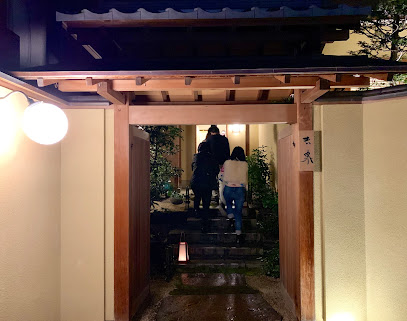
Saishuan Shiraki
4.2 km
Discover the authentic flavors of Japan at Saishuan Shiraki - a premier izakaya experience in the heart of Kyoto.
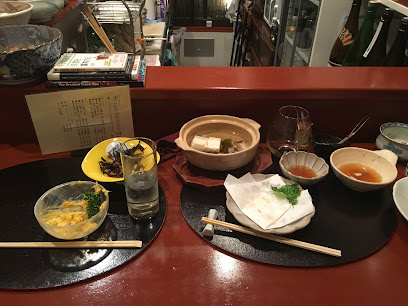
Hafuu
4.2 km
Discover Hafuu in Kyoto: where premium Japanese beef meets culinary excellence in an elegant setting.
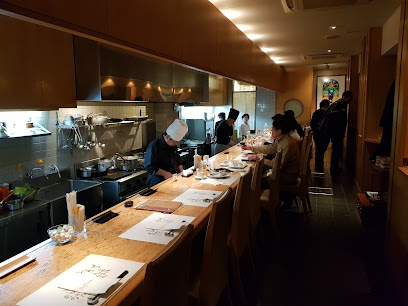
Nakaso Tango
4.3 km
Discover authentic Japanese cuisine at Nakaso Tango, where tradition meets flavor in the heart of Kyoto.
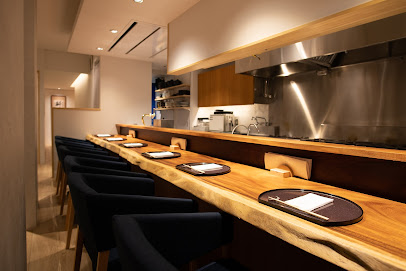
Kikkoya
4.4 km
Experience the authentic taste of Japan at Kikkoya in Kyoto - where tradition meets culinary excellence.
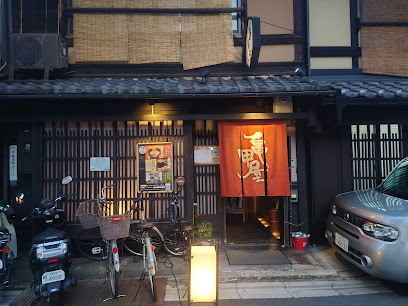
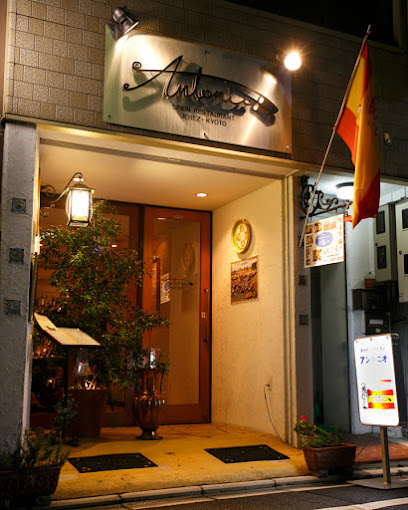
Antonio
4.5 km
Discover authentic Spanish flavors at Antonio in Kyoto – where culinary artistry meets vibrant ambiance.
Markets, malls and hidden boutiques

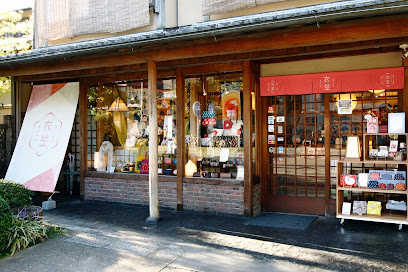
Kyo-komono Kinugasa
1.2 km
Discover unique Japanese souvenirs at Kyo-komono Kinugasa, where tradition meets modern craftsmanship in the heart of Kyoto.
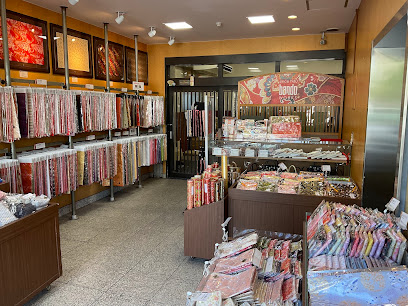
Bando Kinran - Co., Ltd. Bando Store
2.3 km
Explore the colorful tapestry of Kyoto at Bando Kinran, a premier fabric store offering exquisite textiles and crafting workshops.
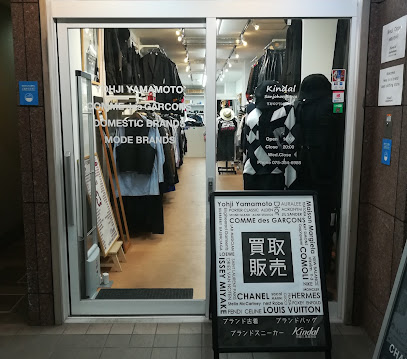
kindal kyoto sanjo horikawa second hand store
3.9 km
Explore Kindal Kyoto Sanjo Horikawa for unique second-hand clothing and sustainable shopping in the heart of Kyoto's vibrant culture.
Rōji Tempo
4.5 km
Discover the vibrant shopping experience at Rōji Tempo, where Kyoto's rich culture meets modern retail in a beautiful setting.
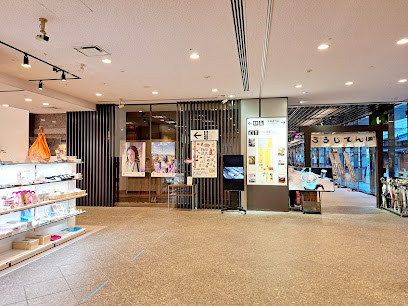
Daikichi
4.5 km
Explore the exquisite collection of antiques at Daikichi, where every piece tells a story of Japan's rich cultural heritage in the heart of Kyoto.
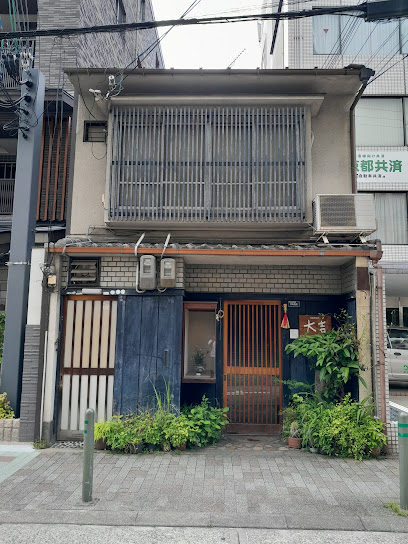
京都・うつわ・食器 / Gallery Nisui 而水
4.7 km
Explore the exquisite artistry of Kyoto at Gallery Nisui, your premier destination for fine chinaware and unique ceramics.
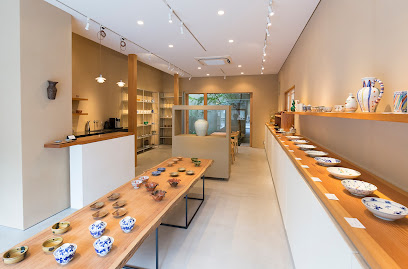
D_MALL京都
4.7 km
Discover unique fashion accessories in Kyoto at D_MALL, where local style meets contemporary trends in a vibrant shopping atmosphere.
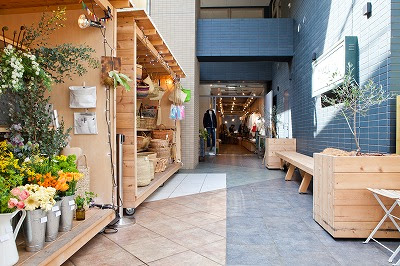
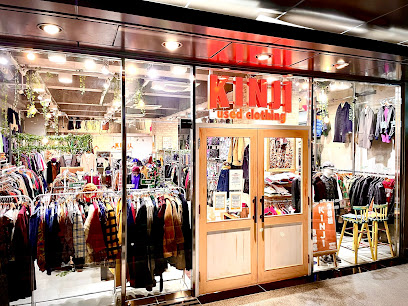
Furugiya KINJI Kyototen
4.8 km
Explore Furugiya KINJI Kyototen in Kyoto for a delightful vintage shopping experience featuring unique pre-loved clothing and accessories.
The Hamono Collection
4.8 km
Explore the artistry of Japanese knife-making at The Hamono Collection, a must-visit destination for culinary enthusiasts in Kyoto.
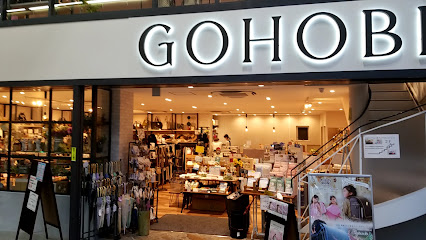
GOHOBI - Kyoto Sanjo-Teramachi
4.9 km
Explore a variety store in Kyoto offering unique bags, confectioneries, teas, and women's clothing, all reflecting the city's rich culture.
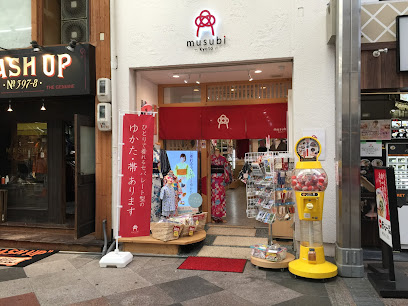
musubi -kyoto-
4.9 km
Discover the beauty of traditional kimonos and fashion accessories at Musubi, a gem in the heart of Kyoto’s cultural landscape.
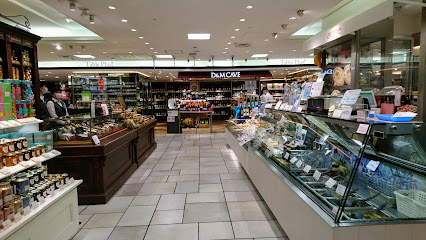
Daimaru Kyōto Department Store
4.9 km
Explore the vibrant shopping scene at Daimaru Kyōto Department Store, where tradition meets modernity in the heart of Kyoto.
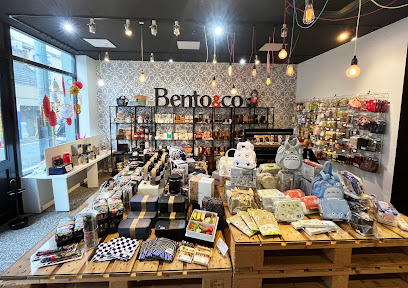
Bento&co Kyoto
4.9 km
Explore Bento&co Kyoto for unique Japanese kitchen supplies and bento boxes, perfect for souvenirs and culinary enthusiasts.
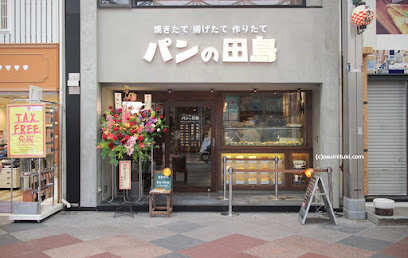
Pan-no-Tajima Shinkyogoku
4.9 km
Discover the authentic taste of Kyoto at Pan-no-Tajima Shinkyogoku, a bakery offering exquisite breads and pastries crafted with tradition.
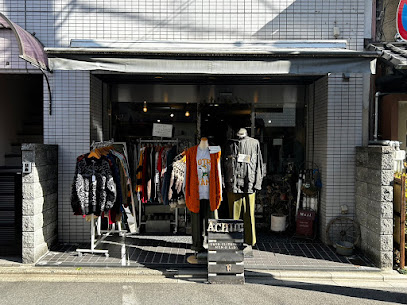
Achuu
4.9 km
Discover Achuu, Kyoto's premier thrift store for unique clothing treasures that blend style, sustainability, and local culture.
Essential bars & hidden hideouts

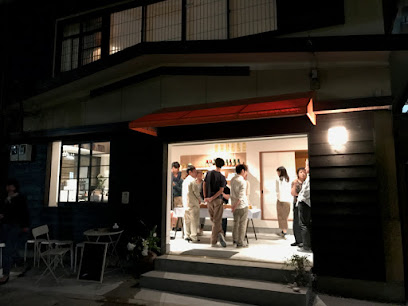
Aux Mines
3.6 km
Experience the unique blend of traditional and modern at Aux Mines, a hidden bar in Kyoto offering a curated selection of drinks and a cozy ambiance.
Bar G3
4.0 km
Discover Bar G3, a vibrant Kyoto bar blending traditional charm with a modern twist, perfect for an unforgettable night out.
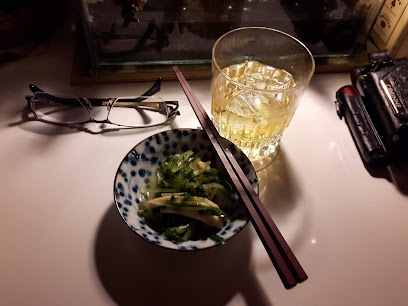
SAMGHA
4.4 km
Discover SAMGHA, Kyoto's premier wine bar, offering an exceptional selection of beverages in a cozy and welcoming atmosphere.
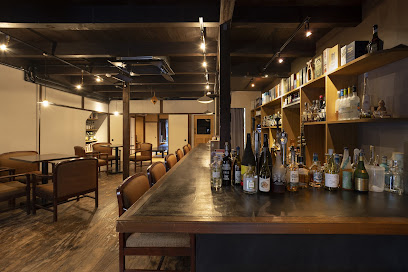
House of KI NO BI
4.6 km
Experience the serene ambiance and exquisite craft cocktails at the House of KI NO BI, a must-visit bar in Kyoto for every traveler.
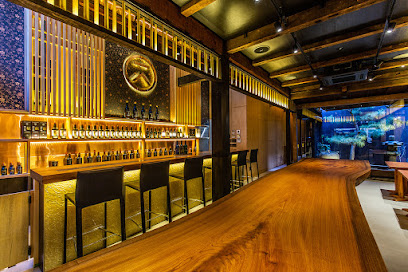
別館 BAR K家
4.7 km
Immerse yourself in Kyoto's nightlife at 別館 BAR K家, where traditional charm meets innovative cocktails.
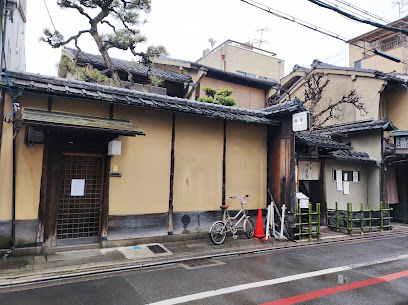
Bar K6
4.7 km
Discover the perfect blend of modern cocktails and traditional ambiance at Bar K6, a lively bar in the heart of Kyoto's nightlife.
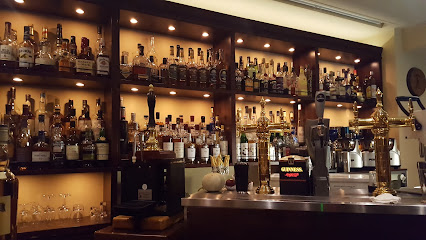
Nouvelle Japonaise Arashiyama
4.9 km
Savor traditional Japanese cuisine with a creative twist at Nouvelle Japonaise Arashiyama, a culinary gem in the heart of Kyoto.
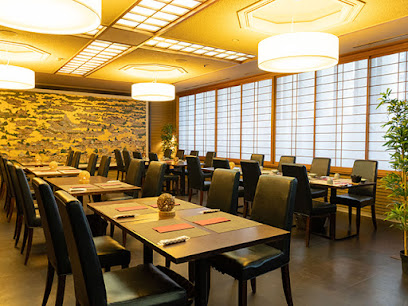
bar K-ya main building
4.9 km
Experience the vibrant nightlife of Kyoto at Bar K-ya, where cozy ambiance meets an eclectic drink selection in the heart of the city.
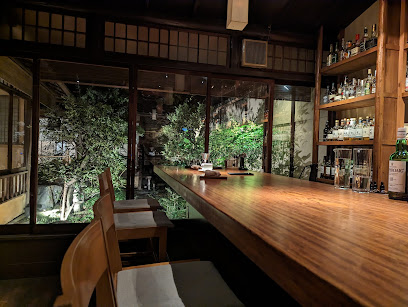
Bar Fishbowl
5.0 km
Discover the vibrant nightlife of Kyoto at Bar Fishbowl, where innovative cocktails and stunning city views await you.
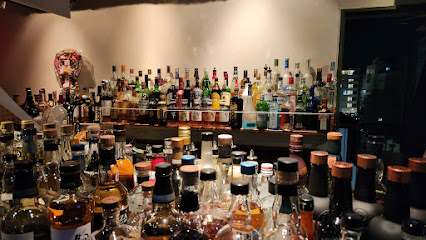
Caamm bar
5.0 km
Discover the lively spirit of Kyoto at Caamm Bar, where traditional hospitality meets modern nightlife in a vibrant setting.
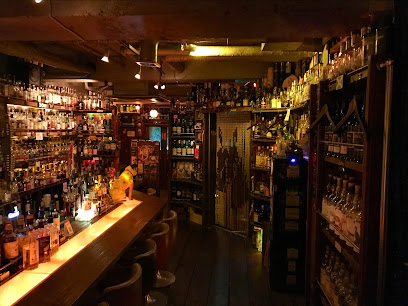
Oku
5.1 km
Experience the enchanting atmosphere of Oku, a hidden bar in Kyoto offering exquisite cocktails and a cozy ambiance for the perfect night out.
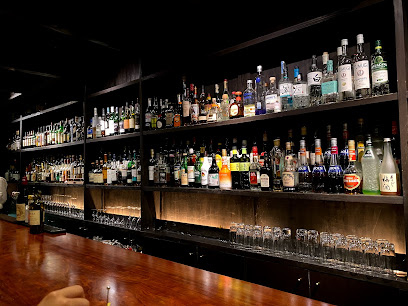
White door speakeasy
5.1 km
Discover the hidden charm of Kyoto at the White Door Speakeasy, where craft cocktails and vintage ambiance create an unforgettable nightlife experience.
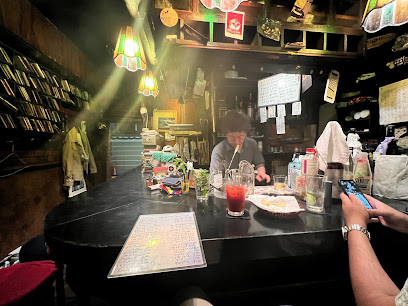
Macho Bar
5.1 km
Experience the dynamic nightlife of Kyoto at Macho Bar, where cocktails meet entertainment in a bustling izakaya atmosphere.
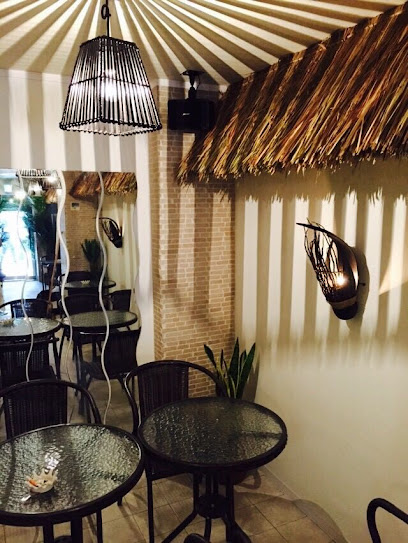
cafe&bar Miltons Kyoto
5.1 km
Experience the vibrant nightlife of Kyoto at Miltons, a cozy bar offering exceptional drinks and a welcoming atmosphere in Nakagyo Ward.
Bar Cordon Noir
5.1 km
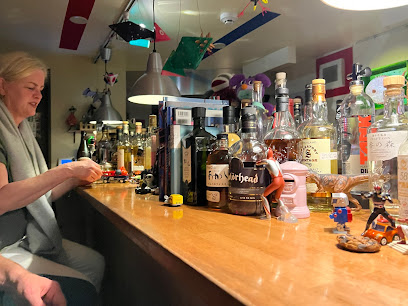
Discover the enchanting Bar Cordon Noir in Kyoto, where exquisite whiskies and a cozy atmosphere await every visitor.
Nightclubs & after hour spots

CLUB METRO
4.7 km
Discover the electric nightlife of Kyoto at CLUB METRO, a vibrant night club offering eclectic music and unforgettable performances.
THE PINK KYOTO
5.0 km
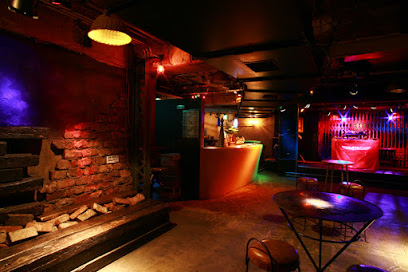
Discover the heartbeat of Kyoto's nightlife at The Pink Kyoto, where unforgettable nights and vibrant energy await every visitor.
KYOTO Chambers
5.1 km
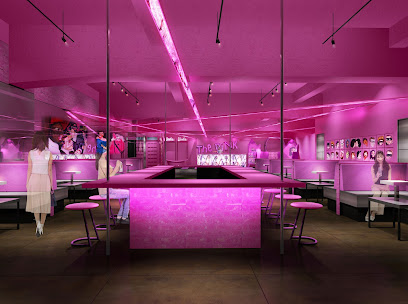
Immerse yourself in the electrifying nightlife of Kyoto at KYOTO Chambers, where unforgettable experiences await in a stylish setting.
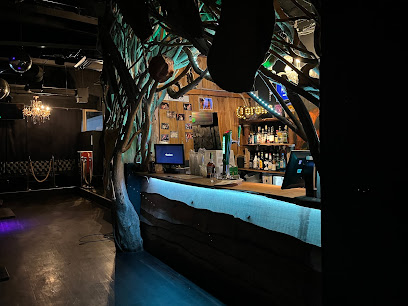
Club CK Discotheque Kyoto
5.1 km
Discover the electrifying nightlife of Kyoto at Club CK Discotheque, a premier destination for dancing, drinks, and unforgettable entertainment.
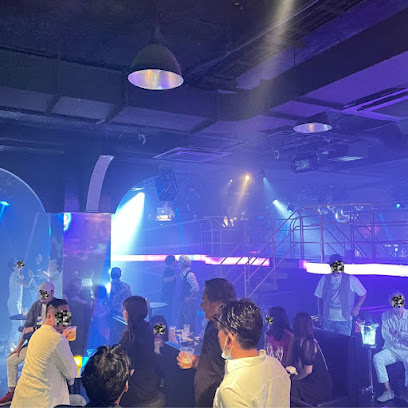
BABEL KYOTO
5.1 km
Discover the vibrant nightlife at BABEL KYOTO, where electrifying music, stunning ambiance, and unforgettable experiences await every night.
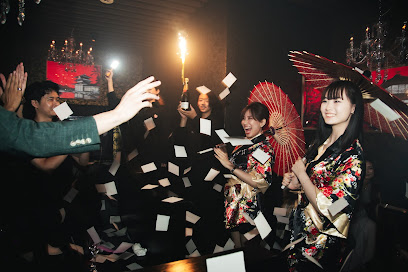
Octave
5.1 km
Discover Octave, the pulse of Kyoto's nightlife, where cocktails flow and music ignites the dance floor in a vibrant atmosphere.
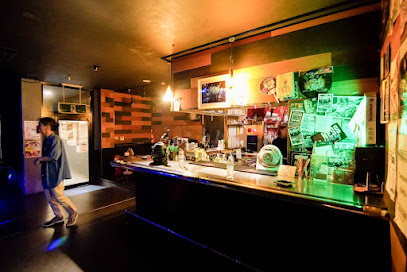
KITSUNE KYOTO
5.1 km
Dive into the electrifying nightlife of KITSUNE KYOTO, where vibrant music and exceptional atmosphere meet in the heart of Kyoto.
West Harlem
5.2 km
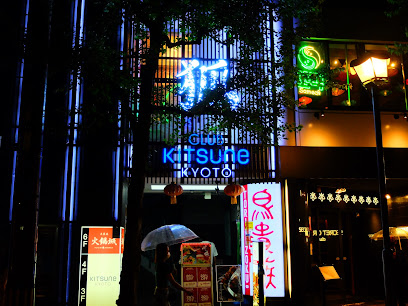
Discover the vibrant nightlife of West Harlem, a unique night club in Kyoto, where local music and a lively atmosphere come together for an unforgettable experience.
Barcode
5.3 km
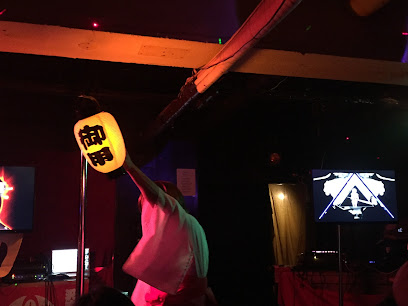
Explore Barcode, Kyoto's ultimate karaoke bar and dance club, where unforgettable nights of music, fun, and culture await you.
WORLD KYOTO
5.4 km
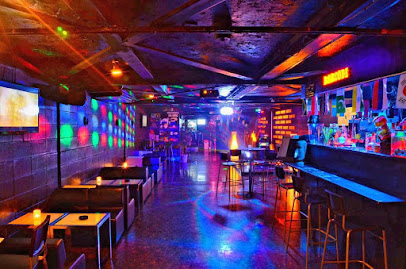
Immerse yourself in the vibrant nightlife of Kyoto at WORLD KYOTO, where music, dancing, and cultural fusion come alive in an unforgettable experience.
キャバクラ Club MET 京都
5.4 km
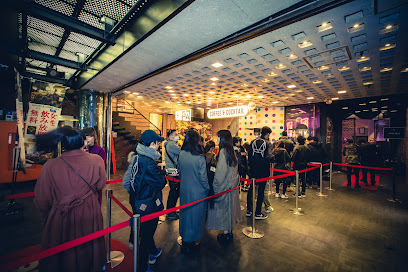
Discover the excitement of Kyoto's nightlife at Club MET, where cabaret charm meets modern entertainment in a luxurious setting.
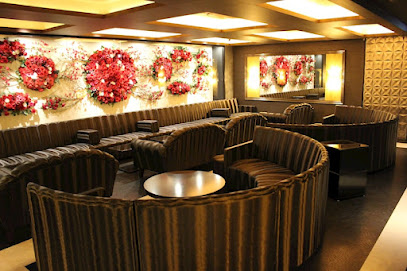
VAL LOUNGE BAR フィリピン
5.4 km
Unwind at VAL LOUNGE BAR in Kyoto, where modern elegance meets vibrant nightlife, offering exquisite drinks and a chic atmosphere for all.

Bizarre Lounge BARBARA
5.5 km
Experience the eclectic charm of Bizarre Lounge BARBARA, Kyoto's premier destination for innovative cocktails and local culture.
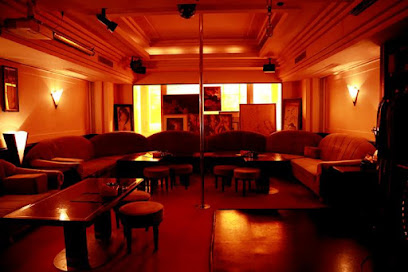
CLUB 夜上海
5.7 km
Discover the electrifying nightlife of Kyoto at CLUB 夜上海, where music, dance, and unforgettable memories come together.
祗園フィリピン club ROYAL(クラブ ロイヤル)
5.7 km
Discover the vibrant nightlife of Kyoto at Club Royal, a premier lounge blending traditional charm with modern entertainment.