

Butchertown (Louisville) Travel Guide - Free
Explore Butchertown in Louisville with Evendo's free guide. Find the best shops, historic streets, restaurants, and gems on web or mobile.


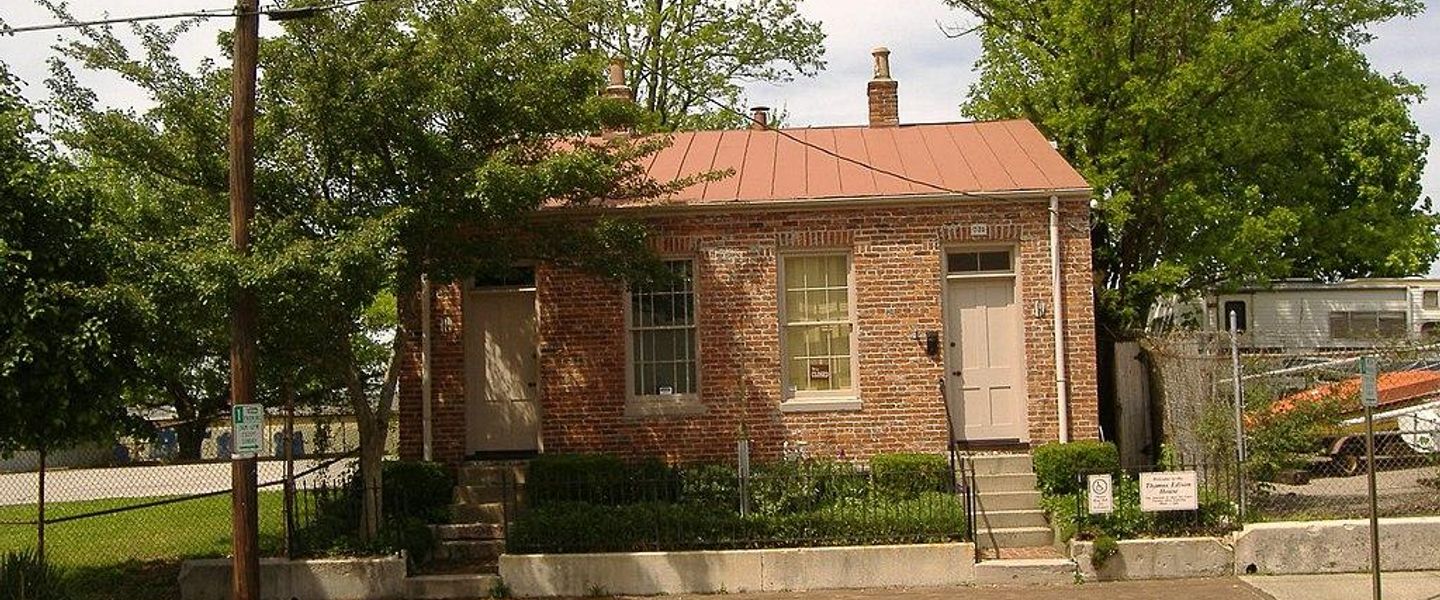


Butchertown, Louisville blends historic brick streets, the Louisville Slugger Field district, local dining, bourbon culture and riverfront walks near downtown.
A District Shaped by the River and Stockyards
Butchertown occupies a compact area east of downtown Louisville, between the Ohio River, Main Street and the established streets leading towards the Highlands. Its name preserves the memory of the German immigrant butchers and meatpacking businesses that developed here during the nineteenth century, when livestock markets and slaughterhouses were important to Louisville’s economy. Historic brick buildings, narrow side streets and substantial former commercial premises still give the area a recognisable architectural identity, even as many buildings have acquired new uses.Read more about Butchertown
Old Buildings, New Uses
Riverfront Access and Local Character
Best attractions in Butchertown
Butchertown’s attractions are concentrated in its architecture, adaptive-reuse venues and riverfront setting rather than in a large collection of formal museums. Butchertown Market occupies a former industrial building and brings together food, retail and event uses in a setting that reflects the neighbourhood’s commercial past. Main Street and Washington Street offer a rewarding self-guided walk through brick warehouses, renovated commercial premises and older houses, while the blocks near Story Avenue reveal the district’s mixture of industry and residential life. Louisville Slugger Field, on the southern side of the neighbourhood, provides baseball and football entertainment when fixtures are scheduled. Waterfront Park borders the area with lawns, paths and views across the Ohio River; the Big Four Bridge is a nearby continuation of the riverfront experience, although its crossing lies beyond Butchertown. Together, these places show the district’s transition from stockyards and workshops to a mixed cultural and residential quarter.
-
Botanical garden
Waterfront Botanical Gardens
Explore the lush landscapes of Waterfront Botanical Gardens, a serene escape in Louisville offering diverse plant collections and educational experiences.
13 min walk · 1.1 km from neighbourhood centre
-
Museum
Thomas Edison House
Explore the Thomas Edison House in Louisville, KY, and uncover the legacy of one of America's greatest inventors in a charming historical setting.
6 min walk · 0.5 km from neighbourhood centre
-
Park
Butchertown Open Space
Discover the beauty and tranquility of Butchertown Open Space, a serene park in Louisville perfect for relaxation, picnics, and cultural experiences.
4 min walk · 0.3 km from neighbourhood centre


Best landmarks in Butchertown
Butchertown’s principal landmarks are the physical traces of its working past. The Butchertown Historic District preserves a streetscape of nineteenth-century buildings, including brick commercial premises and modest houses associated with the area’s German settlement and meat-processing history. The former industrial structures around Main Street and Washington Street are significant not only for their materials and scale but also for the way they demonstrate the district’s changing economic role. Butchertown Market is a prominent example of adaptive reuse, giving a large former commercial building a contemporary public function. Louisville Slugger Field marks the neighbourhood’s later connection with professional sport and downtown redevelopment, while Waterfront Park defines its northern edge with broad public space beside the Ohio River. Taken together, these landmarks make Butchertown legible as a former stockyard quarter reshaped by preservation, recreation and new urban uses.
-
Botanical garden
Waterfront Botanical Gardens
Explore the lush landscapes and diverse plant life at Waterfront Botanical Gardens, a tranquil oasis in Louisville, Kentucky, perfect for nature lovers and families.
13 min walk · 1.1 km from neighbourhood centre
-
Distillery
Copper & Kings
Discover Copper & Kings, Louisville's premier distillery, where innovative spirits and vibrant cocktails come together in a stunning setting.
4 min walk · 0.3 km from neighbourhood centre
-
Gift shop
Work the Metal
Discover unique gifts, stylish clothing, and local art at Work the Metal in Butchertown, Louisville, a perfect shopping destination for tourists.
6 min walk · 0.5 km from neighbourhood centre
-
Shopping mall
Butchertown Market Building
Discover the vibrant shopping and dining experience at Butchertown Market Building in Louisville, where local artisans and unique products come together.
6 min walk · 0.4 km from neighbourhood centre


Explore Butchertown on the map
A handpicked selection of must-see spots in Butchertown, mapped for you.
Best hotels in Butchertown
Best restaurants in Butchertown
Butchertown’s dining scene reflects its conversion from a meatpacking and warehouse district into one of Louisville’s more food-focused inner-city areas. Restaurants, cafés and food businesses occupy renovated industrial spaces around Main Street, Washington Street and the blocks near Butchertown Market, where the architecture often contributes as much atmosphere as the menus. The area is associated with contemporary American cooking, burgers, sandwiches, craft beverages and chef-led dining, alongside bakeries, casual counters and event-oriented food halls. Established venues such as Hammerheads and Naive illustrate the range from informal, meat-forward dining to more produce-conscious contemporary cooking, while nearby distilleries and breweries add tasting-room options. Individual businesses and formats change, so visitors should check current details before travelling. Dining in Butchertown works particularly well as part of a walking circuit linking the historic streets, Louisville Slugger Field and the waterfront rather than as a single concentrated restaurant row.
-
Barbecue
Feast BBQ
Discover authentic Southern barbecue at Feast BBQ in Louisville—where flavor meets hospitality in every bite.
6 min walk · 0.5 km from neighbourhood centre
-
Gastropub
Garage Bar
Experience the best of Louisville at Garage Bar – where innovative dishes meet local charm in a vibrant gastropub setting.
9 min walk · 0.7 km from neighbourhood centre
-
Latin American
Mayan Cafe
Experience authentic Latin American flavors at Mayan Cafe in Louisville – where every dish tells a story.
7 min walk · 0.6 km from neighbourhood centre
-
Vietnamese
Pho Ba Luu
Experience authentic Vietnamese flavors at Pho Ba Luu in Louisville – where every bowl of pho tells a story.
4 min walk · 0.4 km from neighbourhood centre


Best bars in Butchertown
After dark, Butchertown is more associated with restaurants, tasting rooms, breweries and event nights than with a dense nightclub strip. Ten20 Craft Brewery on East Main Street has helped reinforce the district’s connection with locally produced beer, while Copper & Kings brings a distillery and cocktail-led experience to the broader neighbourhood atmosphere. Bars connected to restaurants, sporting fixtures and renovated warehouse venues provide informal places to continue an evening, particularly around Main Street and the blocks near Louisville Slugger Field. Game nights can make the area noticeably busier, whereas residential streets remain comparatively quiet. Visitors should check current event and service details, avoid carrying drinks into public areas where prohibited, and keep noise down when leaving venues. NuLu’s larger evening selection is nearby, but it is a separate neighbourhood and should not be mistaken for part of Butchertown.
-
Gastropub
Garage Bar
Experience the vibrant taste of Louisville at Garage Bar, where innovative gastropub cuisine meets a lively community atmosphere.
9 min walk · 0.7 km from neighbourhood centre
-
Bar
Naive Kitchen + Bar
Explore the vibrant culinary scene at Naive Kitchen + Bar, where organic ingredients meet innovative American cuisine in Louisville's Butchertown.
3 min walk · 0.3 km from neighbourhood centre
-
Bar
Galaxie
Discover the vibrant Galaxie Bar in Louisville, where innovative tacos meet expertly crafted cocktails in a lively atmosphere.
8 min walk · 0.6 km from neighbourhood centre
-
Bar
High Horse
Experience the vibrant retro atmosphere at High Horse, a beloved bar in Butchertown, Louisville, known for its craft cocktails and lively events.
5 min walk · 0.4 km from neighbourhood centre


Best nightclubs in Butchertown
After dark, Butchertown is more associated with restaurants, tasting rooms, breweries and event nights than with a dense nightclub strip. Ten20 Craft Brewery on East Main Street has helped reinforce the district’s connection with locally produced beer, while Copper & Kings brings a distillery and cocktail-led experience to the broader neighbourhood atmosphere. Bars connected to restaurants, sporting fixtures and renovated warehouse venues provide informal places to continue an evening, particularly around Main Street and the blocks near Louisville Slugger Field. Game nights can make the area noticeably busier, whereas residential streets remain comparatively quiet. Visitors should check current event and service details, avoid carrying drinks into public areas where prohibited, and keep noise down when leaving venues. NuLu’s larger evening selection is nearby, but it is a separate neighbourhood and should not be mistaken for part of Butchertown.
-
Karaoke bar
NoraeBar
Experience the joy of singing in private rooms at NoraeBar, Louisville's premier karaoke bar and event venue, where every night is a celebration.
8 min walk · 0.6 km from neighbourhood centre
-
Bar
High Horse
Experience the lively atmosphere of High Horse, a vibrant bar in Butchertown offering top-notch drinks and unforgettable nights.
5 min walk · 0.4 km from neighbourhood centre
-
Night club
Play Louisville
Discover Play Louisville, a vibrant night club in Butchertown, where dance, entertainment, and a welcoming atmosphere come together for an unforgettable night out.
4 min walk · 0.3 km from neighbourhood centre
-
Restaurant
South Seas Tiki & Golf Lounge
Experience a tropical getaway at South Seas Tiki & Golf Lounge in Louisville – featuring delicious cuisine, exotic cocktails, and fun putt-putt golf!
7 min walk · 0.5 km from neighbourhood centre


Best shops in Butchertown
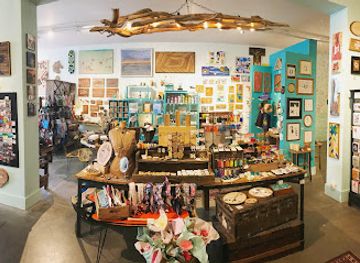
Shopping in Butchertown is centred on independent businesses, design-led premises, food retail and flexible event spaces rather than a conventional high street of large chains. Butchertown Market is the best-known shopping and browsing destination within the neighbourhood, combining retail elements with food and gatherings inside a converted industrial setting; its tenants and events may change over time. Around Main Street and Washington Street, visitors will find contemporary lifestyle businesses, creative studios and specialist food and drink outlets interspersed with restaurants and offices. The area’s most distinctive retail experience comes from this mixture of old brick buildings and new uses, with bourbon-related products, local makers and design-conscious goods more characteristic than department-store shopping. For a broader independent retail circuit, NuLu is close by but separate, while Butchertown itself is best approached as a compact district for browsing rather than a destination for extensive souvenir shopping.
-
Gift shop
Work the Metal
Explore Work the Metal in Butchertown, Louisville for unique gifts, stylish clothing, and delightful home goods in a vibrant atmosphere.
6 min walk · 0.5 km from neighbourhood centre
-
Gift shop
Revelry Boutique + Gallery
Explore Revelry Boutique + Gallery - where unique gifts, stunning art, and local craftsmanship come together in the heart of Louisville.
8 min walk · 0.6 km from neighbourhood centre
-
Shopping mall
Butchertown Market Building
Discover local crafts, delicious food, and unique shopping experiences at Butchertown Market Building in Louisville.
6 min walk · 0.4 km from neighbourhood centre
-
Vintage clothing store
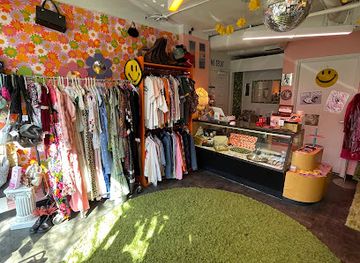
Sugar Town Vintage
Uncover unique fashion treasures at Sugar Town Vintage, a charming vintage clothing store in Louisville's vibrant East Market District.
8 min walk · 0.6 km from neighbourhood centre


Butchertown essentials
Getting There
Getting Around
Safety
Emergency Situations
Do's and Don'ts
Local Tips

From Eve
Local phrases worth knowing
You don't need to get them perfect. A few words go a long way, and locals appreciate the effort.
Basics
| English | Local | Say it |
|---|---|---|
| Hello | Howdy | [haw-dee] |
| Goodbye | See ya | [see yuh] |
| Yes | Yep | [yep] |
| No | Nah | [nah] |
| Please/You're welcome | Please/No problem | [pleez/no prob-lem] |
| Thank you | Thanks | [thanks] |
| Excuse me/Sorry | Pardon me/My bad | [par-dun me/my bad] |
| How are you? | How y'all doin'? | [how y'all doin'] |
| Fine. And you? | Fine. How 'bout you? | [fine. how 'bout yuh] |
| Do you speak English? | Y'all speak English? | [y'all speak english] |
| I don't understand | I don't get it | [I don't get it] |
Eating & Drinking
| English | Local | Say it |
|---|---|---|
| I'd like to see the menu, please | Can I see the menu, please | [can I see the menu, please] |
| I don't eat meat | I don't eat meat | [I don't eat meat] |
| Cheers! | Cheers! | [Cheers!] |
| I would like to pay, please | I need to settle up, please | [I need to settle up, please] |
Emergencies
| English | Local | Say it |
|---|---|---|
| Help! | Help! | [Help!] |
| Go away! | Get lost! | [Get lost!] |
| Call the Police! | Call the Cops! | [Call the Cops!] |
| Call a doctor! | Get a doctor! | [Get a doctor!] |
| I'm lost | I'm lost | [I'm lost] |
| I'm ill | I'm sick | [I'm sick] |
Shopping
| English | Local | Say it |
|---|---|---|
| I'd like to buy... | I wanna buy... | [I wanna buy...] |
| I'm just looking | I'm just browsing | [I'm just browsing] |
| How much is it? | How much does it cost? | [How much does it cost?] |
| That's too expensive | That's too pricey | [That's too pricey] |
| Can you lower the price? | Can you come down on the price? | [Can you come down on the price?] |
Time & Numbers
| English | Local | Say it |
|---|---|---|
| What time is it? | What's the time? | [What's the time?] |
| It's one o'clock | It's one | [It's one] |
| Half past (10) | Half past ten | [Half past ten] |
| Morning | Mornin' | [Mornin'] |
| Afternoon | Afternoon | [Afternoon] |
| Evening | Evenin' | [Evenin'] |
| Yesterday | Yest'day | [Yest'day] |
| Today | Today | [Today] |
| Tomorrow | Tomorra | [Tomorra] |
| 1 | One | [One] |
| 2 | Two | [Two] |
| 3 | Three | [Three] |
| 4 | Four | [Four] |
| 5 | Five | [Five] |
| 6 | Six | [Six] |
| 7 | Seven | [Seven] |
| 8 | Eight | [Eight] |
| 9 | Nine | [Nine] |
| 10 | Ten | [Ten] |
Transport & Directions
| English | Local | Say it |
|---|---|---|
| Where's a/the...? | Where's the...? | [Where's the...?] |
| What's the address? | What's the address? | [What's the address?] |
| Can you show me (on the map)? | Can you show me (on the map)? | [Can you show me (on the map)?] |
| When's the next (bus)? | When's the next (bus)? | [When's the next (bus)?] |
| A ticket (to ....) | A ticket (to ....) | [A ticket (to ....)] |
History of Butchertown
German Settlement and the Name Butchertown
Butchertown developed east of Louisville’s early urban core as German immigrants and other working communities settled near the river, markets and transport routes. The neighbourhood’s name is associated with the butchers, livestock dealers and meat-processing businesses that became established here during the nineteenth century. Its location made practical sense: animals and goods could reach the district by road and river, while nearby commercial areas provided customers and markets. The surviving street pattern and older brick buildings reflect a working district rather than a formally planned residential suburb, with homes, workshops, yards and commercial premises historically standing close together.
Stockyards, Industry and River Commerce
During the nineteenth and early twentieth centuries, Butchertown was closely connected to Louisville’s stockyards, slaughterhouses and river economy. Small businesses serving the meat trade occupied industrial buildings alongside homes and neighbourhood institutions, creating employment but also the noise, smells and crowded conditions associated with processing districts. Main Street and the streets running towards the river linked Butchertown with warehouses, markets and wider freight networks. As industrial methods and land uses changed, many of the original meat-related activities declined, leaving a collection of sturdy commercial buildings whose later conversion helped preserve parts of the neighbourhood’s physical character.
Rail Lines and Urban Change
Rail infrastructure and expanding roads altered the relationship between Butchertown, the riverfront and the rest of Louisville. The district remained close to major movement corridors, but changing industry and suburban growth gradually reduced the importance of its traditional working businesses. In the twentieth century, some buildings and streets suffered neglect while others continued in commercial or residential use. The area’s proximity to downtown also made it vulnerable to redevelopment pressures, particularly as former industrial land acquired new value. These changes explain the juxtaposition visible today: nineteenth-century houses and warehouses stand beside newer apartments, offices, restaurants and design-led businesses.
Historic Preservation and Adaptive Reuse
From the late twentieth century onwards, preservation efforts and private redevelopment brought renewed attention to Butchertown’s historic building stock. Former industrial premises were adapted for food businesses, creative enterprises, event spaces and hospitality, while residential investment changed parts of the local streetscape. The neighbourhood’s revival has been connected to broader changes in Louisville’s eastern downtown districts, including the growth of NuLu and the improvement of Waterfront Park, but Butchertown has retained a separate identity rooted in its meatpacking history and compact streets. Contemporary venues such as Butchertown Market occupy this older framework, making adaptive reuse part of the area’s current story.
Butchertown in Photos
Browse through our photo collection highlighting the charm and character of the destination.
Neighbourhoods near Butchertown
The closest neighbourhoods to Butchertown, if you have time for more than one stop.
-

-


Swipe for more neighbourhoods
Explore more

Explore more of Louisville
Discover Louisville: From the Kentucky Derby to Urban Bourbon, explore a city rich in history, culture, and Southern charm on the banks of the scenic Ohio River.
Explore Louisville